
Saint Lucia
Haqqi Tours arranges day tours, private airport transfers, attraction tickets and multi-day packages across Saint Lucia, confirmed on WhatsApp before you pay.
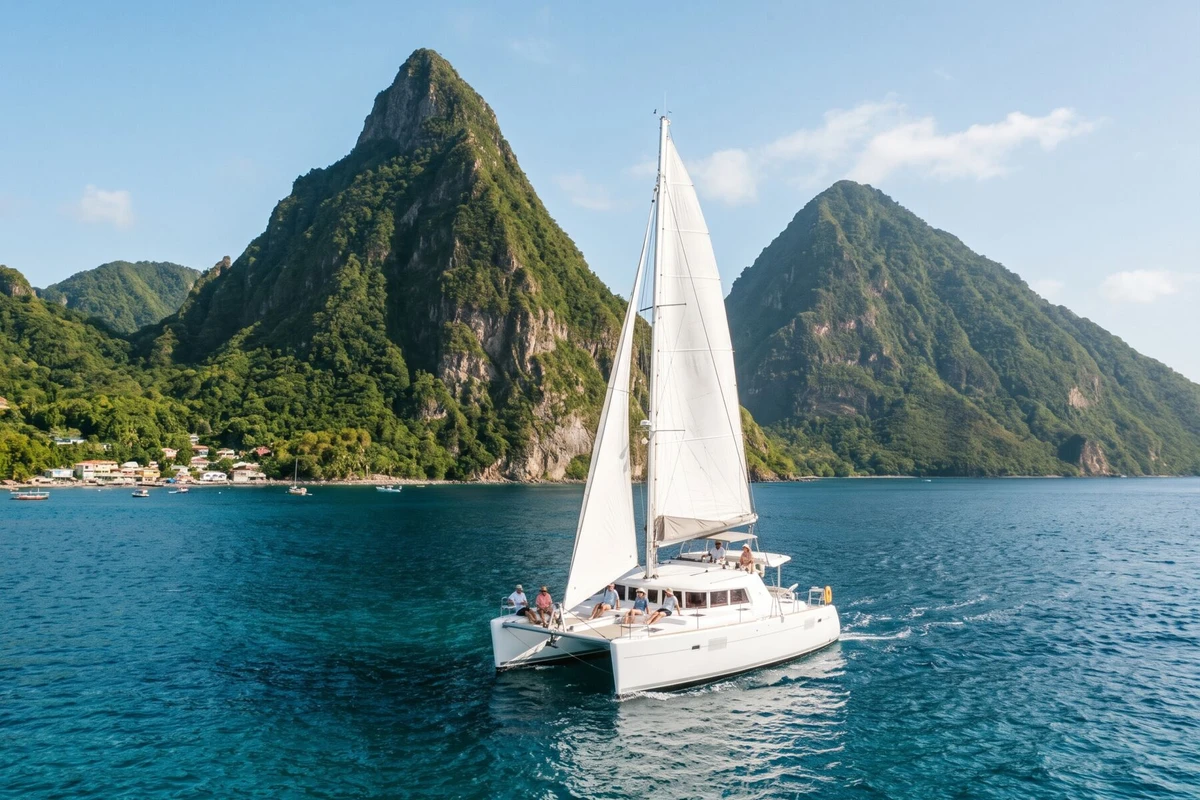
Sailing south from Castries, the coast of Saint Lucia unrolls like a green scroll. The catamaran slips past Marigot Bay, where palms lean over a sheltered cove, then past the fishing villages of Anse La Raye and Canaries, their bright boats pulled up on dark sand. Pelicans skim the swell, flying fish break the surface, and then they appear: the Pitons, two steep volcanic spires rising straight from the sea above the old town of Soufrière.
Destinations
Choose a city to see everything we arrange there.
Services by city in Saint Lucia
Tours
The essence of Saint Lucia
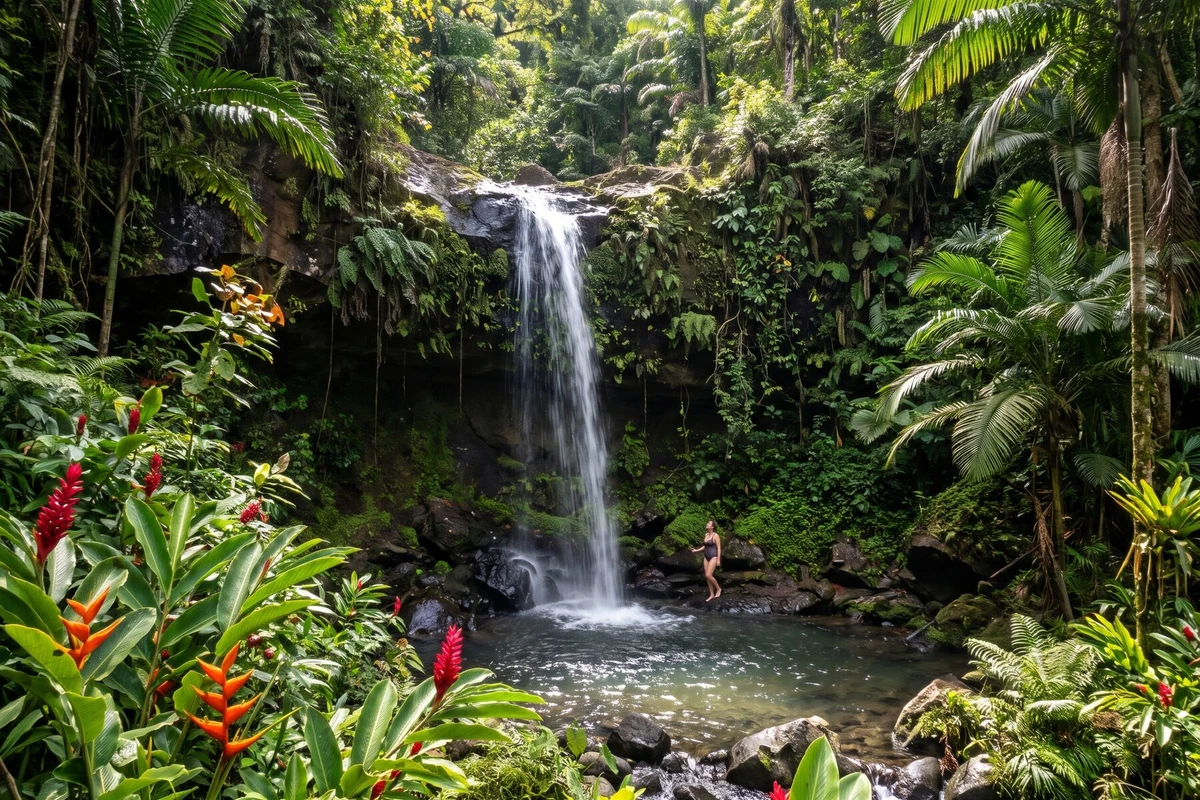
Ashore, the island reveals its volcanic heart. At the Sulphur Springs, steam rises from grey pools in an ancient crater, warm mineral water fills a waterfall's basin in the Diamond Botanical Gardens, and rainforest trails climb towards hidden cascades. Saint Lucia is unique because a gentle Caribbean coast, living volcanic ground and a UNESCO-listed mountain landscape sit within an hour of each other. We arrange the journey with sea and land tours, snorkelling stops and private airport transfers, delivered with calm, attentive service.
Why visit Saint Lucia?
A Prize Between France and Britain
The Kalinago and earlier Indigenous peoples lived on Saint Lucia long before Europeans arrived. For about a century and a half, France and Britain fought over the island and it changed hands many times, earning it the name the Helen of the West Indies. Britain finally kept it from 1814, but the French influence lives on in place names, Catholic churches and Kwéyòl, the French-based Creole spoken across the island. Saint Lucia became independent on 22 February 1979.
Pitons, Rainforest and a Drive-in Volcano
Saint Lucia is a mountainous volcanic island, its interior covered by rainforest reserves where the colourful Saint Lucia parrot lives. In the south-west, Gros Piton and Petit Piton rise side by side from the sea, protected with the surrounding reefs and the Sulphur Springs as the Pitons Management Area, listed by UNESCO. The Sulphur Springs lie inside a collapsed crater near Soufrière, often called the drive-in volcano, while waterfalls such as Toraille and Enbas Saut tumble through the forest.
Green Fig, Saltfish and Cocoa Tea
Saint Lucian cooking is Creole and generous. The national dish is green fig and saltfish, made with green bananas and seasoned salted cod, and bouyon, a hearty soup of provisions, dumplings and vegetables, warms Saturday lunchtimes. Breakfast brings bakes, accra fritters and cocoa tea spiced with cinnamon and nutmeg, and the fishing villages grill fresh fish, conch and lobster on Friday evenings. Halal food is limited, so seafood and vegetarian choices are the easiest; our team can advise.
Experiences You Can Only Have Here
Sail beneath the Pitons on a catamaran and swim in clear water at the foot of a volcanic spire, walk to the steaming vents of the Sulphur Springs and bathe in warm mineral pools nearby. Snorkel over coral in the marine reserve around Soufrière, stand beside the mineral-stained waterfall in the Diamond Botanical Gardens and learn how cocoa is grown on an old estate. In the north, climb Pigeon Island to its fort ruins for views over Rodney Bay and towards Martinique.
Who is Saint Lucia for?
Ideal for
- Couples and honeymooners
- Nature lovers and hikers
- Snorkellers and sea lovers
- Families seeking easy day trips by boat
- Photographers drawn to dramatic landscapes
- Travellers combining islands in the eastern Caribbean
Pace & travel style
- Base yourself in Castries or the north for easy access
- Spend one full day sailing to Soufrière and the Pitons
- Five to seven nights suit a relaxed first visit
- Keep one flexible day for weather at sea
When to visit Saint Lucia
Peak season · December–April
The dry season brings Saint Lucia its sunniest weather, steady trade winds and calm, clear seas, ideal for catamaran days to Soufrière, snorkelling and rainforest hikes. Temperatures stay warm but comfortable, and the evenings are pleasantly breezy. Christmas, New Year and Easter are the busiest periods, when hotels and boat tours fill quickly and cruise ships call often, so reserve sea trips, tours and transfers well ahead.
Shoulder season · May–June
Early summer is warm and still mostly dry before the rains build, with fewer visitors, easier availability and green landscapes. The sea is usually calm for boat trips and snorkelling, and the island feels relaxed between the winter season and the summer holidays. Short showers become more frequent in June, so plan sea days for the morning and keep a little flexibility in your plans.
Low season · July–November
The rainy season brings heavier tropical showers, lush rainforest and full waterfalls, with quieter beaches and trails. This is also the Atlantic hurricane season, with the highest risk from August to October, when sea trips may be rescheduled. Carnival fills Castries with colour and costumed bands in July, and Jounen Kwéyòl in October celebrates Creole food, dress and music across the island. Flexible dates and travel insurance are wise.
The regions of Saint Lucia and how to combine its cities
Saint Lucia lies in the Windward Islands of the eastern Caribbean, between Martinique to the north and Saint Vincent to the south. It is a compact, mountainous island, with Castries, the capital and main port, on the north-west coast, the Pitons and the old French town of Soufrière in the south-west, and Vieux Fort and the international airport in the south. A winding road follows the coast, and the rainforest-covered interior rises to Mount Gimie.
The north, around Castries, Rodney Bay and Gros Islet, holds most hotels, the calmest beaches, Pigeon Island and the marina, while Marigot Bay lies just to the south. The west coast leads through fishing villages to Soufrière, the island's natural treasure chest of volcano, waterfalls, gardens, reefs and cocoa estates. The east faces the Atlantic, with wild shores, the Maria Islands nature reserve near Vieux Fort and quiet farming villages.
Our city directory below is anchored in Castries, the classic starting point for full-day sea trips to Soufrière and the Pitons. From Castries we arrange catamaran days with snorkelling, Sulphur Springs and waterfall visits, while our private drivers handle transfers from the international airport near Vieux Fort (UVF) and the city airport in Castries (SLU). Saint Lucia also pairs naturally with Dominica, Martinique or Barbados on a wider island journey.
Before you go: practical tips for Saint Lucia
Entry & visas
Citizens of many countries, including the United States, Canada, the United Kingdom, European Union nations and most Commonwealth and Caribbean states, can visit Saint Lucia without a visa for short stays, with the permitted length granted on arrival. Other nationalities need to apply for a visa in advance. A passport valid for at least six months, a return or onward ticket and details of your accommodation are expected, so check the current rules before you travel.
Money, cards & tipping
Saint Lucia uses the Eastern Caribbean dollar, shared with its island neighbours, and US dollars are widely accepted in hotels, tour offices and larger shops, though change usually comes in local currency. Cards work in resorts and most restaurants, while markets, minibuses, village stalls and small cafés prefer cash. Cash machines are found in Castries, Rodney Bay, Soufrière and Vieux Fort. Many restaurants add a service charge, and tipping guides, boat crews and drivers is customary for good service.
Etiquette & dress code
Saint Lucians are warm, polite and value good manners, so greet people with good morning or good afternoon before asking anything. English is the official language, and Kwéyòl is widely spoken in daily life. Swimwear belongs on beaches and boats; cover up in Castries, villages and churches. Ask before photographing people and market vendors, decline street offers politely but firmly, and follow your guide's instructions at the Sulphur Springs and on the reefs.
Getting around
Saint Lucia's roads are winding and hilly, and traffic drives on the left. Minibuses run along the main routes from Castries during the day, while water taxis link Soufrière and Rodney Bay with nearby beaches. Many visitors reach Soufrière by sea, which is quicker and more scenic than the coast road. The drive from the international airport near Vieux Fort (UVF) to Castries takes about an hour and a half, so our private transfers are the most comfortable choice for arrivals and day trips.
Must-do things in Saint Lucia
- Sail from Castries to Soufrière beneath the Pitons
- Walk among the steaming vents of the Sulphur Springs
- Bathe in warm mineral pools near Soufrière
- See the mineral-stained waterfall in the Diamond Botanical Gardens
- Snorkel over coral in the Soufrière marine reserve
- Swim beneath Toraille Waterfall
- Climb Pigeon Island to its fort ruins
- Look over Marigot Bay from the hillside
- Browse spices and crafts in the Castries market
- Taste green fig and saltfish, bouyon and cocoa tea
Do’s and don’ts in Saint Lucia
Do
- Use reef-safe sunscreen and never touch coral
- Carry Eastern Caribbean dollars in small notes
- Bring swimwear you don't mind staining for mineral pools
- Book sea trips for the earlier part of your stay
- Pack insect repellent for rainforest walks
Don’t
- Don't wear silver jewellery in sulphur pools or mud baths
- Don't walk through Castries in swimwear
- Don't accept unofficial guides at viewpoints without checking
- Don't try to see Soufrière and the north in a rushed half day
- Don't step off marked paths at the Sulphur Springs
Saint Lucia at a glance
Plan Saint Lucia with Haqqi Tours
Every option is confirmed by our team on WhatsApp before you pay, and delivered by our own people or by trusted local partners we work with in every city. Because we send travellers from all over the world, our partners give us special rates and priority, so you always receive the best. Prices are per person unless marked per vehicle.
About Haqqi Tours: About us Contact us Legal NoticePrivacy PolicyCookies & Marketing PreferencesTerms & ConditionsBooking, Payment & Refunds
Where we operate in Saint Lucia
Good to know
Frequently Asked Questions
Straight answers to what travellers ask most about Saint Lucia.
Is it safe to visit Saint Lucia?
Saint Lucia welcomes many visitors every year, and Castries, Rodney Bay and Soufrière are well used to travellers. As anywhere, take sensible precautions: keep valuables out of sight, avoid quiet areas alone at night and use licensed guides and our arranged transfers rather than unofficial offers on the street. Check your own government's official travel advice before departure, and keep our WhatsApp line handy for help with tours and transfers.
How many days do I need in Saint Lucia?
Five to seven days work well for a first visit: one full day sailing to Soufrière for the Pitons, the Sulphur Springs and a waterfall, one for Castries, Morne Fortune and Pigeon Island, one for snorkelling or a rainforest hike, and time for slow beach days around Rodney Bay or Marigot Bay. With more time, stay a night or two in Soufrière beneath the Pitons.
What are the Pitons?
The Pitons are two steep volcanic peaks, Gros Piton and Petit Piton, rising side by side from the sea near Soufrière on the south-west coast. Together with the reefs between them and the Sulphur Springs, they form the Pitons Management Area, listed by UNESCO. They are best admired from the sea on a catamaran trip, and Gros Piton can be climbed with a licensed guide in a demanding half day.
Can a trip to Saint Lucia be tailored for luxury or private travel?
Absolutely. Saint Lucia offers elegant hotels with Piton views, boutique stays above Marigot Bay and peaceful villas in the north. We can tailor private sea trips to Soufrière, private guides for the volcano, waterfalls and rainforest, chauffeured airport transfers and a relaxed family pace, then confirm every detail with you on WhatsApp before anything is paid.
What is the best time to visit Saint Lucia?
December to April is the best time to visit Saint Lucia, with the driest weather, steady breezes and calm seas for catamaran trips and snorkelling. May and June are pleasant and quieter, while July to November brings more rain, lush scenery and the main hurricane risk, highest from August to October.
What is Saint Lucia famous for?
Saint Lucia is famous for the Pitons, its twin volcanic peaks listed by UNESCO, for the Sulphur Springs near Soufrière, the Diamond Botanical Gardens, Marigot Bay and Pigeon Island. It is also known for its rainforest and the Saint Lucia parrot, its cocoa estates, its blend of French and British heritage, its Kwéyòl language and its warm Creole cooking.
Is halal food available in Saint Lucia?
Halal options are limited in Saint Lucia, and dedicated halal restaurants are rare. Fresh fish, seafood, vegetarian Creole dishes, rice and peas, breadfruit, plantain and an abundance of tropical fruit are easy to find, and many kitchens cook to order. Pork and salted meats appear in some local dishes, so ask when ordering; our team can advise.
How do I get to Castries from the airport?
Most international flights land at the international airport near Vieux Fort (UVF) in the south, about an hour and a half by road from Castries along a scenic, winding route. Regional flights from neighbouring islands use the city airport in Castries (SLU), only a few minutes from the town centre. We arrange a private transfer with a driver waiting at arrivals at either airport.
Which cities in Saint Lucia does Haqqi Tours cover?
Castries. Each city has its own page with everything available there, and a trip across several cities is planned in one WhatsApp conversation.
What can I book in Saint Lucia?
Day tours - all run or confirmed by Haqqi Tours, each with a fixed price agreed on WhatsApp before you pay.
How do I book a tour or transfer in Saint Lucia?
Fill in the form on the page you are interested in, or message us on WhatsApp with the date, the number of travellers and your hotel. A member of our team confirms the price and the details in writing within minutes.
Are the prices fixed?
Yes. Every price is agreed in writing on WhatsApp before you travel and does not change on the day - not for traffic, not for a late flight, not for the hour.
Do you arrange transfers between cities in Saint Lucia?
Yes. Intercity transfers by private car or van are booked the same way as airport transfers; tell the desk the two hotels and the date and it quotes a fixed price for the whole vehicle.
Can you plan a full itinerary across Saint Lucia?
Yes - tell the desk your dates, the cities you want and who is travelling, and it proposes a day-by-day plan with the tours, transfers and tickets priced in writing. You adjust it in the same chat before confirming.
Are your tours private or in a group?
Both exist, and the page of each tour says which. Private tours have a car and guide for your party alone; small-group tours share a guide with a few other travellers. The desk can convert most group tours into a private day on request.
Do the drivers and guides speak Arabic?
It depends on the country, the city and the day, so we do not promise a particular language for the driver or guide. Tell us your preference and we do our best; the WhatsApp desk itself always works in Arabic and English.