
Rwanda
Haqqi Tours arranges day tours, private airport transfers, attraction tickets and multi-day packages across Rwanda, confirmed on WhatsApp before you pay.
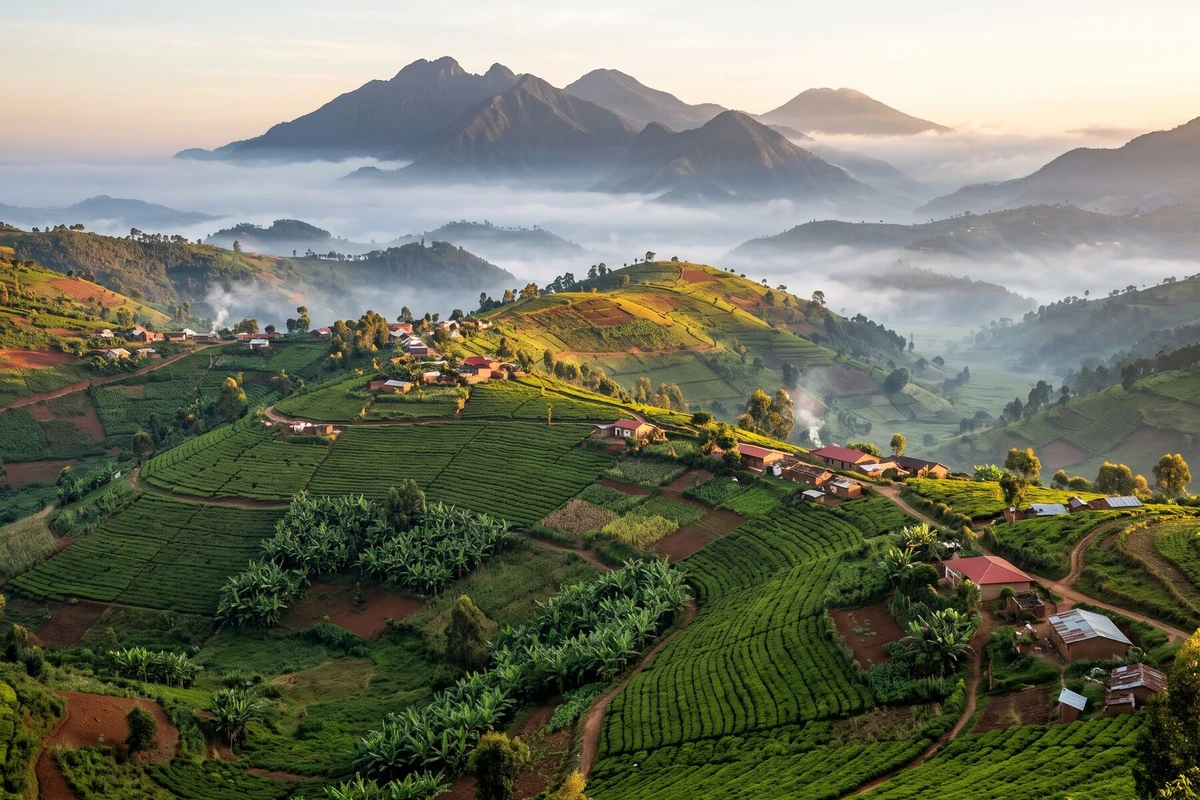
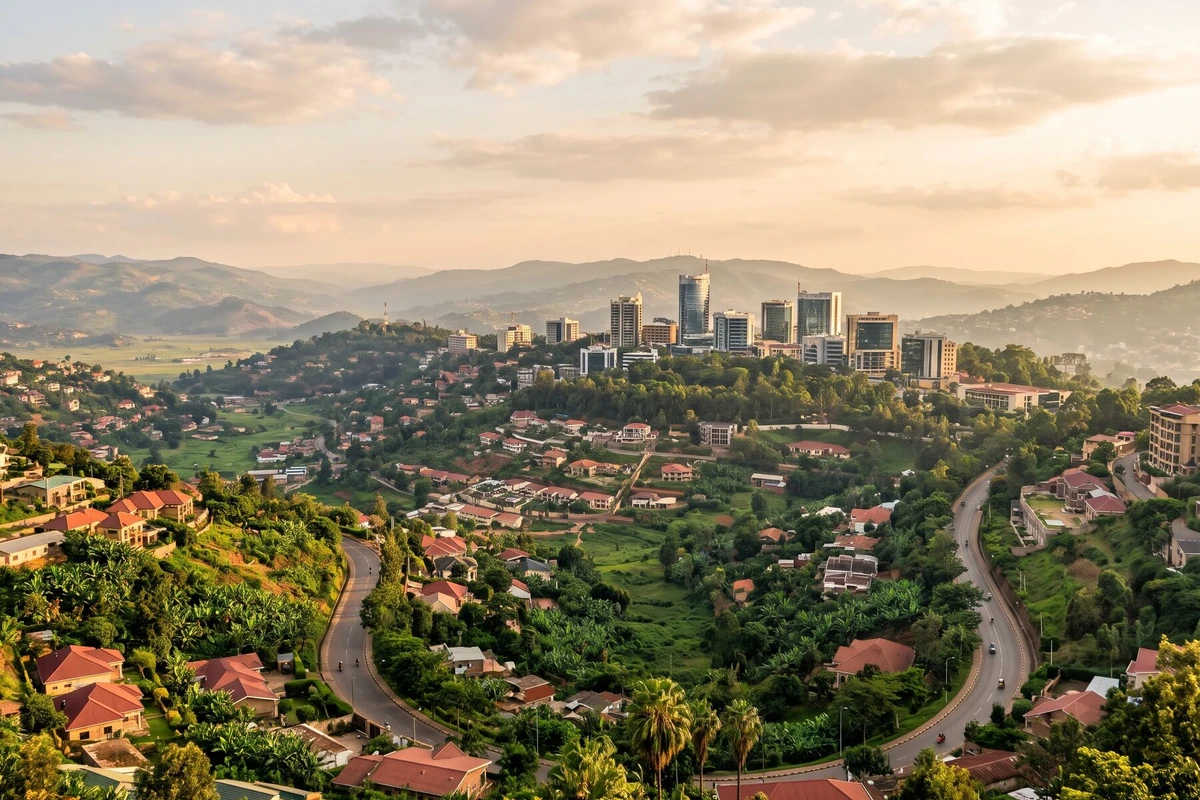
In Kigali the morning arrives softly over the hills. Mist lifts from the valleys between Kimihurura and Nyamirambo, moto-taxi riders in green helmets weave along spotless streets lined with flowering trees, and the scent of fresh Rwandan coffee drifts from small cafés. The capital spreads across ridges and slopes at around fifteen hundred metres, so the air stays mild all year, and from almost every corner you look out over red earth, banana groves and roofs climbing towards distant green summits.
Destinations
Choose a city to see everything we arrange there.
Services by city in Rwanda
Tours
The essence of Rwanda
Beyond the city the country unfolds in terraced hills, crater lakes and forests. To the east, Akagera National Park rolls out in savanna, papyrus swamps and lakes where elephants, giraffes, buffalo, hippos, lions and rhinos roam again after years of careful protection. To the north-west, volcanoes shelter mountain gorillas, and Lake Kivu glitters along the western border. Rwanda is unique because one small, orderly country combines a calm and safe capital, a Big Five safari and the deep story of a nation that has rebuilt itself. We arrange city walks, e-bike rides, Akagera day safaris and private airport transfers, delivered with calm, attentive service.
Why visit Rwanda?
A Kingdom, a Tragedy and a Nation Rebuilt
For centuries Rwanda was a kingdom ruled from royal courts in the south, where the reconstructed palace at Nyanza still shows the beehive-shaped royal dwelling and the long-horned Inyambo cattle. German and then Belgian colonial rule followed, and Rwanda became independent in 1962. In 1994 the country suffered the genocide against the Tutsi, remembered today at the Kigali Genocide Memorial and at sites across the land. Since then Rwandans have rebuilt with determination, and the monthly community work day of Umuganda reflects a strong shared civic spirit.
Hills, Volcanoes, Lakes and Savanna
Rwanda is small and intensely green, a landscape of steep hills, tea plantations and terraced fields. In the north-west the Virunga volcanoes rise above Volcanoes National Park, where mountain gorillas and golden monkeys live in bamboo and cloud forest. Nyungwe in the south-west is one of Africa's oldest montane rainforests, with chimpanzees and a canopy walkway, while Lake Kivu lines the western border with beaches and islands. In the east, Akagera National Park protects savanna, swamps and a chain of lakes along the border with Tanzania.
Brochettes, Isombe and Highland Coffee
Rwandan food is simple, fresh and generous. Lunch is often a buffet of beans, rice, matoke plantains, sweet potatoes, cassava and isombe, cassava leaves stewed with peanuts or palm oil, and grilled goat or beef brochettes are an evening favourite. Tilapia and tiny sambaza fish come from the lakes, avocados and passion fruit from the hills, and the highland coffee and tea are among Africa's finest. Rwanda is not a Muslim-majority country, so halal food is limited, though Kigali's Nyamirambo quarter has halal butchers and eateries; our team can advise.
Experiences You Can Only Have Here
Watch elephants and giraffes against the waters of Lake Ihema on an Akagera game drive, then look for hippos and crocodiles along the shore. In Kigali, walk the lanes of Nyamirambo with a local guide, browse the bold fabrics of Kimironko Market and pause in quiet reflection at the memorial in Gisozi. Ride an e-bike up the city's ridges for wide views and a breakfast of Rwandan coffee and fruit, and further afield trek through volcanic forest to spend an hour with a family of mountain gorillas.
Who is Rwanda for?
Ideal for
- Wildlife lovers and first-time safari travellers
- Travellers interested in history and remembrance
- Active travellers and cyclists
- Couples seeking calm, green landscapes
- Families with older children
- Photographers and birdwatchers
Pace & travel style
- Spend two or three nights in Kigali before heading out
- Start game drives early, when animals are most active
- Allow a full day for Akagera, leaving at dawn
- Avoid road travel on Umuganda Saturday mornings
When to visit Rwanda
Peak season · June–September
The long dry season brings sunny days, cooler mornings and easy roads, the best conditions for game drives in Akagera, where animals gather near the lakes, and for gorilla and chimpanzee treks in the forests. Kigali is pleasant for walking and cycling, with clear views from the ridges. This is the busiest period, and the gorilla naming ceremony usually takes place in early September, so reserve safaris, permits and transfers well ahead.
Shoulder season · December–February
A shorter dry season follows the November rains, with green hills, warm sunshine and occasional showers. Wildlife viewing in Akagera stays rewarding, birdlife is rich as migrant species arrive, and the forests are lush. Visitor numbers are moderate outside the Christmas and New Year holidays, making this a lovely time for a relaxed city stay, e-bike rides and a day safari. Pack a light rain jacket just in case.
Low season · March–May, October–November
The rainy seasons paint the country deep green, with heavy afternoon downpours, especially in April, and quieter parks and hotels. Mornings are often bright, so city walks and early game drives still work well, though forest trails and dirt roads can become muddy and slippery. April is also the month of national remembrance, a solemn period that visitors should respect. Flexible plans, waterproof layers and good boots are wise.
The regions of Rwanda and how to combine its cities
Rwanda is a small, landlocked country in the heart of East Africa, bordered by Uganda to the north, Tanzania to the east, Burundi to the south and the Democratic Republic of the Congo to the west. Kigali sits near the geographic centre, so most of the country lies within a few hours' drive. The capital is the gateway for every journey, with the international airport on its eastern edge and good roads leading out to the parks and lakes.
The north is volcano country, with Musanze as the base for Volcanoes National Park and the twin lakes of Burera and Ruhondo. The west follows Lake Kivu, from Rubavu with its sandy shore to Karongi and the islands near Rusizi, linked by the hilly Congo Nile Trail. The south holds Nyungwe Forest, the university town of Huye with its ethnographic museum and the royal heritage of Nyanza, while the drier east is the land of Akagera's savanna and lakes.
Our city directory below is anchored in Kigali, the natural base for a first visit. From the capital we arrange guided walks through its neighbourhoods and markets, e-bike rides with breakfast over the hills and full-day safaris to Akagera National Park, while our private drivers handle transfers from Kigali International Airport (KGL). Rwanda also pairs naturally with gorilla treks in the north, a few days on Lake Kivu or a longer East African journey.
Before you go: practical tips for Rwanda
Entry & visas
Rwanda has one of the most open entry policies in Africa. Citizens of many countries can obtain a visa on arrival or apply online in advance, and nationals of a number of African and other states are exempt for short stays. An East Africa Tourist Visa covering Rwanda, Uganda and Kenya is also available. A passport valid for at least six months is expected, and a yellow fever certificate may be required if you arrive from certain countries, so check the current rules before you travel.
Money, cards & tipping
The currency is the Rwandan franc. Cards are accepted in hotels, larger restaurants and some shops in Kigali, and mobile money is widely used by locals, but markets, small eateries and rural areas work in cash. Cash machines are common in Kigali and scarce outside the main towns. Bring clean, recent foreign banknotes if you plan to exchange money. Tipping guides, rangers and drivers for good service is customary and appreciated.
Etiquette & dress code
Rwandans are courteous, calm and reserved, and greetings matter: say muraho, or mwaramutse in the morning, and murakoze for thank you. Dress neatly and modestly, especially at memorials and places of worship. Ask before photographing people, and never photograph military or government buildings. Plastic bags are banned, littering is frowned upon, and on the last Saturday morning of each month the community work day of Umuganda brings traffic and many businesses to a pause.
Getting around
Kigali is easy to navigate, with metered and app-based taxis, modern city buses and moto-taxis whose riders carry a helmet for passengers. Roads across the country are mostly paved and in good condition, though they wind through the hills, and long-distance coaches link the main towns. Drives take longer than distances suggest, about two and a half hours to Akagera and a similar time to Musanze, so for airport arrivals and day trips our private transfers are the most comfortable choice.
Must-do things in Rwanda
- See elephants, giraffes and hippos on an Akagera game drive
- Take a boat outing on Lake Ihema in Akagera
- Pay quiet respects at the Kigali Genocide Memorial
- Walk the colourful lanes of Nyamirambo with a local guide
- Browse fabrics and baskets at Kimironko Market
- Ride an e-bike over Kigali's hills in the early morning
- Taste Rwandan coffee in the land where it grows
- Climb Mount Kigali for views over the capital
- Trek to the mountain gorillas of Volcanoes National Park
- Relax on the shores of Lake Kivu at Rubavu
Do’s and don’ts in Rwanda
Do
- Carry some cash in Rwandan francs for markets
- Pack layers for cool mornings and evenings
- Wear long sleeves and neutral colours on safari
- Dress respectfully when visiting memorials
- Plan around Umuganda on the last Saturday of the month
Don’t
- Don't bring plastic bags into the country
- Don't photograph people without asking first
- Don't photograph military or government sites
- Don't drink tap water unless it is filtered
- Don't try to fit Akagera and the gorillas into one day
Rwanda at a glance
Plan Rwanda with Haqqi Tours
Every option is confirmed by our team on WhatsApp before you pay, and delivered by our own people or by trusted local partners we work with in every city. Because we send travellers from all over the world, our partners give us special rates and priority, so you always receive the best. Prices are per person unless marked per vehicle.
About Haqqi Tours: About us Contact us Legal NoticePrivacy PolicyCookies & Marketing PreferencesTerms & ConditionsBooking, Payment & Refunds
Where we operate in Rwanda
Good to know
Frequently Asked Questions
Straight answers to what travellers ask most about Rwanda.
Is it safe to visit Rwanda?
Rwanda is widely regarded as one of the safest and most orderly countries in Africa, and Kigali is clean, calm and pleasant to explore. As anywhere, take sensible precautions with valuables, use licensed taxis and guides, and avoid remote border areas in the north-west and south-west unless advised otherwise. Check your own government's official travel advice before departure, and keep our WhatsApp line handy throughout your trip.
How many days do I need in Rwanda?
Four to five days work well for a first visit focused on Kigali and Akagera: two days for the capital's neighbourhoods, markets and memorial, one full day on safari and a spare day for an e-bike ride or Mount Kigali. With a week or more you can add gorilla trekking in the north, the forests of Nyungwe or a relaxed stay on Lake Kivu.
Can I visit Akagera National Park as a day trip from Kigali?
Yes. Akagera's southern gate is about two and a half hours by road from Kigali, so a day safari usually leaves before dawn and returns after sunset. You drive through savanna and along the lakes looking for elephants, giraffes, buffalo, zebras and hippos and, with luck, lions or rhinos. Bring water, a hat, binoculars and a warm layer for the early start.
Can a trip to Rwanda be tailored for luxury or private travel?
Absolutely. Rwanda has elegant city hotels in Kigali, refined lodges in the national parks and quiet lakeside retreats. We can tailor private guides, a private vehicle for your safari, chauffeured airport transfers and a relaxed family pace, then confirm every detail with you on WhatsApp before anything is paid.
What is the best time to visit Rwanda?
The long dry season from June to September is the best time to visit Rwanda, with sunny days, easier roads and excellent game viewing in Akagera. December to February is a pleasant second dry spell with green scenery, while March to May and October to November bring heavier rain, muddier trails and fewer visitors.
What is Rwanda famous for?
Rwanda is famous for its mountain gorillas in the Virunga volcanoes, its green terraced hills, its clean and safe capital and its high-quality coffee and tea. It is also known for Akagera's restored savanna wildlife, the chimpanzees of Nyungwe, Lake Kivu, the monthly community day of Umuganda and the way the nation has rebuilt itself since 1994.
Is halal food available in Rwanda?
Rwanda is not a Muslim-majority country, so halal food is limited in most places, but Kigali has a long-established Muslim community, especially in Nyamirambo, with mosques, halal butchers and small eateries. Elsewhere, fish, vegetarian dishes, beans, plantains and fresh fruit are easy to find. Ask when ordering meat outside Kigali; our team can advise.
How do I get to Kigali from the airport?
Kigali International Airport (KGL) lies in Kanombe, about 10 kilometres east of the city centre, and the drive takes around 20 to 30 minutes depending on traffic. Taxis wait outside the terminal, but we arrange a private transfer with a driver waiting for you at arrivals to take you directly to your hotel.
Which cities in Rwanda does Haqqi Tours cover?
Kigali. Each city has its own page with everything available there, and a trip across several cities is planned in one WhatsApp conversation.
What can I book in Rwanda?
Day tours - all run or confirmed by Haqqi Tours, each with a fixed price agreed on WhatsApp before you pay.
How do I book a tour or transfer in Rwanda?
Fill in the form on the page you are interested in, or message us on WhatsApp with the date, the number of travellers and your hotel. A member of our team confirms the price and the details in writing within minutes.
Are the prices fixed?
Yes. Every price is agreed in writing on WhatsApp before you travel and does not change on the day - not for traffic, not for a late flight, not for the hour.
Do you arrange transfers between cities in Rwanda?
Yes. Intercity transfers by private car or van are booked the same way as airport transfers; tell the desk the two hotels and the date and it quotes a fixed price for the whole vehicle.
Can you plan a full itinerary across Rwanda?
Yes - tell the desk your dates, the cities you want and who is travelling, and it proposes a day-by-day plan with the tours, transfers and tickets priced in writing. You adjust it in the same chat before confirming.
Are your tours private or in a group?
Both exist, and the page of each tour says which. Private tours have a car and guide for your party alone; small-group tours share a guide with a few other travellers. The desk can convert most group tours into a private day on request.
Do the drivers and guides speak Arabic?
It depends on the country, the city and the day, so we do not promise a particular language for the driver or guide. Tell us your preference and we do our best; the WhatsApp desk itself always works in Arabic and English.