
Kigali
Plan Kigali with Haqqi Tours: day tours, private airport transfers, attraction tickets and packages, run by our own team and confirmed on WhatsApp in Arabic or English.
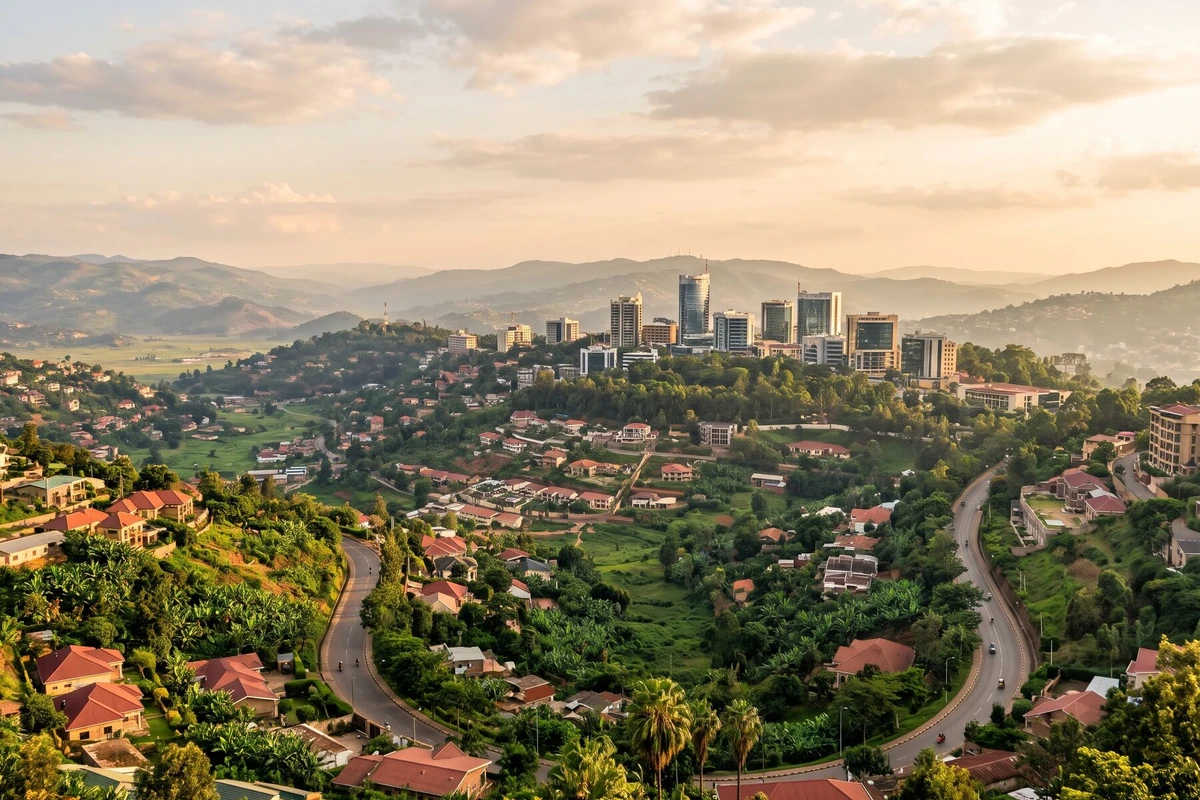
Early morning in Kigali, mist still lies in the valleys while the ridges catch the first sun. Moto-taxi riders in green helmets gather at the corners, workers sweep the spotless pavements, and the call to prayer from Nyamirambo mingles with church bells and birdsong across the hills. From a terrace in Kiyovu the city looks like a green amphitheatre of red roofs, banana palms and winding roads, with Mount Kigali standing guard to the south-west.
Nothing matches those filters yet. Widen your search or message us on WhatsApp.
Kigali Day Tours
View all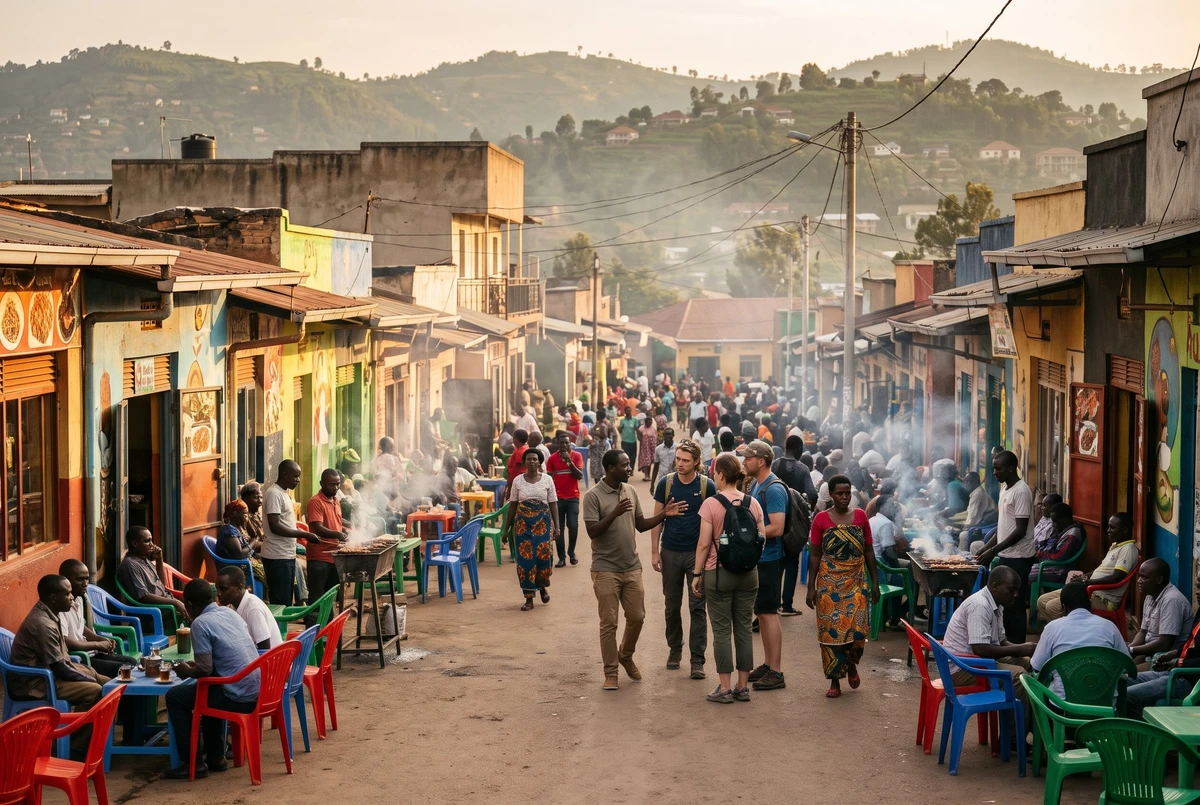
Kigali at first sight
Kigali became Rwanda's capital at independence in 1962 and has grown from a small colonial post into a modern city of wide avenues, gardens and hillside neighbourhoods. It is also a place of memory: at Gisozi, the Kigali Genocide Memorial honours the victims of 1994 and tells their story with dignity. Today the capital is calm, safe and welcoming, with lively markets, creative cafés and an easy rhythm, the natural gateway to Akagera, the volcanoes and Lake Kivu.
Why include Kigali in your itinerary?
- A calm, clean and safe capital. Kigali is known across Africa for its tidy streets, green spaces and orderly traffic, making it one of the easiest cities on the continent to explore on foot, by e-bike or with a local guide.
- A city that tells a nation's story. From the memorial at Gisozi to the markets and mosques of Nyamirambo, Kigali offers a respectful, deeply human window into Rwanda's past, its recovery and its everyday life.
- The gateway to Rwanda's wild places. Akagera's savanna is about two and a half hours away, and the volcanoes, rainforests and Lake Kivu are all within a scenic drive, so Kigali makes a comfortable base for safaris and day trips.
Signature experiences in Kigali
Akagera National Park on a Day Safari
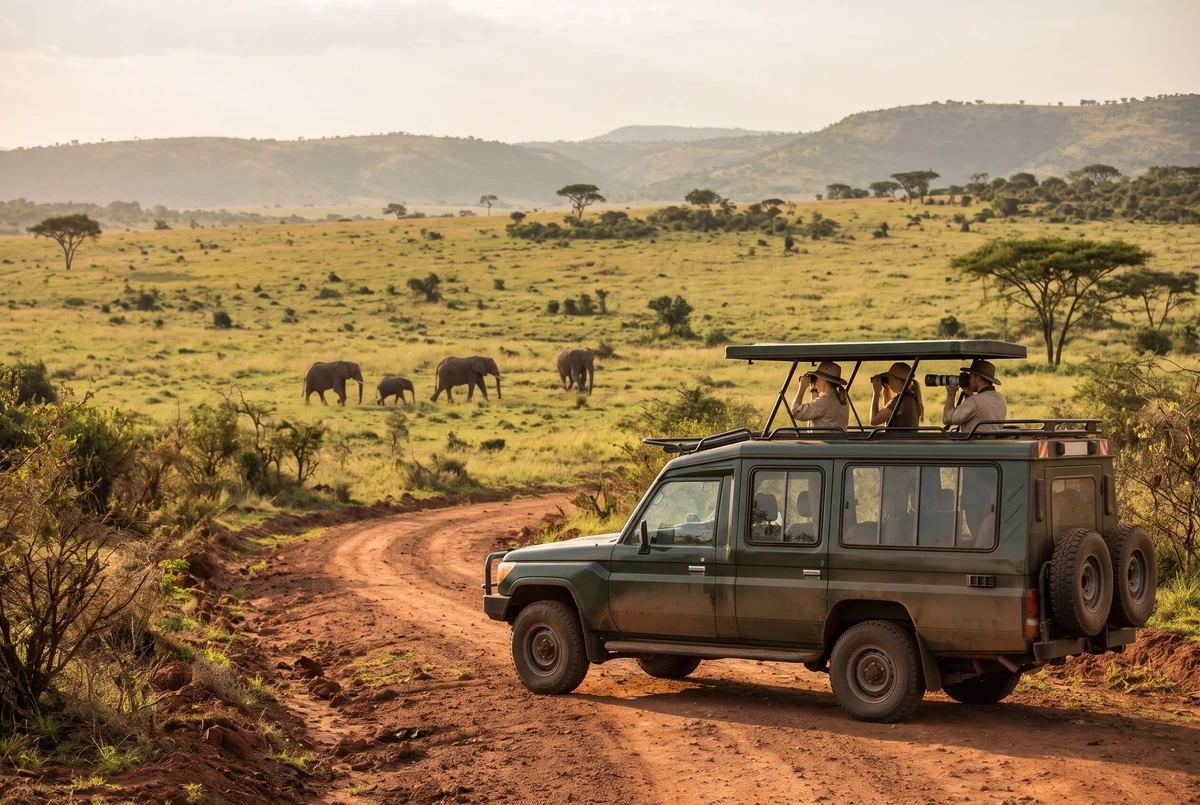
Akagera protects savanna, rolling hills, papyrus swamps and a chain of lakes along the border with Tanzania, and careful conservation has brought back lions and rhinos to join elephants, giraffes, buffalo, zebras and antelope. A day safari leaves Kigali before dawn for the drive east of about two and a half hours, then follows game tracks past Lake Ihema, where hippos and crocodiles rest on the shore and fish eagles call overhead. Bring binoculars and a warm layer for the early start.
Guided Walks Through Nyamirambo and the Centre
Walking with a local guide is the best way to understand Kigali. In Nyamirambo, one of the oldest and most colourful quarters, you pass the Green Mosque, tailors working at pedal sewing machines, salons painted with bright murals and small shops selling fabrics. In the centre you explore the car-free zone, busy streets and the green ridge of Kiyovu, while your guide shares stories of daily life, the Kinyarwanda language and Rwanda's rebuilding.
E-Bike Rides and Breakfast Over the Hills
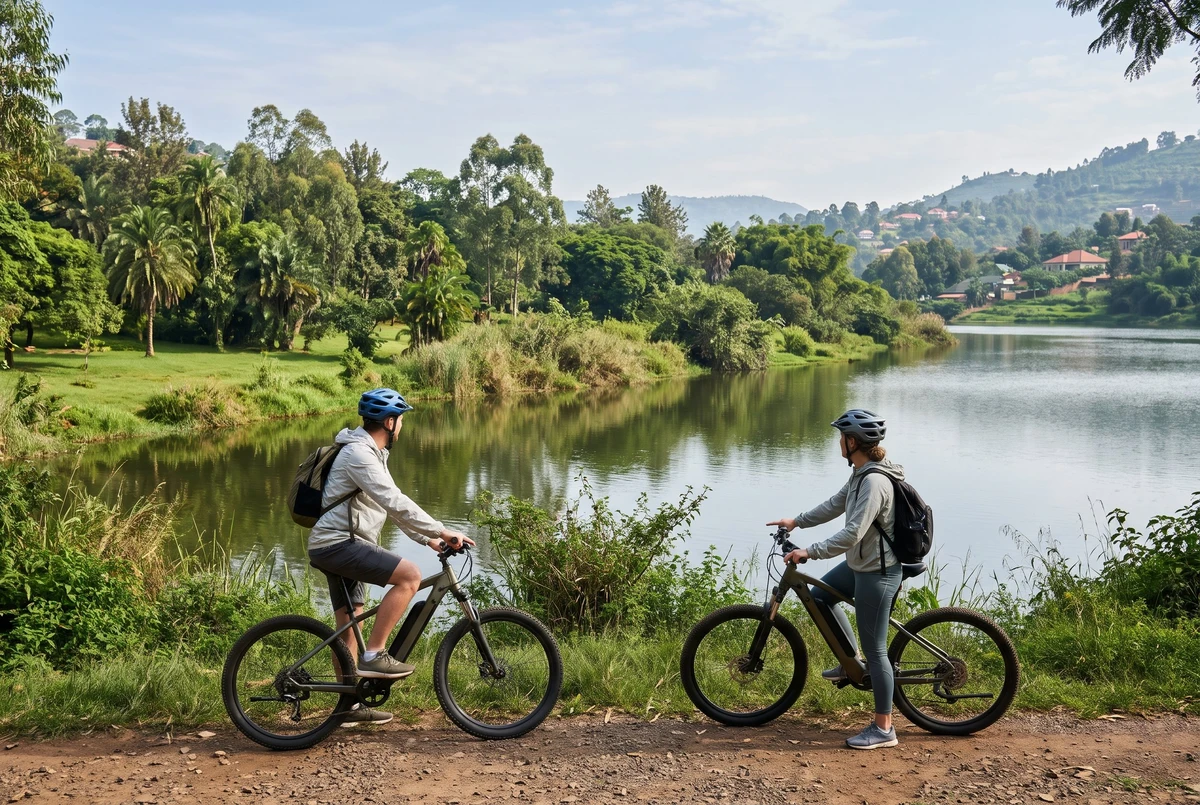
Kigali's ridges are steep, which makes an electric bike the perfect way to explore. Early-morning rides follow quiet roads and paths between neighbourhoods such as Kimihurura, Kacyiru and Nyarutarama, with stops at viewpoints over the valleys and at local landmarks along the way. A relaxed breakfast with fresh fruit, eggs and Rwandan coffee or tea is part of the ride, and guides adjust the pace for beginners and families.
The Kigali Genocide Memorial
On the hillside of Gisozi, the memorial is the final resting place of a great many victims of the 1994 genocide against the Tutsi. Its exhibitions explain the history that led to the genocide, the months of violence and the path of justice and reconciliation that followed, and its gardens invite quiet reflection. A visit is moving and best made early in a trip, in a calm frame of mind; modest dress and silence are expected.
Kimironko Market and Mount Kigali
Kimironko is the city's busiest market, a maze of stalls piled with fruit, vegetables, woven baskets and the bold printed fabrics that local tailors can turn into clothing within a day or two. For a different view, walk or drive up Mount Kigali at the south-western edge of the city, through eucalyptus woods to a summit with sweeping views over the capital's hills. Late afternoon brings the softest light and cooler air.
Neighbourhoods and quarters to know in Kigali
Kiyovu and the City Centre
The leafy ridge of Kiyovu sits just above the central business district, with established hotels, embassies, quiet gardens and easy access to the car-free zone and the city's banks and offices. It is a convenient and calm base for first-time visitors who want to walk to cafés and sights, and it offers fine views over the lights of the city at night.
Kimihurura and Kacyiru
These neighbouring hills east of the centre hold government ministries, embassies, the convention centre and many of Kigali's best restaurants and cafés. Streets are safe, green and well lit, with modern hotels and serviced apartments, making the area a comfortable choice for couples, families and business travellers alike.
Nyarutarama
The upscale district of Nyarutarama in the north-east is a peaceful area of villas, green hillsides and a small lake with a walking path, close to the city's golf course. It suits travellers who want quiet evenings, spacious hotels and quick access to the airport road and Kimironko Market.
Nyamirambo
On the western slopes below Mount Kigali, Nyamirambo is the city's most vibrant quarter, with a historic Muslim community, the Green Mosque, small eateries and colourful street life. Guesthouses here offer a more local experience with halal food close at hand, while guided walks reveal its crafts, music and everyday energy.
How long to stay in Kigali and how to pair it
Recommended stay
We recommend three to four nights in Kigali. One day for a guided walk through Nyamirambo and the city centre with Kimironko Market, a second for the Kigali Genocide Memorial and an e-bike ride with breakfast over the hills, and a third for a full-day safari to Akagera. With more time, climb Mount Kigali or visit the art museum in Kanombe before heading north to the volcanoes.
How to pair it
Kigali pairs naturally with Akagera National Park, about two and a half hours east, for savanna wildlife and boat outings on Lake Ihema. Musanze and Volcanoes National Park lie about two and a half hours north-west for gorilla treks, while Rubavu on Lake Kivu is around three and a half hours west. A week can combine Kigali, Akagera, the volcanoes and the lake, with private transfers arranged by our team.
Best time to visit Kigali and the rhythm of the day
Best months
The best time to visit Kigali is June to September, during the long dry season, when sunny days and easy roads suit city walks, cycling and safaris in Akagera. December to February is a pleasant shorter dry season with green hills. Thanks to its altitude Kigali stays mild all year, and while March to May and October to November bring heavy afternoon showers, mornings are often bright.
The daily rhythm
Kigali wakes early. Mornings are the best time for e-bike rides, market visits and departures to Akagera, before the midday warmth. The middle of the day suits museums, the memorial and a long lunch at a Rwandan buffet. In the late afternoon, families stroll in the car-free zone and the light turns golden over the hills, and evenings are calm, with restaurants and terraces quietening earlier than in many capitals.
On-the-ground logistics in Kigali
Arrival
Kigali International Airport (KGL) in Kanombe is the country's international gateway, about 10 kilometres east of the city centre, a drive of around 20 to 30 minutes depending on traffic. Direct flights connect Kigali with major hubs in Africa, Europe and the Middle East, and long-distance coaches link it with Uganda and Tanzania. We arrange private transfers that meet you at arrivals and drive you directly to your hotel.
Getting around
Kigali's hills make long walks tiring, but the centre, Kiyovu and Nyamirambo are pleasant on foot with a guide. Metered and app-based taxis are reliable, city buses take tap cards, and moto-taxis are quick, with riders carrying a passenger helmet. On some Sunday mornings selected roads close for car-free community exercise. For Akagera, Mount Kigali or longer drives, a private car with driver arranged by our team is the most comfortable choice.
Local etiquette tip
Rwandans are polite, reserved and proud of their clean city. Greet people with muraho, or mwaramutse in the morning, and say murakoze to thank them. Dress neatly, and modestly at the memorial, mosques and churches. Plastic bags are banned and littering is frowned upon. Ask before photographing people, avoid photographing government buildings, and remember that on the last Saturday morning of each month the Umuganda community work day pauses traffic and many shops.
Must-do things in Kigali
- Spot elephants and giraffes on a day safari in Akagera
- Watch hippos along the shore of Lake Ihema
- Reflect quietly at the Kigali Genocide Memorial
- Walk the lively lanes of Nyamirambo with a local guide
- Visit the Green Mosque in Nyamirambo
- Ride an e-bike over the hills with breakfast on the way
- Browse printed fabrics and baskets at Kimironko Market
- Climb Mount Kigali for sweeping views of the city
- Have clothing tailored from Rwandan fabric
- Sip Rwandan coffee on a terrace above the valleys
Do’s and don’ts in Kigali
Do
- Do carry cash in Rwandan francs for markets
- Do dress modestly at the memorial
- Do start Akagera day trips before dawn
- Do pack a light rain jacket in any season
- Do agree fares with moto-taxi riders before setting off
Don’t
- Don't carry plastic bags into Rwanda
- Don't photograph people without asking first
- Don't plan road trips on Umuganda Saturday mornings
- Don't litter; the streets are kept spotless
- Don't treat Kigali as only an airport stop
Kigali at a glance
Plan Kigali with Haqqi Tours
Every option is confirmed by our team on WhatsApp before you pay, and delivered by our own people or by trusted local partners we work with in every city. Because we send travellers from all over the world, our partners give us special rates and priority, so you always receive the best. Prices are per person unless marked per vehicle.
About Haqqi Tours: About us Contact us Legal NoticePrivacy PolicyCookies & Marketing PreferencesTerms & ConditionsBooking, Payment & Refunds
More services in Kigali
Good to know
Frequently Asked Questions
Straight answers to what travellers ask most about Kigali.
Where should I stay in Kigali?
Most visitors stay in Kiyovu, close to the city centre, or in Kimihurura and Kacyiru, where many of the best restaurants and modern hotels are found. Nyarutarama offers quiet villas and green hillsides, while Nyamirambo suits travellers who want a lively local atmosphere with halal food nearby. Our team suggests the best area for your plans and arranges your private transfer from the airport.
Is Kigali worth visiting on its own?
Yes. Many travellers pass through Kigali on the way to the gorillas, but the capital deserves at least two or three days. Its neighbourhoods, markets, memorial, art spaces and hilltop views tell Rwanda's story in a way no park can, and it makes a comfortable base for an Akagera day safari. We arrange walks, e-bike rides and day trips from the city.
What is the dress code and etiquette in Kigali?
Dress is smart-casual and modest, with comfortable shoes for hilly streets and a light jacket for cool mornings and evenings. Cover shoulders and knees at the memorial, mosques and churches. Rwandans value calm and courtesy, so greet people before asking questions, keep voices low in public places and always ask before photographing anyone.
Is Kigali suitable for families and Muslim travellers?
Yes. Kigali is safe, green and relaxed, with parks, gentle e-bike rides, markets and an easy day safari that children love. Nyamirambo has a long-established Muslim community with mosques, halal butchers and eateries, while elsewhere fish, vegetarian dishes and fresh fruit are easy to find. Our team can advise on suitable restaurants across the city.
Is it safe to travel to Kigali now?
Kigali is widely considered one of the safest capitals in Africa, with low street crime and a visible but relaxed security presence. Take normal care with belongings in markets and busy areas, use licensed taxis and follow your guide's advice on safari. Check your own government's official travel advice before departure, and keep our WhatsApp line handy throughout your stay.
What are the must-do things in Kigali?
The must-do things in Kigali include a quiet visit to the Kigali Genocide Memorial, a guided walk through Nyamirambo, Kimironko Market, an e-bike ride with breakfast over the hills, the views from Mount Kigali and a full-day safari to Akagera National Park to see elephants, giraffes and hippos. Our private tours combine these in the best order and timing.
How many days do you need in Kigali?
Three to four days is ideal for Kigali: one for the city centre, Nyamirambo and the market, one for the memorial and an e-bike ride, and one for a day safari in Akagera. Two days cover the city highlights at a quicker pace, while five days or more let you add gorilla trekking in the north or a visit to Lake Kivu.
What can I book in Kigali with Haqqi Tours?
Day tours, including Kigali E-Bike City Tour with Breakfast, 1-Day Akagera National Park Safari from Kigali and Kigali Walking Tour with a Local Guide. Each has its own page, and the WhatsApp desk combines any of them into one plan with one written price.
How do I get from the airport to my hotel in Kigali?
With a private transfer: a driver at arrivals, flight tracking and a fixed price for the whole vehicle, door to door. Tell the desk the flight number and the hotel.
Is there public transport from the airport to Kigali?
Public options vary by airport and end at a station rather than your hotel; the private transfer starts at the arrivals door and ends at your door.
Which tours are available in Kigali?
Among them: Kigali E-Bike City Tour with Breakfast, 1-Day Akagera National Park Safari from Kigali and Kigali Walking Tour with a Local Guide. Each page says whether the day is private or small-group, what it includes and how long it lasts.
Are the tours private or in a group?
Both exist, and each tour page says which. A private tour has a vehicle and guide for your party alone; the desk can make most group tours private on request.
How do I book?
Fill in the form on any page or message us on WhatsApp with the date, the number of travellers and the hotel. A member of our team confirms the price and the details in writing within minutes.
Are the prices fixed?
Yes - every price is agreed in writing on WhatsApp before you travel and does not change on the day.
Do the drivers and guides speak Arabic or English?
It depends on the city and the day, so we do not promise a particular language; tell us your preference and we do our best. The WhatsApp desk always works in Arabic and English.
Can I change or cancel a booking in Kigali?
Yes, in the same WhatsApp conversation. The terms depend on the product and on how close to the date the change comes; the desk states them before you pay.