
Dakar
Plan Dakar with Haqqi Tours: day tours, private airport transfers, attraction tickets and packages, run by our own team and confirmed on WhatsApp in Arabic or English.
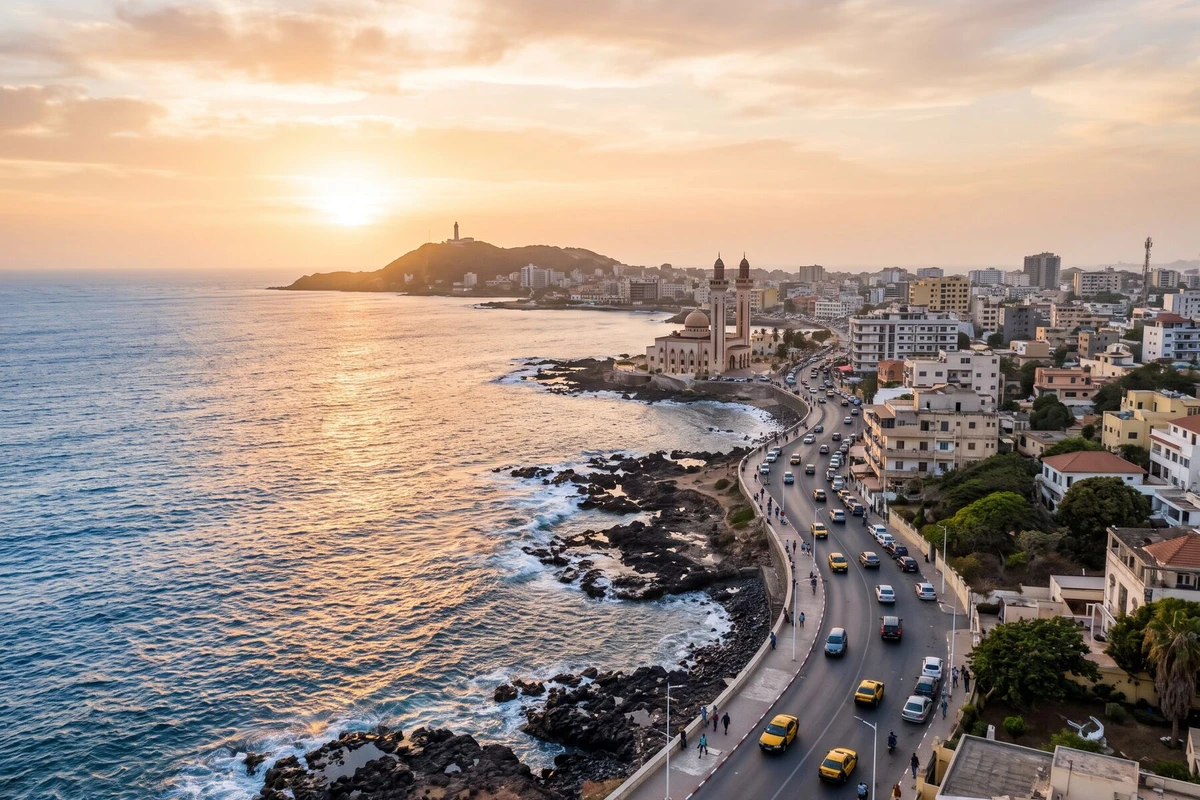
Early morning on the Corniche in Dakar, the Atlantic rolls in grey-blue beneath the cliffs and the air is cool and salty. Fishermen push painted pirogues into the surf at Soumbédioune, joggers and young wrestlers train on the sand, and the scent of warm bread and café Touba drifts from roadside stalls. Across the water the low outline of Gorée rises from the sea, while on the Mamelles hills the bronze African Renaissance Monument catches the first golden light.
Nothing matches those filters yet. Widen your search or message us on WhatsApp.
Dakar Day Tours
View all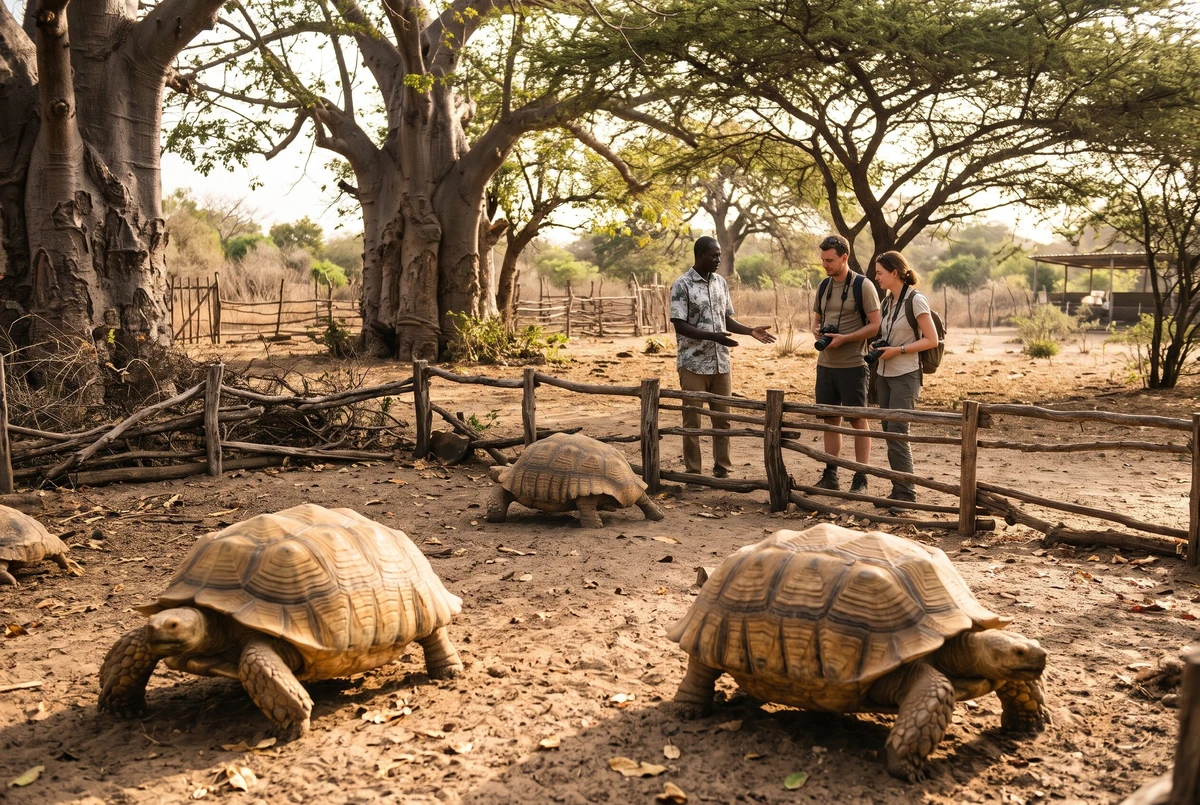
Dakar at first sight
Dakar grew from a small fishing village of the Lebou people into the capital of French West Africa and, from 1960, of independent Senegal. Today it is one of West Africa's liveliest cities, spread across the Cap-Vert peninsula, where Pointe des Almadies marks the westernmost point of mainland Africa. Markets, mosques, art galleries, surf beaches and seafood grills fill its neighbourhoods, and it is the natural base for Gorée, the Pink Lake and the coast.
Why include Dakar in your itinerary?
- A capital alive with colour. Dakar's markets, painted pirogues, bold fabrics and the rhythms of mbalax music make every walk vivid, while its spirit of teranga makes visitors feel genuinely welcome.
- History and memory a short ferry ride away. Gorée, listed by UNESCO, sits just twenty minutes offshore, offering colourful lanes, quiet squares and a moving encounter with the history of the Atlantic slave trade.
- Easy half-day escapes. Lake Retba, with its pink waters and salt collectors, and a sanctuary for giant tortoises lie about an hour from the city, perfect for a relaxed morning trip with a private guide.
Signature experiences in Dakar
Lake Retba, the Pink Lake
About an hour north-east of Dakar, Lake Retba is separated from the Atlantic by a band of dunes and is so salty that a microscopic alga tints its water pink, a colour that is strongest around midday in the dry season. Salt collectors, their skin protected with shea butter, wade into the shallows to break salt from the lake bed and load it into wooden boats, while women sort and pile the gleaming crystals along the shore. A short drive over the dunes leads to the ocean beach.
The Tortoise Sanctuary near Sangalkam
Not far from Lake Retba, near the town of Sangalkam, a conservation village cares for African spurred tortoises, the largest tortoises on the African mainland, as well as smaller species from across the region. Guides explain how the reptiles are bred, protected and returned to the wild, and visitors can walk among the giant tortoises as they graze in shady enclosures. It is a gentle, educational stop that children especially enjoy, easily combined with the Pink Lake in a half-day trip.
Gorée Island
A ferry crosses from Dakar's port to Gorée in about twenty minutes, and the island, listed by UNESCO, is free of cars, with sandy lanes, ochre and rose colonial houses and cascades of bougainvillea. The House of Slaves, with its narrow cells and its doorway opening onto the sea, is a powerful place of memory for the Atlantic slave trade, best visited quietly and with a guide. Climb to the Castel at the island's southern end for views back across the water to the city.
Les Almadies, Ngor and the Western Coast
At Pointe des Almadies the Cap-Vert peninsula ends in black rocks and crashing waves, marking the westernmost point of mainland Africa, while nearby Ngor village faces a small island reached by pirogue in a few minutes, with calm beaches and surf breaks. Along the coast, the Mosque of the Divinity at Ouakam stands beside the sea, and the African Renaissance Monument on the Mamelles hills offers wide views of the peninsula from its viewing platform.
Markets, the Médina and the Plateau
Dakar's old heart lies in the Plateau and the Médina. In the Plateau, Independence Square, the covered Kermel market and the museum of African arts sit among colonial-era buildings, while the Museum of Black Civilisations celebrates the cultures of Africa and its diaspora. In the Médina, the Great Mosque rises above busy lanes, tailors and the Tilène market, and at Soumbédioune fishermen land their catch each afternoon beside a craft village of carvers and jewellers.
Neighbourhoods and quarters to know in Dakar
Les Almadies
The upscale headland of Les Almadies, at the western tip of the peninsula, is lined with seafront hotels, restaurants and residences, with ocean views and a calmer pace than the centre. It is close to the beaches of Ngor and the airport road, making it a comfortable base for couples and families who want sea breezes and easy access to excursions.
Ngor and Yoff
The old Lebou fishing villages of Ngor and Yoff keep sandy lanes, painted pirogues and a relaxed, local atmosphere beside long beaches. Ngor faces its small island, reached by pirogue, while Yoff is the spiritual centre of the Layène brotherhood, with a seaside mosque. Guesthouses and beach hotels here suit surfers and travellers seeking a laid-back stay.
The Plateau
The Plateau is Dakar's historic downtown on the southern tip of the peninsula, with Independence Square, ministries, banks, the cathedral, Kermel market and the port for the Gorée ferries. Business hotels and apartments here offer the most central base for sightseeing on foot by day, though the area grows quiet in the evenings.
Fann, Point E and Mermoz
These green residential neighbourhoods along the western Corniche, between the centre and Les Almadies, hold the university, embassies, cafés and some of the city's best restaurants. Hotels and guesthouses are quieter and well connected by the coastal road, suiting travellers who want a calm, local feel with easy access to both the Plateau and the western beaches.
How long to stay in Dakar and how to pair it
Recommended stay
We recommend three to four nights in Dakar. One day for the Plateau, the Médina, Soumbédioune and the African Renaissance Monument, a second for the ferry to Gorée and a seafood lunch, and a half-day trip to Lake Retba and the tortoise sanctuary on a third morning, with the afternoon for Les Almadies and Ngor. With more time, head south to the Petite Côte or north to Saint-Louis.
How to pair it
Dakar pairs naturally with the Petite Côte, about an hour and a half south, where Saly and Somone offer calm beaches and lagoons, and with the Sine-Saloum Delta beyond for mangroves and birdlife. Saint-Louis, the old colonial capital on its island in the Senegal River, lies about four hours north, near the Lompoul dunes and the Djoudj bird sanctuary. A week can combine Dakar, the coast and the delta, with private transfers arranged by our team.
Best time to visit Dakar and the rhythm of the day
Best months
The best time to visit Dakar is November to March, when dry, sunny days, cooler evenings and steady sea breezes make walking and excursions comfortable, and the Pink Lake is often at its most vivid. April to June stays dry and quiet, tempered by the Atlantic. July to October is the rainy season, hot and humid with short, heavy storms, though mornings are often fine for half-day trips.
The daily rhythm
Dakar starts early and pauses at midday. Mornings are the best time for the Pink Lake, the Gorée ferry and the markets, before the heat. Around lunchtime families gather around a shared dish of thiéboudienne and the city slows down, especially on Fridays during midday prayers. In the late afternoon fishermen return to Soumbédioune and joggers fill the Corniche, and evenings are lively but relaxed, with seafood grills and cafés along the coast.
On-the-ground logistics in Dakar
Arrival
Dakar's international airport (DSS) at Diass is the country's gateway, about 45 kilometres south-east of the city, a drive of around 45 minutes to an hour along the toll motorway, longer at rush hour. Direct flights connect Dakar with Europe, North Africa, the Middle East and cities across Africa. We arrange private transfers that meet you at arrivals and drive you directly to your hotel.
Getting around
Dakar is spread out along its peninsula, so walking works best within the Plateau, the Médina or along the Corniche. Taxis are everywhere, and fares are agreed before you get in. A modern rapid bus line and the regional express train serve parts of the city and suburbs, and ferries leave the port for Gorée throughout the day. For Lake Retba, the tortoise sanctuary or the coast, a private car with driver arranged by our team is the most comfortable choice.
Local etiquette tip
Dakar is warm and friendly, and greetings matter: say salaam aleekum or bonjour, ask how people are and take your time. Dress modestly away from the beach, especially in the Médina and at mosques, and remove your shoes before entering. Eat and give with your right hand. Ask before photographing people, particularly at markets and fishing beaches. Bargaining is normal in markets, and it goes best with patience and good humour.
Must-do things in Dakar
- See the pink waters of Lake Retba around midday
- Watch salt collectors at work on the Pink Lake
- Meet giant spurred tortoises at the sanctuary near Sangalkam
- Take the ferry to car-free Gorée Island
- Reflect quietly at the House of Slaves
- Stand at Pointe des Almadies at the edge of Africa
- Ride a pirogue to Ngor Island
- Climb to the African Renaissance Monument
- Watch the fishing boats land at Soumbédioune
- Share a plate of thiéboudienne and a glass of bissap
Do’s and don’ts in Dakar
Do
- Do carry cash in CFA francs
- Do greet people before asking questions
- Do visit the Pink Lake on a sunny day
- Do dress modestly in the Médina and at mosques
- Do agree taxi fares before setting off
Don’t
- Don't photograph people without permission
- Don't swim where currents are strong and no lifeguard is present
- Don't walk alone on empty streets late at night
- Don't expect the lake to look pink after heavy rain
- Don't drink tap water unless it is filtered
Dakar at a glance
Plan Dakar with Haqqi Tours
Every option is confirmed by our team on WhatsApp before you pay, and delivered by our own people or by trusted local partners we work with in every city. Because we send travellers from all over the world, our partners give us special rates and priority, so you always receive the best. Prices are per person unless marked per vehicle.
About Haqqi Tours: About us Contact us Legal NoticePrivacy PolicyCookies & Marketing PreferencesTerms & ConditionsBooking, Payment & Refunds
More services in Dakar
Good to know
Frequently Asked Questions
Straight answers to what travellers ask most about Dakar.
Where should I stay in Dakar?
Most visitors stay in Les Almadies or Ngor, close to the ocean, seafront restaurants and the airport road. The Plateau is the most central base for sightseeing and the Gorée ferry, while Fann, Point E and Mermoz offer quiet residential streets along the Corniche. Our team suggests the best area for your plans and arranges your private transfer from the airport at Diass.
Is the Pink Lake worth visiting from Dakar?
Yes. Lake Retba is about an hour from the city and makes an easy, memorable half-day trip, especially on a sunny dry-season day around midday, when the pink colour is strongest. Watching the salt collectors at work, walking the dunes towards the ocean and visiting the nearby tortoise sanctuary add variety. We arrange private trips with a guide and driver.
What is the dress code and etiquette in Dakar?
Dress is light and casual but modest, with shoulders and knees covered in the Médina, at markets and in mosques, where shoes are removed. Swimwear belongs on the beach. Senegalese people value greetings and courtesy, so greet before asking for directions, use your right hand to give and receive, and always ask before taking photographs of people.
Is Dakar suitable for families and Muslim travellers?
Yes. Dakar is welcoming and relaxed, with beaches, pirogue rides to Ngor Island, the tortoise sanctuary and the Pink Lake making easy outings for children. Senegal is a Muslim-majority country, halal food is the norm, mosques are found in every neighbourhood and the call to prayer sets the rhythm of the day. Our team can suggest family-friendly restaurants and hotels.
Is it safe to travel to Dakar now?
Dakar is generally considered safe and welcoming for visitors. Take normal care with belongings in markets and crowded areas, avoid walking alone on empty streets at night and use licensed guides and drivers. Strong currents make some beaches dangerous, so swim only where it is safe. Check your own government's official travel advice before departure, and keep our WhatsApp line handy throughout your stay.
What are the must-do things in Dakar?
The must-do things in Dakar include a half-day trip to the Pink Lake and the tortoise sanctuary, the ferry to Gorée and the House of Slaves, Pointe des Almadies, a pirogue ride to Ngor Island, the African Renaissance Monument, the Great Mosque in the Médina, the fish market at Soumbédioune and a meal of thiéboudienne. Our private tours combine these in the best order and timing.
How many days do you need in Dakar?
Three to four days is ideal for Dakar: one for the city, the Médina and the Corniche, one for Gorée Island and a half day for Lake Retba and the tortoise sanctuary, with time left for Les Almadies and Ngor. Two days cover the highlights at a quicker pace, while a week lets you add the Petite Côte or Saint-Louis.
What can I book in Dakar with Haqqi Tours?
Day tours, including Private Dakar Pink Lake and Turtle Village Half-Day Tour. Each has its own page, and the WhatsApp desk combines any of them into one plan with one written price.
How do I get from the airport to my hotel in Dakar?
With a private transfer: a driver at arrivals, flight tracking and a fixed price for the whole vehicle, door to door. Tell the desk the flight number and the hotel.
Is there public transport from the airport to Dakar?
Public options vary by airport and end at a station rather than your hotel; the private transfer starts at the arrivals door and ends at your door.
Which tours are available in Dakar?
Among them: Private Dakar Pink Lake and Turtle Village Half-Day Tour. Each page says whether the day is private or small-group, what it includes and how long it lasts.
Are the tours private or in a group?
Both exist, and each tour page says which. A private tour has a vehicle and guide for your party alone; the desk can make most group tours private on request.
How do I book?
Fill in the form on any page or message us on WhatsApp with the date, the number of travellers and the hotel. A member of our team confirms the price and the details in writing within minutes.
Are the prices fixed?
Yes - every price is agreed in writing on WhatsApp before you travel and does not change on the day.
Do the drivers and guides speak Arabic or English?
It depends on the city and the day, so we do not promise a particular language; tell us your preference and we do our best. The WhatsApp desk always works in Arabic and English.
Can I change or cancel a booking in Dakar?
Yes, in the same WhatsApp conversation. The terms depend on the product and on how close to the date the change comes; the desk states them before you pay.