
Kanazawa
Plan Kanazawa with Haqqi Tours: day tours, private airport transfers, attraction tickets and packages, run by our own team and confirmed on WhatsApp in Arabic or English.
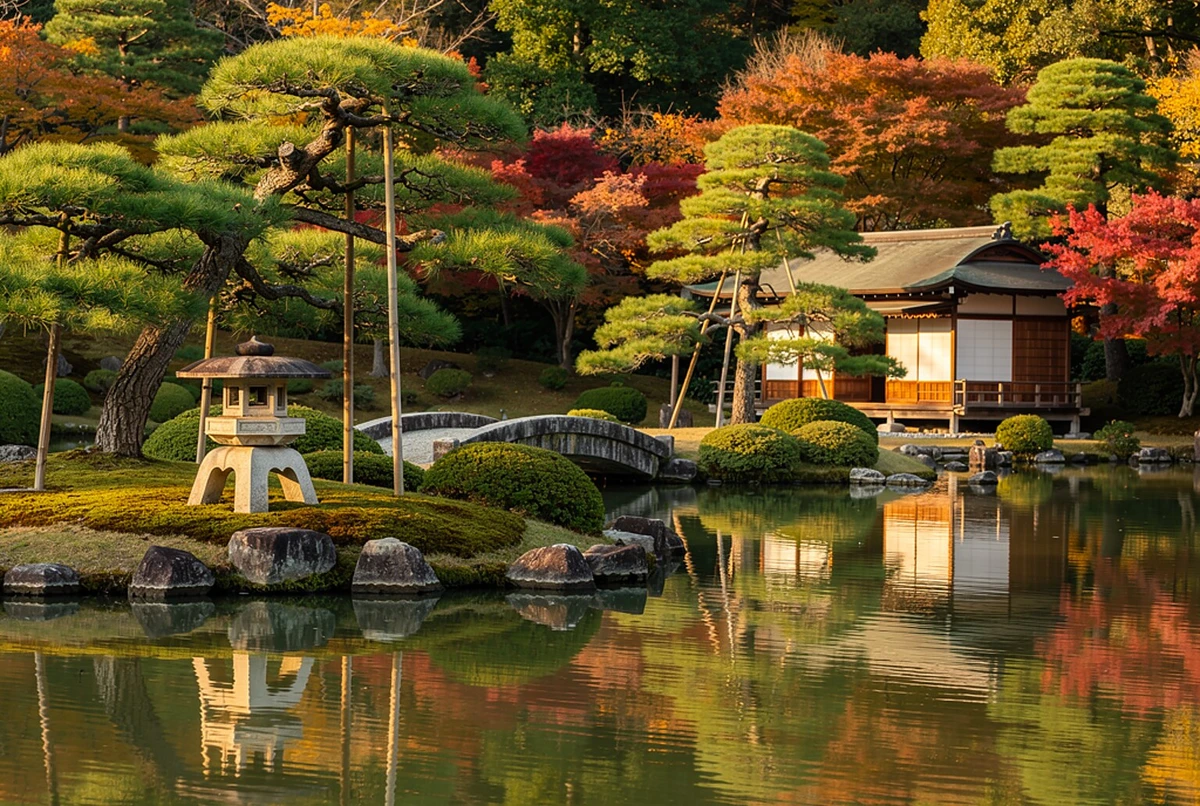
Leave your hotel in Kanazawa early and the city is hushed and polished. Morning light slides along the wooden lattices of the Higashi Chaya district, a shopkeeper sweeps the stone lane, and somewhere behind a sliding door a kettle is coming to the boil. In Kenrokuen the ponds are still, the moss is beaded with dew, and the twisted pines stand braced on their bamboo supports as if posing for a painting.
Nothing matches those filters yet. Widen your search or message us on WhatsApp.
Kanazawa Day Tours
View allKanazawa Airport Transfers
View all Kanazawa at first sight
Kanazawa was the seat of a powerful and wealthy feudal domain, and because it escaped wartime bombing, its samurai lanes, teahouse quarters and castle grounds survived intact. The city poured its fortune into crafts and gardens: gold leaf, lacquer, porcelain and silk dyeing are still made here by hand. It feels like a smaller, calmer Kyoto, with the sea close by and the mountains of Shirakawa-go on the horizon.
Why include Kanazawa in your itinerary?
- A garden of national fame. Kenrokuen is celebrated as a masterpiece of Japanese landscape gardening, with ponds, stone lanterns, tea houses and seasonal beauty from plum blossom to winter snow ropes, set right beside the restored gates of Kanazawa Castle.
- Old Japan without the crowds. The geisha teahouse streets of Higashi Chaya and Kazuemachi, the earthen walls and canals of the Nagamachi samurai district and the quiet temples of Teramachi let you feel the Edo period in a compact, easy city.
- Gateway to Shirakawa-go. The steep thatched farmhouses of Shirakawa-go, a World Heritage village in the mountains, lie a short drive away, making Kanazawa the ideal base for a much-loved and much-photographed rural landscape of Japan.
Signature experiences in Kanazawa
Kenrokuen and a Traditional Tea Ceremony
Kenrokuen unfolds slowly: a lantern balanced on two legs over a pond, a tiny waterfall, a hill with views across the city, pines strapped against the snow. Inside the garden, historic tea houses welcome guests to kneel on tatami, watch the precise ritual of whisking matcha and taste a seasonal sweet. We arrange tea ceremony experiences in the garden, with gentle explanations of each gesture so you can join in with confidence.
Shirakawa-go World Heritage Village
In the mountains to the south, Shirakawa-go is a valley of steep-roofed farmhouses built in the gassho style, their thatch angled like hands joined in prayer to shed deep winter snow. Walk among rice paddies and wooden houses, step inside a preserved farmhouse to see the vast attic, and climb to the viewpoint over the village. Our guided morning tours from Kanazawa go early, before the day crowds, and return you in time for an afternoon in the city.
Kanazawa Castle and the Samurai Lanes
Across a bridge from Kenrokuen, the white walls and lead-tiled roofs of Kanazawa Castle Park rise above stone ramparts built in many different styles. Nearby, Nagamachi preserves earthen walls, narrow canals and a restored samurai residence with a small garden, while the temple known as the Ninja Temple hides trap doors and secret stairways. Our team can arrange a private guide to bring this feudal world to life.
Higashi Chaya and the Craft of Gold Leaf
Higashi Chaya is a lane of wooden teahouses with fine latticed facades, where geisha still entertain in the evenings behind closed doors. By day, visit a preserved teahouse, browse lacquer and porcelain shops, and watch artisans beat gold into leaves thinner than paper, a craft for which Kanazawa is famous across Japan. Try decorating a small keepsake with gold leaf yourself, then taste a soft-serve ice cream crowned with a shimmering gold sheet.
Omicho Market and the Flavours of the Sea Coast
Omicho Market has fed the city for centuries, a covered maze of stalls piled with snow crab in winter, sweet shrimp, oysters and seasonal vegetables. Sit at a counter for a bowl of rice topped with fresh seafood, or try Kanazawa curry and delicate wagashi sweets made for the tea ceremony. Our team can point you to the best stalls and to restaurants suited to your dietary needs.
Neighbourhoods and quarters to know in Kanazawa
Kanazawa Station Area
The area around Kanazawa Station, crowned by its huge wooden drum gate and glass dome, is the most practical base, with modern hotels, the bullet train and airport buses on the doorstep. It is busy, safe and well connected by city buses to every sight, ideal for travellers with luggage, early Shirakawa-go departures or onward journeys.
Korinbo and the Kenrokuen Area
Korinbo is the modern heart of the city, with department stores and hotels a short stroll from Kenrokuen, Kanazawa Castle Park and the 21st Century Museum of Contemporary Art. Staying here puts the main sights within walking distance, so you can reach the garden at opening time before the tour groups arrive.
Higashi Chaya and the Asanogawa River
On the east side of the Asanogawa River, the Higashi Chaya and Kazuemachi teahouse quarters are atmospheric and peaceful once the day visitors leave. Small traditional inns and guesthouses offer tatami rooms and quiet evenings along the river, perfect for couples and travellers who want the feeling of old Kanazawa.
Nagamachi and Omicho
Between the station and the centre, the Nagamachi samurai district and the lanes around Omicho Market mix history with everyday life. Hotels here are central and good value, with easy access to the market for breakfast and to the samurai lanes before they get busy. The area is calm, flat and pleasant to explore on foot.
How long to stay in Kanazawa and how to pair it
Recommended stay
We recommend three nights in Kanazawa. One day for Kenrokuen, the castle and a tea ceremony, one for Higashi Chaya, Nagamachi and Omicho Market, and a third for a morning trip to Shirakawa-go. With four nights, add the Noto Peninsula coast or a slower day among the museums and craft workshops.
How to pair it
Kanazawa pairs beautifully with Tokyo, reached by the Hokuriku bullet train in around two and a half hours. In seven days combine Tokyo and Kanazawa. In ten days continue through the Japanese Alps to Takayama and on to Kyoto and Osaka. A fourteen-day journey can add Hiroshima and Miyajima, or end on the beaches of Okinawa.
Best time to visit Kanazawa and the rhythm of the day
Best months
The best times to visit Kanazawa are spring, when cherry blossom fills the castle park in early April, and autumn, when maple leaves turn Kenrokuen red and gold from late October to November. Winter brings snow crab, snow-dusted gardens and the famous rope supports on the pines. Summers are hot and humid, and Kanazawa sees frequent rain all year, so pack an umbrella.
The daily rhythm
Kanazawa rewards an early start. Kenrokuen opens at dawn in the warmer months, and the teahouse lanes are calm before ten. Late morning suits the castle and the samurai district, lunch is a seafood bowl at Omicho Market, and the afternoon is for museums, craft shops or a tea ceremony. Evenings are quiet, with soft lantern light along Higashi Chaya and the river.
On-the-ground logistics in Kanazawa
Arrival
Most visitors arrive by bullet train at Kanazawa Station, around two and a half hours from Tokyo on the Hokuriku Shinkansen. Komatsu Airport (KMJ) lies about forty minutes away by road, with domestic flights from Tokyo and other cities, while Noto Airport (NTQ) serves the peninsula to the north. We arrange private transfers from Komatsu Airport or Kanazawa Station straight to your hotel.
Getting around
Central Kanazawa is compact and walkable, and the sightseeing loop buses link the station with Higashi Chaya, Kenrokuen, the castle and Nagamachi. Taxis are clean and easy to find at the station. For Shirakawa-go and the Noto coast, a guided tour or a private car with driver arranged by our team is the most comfortable choice.
Local etiquette tip
Kanazawa is polite and quiet, and visitors are expected to be the same. Remove your shoes where asked, keep your voice low in teahouses and temples, and never photograph geisha without permission or block their path. Tipping is not customary in Japan. Halal-certified restaurants are few, so seafood and vegetable dishes are the easiest choices, and our team can suggest current Muslim-friendly options.
Must-do things in Kanazawa
- Stroll Kenrokuen at opening time when the ponds are mirror still
- Join a traditional tea ceremony in a garden tea house
- Visit the thatched farmhouses of Shirakawa-go in the morning
- Walk the wooden teahouse lane of Higashi Chaya
- Watch artisans beat gold leaf and decorate a keepsake
- Explore the earthen walls and canals of Nagamachi
- See the restored gates and ramparts of Kanazawa Castle Park
- Eat a fresh seafood rice bowl at Omicho Market
- Discover the hidden stairways of the Ninja Temple
- Admire the modern art of the 21st Century Museum
Do’s and don’ts in Kanazawa
Do
- Do reach Kenrokuen early for quiet paths and soft light
- Do carry an umbrella, as rain is frequent in every season
- Do remove your shoes where you see slippers or a raised step
- Do book tea ceremonies and Shirakawa-go trips ahead in peak seasons
- Do carry some cash for small shops and market stalls
Don’t
- Don't photograph geisha or enter private teahouses uninvited
- Don't eat while walking through quiet heritage lanes
- Don't leave a tip, which can cause confusion in Japan
- Don't walk on the moss or step off garden paths
- Don't try to fit Shirakawa-go and the whole city into one day
Kanazawa at a glance
Plan Kanazawa with Haqqi Tours
Every option is confirmed by our team on WhatsApp before you pay, and delivered by our own people or by trusted local partners we work with in every city. Because we send travellers from all over the world, our partners give us special rates and priority, so you always receive the best. Prices are per person unless marked per vehicle.
About Haqqi Tours: About us Contact us Legal NoticePrivacy PolicyCookies & Marketing PreferencesTerms & ConditionsBooking, Payment & Refunds
More services in Kanazawa
Good to know
Frequently Asked Questions
Straight answers to what travellers ask most about Kanazawa.
Where should first-time visitors stay in Kanazawa?
First-time visitors usually stay near Kanazawa Station for convenience, or around Korinbo for walking access to Kenrokuen and the castle. For a more traditional atmosphere, the inns near Higashi Chaya by the river are lovely. Our team can suggest a hotel in any area and arrange your private transfer from the station or airport.
Can Kanazawa be done as a day trip, or does it need an overnight stay?
A day trip from Tokyo by bullet train is possible but rushed, and leaves no time for Shirakawa-go. Kanazawa truly deserves two or three nights to enjoy Kenrokuen at dawn, the teahouse districts at dusk and a morning in the mountains. We arrange guided tours and private transfers to fit your plans.
What is the dress code and etiquette in Kanazawa?
There is no strict dress code, but neat, modest clothing is appreciated, especially in temples and tea houses. Wear socks and easy shoes, as you will remove them often. Keep your voice low, queue patiently and ask before photographing people. During a tea ceremony, follow your host's lead; our guides explain each step.
Is Kanazawa tourist friendly?
Yes. Kanazawa is welcoming, orderly and easy to navigate, with signs in English, helpful staff and a simple loop bus around the sights. Fewer people speak English than in Tokyo, but a translation app and a smile go a long way, and our guided tours remove any language worries.
Is it safe to travel to Kanazawa now?
Kanazawa is a very safe city with low crime. The main considerations are natural: heavy rain, winter snow and occasional earthquakes, as anywhere in Japan. Follow local guidance, keep your hotel's emergency information handy, check your own government's official travel advice before departure, and keep our WhatsApp line close throughout your stay.
What are the must-do things in Kanazawa?
The must-do things in Kanazawa include Kenrokuen, a tea ceremony, Kanazawa Castle Park, the Higashi Chaya teahouse district, the Nagamachi samurai lanes, gold leaf workshops, Omicho Market and a morning trip to Shirakawa-go. Our tours combine these in the best order and timing.
How many days do you need in Kanazawa?
Three days is ideal: one for Kenrokuen, the castle and a tea ceremony, one for the teahouse and samurai districts and Omicho Market, and one for Shirakawa-go. Two days covers the highlights at a quicker pace, while four leaves time for the Noto coast or the craft museums.
What can I book in Kanazawa with Haqqi Tours?
Day tours and private airport transfers, including Shirakawa-go World Heritage Village Morning Tour from Kanazawa and Kenrokuen Garden Tea Ceremony Experience Kanazawa. Each has its own page, and the WhatsApp desk combines any of them into one plan with one written price.
How do I get from the airport to my hotel in Kanazawa?
Komatsu Airport (KMQ) is near the Sea of Japan coast about 35 km south-west of central Kanazawa, around 40 to 50 minutes by car; Yamanaka Onsen is about 25 km to the south. Our private transfer meets you at arrivals with a name board, tracks your flight and takes you door to door at a fixed price for the whole vehicle; the transfer pages list every route.
Is there public transport from the airport to Kanazawa?
Komatsu Airport has airport buses to Kanazawa Station in about 40 minutes, and the Hokuriku Shinkansen links the city with Tokyo. Local buses cover the sights, but a private car is easier with luggage, for families, or for trips to Shirakawa-go and the hot-spring towns. With luggage, a family or a late flight, the private car is the simpler choice.
Which tours are available in Kanazawa?
Among them: Shirakawa-go World Heritage Village Morning Tour from Kanazawa and Kenrokuen Garden Tea Ceremony Experience Kanazawa. Each page says whether the day is private or small-group, what it includes and how long it lasts.
Are the tours private or in a group?
Both exist, and each tour page says which. A private tour has a vehicle and guide for your party alone; the desk can make most group tours private on request.
How do I book?
Fill in the form on any page or message us on WhatsApp with the date, the number of travellers and the hotel. A member of our team confirms the price and the details in writing within minutes.
Are the prices fixed?
Yes - every price is agreed in writing on WhatsApp before you travel and does not change on the day.
Do the drivers and guides speak Arabic or English?
It depends on the city and the day, so we do not promise a particular language; tell us your preference and we do our best. The WhatsApp desk always works in Arabic and English.
Can I change or cancel a booking in Kanazawa?
Yes, in the same WhatsApp conversation. The terms depend on the product and on how close to the date the change comes; the desk states them before you pay.