
Mount Fuji
Plan Mount Fuji with Haqqi Tours: day tours, private airport transfers, attraction tickets and packages, run by our own team and confirmed on WhatsApp in Arabic or English.
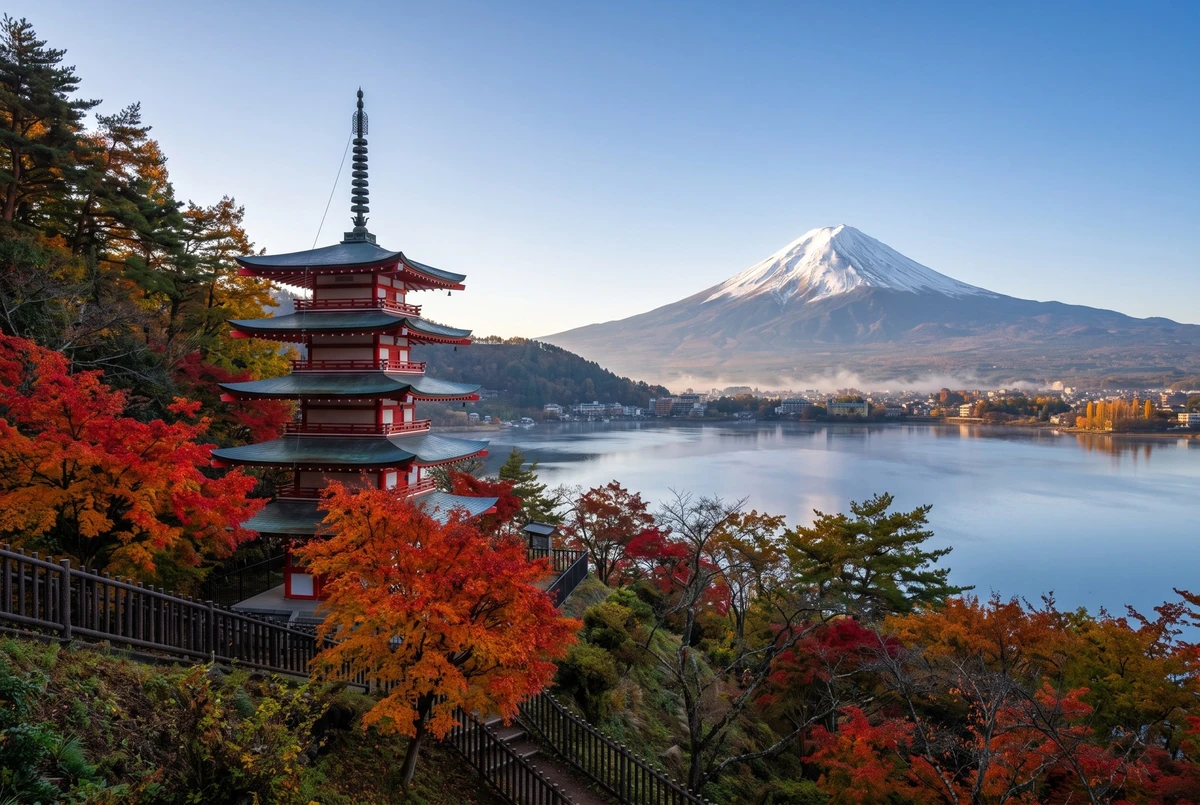
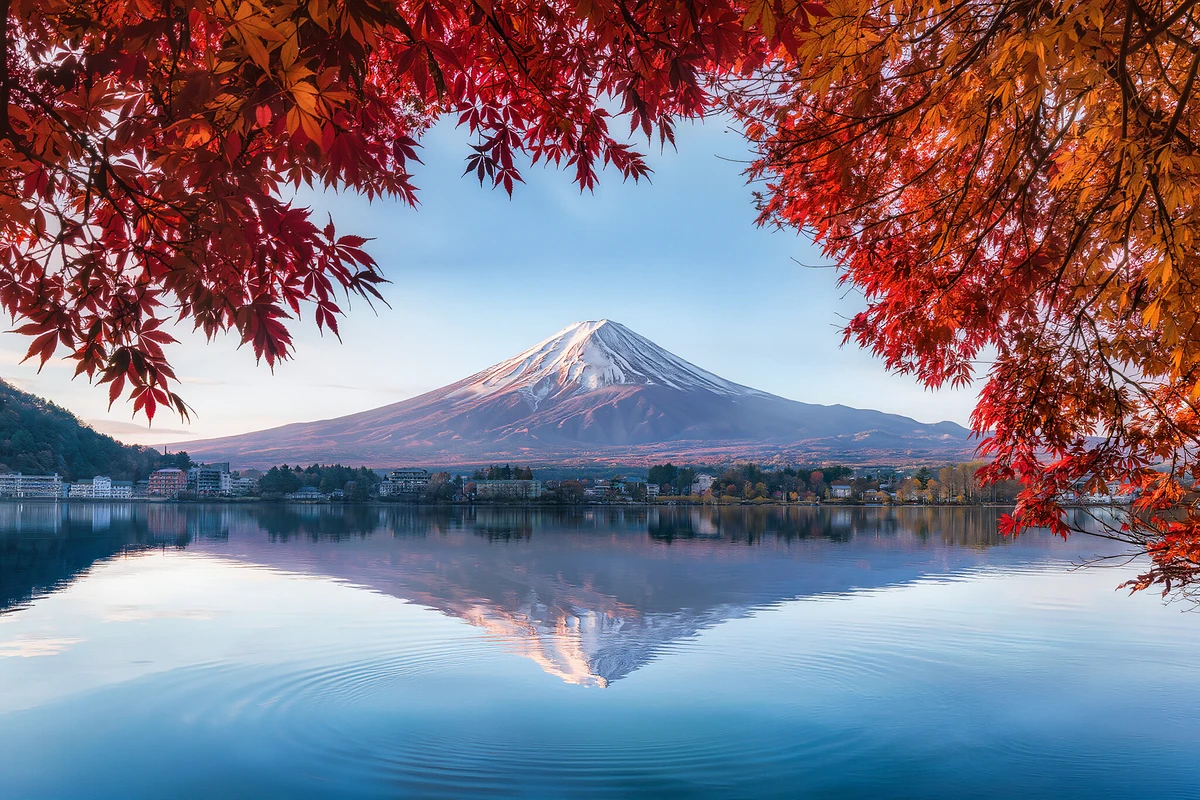
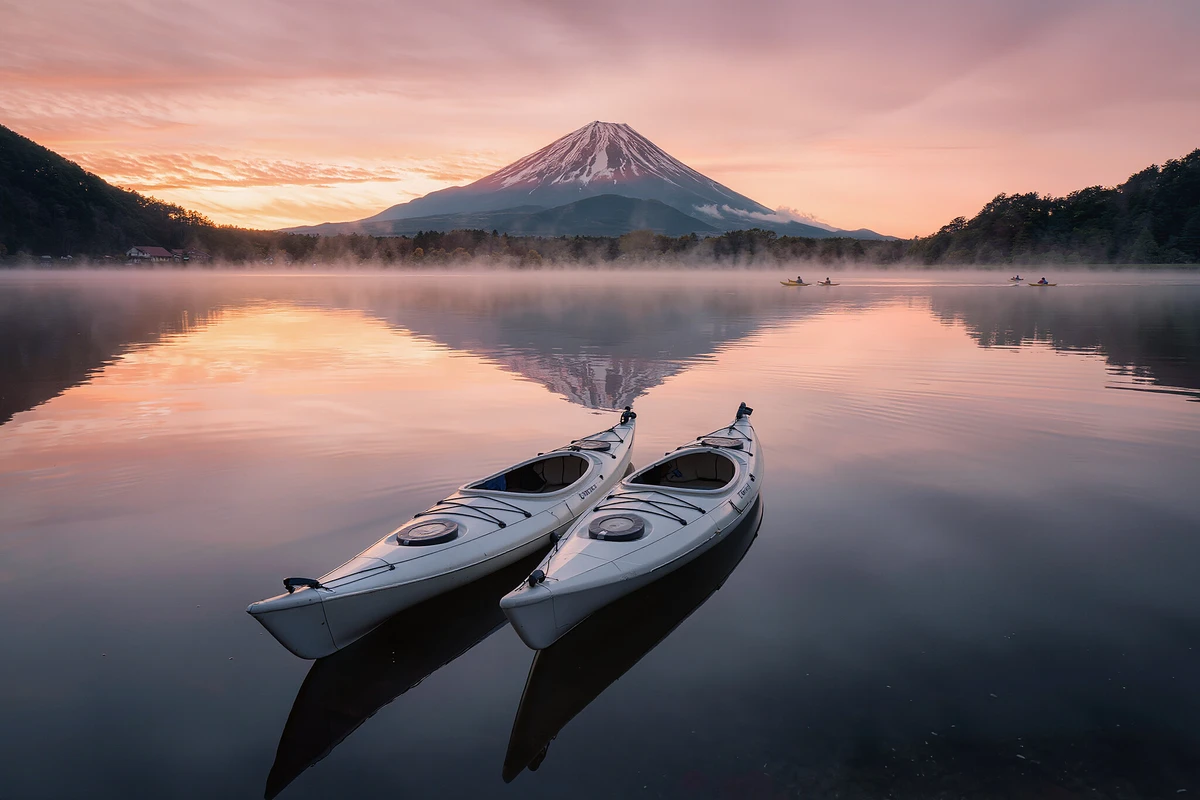
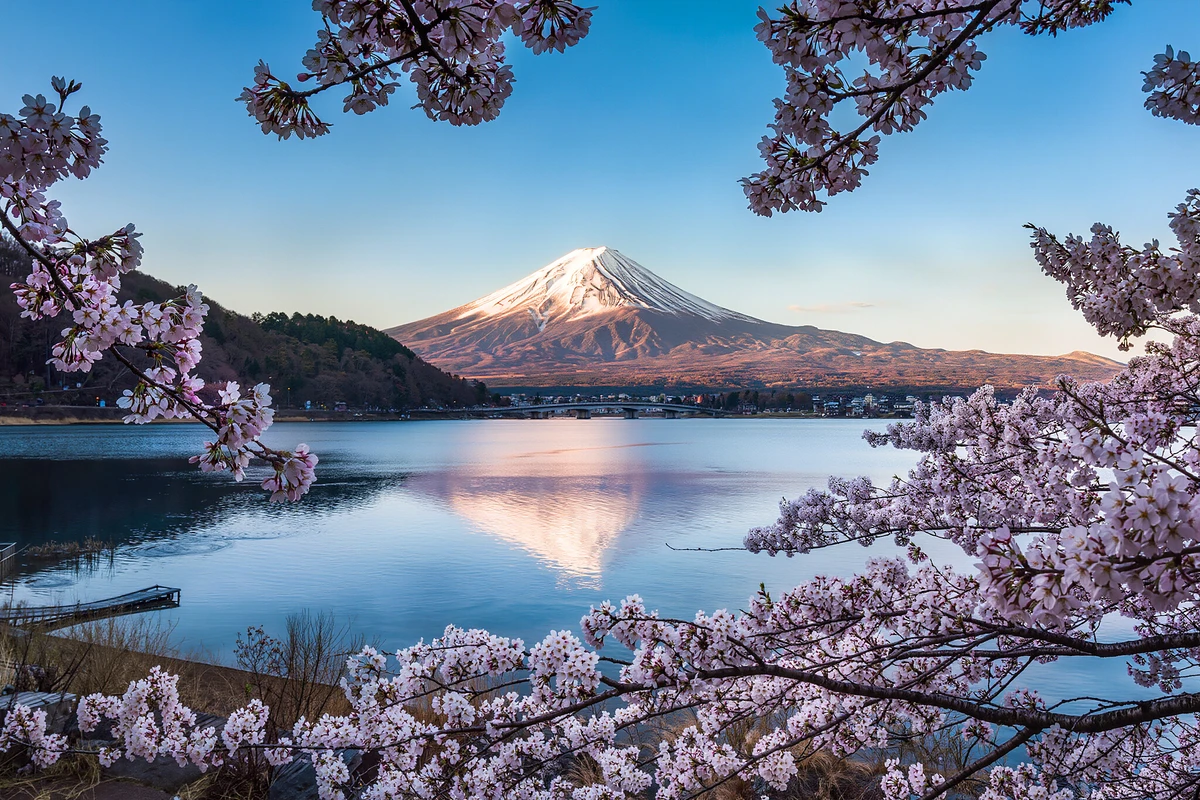
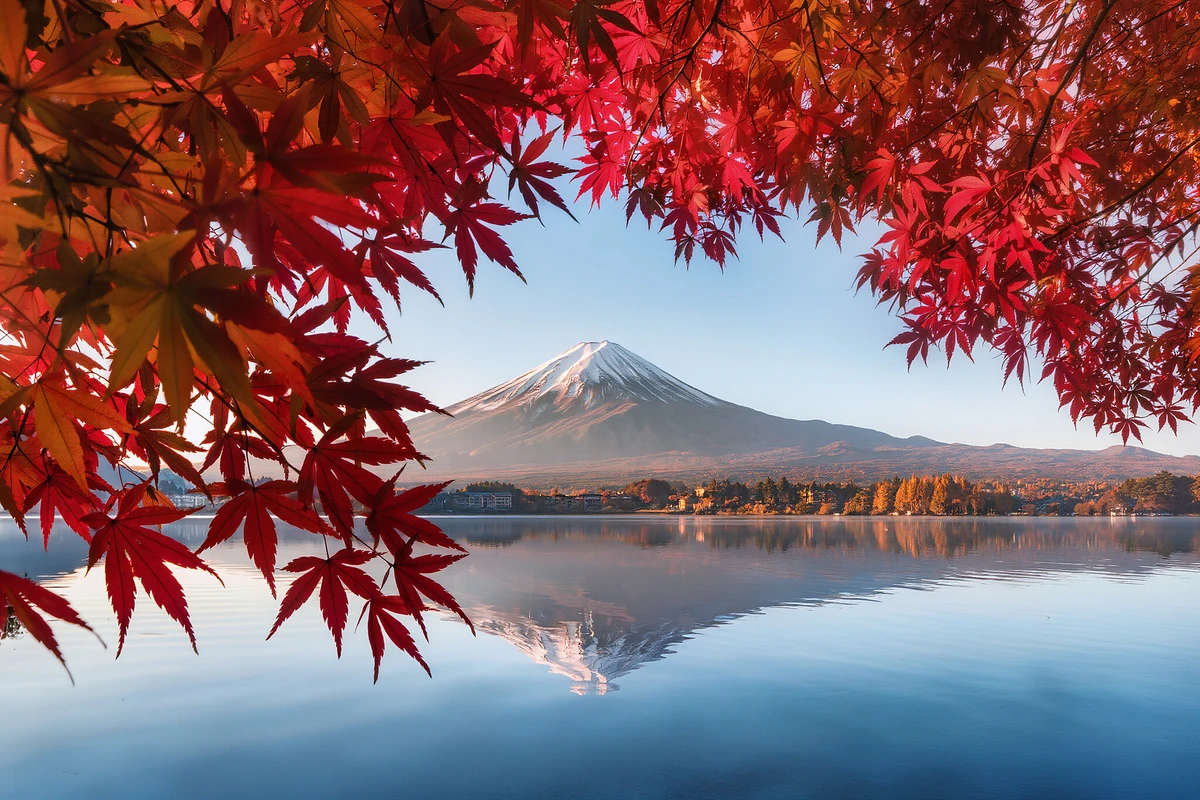
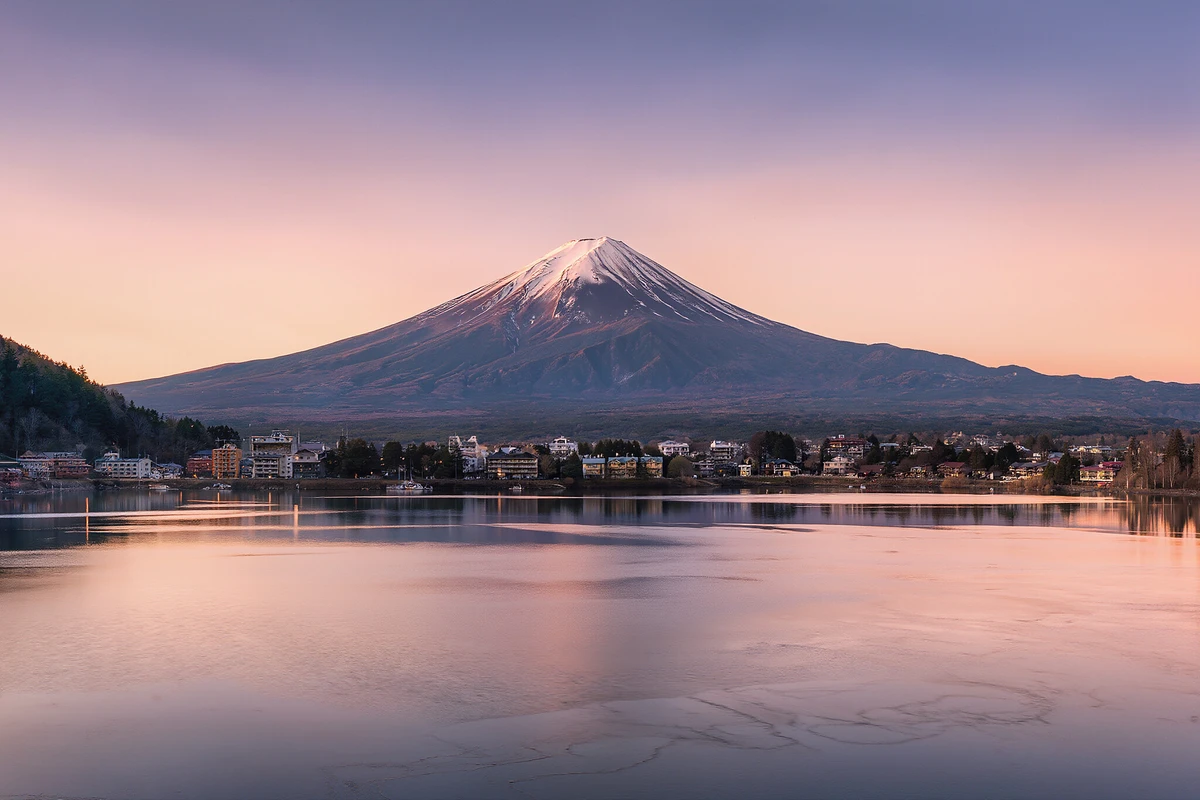
At dawn on the north shore of Lake Kawaguchiko, the water lies still and glassy, and the perfect cone of Mount Fuji appears above the mist, its snowy summit turning pink in the first light. Small boats rest by the shore, the quiet lanes smell of wood smoke, and cherry blossoms or red maples frame the view depending on the season. Across the hills to the south-east, the hot spring valleys of Hakone steam gently beneath forested ridges.
Nothing matches those filters yet. Widen your search or message us on WhatsApp.
Mount Fuji Day Tours
View all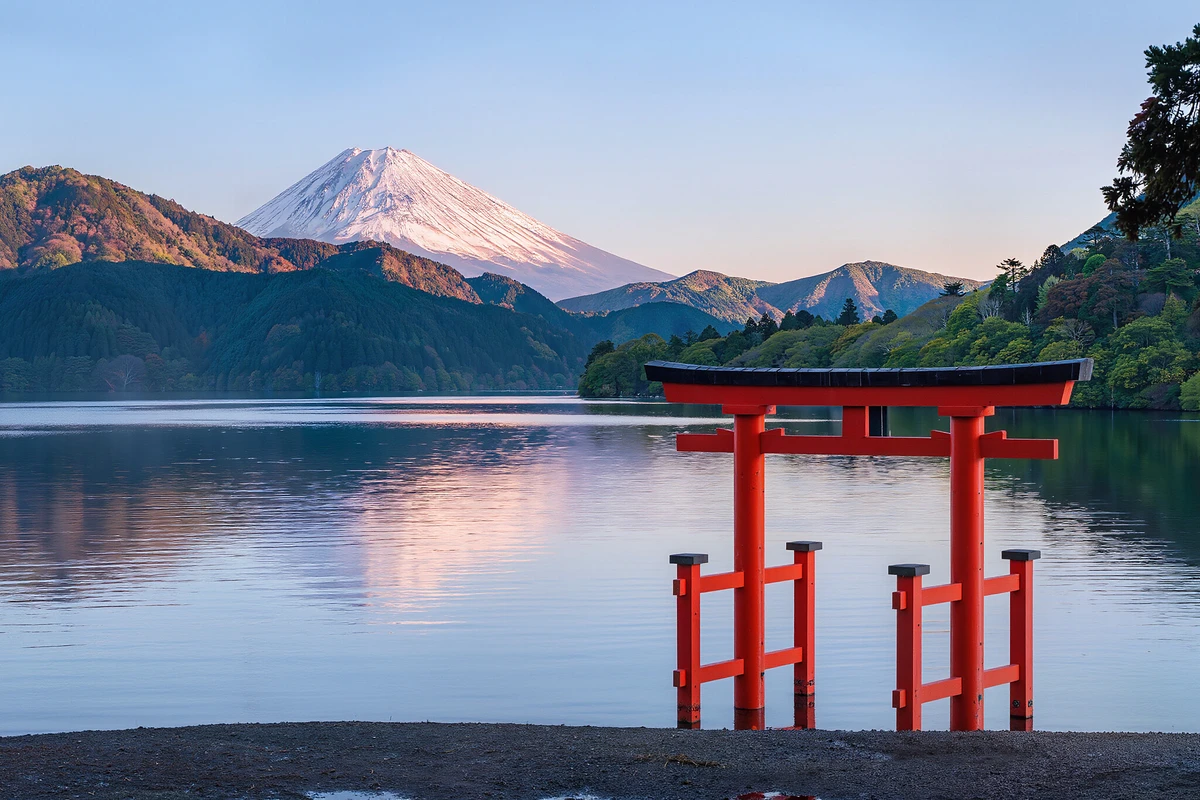
Mount Fuji Attraction Tickets
View all
Mount Fuji Airport Transfers
View all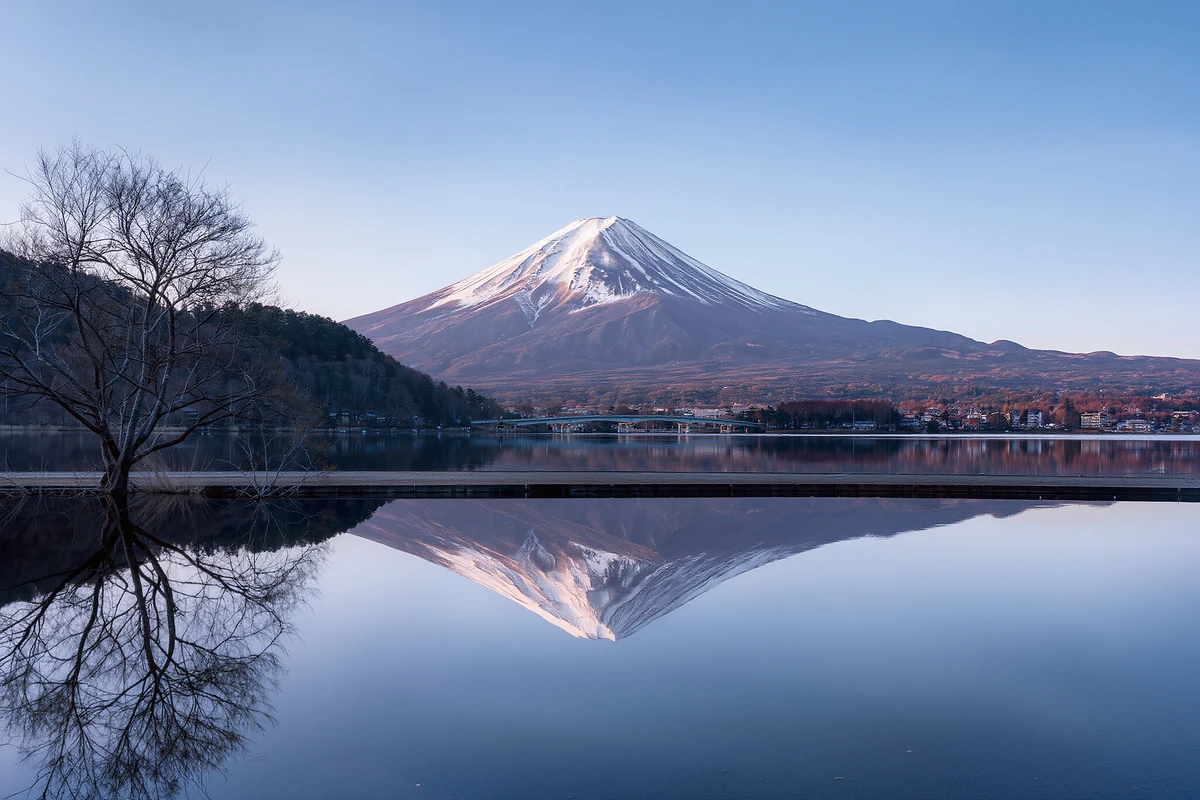
Mount Fuji Train Tickets
View allMount Fuji at first sight
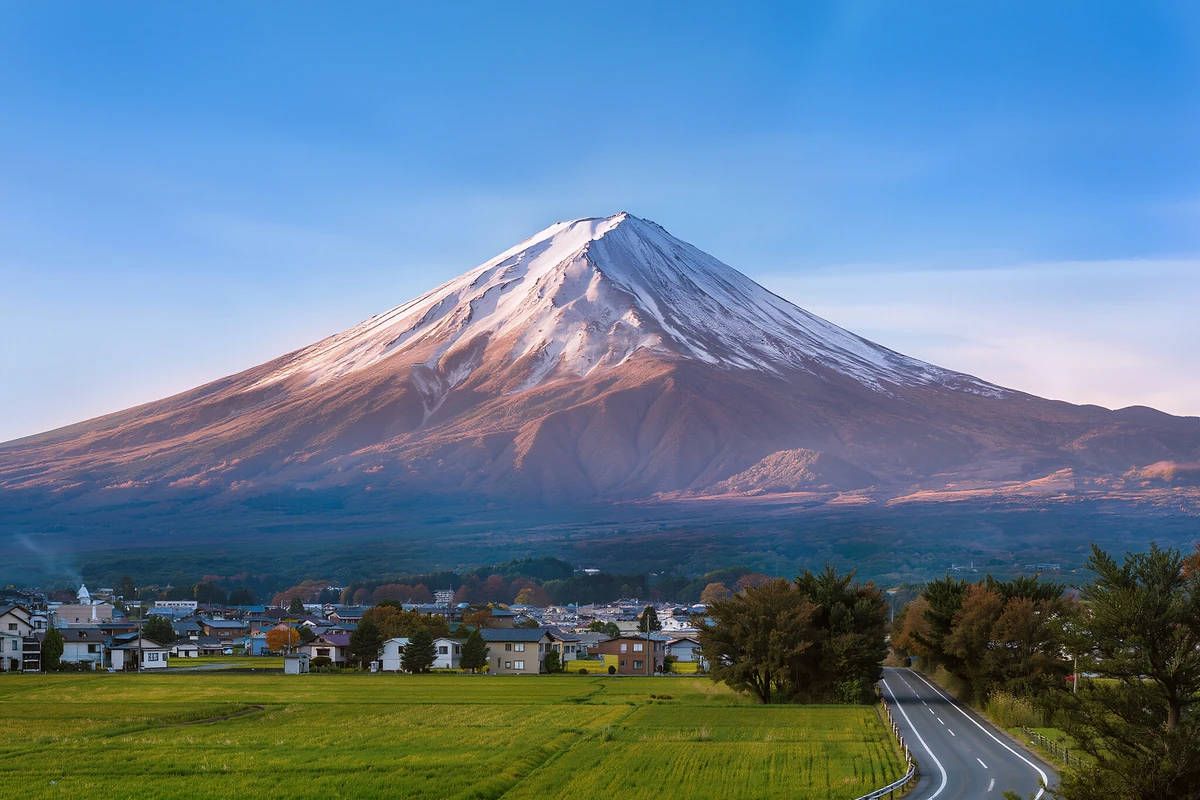
Mount Fuji, at 3,776 metres Japan's highest peak, has been a sacred mountain and a national symbol for centuries, and is listed by UNESCO as a place of worship and a source of artistic inspiration. Around its foot lie calm lakes, spring-fed villages and ancient shrines, while nearby Hakone offers volcanic valleys, lake cruises and some of Japan's most famous hot springs, all within easy reach of Tokyo.
Why include Mount Fuji in your itinerary?
- Japan's most iconic view. From the lakeshores of Kawaguchiko, the Chureito Pagoda and the spring ponds of Oshino Hakkai, Mount Fuji rises in near-perfect symmetry, a UNESCO-listed sacred mountain that has inspired pilgrims, poets and painters for generations.
- Hakone's volcanic landscapes. Cruise across Lake Ashi, glide by ropeway over the steaming vents of Owakudani and find the red torii of Hakone Shrine standing at the water's edge, with Fuji appearing above the hills on clear days.
- Hot springs and quiet nights. Both Kawaguchiko and Hakone are celebrated for onsen, mineral-rich baths that soothe you after a day outdoors, and private family baths and rooms with their own bath make the experience comfortable for every traveller.
Signature experiences in Mount Fuji
Lake Kawaguchiko and Chureito Pagoda
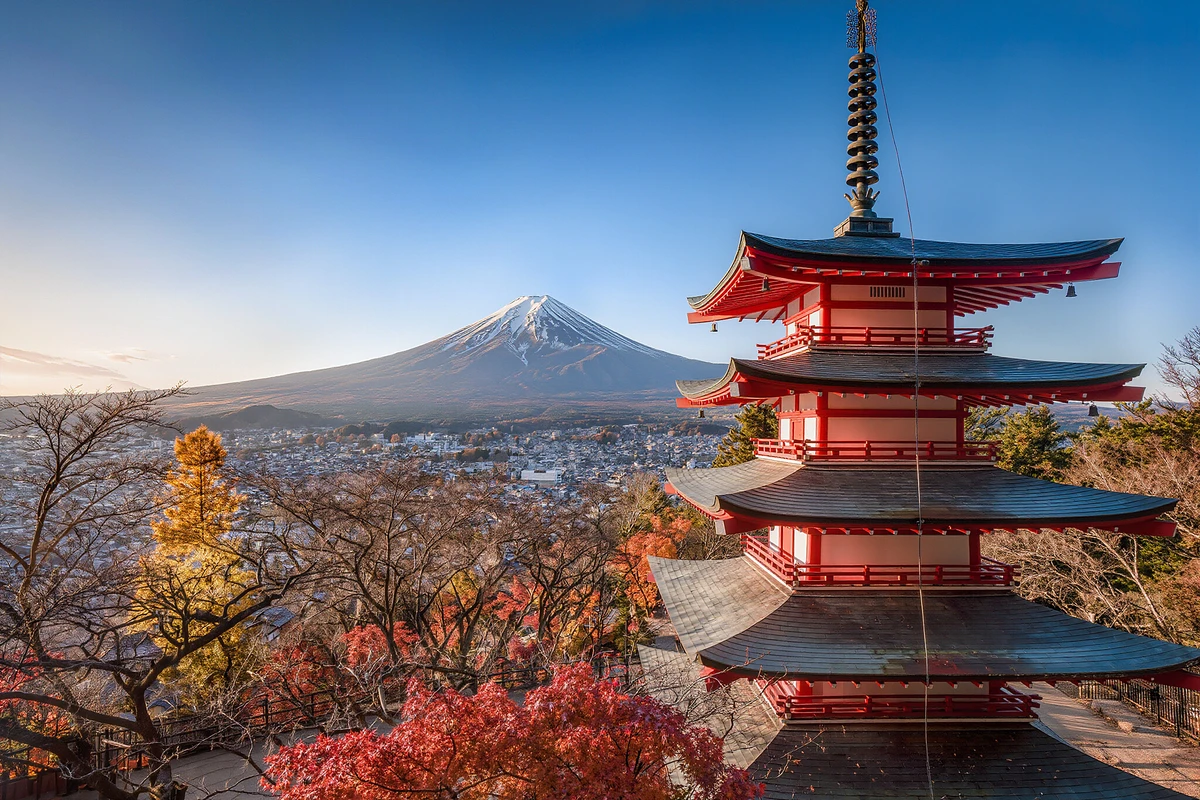
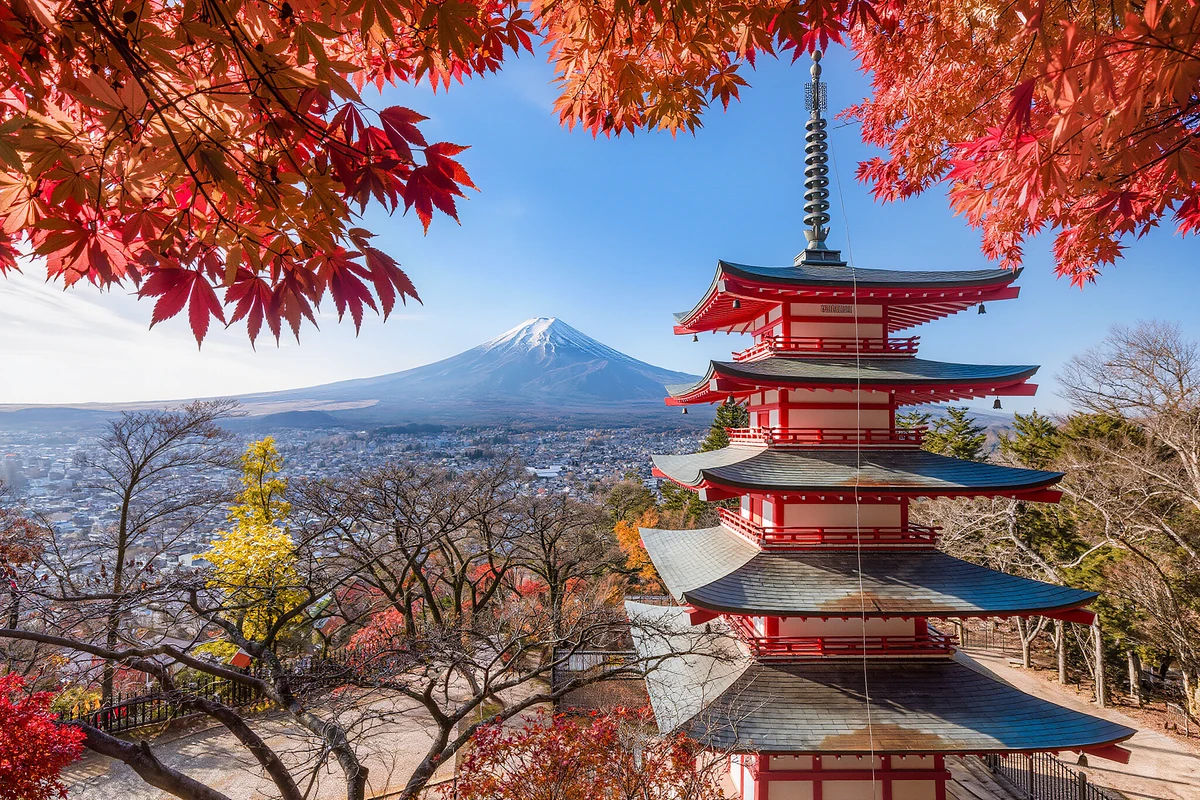
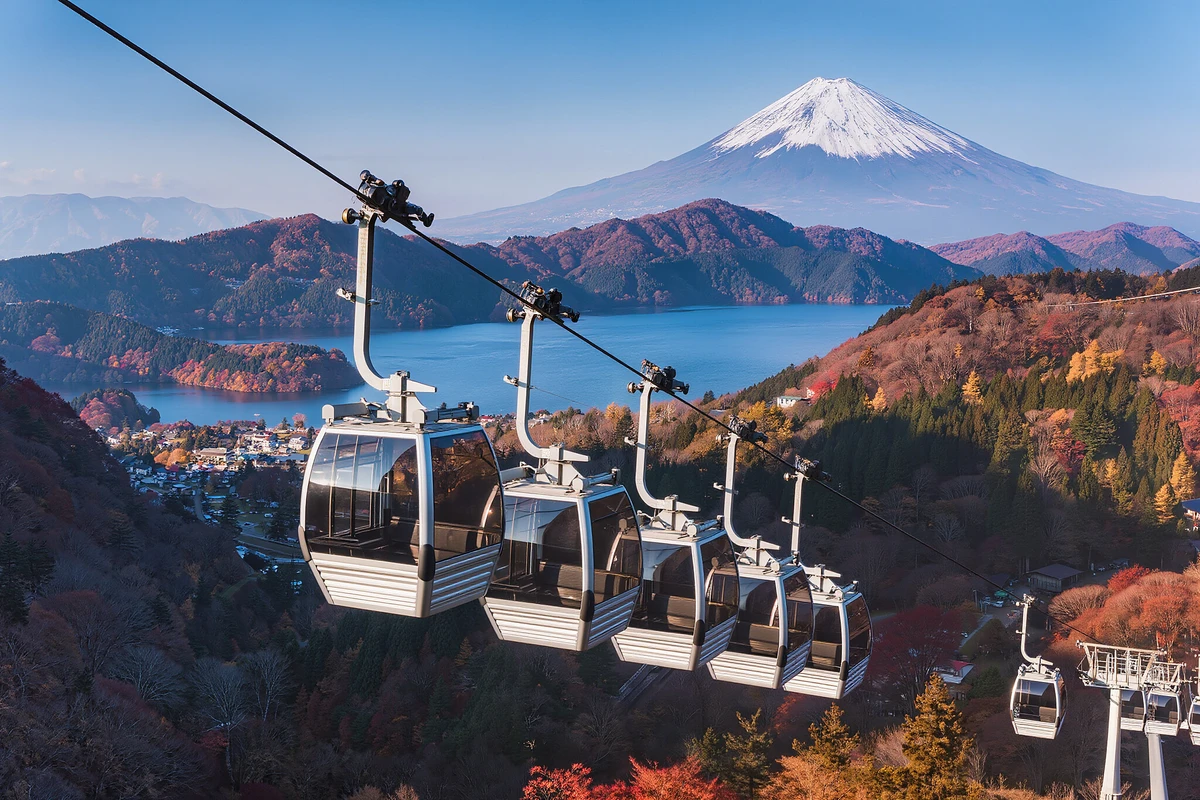
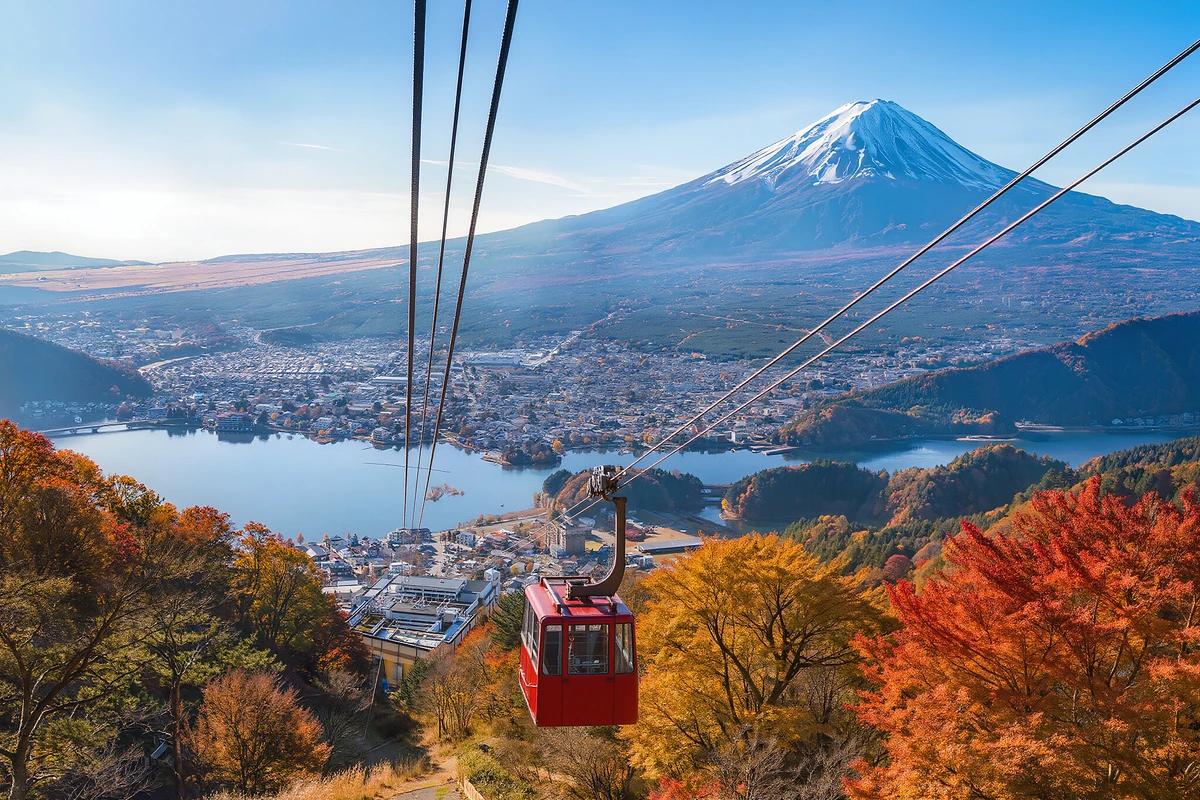
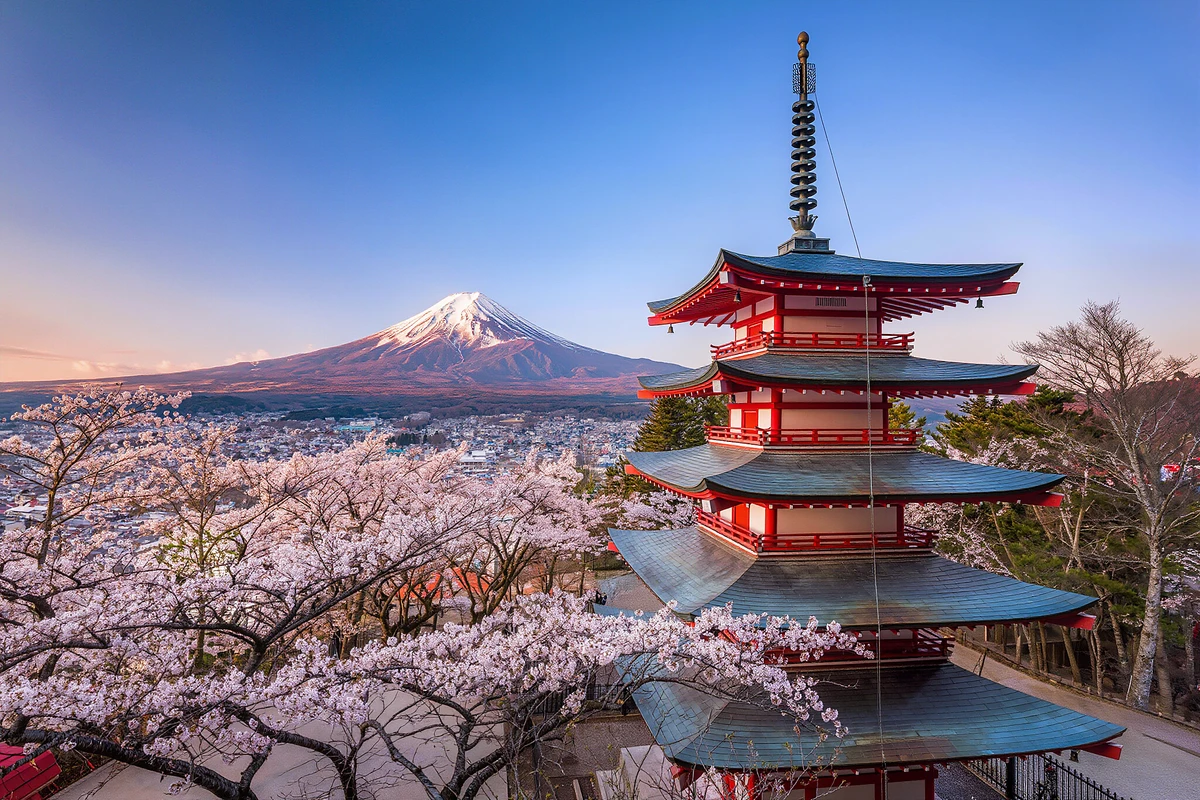
Lake Kawaguchiko is the most visited of the lakes at Fuji's northern foot, with lakeside paths, flower parks and a ropeway climbing to a viewpoint over the water and the mountain. Nearby, the red Chureito Pagoda stands on a forested hillside facing Fuji, framed by cherry blossom in spring and maples in autumn. Our private tours with a driver-guide set out early for the best chance of clear views.
Oshino Hakkai and the Fifth Station
In the village of Oshino, crystal-clear ponds fed by Fuji's snowmelt, filtered through volcanic rock for many years, reflect thatched-roof houses and the mountain beyond. From spring to autumn, a mountain road climbs to the Fifth Station at about 2,300 metres, with shrines, shops and close views of the summit. We include both in our private tours from Kawaguchiko, depending on weather and road conditions.
The Hakone Loop
The classic Hakone circuit links a zigzagging mountain railway, a cable car and a ropeway gliding over Owakudani, a volcanic valley of sulphur vents where eggs boiled in the hot springs turn black. It continues with a cruise across Lake Ashi on boats styled like old sailing ships. The Hakone Free Pass covers most of the loop, and we arrange it together with private transfers to your hotel.
Hakone Shrine and the Open-Air Museum
On the shore of Lake Ashi, Hakone Shrine sits among towering cedars, its red torii standing in the water and drawing photographers in the quiet early hours. Inland, the Hakone Open-Air Museum displays modern sculpture across green lawns and hillsides, with a warm footbath for weary travellers. A private car with driver arranged by our team links these sights easily across the winding mountain roads.
Hot Springs in Hakone and Kawaguchiko
An onsen evening is the perfect end to a day around Fuji. Many inns have indoor and open-air baths fed by natural springs, some facing the mountain or the forest. Public baths are separated by gender and bathing suits are not worn there, so wash fully before entering. Private family baths, and rooms with their own bath, offer more privacy. We suggest suitable stays and arrange your private transfers.
Neighbourhoods and quarters to know in Mount Fuji
Lake Kawaguchiko
The towns around Lake Kawaguchiko are the main base on the Fuji side, with hotels and inns along the north and east shores, many facing the mountain. Sightseeing buses circle the lake, and the station connects with Tokyo by train and highway bus. It is lively in the daytime and very quiet at night, ideal for couples and families wanting early views of Fuji.
Fujiyoshida and Lake Yamanakako
Fujiyoshida, at the foot of the mountain, holds the Chureito Pagoda, a historic shrine at the start of the old climbing trail and a sloping main street with Fuji rising behind it. To the south-east, Lake Yamanakako is wider and calmer, with lakeside paths and Oshino village nearby. Both suit travellers who want local character and fewer crowds.
Hakone-Yumoto
Hakone-Yumoto, at the entrance to the Hakone valleys, is the gateway town where trains from Tokyo arrive. Its riverside streets are lined with souvenir shops, sweet stalls and hot spring inns, and the mountain railway starts here. It is convenient, lively by day and easy to reach with luggage, ideal for short stays and travellers continuing by road or rail.
Gora and Lake Ashi
Higher in the mountains, Gora is a quiet resort area of hillside inns, gardens and museums at the top of the mountain railway, where the cable car begins. Further on, the shores of Lake Ashi around Moto-Hakone offer cruise piers, Hakone Shrine and Fuji views on clear days. These areas suit couples and families seeking calm, cool air and onsen.
How long to stay in Mount Fuji and how to pair it
Recommended stay
We recommend two nights in the Mount Fuji area: one at Lake Kawaguchiko for the Chureito Pagoda, Oshino Hakkai and an early view of the mountain, and one in Hakone for the lake cruise, the ropeway and an onsen evening. With three nights, you gain extra time for cloudy weather, the Fifth Station or a summer climb.
How to pair it
The Mount Fuji area pairs naturally with Tokyo, about two hours away by road or rail, and with Kyoto and Osaka, reached by bullet train from Odawara at the foot of Hakone. A seven-day journey combines Tokyo, Fuji and Kyoto. In ten days, add Osaka and Hiroshima. A fourteen-day itinerary can continue to Sapporo by air for Hokkaido's lakes, hot springs and seasonal landscapes.
Best time to visit Mount Fuji and the rhythm of the day
Best months
Mount Fuji is often hidden by cloud, and views are never guaranteed. The clearest days usually come from late October to February, especially in the early morning. Cherry blossoms frame Kawaguchiko in April, and autumn colours peak in November. Summer is green but often hazy, and the official climbing season runs roughly from July to early September. Avoid Japanese holiday weeks if you can.
The daily rhythm
Days around Fuji begin early, when the air is clearest and the mountain most likely to appear, so sunrise at the lake is well worth the effort. Late morning suits Oshino Hakkai or the Hakone loop before the crowds build. Many inns serve dinner at a set time in the early evening, followed by a relaxing bath, and the villages grow very quiet by nine.
On-the-ground logistics in Mount Fuji
Arrival
There is no major airport at Mount Fuji: most travellers fly into Tokyo Haneda (HND) or Narita (NRT), while Mt Fuji Shizuoka Airport (FSZ) is small. From Tokyo, highway buses reach Kawaguchiko in about two hours, the limited express from Shinjuku reaches Hakone-Yumoto in about an hour and a half, and the bullet train reaches Odawara in around 35 minutes. Our private airport transfers meet you on arrival and take you straight to your hotel.
Getting around
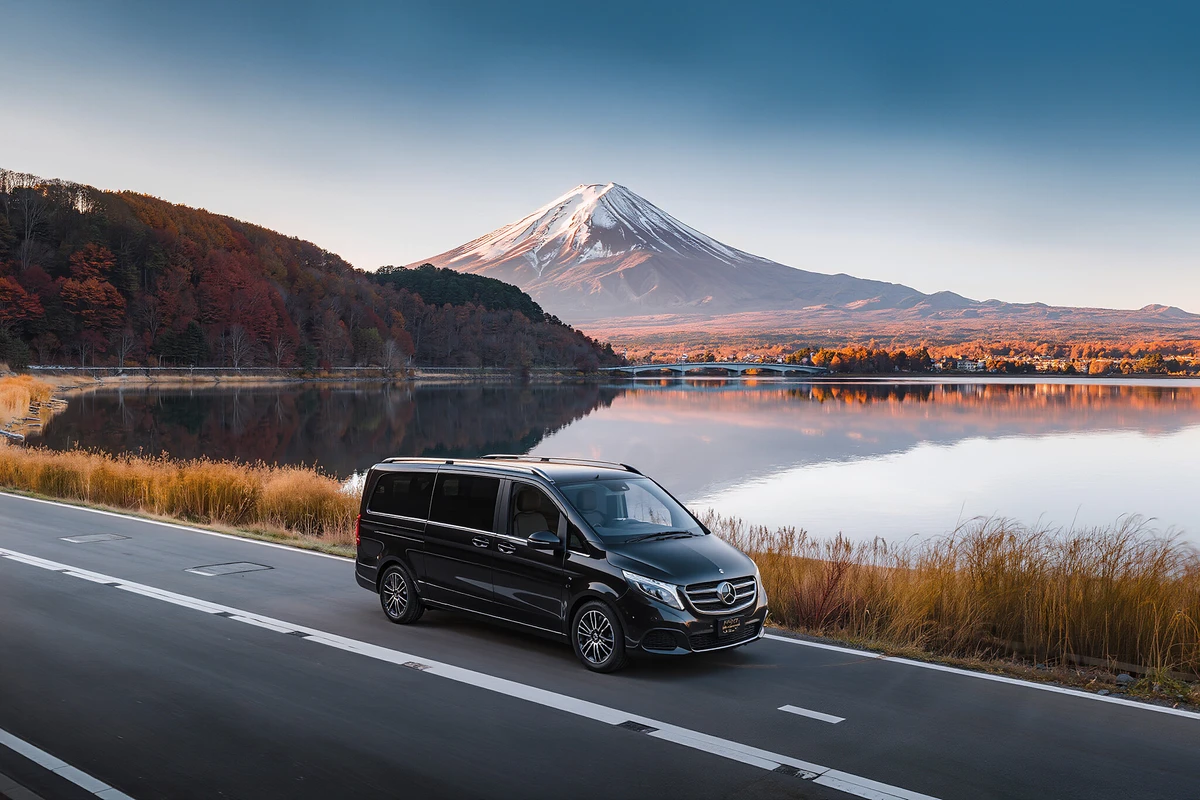
Around Kawaguchiko, sightseeing buses link the lakes, villages and viewpoints. In Hakone, the mountain railway, cable car, ropeway, cruise boats and buses form a scenic loop, mostly covered by the Hakone Free Pass. The road between Kawaguchiko and Hakone takes about an hour and a half by car, and a private car with driver arranged by our team is the most comfortable way to combine both areas with luggage.
Local etiquette tip
Fuji is a sacred mountain, so treat shrines and trails with respect: bow lightly at the torii, stay on marked paths and take all rubbish with you. Photograph from public spots, and never enter private land or stop on roads for a view. In onsen, public baths are separated by gender and bathing suits are not worn, while private family baths are available. Tipping is not customary in Japan.
Must-do things in Mount Fuji
- Watch sunrise over Mount Fuji from Lake Kawaguchiko
- Photograph the red Chureito Pagoda with Fuji behind it
- See the clear spring ponds of Oshino Hakkai
- Drive up to the Fifth Station between spring and autumn
- Cruise across Lake Ashi on a sailing-ship-style boat
- Ride the Hakone Ropeway over the steaming vents of Owakudani
- Taste a black egg boiled in Owakudani's hot springs
- Find the red torii of Hakone Shrine standing in the lake
- Explore the sculptures of the Hakone Open-Air Museum
- End the day in a hot spring bath with mountain views
Do’s and don’ts in Mount Fuji
Do
- Do check the weather forecast before setting out
- Do start early for the clearest mountain views
- Do carry warm layers, even in summer at altitude
- Do send large luggage ahead by delivery service
- Do book onsen stays well ahead for weekends
Don’t
- Don't expect Mount Fuji to be visible every day
- Don't attempt the summit outside the official climbing season
- Don't stop on roads or enter private land to take photos
- Don't step into an onsen bath without washing first
- Don't try to see Kawaguchiko and Hakone in one rushed day
Mount Fuji at a glance
Plan Mount Fuji with Haqqi Tours
Every option is confirmed by our team on WhatsApp before you pay, and delivered by our own people or by trusted local partners we work with in every city. Because we send travellers from all over the world, our partners give us special rates and priority, so you always receive the best. Prices are per person unless marked per vehicle.
About Haqqi Tours: About us Contact us Legal NoticePrivacy PolicyCookies & Marketing PreferencesTerms & ConditionsBooking, Payment & Refunds
More services in Mount Fuji
Good to know
Frequently Asked Questions
Straight answers to what travellers ask most about Mount Fuji.
Where should first-time visitors stay near Mount Fuji?
First-time visitors usually stay at Lake Kawaguchiko, where many hotels and inns face the mountain, or in Hakone, around Hakone-Yumoto, Gora or Lake Ashi, for hot springs and the scenic loop. One night in each area is ideal. Our team can suggest a stay and arrange your private airport transfer from Haneda or Narita.
Can Mount Fuji be done as a day trip from Tokyo, or does it need an overnight stay?
Day trips from Tokyo are possible and popular, but they are long and depend heavily on the weather. Staying overnight at Kawaguchiko or in Hakone gives you the best chance of an early-morning view, a relaxed onsen evening and time to explore. We arrange private transfers, train tickets and private tours to fit your schedule.
What is the dress code and etiquette around Mount Fuji?
There is no strict dress code, but bring layers: mornings and evenings are cool even in summer, and winter at the lakes is cold. Comfortable shoes suit lakeside paths and shrine steps. In onsen, bathing suits are not worn, public baths are separated by gender and private family baths exist. Speak softly at shrines and inns, and remember tipping is not customary. Our guides explain local customs on the way.
Is the Mount Fuji area tourist friendly, and is halal food easy to find?
Yes. The Fuji and Hakone areas are used to international visitors, with English signs at stations and major sights. Halal food is limited around Kawaguchiko and Hakone, though some restaurants offer Muslim-friendly menus, and seafood, noodle and vegetarian dishes are available. Mosques are few, so our team can advise on meals, prayer spaces and suitable inns.
Is it safe to travel to Mount Fuji and Hakone now?
The Mount Fuji and Hakone areas are generally considered very safe. Natural factors matter most: the Owakudani ropeway and paths can close when volcanic gas levels rise, mountain weather changes quickly, and snow affects roads in winter. Follow local instructions and official notices. Before departure, check your own government's official travel advice, and keep our WhatsApp line handy throughout your stay.
What are the must-do things around Mount Fuji?
The must-do things around Mount Fuji include sunrise at Lake Kawaguchiko, the Chureito Pagoda, Oshino Hakkai, the Fifth Station in season, the Lake Ashi cruise, the Hakone Ropeway over Owakudani, Hakone Shrine and an onsen evening. Our private tours combine these in the best order and timing, adapting to the weather.
How many days do you need around Mount Fuji?
Two days is ideal for the Mount Fuji area: one at Lake Kawaguchiko and Oshino Hakkai, and one for the Hakone loop and Hakone Shrine. One day covers either area at a quick pace, while three allow extra time for cloudy weather, the Fifth Station or a summer climb.
What can I book in Mount Fuji with Haqqi Tours?
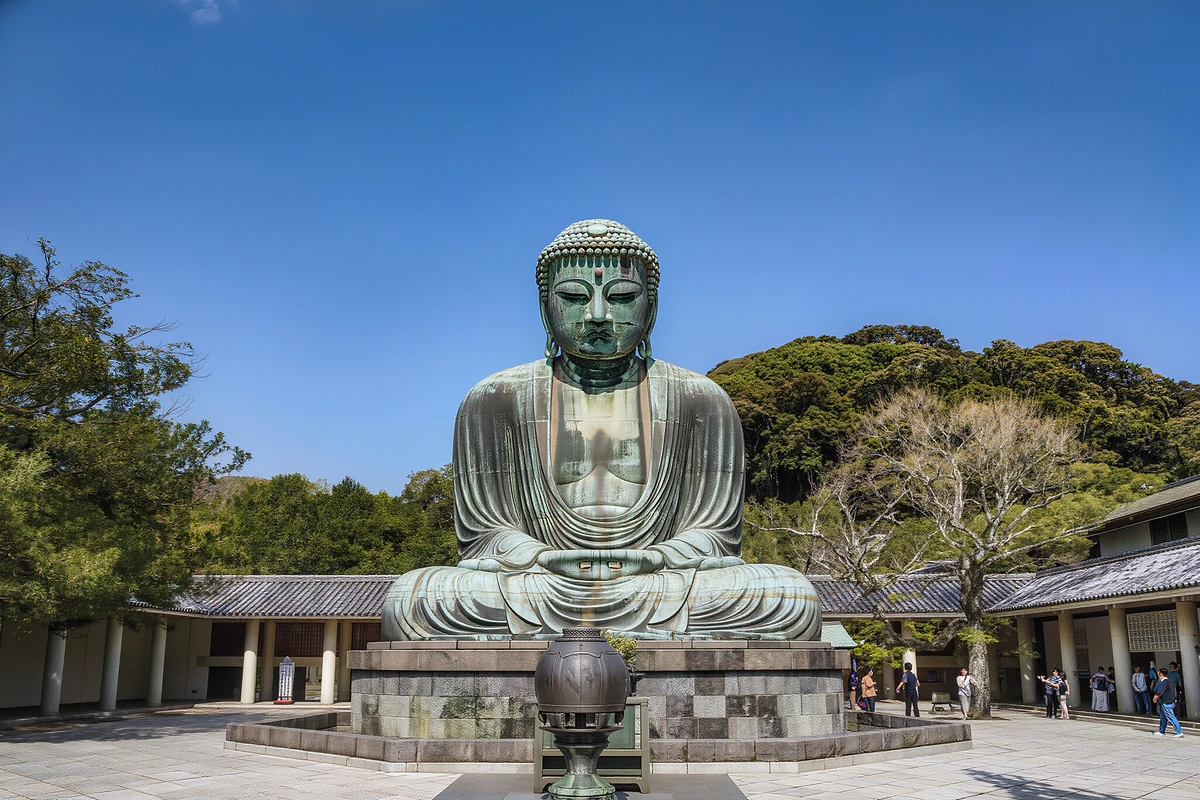
Day tours, attraction tickets, private airport transfers and train tickets, including Mount Fuji, Kamakura Great Buddha & Lake Ashi Day Trip from Tokyo, Mount Fuji & Kawaguchiko Day Tour from Tokyo, Halal Lunch Option and Private Mount Fuji Tour with English-Speaking Guide from Tokyo. Each has its own page, and the WhatsApp desk combines any of them into one plan with one written price.
How do I get from the airport to my hotel in Mount Fuji?
Tokyo Haneda Airport (HND) is the close-in airport, only about 15 km south of the centre and 30-40 minutes from Shinjuku or Ginza, with three terminals. Our private transfer meets you at arrivals with a name board, tracks your flight and takes you door to door at a fixed price for the whole vehicle; the transfer pages list every route.
Is there public transport from the airport to Mount Fuji?
Highway buses run from Shinjuku to Kawaguchiko in about two hours, the limited express from Shinjuku reaches Hakone-Yumoto in about an hour and a half, and the bullet train links Tokyo with Odawara in around 35 minutes. Local buses and the Hakone loop serve the sights, but connections with luggage are slow, so a private car is the easiest choice between the airports, the lakes and Hakone. With luggage, a family or a late flight, the private car is the simpler choice.
Which tours are available in Mount Fuji?
Among them: Mount Fuji, Kamakura Great Buddha & Lake Ashi Day Trip from Tokyo, Mount Fuji & Kawaguchiko Day Tour from Tokyo, Halal Lunch Option, Private Mount Fuji Tour with English-Speaking Guide from Tokyo, Private Hakone Day Tour from Your Hakone Hotel and Lake Kawaguchiko Early-Morning Kayak with Mount Fuji Views. Each page says whether the day is private or small-group, what it includes and how long it lasts.
Are the tours private or in a group?
Both exist, and each tour page says which. A private tour has a vehicle and guide for your party alone; the desk can make most group tours private on request.
How do I book?
Fill in the form on any page or message us on WhatsApp with the date, the number of travellers and the hotel. A member of our team confirms the price and the details in writing within minutes.
Are the prices fixed?
Yes - every price is agreed in writing on WhatsApp before you travel and does not change on the day.
Do the drivers and guides speak Arabic or English?
It depends on the city and the day, so we do not promise a particular language; tell us your preference and we do our best. The WhatsApp desk always works in Arabic and English.
Can I change or cancel a booking in Mount Fuji?
Yes, in the same WhatsApp conversation. The terms depend on the product and on how close to the date the change comes; the desk states them before you pay.