Kintsugi Gold Repair Workshop in Gion Kyoto
- Duration1 hour
- Daily
- Group
Some images are AI-generated for illustration. While we confirm your booking, just ask and we will send you the original photos.
- Fair, honest prices
- Real people, not bots
- Confirm, then pay
- Secure payment

Overview
This kintsugi workshop in Kyoto introduces you to the Japanese art of repairing broken ceramics with gold. In a studio in central Kyoto, a short walk from Gion, an English-speaking instructor explains the history and philosophy of kintsugi, then guides you step by step as you repair a ceramic plate and highlight its lines with golden powder. All materials and tools are included, and you keep the plate you repaired. Premium plates can be chosen for an extra charge. The one-hour class runs every hour from morning to early evening in a small shared group, so it fits easily into a day of sightseeing. It suits beginners, couples and families, with no experience needed; there is no hotel pickup.
Highlights
- Hands-on kintsugi class with an English-speaking instructor
- Repair a ceramic plate and trace its lines in gold
- Learn the history and philosophy behind the gold repair
- All materials and tools included
- Keep your finished plate as a meaningful souvenir
- Optional premium plates for an extra charge
- Hourly classes in central Kyoto, close to Gion
Full Description
The kintsugi studio near Gion
The workshop studio is on the sixth floor of a building in Nakagyo Ward, the commercial heart of central Kyoto, a short walk across the Kamo River from Gion. The calm room is set with work tables, ceramic pieces, brushes and fine golden powder. The class begins with a short introduction to kintsugi and examples of finished pieces, so you can see the effect you are aiming for before you start.
You then receive your plate and work through the steps with your instructor: joining or filling the broken lines, smoothing the surface and finally applying golden powder so every repaired line shines. Traditional kintsugi uses natural lacquer that needs weeks to cure, so this class uses a simplified method designed for one hour, letting you take your plate with you at the end.
The art and philosophy of kintsugi
Kintsugi means golden joinery. Instead of hiding a crack, the craftsperson repairs it with lacquer and dusts or mixes it with gold, turning the damage into the most beautiful part of the object. The technique developed in Japan in the fifteenth and sixteenth centuries, when tea bowls were treasured possessions and a broken bowl was worth saving rather than replacing.
Kintsugi reflects two ideas close to Japanese culture: wabi-sabi, the beauty of imperfection and the passage of time, and mottainai, the regret of wasting something valuable. Many people find the practice calming and symbolic, a reminder that what has been broken can become stronger and more unique. This is why a kintsugi class is one of the most thoughtful Kyoto cultural experiences for travellers.
Kyoto ceramics and tea culture
Kyoto has been a centre of Japanese ceramics for centuries. Kiyomizu-yaki, the city's own pottery, grew up on the slopes leading to Kiyomizu-dera Temple, where workshops and kilns produced delicate, richly painted tableware and tea bowls. Each August the Gojozaka pottery fair still fills the streets below the temple with stalls of Kyoto ceramics.
The city is also the historic centre of the tea ceremony, and kintsugi grew up alongside it: tea masters admired the irregular golden lines of a repaired bowl as much as the bowl itself. After your workshop, the pottery shops of Higashiyama are a natural next stop if you want to see fine ceramics or buy a tea bowl, and some even display antique pieces with old kintsugi repairs.
Around the studio: Gion and the Kamo River
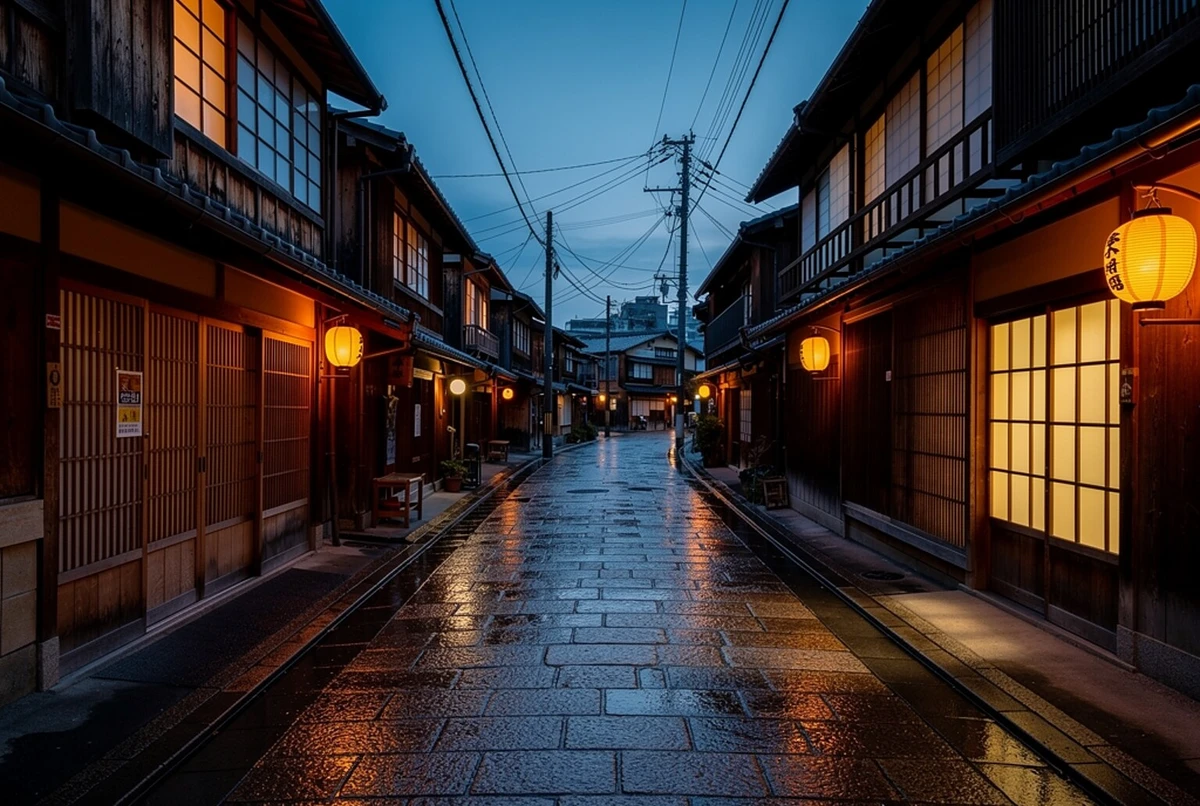
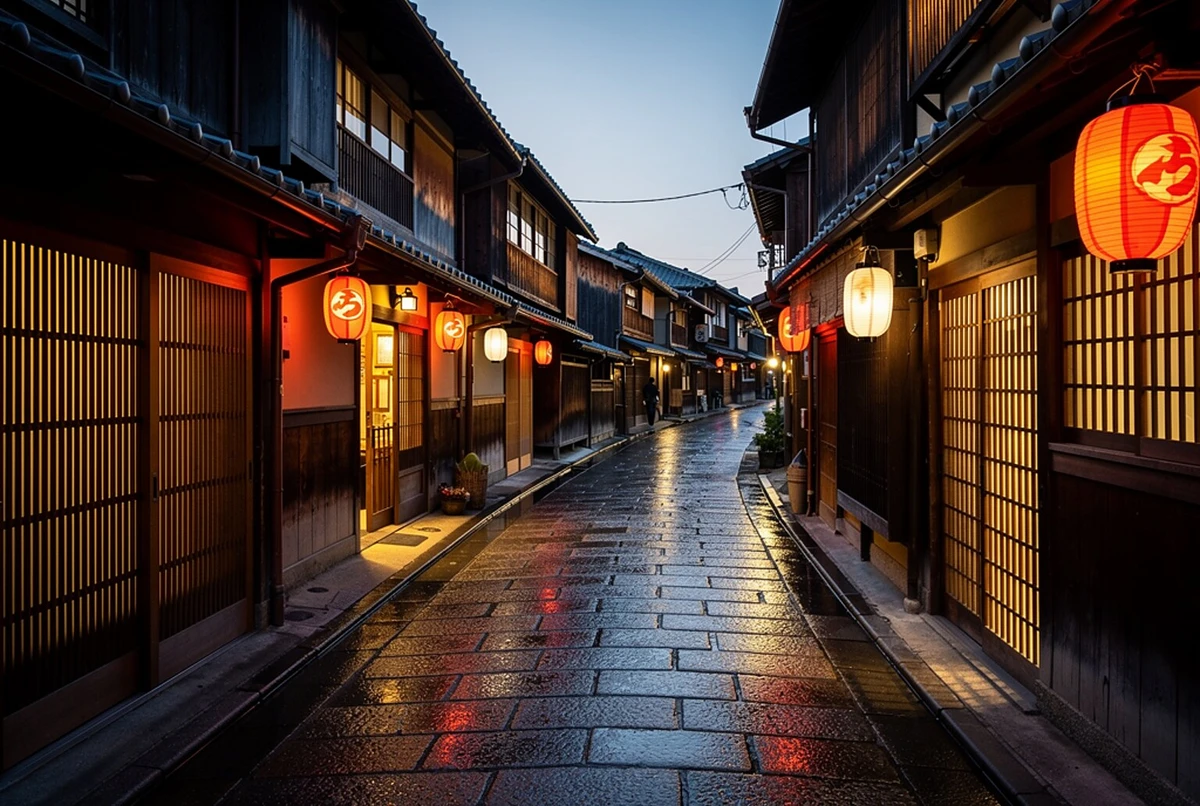
From the studio you are within walking distance of some of Kyoto's best-loved streets. Cross the Kamo River eastwards and you reach Gion, with the wooden teahouses of Hanamikoji Street, the willow-lined Shirakawa canal and Yasaka Shrine at the end of Shijo Street. Along the river itself, the narrow, lantern-lit alley of Pontocho runs parallel to the water.
To the west lie the covered shopping arcades of central Kyoto and Nishiki Market, where stalls sell local pickles, tofu, sweets and kitchen tools. Many visitors book a morning class and spend the afternoon in Gion, or choose a late-afternoon class before an evening walk along the river. Among the things to do in Kyoto on a rainy day, this indoor workshop is an excellent choice.
Itinerary
- Arrive at the studioGo up to the sixth-floor studio in Nakagyo Ward about 10 minutes before your class.
- Introduction to kintsugiLearn about the history, philosophy and materials of the gold repair technique; about 10 minutes.
- Choose and prepare your plateReceive your ceramic plate, or choose a premium one for an extra charge, and prepare the broken lines.
- Repair and gold finishJoin or fill the lines, smooth them and apply golden powder with your instructor's help; about 35 minutes.
- Take your plate with youWrap up your finished piece and take it with you; the class lasts about one hour in total.
What's included
- 1-hour kintsugi workshop
- English-speaking instructor
- All materials and tools
- One ceramic plate to repair and keep
Not included
- Premium plate upgrades
- Tips
- Transport to the workshop
Is this right for you?
Great for
- Families with children — a child price for ages 3–11
- A short visit — about 1 hour
- Travellers who want a proven choice — rated 4.8/5 by past travellers
Think twice if
- You want a private tour — this one is shared with other travellers
Meeting point
The class takes place at the workshop studio on the sixth floor of the building at 439 Ebisu-cho, Nakagyo Ward, Kyoto, in central Kyoto close to Gion. Arrive about 10 minutes before your chosen start time; classes begin every hour from 09:00 to 18:00. The nearest stations are Kyoto-Shiyakusho-mae, Sanjo and Kawaramachi, all within a short walk. There is no hotel pickup, and our team sends a map on WhatsApp after booking.
Important information
- Arrive about 10 minutes before your class starts.
- The studio is on the sixth floor of the building.
- Premium plates are optional extras paid at the workshop.
- No experience is needed; all materials and tools are provided.
- Children should be accompanied and helped by an adult.
- Wear clothes you do not mind getting a little dust or powder on.
- Treat your finished plate as a decorative piece and keep it out of the microwave and dishwasher.
- Tips and transport to the workshop are not included.
Good to know
Frequently Asked Questions
Straight answers to what travellers ask us most, before they book.
Is this a shared or a private experience?
It is a shared class in a small group led by an English-speaking instructor, and each participant repairs their own plate.
How long does it take?
About one hour, from the introduction to taking your finished plate with you.
Is hotel pickup included?
No. You make your own way to the studio in Nakagyo Ward, a short walk from Gion and the Kamo River.
What is included?
A one-hour kintsugi workshop, an English-speaking instructor, all materials and tools, and one ceramic plate to repair and keep.
Is the price per person or per group?
The price is per person. The booking panel on this page shows the current price.
Is it suitable for children or for reduced mobility?
Children can take part with an adult's help. The studio is on the sixth floor; tell us about any mobility needs before booking.
What should I bring?
Just your voucher and comfortable clothes you do not mind getting a little powder on.
Can I take my plate with me the same day?
Yes. The class uses a method designed for a one-hour session, so you leave with your finished plate.
Is the gold real gold?
The repair lines are finished with golden powder chosen for the class; your instructor explains the materials used at the start.
What is the best time of day for the class?
Any time works. A morning class leaves the afternoon free for Gion, while a late-afternoon class fits before an evening by the Kamo River.
What happens in bad weather?
The workshop is indoors, so it runs in any weather and is a good plan for a rainy day in Kyoto.
How do I book and confirm?
Choose your date and start time in the booking panel and send your request. Our team confirms on WhatsApp within minutes.
More in Kyoto

Popular across Japan
-

-
-

-
-
-