
Nagoya
Plan Nagoya with Haqqi Tours: day tours, private airport transfers, attraction tickets and packages, run by our own team and confirmed on WhatsApp in Arabic or English.
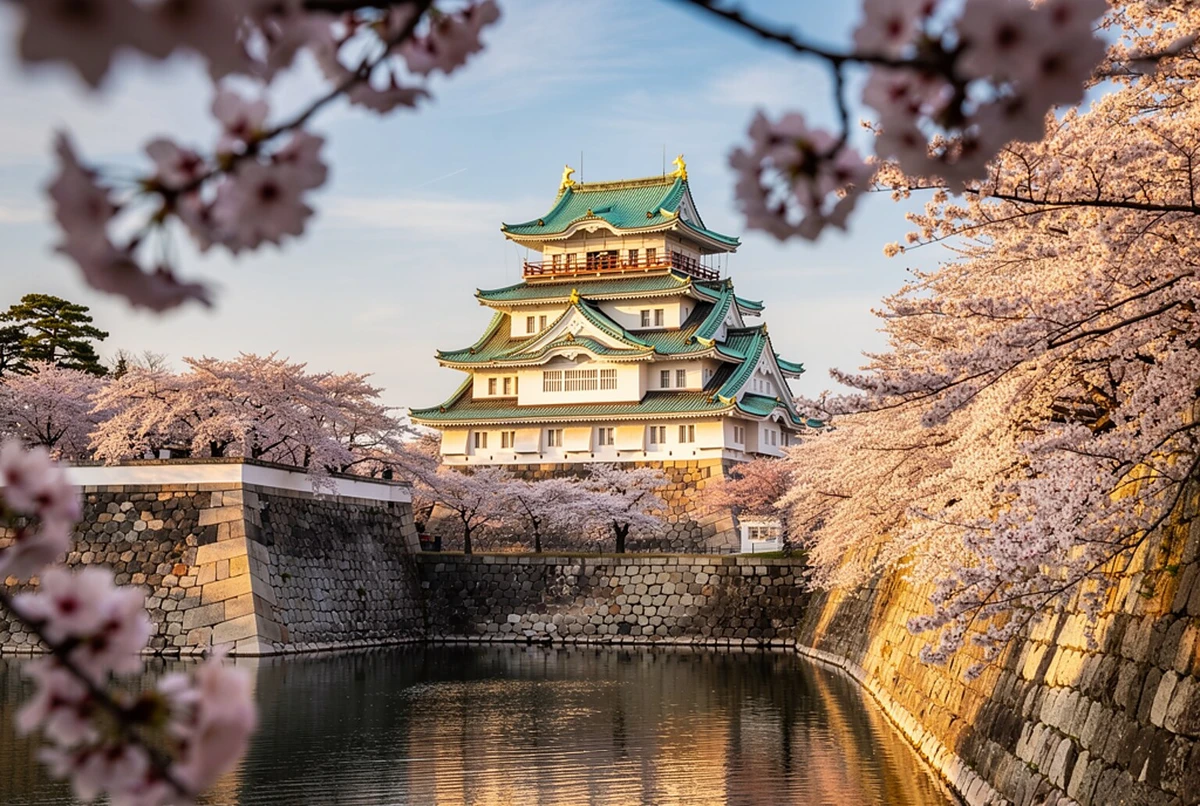
Walk through the gates of Nagoya Castle in early April and the stone walls disappear beneath clouds of pink blossom. Inside the rebuilt Honmaru Palace, sliding doors painted with tigers and pine trees glow in gold leaf, and the scent of fresh cypress fills the corridors. Back in the city, steam rises from bowls of grilled eel served three ways, and bullet trains glide out toward Kyoto, Tokyo and the snowy Japanese Alps.
Nothing matches those filters yet. Widen your search or message us on WhatsApp.
Nagoya Day Tours
View allNagoya at first sight
Nagoya, the capital of Aichi Prefecture and the fourth-largest city in Japan, lies at the heart of the country between Tokyo and Osaka. It grew around the great castle built for the Tokugawa family in the early seventeenth century and later became a powerhouse of craft and industry. Today it is a practical, welcoming city of shrines, museums and distinctive food, and the gateway to Takayama, Shirakawa-go and the mountain villages of central Japan.
Why include Nagoya in your itinerary?
- A castle and shrine of national importance. Nagoya Castle's golden-roofed keep and lavish palace, and Atsuta Shrine, guardian of one of Japan's sacred imperial treasures, make the city a key stop for history lovers.
- The gateway to the Japanese Alps. Takayama's old merchant streets, the thatched farmhouses of Shirakawa-go and the water town of Gujo Hachiman can all be reached in a day, through some of Japan's most beautiful mountain scenery.
- Perfectly central for any route. With bullet trains to Kyoto in about thirty-five minutes and Tokyo in under two hours, Nagoya is a calm, good-value base between Japan's great cities.
Signature experiences in Nagoya
Gujo, Takayama and Shirakawa-go in a Day
A full-day journey from Nagoya leads into the mountains of Gifu. In Gujo Hachiman, clear streams flow through a small castle town famous for its summer dance festival. Takayama keeps lanes of dark wooden merchant houses and morning markets beside the river. In Shirakawa-go, a UNESCO-listed village of steep thatched farmhouses sits among rice fields and forested slopes, unforgettable in every season.
Nagoya Castle and the Honmaru Palace
Built for the Tokugawa shogunate in the early seventeenth century, Nagoya Castle is crowned by golden dolphin-shaped ornaments on its roof. The main keep is currently closed for reconstruction in wood, but the faithfully rebuilt Honmaru Palace is one of the finest interiors in Japan, with painted sliding doors, carved transoms and gilded ceilings. The grounds are a famous cherry blossom spot in spring.
Atsuta Shrine
Hidden in a forest of ancient camphor trees in the south of the city, Atsuta Shrine is one of the most revered Shinto shrines in Japan, said to enshrine a sacred sword that is part of the imperial regalia. Its paths of gravel and cypress buildings feel calm and timeless, and a small museum displays swords and treasures donated over the centuries. Visit early in the morning for the most peaceful atmosphere.
Osu Kannon and the Shopping Arcades
The bright red Buddhist temple of Osu Kannon stands at the entrance to a lively web of covered shopping streets. Here, old family shops sit beside electronics stores, vintage clothing, anime and street food stalls, creating one of the most colourful areas of the city. It is a fun place to wander for an afternoon, with a monthly flea market at the temple adding to the bustle.
Castles, Gardens and Industry Museums
Within an hour of Nagoya, Inuyama Castle is one of Japan's original wooden castle keeps, standing above the Kiso River with sweeping views. In the city, the Tokugawa Art Museum and its Japanese garden display samurai armour and treasures of the ruling family. Museums of industry and railways tell the story of the region's craft, cars and record-breaking bullet trains, popular with families of all ages.
Neighbourhoods and quarters to know in Nagoya
Nagoya Station
The area around Nagoya Station, known as Meieki, is a forest of modern towers with department stores, restaurants, observation decks and many hotels. Bullet trains, airport trains and buses leave from here. It is the most convenient base for day trips to the mountains and for travellers moving on to Kyoto, Osaka or Tokyo.
Sakae
Sakae is Nagoya's shopping and entertainment centre, with department stores, the TV tower, the futuristic glass roof of Oasis 21 and the long green park of Hisaya Odori. It is lively in the evening, with many restaurants and cafés. Hotels here suit travellers who enjoy city life and shopping, with subways to the castle and the station.
Osu and Kamimaezu
South of Sakae, Osu gathers the temple of Osu Kannon and its maze of covered shopping streets, with small hotels and good-value guesthouses nearby. The atmosphere is relaxed and local, with plenty of affordable food. It is a fun base for travellers who enjoy wandering and want to be close to the city's most characterful shopping area.
Kanayama and Atsuta
In the south of the city, Kanayama is a major transport hub with direct trains to Chubu Airport, and Atsuta Shrine is a short walk away. Business hotels here are practical and good value. It suits travellers with early flights or those who want a quieter base close to the shrine and the port area with its aquarium.
How long to stay in Nagoya and how to pair it
Recommended stay
We recommend three nights in Nagoya. One day covers the castle, the Honmaru Palace, Osu and an evening in Sakae, and a second day allows a full trip to Gujo Hachiman, Takayama and Shirakawa-go. With a third day you can visit Atsuta Shrine, the Tokugawa Art Museum or Inuyama Castle, or take a day trip to the Ise Grand Shrine before continuing to Kyoto.
How to pair it
Nagoya pairs naturally with Kyoto, about thirty-five minutes by bullet train, and with Tokyo, under two hours away. Takayama and Shirakawa-go reward an overnight stay in the mountains, and the Nakasendo villages of Magome and Tsumago lie around one and a half hours away. A ten-day trip can combine Tokyo, Nagoya, Takayama, Shirakawa-go and Kyoto, with private transfers between every stop arranged by our team.
Best time to visit Nagoya and the rhythm of the day
Best months
The best time to visit Nagoya is late March to May and October to November. Cherry blossoms frame the castle in early April, and autumn brings brilliant maple colours to the mountains and gorges nearby. The rainy season runs from June to mid-July, and summers are very hot and humid. Winter is cool and dry in the city, while Shirakawa-go and Takayama are often covered in snow.
The daily rhythm
Nagoya starts early, and its coffee shops are famous for their morning service, when a drink comes with free toast and an egg. Mornings suit the castle and shrines before the crowds. Lunch is often eel or noodles in a local restaurant. Afternoons are for museums, Osu's arcades or shopping in Sakae, and evenings are calm, with dinners of local dishes and the city lights seen from the towers.
On-the-ground logistics in Nagoya
Arrival
The main airport is Chubu Centrair International Airport (NGO), built on an island in Ise Bay, about thirty minutes by express train or forty-five minutes to one hour by car from Nagoya Station. Kansai International Airport (KIX) is around two and a half to three hours away by road. Our private airport transfers meet you at arrivals and drive you directly to your hotel in Nagoya.
Getting around
Nagoya has an efficient subway network linking the station, Sakae, the castle, Osu and Atsuta, along with buses and plentiful taxis. Rechargeable transport cards work on most lines. Bullet trains and limited express trains reach Kyoto, Tokyo and Takayama. For Gujo Hachiman, Shirakawa-go and other mountain villages, a private car with driver arranged by our team is the most flexible and comfortable choice.
Local etiquette tip
Japanese etiquette values quiet, order and respect for others. Queue neatly, keep voices low on trains and avoid phone calls on public transport. Bow lightly and rinse your hands at the basin before approaching a shrine, and remove your shoes where asked. In Shirakawa-go, remember people live in the farmhouses, so stay on public paths. Tipping is not expected, and visitors are expected to carry their rubbish with them.
Must-do things in Nagoya
- Visit Takayama, Shirakawa-go and Gujo in one day
- Explore the painted rooms of the Honmaru Palace
- See the golden roof ornaments of Nagoya Castle
- Walk the forest paths of Atsuta Shrine
- Wander the arcades around Osu Kannon
- Taste grilled eel over rice served three ways
- Visit Inuyama Castle above the Kiso River
- See samurai treasures at the Tokugawa Art Museum
- Admire cherry blossoms around the castle in spring
- Enjoy a morning service breakfast in a coffee shop
Do’s and don’ts in Nagoya
Do
- Do book mountain day trips well ahead
- Do carry a rechargeable transport card
- Do bring warm layers for the mountains
- Do keep some cash for small shops
- Do check castle opening hours in advance
Don’t
- Don't enter private farmhouses in Shirakawa-go
- Don't tip in restaurants or taxis
- Don't talk loudly on public transport
- Don't wear shoes on tatami mats
- Don't leave rubbish in public places
Nagoya at a glance
Plan Nagoya with Haqqi Tours
Every option is confirmed by our team on WhatsApp before you pay, and delivered by our own people or by trusted local partners we work with in every city. Because we send travellers from all over the world, our partners give us special rates and priority, so you always receive the best. Prices are per person unless marked per vehicle.
About Haqqi Tours: About us Contact us Legal NoticePrivacy PolicyCookies & Marketing PreferencesTerms & ConditionsBooking, Payment & Refunds
Good to know
Frequently Asked Questions
Straight answers to what travellers ask most about Nagoya.
Where should I stay in Nagoya?
Most visitors stay around Nagoya Station for easy access to bullet trains, airport trains and day trips, or in Sakae for shopping, restaurants and lively evenings. Osu offers character and good value, while Kanayama is practical for early flights and close to Atsuta Shrine. Our team suggests the best area for your plans and arranges your private transfer from Chubu Airport.
Can Takayama and Shirakawa-go be visited as a day trip from Nagoya?
Yes. A full-day trip by road can include Gujo Hachiman, Takayama and Shirakawa-go, with around two and a half to three hours of driving to the mountains. It is a long but beautiful day through river valleys and forests. For a slower pace, we recommend one night in Takayama or near Shirakawa-go, and we arrange private transfers for both options.
What is the etiquette and dress code in Nagoya?
There is no strict dress code, but neat, comfortable clothing and shoes that are easy to remove are practical for temples, shrines and traditional restaurants. Keep voices low on public transport, queue patiently and follow the rules at shrines, rinsing your hands at the basin and bowing lightly. In mountain villages, respect private homes and stay on public paths.
Is Nagoya suitable for families and Muslim travellers?
Yes. Nagoya is safe, clean and easy with children, with railway and industry museums, an aquarium and the castle. Many local dishes include pork or contain non-halal seasonings, but the city has a mosque near Nagoya Station and a growing number of halal-certified and Muslim-friendly restaurants. Seafood, eel and vegetarian dishes are widely available, and our team can advise on meals.
Is it safe to travel to Nagoya now?
Nagoya and Japan are generally considered among the safest destinations in the world. The main care points are summer heat, heavy rain in the rainy season, typhoons in late summer and snowy mountain roads in winter. Follow local guidance and check your own government's official travel advice before departure. Our WhatsApp team is available throughout your trip.
What are the must-do things in Nagoya?
The must-do things in Nagoya include Nagoya Castle and the Honmaru Palace, Atsuta Shrine, the temple and arcades of Osu Kannon and a meal of grilled eel. Beyond the city, a day trip to Gujo Hachiman, Takayama and Shirakawa-go is unforgettable, and Inuyama Castle is a lovely half-day. Our private guides and drivers combine these in the best order.
How much time do you need in Nagoya?
Plan at least one full day to see the castle, Atsuta Shrine and Osu without hurrying. Three nights are ideal, adding a full-day trip to the mountains and another day for Inuyama, the Tokugawa Art Museum or Ise. Nagoya also fits perfectly into a journey between Tokyo and Kyoto, with private transfers and bullet trains linking every stage.
What can I book in Nagoya with Haqqi Tours?
Day tours, including Gujo, Hida Takayama & Shirakawa-go Day Tour from Nagoya. Each has its own page, and the WhatsApp desk combines any of them into one plan with one written price.
How do I get from the airport to my hotel in Nagoya?
With a private transfer: a driver at arrivals, flight tracking and a fixed price for the whole vehicle, door to door. Tell the desk the flight number and the hotel.
Is there public transport from the airport to Nagoya?
Public options vary by airport and end at a station rather than your hotel; the private transfer starts at the arrivals door and ends at your door.
Which tours are available in Nagoya?
Among them: Gujo, Hida Takayama & Shirakawa-go Day Tour from Nagoya. Each page says whether the day is private or small-group, what it includes and how long it lasts.
Are the tours private or in a group?
Both exist, and each tour page says which. A private tour has a vehicle and guide for your party alone; the desk can make most group tours private on request.
How do I book?
Fill in the form on any page or message us on WhatsApp with the date, the number of travellers and the hotel. A member of our team confirms the price and the details in writing within minutes.
Are the prices fixed?
Yes - every price is agreed in writing on WhatsApp before you travel and does not change on the day.
Do the drivers and guides speak Arabic or English?
It depends on the city and the day, so we do not promise a particular language; tell us your preference and we do our best. The WhatsApp desk always works in Arabic and English.
Can I change or cancel a booking in Nagoya?
Yes, in the same WhatsApp conversation. The terms depend on the product and on how close to the date the change comes; the desk states them before you pay.