Tokyo Hop-On Hop-Off Sightseeing Bus
- Duration1 day
- Daily
- Group
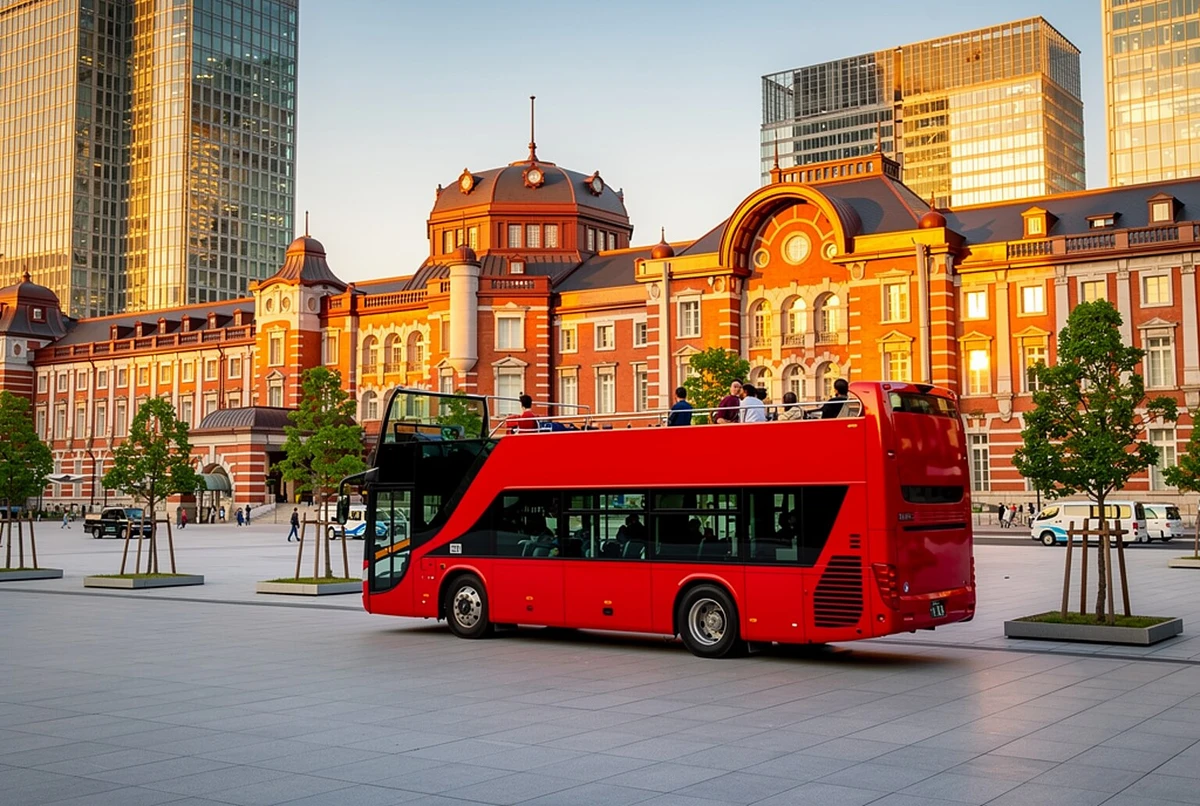
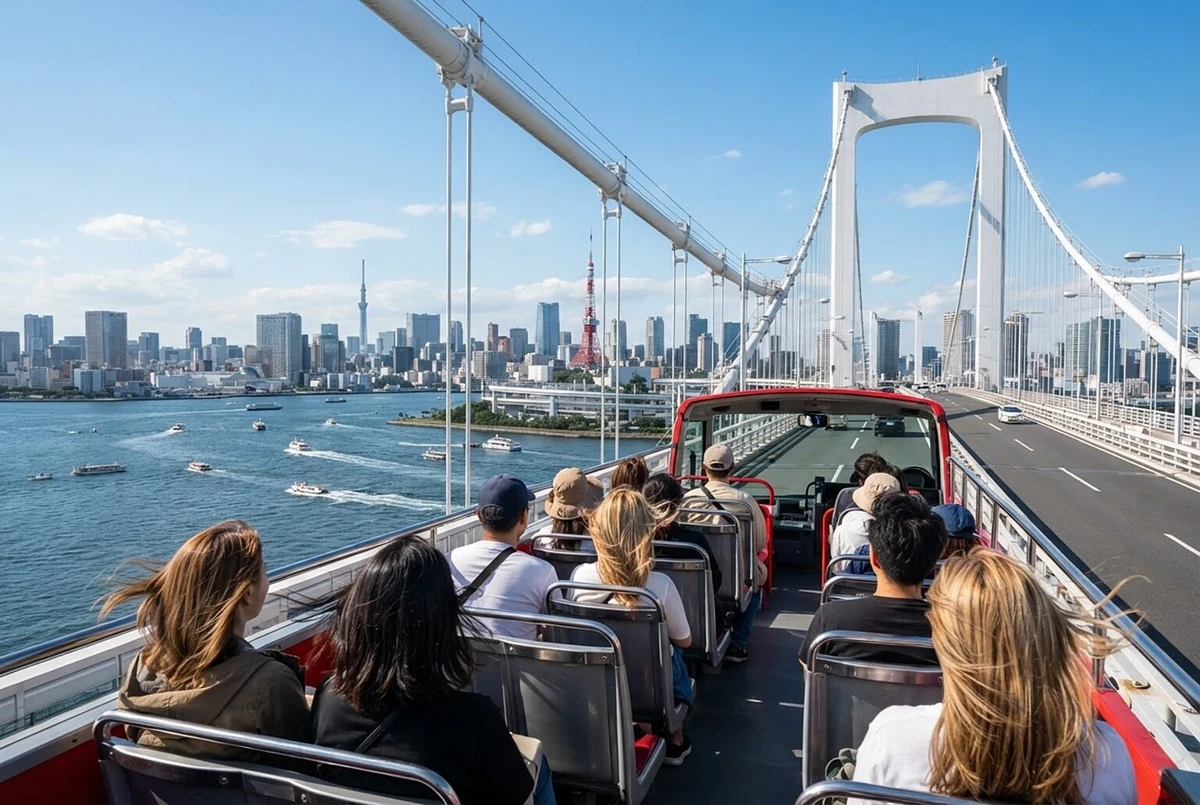
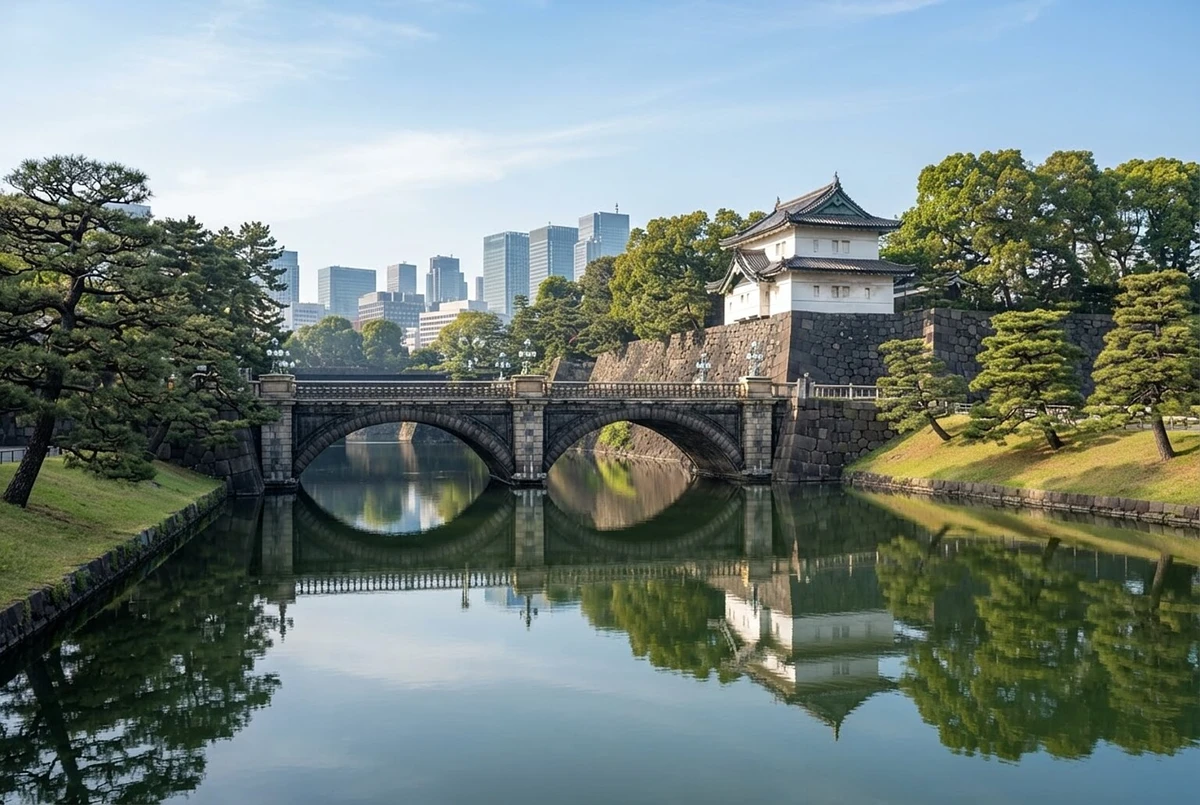
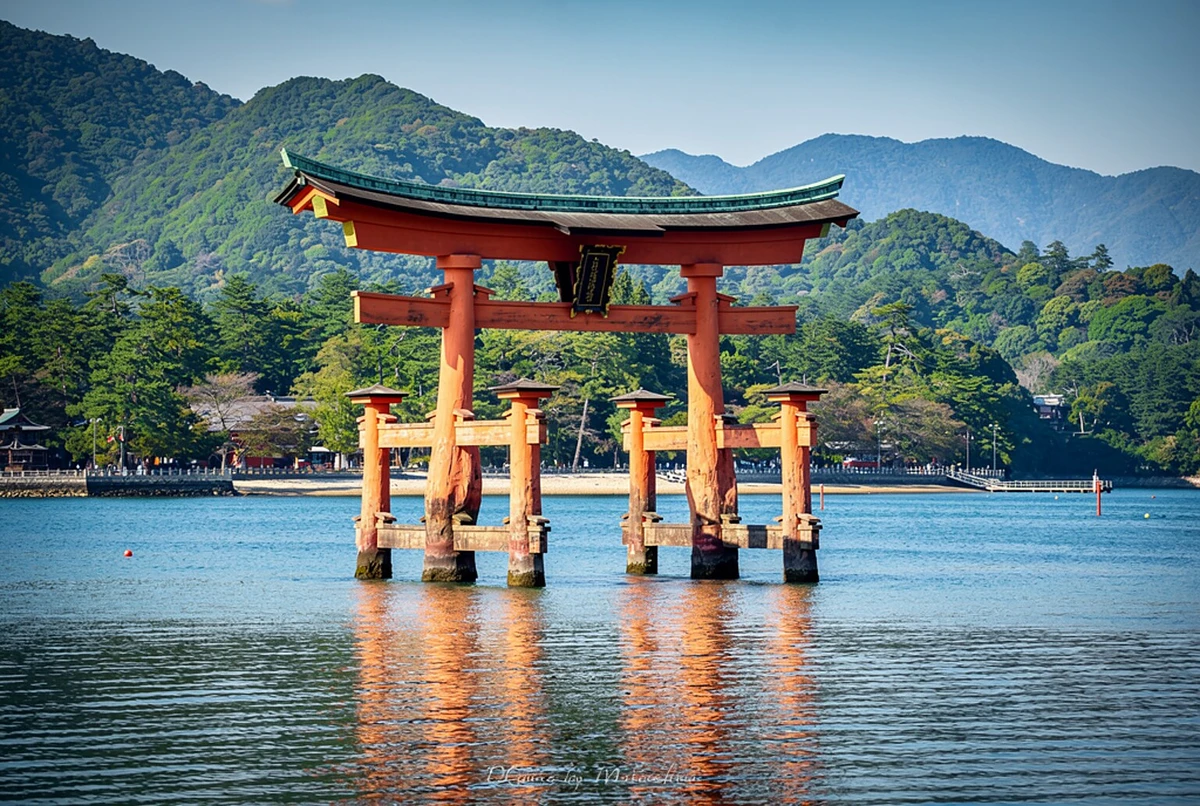
Some images are AI-generated for illustration. While we confirm your booking, just ask and we will send you the original photos.
- Fair, honest prices
- Real people, not bots
- Confirm, then pay
- Secure payment

Overview
This hop-on hop-off ticket puts you on an open-top double-decker bus with three routes across Tokyo. Get off wherever something catches your eye, then board the next bus when you are ready. The lines link Tokyo Skytree and Asakusa, Tokyo Tower with Tsukiji and Ginza, and the Shinjuku and Shibuya districts. Choose a one-day or two-day ticket; the two-day ticket is the one selected by default. It is a flexible, self-guided way to see the city, with multilingual commentary played on your own phone. Hotel transfers are not included.
Highlights
- Open-top double-decker bus with panoramic views over Tokyo
- Three routes: Skytree and Asakusa, Tokyo Tower and Ginza, Shinjuku and Shibuya
- Hop off and on as often as you like during the validity of your ticket
- Audio commentary in ten languages on your own phone or tablet
- One-day or two-day ticket, so you can sample the city or spread it out
- Raincoats handed out on board when the weather turns wet
Full Description
Tokyo Skytree and Asakusa on Route 1
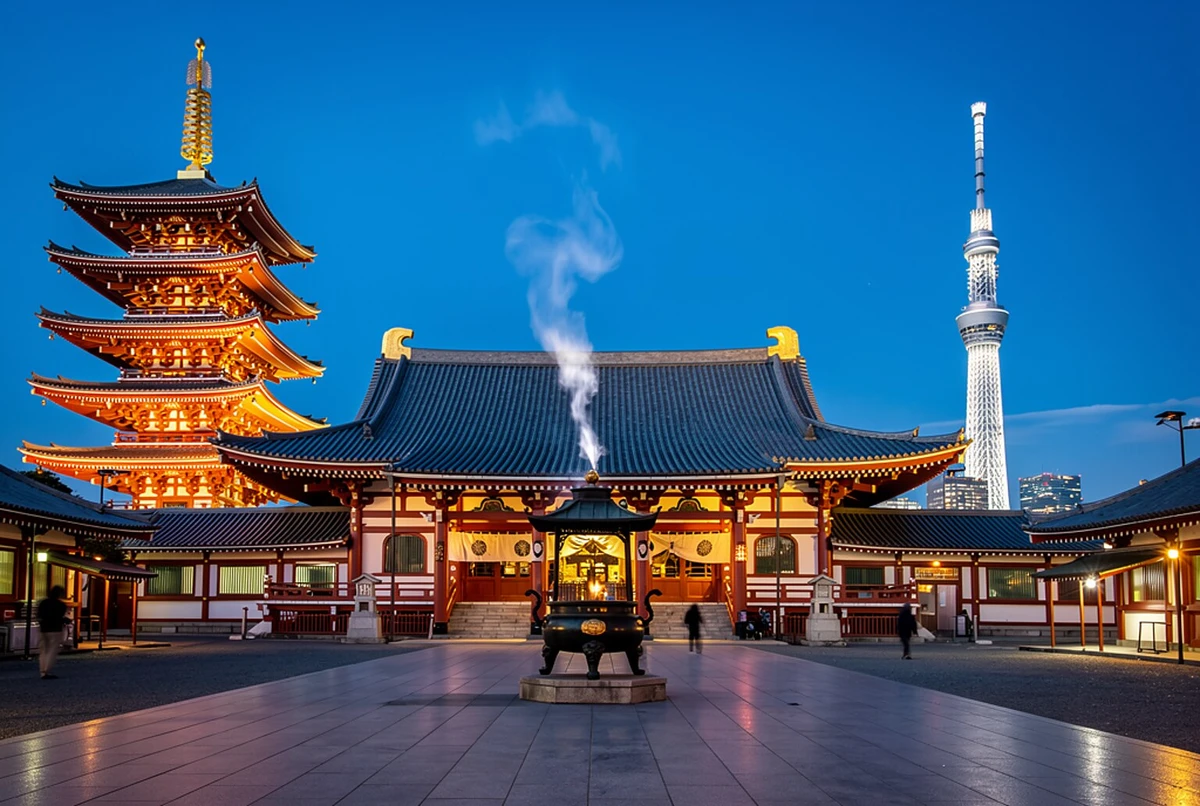
Route 1 heads east to the Tokyo Skytree, the 634-metre broadcasting tower that dominates the skyline and offers observation decks high above the city. Its base is a large shopping and dining complex, which makes it an easy stop for a break. Anyone searching for a Tokyo Skytree tour or how to get to Tokyo Skytree will find that the bus is a relaxed way to arrive, with the tower visible long before you reach it.
Nearby Asakusa is the old-town face of Tokyo. Senso-ji, the city's oldest temple, sits behind the Kaminarimon Gate and its giant red lantern, and the Nakamise shopping street leads up to the main hall. The same route passes Ryogoku, the heart of sumo, and Akihabara, famous for electronics and anime culture. Give Asakusa at least two hours, and try to visit early or late when the crowds are thinner.
Tokyo Tower, Zojo-ji Temple, Tsukiji and Ginza on Route 2
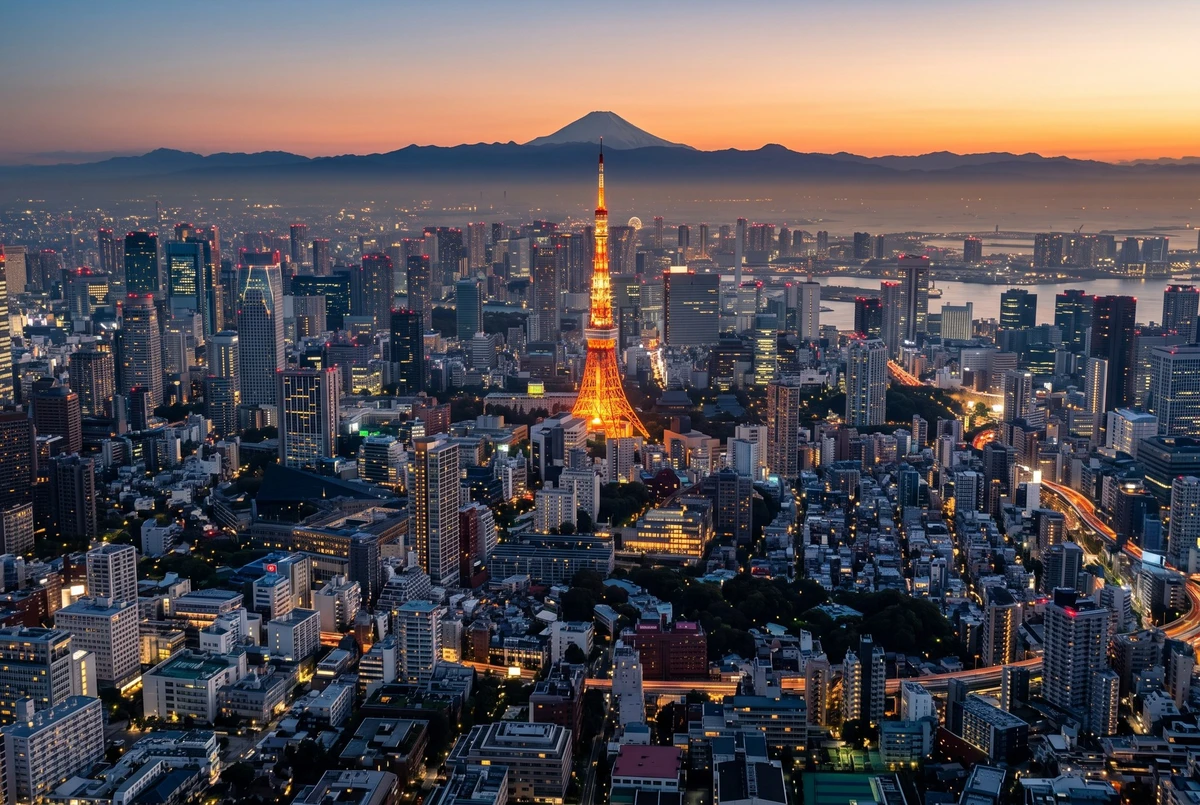
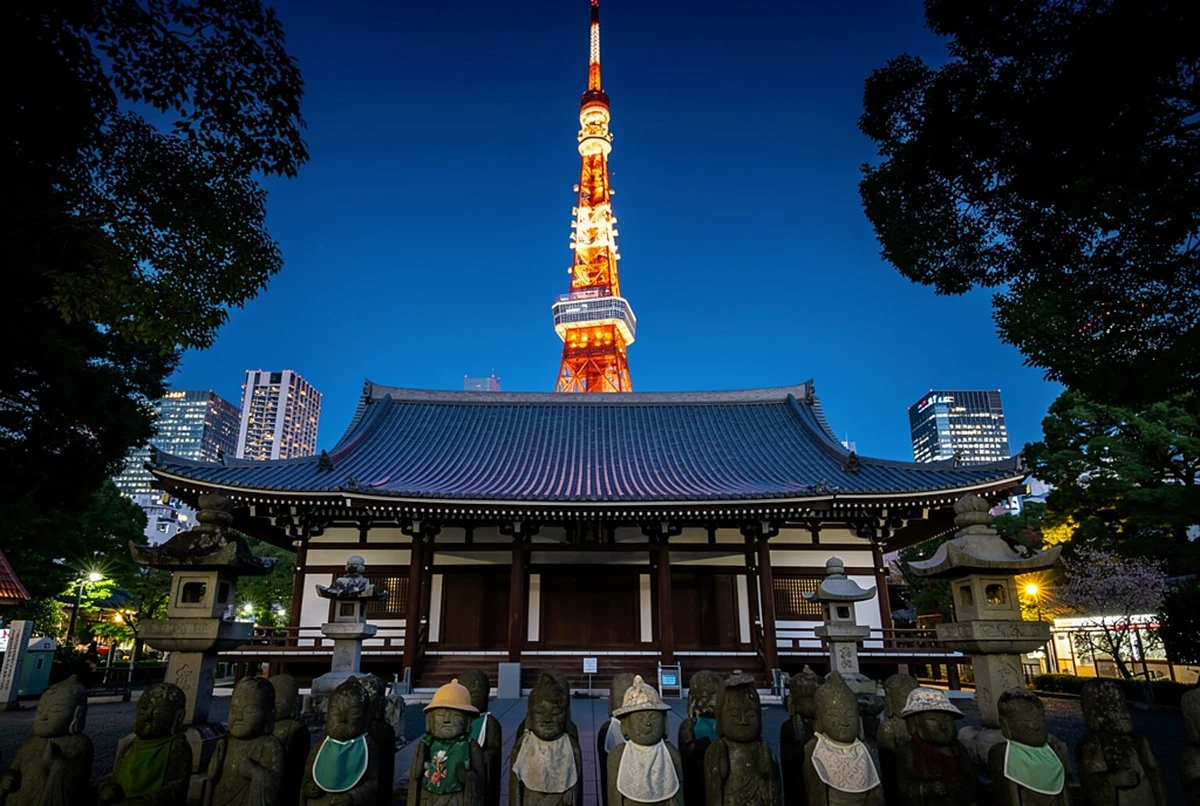
Route 2 runs to Tokyo Tower, the 333-metre red-and-white landmark completed in 1958 and modelled on the Eiffel Tower. Directly in front of it stands Zojo-ji, a Buddhist temple that once served the Tokugawa shoguns, and the view of the temple gate framed by the tower is one of Tokyo's classic photographs. If you are wondering whether Tokyo Tower is worth visiting, the answer is yes, especially at dusk when the lights come on.
The line then continues towards Tokyo Teleport and Tsukiji Ginza. Tsukiji's outer market district still buzzes even though the wholesale market moved to Toyosu, and Ginza is Tokyo's elegant shopping boulevard, packed with department stores and gallery windows. Hop off here for a walk, then rejoin the bus when you have seen enough.
Shinjuku, Shibuya and Meiji Jingu on Route 3
Route 3 shows the modern, neon-lit side of the capital. In Shinjuku the bus threads between glass skyscrapers, and the twin towers of the Tokyo Metropolitan Government Building have public observation decks that are a popular way to see the city from above. Further on, the line reaches Shibuya, where the famous scramble crossing sends thousands of people across at once.
The same route calls near Harajuku and Meiji Jingu, the shrine dedicated to Emperor Meiji, set inside a forest of roughly one hundred thousand trees planted when it was founded in 1920. It is a calm contrast to the crowds in Shibuya. Many visitors use this route for an evening ride, but check the last-bus times shown on your ticket map.
How the Tokyo hop-on hop-off ticket works
Buses start from the Marunouchi Mitsubishi Building near Tokyo Station, and one ticket covers all routes for its validity period. Seats are on the upper deck, which is open-air and has no air conditioning, so dress for the weather. Raincoats are handed out when needed, but umbrellas are not allowed on board, and services may be suspended in severe weather such as typhoons.
Audio commentary is played through your own smartphone, so bring earphones and remember that mobile data charges may apply. Buses run on a timetable, but a ticket is not a seat reservation, so if a bus is full you simply board the next one. Anyone planning the best time to visit Tokyo should note that spring blossom and autumn colour make the open-top ride especially rewarding.
Itinerary
- Board at Marunouchi Mitsubishi BuildingCollect your ticket details, choose a route and take a seat on the upper deck; all three routes start and end here.
- Route 1: Skytree, Ryogoku, Asakusa, AkihabaraRide east past Tokyo Skytree and Senso-ji, hopping off wherever you like; a full loop takes about an hour and a half without stops.
- Route 2: Tokyo Tower, Tsukiji, GinzaTravel to Tokyo Tower and Zojo-ji Temple, then on to Tsukiji and Ginza for shopping and photo stops.
- Route 3: Shinjuku, Shibuya, Meiji JinguPass the skyscrapers of Shinjuku and continue to Shibuya and the Meiji Jingu area.
- Hop off and back onLeave the bus at any stop for as long as you wish and catch the next one, within the days covered by your ticket.
What's included
- Hop-on hop-off open-top bus ticket valid on the same day
- Onboard audio commentary (may not be available on some buses)
- Audio guide on your own smartphone in 10 languages
- Complimentary shuttle service
Not included
- Hotel pick-up and drop-off
- Earphones and mobile data for the smartphone audio guide
Is this right for you?
Great for
- First-time visitors who want the highlights
Think twice if
- You prefer short outings — this takes 1 days
- You want a private tour — this one is shared with other travellers
Not suitable for
- Travellers who need a seat with a roof or air conditioning, because the passenger deck is open-air
- Wheelchair users, as seating is on the upper deck only
- Anyone who wants a fixed, fully guided itinerary with a live guide
Meeting point
This is a self-guided ticket without hotel pick-up. Buses depart from the Marunouchi Mitsubishi Building stop near Tokyo Station, and you can also board at other stops along each route. Your ticket and the route map show every stop and the operating times, and services can be delayed by traffic.
Important information
- Bring your own smartphone and earphones for the audio commentary; mobile data charges may apply
- The upper deck is open-air with no air conditioning, so wear sun protection or a warm layer as the season requires
- Raincoats are provided when needed, but umbrellas are not allowed on board
- Services may not run in severe weather such as typhoons or thunderstorms
- The ticket is not a seat reservation: if a bus is full, take the next one
- Standing is not allowed while the bus is moving, and traffic can cause delays
- Entrance tickets for attractions such as observation decks are not included
Good to know
Frequently Asked Questions
Straight answers to what travellers ask us most, before they book.
How much does the Tokyo hop-on hop-off bus ticket cost?
The price depends on the option you choose, one day or two days. The booking panel on this page shows the current price for each option, for adults and children.
Is hotel pickup included?
No. This is a self-guided bus ticket, so you join the bus yourself at the Marunouchi Mitsubishi Building or at any stop along the route.
How long does the Tokyo hop-on hop-off tour last?
Your ticket is valid for one or two days, depending on the option. A single loop without stopping takes around an hour and a half, but most visitors spend far longer by hopping off.
Which routes does the ticket cover?
It covers all three routes: the Skytree and Asakusa course, the Tokyo Tower, Tsukiji and Ginza course, and the Shinjuku and Shibuya course.
Is the bus suitable for children?
Yes, children can ride, and the booking panel lists the child age band and price. Because the deck is open-air, keep small children seated and make sure they are dressed for the weather.
What should I wear or bring?
Bring earphones and a charged phone for the audio commentary, sunscreen or a hat in summer, and a warm layer in cooler months. A raincoat is provided if it rains.
Can I book for today or tomorrow?
Usually yes. Choose the date in the booking panel; if the date is open you can book it, and the ticket is used from the day you select.
What is the difference between the options?
The one-day and two-day tickets cover the same routes and stops. The only difference is how long the ticket stays valid, so the two-day ticket suits a slower, more relaxed visit.
Is Tokyo Skytree worth visiting on this tour?
Yes, the Skytree stop gives you views over the whole Kanto plain on a clear day, and Asakusa is close by, so the two make an easy half-day. Observation deck tickets are not part of the bus ticket.
What is the best time to visit Tokyo by open-top bus?
Spring and autumn are the most comfortable seasons, with cherry blossom in spring and colourful leaves in autumn. Winter is usually dry and bright, while summer can be hot and humid.
More in Tokyo
Popular across Japan
-
-
-
-
-
-