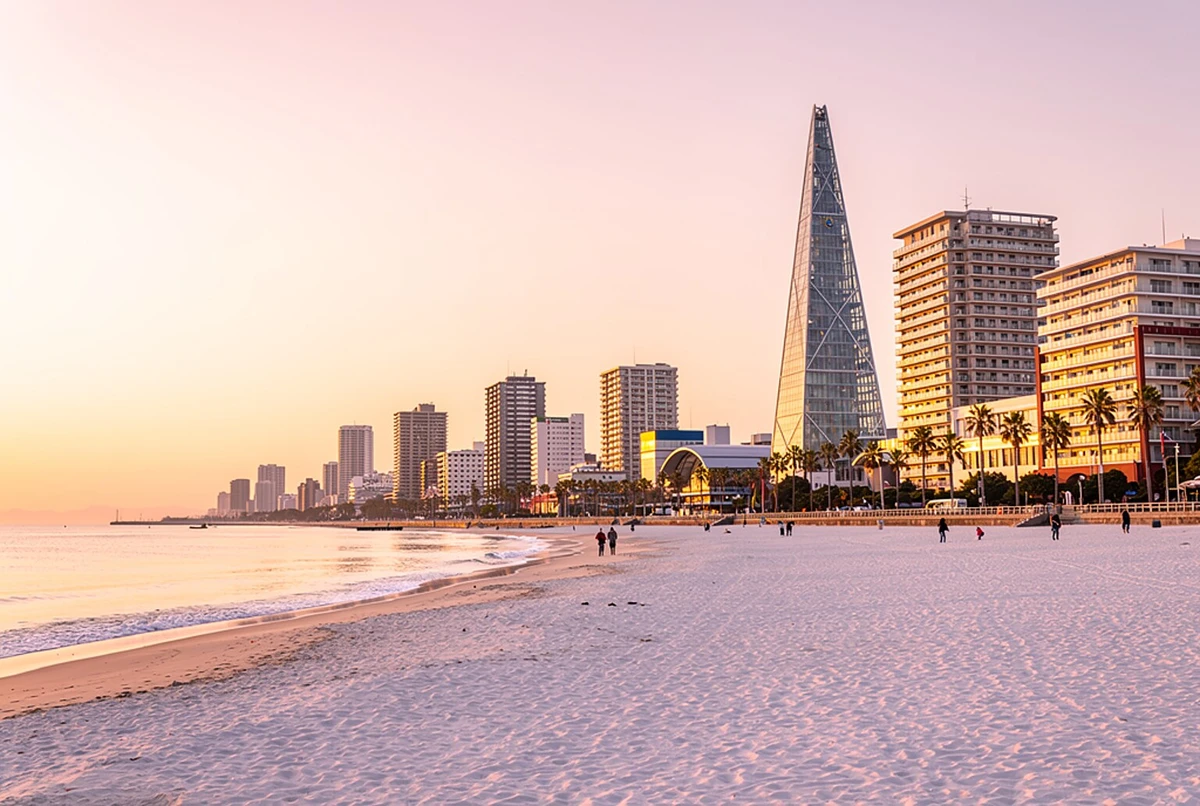
Imperial Palace East Gardens & Shogun History Walking Tour Tokyo
- Duration2 hours
- Daily
- Group

Some images are AI-generated for illustration. While we confirm your booking, just ask and we will send you the original photos.
- Fair, honest prices
- Real people, not bots
- Confirm, then pay
- Secure payment

Overview
This is a shared, small-group walking tour of the Imperial Palace East Gardens in central Tokyo, the inner grounds of what was once Edo Castle, seat of the shoguns for more than two and a half centuries. In about two hours your English-speaking guide leads you from Wadakura Fountain Park through Ote-mon Gate, past the Hyakunin Bansho Guardhouse and the Fujimi-yagura keep, up to the stone base of the vanished castle tower and down into the Ninomaru Garden with its koi ponds. It suits first-time visitors, history lovers and families who want the story behind the walls rather than a quick stroll. There is no hotel pickup: we meet by the fountain park, close to Tokyo Station.
Highlights
- Walk through Ote-mon, the main gate of Edo Castle, with a guide who explains its box-shaped defensive design
- See the Hyakunin Bansho, the long guardhouse where castle sentries checked every visitor
- Stand beneath Fujimi-yagura, the three-storey keep that survived fires, earthquakes and war
- Climb onto the granite base of the castle tower, once the tallest in Japan, for wide views of the gardens
- Relax by the koi ponds and seasonal flowers of the Ninomaru Garden
- Hear how the shogunate ended and the emperor moved to Edo, renaming the city Tokyo
- Easy two-hour route on gravel paths, starting and ending near Tokyo Station
- Several start times through the day, from morning to mid-afternoon
Full Description
Wadakura Fountain Park and the outer moats
Your Imperial Palace walking tour begins at Wadakura Fountain Park, a calm square of lawns and fountains set beside the inner moat, a few minutes on foot from the Marunouchi exits of Tokyo Station. The park was laid out in 1961 to mark an imperial wedding and renovated in the 1990s, and its fountains are lit after dark. From here you already see the scale of the old castle: wide moats, sloping stone ramparts and the guarded bridges that once separated the shogun's world from the merchant city.
Your guide uses this first stop to set the scene, explaining how Edo grew from a fishing village into one of the largest cities on earth around its castle. It is also the easiest answer to how to get to the Imperial Palace: walk from Tokyo Station or Otemachi Station, and you are at the meeting point in under ten minutes.
Ote-mon Gate and the Hyakunin Bansho Guardhouse
Ote-mon was the principal entrance to Edo Castle, used by feudal lords arriving for their compulsory audiences with the shogun. It is a masugata gate: a small outer gate leads into a square courtyard, and attackers who broke through had to turn sharply right toward a heavier inner gate while defenders fired from above. The wooden gatehouse was destroyed in 1945 and carefully rebuilt in 1967, while the massive stones of the courtyard are original.
Beyond the gate stands the Hyakunin Bansho, a long wooden guardhouse whose name means the post of one hundred men. Sentries from trusted retainer families worked here in shifts, day and night, checking anyone who wished to pass deeper into the castle. This is where most visitors begin an Imperial Palace East Gardens tour, and your guide explains how rank, dress and paperwork controlled every movement inside the walls.
Fujimi-yagura and the stone walls of Edo Castle
Fujimi-yagura, the Mount Fuji viewing keep, is a three-storey white tower on the southern edge of the main enclosure. After the great fire of 1657 destroyed the castle's central tower, this keep was rebuilt in 1659 and served as a stand-in tower for the rest of the Edo period. On clear winter days its upper floors once looked out to Mount Fuji, which gave it its name; today it is one of the few original turrets left standing.
Around it rise the castle's famous stone walls, built by feudal lords who were ordered to ship huge granite and andesite blocks to Edo from the Izu Peninsula. Your guide shows you how to read the stones: carved marks left by different work gangs, the curving lines that spread the weight, and the tight fitting that has resisted centuries of earthquakes. This stop is the heart of any Edo Castle tour.
Honmaru lawn and the castle tower base
The Honmaru, or main enclosure, was the core of Edo Castle, where the shogun lived, governed and received lords in a vast complex of palaces. Almost all of it burned in fires during the Edo period and the late 1800s, and today a broad lawn covers the area, edged by pine and cherry trees. At its northern end stands the tenshudai, the stone base of the castle tower, about eleven metres high and built of pale granite after the 1657 fire.
The tower that once stood here was the tallest castle keep ever built in Japan, but it was never rebuilt after the fire, as the shogunate chose to spend its funds on rebuilding the city instead. Climb the ramp to the top of the base for a wide view over the lawns and the modern skyline beyond the trees. Nearby, a rest house displays a detailed scale model of the lost tower.
Ninomaru Garden and its koi ponds
The Ninomaru Garden occupies the second enclosure of the castle, below the main lawn. Re-created in the 1960s after an Edo-period plan, it is a classic Japanese strolling garden with a winding pond, stone lanterns, a small waterfall and a wisteria trellis. Brightly coloured koi glide under the bridges, and the planting changes through the year: azaleas in spring, irises in June, maples in late autumn and camellias in winter.
This is the calmest part of the tour and many guests find it the best part, a quiet space in the middle of a business district. Your guide finishes the shogun story here, explaining how the castle passed to the emperor in 1868. If you are wondering whether the Imperial Palace is worth visiting when the inner palace itself stays closed, this garden is the answer.
Itinerary
- Meet at Wadakura Fountain ParkMeet your guide by the coffee shop in the fountain park, a short walk from Tokyo Station, for a quick introduction.
- Ote-mon GatePass through the main gate of Edo Castle and learn how its box-shaped courtyard trapped attackers, about 10 minutes.
- Hyakunin Bansho GuardhouseStop at the long guardhouse of the castle sentries and hear how entry to the castle was controlled, about 10 minutes.
- Fujimi-yagura keepSee the three-storey keep and the great stone walls while your guide explains how they were built, about 15 minutes.
- Imperial Palace East Gardens and the castle tower baseWalk across the Honmaru lawn to the granite base of the lost castle tower and climb up for the view, about 30 minutes.
- Ninomaru GardenStroll around the pond garden with its koi, bridges and seasonal flowers, about 30 minutes.
- Return to Wadakura Fountain ParkWalk back to the starting point, where the tour ends close to Tokyo Station.
What's included
- English-speaking live guide
- Guided walk through the Imperial Palace East Gardens
- Ote-mon Gate and the Hyakunin Bansho Guardhouse
- Fujimi-yagura keep and the massive stone walls and moats
- Remains of the Edo Castle tower base
- Ninomaru Garden with its koi ponds
Not included
- Entrance tickets
- Food and drinks
- Hotel pickup and drop-off
Is this right for you?
Great for
- Families with children — a child price for ages 3–12
- History and culture lovers
- First-time visitors who want the highlights
- A short visit — about 2 hours
Think twice if
- You want a private tour — this one is shared with other travellers
- Walking is difficult for you — expect active parts
Not suitable for
- Travellers who cannot walk for about two hours on gravel and gentle slopes without a break
Meeting point
We meet on the left side of the coffee shop in Wadakura Fountain Park (Kokyo Gaien), when you face the front of the store. The park is about 5 minutes on foot from Tokyo Station (Marunouchi side) and from Otemachi Station. Please arrive 10 minutes before your start time; your guide will be waiting there, and the tour ends at the same place. There is no hotel pickup.
Important information
- Wear comfortable walking shoes: the paths are gravel and there are gentle slopes
- Bring a hat and water in summer, and a warm layer in winter, as the whole tour is outdoors
- The East Gardens are closed on Mondays and Fridays and over the New Year; we only run tours on open days
- There is a bag check at the garden entrance, so do not carry knives or sharp items
- Entrance tickets are not part of this booking; the East Gardens currently charge no admission at the gate
- Food is not included; there is a small rest house with snacks and drinks inside the gardens
- The route is wheelchair accessible, with some gentle slopes
- Children are welcome when accompanied by an adult
Good to know
Frequently Asked Questions
Straight answers to what travellers ask us most, before they book.
Is this a shared or a private experience?
It is a shared walking tour in a small group led by a live English-speaking guide. You walk together with other travellers who booked the same start time.
How long does it take?
About two hours, starting and ending at Wadakura Fountain Park near Tokyo Station.
Is hotel pickup included?
No. You make your own way to the meeting point by the fountain park, which is an easy walk from Tokyo Station and Otemachi Station.
What is included?
A live English-speaking guide and a guided walk through the Imperial Palace East Gardens, including Ote-mon Gate, the Hyakunin Bansho Guardhouse, Fujimi-yagura, the castle tower base and the Ninomaru Garden. Food, drinks and entrance tickets are not included.
Is the price per person or per group?
The price is per person, with a lower child rate. The booking panel on this page shows the current price of each option.
Is it suitable for children or travellers with reduced mobility?
Yes. Children from about 3 years old enjoy the koi and the castle stories, and the route is wheelchair accessible, though some paths are gravel and gently sloped.
What should I bring?
Comfortable shoes, water, sun protection or an umbrella depending on the season, and your booking confirmation on your phone.
What is the best time of day or season?
Morning starts are cooler and quieter. Late March brings cherry blossom, June the irises of the Ninomaru Garden and late November the autumn leaves.
What happens in bad weather?
The tour runs in light rain, so bring an umbrella. If the gardens close for a typhoon or extreme weather, we contact you to move your date or arrange a refund.
Can I go inside the Imperial Palace itself?
The inner palace where the emperor lives is closed to the public except on a few special days. This tour covers the East Gardens, the former inner grounds of Edo Castle, which are open to visitors.
What are the Imperial Palace East Gardens opening hours?
The gardens open at 9:00 and close between 16:00 and 18:00 depending on the season, with last entry 30 minutes before closing. They are closed on Mondays, Fridays and over the New Year.
How do I book and confirm?
Choose your date and start time in the booking panel and send your request. Our team confirms your booking on WhatsApp within minutes, with the exact meeting point details.
More in Tokyo
Popular across Japan
-

-
-
-
-
-