Private Otaru Day Trip by Train from Sapporo
- Duration6 hours (including travel time)
- Daily
- Private
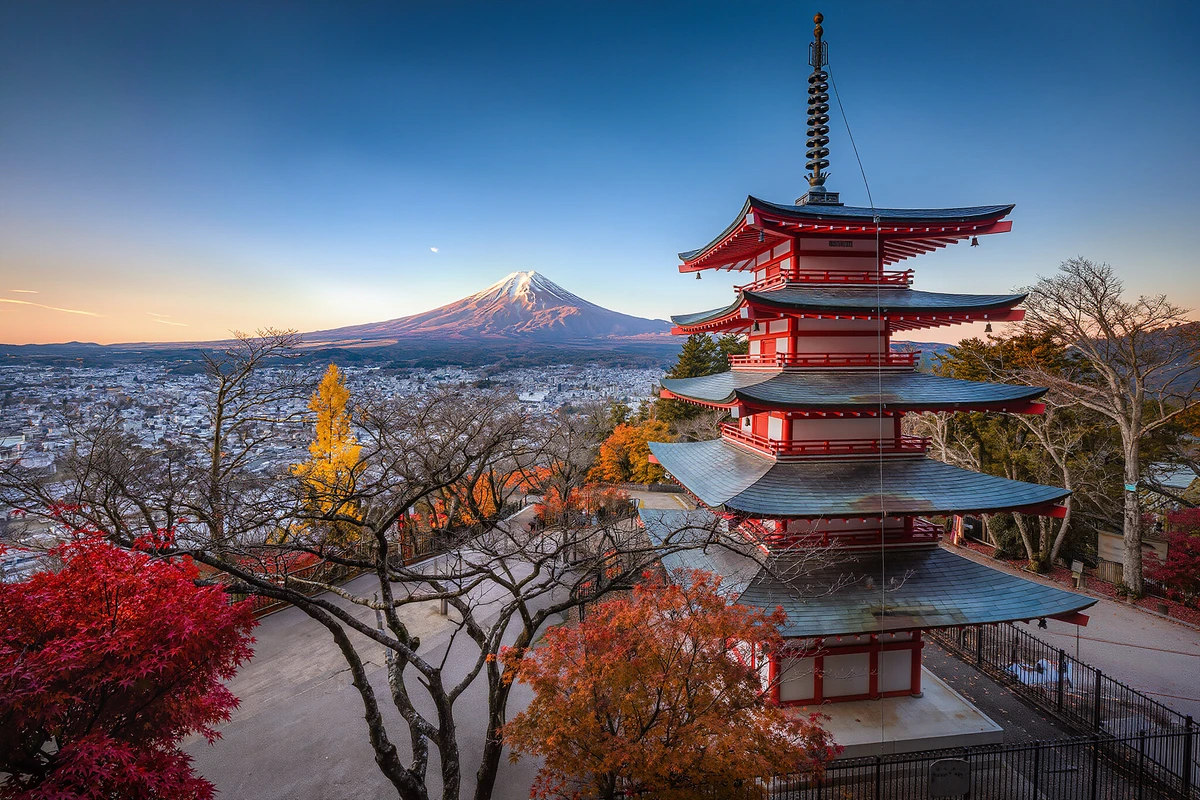
Some images are AI-generated for illustration. While we confirm your booking, just ask and we will send you the original photos.
- Fair, honest prices
- Real people, not bots
- Confirm, then pay
- Secure payment

Overview
This private Otaru day trip from Sapporo is the easy way to see Hokkaido's best-loved port town without worrying about tickets, platforms or directions. Your own English-speaking guide meets you at Sapporo Station, rides the train with you along the sea to Otaru and spends the day only with your party. Together you stroll the gas-lit Otaru Canal and its stone warehouses, the old banking quarter, the glass workshops of Sakaimachi Street and the music box museum at Marchen Crossing. The pace is yours: linger over glassblowing, stop for seafood or sweets, or skip what does not interest you. Return train tickets are included, and the six hours suit couples, families and friends who want a relaxed, personal day out.
Highlights
- Your own private guide for six hours, only for your party
- Return train tickets Sapporo–Otaru included, with sea views on the way
- Otaru Canal, its gas lamps and the stone warehouses of the old port
- The former banking quarter once called the Wall Street of the North
- Glass workshops and craft shops along Sakaimachi Street
- The music box museum and the steam clock at Marchen Crossing
- Start time of your choice between 08:00 and 14:00
- Flexible route and pace, adjusted to your interests
Full Description
The train ride from Sapporo to Otaru along Ishikari Bay
Many visitors ask how to get to Otaru from Sapporo, and the answer is simple: the rapid train covers the trip in about 35 to 45 minutes. On this tour your guide handles the tickets and the platforms, so you just sit back. Between Zenibako and Asari the line runs right beside the waves of Ishikari Bay, and on clear days you see the sea glitter on one side and wooded hills on the other.
Take a seat on the right-hand side of the carriage when travelling towards Otaru for the best sea views. In winter the shoreline turns white and the waves look steely grey, a scene many travellers remember as much as the town itself. The ride also gives your guide time to introduce Otaru's history, so you arrive already knowing what to look for.
Otaru Canal and the old stone warehouses
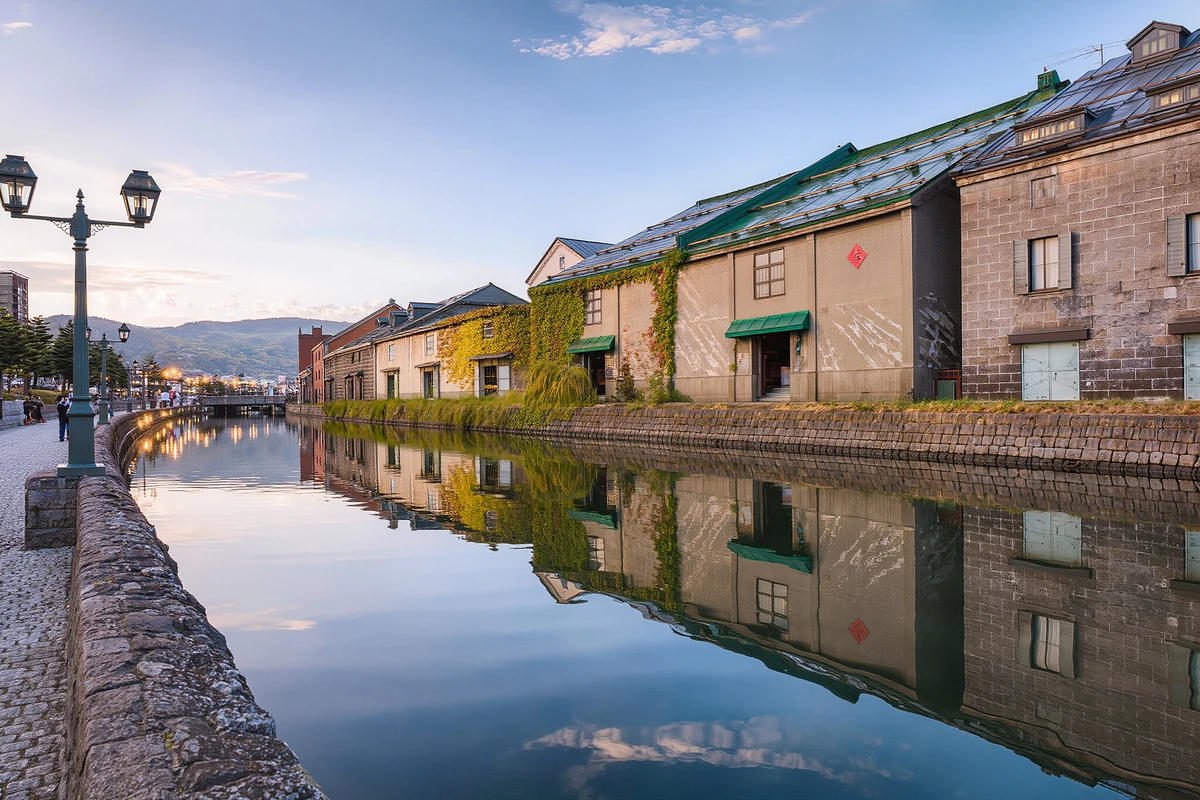
Otaru Canal is the heart of any Otaru day trip from Sapporo. It was completed in 1923 so that barges could carry goods between ships anchored offshore and the warehouses along the shore. When the port modernised, part of the canal was filled in, and after a long local campaign the remaining stretch was restored in the 1980s as a promenade lined with stone paths and gas lamps.
The warehouses of soft grey stone, built for herring, grain and coal, now hold cafés, shops and restaurants, and their reflections in the water make the classic Otaru photo. Your guide shows you the best viewpoints from the bridges and explains how the herring boom made the town rich. Plan around 45 minutes here; at dusk the lamps glow, and in February the canal hosts the Snow Light Path festival with candles floating on the water.
The former banking quarter of Otaru
In the early 20th century Otaru was the trading and financial capital of Hokkaido, and so many banks opened branches around Ironai that the street earned the nickname the Wall Street of the North. Solid stone and brick buildings with columns and domes still line the crossroads near the canal, a surprising contrast with the wooden houses of most Japanese towns.
Several of these buildings have become museums, shops and galleries, and your guide points out the details that tell their story: thick fire-proof walls, heavy shutters and decorative roofs. It is a short and easy stretch, perfect for photos, and a good place to pause for lunch at your own expense. Ask your guide for seafood bowls, ramen or sweets; halal choices in Otaru are limited, but fish and vegetable dishes are easy to find.
Sakaimachi Street and the Otaru glass workshops
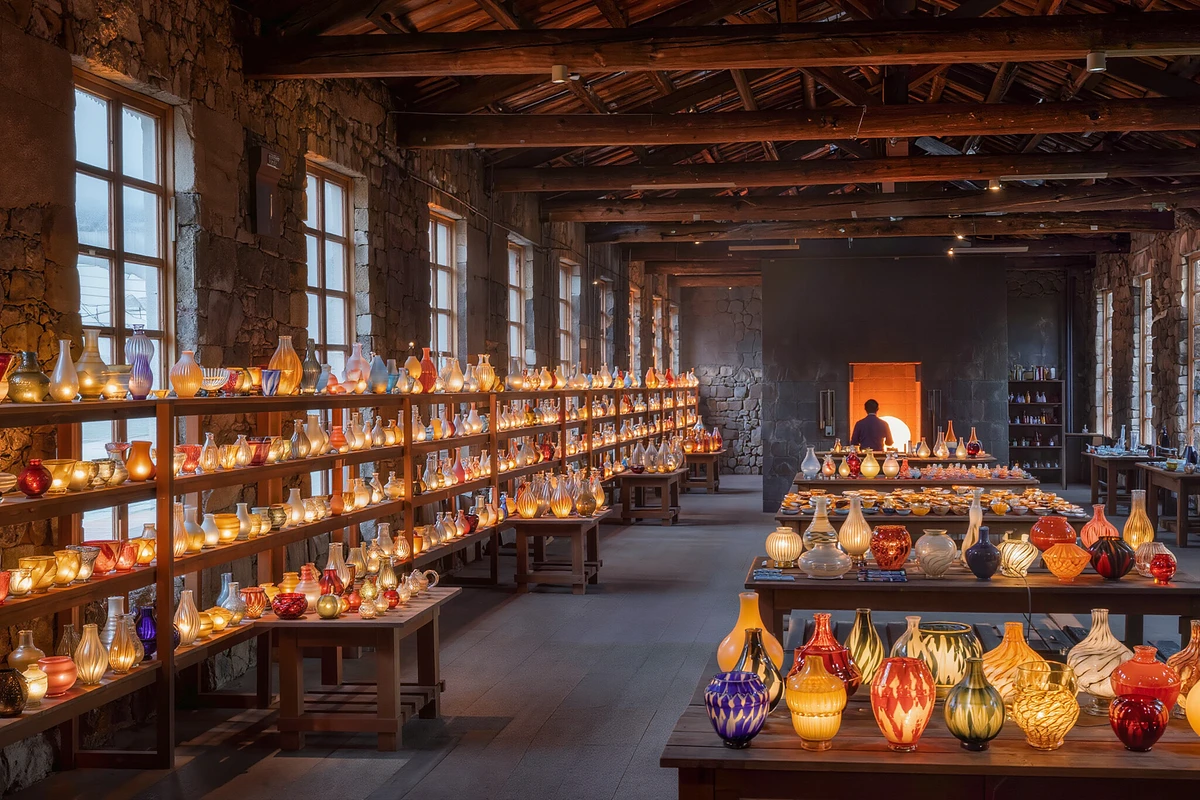
Sakaimachi Street is a long, gently curving lane of restored merchant houses and warehouses filled with glass studios, craft shops and sweet makers. Otaru's glass tradition began with oil lamps and the glass floats used by herring fishermen, and today the town is famous across Japan for hand-blown glass, from delicate cups to lamps and ornaments.
In several workshops you can watch artisans shape molten glass at the furnace, and some studios let visitors try simple glass-making or decorating for an extra fee. Your guide helps you choose where to spend your time, avoids the busiest shops if you prefer, and explains the difference between traditional and modern styles. Allow about an hour here; it is the part of a private Otaru tour where most guests want to slow down.
Otaru Music Box Museum and Marchen Crossing
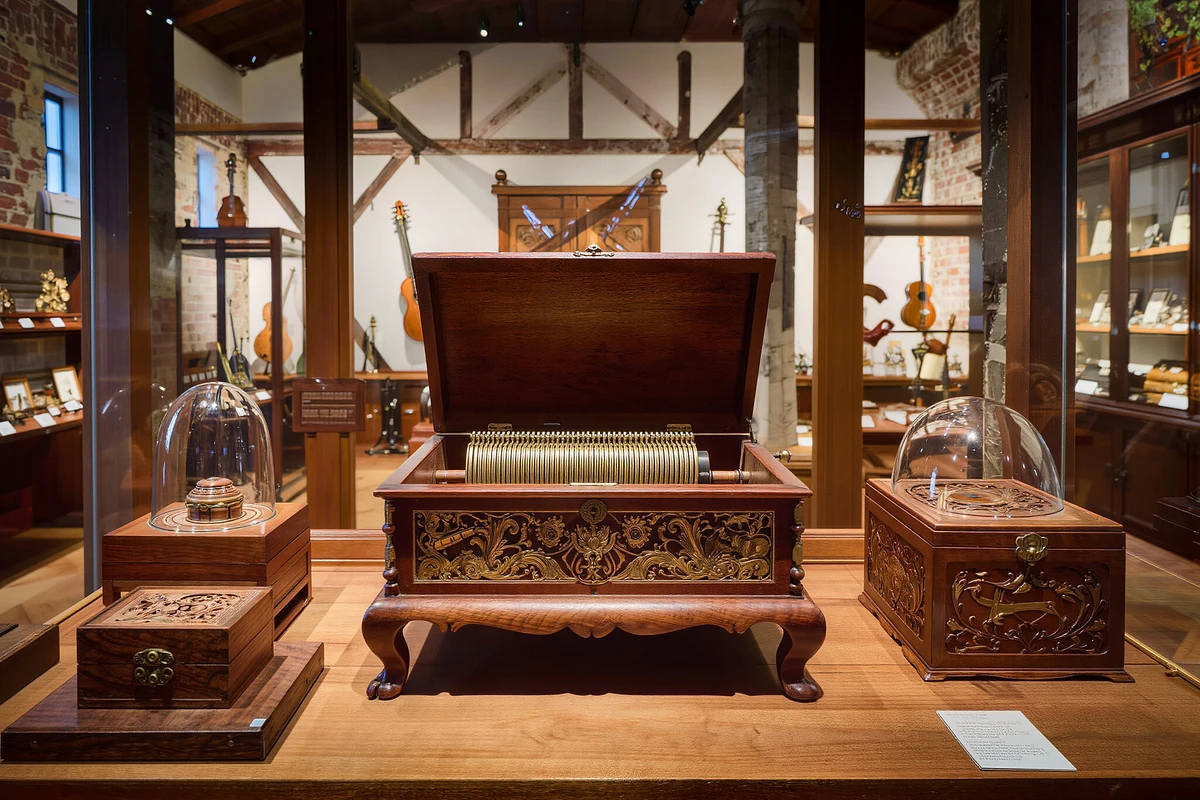
At the end of Sakaimachi Street lies Marchen Crossing, a small square framed by historic buildings and a steam clock that whistles a tune every quarter hour. Facing it stands the Otaru Music Box Museum, housed in a brick and wooden building from 1912 that was once a rice trading house. Inside, thousands of music boxes fill several rooms, from tiny jewellery boxes to large antique cylinders and modern designs.
The main hall is usually open daily from about 9:00 to 18:00, and it is lovely for families and anyone looking for a meaningful souvenir. Visitors can also build their own music box in a workshop at extra cost. From here it is a short stroll to Minami-Otaru Station, where you board the train back to Sapporo with your guide, ending a full and unhurried day.
Itinerary
- Meet your guide at Sapporo StationYour private guide meets you at the west concourse of Sapporo Station at your chosen start time and hands out your train tickets (about 10 minutes).
- Train along the coast to OtaruRide the rapid train beside Ishikari Bay while your guide introduces the town's history (about 40 minutes).
- Otaru Station and the slope down to the canalA gentle stroll from the historic station down towards the waterfront (about 15 minutes).
- Otaru Canal and the stone warehousesPhotos from the bridges, the canal promenade and stories of the herring trade (about 45 minutes).
- Former banking quarter and lunch breakSee the stone bank buildings of Ironai, then stop for lunch at a place your guide recommends, at your own expense (about 1 hour).
- Sakaimachi Street glass workshopsBrowse glass studios and craft shops and watch artisans at work (about 1 hour).
- Marchen Crossing and the Music Box MuseumSee the steam clock and explore the music box halls (about 45 minutes).
- Train back to SapporoBoard the train at Minami-Otaru Station with your guide; the tour ends at Sapporo Station (about 45 minutes).
What's included
- Private English-speaking guide for 6 hours, including travel time
- Return train tickets between Sapporo and Otaru
- Guided stroll along Otaru Canal and the stone warehouse district
- Visit to the Sakaimachi Street glass workshops
- Time in the Otaru Music Box Museum area
- One soft drink chosen for you by your guide
- Route adjusted to your interests
Not included
- Meals and additional drinks
- Entry tickets to attractions
- Additional transport beyond the return train
- Personal expenses
Is this right for you?
Great for
- Families with children — a child price for ages 0–12
- Couples, families and friends who want a private tour, just your group
Think twice if
- You need hotel pickup — you meet at the meeting point
Not suitable for
- Travellers who need hotel pickup (the tour starts at Sapporo Station)
- Guests who prefer a private car rather than public trains
Meeting point
We meet you at Sapporo Station, west concourse (Kita 6 Jo Nishi 4-chome, Kita Ward), at the start time you choose between 08:00 and 14:00. Your guide waits inside the station near the west ticket gates with a sign showing your name; the exact spot and the guide's contact details are sent to you on WhatsApp after booking. The tour ends back at Sapporo Station.
Important information
- Wear comfortable shoes: much of the day is spent strolling on streets and canal paths.
- From December to March streets can be icy; shoes with good grip or slip-on ice cleats are recommended.
- Lunch, extra drinks and any attraction or workshop fees are paid on the day; bring some cash and a card.
- One soft drink, chosen by your guide, is included.
- The return train tickets between Sapporo and Otaru are included; other transport is not.
- Halal restaurants in Otaru are limited; seafood and vegetable dishes are easy to find, and we can advise.
- Shops along Sakaimachi Street usually open around 9:00–10:00 and close around 17:00–18:00.
- Tell us about any mobility needs when booking so your guide can plan a flatter route.
Good to know
Frequently Asked Questions
Straight answers to what travellers ask us most, before they book.
Is this a shared or a private tour?
It is fully private. Your guide is with your party only, from the meeting at Sapporo Station to the return train.
Can we change the itinerary or the pace?
Yes. The route is adjusted to your interests: you can spend longer at the glass workshops, add a museum, or slow down for photos and coffee.
How many people can join?
The tour is for your own party only. Tell us your group size when booking and we confirm the arrangements on WhatsApp.
Is the price per person or per group?
This tour is priced per person, with a separate child rate. The booking panel on this page shows the current price for adults and children.
Is hotel pickup included?
No. The tour starts and ends at Sapporo Station, west concourse, which is easy to reach from any central hotel.
What is included?
A private English-speaking guide for six hours including travel time, return train tickets between Sapporo and Otaru, the guided stroll through the canal area, Sakaimachi Street and the music box museum area, and one soft drink.
How long is the tour?
About six hours in total, including roughly 40 minutes on the train each way.
Is it suitable for children or travellers with reduced mobility?
Yes, children enjoy the glass workshops and music boxes, and the main streets are fairly flat. Trains have lifts at the main stations; let us know any needs so your guide can adapt the route.
What should I bring?
Comfortable shoes, a light jacket, an umbrella in rainy weather, warm layers and grippy boots in winter, and money for lunch and shopping.
What is the best time of day or season to visit Otaru?
Mornings are quieter on Sakaimachi Street, while late afternoon lets you see the canal lamps light up. Summer is pleasant and green, autumn is crisp, and February brings the Snow Light Path festival.
Can we find halal food in Otaru?
Options are limited in Otaru itself, but fish, seafood and vegetable dishes are widely available, and Sapporo has several halal restaurants. Ask us and we will suggest places.
How do I book and confirm?
Choose your date and start time in the booking panel on this page and complete the booking. Our team confirms on WhatsApp within minutes and sends the meeting details.
More in Sapporo





Getting to & around Sapporo
Popular across Japan
-
-
-
-
-
-