
Jeju
Plan Jeju with Haqqi Tours: day tours, private airport transfers, attraction tickets and packages, run by our own team and confirmed on WhatsApp in Arabic or English.
Step out of your hotel in Jeju and the first thing you notice is the wind: salt-heavy, warm off the Korea Strait, rattling the low walls of black volcanic stone that frame tangerine orchards and village lanes. Above everything rises Hallasan, the dormant shield volcano at the centre of the island, often wearing a crown of cloud. Along the shore, haenyeo divers in black wetsuits slip into the swell, their long whistling breaths carrying across the rocks as they surface with abalone, conch and sea urchin.
Nothing matches those filters yet. Widen your search or message us on WhatsApp.
Jeju Day Tours
View all
Jeju Airport Transfers
View all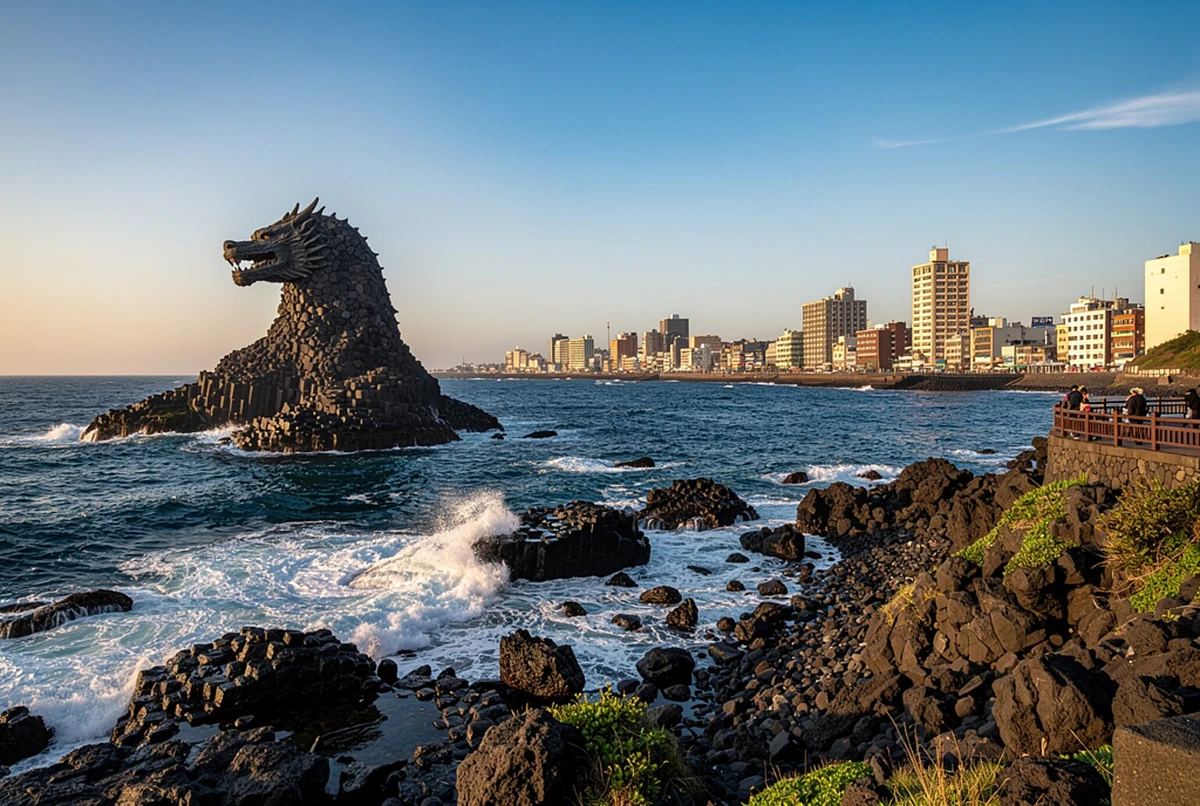
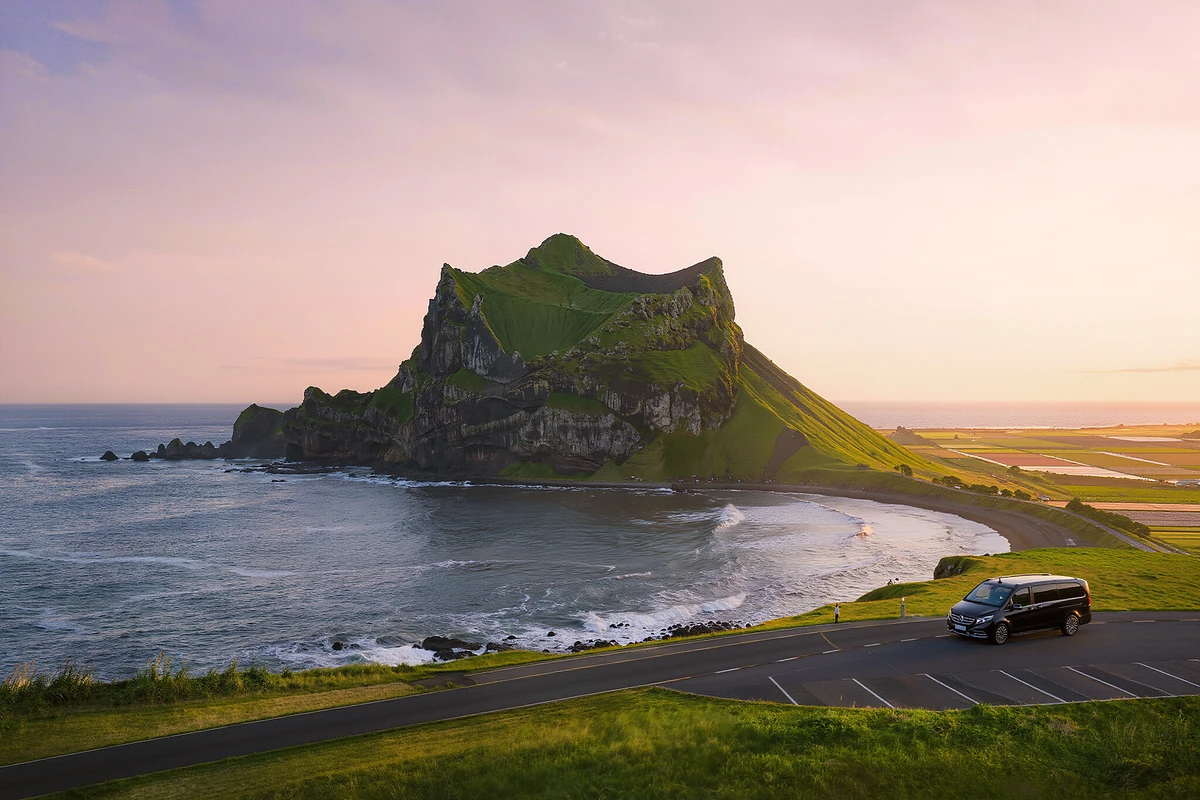
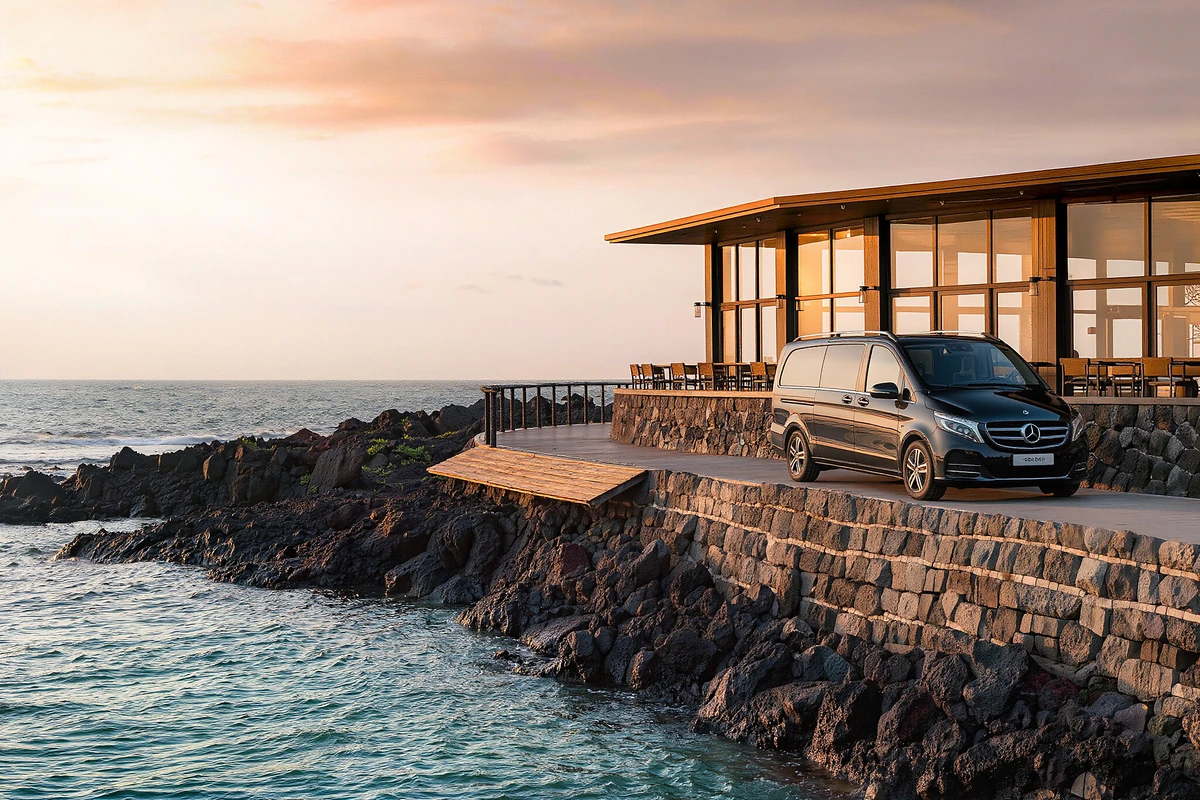
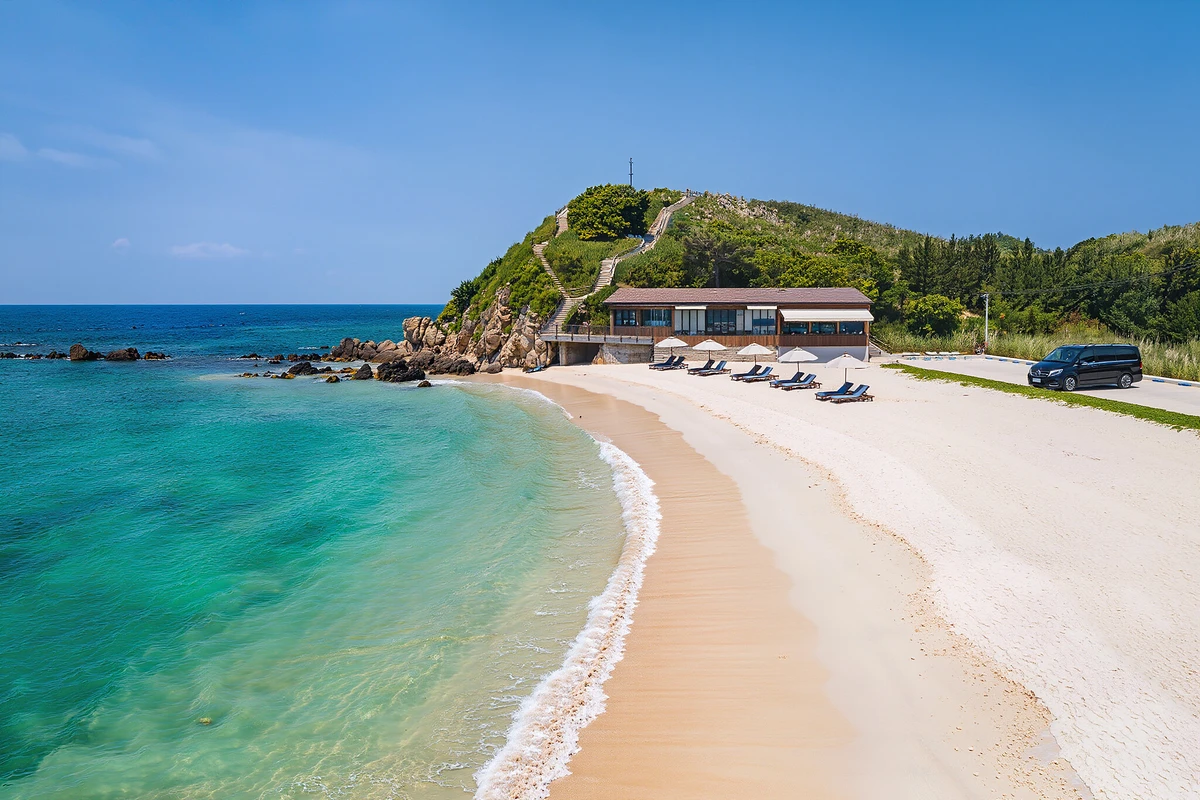
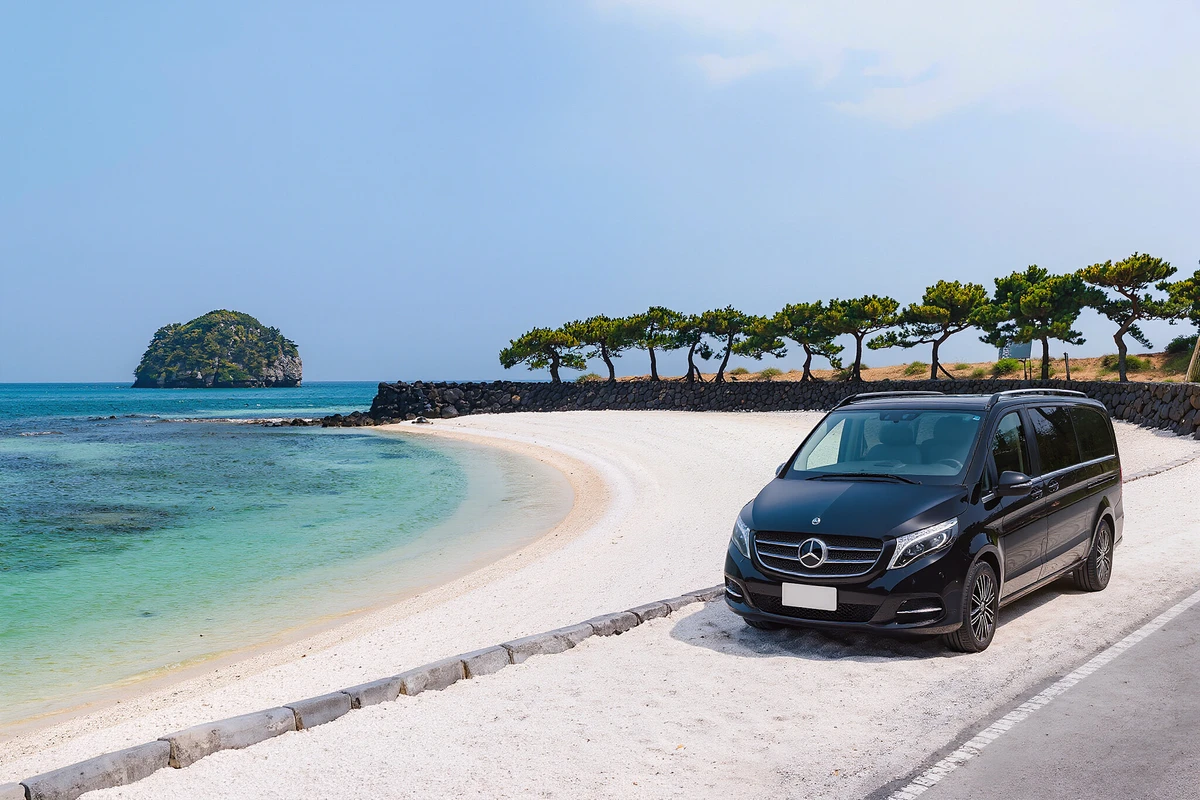
Jeju Flight Tickets
View all

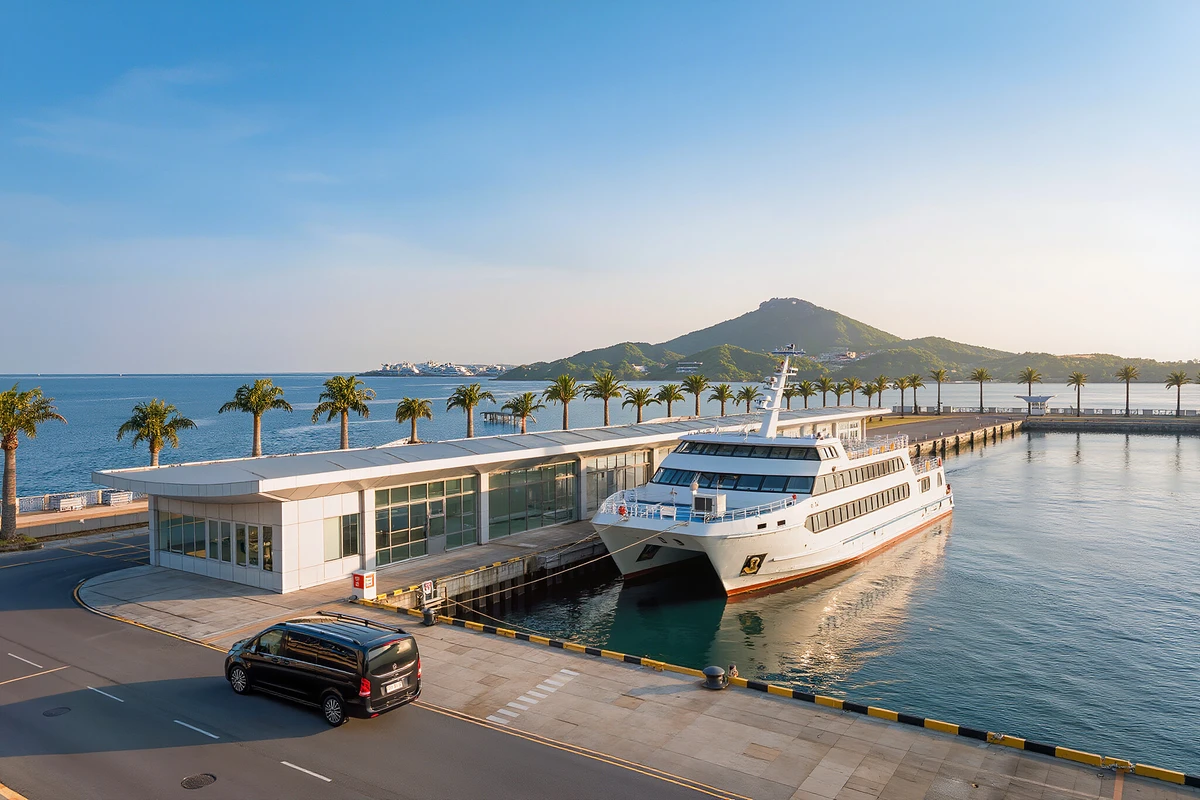
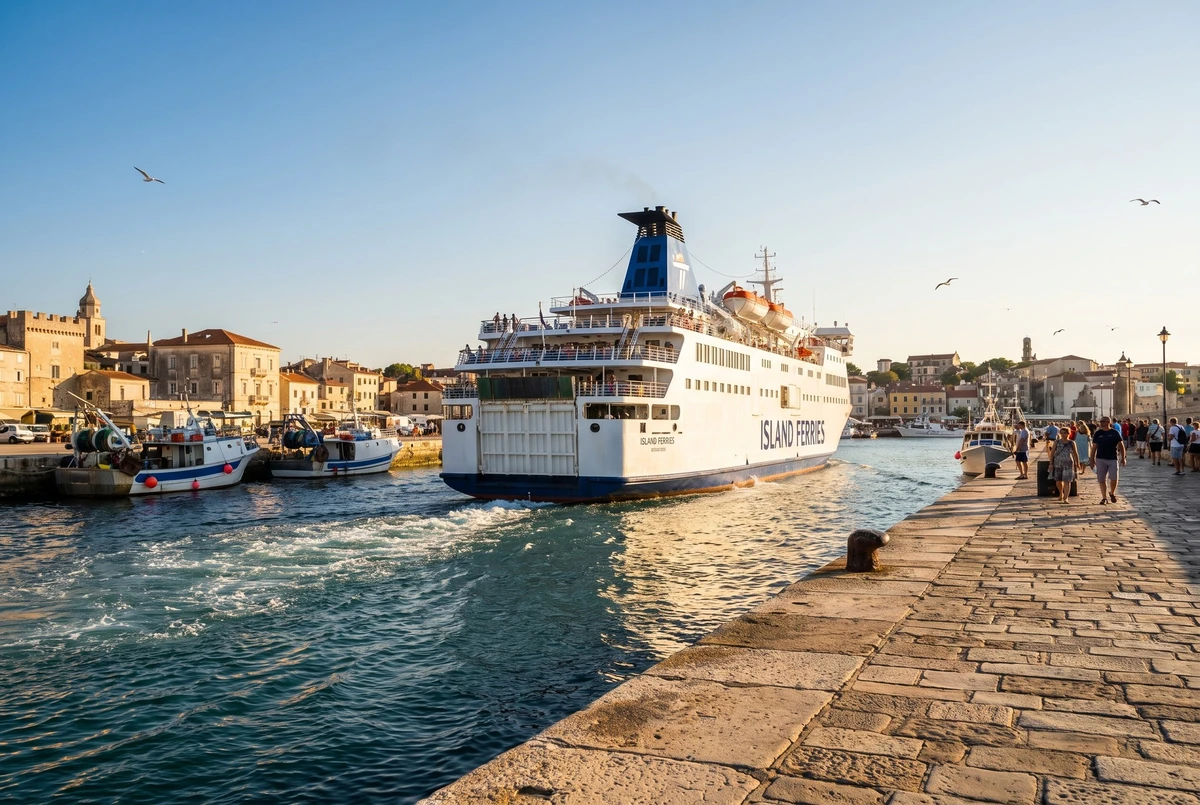
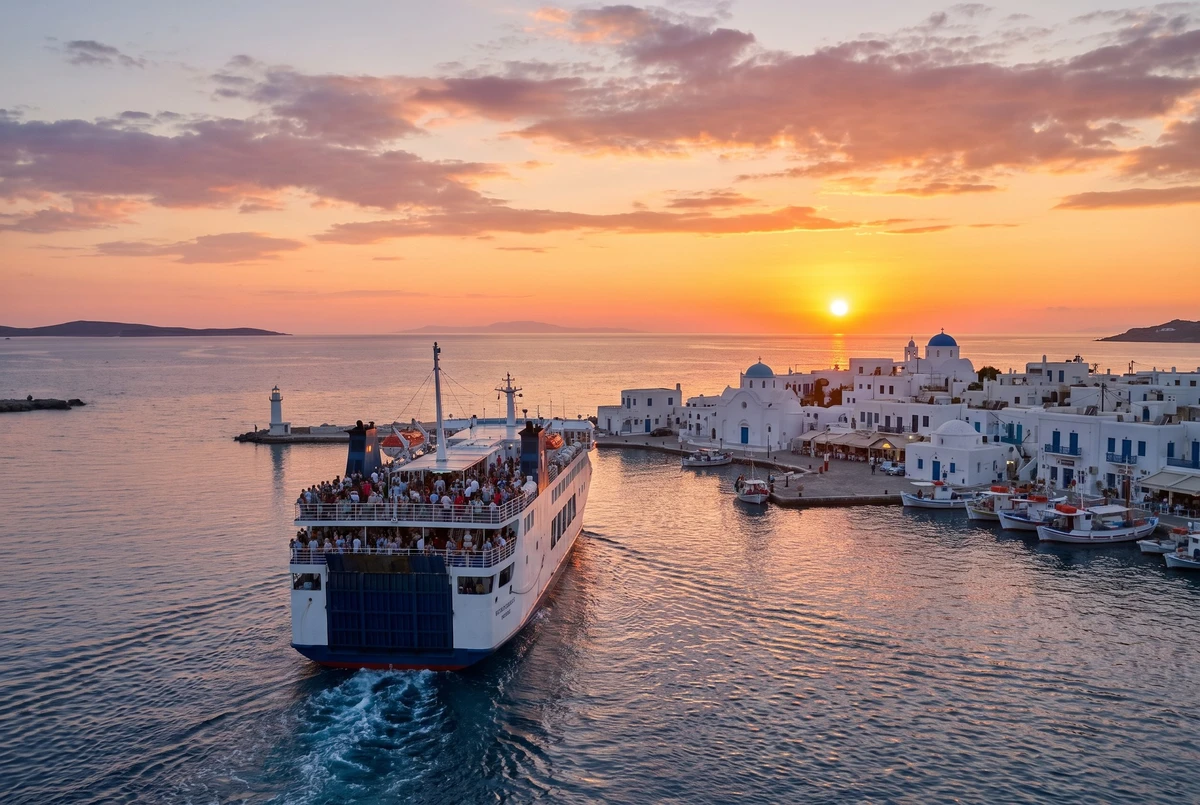
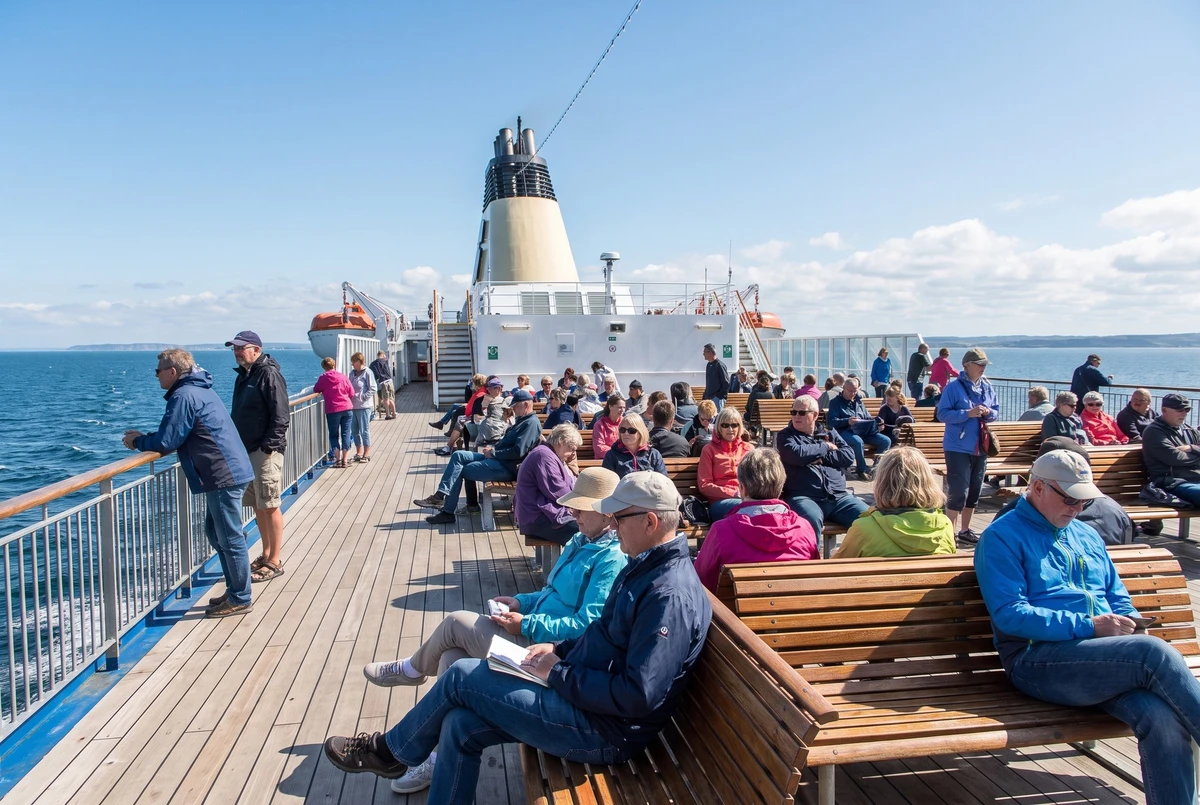
Jeju Ferry Tickets
View all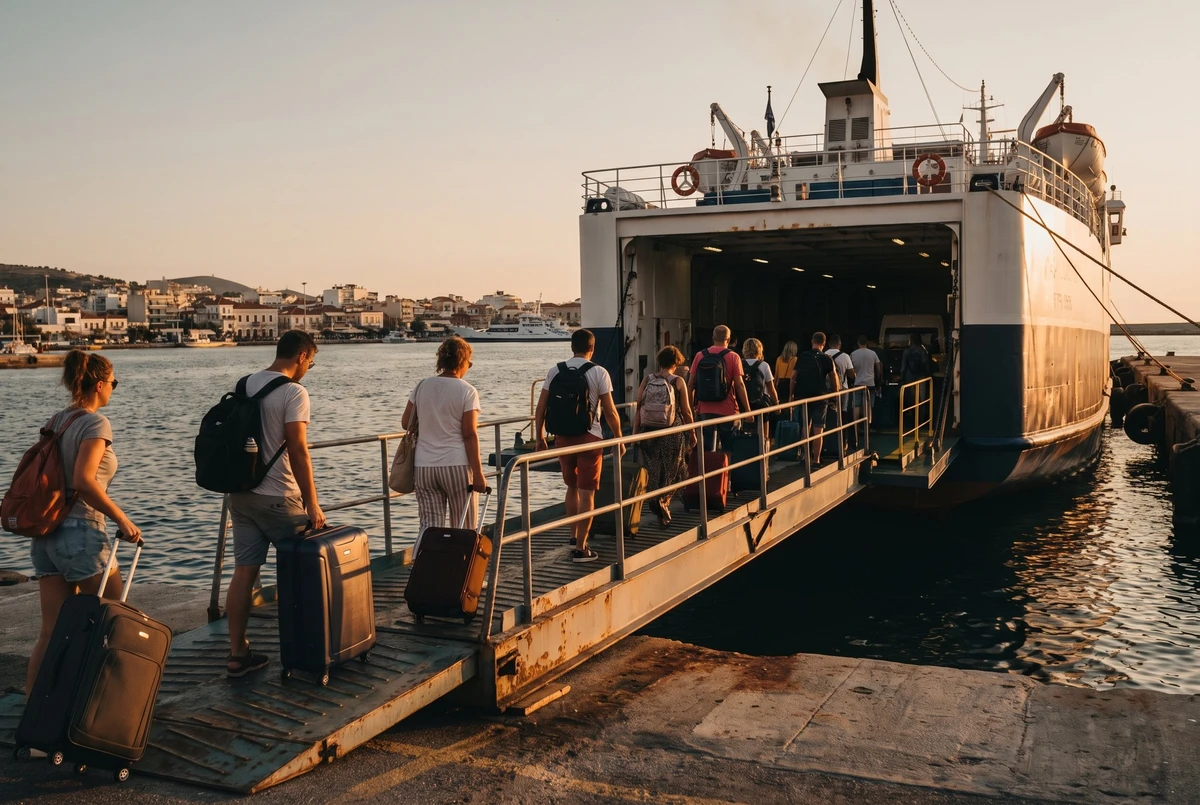
Jeju at first sight
Jeju is South Korea’s island of stone, wind and women divers, a UNESCO-recognised volcanic landscape of craters, lava tubes and basalt cliffs that once stood apart as its own kingdom of Tamna. Today it is where Koreans come to breathe: to climb oreum cones at sunrise, eat grilled black pork by the sea and slow down.
Why include Jeju in your itinerary?
- Jeju holds a rare triple UNESCO distinction: the Hallasan crater, the Manjanggul lava tube and the tuff cone of Seongsan Ilchulbong sit within one compact island, so a single day can take you from a summit forest to a subterranean river of cooled lava.
- The haenyeo, Jeju’s legendary women free divers, still harvest the sea without oxygen tanks. Their tradition, recognised by UNESCO as intangible heritage, shapes the island’s villages, its seafood and its fiercely independent spirit, and you can watch them work along the eastern shore.
- Jeju has a slower, greener rhythm than mainland Korea: tangerine orchards, camellia hedges, green tea plantations and more than three hundred oreum volcanic hills. It is the natural counterpoint to the energy of Seoul and Busan, and a restorative chapter in any Korean journey.
Signature experiences in Jeju
Sunrise on Seongsan Ilchulbong
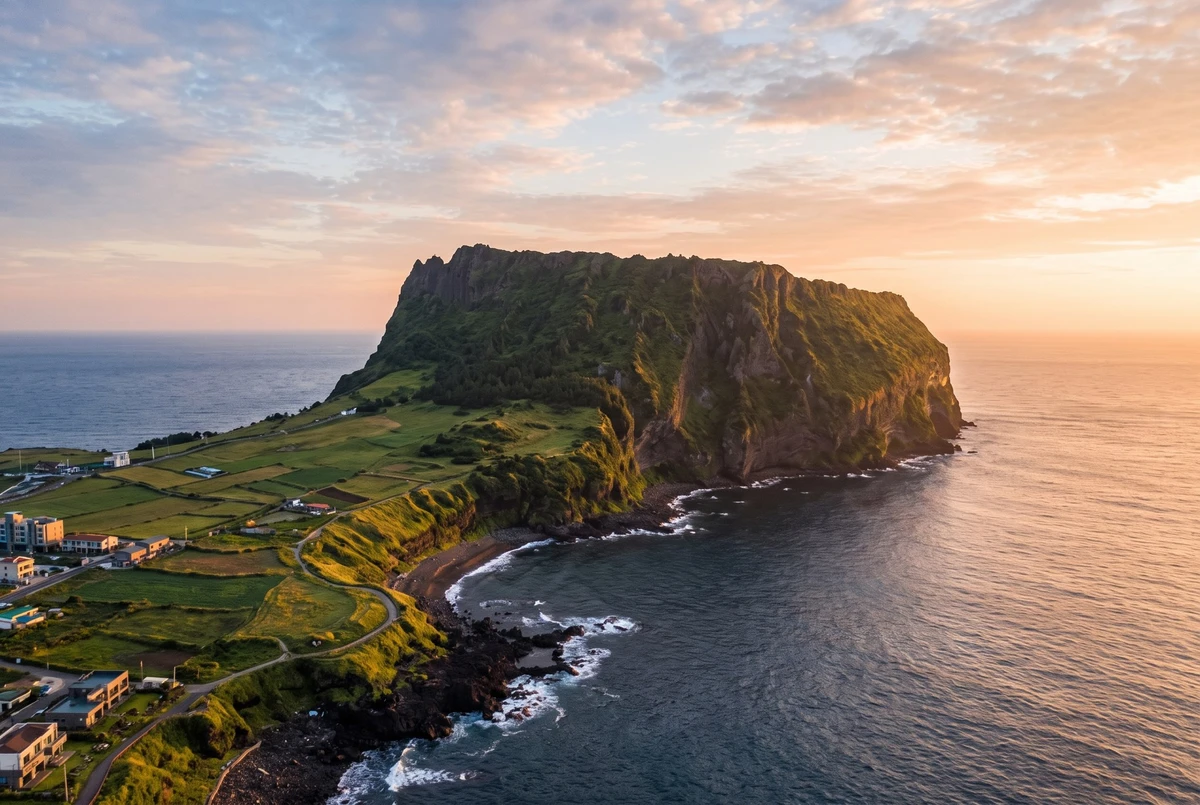
Seongsan Ilchulbong, the Sunrise Peak, is a perfectly bowl-shaped tuff cone that rose from the sea some five thousand years ago. Climb the stone steps before dawn and you stand on the rim as the sun lifts out of the Pacific, with the green crater floor below and Udo Island floating offshore. Our guided day tour of eastern Jeju times the visit well, then continues to the haenyeo diving show at the foot of the cliffs and Seopjikoji headland.
Black Pork, Tangerines and Dongmun Market
Jeju’s table is its own: heuk-dwaeji black pork grilled over charcoal and dipped in anchovy sauce, abalone porridge, hairtail fish stew, buckwheat noodles and the sweet hallabong tangerine. Lose an evening in Dongmun Traditional Market, where stalls pile up citrus, dried fish and sizzling street snacks under the night lights. Our team can arrange a private car with driver so you can move between the market, a seaside grill in Aewol and the O’sulloc green tea fields at your own pace.
Old Jeju City and Gwandeokjeong
Explore on foot through the older heart of Jeju City around Gwandeokjeong Pavilion, the island’s oldest surviving wooden building, and the restored Jeju Mokgwana, the former seat of the Joseon governors. Nearby, Yongduam, the Dragon Head Rock, rises from a coast of black lava, and the seafront promenade at Yongyeon glows at dusk. Our guided day tours frame these sites within the story of the Tamna kingdom and the island’s long, independent history.
Manjanggul, Hallasan and the Volcanic Interior
Just inland, Manjanggul lava tube runs for kilometres beneath the forest, its passage ending at a towering lava column. Nearby lie the Bijarim nutmeg forest, the hollow Sangumburi crater and the thatched stone houses of Seongeup Folk Village. Hikers can tackle Hallasan by the Seongpanak or Gwaneumsa trails, which need an early start and a reserved trail slot. Our guided day tours and private drivers link these scattered sites smoothly across the island.
Udo Island and the Southern Waterfalls
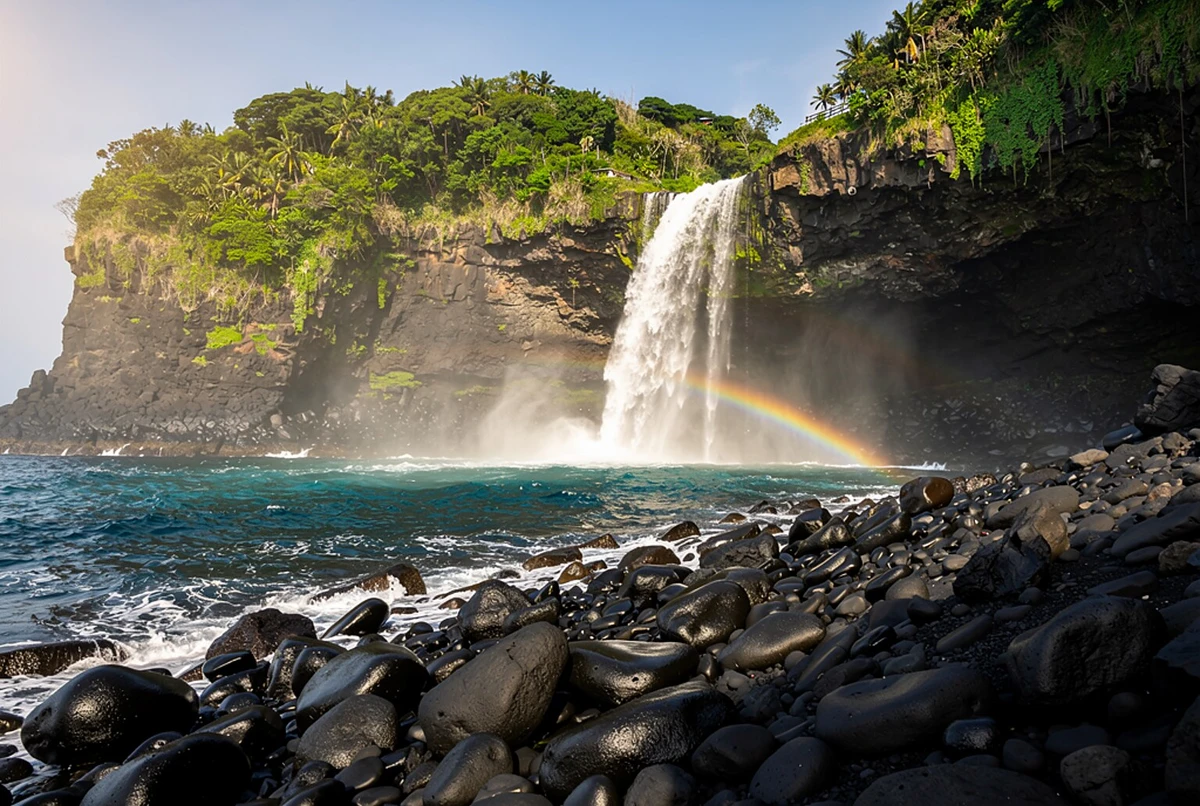
A short ferry from Seongsan Port brings you to Udo, a cow-shaped islet of peanut fields, white coral sand at Seobin Baeksa and turquoise coves. On the south coast around Seogwipo, Jeongbang Falls plunges straight into the sea, Cheonjiyeon glows under lanterns at night and the hexagonal basalt pillars of Jusangjeollidae meet the surf. We issue the ferry tickets and our guided day tour of southern Jeju strings these highlights together without the hassle of island buses.
Neighbourhoods and quarters to know in Jeju
Jeju City: Yeon-dong and Nohyeong
Ten to fifteen minutes from the airport, Jeju City’s newer districts of Yeon-dong and Nohyeong are the island’s most convenient base, lined with large hotels, duty-free shopping, Korean barbecue restaurants and late-opening cafés. They are safe, lively in the evening and well placed for departures in every direction, making them ideal for a first visit or a short stay.
Seogwipo and Jungmun
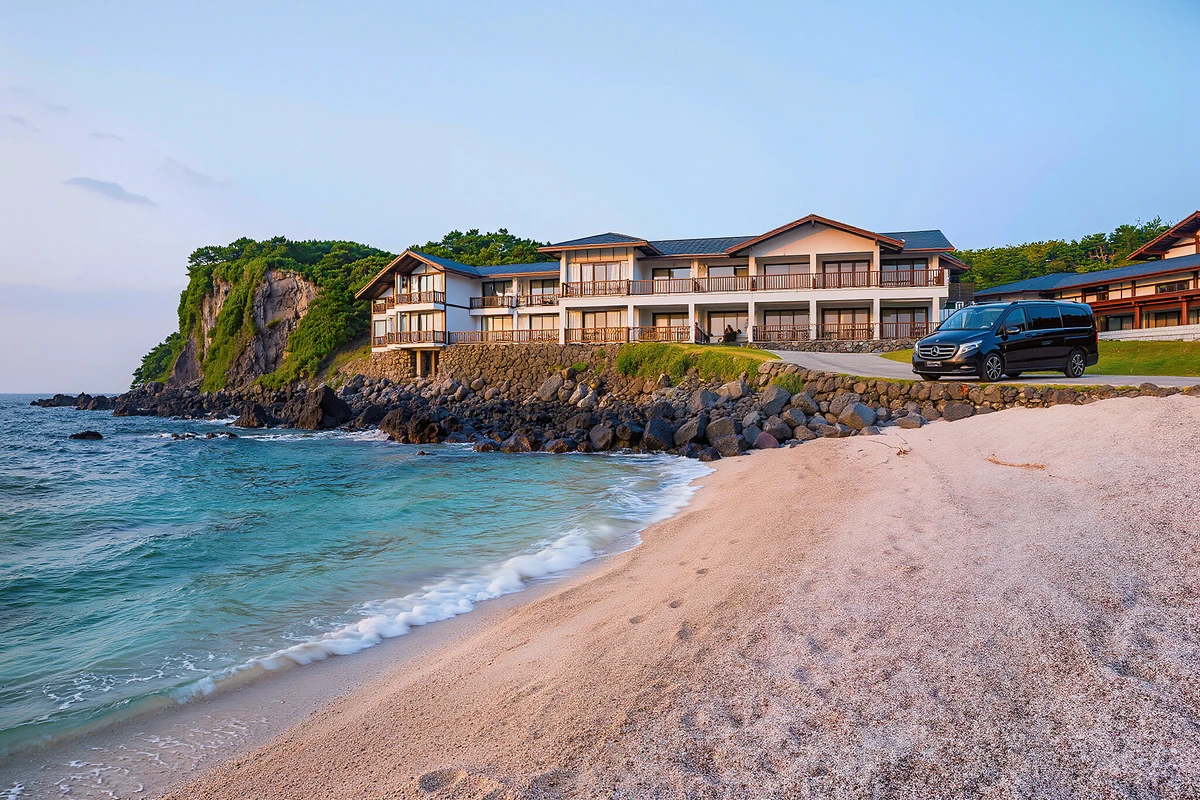
On the warmer south coast, Seogwipo is a relaxed harbour town of waterfalls, Olle coastal paths and the lively Maeil Olle Market, while neighbouring Jungmun is the island’s resort zone, with landscaped hotels above a surf beach, the basalt columns of Jusangjeollidae and botanical gardens. Choose this side for families, couples and travellers who want sea views and calm evenings.
Aewol and Hallim on the West Coast
The west coast is Jeju at its most photogenic: Aewol’s cliff-top cafés, the jade water and white sand of Hyeopjae and Geumneung beaches, and sunsets over Biyangdo islet. It is quieter and more residential, with boutique stays and pensions. Base yourself here for slow mornings and beach afternoons, ideally with a private driver arranged by our team for longer journeys.
Seongsan and Gujwa in the East
Eastern Jeju is wild and windswept, with fishing villages, haenyeo diving grounds, the sunrise crater of Seongsan and the beaches of Woljeongri and Hamdeok. Stay here if you want to be first on the crater rim at dawn or catch the early ferry to Udo. It is safe and peaceful, with fewer restaurants open late.
How long to stay in Jeju and how to pair it
Recommended stay
Plan three to four nights in Jeju for a first visit. That allows one day each for the eastern coast with Seongsan and Udo, the southern waterfalls and Jungmun, and the western beaches and tea fields, plus time to hike Hallasan or simply slow down. Two nights covers the highlights at a brisk pace; five suits families and hikers.
How to pair it
Jeju pairs naturally with Seoul and Busan, each a short domestic flight away, and an overnight ferry links Busan with the island for travellers who enjoy the sea. A seven-day loop works well as four nights in Seoul and three on Jeju. In ten days, add Busan’s beaches and temples between the two. Over fourteen days, slow down on Jeju and add the historic Gyeongju region between Seoul and Busan. We issue the flight and ferry tickets and arrange private transfers at every stop.
Best time to visit Jeju and the rhythm of the day
Best months
The best months for Jeju are April to early June and September to November. Spring brings yellow canola fields, cherry blossom along Jeonnong-ro and mild hiking weather. Autumn is clear and comfortable, with silver grass glowing on the oreum and tangerines ripening by November. July and August suit beach lovers but are humid, and late summer can bring typhoons.
The daily rhythm
A Jeju day starts early: sunrise on a crater rim or a coastal path, then a breakfast of abalone porridge by the harbour. Late mornings are for a lava tube, a waterfall or a ferry to Udo, while afternoons drift between beaches, tea fields and a long coffee with a sea view. Evenings belong to charcoal-grilled black pork, the night market and an early night.
On-the-ground logistics in Jeju
Arrival
Jeju International Airport sits on the edge of Jeju City, ten to fifteen minutes from the Yeon-dong and Nohyeong hotel district, about an hour from Seogwipo and Jungmun, and roughly an hour to Seongsan. Ferries arrive at Jeju Port from the mainland. Our private airport transfer meets you at arrivals and takes you straight to your hotel, wherever you are staying on the island.
Getting around
Jeju City’s central districts are walkable, but the island’s sights are spread out and buses, while reliable, are slow between coasts. Taxis are plentiful and ride-hailing apps work in town, though they thin out in rural areas. For most visitors, the best way to cover Jeju is our guided day tours or a private car with driver arranged by our team, which keeps long scenic distances comfortable.
Local etiquette tip
The coastal waters around Jeju’s villages are the working grounds of the haenyeo cooperatives. Never gather shellfish, sea urchins or seaweed from the rocks, even if it looks abandoned, because it belongs to the divers and taking it can be illegal. Ask before photographing haenyeo up close, and give them space when they come ashore with their catch.
Must-do things in Jeju
- Watch sunrise from the rim of Seongsan Ilchulbong, Jeju’s UNESCO-listed tuff crater
- Take the short ferry to Udo Island for coral sand beaches and peanut ice cream
- Walk deep into Manjanggul lava tube to its towering lava column
- See the haenyeo women divers surface with the morning catch on the eastern shore
- Eat charcoal-grilled black pork, Jeju’s signature dish, in a seaside restaurant
- Feel the spray of Jeongbang Falls, which plunges straight into the sea
- Admire the hexagonal basalt columns of Jusangjeollidae on the Jungmun coast
- Stroll among the rolling tea rows around the O’sulloc green tea fields
- Climb a gentle oreum cone such as Saebyeol or Darangshi for island-wide views
- Hike Hallasan, South Korea’s highest mountain, on an early start with reserved access
Do’s and don’ts in Jeju
Do
- Start sightseeing early to reach Seongsan, Udo and the waterfalls before tour crowds
- Pack a windproof layer year-round, because Jeju’s coastal wind can be strong
- Reserve Hallasan summit trail slots in advance during busy seasons
- Try hallabong tangerines and tangerine-based snacks in winter and spring
- Book a private driver or our guided day tours to cover the island’s spread-out sights
Don’t
- Don’t collect shellfish or seaweed from village shores; it belongs to the haenyeo
- Don’t climb or sit on dol hareubang stone statues or village stone walls
- Don’t underestimate distances: east to west Jeju takes well over an hour by road
- Don’t start a Hallasan hike late; trails close to ascent from late morning
- Don’t leave rubbish on oreum trails or beaches; Jeju protects its volcanic landscape closely
Jeju at a glance
Plan Jeju with Haqqi Tours
Every option is confirmed by our team on WhatsApp before you pay, and delivered by our own people or by trusted local partners we work with in every city. Because we send travellers from all over the world, our partners give us special rates and priority, so you always receive the best. Prices are per person unless marked per vehicle.
About Haqqi Tours: About us Contact us Legal NoticePrivacy PolicyCookies & Marketing PreferencesTerms & ConditionsBooking, Payment & Refunds
More services in Jeju
Good to know
Frequently Asked Questions
Straight answers to what travellers ask most about Jeju.
Where should first-time visitors stay in Jeju?
First-time visitors to Jeju usually do best in Jeju City’s Yeon-dong or Nohyeong districts, close to the airport, restaurants and shopping. For sea views and a resort feel, Jungmun and Seogwipo on the south coast are excellent. Many travellers split their stay between the two, and our private transfers make the change seamless.
Can Jeju be done as a day trip, or does it need an overnight stay?
Jeju is reachable on a day trip by plane from Seoul or Busan, but the island is large and its highlights are spread across every coast. A day only scratches the surface. We recommend at least two nights, ideally three or four, so you can see Seongsan, Udo, the waterfalls and the western beaches without rushing.
What is the dress code and etiquette in Jeju?
Jeju is relaxed and casual, and beachwear is fine at the beach but not in towns, temples or restaurants. Wear sturdy shoes for lava fields and oreum trails, and bring a light jacket for the wind. Remove shoes where you see a step up or a shoe rack, and respect haenyeo diving areas and their catch.
Is Jeju tourist friendly?
Yes, Jeju is one of South Korea’s most tourist-friendly destinations. Major sights have English signage, hotels are well run and the island is spotless and orderly. English is less common in rural restaurants, so a translation app helps. Our guided day tours and private drivers remove the language and transport hurdles entirely.
Is it safe to travel to Jeju now?
Jeju is regarded as a very safe island, with low crime and a calm, welcoming atmosphere. The main practical concerns are weather, such as strong wind, summer rain and occasional typhoons in late summer. Before departure, check your own government’s official travel advice, follow local weather updates and keep our WhatsApp line handy for support.
What are the must-do things in Jeju?
The must-do things in Jeju include sunrise on Seongsan Ilchulbong, the ferry to Udo Island, Manjanggul lava tube, watching the haenyeo divers, Jeongbang and Cheonjiyeon waterfalls, the Jusangjeollidae basalt columns, the O’sulloc tea fields, a black pork dinner and, for the fit, a Hallasan summit hike. Our guided day tours cover these efficiently.
How many days do you need in Jeju?
Three to four days is the sweet spot for Jeju. It gives you a day for the east coast and Udo, one for the south coast waterfalls and Jungmun, one for the west coast beaches and tea fields, and spare time for Hallasan or rest. With only two days, focus on the east and south.
What can I book in Jeju with Haqqi Tours?
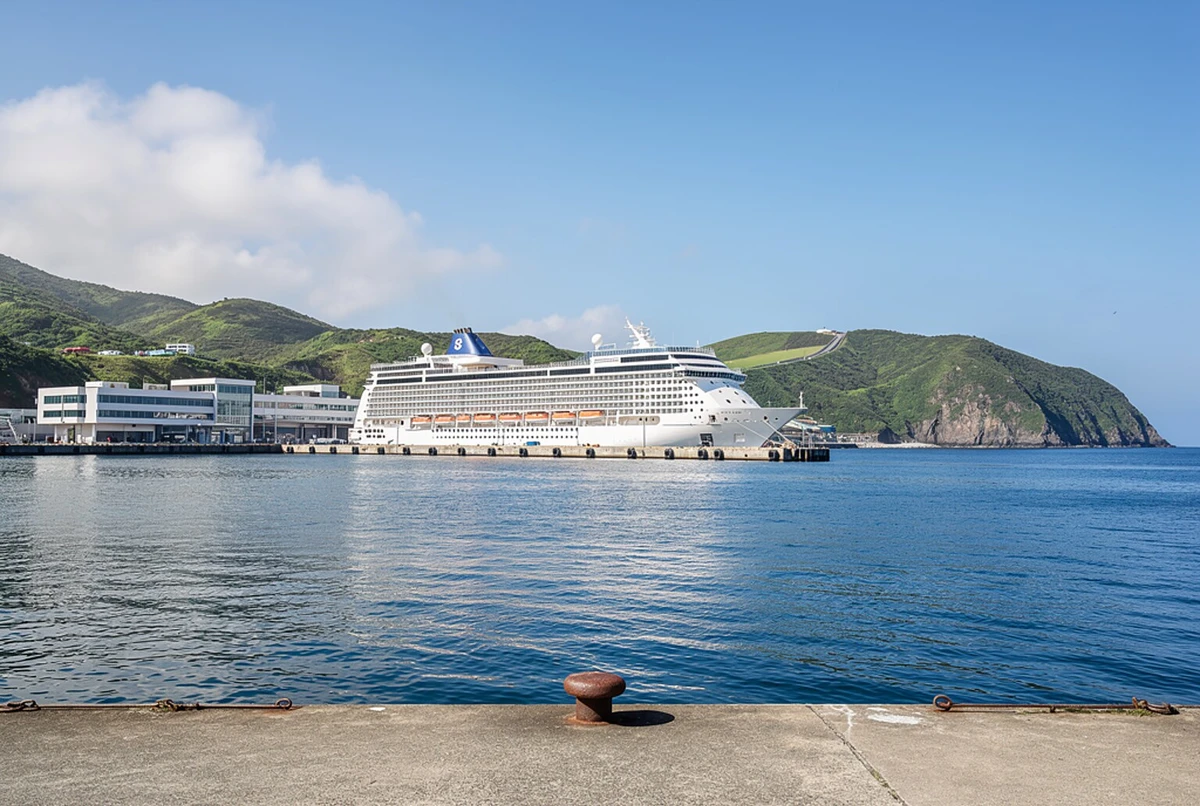
Day tours, private airport transfers, flight tickets and ferry tickets, including Jeju Southwest Day Tour Hallasan Lava Cliff and Green Tea Museum, Jeju UNESCO Cruise Shore Excursion with Guaranteed Return and East Jeju UNESCO Tour Seongsan Peak and Manjanggul Lava Tube. Each has its own page, and the WhatsApp desk combines any of them into one plan with one written price.
How do I get from the airport to my hotel in Jeju?
Jeju International Airport (CJU) is only about 4 km from Jeju City and about an hour across the island to Seogwipo. Our private transfer meets you at arrivals with a name board, tracks your flight and takes you door to door at a fixed price for the whole vehicle; the transfer pages list every route.
Is there public transport from the airport to Jeju?
Airport limousine and local buses reach Jungmun, Seogwipo and Seongsan but they are slow and stop away from many hotels, and there is no train; taxis are cheap for Jeju City, but for luggage, the long south-coast and east-coast drives or a family, a private car from the terminal is simpler. With luggage, a family or a late flight, the private car is the simpler choice.
Which tours are available in Jeju?
Among them: Jeju Southwest Day Tour Hallasan Lava Cliff and Green Tea Museum, Jeju UNESCO Cruise Shore Excursion with Guaranteed Return, East Jeju UNESCO Tour Seongsan Peak and Manjanggul Lava Tube and Jeju West and South Day Tour Hallasan Waterfall and Bomunsa Temple. Each page says whether the day is private or small-group, what it includes and how long it lasts.
Are the tours private or in a group?
Both exist, and each tour page says which. A private tour has a vehicle and guide for your party alone; the desk can make most group tours private on request.
How do I book?
Fill in the form on any page or message us on WhatsApp with the date, the number of travellers and the hotel. A member of our team confirms the price and the details in writing within minutes.
Are the prices fixed?
Yes - every price is agreed in writing on WhatsApp before you travel and does not change on the day.
Do the drivers and guides speak Arabic or English?
It depends on the city and the day, so we do not promise a particular language; tell us your preference and we do our best. The WhatsApp desk always works in Arabic and English.
Can I change or cancel a booking in Jeju?
Yes, in the same WhatsApp conversation. The terms depend on the product and on how close to the date the change comes; the desk states them before you pay.