
Busan
Plan Busan with Haqqi Tours: day tours, private airport transfers, attraction tickets and packages, run by our own team and confirmed on WhatsApp in Arabic or English.
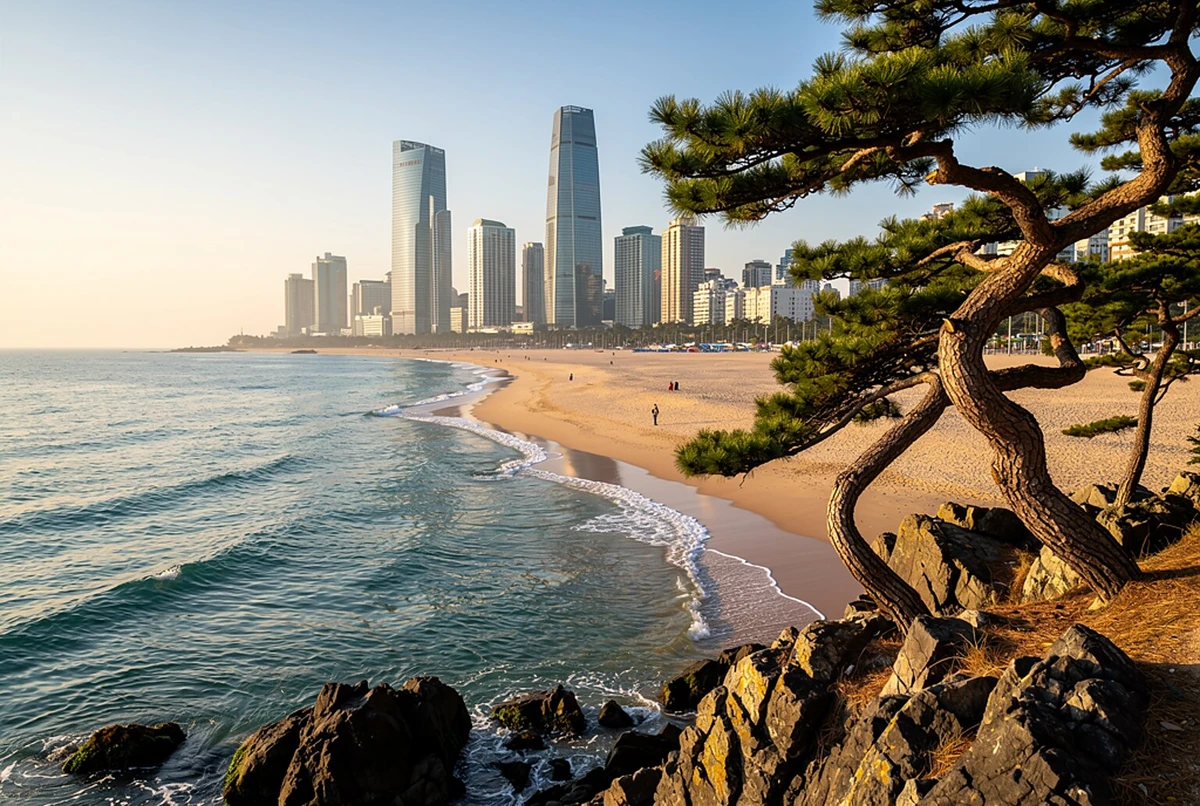
Step out of your hotel in Busan in the early morning and the sea is everywhere: gulls wheeling over Haeundae’s long beach, joggers on the boardwalk, a fishing boat unloading its catch while steam rises from a pot of dwaeji gukbap in a corner diner. Behind you, glass towers climb toward green mountains; ahead, the East Sea glitters to the horizon, and the salty breeze carries the smell of grilled fish cakes from a street cart.
Nothing matches those filters yet. Widen your search or message us on WhatsApp.
Busan Day Tours
View all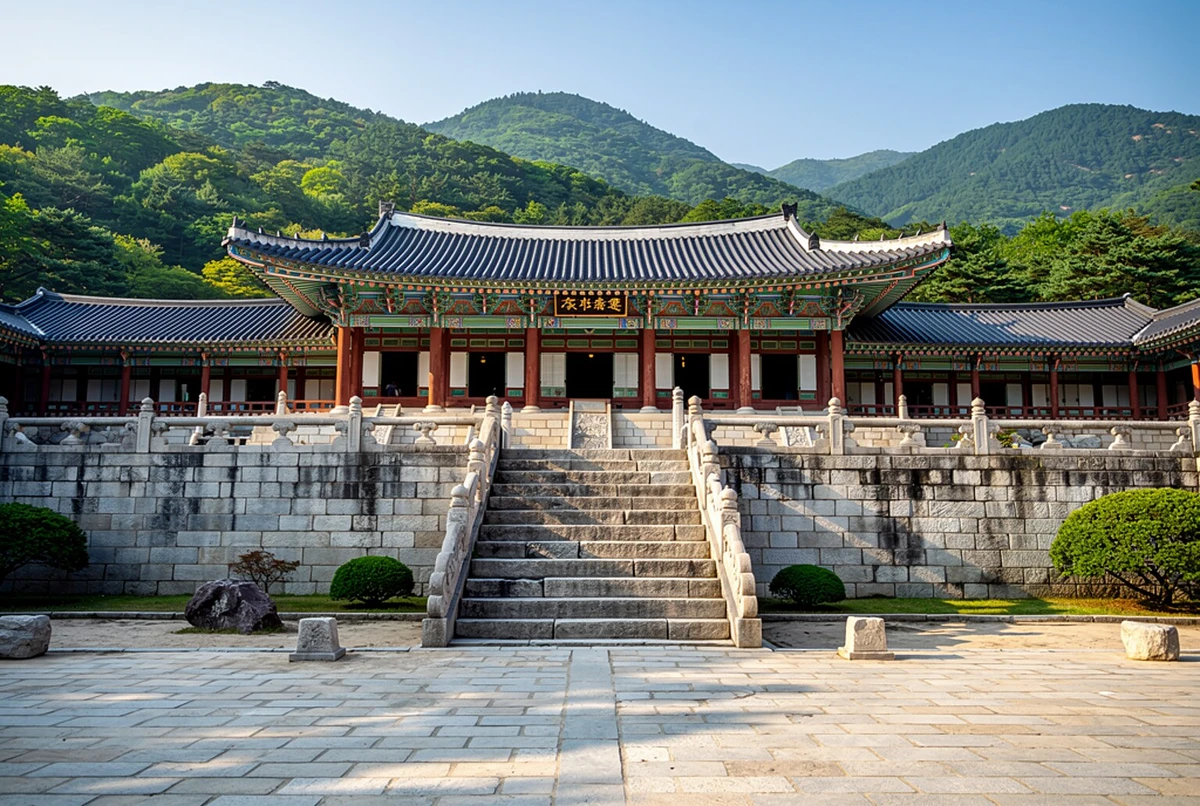
Busan Airport Transfers
View all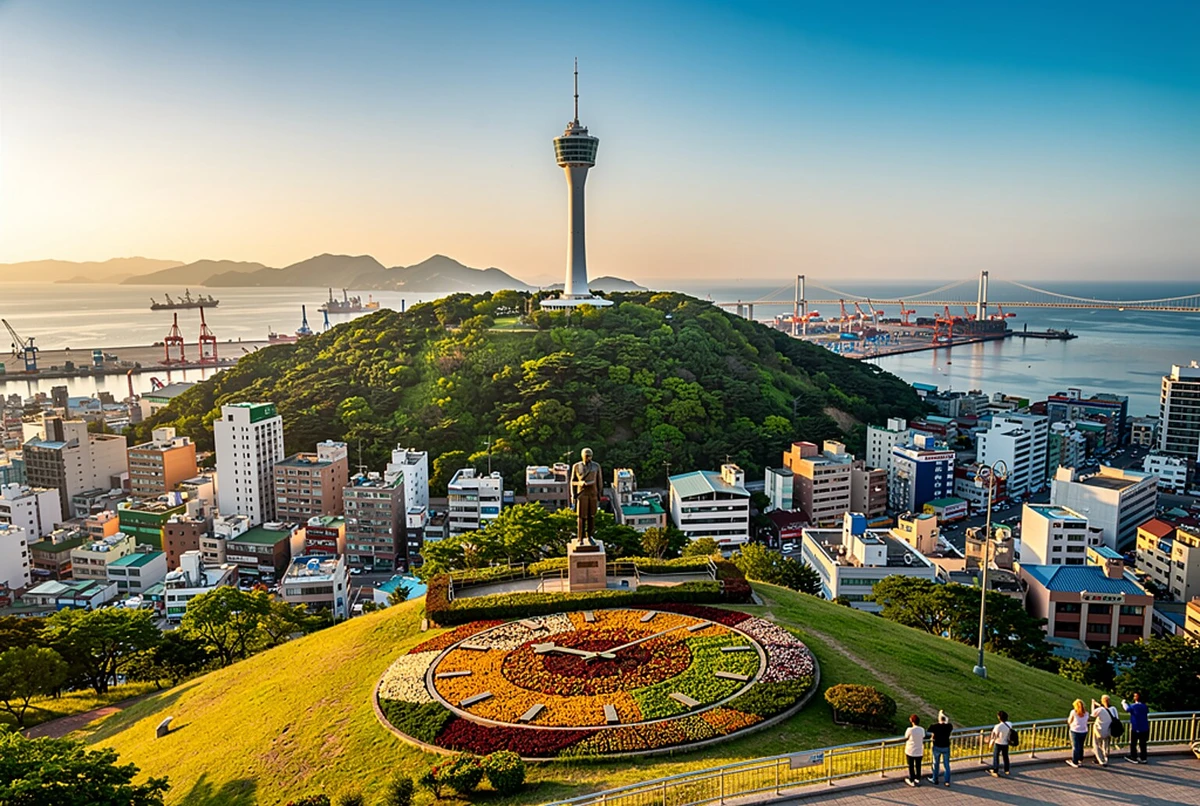
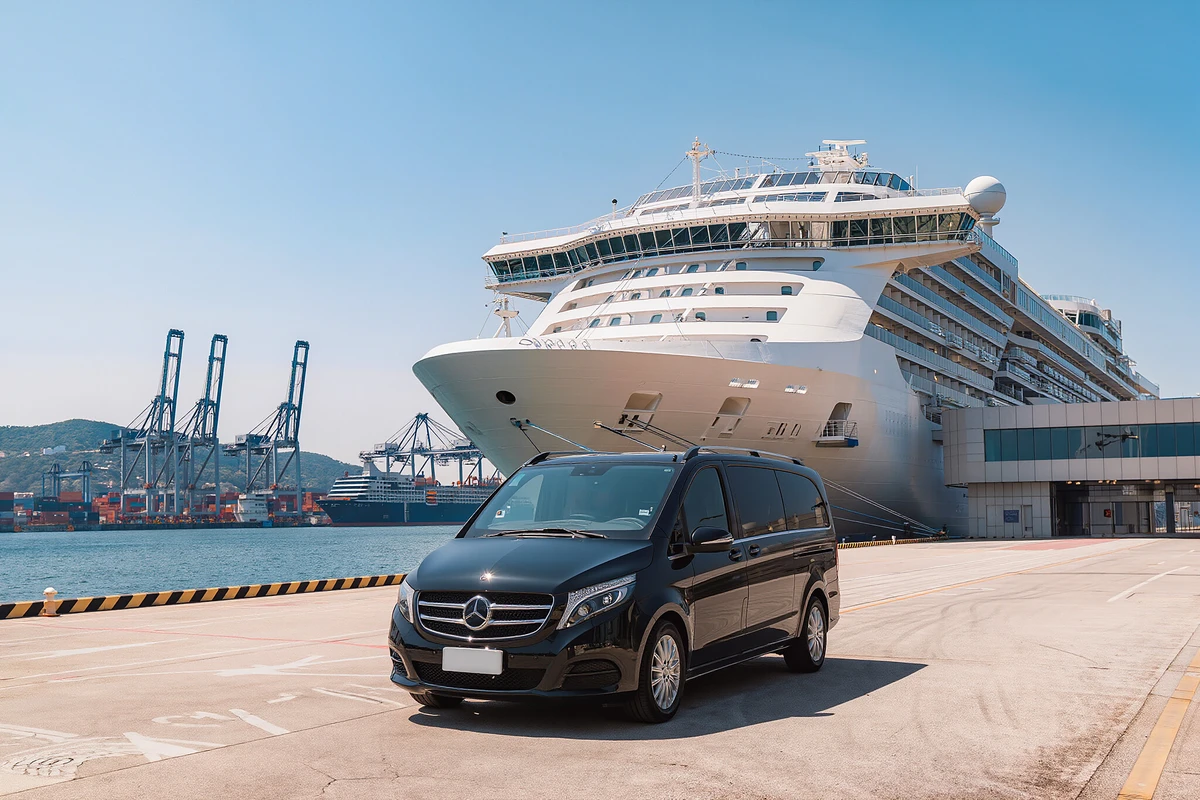
Busan Flight Tickets
View all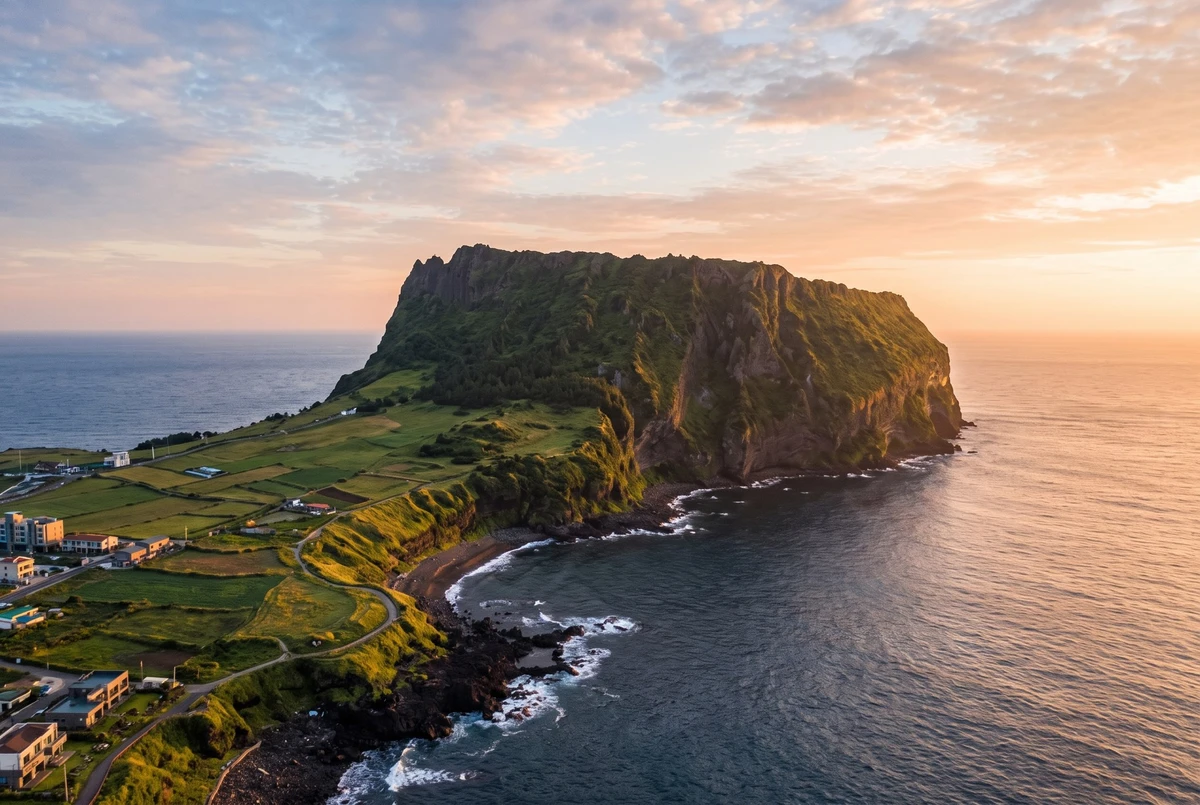
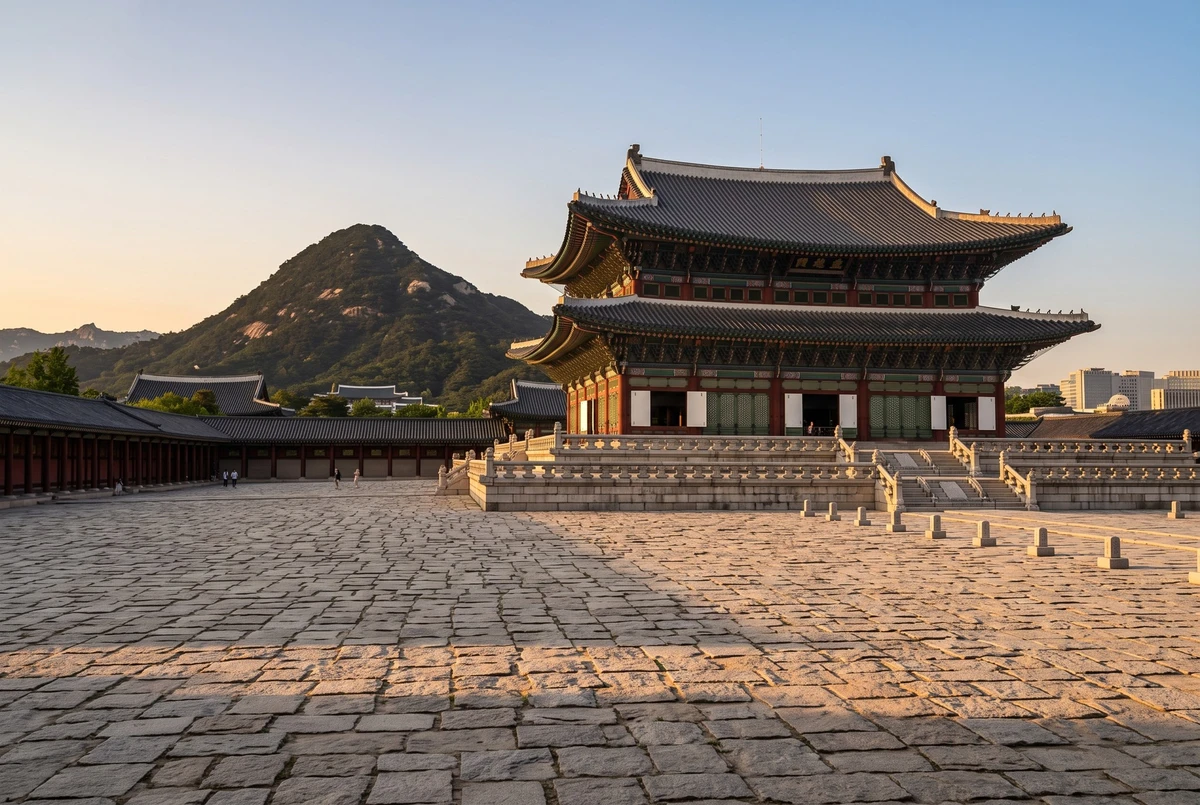
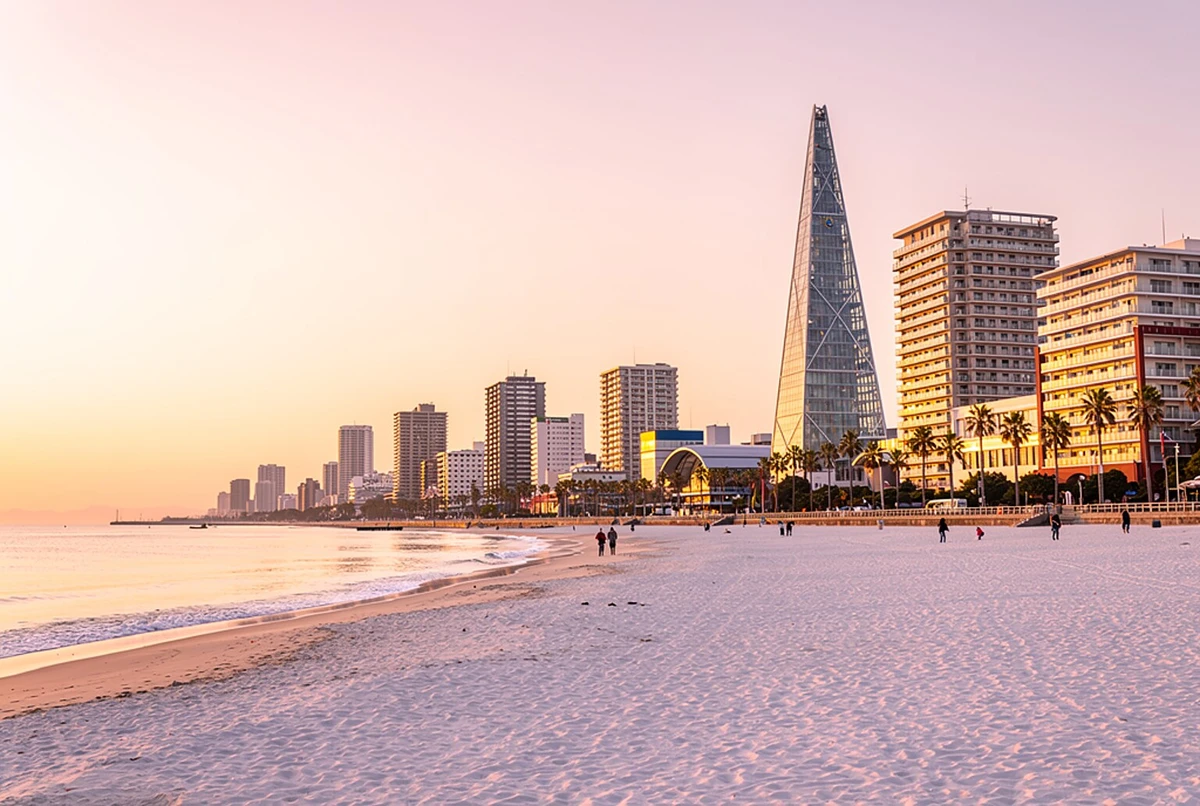
Busan Train Tickets
View all

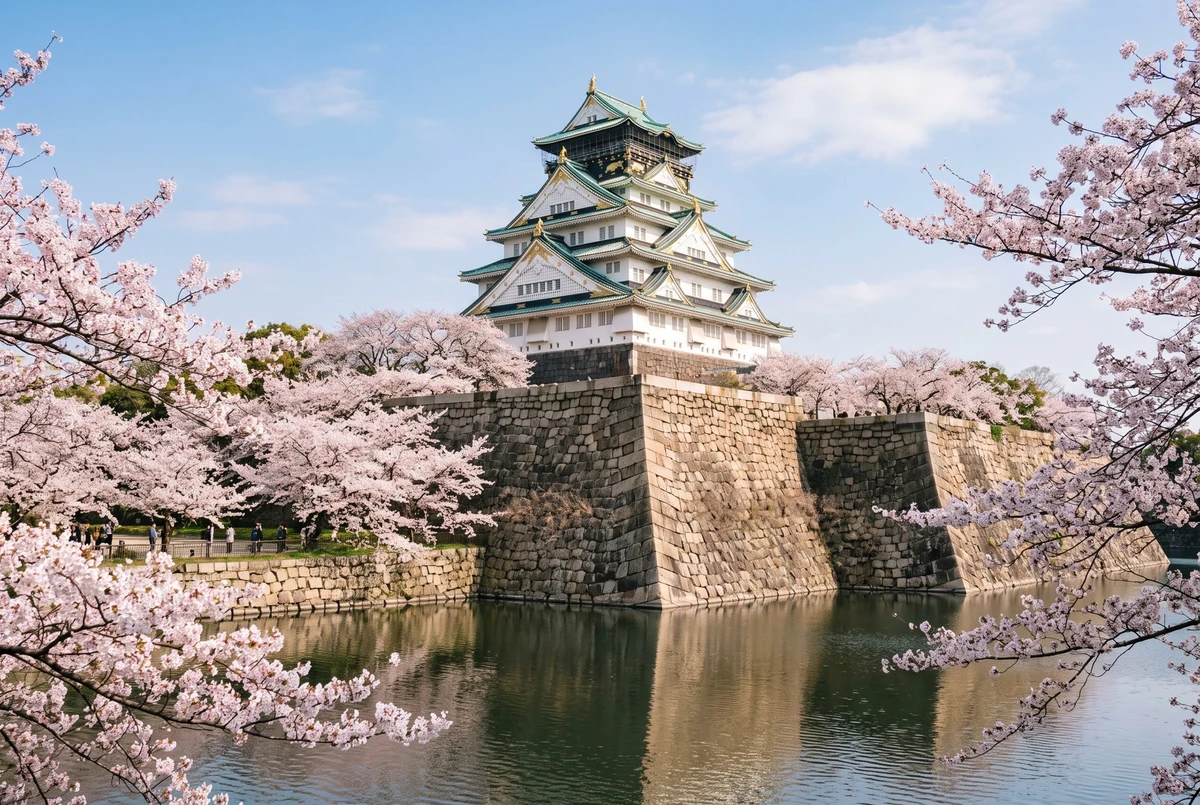
Busan Ferry Tickets
View all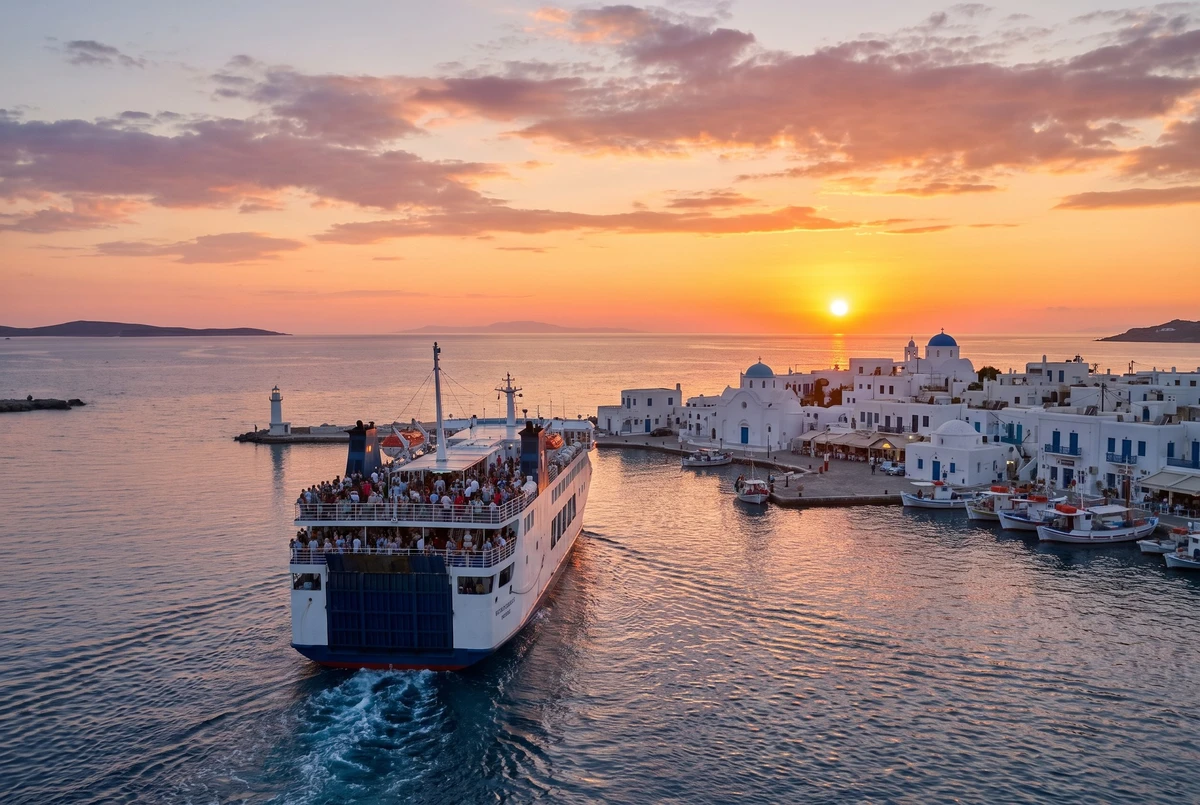
Busan at first sight
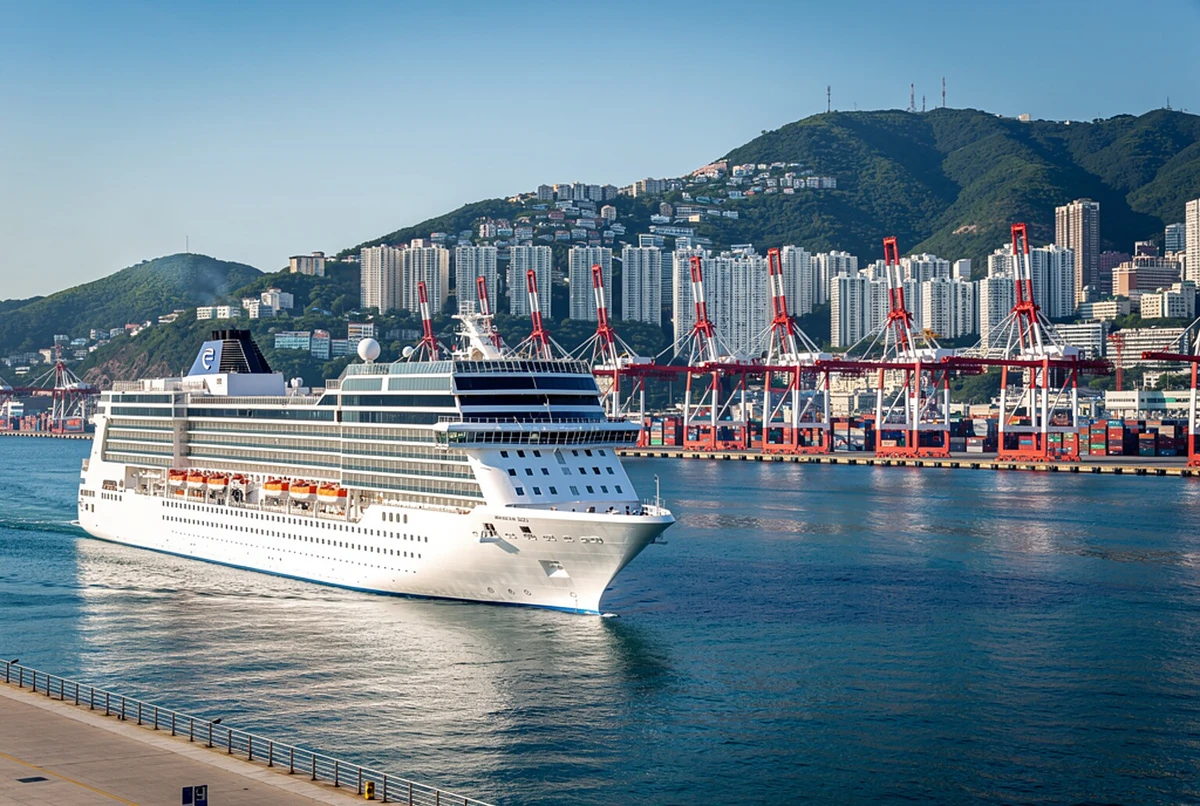
Busan is South Korea’s second city and its greatest port, a place shaped by fishermen, traders and the refugees who sheltered here during the war, building homes up its steep hillsides. Today it combines beaches, seaside temples, colourful hillside villages and some of the country’s best seafood with a frank, warm character that many Koreans consider the most down-to-earth in the nation.
Why include Busan in your itinerary?
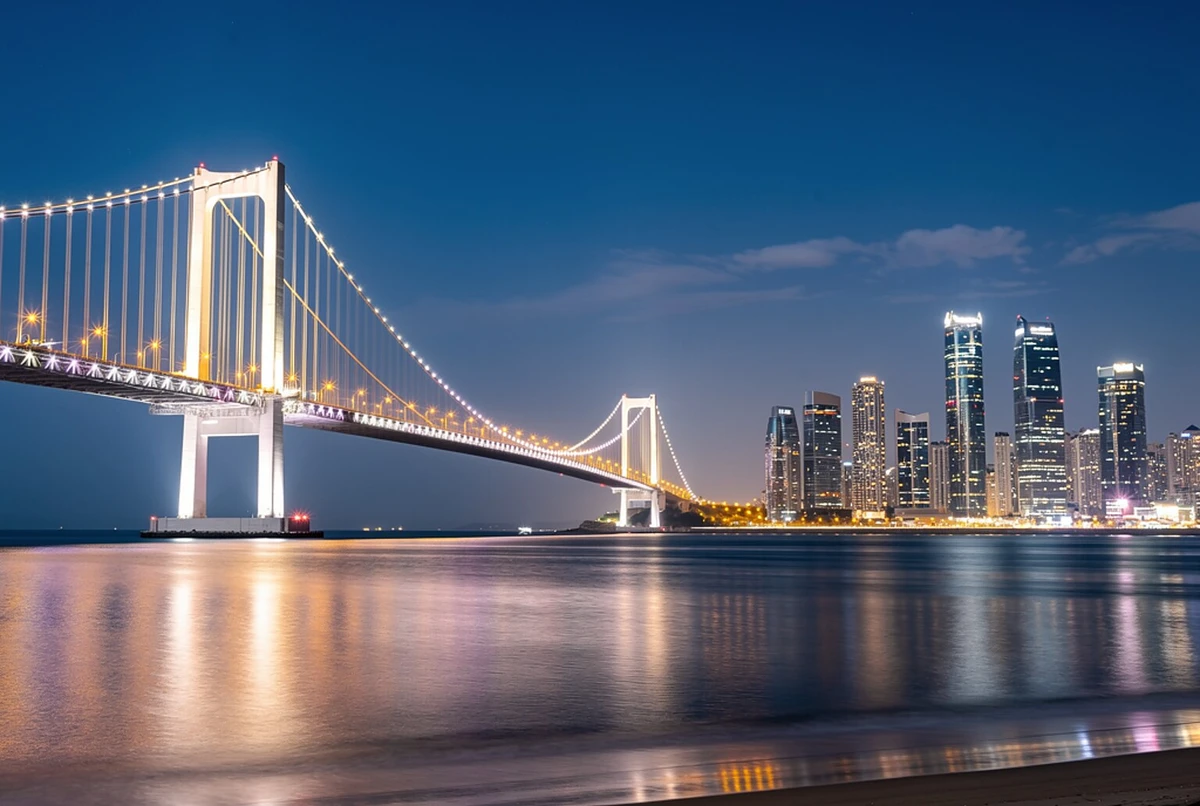
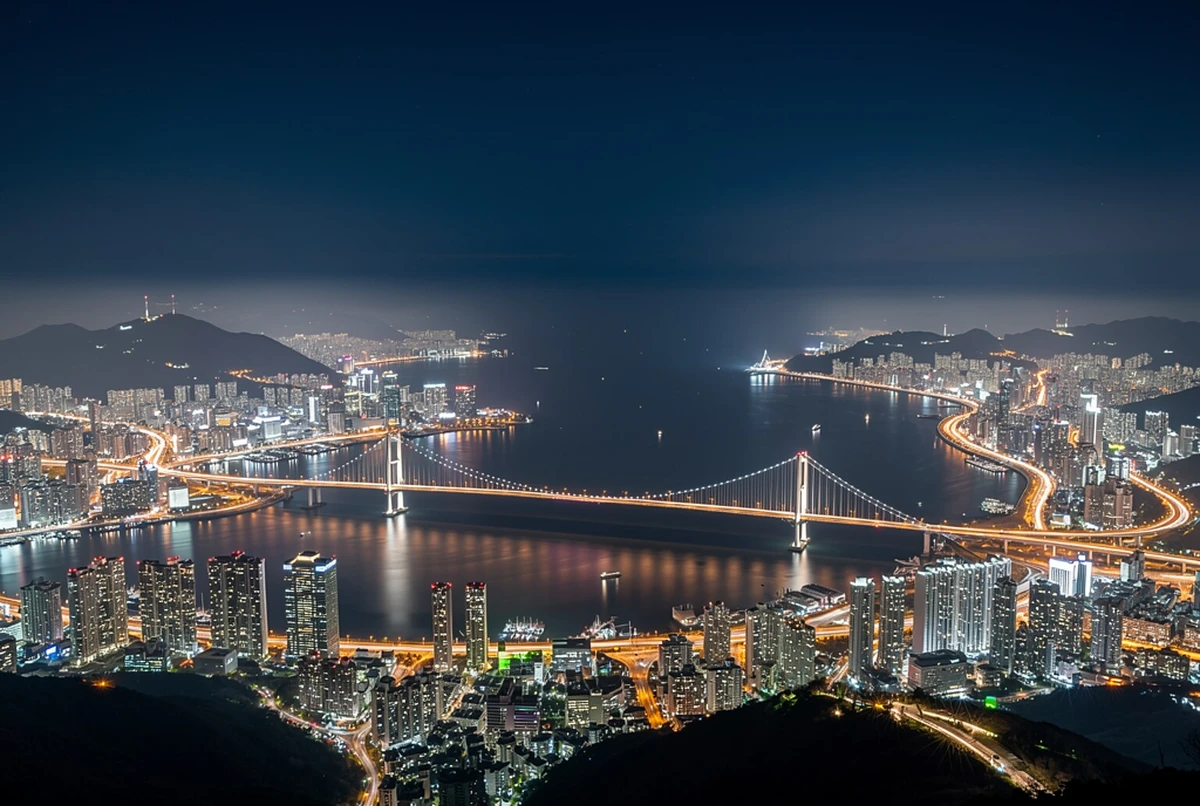
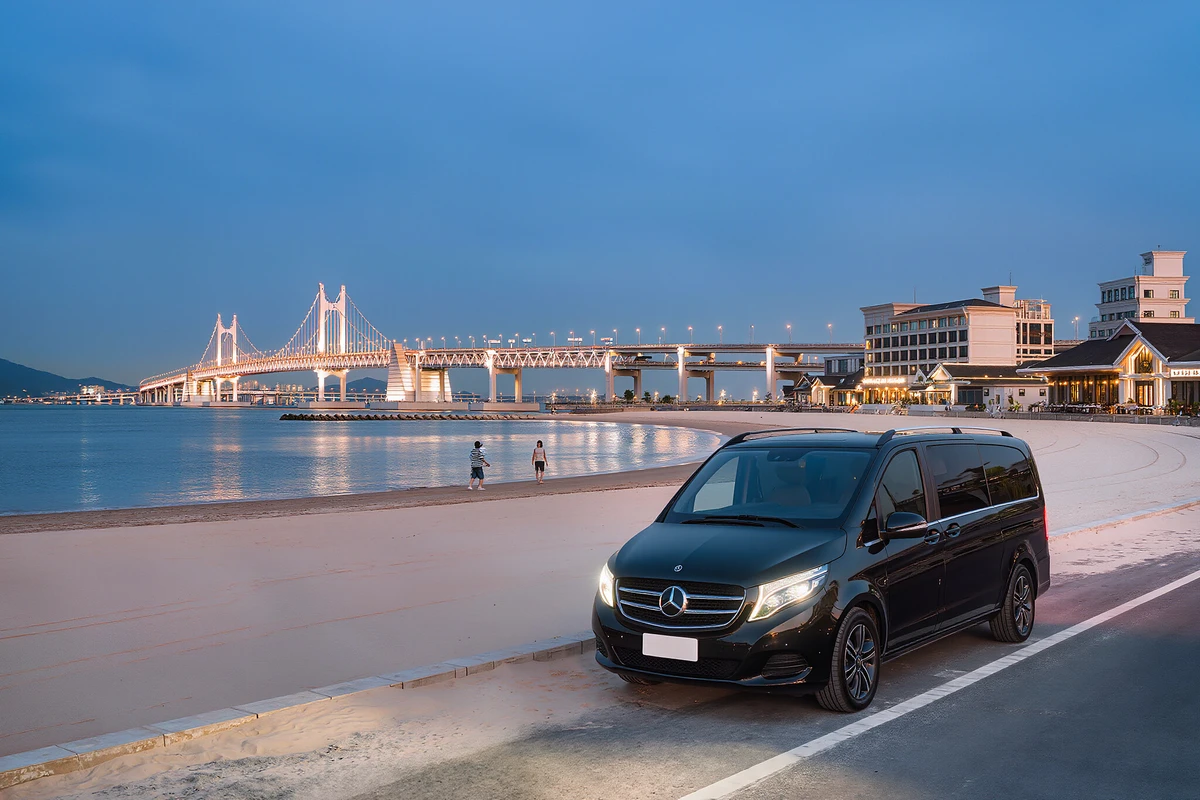
- Busan is one of the rare great Asian cities with real beaches inside its limits. Haeundae and Gwangalli offer long sandy shores, with the illuminated Gwangan Bridge spanning the bay at night like a necklace of light over the water.
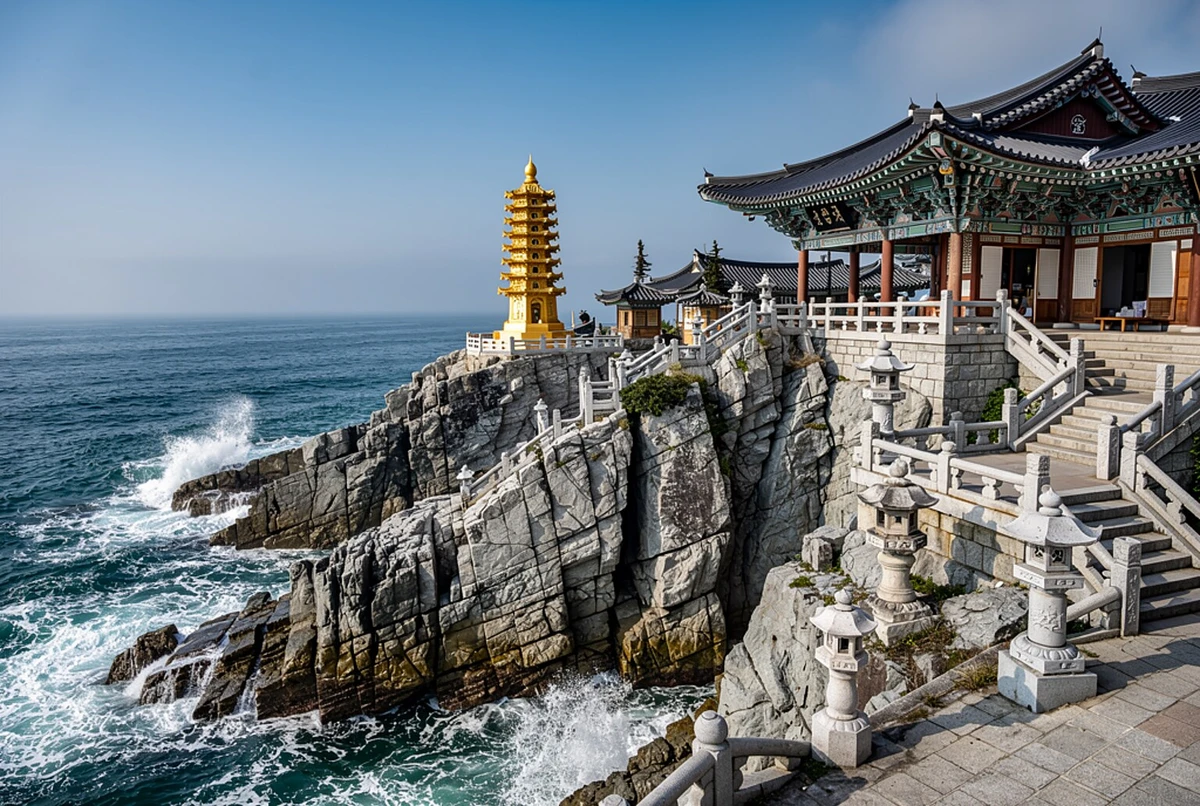
- Haedong Yonggungsa is a temple built on rocks directly above the crashing sea, a sight almost unique in Korea. Beomeosa, in the forested mountains, is one of the country’s great Buddhist monasteries and a peaceful counterpoint to the coast.
- Busan is Korea’s seafood capital. Jagalchi Market, the largest fish market in the country, runs along the harbour, where vendors prepare the freshest catch to order, and the city’s signature soups and noodles reflect its maritime soul.
Signature experiences in Busan
Haedong Yonggungsa, the Temple by the Sea
On the rocky coast northeast of Haeundae, Haedong Yonggungsa clings to the shoreline, with lanterns, stone pagodas and a golden Buddha facing the waves. Arrive early to hear the sea and the temple bells before the crowds. Our guided day tour combines it with Haeundae Blueline Park, the Dongbaek island coastal path and the Gwangalli waterfront, with a private car and driver so you see the coast at your own pace.
Jagalchi Market and the Flavours of Busan
At Jagalchi, the stalls overflow with octopus, crabs, abalone and shimmering fish, and upstairs restaurants cook your choice on the spot. Nearby Gukje Market and BIFF Square are lined with snack carts selling ssiat hotteok, a crisp pancake filled with seeds, and eomuk fish cakes. Don’t leave without dwaeji gukbap, the hearty pork and rice soup, and milmyeon, cold wheat noodles. Our guided day tours and trusted local partners show you the best stalls.
Gamcheon Culture Village and the Old Harbour
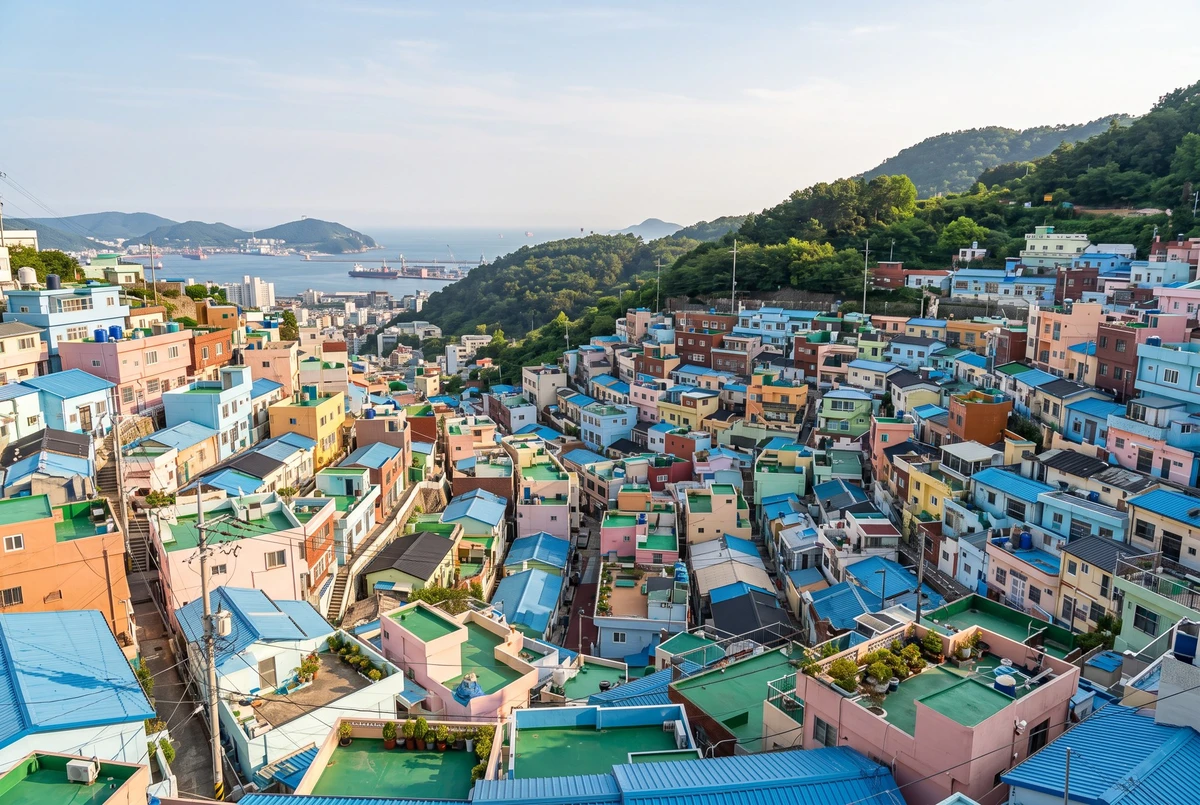
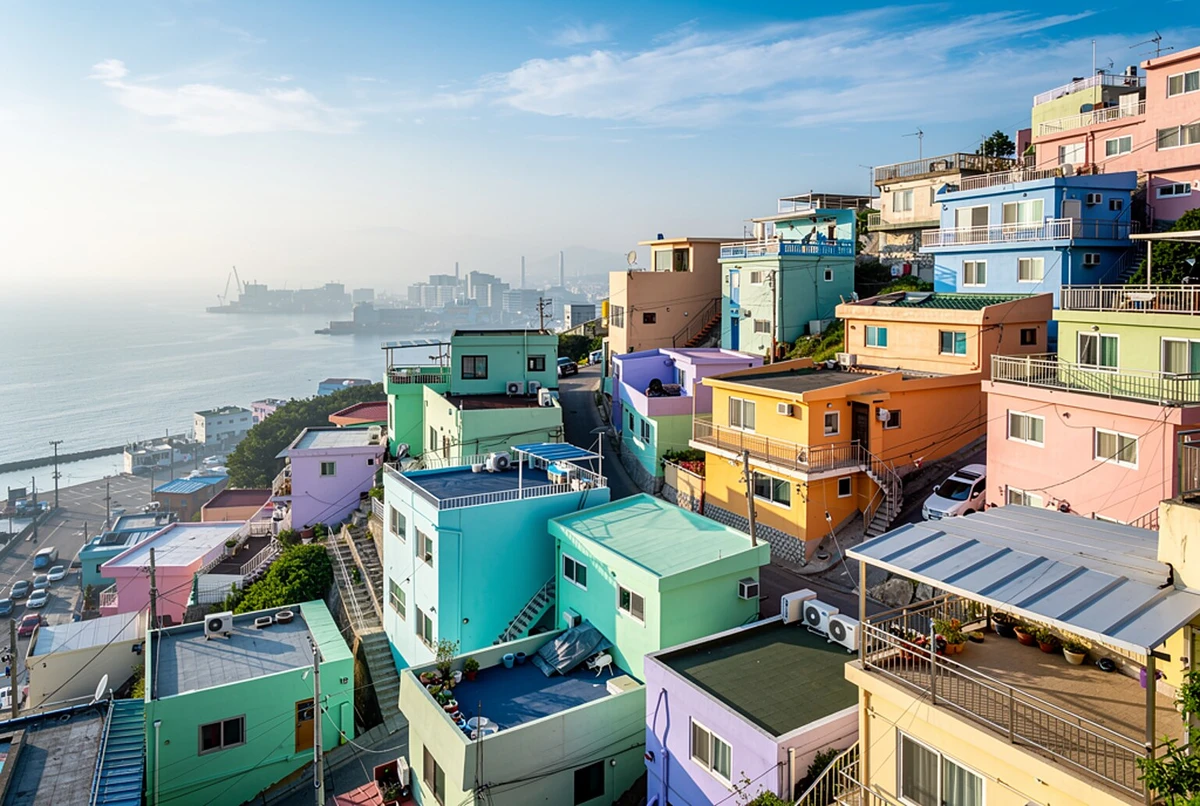
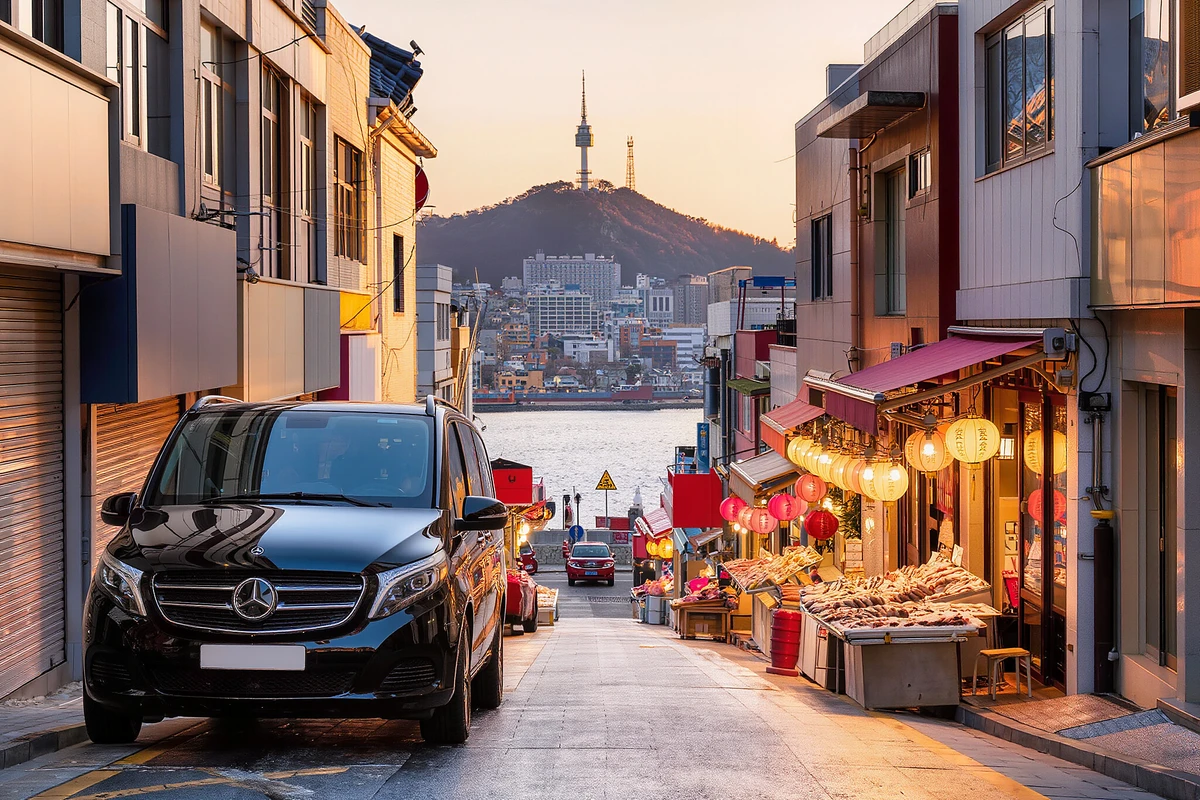
Gamcheon Culture Village rises up a hillside in pastel blues, pinks and yellows, with stairways, murals and art installations threading between the houses. Explore on foot, but respect the residents who still live here. Then descend to Nampo, Yongdusan Park and Busan Tower, and the old harbour area. Our guided day tour links Gamcheon with Taejongdae’s cliffs and the Songdo sky walkway in one easy, well-timed itinerary.
Gyeongju, the Ancient Silla Capital
Less than an hour from Busan, Gyeongju was the capital of the Silla kingdom for nearly a thousand years. Grassy royal tombs rise like hills from the town, Bulguksa Temple and the Seokguram Grotto are both UNESCO-listed, and Donggung Palace and Wolji Pond glow beautifully at dusk. We arrange guided day tours to Gyeongju, or issue high-speed train tickets and a private driver to explore it in comfort.
Beomeosa and the Mountain Side of Busan
Founded more than twelve centuries ago, Beomeosa sits in the forests of Geumjeongsan, its wooden halls painted in rich dancheong patterns and wreathed in incense. Nearby, the walls of Geumjeong Fortress trace the mountain ridges. Busan’s green side is a refreshing contrast to its beaches, and a private car with driver arranged by our team lets you combine the monastery, a mountain viewpoint and the relaxing hot-spring baths of Dongnae.
Neighbourhoods and quarters to know in Busan
Haeundae
Busan’s most famous beach district has upscale hotels, a long sandy shore, the Marine City skyline and easy access to Dongbaek island and the Blueline Park. It is lively, clean and very safe day and night, with seafood restaurants and convenience everywhere. It is the classic choice for first-time visitors and families who want beach and city together.
Gwangalli
Facing the illuminated Gwangan Bridge, Gwangalli is a younger, more relaxed beachfront with cafés, dessert shops and seafood restaurants overlooking the water. At night, the bridge’s light show reflects across the bay. It is safe and lively, especially at weekends, and ideal for couples and travellers who want views and atmosphere at a gentler pace than Haeundae.
Seomyeon
Busan’s commercial heart is a dense grid of shopping streets, underground malls, restaurants and street food at the junction of two metro lines. It is energetic, busy until late and safe, with excellent transport to every corner of the city. Choose it for shopping, convenience and great value, and to experience the everyday buzz of modern Busan.
Nampo and Jung-gu
The old downtown around Nampo is where Busan’s history lives: Jagalchi Market, Gukje Market, Yongdusan Park and BIFF Square. Streets are crowded with markets and food stalls, and the mood is authentic and lively. It is safe and close to Busan Station and the ferry terminal, ideal for travellers who love markets and local life.
How long to stay in Busan and how to pair it
Recommended stay
Plan three to four nights in Busan. Two days cover Haeundae, Haedong Yonggungsa, Gamcheon, Jagalchi and Gwangalli by night. A third day allows a guided day trip to Gyeongju, and a fourth adds Beomeosa, Taejongdae or simply time on the beach. Those combining Busan with Jeju by ferry or flight may stay longer.
How to pair it
Busan forms the southern anchor of a classic South Korea loop. In seven days, spend four nights in Seoul and three in Busan, linked by the KTX high-speed train we ticket. With ten days, add a stop in Gyeongju between the two. Over fourteen days, fly or sail from Busan to Jeju for volcanic landscapes and coastal trails, then return to Seoul for your flight home.
Best time to visit Busan and the rhythm of the day
Best months
The best times to visit Busan are April to June and September to November, when days are warm and dry, skies are clear and the sea views are at their finest. Spring brings cherry blossoms, autumn brings fiery foliage and festivals. July and August are hot, humid and busy at the beaches, while winters are mild for Korea but windy.
The daily rhythm
Busan wakes early by the harbour, with markets and fishermen at work before dawn. Visitors start with a coastal temple or a beach walk, then a hearty soup or seafood lunch. Afternoons suit Gamcheon, markets or a café overlooking the sea. As night falls, the city moves to Gwangalli to watch the bridge light up over a late dinner.
On-the-ground logistics in Busan
Arrival
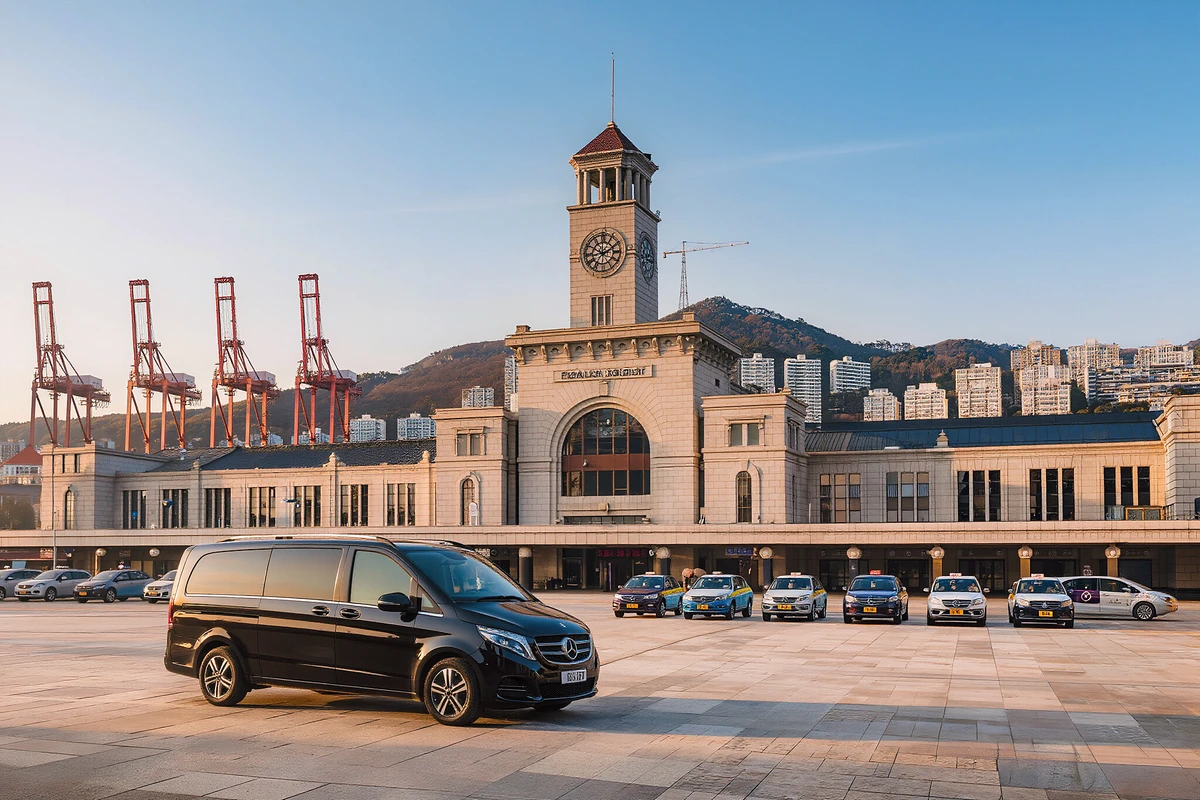
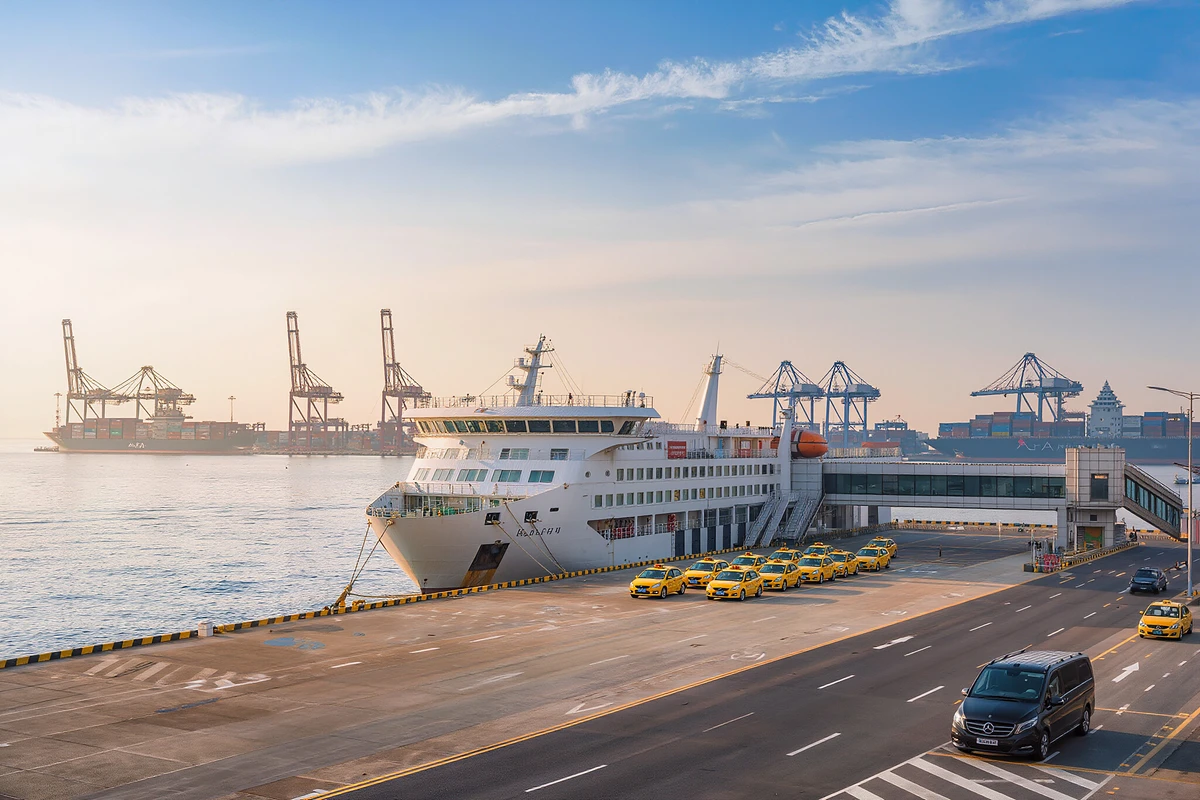
Gimhae International Airport lies west of the city, about thirty to forty minutes by car to Seomyeon and forty-five to sixty minutes to Haeundae. KTX trains from Seoul reach Busan Station in about two and a half hours, and ferries from Japan and Jeju dock nearby. Our private airport and station transfers take you directly to your hotel.
Getting around
Busan’s metro is clean, cheap to use and easy to navigate, with signs in English, linking most districts. Walking works well along the beaches and in Nampo, but the city is hilly and spread out. Licensed taxis are plentiful, and ride-hailing apps operate locally. For temples, coastal viewpoints and day trips, a private car with driver arranged by our team saves time.
Local etiquette tip
Respect for elders and personal space is central in Korea. On the metro, never sit in the pink seats reserved for pregnant women or the priority seats for the elderly, even if they are empty. Speak quietly on public transport, receive and give items with both hands, and bow slightly when greeting. Remove shoes where you see a step up or shoe racks.
Must-do things in Busan
- Watch the sun rise over the sea at Haedong Yonggungsa Temple.
- Wander the pastel lanes and murals of Gamcheon Culture Village.
- Choose fresh seafood at Jagalchi Market and have it cooked upstairs.
- See Gwangan Bridge light up from the beach at Gwangalli.
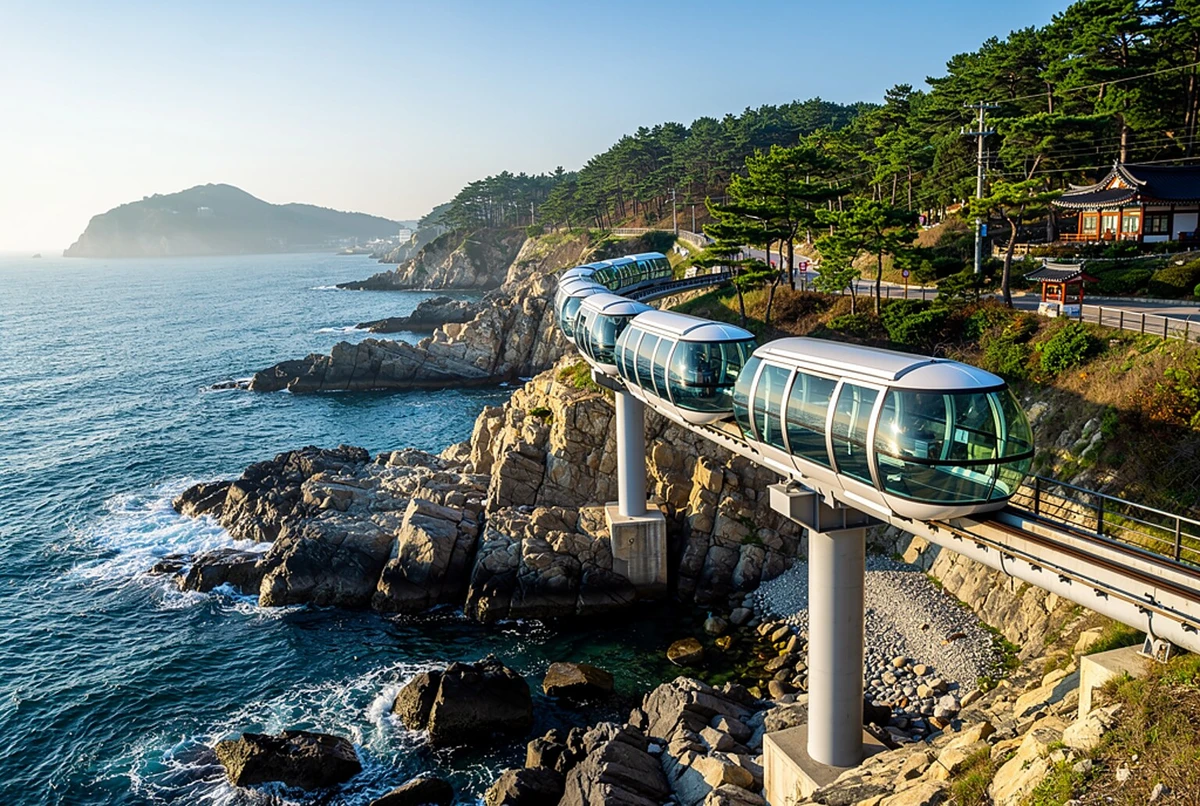
- Ride the Blueline Park sky capsule along the Haeundae coast.
- Taste dwaeji gukbap, milmyeon and ssiat hotteok from a street cart.
- Walk the coastal paths of Dongbaek island and the Igidae coast.
- Stand above the sea on the Oryukdo Skywalk glass platform.
- Visit Beomeosa Temple in the forested mountains of Geumjeongsan.
- Take a guided day tour to Gyeongju’s royal tombs and Bulguksa.
Do’s and don’ts in Busan
Do
- Use a rechargeable transport card for metro and buses.
- Carry some cash for market stalls and street food carts.
- Bow slightly and use both hands when giving or receiving.
- Respect residents’ privacy in Gamcheon and other hillside villages.
- Book KTX train tickets ahead through our team at weekends and holidays.
Don’t
- Don’t sit in reserved pink or priority seats on the metro.
- Don’t stick chopsticks upright in a bowl of rice.
- Don’t speak loudly or take phone calls on crowded trains.
- Don’t wear shoes inside temples, homes or traditional restaurants.
- Don’t swim outside designated beach areas or when flags warn you.
Busan at a glance
Plan Busan with Haqqi Tours
Every option is confirmed by our team on WhatsApp before you pay, and delivered by our own people or by trusted local partners we work with in every city. Because we send travellers from all over the world, our partners give us special rates and priority, so you always receive the best. Prices are per person unless marked per vehicle.
About Haqqi Tours: About us Contact us Legal NoticePrivacy PolicyCookies & Marketing PreferencesTerms & ConditionsBooking, Payment & Refunds
More services in Busan
Good to know
Frequently Asked Questions
Straight answers to what travellers ask most about Busan.
Where should first-time visitors stay in Busan?
First-time visitors usually choose Haeundae for its famous beach, hotels and coastal sights, or Seomyeon for central shopping and metro links. Gwangalli is ideal for views of the illuminated bridge, while Nampo suits travellers who love markets and want to be close to Busan Station and the ferry terminal.
Can Busan be done as a day trip, or does it need an overnight stay?
With the KTX from Seoul, a day trip is possible but rushed, since Busan’s sights are spread across the coast and hills. To enjoy the seaside temple, Gamcheon, Jagalchi and the bridge at night, plan at least two nights, or three to four with a day trip to Gyeongju.
What is the dress code and etiquette in Busan?
Busan is casual but tidy. Swimwear is for the beach only, and temples ask for modest clothing and quiet behaviour. Remove shoes where expected, use both hands when giving or receiving, avoid reserved metro seats, and bow slightly to greet. Tipping is not customary.
Is Busan tourist friendly?
Very. Busan has excellent public transport, signs in English, tourist information centres and a welcoming attitude toward visitors. Hotels and main attractions handle international guests easily. Our team and trusted local partners arrange private transfers, KTX and ferry tickets and guided day tours to make your stay seamless.
Is it safe to travel to Busan now?
Busan is one of the safest large cities in Asia, with very low crime and a strong sense of public order. Take normal care in crowds and pay attention to sea and weather conditions in summer. Before departure, check the official travel advice of your own government and keep our WhatsApp line handy.
What are the must-do things in Busan?
Visit Haedong Yonggungsa Temple, wander Gamcheon Culture Village, eat fresh seafood at Jagalchi Market, see Gwangan Bridge illuminated at night and ride the Blueline Park sky capsule. Add Beomeosa Temple, Taejongdae’s cliffs and a guided day tour to the ancient capital of Gyeongju.
How many days do you need in Busan?
Three to four days is ideal. Two days cover the coastal temple, beaches, Gamcheon and Jagalchi; a third allows a guided day tour to Gyeongju, and a fourth adds mountains, cliffs or relaxing beach time. If you are continuing to Jeju, add travel time for the ferry or flight.
What can I book in Busan with Haqqi Tours?
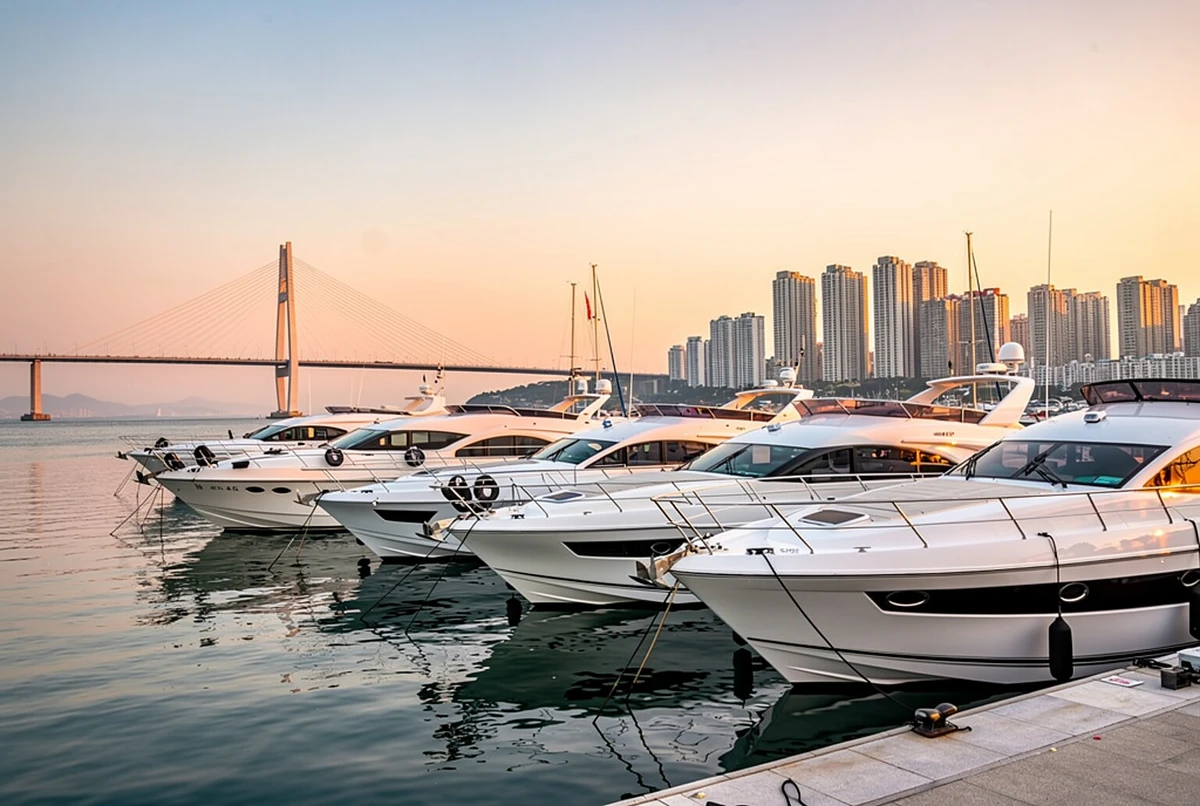
Day tours, private airport transfers, flight tickets, train tickets and ferry tickets, including Busan Sightseeing Yacht Cruise Group Tour, Busan Night Viewpoints and Evening Cruise with Fireworks and Gyeongju Day Trip from Busan Bulguksa Temple and Silla Capital. Each has its own page, and the WhatsApp desk combines any of them into one plan with one written price.
How do I get from the airport to my hotel in Busan?
Busan Gimhae Airport (PUS) is about 17 km west of the centre - 30-40 minutes - and about an hour from Haeundae beach. Our private transfer meets you at arrivals with a name board, tracks your flight and takes you door to door at a fixed price for the whole vehicle; the transfer pages list every route.
Is there public transport from the airport to Busan?
The Busan-Gimhae Light Rail links the airport with Sasang, where Metro Line 2 continues to Seomyeon and Haeundae, and it is cheap and fast for a light-luggage trip to central Busan; with luggage, a family, or a hotel in Haeundae, Gijang or Gamcheon, a private car from the terminal is simpler. With luggage, a family or a late flight, the private car is the simpler choice.
Which tours are available in Busan?
Among them: Busan Sightseeing Yacht Cruise Group Tour, Busan Night Viewpoints and Evening Cruise with Fireworks, Gyeongju Day Trip from Busan Bulguksa Temple and Silla Capital, Busan Highlights Full Day Tour with Gamcheon and Yonggungsa Temple and Busan Coastal Highlights Full Day Tour with Sky Capsule. Each page says whether the day is private or small-group, what it includes and how long it lasts.
Are the tours private or in a group?
Both exist, and each tour page says which. A private tour has a vehicle and guide for your party alone; the desk can make most group tours private on request.
How do I book?
Fill in the form on any page or message us on WhatsApp with the date, the number of travellers and the hotel. A member of our team confirms the price and the details in writing within minutes.
Are the prices fixed?
Yes - every price is agreed in writing on WhatsApp before you travel and does not change on the day.
Do the drivers and guides speak Arabic or English?
It depends on the city and the day, so we do not promise a particular language; tell us your preference and we do our best. The WhatsApp desk always works in Arabic and English.
Can I change or cancel a booking in Busan?
Yes, in the same WhatsApp conversation. The terms depend on the product and on how close to the date the change comes; the desk states them before you pay.