
Hoi An
Plan Hoi An with Haqqi Tours: day tours, private airport transfers, attraction tickets and packages, run by our own team and confirmed on WhatsApp in Arabic or English.
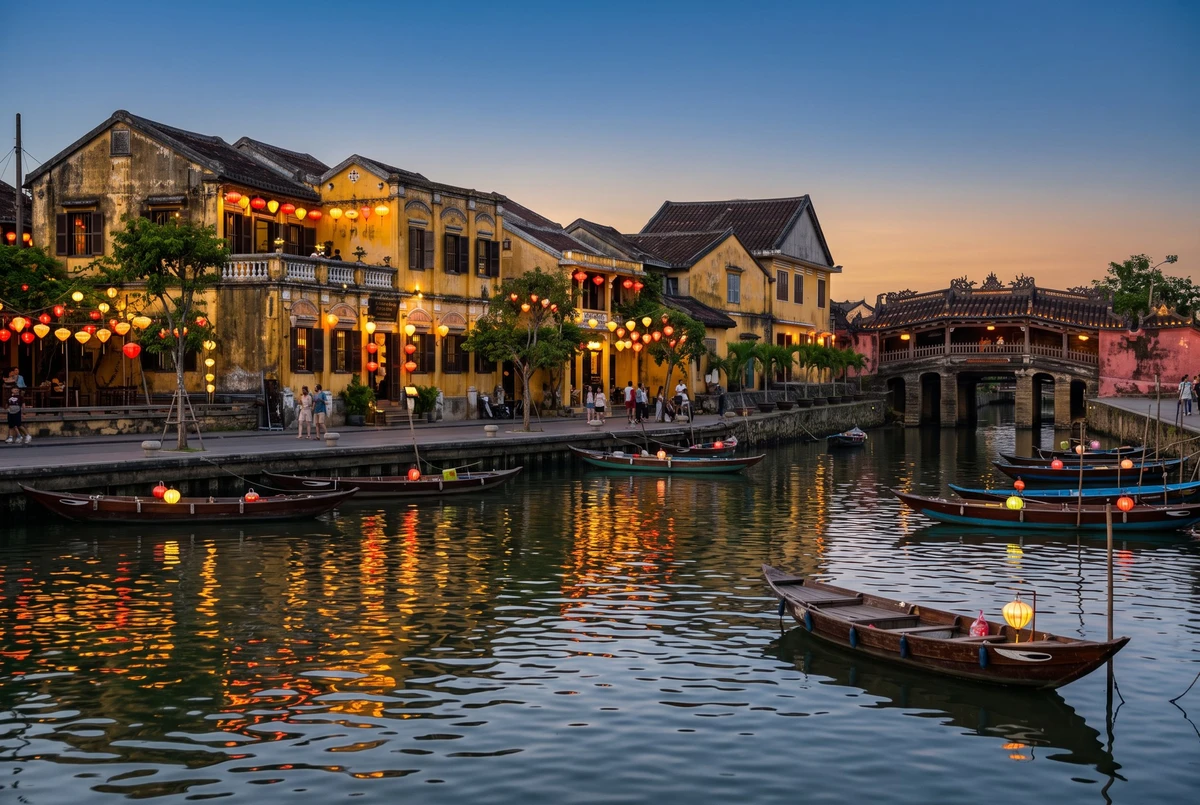
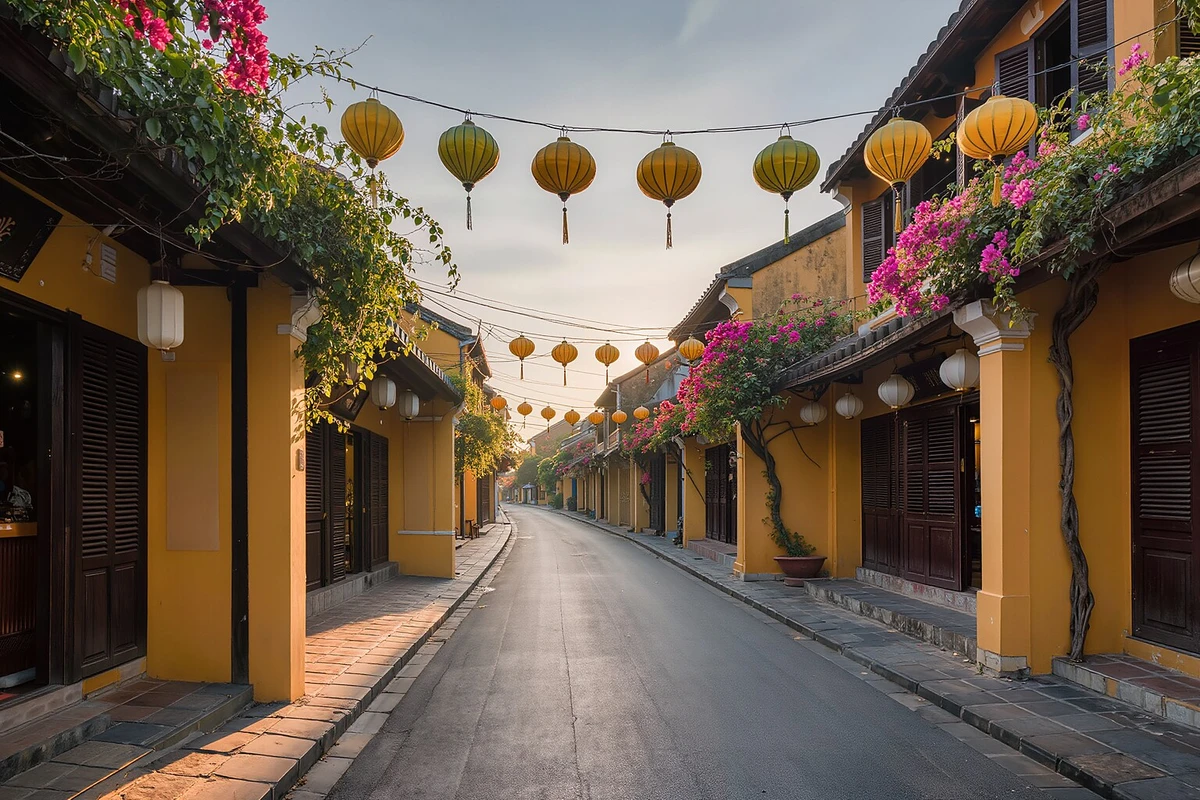
Step out of your hotel in Hoi An in the early morning and the old town is still soft and golden. Mustard-yellow walls glow in the low sun, bougainvillea spills over wooden balconies, and women in conical hats carry baskets of herbs to the riverside market. Boats nudge the banks of the Thu Bon River, a bicycle bell rings, and the air smells of incense from a family altar and fresh bread from a banh mi stall.
Nothing matches those filters yet. Widen your search or message us on WhatsApp.
Hoi An Day Tours
View all



Hoi An Attraction Tickets
View all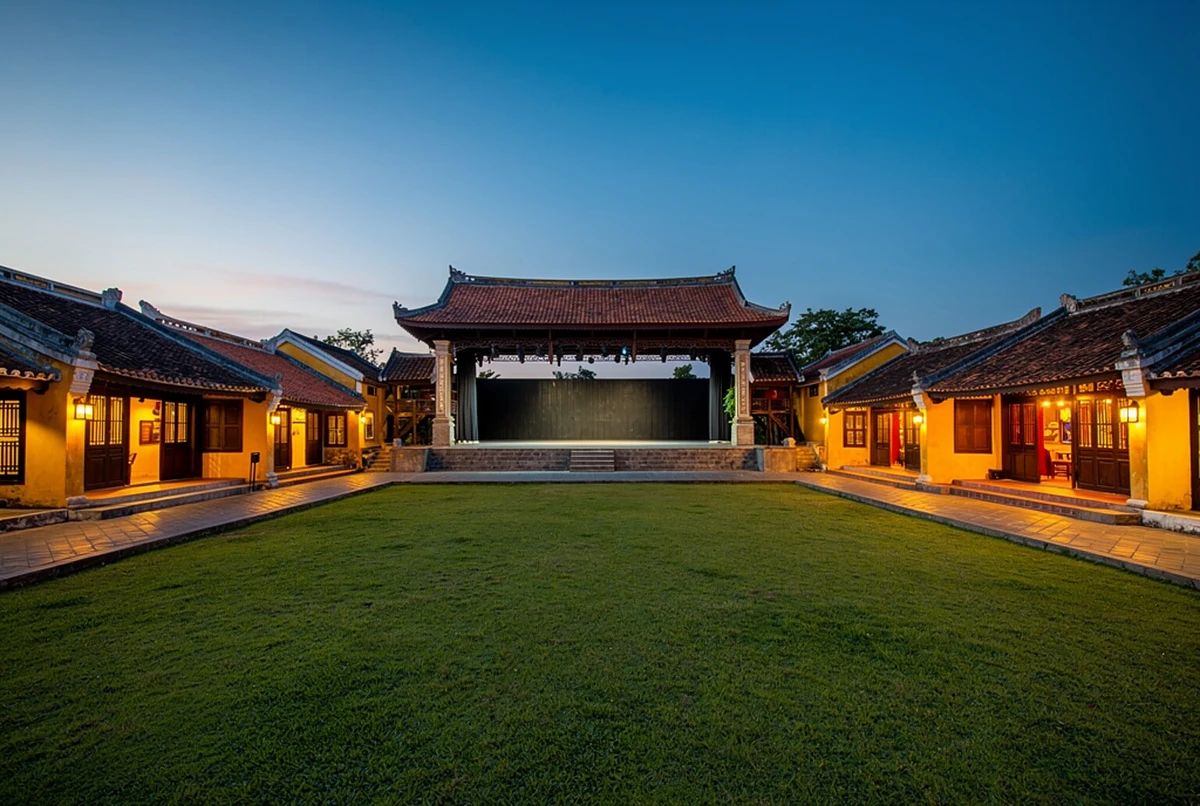

Hoi An Airport Transfers
View all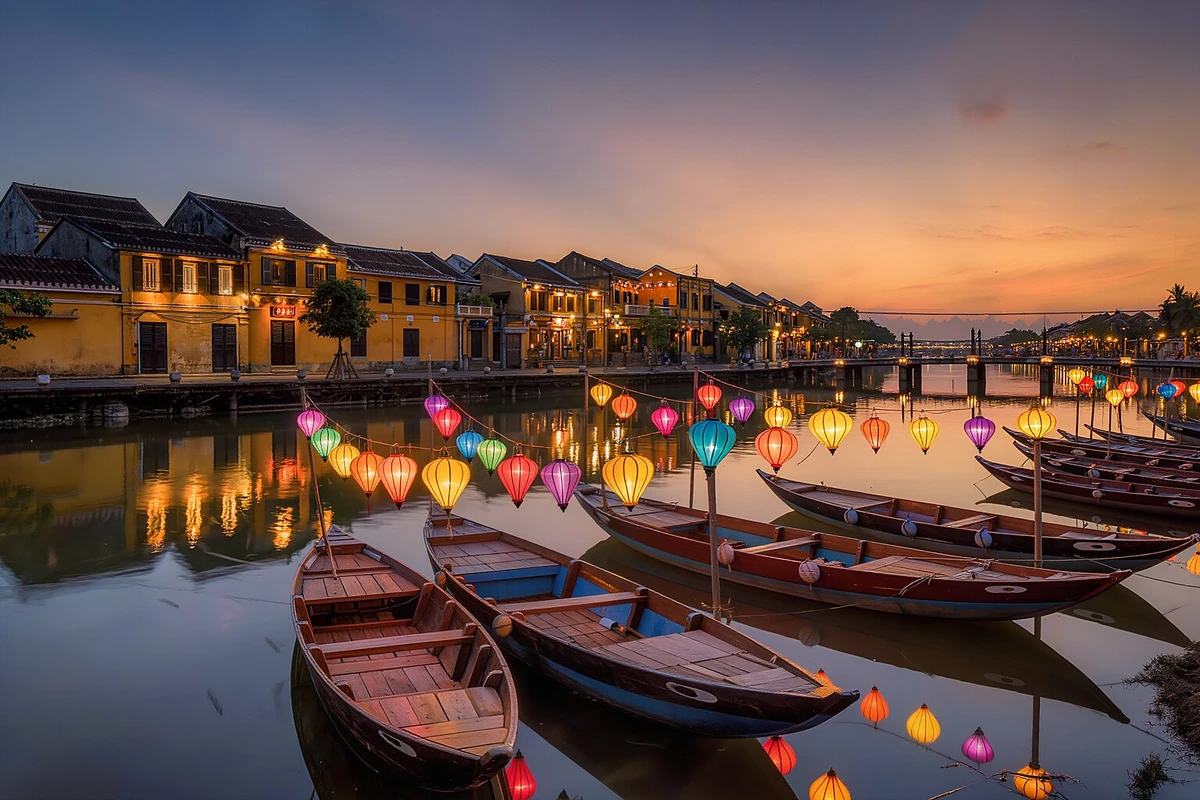



Hoi An Flight Tickets
View all




Hoi An Ferry Tickets
View all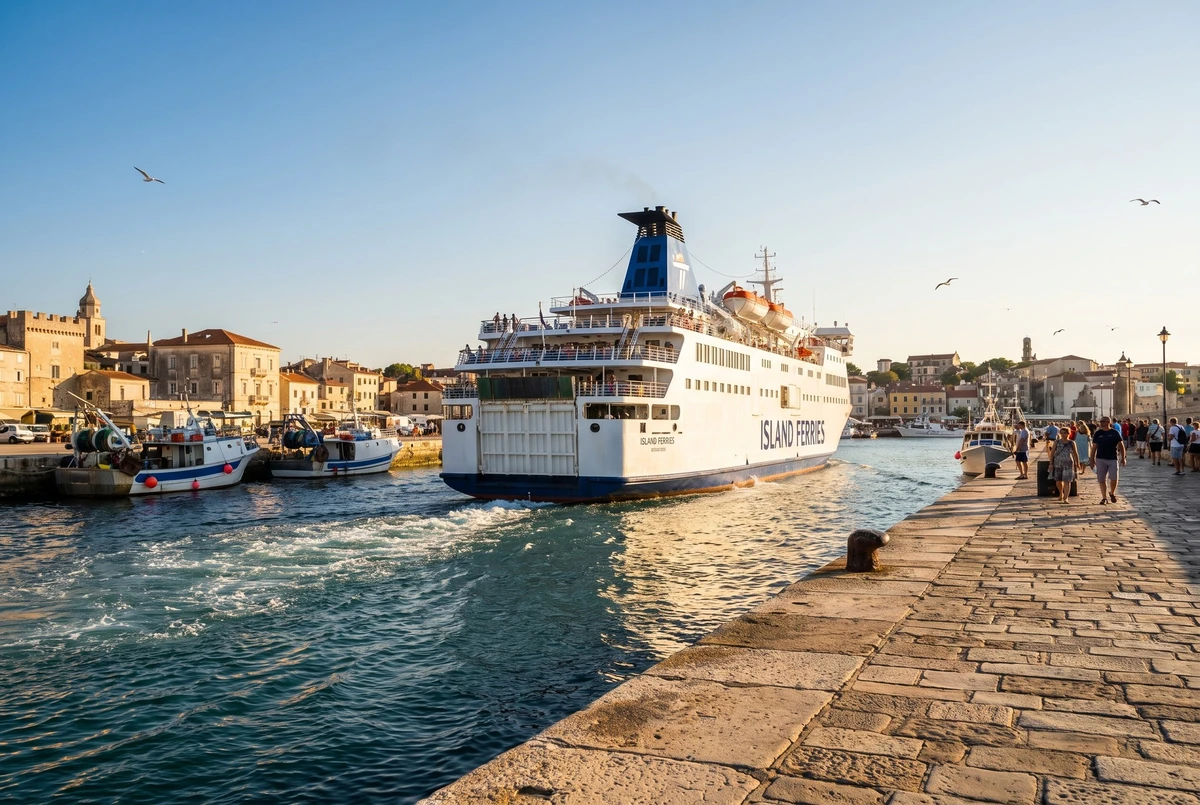
Hoi An at first sight
For three centuries Hoi An was one of Southeast Asia's great trading ports, where Chinese, Japanese, Portuguese and Dutch merchants met and settled. When the river silted up, trade moved to Da Nang and the town was left beautifully frozen in time. Today its UNESCO-listed streets, lantern-lit evenings and tailors' shops make it the most charming stop on Vietnam's central coast.
Why include Hoi An in your itinerary?
- A living museum of merchant history. Hoi An's Chinese assembly halls, Japanese covered bridge and timber merchant houses survive almost intact, creating a historic town where you can still visit homes lived in by the same families for generations.
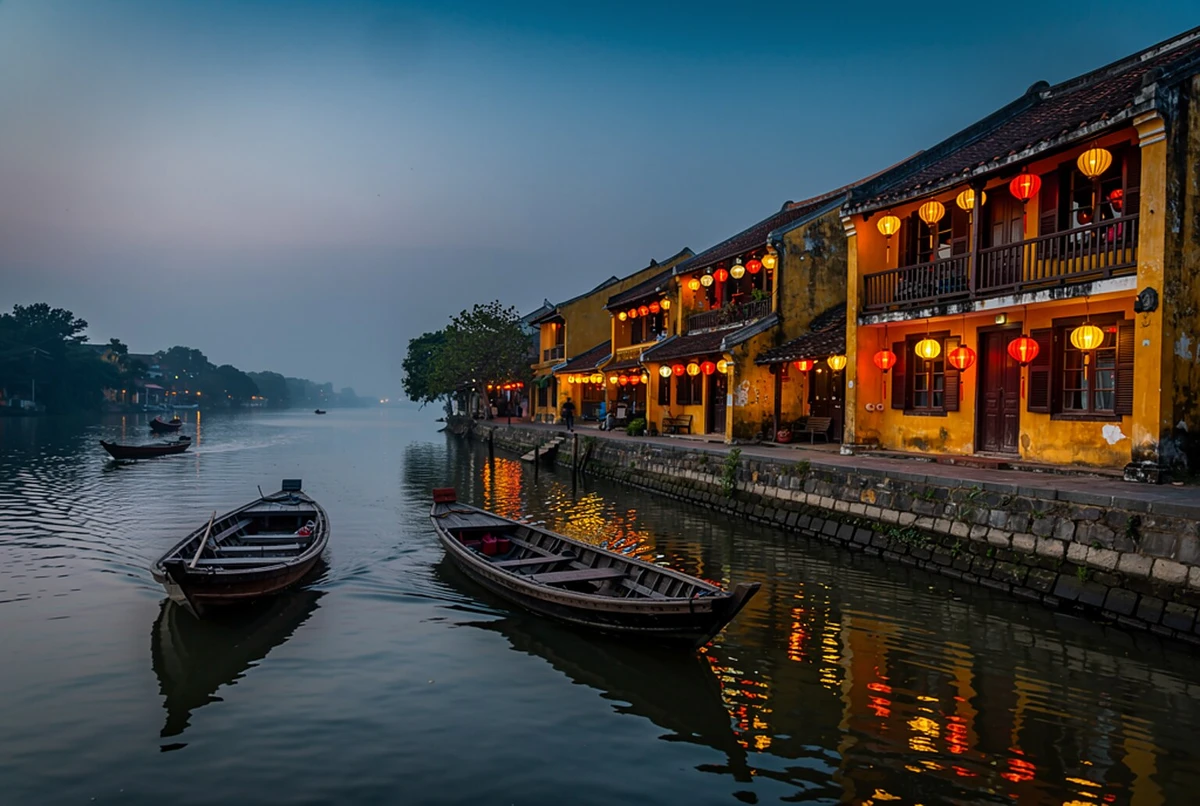
- Lantern-lit evenings like nowhere else. As dusk falls, hundreds of silk lanterns glow along the streets and river, and on full-moon nights candle lanterns float on the Thu Bon, creating Hoi An's most magical atmosphere.
- Countryside, crafts and coast together. Within a short bicycle ride lie organic herb villages, coconut-palm waterways and the sandy beaches of An Bang, while tailors can make a made-to-measure outfit within a day or two.
Signature experiences in Hoi An
The Ancient Town and the Japanese Covered Bridge
Hoi An's old town is a compact grid of lantern-hung streets lined with merchant houses, temples and Chinese assembly halls such as the ornate Phuc Kien. Its emblem is the Japanese Covered Bridge, built in the early seventeenth century and carefully restored. The heritage ticket that grants entry to the historic houses and halls is one of the attraction tickets we issue, and our guided day tours explain the town's remarkable trading story.
Cao Lau, Herbs and Tra Que Village
Hoi An's kitchen is unique. Taste cao lau, chewy noodles with herbs and crispy crackers said to be made only with water from an ancient local well, alongside delicate white rose dumplings and the town's famous banh mi. Then head out to Tra Que vegetable village, where farmers grow fragrant herbs in rich soil and tend their beds by hand. Our guided day tours combine the market, the village and the countryside around it.
An Hoi and the Riverside After Dark
Cross the bridge to An Hoi islet as the sun sets and the whole riverside turns into a glowing canvas of coloured lanterns. Browse the night market for silk, lacquerware and street snacks, then step into a small wooden boat and release a paper candle lantern onto the Thu Bon for good luck. Our guided evening tours make it easy to enjoy the magic while avoiding the busiest crush.
My Son Sanctuary
An hour inland, in a green valley ringed by mountains, lie the brick temple towers of My Son, the spiritual heart of the Champa kingdom from the fourth to the thirteenth centuries. Carved Hindu deities and sandstone details survive among the jungle. Arriving early, before the heat and crowds, is key. Our guided day tour times it perfectly, and the attraction tickets we issue include entry to the sanctuary.
Basket Boats of Cam Thanh
Just outside town, the Cam Thanh water coconut forest is a maze of narrow channels shaded by palm fronds. Local boatmen paddle visitors in round bamboo basket boats, spinning them on the water and showing traditional fishing skills, while herons stalk the shallows. Our guided day tours pair the basket boats with the surrounding rice paddies and fishing villages, and our team can arrange a private car with driver for families.
Neighbourhoods and quarters to know in Hoi An
The Ancient Town
Staying in or beside the old town puts the lanterns, tailors, cafés and riverside at your doorstep. Boutique hotels and heritage homestays occupy restored houses, and the streets are pedestrian for much of the day. It is very safe and atmospheric, though busy in the evening, and low-lying parts can flood during heavy rains in autumn, so choose carefully then.
Cam Thanh and Tra Que
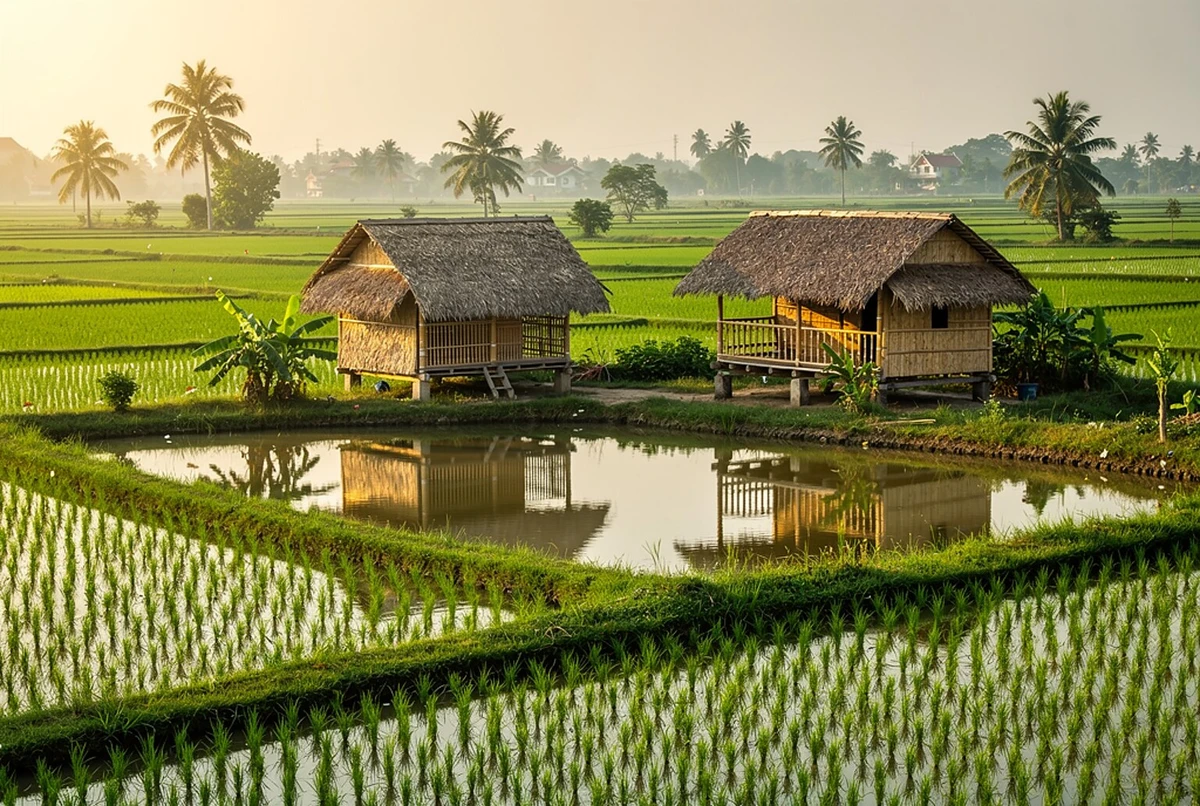
Between the town and the sea, rice paddies, herb gardens and coconut-lined waterways create a peaceful countryside escape. Villas and eco-resorts here offer pools, bicycles and birdsong, yet the old town is a short cycle or ride away. Ideal for families and couples who want calm, space and a real feel for rural life around Hoi An.
An Bang Beach
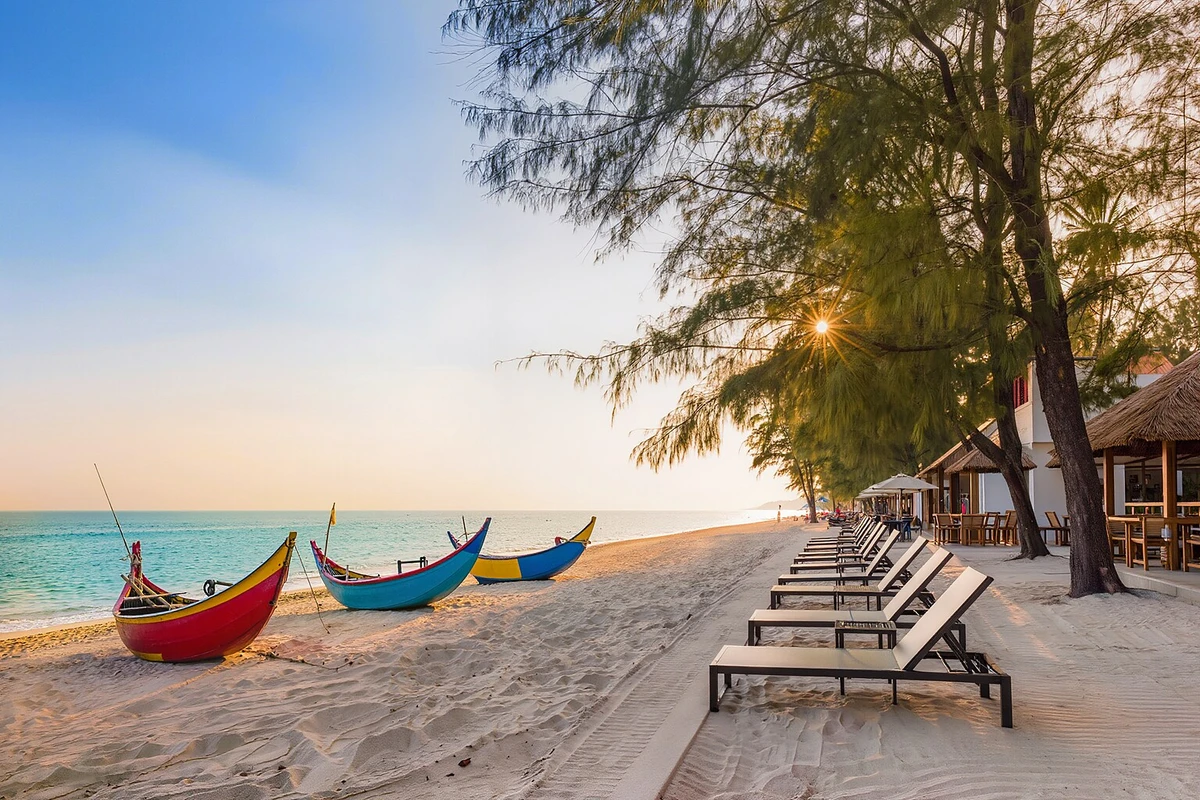
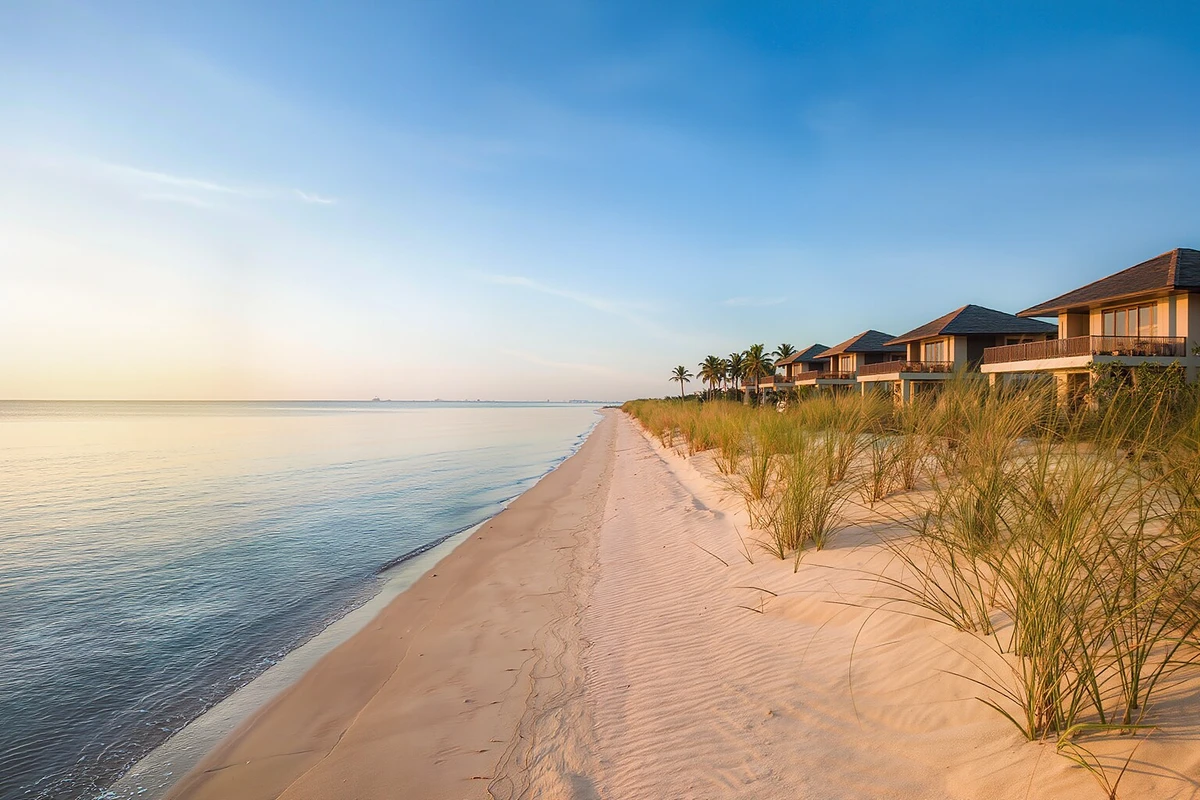
About four kilometres from the old town, An Bang is a relaxed beach village of sand, casuarina trees, seafood restaurants and small boutique hotels. Mornings are for swimming and watching fishermen haul in nets; evenings are for returning to town for lanterns. Safe, laid-back and perfect for combining beach days with Hoi An's heritage.
Cua Dai Beach
South of An Bang, the Cua Dai coastline is home to several of the area's larger resorts, with spacious gardens, pools and private beach areas. It suits families seeking full-service hotels and quiet evenings. The departure pier for ferries to the Cham Islands is nearby, and the old town is around ten minutes away by car.
How long to stay in Hoi An and how to pair it
Recommended stay
Plan three nights in Hoi An at a minimum. One day covers the ancient town, a second takes in My Son or the Cam Thanh basket boats and Tra Que, and a third allows a market morning, tailor fittings and beach time. Four or five nights let you slow down and enjoy An Bang.
How to pair it
Hoi An pairs naturally with Da Nang, just thirty minutes away, for beaches, Ba Na Hills and the Marble Mountains. On a 7-day trip, combine Hoi An and Da Nang with Hanoi and Ha Long Bay, linked by a short flight. For 10 days, add Ho Chi Minh City. With 14 days, travel from Hanoi through Hue, Da Nang and Hoi An to Saigon. We issue domestic flights and ferry tickets.
Best time to visit Hoi An and the rhythm of the day
Best months
The best time to visit Hoi An is February to May, when the weather is dry, sunny and comfortably warm for walking and cycling. June to August is hotter but ideal for the beaches. September to December brings the rainy season, with heavy downpours and occasional flooding in the old town, especially in October and November. Plan around the monthly full-moon lantern evening.
The daily rhythm
Hoi An moves at a gentle, sun-shaped pace. Early mornings are for the market and quiet old-town streets before the crowds. Late morning and midday are for cafés, tailors and the pool or beach during the heat. Late afternoon is ideal for cycling through the rice fields, and the evening belongs to the lanterns, the river and a leisurely dinner.
On-the-ground logistics in Hoi An
Arrival
Hoi An has no airport of its own; travellers fly into Da Nang International Airport, about thirty kilometres north. The drive to Hoi An's hotels usually takes forty to fifty minutes along the coast road. Our private transfer meets you at arrivals with a name sign and brings you directly to your hotel, villa or beach resort, avoiding any hassle with luggage.
Getting around
The ancient town is compact and best explored on foot, with cars banned and motorbikes restricted in the core during much of the day. Bicycles are the classic way to reach the beaches and villages, and many hotels lend them free. Ride-hailing apps and licensed taxis work well, and for day trips to My Son or Da Nang, our team arranges a private car with driver.
Local etiquette tip
The custom visitors most often miss is that many of Hoi An's historic merchant houses are still family homes, with ancestral altars in daily use. Enter quietly, dress modestly with shoulders and knees covered, never touch or photograph the altar offerings without permission, and don't sit on antique furniture. A small purchase or a polite thank you is warmly appreciated by the families.
Must-do things in Hoi An
- Cross the Japanese Covered Bridge and visit the ornate Phuc Kien Assembly Hall.
- Release a paper candle lantern onto the Thu Bon River at dusk.
- Taste cao lau noodles, white rose dumplings and Hoi An's famous banh mi.
- Have a suit, dress or silk shirt tailored to measure within a day or two.
- Spin through the Cam Thanh coconut forest in a round bamboo basket boat.
- Explore the Champa temple towers of My Son Sanctuary early in the morning.
- Watch farmers tend fragrant herb beds at Tra Que vegetable village outside town.
- Cycle through emerald rice paddies to An Bang Beach for a swim.
- Browse the An Hoi night market for silk, lacquerware and lanterns.
- Take a ferry to the Cham Islands for clear water and snorkelling.
Do’s and don’ts in Hoi An
Do
- Buy the old-town heritage ticket to support preservation.
- Visit the old town early morning for quiet streets and photos.
- Agree tailoring details, fabric and fittings clearly in advance.
- Carry small cash for markets, boats and snacks.
- Check the lunar calendar for the full-moon lantern night.
Don’t
- Don't sit on antique furniture in historic houses.
- Don't wear beachwear in the old town or temples.
- Don't rush tailors; allow time for at least one fitting.
- Don't book riverside hotels blindly in October and November floods.
- Don't ride motorbikes into the pedestrian old-town core.
Hoi An at a glance
Plan Hoi An with Haqqi Tours
Every option is confirmed by our team on WhatsApp before you pay, and delivered by our own people or by trusted local partners we work with in every city. Because we send travellers from all over the world, our partners give us special rates and priority, so you always receive the best. Prices are per person unless marked per vehicle.
About Haqqi Tours: About us Contact us Legal NoticePrivacy PolicyCookies & Marketing PreferencesTerms & ConditionsBooking, Payment & Refunds
More services in Hoi An
Good to know
Frequently Asked Questions
Straight answers to what travellers ask most about Hoi An.
Where should first-time visitors stay in Hoi An?
For a first visit, stay in or just beside Hoi An's ancient town, so the lanterns, tailors and riverside are steps away. Families seeking space often prefer villas in the Cam Thanh countryside, while beach lovers choose An Bang or Cua Dai. Our team can recommend hotels to match your style and season.
Can Hoi An be done as a day trip, or does it need an overnight stay?
A day trip from Da Nang is possible, but Hoi An truly deserves at least two or three nights. The old town is most magical in the early morning and after dark, when day visitors have gone. Staying longer also allows My Son, the basket boats, Tra Que village and tailor fittings.
What is the dress code and etiquette in Hoi An?
Light, modest clothing works best. Cover shoulders and knees in assembly halls, pagodas and family homes, and keep beachwear for An Bang. Remove shoes where indicated, avoid touching ancestral altars and ask before photographing people. Bargain politely at markets, and agree tailoring terms clearly and kindly in advance.
Is Hoi An tourist friendly?
Very. Hoi An is one of Vietnam's most welcoming and relaxed towns, with English widely spoken, walkable streets and countless cafés, tailors and guides. Families love the lanterns, bicycles and beaches, and seafood and vegetarian dishes are easy to find. Our team is always a WhatsApp message away during your stay.
Is it safe to travel to Hoi An now?
Hoi An is a very safe, friendly town, with petty theft the main concern in crowds. Autumn rains can cause flooding, so flexibility matters from September to December. Check your own government's official travel advice before departure, follow local guidance and keep our WhatsApp line handy so our team can adjust plans quickly.
What are the must-do things in Hoi An?
The essentials in Hoi An are the ancient town and Japanese Covered Bridge, a lantern release on the Thu Bon River, cao lau and banh mi, a tailor-made outfit, the Cam Thanh basket boats and a day tour to My Son Sanctuary. Add Tra Que herb village and a swim at An Bang.
How many days do you need in Hoi An?
Three days is ideal for Hoi An: one for the ancient town and lanterns, one for My Son or the countryside and basket boats, and one for the market, tailor fittings and the beach. With four or five days, enjoy An Bang and the Cham Islands at a slower pace.
What can I book in Hoi An with Haqqi Tours?
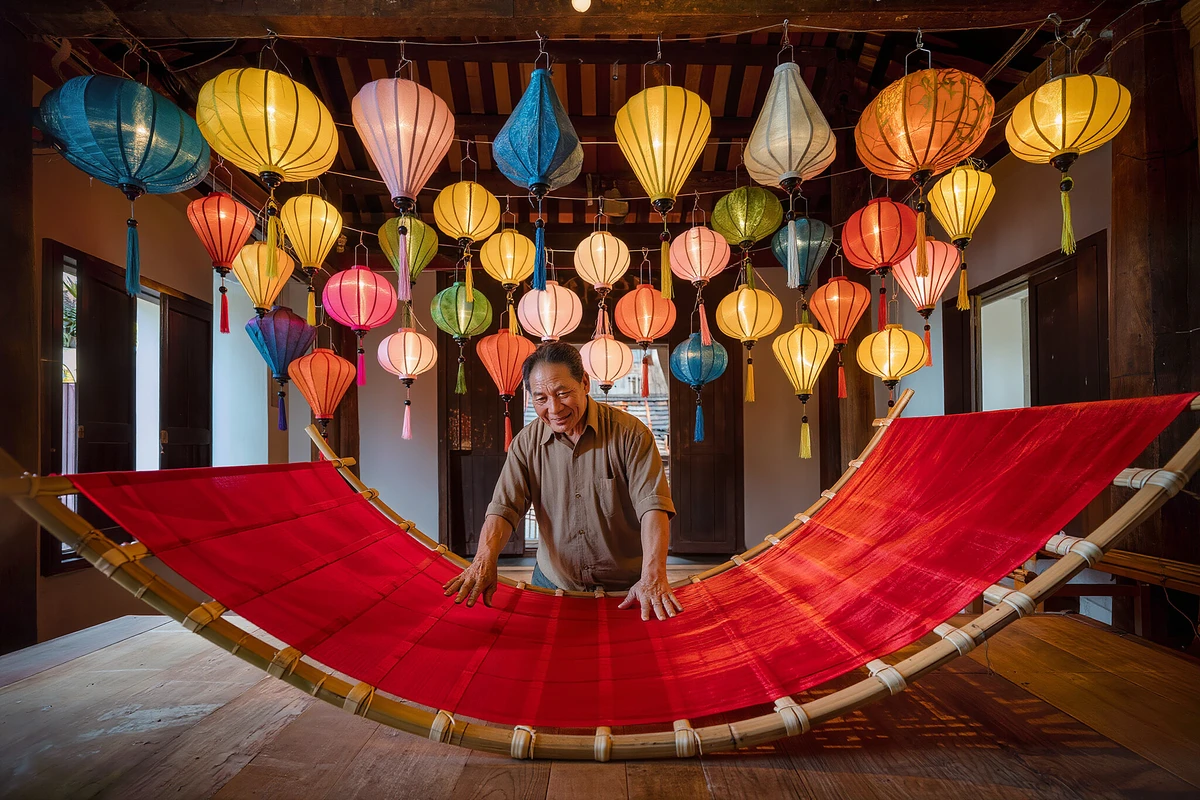
Day tours, attraction tickets, private airport transfers, flight tickets and ferry tickets, including Hoi An Foldable Lantern-Making Class, My Son Sanctuary Sunrise and Sunset Tour Hoi An and Market Tour, Cooking Class & Basket Boat Ride Hoi An. Each has its own page, and the WhatsApp desk combines any of them into one plan with one written price.
How do I get from the airport to my hotel in Hoi An?
Da Nang International Airport (DAD) is on the southern edge of Da Nang, about 3 km from the city centre, 6 km from My Khe Beach and about 30 km from Hoi An; Hue is about 100 km to the north. Our private transfer meets you at arrivals with a name board, tracks your flight and takes you door to door at a fixed price for the whole vehicle; the transfer pages list every route.
Is there public transport from the airport to Hoi An?
Public transport from the airport is limited: metered taxis, ride-hailing apps and hotel shuttles are the usual options, and the public bus from Da Nang city to Hoi An is slow and needs a change; a private car is simpler for a family, a late arrival, a beach hotel, or a trip on to Hue or Ba Na Hills. With luggage, a family or a late flight, the private car is the simpler choice.
Which tours are available in Hoi An?
Among them: Hoi An Foldable Lantern-Making Class, My Son Sanctuary Sunrise and Sunset Tour Hoi An, Market Tour, Cooking Class & Basket Boat Ride Hoi An, Hoai River Night Boat Ride and Floating Lantern Hoi An and Basket Boat Ride, Lantern Making & Cooking Class Hoi An. Each page says whether the day is private or small-group, what it includes and how long it lasts.
Are the tours private or in a group?
Both exist, and each tour page says which. A private tour has a vehicle and guide for your party alone; the desk can make most group tours private on request.
How do I book?
Fill in the form on any page or message us on WhatsApp with the date, the number of travellers and the hotel. A member of our team confirms the price and the details in writing within minutes.
Are the prices fixed?
Yes - every price is agreed in writing on WhatsApp before you travel and does not change on the day.
Do the drivers and guides speak Arabic or English?
It depends on the city and the day, so we do not promise a particular language; tell us your preference and we do our best. The WhatsApp desk always works in Arabic and English.
Can I change or cancel a booking in Hoi An?
Yes, in the same WhatsApp conversation. The terms depend on the product and on how close to the date the change comes; the desk states them before you pay.