
Sapa
Plan Sapa with Haqqi Tours: day tours, private airport transfers, attraction tickets and packages, run by our own team and confirmed on WhatsApp in Arabic or English.
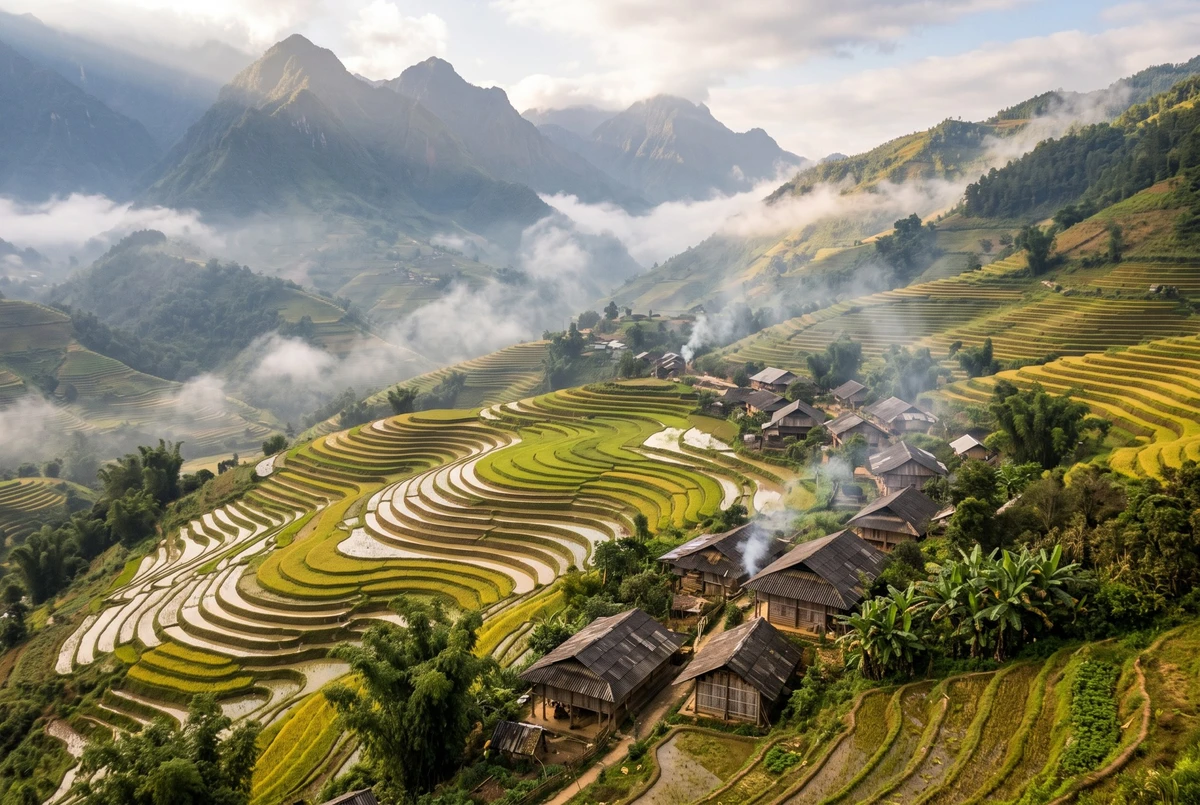
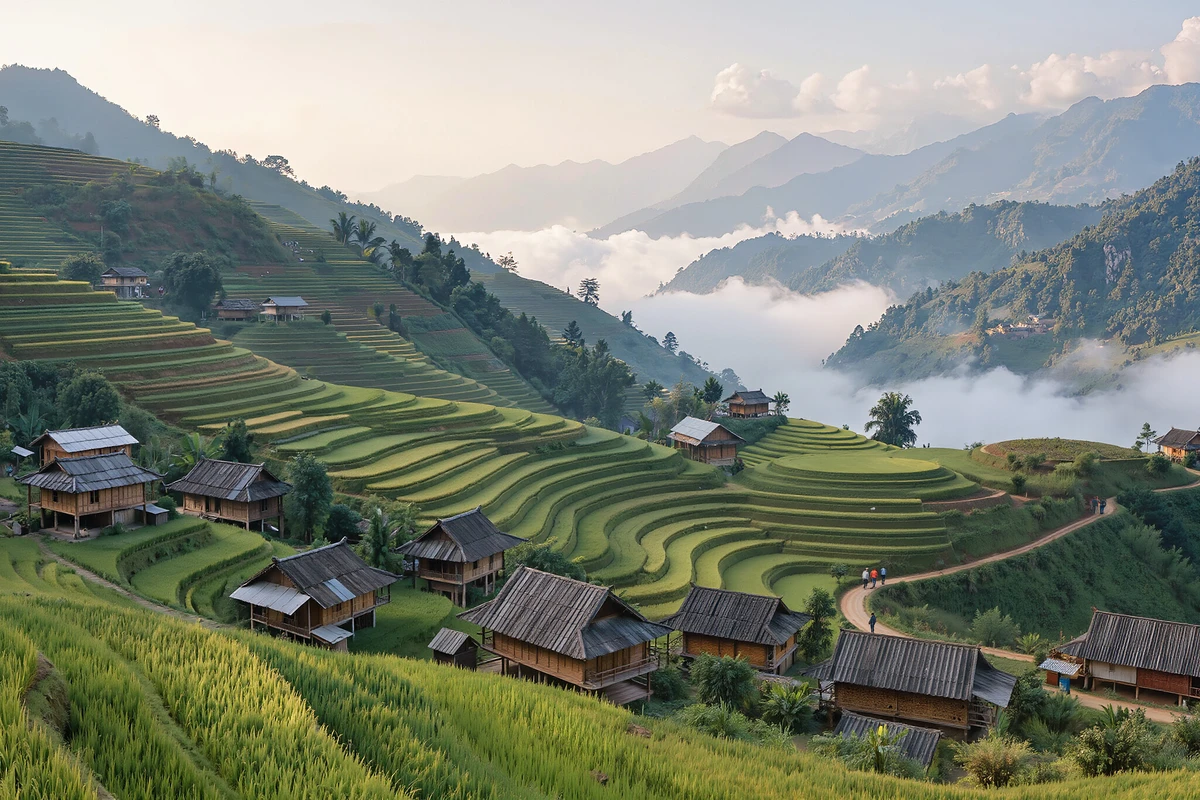
Open the curtains on a clear morning in Sapa and the whole valley lies below you: terraced rice fields curving down the slopes like green staircases, wooden houses half hidden among bamboo, and the peaks of the Hoang Lien Son range rising behind. Mist lifts slowly from the river, roosters call from the villages, and women in indigo clothes and bright embroidered headscarves walk to the market with baskets on their backs.
Nothing matches those filters yet. Widen your search or message us on WhatsApp.
Sapa Day Tours
View all 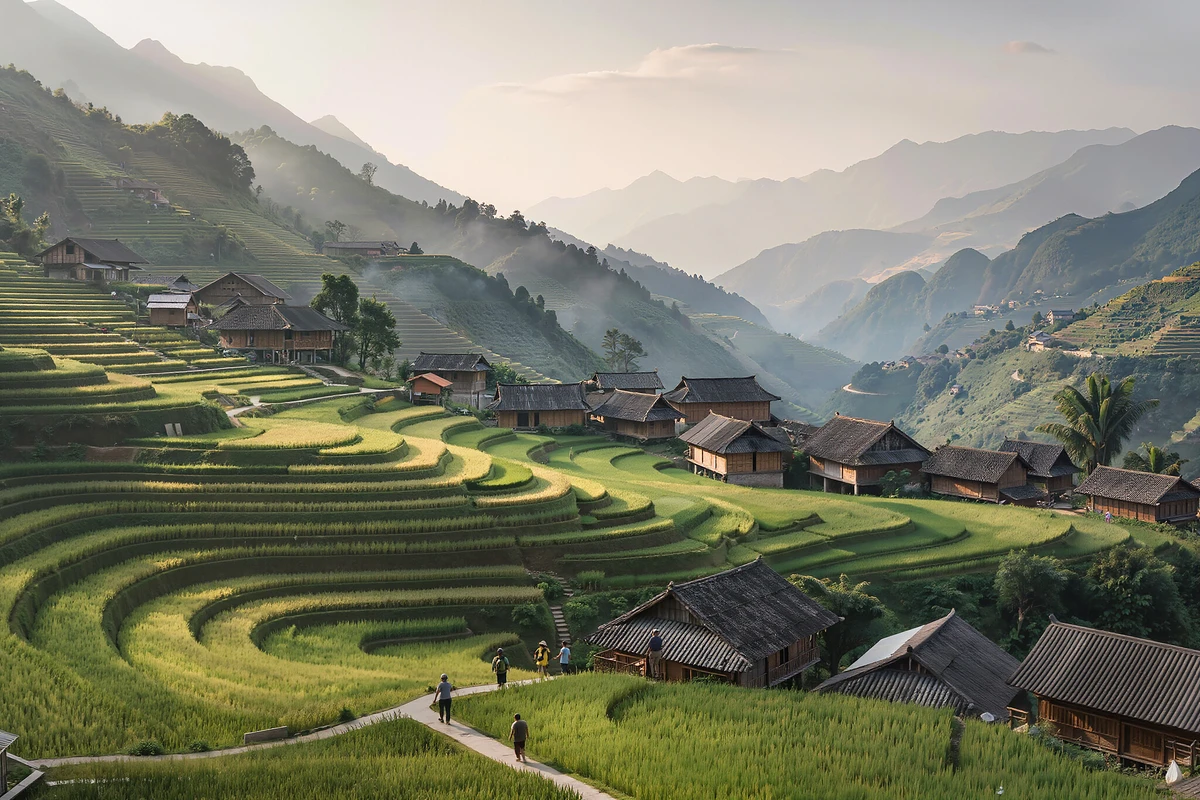

Sapa Airport Transfers
View all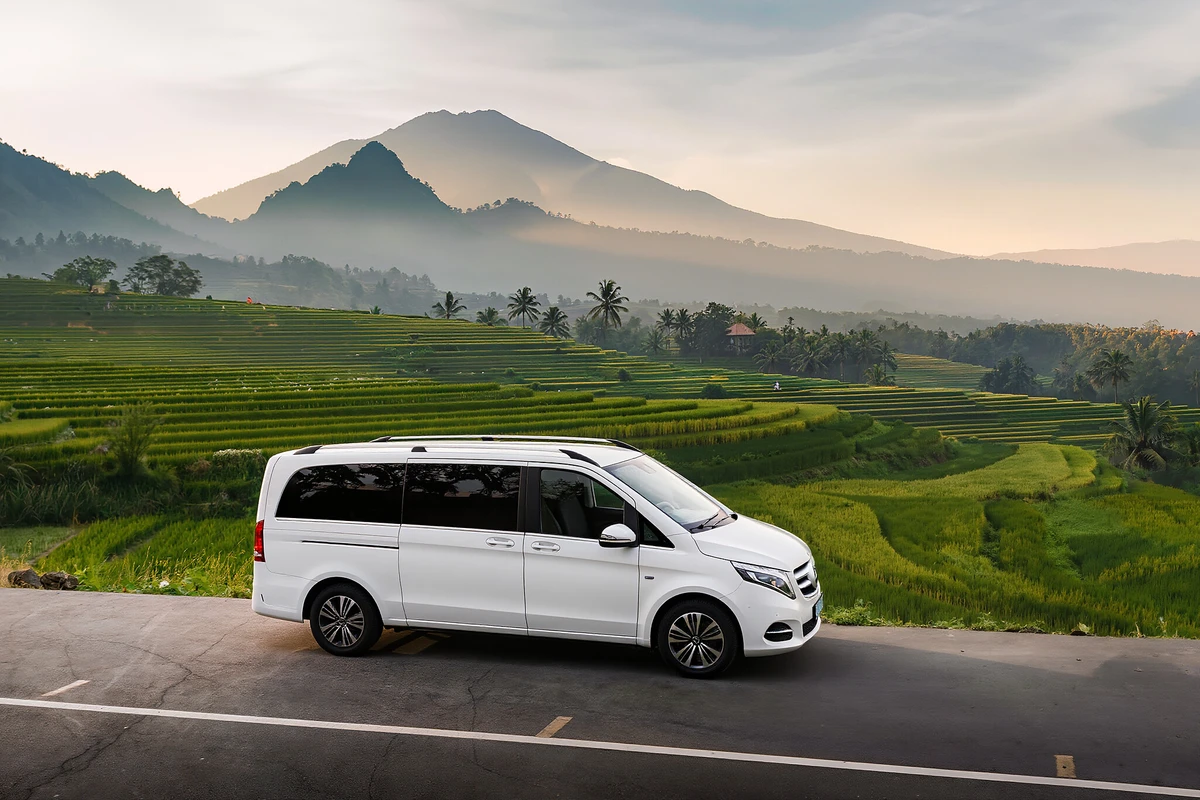
Sapa Train Tickets
View allSapa at first sight
Sapa is a mountain town in Vietnam's far north-west, close to the Chinese border, set at about 1,500 metres among the country's highest peaks. Hmong, Dao, Giay and other ethnic communities live in the surrounding valleys, where their villages, crafts and terraced fields shape the landscape, and above them rises Fansipan, the highest mountain in Indochina, now reached by cable car from the edge of town.
Why include Sapa in your itinerary?
- Rice terraces and mountain valleys. The Muong Hoa valley and the slopes around Sapa are carved with terraces that change colour through the year, from water-filled mirrors in spring to bright green in summer and gold at harvest time.
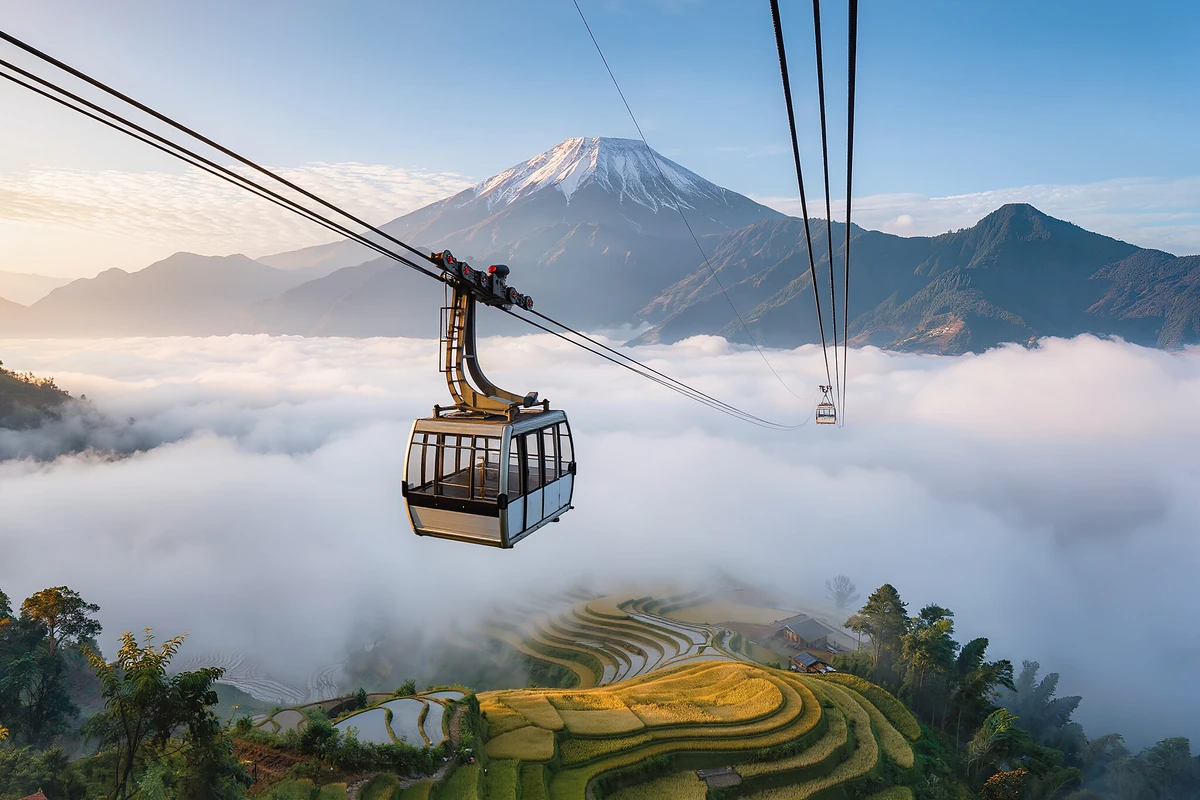
- The roof of Indochina. A cable car carries you over forests and valleys to just below the summit of Fansipan, at more than three thousand metres, where temples and pagodas stand among the clouds.
- Living cultures and village life. Hmong and Dao villages such as Cat Cat, Lao Chai and Ta Van offer a gentle look at traditional houses, indigo dyeing and handicrafts, with weekly markets like Bac Ha full of colour.
Signature experiences in Sapa
Fansipan Cable Car to the Summit
A funicular from the centre of Sapa takes you to the cable car station, from where cabins glide for over six kilometres across the Muong Hoa valley and forested ridges to the top station near the summit of Fansipan, at 3,143 metres. From there, steps or a short funicular lead to the peak, with temples, a giant Buddha and views over the clouds. Bring a warm jacket, even in summer.
Muong Hoa Valley and Its Villages
South of Sapa, the Muong Hoa valley is the heart of the rice-terrace landscape, with the villages of Lao Chai and Ta Van along the river and ancient carved stones in the fields. Our guided visits travel by vehicle, with short walks at your own pace between viewpoints and village paths, and stops to meet local families and see traditional houses.
Cat Cat Village and Waterfall
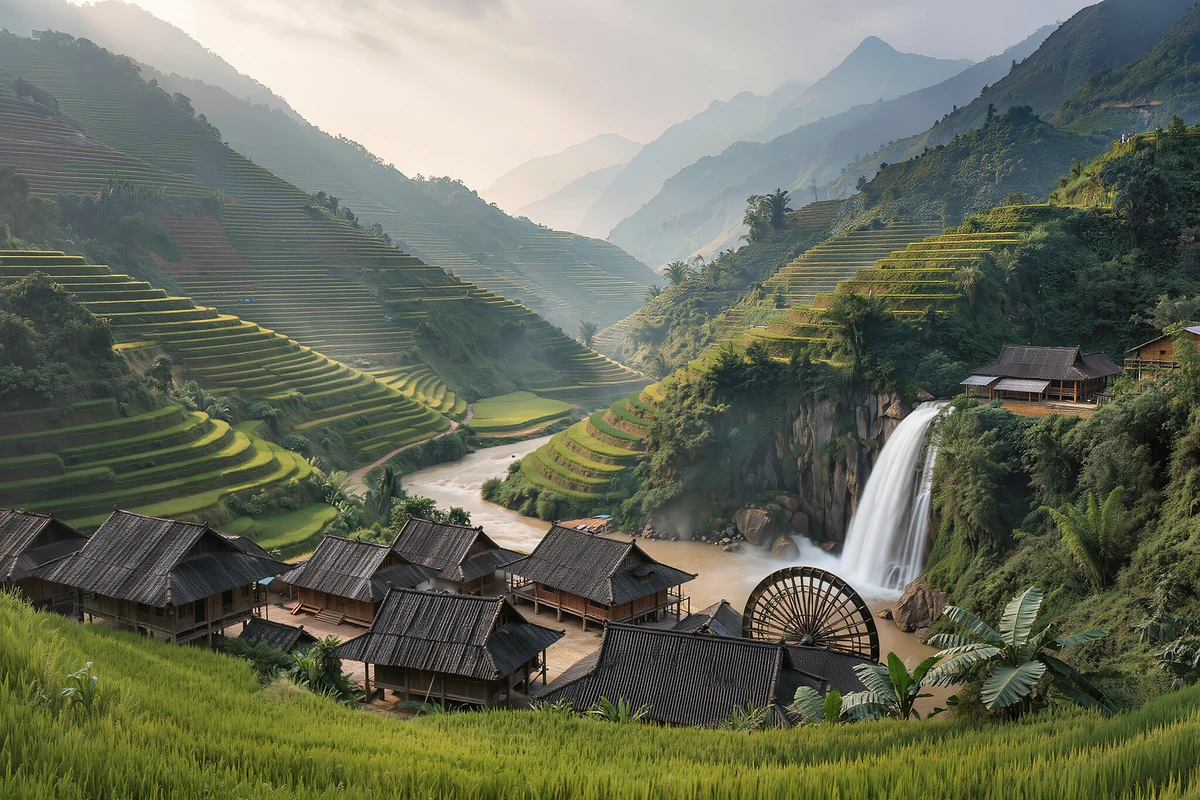
Just below the town, Cat Cat is a Black Hmong village of wooden houses, water wheels and small workshops where you can watch indigo dyeing, weaving and silver work. A path leads down through the village to a waterfall and a small bridge over the stream. It is close enough for a half-day visit, and our guide explains local customs and crafts along the way.
Waterfalls and the O Quy Ho Pass
The road west from Sapa climbs to the O Quy Ho Pass, one of the most dramatic mountain roads in Vietnam, with the Silver Waterfall tumbling beside it and the Love Waterfall reached by a forest path nearby. Viewpoints along the pass look over deep valleys and the Hoang Lien Son peaks. Our private drives stop at the best viewpoints in good light.
Bac Ha Sunday Market
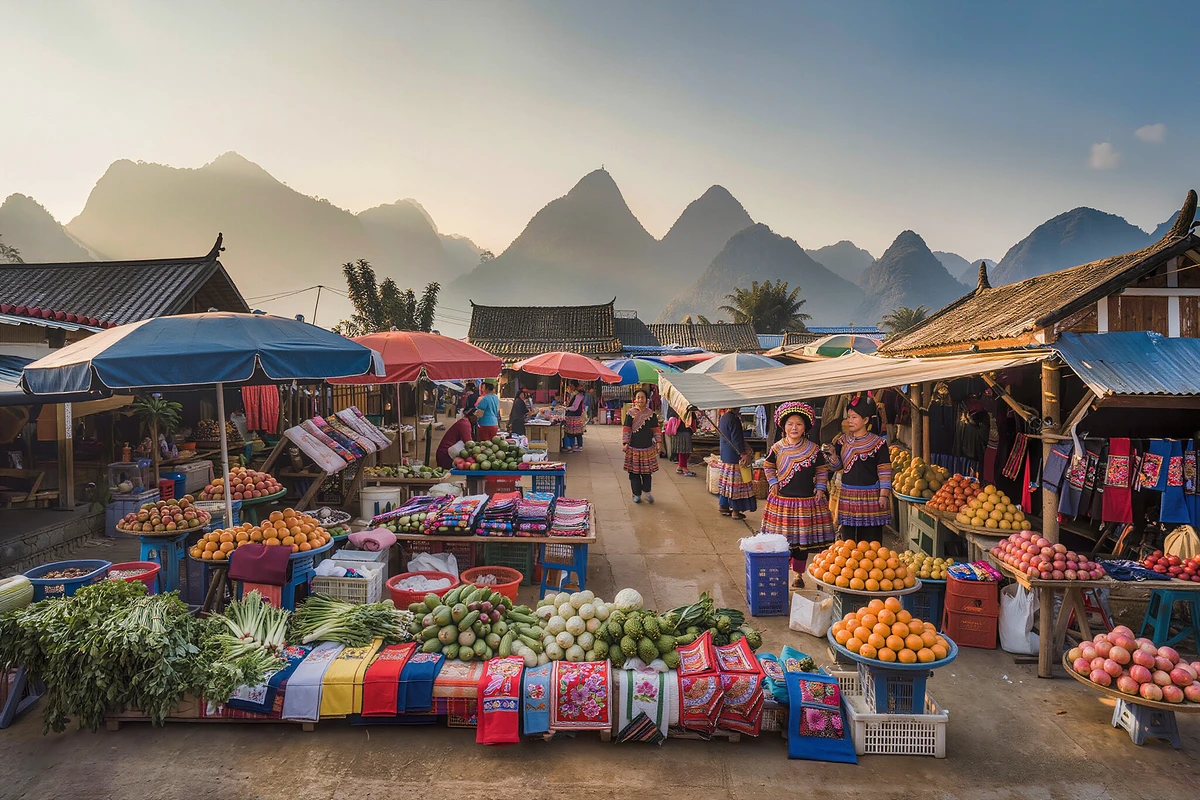
About two hours from Sapa, the Sunday market at Bac Ha is one of the most colourful in the mountains, where Flower Hmong women in bright embroidered clothes trade buffalo, horses, vegetables, textiles and household goods. The nearby palace of a former local ruler adds history. We arrange the visit by private vehicle on Sundays, returning to Sapa or continuing to Lao Cai station.
Neighbourhoods and quarters to know in Sapa
Sapa Town Centre
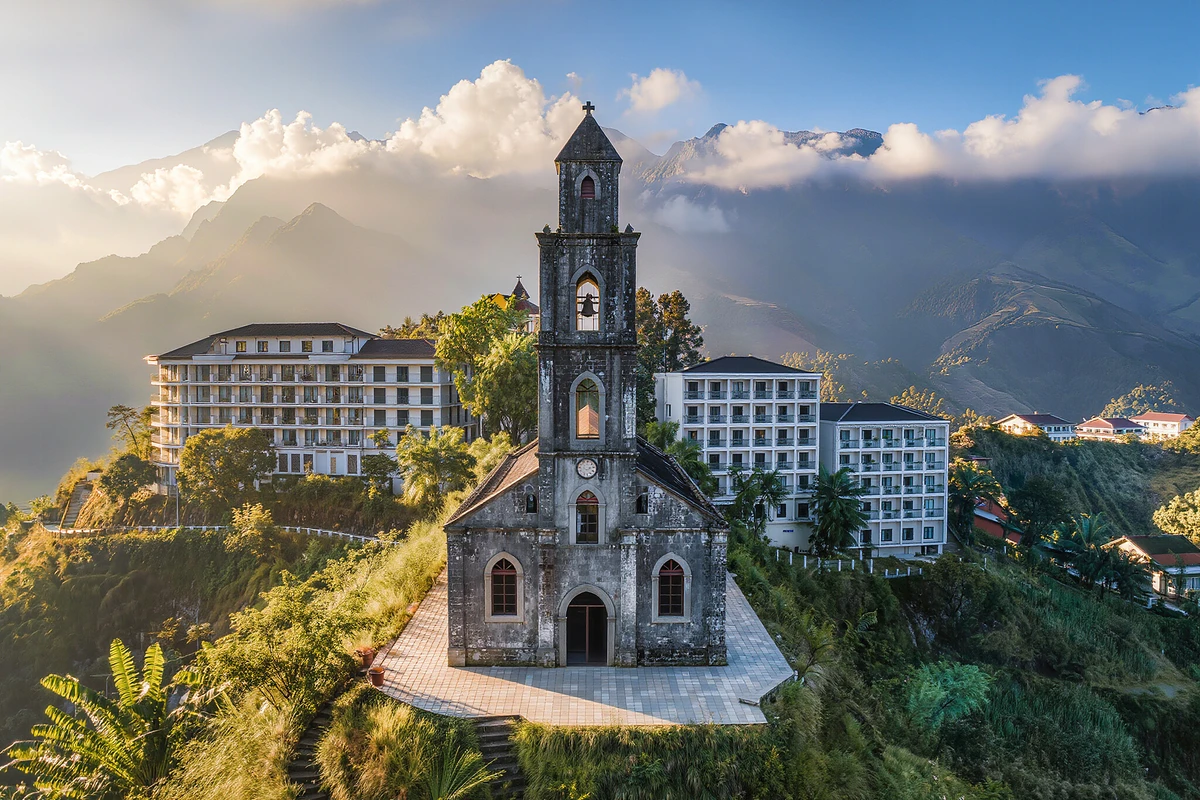
The centre of Sapa surrounds the old stone church and the lake, with hotels, cafés, shops and restaurants along steep streets. It is the most practical base for first-time visitors, close to the Fansipan funicular, Cat Cat village and the night market. Rooms with valley views are worth asking for, and evenings can be cool all year.
The Muong Hoa Valley Road
Along the road leading south-east into the Muong Hoa valley, hotels and lodges sit on the hillsides above the terraces, with some of the finest views in Sapa. It suits travellers who want calm and scenery while staying a short drive from town. A private car or transfers make getting to the centre easy.
Lao Chai and Ta Van
In the valley itself, the villages of Lao Chai and Ta Van offer homestays and small eco-lodges among rice fields and bamboo. Staying here means quiet nights, early mornings over the terraces and close contact with village life. Facilities are simpler and the road is narrow, so light luggage and a private transfer help.
Lao Cai City
Lao Cai is the border city on the Red River facing China, about an hour below Sapa, with the railway station for the overnight trains from Hanoi. It is a practical stop for an early train or the Bac Ha market, though most visitors continue to Sapa for the mountains.
How long to stay in Sapa and how to pair it
Recommended stay
We recommend two or three nights in Sapa. Spend one day on the Fansipan cable car, one visiting the Muong Hoa valley and the villages of Lao Chai, Ta Van and Cat Cat, and, with a third night, a drive over the O Quy Ho Pass to the waterfalls or a Sunday visit to Bac Ha market.
How to pair it
Sapa pairs naturally with Hanoi, about five to six hours away by expressway or one night by train, and with Ha Long Bay and Ninh Binh. A seven-day trip combines Hanoi, Sapa and Ha Long Bay. In ten days, add Ninh Binh. A fourteen-day journey can link Hanoi, Sapa, Ha Long Bay, Ninh Binh and Hoi An.
Best time to visit Sapa and the rhythm of the day
Best months
The best months for Sapa are March to May, when the weather is mild and the terraces are filled with water, and September to November, with clear skies and golden rice from mid-September. June to August is green but rainy. December to February can be cold and foggy, with frost or occasional snow on the high peaks.
The daily rhythm
Days in Sapa start early, as mornings are often the clearest time for views and the Fansipan summit. Village visits suit the late morning, followed by a long lunch with valley views. Afternoon mist often rolls in, which is a good time for a rest or a hot drink, and evenings are quiet, with the night market near the church.
On-the-ground logistics in Sapa
Arrival
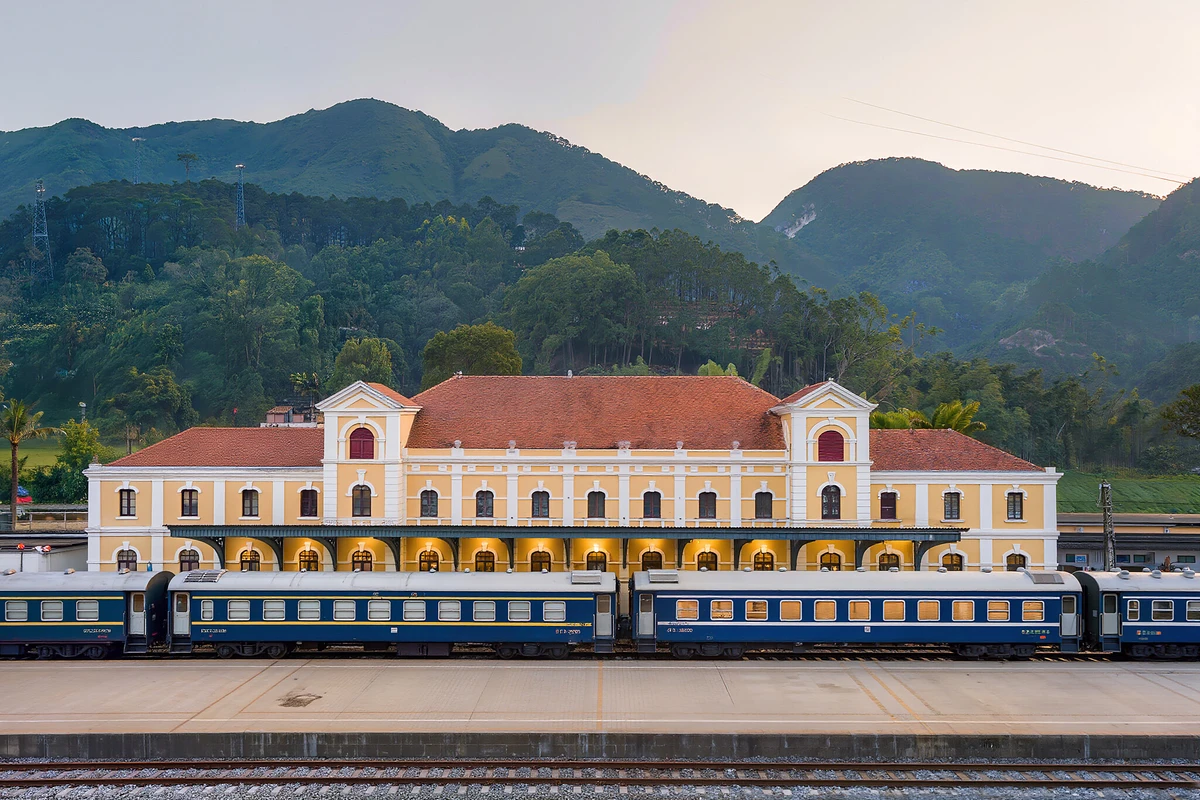
Sapa has no airport. The nearest is Noi Bai International Airport in Hanoi, about five to six hours away by expressway. Many visitors take the overnight train from Hanoi to Lao Cai, about eight hours, and then drive about an hour up the mountain to Sapa. We issue train tickets and arrange private transfers from Hanoi or from Lao Cai station to your hotel.
Getting around
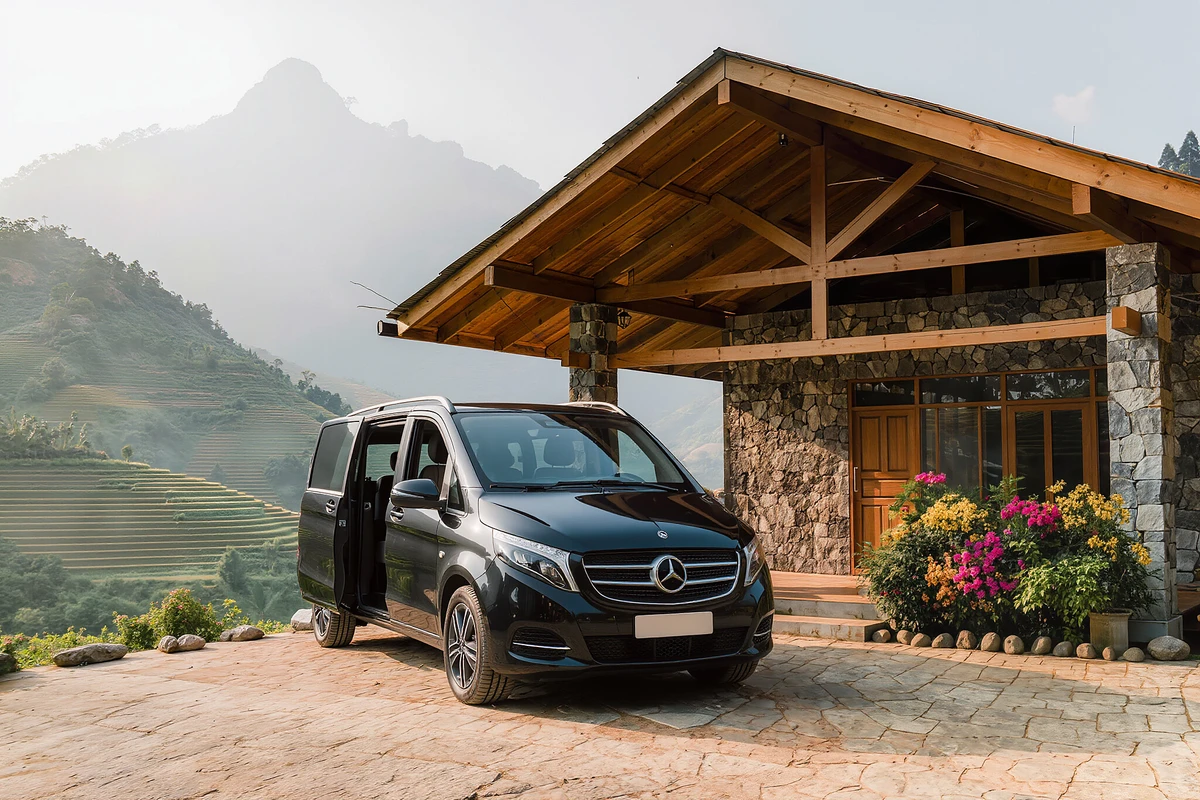
Sapa town is small but steep, and taxis are easy to find for short trips. The villages, viewpoints and waterfalls are spread along narrow mountain roads, so a private car with driver arranged by our team is the most comfortable way to see them, with a local guide who knows the valleys and the best photo stops.
Local etiquette tip
Sapa's villages are people's homes, so ask before taking photographs, especially of children and elders, and do not enter houses without being invited. Buy handicrafts directly from makers when you can, and decline sellers with a polite smile. Dress modestly in villages and temples. Tipping guides and drivers is appreciated but not obligatory.
Must-do things in Sapa
- Ride the cable car to the summit of Fansipan
- See the rice terraces of the Muong Hoa valley
- Visit the Hmong village of Cat Cat and its waterfall
- Meet local families in Lao Chai and Ta Van
- Drive over the O Quy Ho Pass
- See the Silver Waterfall and the Love Waterfall
- Visit the colourful Bac Ha Sunday market
- Watch indigo dyeing and weaving in a village workshop
- See the old stone church in the town centre
- Watch the mist roll over the valley at sunrise
Do’s and don’ts in Sapa
Do
- Do pack warm layers, even in summer
- Do ask before photographing people
- Do wear shoes with a good grip
- Do carry cash for villages and markets
- Do plan Fansipan for a clear morning
Don’t
- Don't give sweets or money to children
- Don't enter homes without an invitation
- Don't walk on the edges of rice terraces
- Don't drive the mountain roads yourself at night
- Don't rush Sapa as a single day trip
Sapa at a glance
Plan Sapa with Haqqi Tours
Every option is confirmed by our team on WhatsApp before you pay, and delivered by our own people or by trusted local partners we work with in every city. Because we send travellers from all over the world, our partners give us special rates and priority, so you always receive the best. Prices are per person unless marked per vehicle.
About Haqqi Tours: About us Contact us Legal NoticePrivacy PolicyCookies & Marketing PreferencesTerms & ConditionsBooking, Payment & Refunds
More services in Sapa
Good to know
Frequently Asked Questions
Straight answers to what travellers ask most about Sapa.
Where should first-time visitors stay in Sapa?
First-time visitors usually stay in Sapa town centre, close to the Fansipan funicular, restaurants and Cat Cat village, ideally in a room with a valley view. For a quieter stay among the rice terraces, lodges along the Muong Hoa valley road are lovely. Our team can suggest a hotel in any area and arrange your private transfer from Hanoi or Lao Cai.
Can Sapa be done as a day trip from Hanoi, or does it need an overnight stay?
A day trip from Hanoi is not practical, as the drive takes five to six hours each way. Sapa needs at least two nights, or one night plus the overnight train, to enjoy Fansipan, the Muong Hoa valley and the villages at a comfortable pace. We arrange train tickets, private transfers and two-day trips from Hanoi.
What is the dress code and etiquette in Sapa?
Wear comfortable, modest clothes and warm layers, as mountain weather changes quickly. In villages, ask before taking photographs, do not enter homes uninvited and avoid giving sweets or money to children. Remove shoes in pagodas and temples where others do. Our guides explain local customs and help you meet families respectfully.
Is Sapa tourist friendly, and is halal food available?
Yes. Sapa welcomes visitors from all over the world, and hotels and guides are used to many nationalities. Halal-certified food is very limited in Sapa, but rice, vegetables, eggs and locally farmed trout and salmon are easy to find, and many restaurants prepare vegetarian dishes. The nearest mosques are in Hanoi. We can advise on suitable places to eat.
Is it safe to travel to Sapa now?
Sapa is generally considered safe, with a peaceful local community. The main care points are steep, slippery paths, mountain roads in fog or heavy rain, and landslides that can occur in the rainy season. Follow your guide's advice and keep plans flexible. Before departure, check your own government's official travel advice and keep our WhatsApp line handy.
What are the must-do things in Sapa?
The must-do things in Sapa include the Fansipan cable car, the rice terraces of the Muong Hoa valley, the villages of Cat Cat, Lao Chai and Ta Van, the O Quy Ho Pass and its waterfalls, and the Bac Ha Sunday market. Our private tours by vehicle combine these at a comfortable mountain pace.
How many days do you need in Sapa?
Two or three days is ideal for Sapa: one for Fansipan, one for the Muong Hoa valley and its villages, and a third for the O Quy Ho Pass or Bac Ha market. Two days cover the highlights at a quicker rhythm, while four days allow a slower stay among the terraces.
What can I book in Sapa with Haqqi Tours?
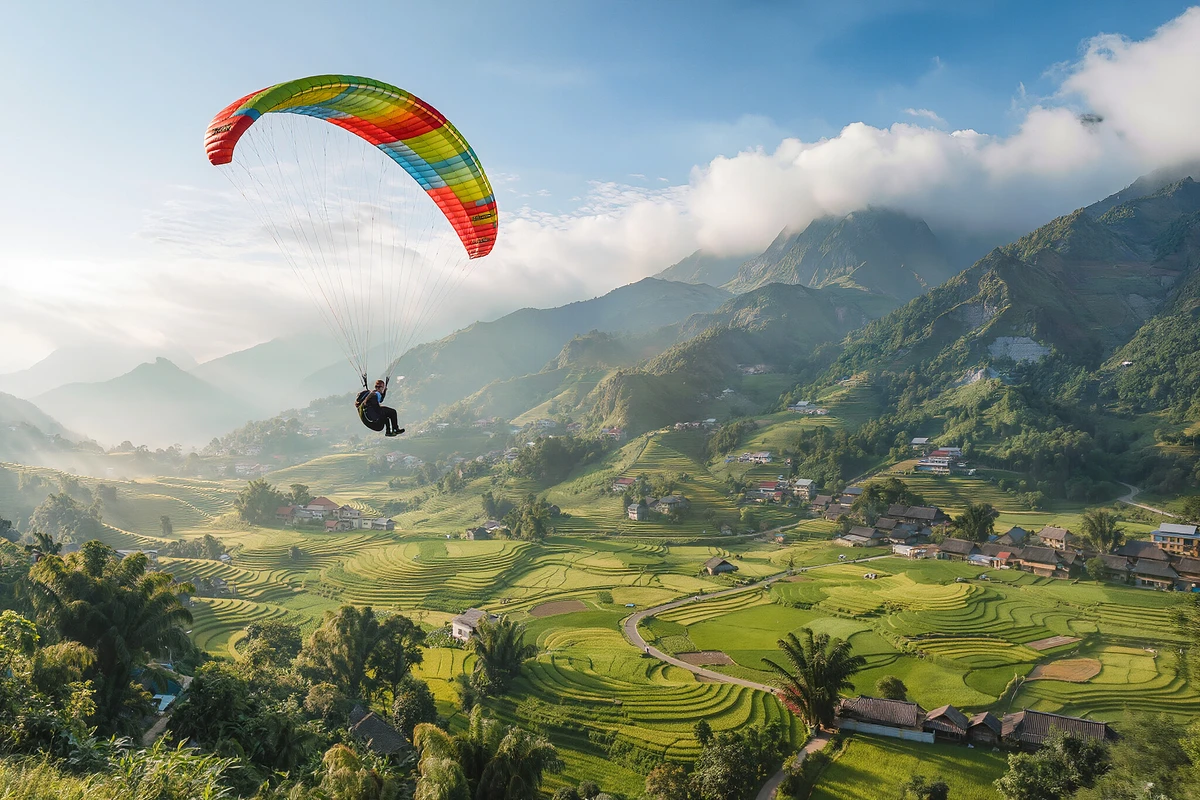
Day tours, private airport transfers and train tickets, including Sapa Paragliding Flight over Muong Hoa Valley, Cat Cat Village, Moana and Fansipan Cable Car Tour, Sapa and Private Sapa Highlights Day Tour with Lunch. Each has its own page, and the WhatsApp desk combines any of them into one plan with one written price.
How do I get from the airport to my hotel in Sapa?
With a private transfer: a driver at arrivals, flight tracking and a fixed price for the whole vehicle, door to door. Tell the desk the flight number and the hotel.
Is there public transport from the airport to Sapa?
The expressway from Hanoi reaches Sapa in about five to six hours, and overnight sleeper trains run from Hanoi to Lao Cai in about eight hours, followed by an hour's drive up the mountain. Local buses are few and the roads are winding, so a private car is the most comfortable way up and down the mountain and around the valleys. With luggage, a family or a late flight, the private car is the simpler choice.
Which tours are available in Sapa?
Among them: Sapa Paragliding Flight over Muong Hoa Valley, Cat Cat Village, Moana and Fansipan Cable Car Tour, Sapa, Private Sapa Highlights Day Tour with Lunch, Bac Ha Sunday Market Day Trip from Sapa and Fansipan Cable Car Half-Day Tour, Sapa. Each page says whether the day is private or small-group, what it includes and how long it lasts.
Are the tours private or in a group?
Both exist, and each tour page says which. A private tour has a vehicle and guide for your party alone; the desk can make most group tours private on request.
How do I book?
Fill in the form on any page or message us on WhatsApp with the date, the number of travellers and the hotel. A member of our team confirms the price and the details in writing within minutes.
Are the prices fixed?
Yes - every price is agreed in writing on WhatsApp before you travel and does not change on the day.
Do the drivers and guides speak Arabic or English?
It depends on the city and the day, so we do not promise a particular language; tell us your preference and we do our best. The WhatsApp desk always works in Arabic and English.
Can I change or cancel a booking in Sapa?
Yes, in the same WhatsApp conversation. The terms depend on the product and on how close to the date the change comes; the desk states them before you pay.