
Mbabane
Plan Mbabane with Haqqi Tours: day tours, private airport transfers, attraction tickets and packages, run by our own team and confirmed on WhatsApp in Arabic or English.
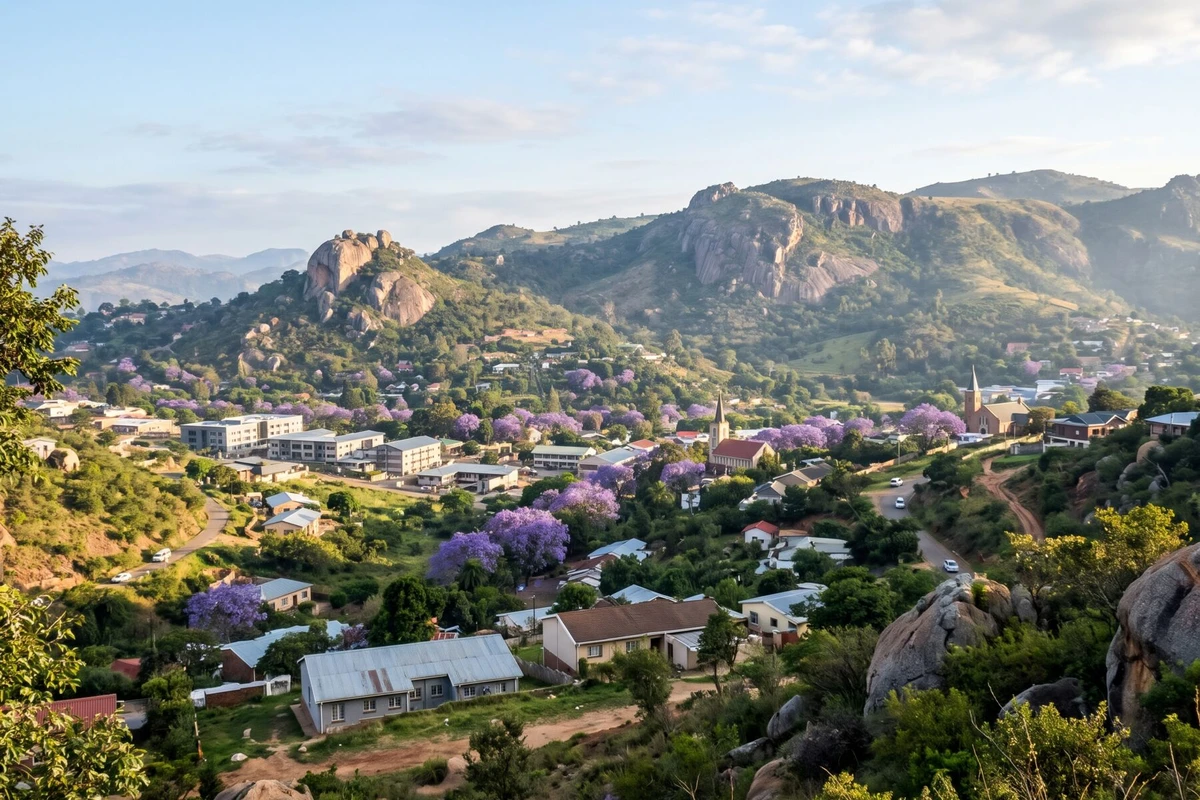
Morning in Mbabane often begins in mist. Clouds drift low over the pine-covered hills, the streets of the centre fill with commuters and street vendors setting out avocados and roasted mealies, and then the sun breaks through to reveal the great granite dome of Sibebe Rock rising above the valley to the north-east. From the edge of town, the road twists down the escarpment into the green Ezulwini Valley, with the mountains folding away towards the horizon.
Nothing matches those filters yet. Widen your search or message us on WhatsApp.
Mbabane Day Tours
View all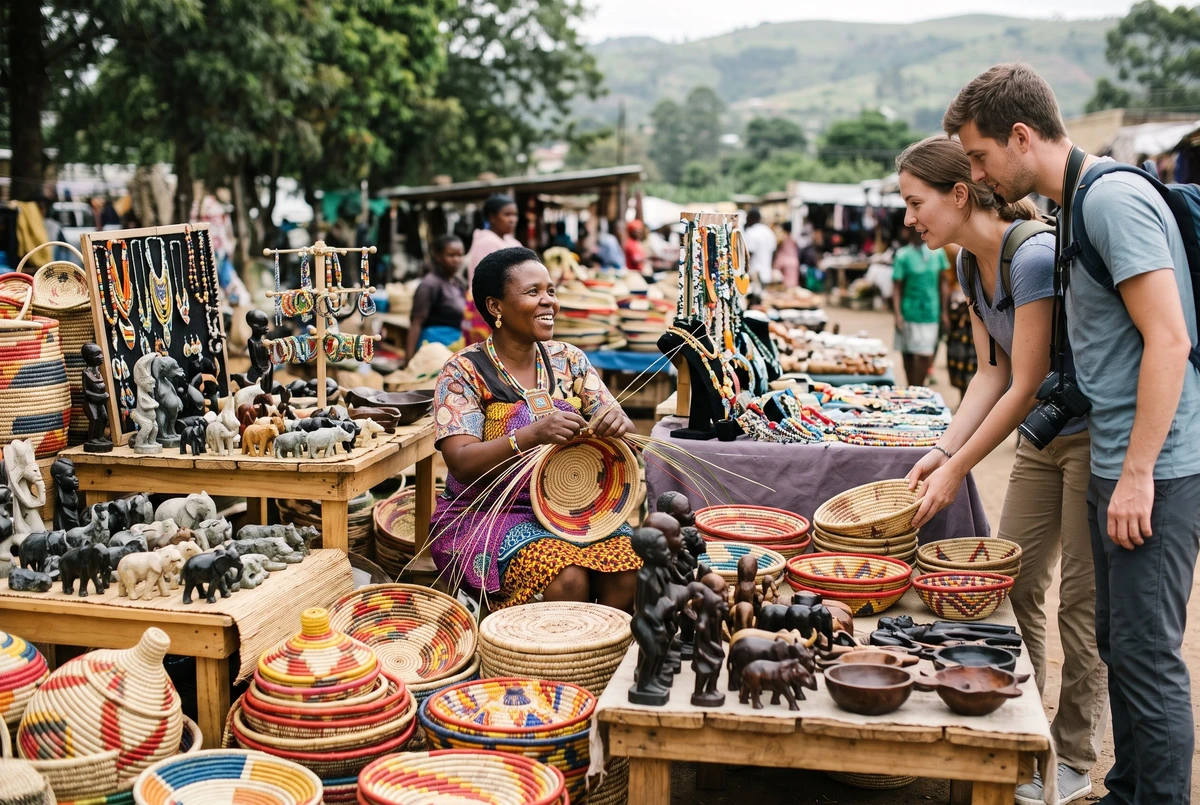
Mbabane at first sight
Mbabane is the capital of Eswatini, a small, friendly hill city in the Hhohho region at about twelve hundred metres. It grew in the late nineteenth century around a trading post and the administrative offices of the protectorate, and today it is the seat of government, with Lobamba, the royal and legislative capital, a short drive down the valley. Compact and relaxed, it is the perfect base for culture, waterfalls and gentle highland walks.
Why include Mbabane in your itinerary?
- A cool, green highland capital. Mbabane's mild climate, hillside streets and views of Sibebe Rock make it a pleasant base, especially in the hot summer months when the lowveld swelters.
- Living Swazi culture close by. The cultural village in the Ezulwini Valley, with its beehive huts and dance performances, is only about twenty minutes away.
- Waterfalls, wildlife and crafts within easy reach. The Mantenga Falls, Mlilwane Wildlife Sanctuary and the craft centres of the Malkerns Valley are all less than an hour away.
Signature experiences in Mbabane
The Cultural Village in the Ezulwini Valley
In the Mantenga Nature Reserve, a traditional Swazi village of beehive huts woven from grass and reeds recreates the way of life of the nineteenth century, with cattle kraals, cooking huts and separate living spaces for each part of the family. Guides explain customs, crafts and the role of the elders, and the daily dance performance, with drums, singing and dancers in bright cloth and cowhide, is one of the most joyful experiences in the country.
The Mantenga Falls
A short walk through the forest from the cultural village leads to the Mantenga Falls, where the Little Usutu River tumbles over a broad granite face into a rocky pool below the cliffs. After the summer rains the falls are at their most powerful, while in winter they are calmer and easier to approach. The reserve's paths also offer chances to see birds, monkeys and small antelope, and our guides combine the falls easily with a city tour.
Mbabane City Tour and Markets
A guided tour of Mbabane introduces the capital's hillside centre, its government quarter, churches and the busy streets around Gwamile Street, with stops at the central market, where stalls sell fresh produce, baskets, carved wood and colourful fabrics. Viewpoints around the city look out over the valleys and towards Sibebe Rock, and your guide explains the history of the kingdom, its regions and the traditions that shape everyday life.
Sibebe Rock
About ten kilometres north-east of Mbabane, Sibebe Rock is a vast dome of bare granite rising high above the Mbuluzi valley, among the largest exposed granite domes in the world. Guided hikes climb its slopes past boulders, grassland and ancient rock formations to the summit, where the views stretch over the highlands. The walk takes a few hours and is best in the cool, dry months, with sturdy shoes and plenty of water.
Mlilwane, Lobamba and the Malkerns Valley
In the Ezulwini Valley, Mlilwane Wildlife Sanctuary lets you walk, cycle or ride among zebra, wildebeest, antelope and warthogs, with hippos and crocodiles in the lake. Nearby, the National Museum at Lobamba tells the story of the Swazi nation beside the parliament buildings, and a little further south the Malkerns Valley is known for its craft centres, where you can watch weavers making baskets and buy handmade candles, glass and textiles.
Neighbourhoods and quarters to know in Mbabane
The City Centre
The compact centre around Gwamile Street, the shopping plazas and the government offices is convenient for business travellers and short stays, with banks, supermarkets and the central market within walking distance. It is busy by day and quiet in the evening, and taxis or a driver are useful after dark.
Pine Valley and the Road to Sibebe
North-east of the centre, the green Pine Valley follows the Mbuluzi river beneath forested hills, with quiet guesthouses, lodges and trails towards Sibebe Rock. It suits nature lovers and hikers who want peace and fresh air, a short drive from the city.
The Ezulwini Valley
Between Mbabane and Lobamba, the Ezulwini Valley holds most of the country's hotels and resorts, along with the cultural village, the Mantenga Falls, Mlilwane and restaurants. It is the most popular base for visitors, about fifteen to twenty minutes from the capital.
The Malkerns Valley
South of Ezulwini, the Malkerns Valley is a gentle farming area of fields, craft centres and country lodges. It suits families and couples who prefer a rural setting, about thirty to forty minutes from Mbabane and close to Mlilwane.
How long to stay in Mbabane and how to pair it
Recommended stay
We recommend two to three nights in Mbabane or the Ezulwini Valley. One day for the city tour and the cultural village with the Mantenga Falls, a second for Mlilwane, the National Museum at Lobamba and the Malkerns Valley, and a third for a hike on Sibebe Rock or in Malolotja Nature Reserve. With more time, add a night in the lowveld for rhinos and other wildlife.
How to pair it
Mbabane pairs naturally with the Ezulwini and Malkerns valleys just down the road, and with Manzini, the country's busy commercial city, about forty minutes away. Malolotja Nature Reserve and the Ngwenya hills lie north-west near the border, while Hlane Royal National Park and Mkhaya in the eastern lowveld are around two hours by road. Private transfers between them are arranged by our team.
Best time to visit Mbabane and the rhythm of the day
Best months
The best time to visit Mbabane is May to September, the dry winter, with sunny days, clear views and cool or cold nights; late August or early September usually brings the Umhlanga Reed Dance at nearby Ludzidzini. April and October are mild and pleasant. December to March is the rainy summer, with frequent mist and afternoon storms in the highlands, the greenest scenery and the fullest waterfalls.
The daily rhythm
Mbabane starts early, with markets and offices busy from the morning. Mornings are ideal for cultural visits, when the dance performances and village tours are lively, and for hikes before the afternoon clouds. The middle of the day suits the waterfalls and the museum, and in the late afternoon the city quietens as people head out to the valleys, with dinner in the Ezulwini Valley.
On-the-ground logistics in Mbabane
Arrival
Eswatini's international airport at Sikhuphe (SHO) lies in the east of the country, about one and a half hours by road from Mbabane, with flights mainly from Johannesburg. Many visitors fly into Johannesburg airport (JNB) and drive about four hours via the Oshoek border post, which is only about twenty minutes from Mbabane, or come from Maputo in Mozambique. We arrange private transfers that meet you at arrivals and drive you directly to your hotel.
Getting around
Mbabane's centre is small and walkable by day, though the streets are hilly. Minibus taxis link the capital with the Ezulwini Valley and Manzini, but they are crowded and informal, and metered taxis are few. For the cultural village, the waterfalls, Mlilwane, Sibebe Rock and the lowveld parks, a private car with driver arranged by our team is the most comfortable and safest choice, especially after dark.
Local etiquette tip
Emaswati are warm and courteous, and a greeting of sawubona with a smile opens every conversation. Respect elders, give and receive with the right hand or both hands, and dress modestly in villages and at cultural events. Always ask before photographing people, and follow instructions at royal sites, where photography is often restricted. Tipping guides, drivers and the dancers' collection boxes for good service is customary and appreciated.
Must-do things in Mbabane
- Visit the beehive huts of the cultural village in Ezulwini
- Watch a traditional Swazi dance performance
- Walk through the forest to the Mantenga Falls
- Explore the central market and streets of Mbabane
- Hike to the summit of Sibebe Rock
- Cycle among zebra at Mlilwane Wildlife Sanctuary
- Learn the story of the nation at the National Museum
- Watch weavers at work in the Malkerns Valley
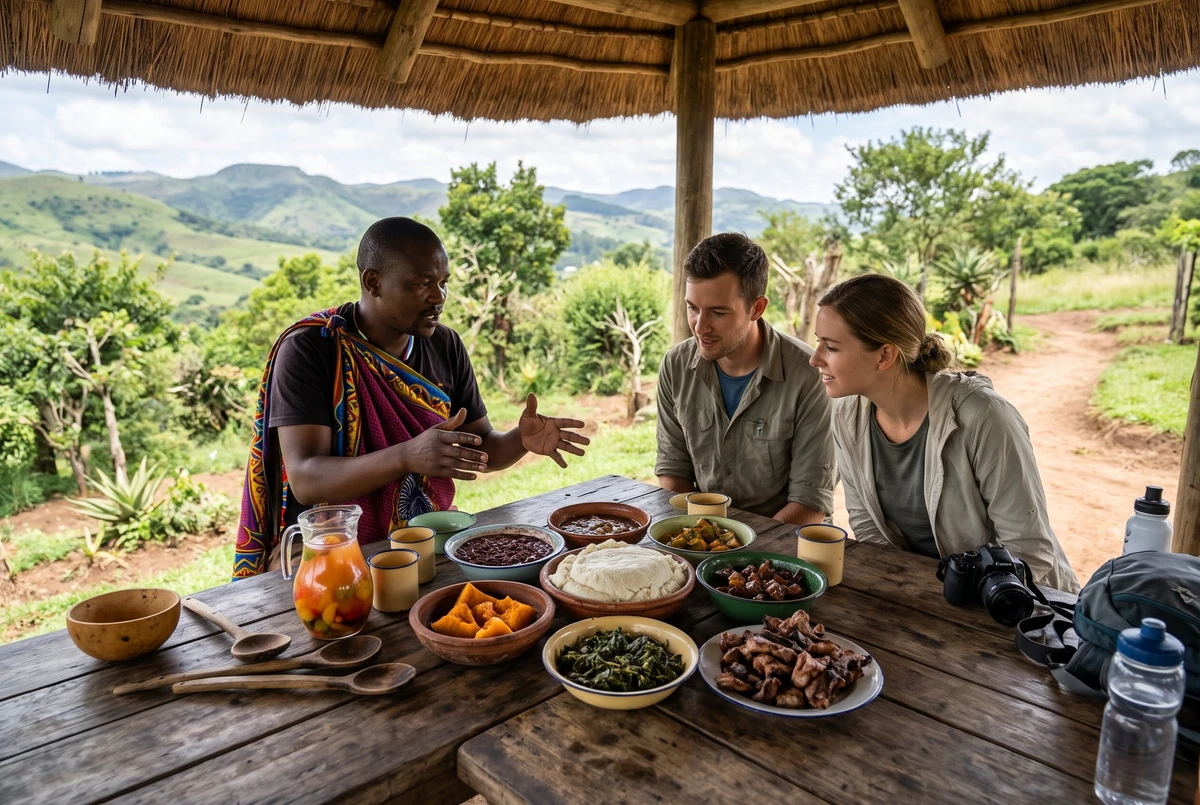
- Taste emasi, sishwala and roasted mealies
- Hike the gorges of Malolotja Nature Reserve
Do’s and don’ts in Mbabane
Do
- Do greet people with sawubona and a smile
- Do carry small notes in emalangeni or rand
- Do pack warm layers for misty evenings
- Do ask before photographing people
- Do wear sturdy shoes for falls and trails
Don’t
- Don't photograph royal sites without permission
- Don't walk alone in the centre after dark
- Don't swim below the falls after heavy rain
- Don't drive rural roads at night
- Don't rush the cultural village visit
Mbabane at a glance
Plan Mbabane with Haqqi Tours
Every option is confirmed by our team on WhatsApp before you pay, and delivered by our own people or by trusted local partners we work with in every city. Because we send travellers from all over the world, our partners give us special rates and priority, so you always receive the best. Prices are per person unless marked per vehicle.
About Haqqi Tours: About us Contact us Legal NoticePrivacy PolicyCookies & Marketing PreferencesTerms & ConditionsBooking, Payment & Refunds
More services in Mbabane
Good to know
Frequently Asked Questions
Straight answers to what travellers ask most about Mbabane.
Where should I stay in Mbabane?
Many visitors stay in the Ezulwini Valley, about fifteen to twenty minutes from Mbabane, close to the cultural village, the Mantenga Falls and Mlilwane. The city centre suits short stays and business travellers, Pine Valley offers quiet lodges near Sibebe Rock, and the Malkerns Valley has peaceful country stays. Our team suggests the best area for your plans and arranges your private transfer.
Is the cultural village worth visiting from Mbabane?
Yes. The cultural village in the Ezulwini Valley is only about twenty minutes from Mbabane and offers a warm, authentic introduction to Swazi traditions, with guided tours of the beehive huts and a lively dance performance. Combined with the walk to the Mantenga Falls and a city tour, it makes a rewarding full day, and we arrange it with a private guide and driver.
What is the dress code and etiquette in Mbabane?
Dress in Mbabane is casual and practical, with a warm layer for cool mornings and evenings and sturdy shoes for trails. Modest clothing is respectful in villages and at cultural events. Greet people before asking questions, ask before taking photographs, respect elders and follow your guide's advice at royal sites and ceremonies.
Is Mbabane suitable for families and Muslim travellers?
Yes. Mbabane and the Ezulwini Valley are relaxed and family-friendly, with cultural shows, easy waterfall walks and wildlife at Mlilwane. Halal food is limited, but Mbabane and Manzini have small Muslim communities with mosques, and a few shops offer halal meat; vegetarian dishes, fish and fresh fruit are easy to find. Our team can advise on suitable restaurants.
Is it safe to travel to Mbabane now?
Mbabane is generally calm and friendly for travellers. Take normal care with belongings, avoid walking alone after dark, and use licensed guides and drivers rather than informal minibus taxis at night. Check your own government's official travel advice before departure, and keep our WhatsApp line handy throughout your stay.
What are the must-do things in Mbabane?
The must-do things in Mbabane include a city tour and the central market, the cultural village and its dance performance in the Ezulwini Valley, the Mantenga Falls, a hike on Sibebe Rock, Mlilwane Wildlife Sanctuary, the National Museum at Lobamba and the craft centres of the Malkerns Valley. Our private tours combine these in the best order and timing.
How many days do you need in Mbabane?
Two to three days is ideal for Mbabane and the valleys: one for the city tour, the cultural village and the Mantenga Falls, one for Mlilwane, Lobamba and the Malkerns Valley, and one for Sibebe Rock or Malolotja. One full day covers the city and the cultural village with the falls, while four days allow a trip to the lowveld parks.
What can I book in Mbabane with Haqqi Tours?
Day tours, including Eswatini Cultural Village, City Tour and Waterfall Tour and Mbabane City Tour. Each has its own page, and the WhatsApp desk combines any of them into one plan with one written price.
How do I get from the airport to my hotel in Mbabane?
With a private transfer: a driver at arrivals, flight tracking and a fixed price for the whole vehicle, door to door. Tell the desk the flight number and the hotel.
Is there public transport from the airport to Mbabane?
Public options vary by airport and end at a station rather than your hotel; the private transfer starts at the arrivals door and ends at your door.
Which tours are available in Mbabane?
Among them: Eswatini Cultural Village, City Tour and Waterfall Tour and Mbabane City Tour. Each page says whether the day is private or small-group, what it includes and how long it lasts.
Are the tours private or in a group?
Both exist, and each tour page says which. A private tour has a vehicle and guide for your party alone; the desk can make most group tours private on request.
How do I book?
Fill in the form on any page or message us on WhatsApp with the date, the number of travellers and the hotel. A member of our team confirms the price and the details in writing within minutes.
Are the prices fixed?
Yes - every price is agreed in writing on WhatsApp before you travel and does not change on the day.
Do the drivers and guides speak Arabic or English?
It depends on the city and the day, so we do not promise a particular language; tell us your preference and we do our best. The WhatsApp desk always works in Arabic and English.
Can I change or cancel a booking in Mbabane?
Yes, in the same WhatsApp conversation. The terms depend on the product and on how close to the date the change comes; the desk states them before you pay.