
Puno
Plan Puno with Haqqi Tours: day tours, private airport transfers, attraction tickets and packages, run by our own team and confirmed on WhatsApp in Arabic or English.
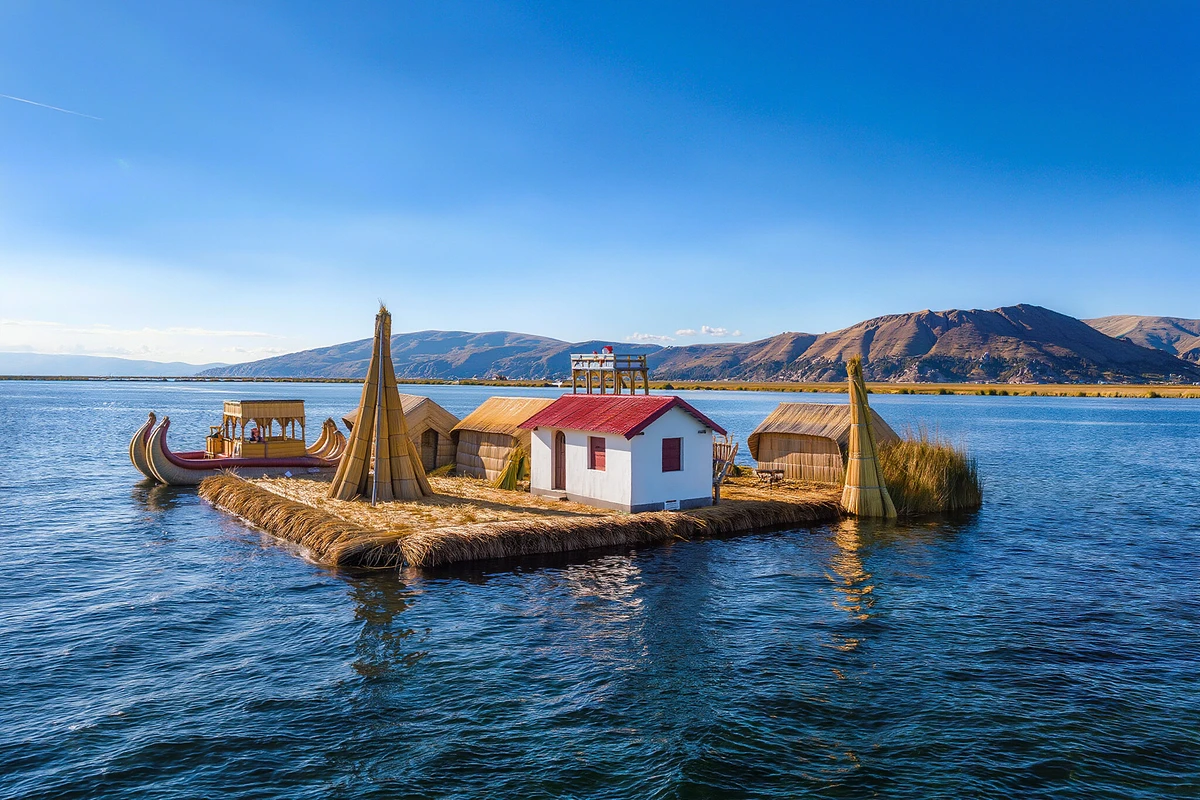
At dawn in Puno, Lake Titicaca lies still beneath an enormous sky, its water a deep blue that seems almost unreal at this height. Reed boats with curved prows drift near the shore, the air is thin and cold, and the first sun touches the hills above the town, where women in bowler hats and layered skirts carry bundles to the market. Out on the lake, smoke rises from the floating islands of the Uros as another day begins.
Nothing matches those filters yet. Widen your search or message us on WhatsApp.
Puno Day Tours
View all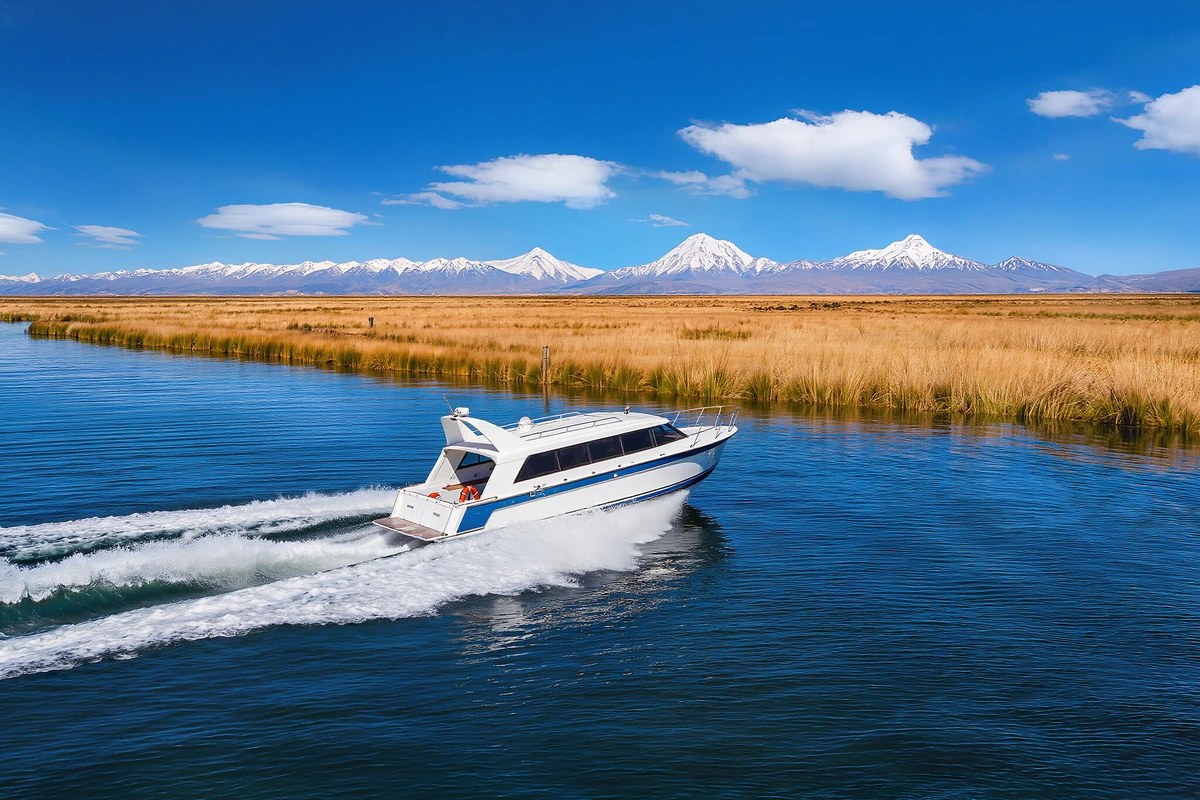
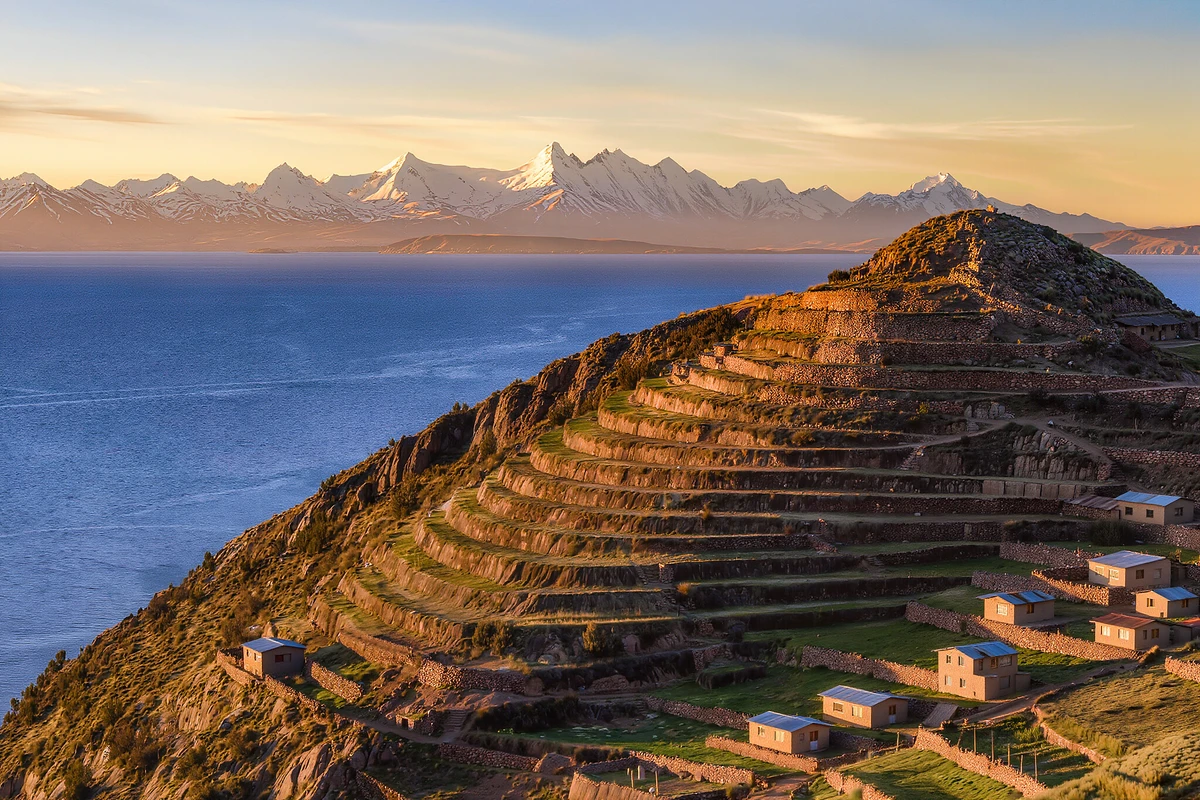
Puno at first sight
Puno sits at about three thousand eight hundred metres on the western shore of Lake Titicaca, the highest navigable lake in the world and a sacred place in Andean belief, said to be the birthplace of the Inca. Known as the folklore capital of Peru for its music, dances and festivals, it is the gateway to islands where Quechua and Aymara communities keep their language, dress and traditions alive.
Why include Puno in your itinerary?
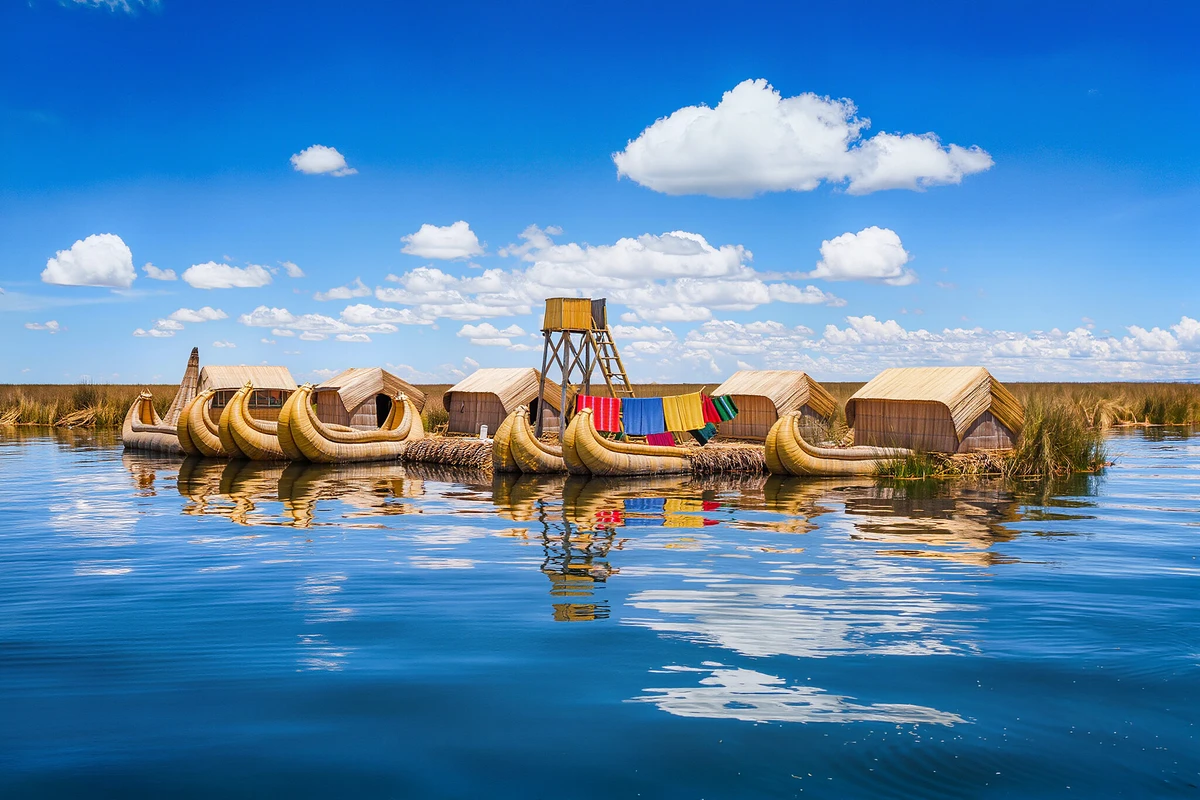
- The floating islands of the Uros. Just offshore, families live on islands woven entirely from totora reeds, which they constantly renew by hand, and welcome visitors to see how their islands, boats and houses are built, a way of life unlike any other on Earth.
- Island life on Taquile and Amantani. Further out on the lake, terraced islands without cars hold communities famous for their textiles and their hospitality. Spend a day among the knitting men of Taquile, or sleep in a family's house on Amantani and watch the sunset from a hilltop temple.
- A living Andean culture. Puno's festivals, above all the Candelaria in February, fill the streets with costumed dancers and bands, while the funerary towers of Sillustani and the high-plains road to Cusco reveal the deep history of the altiplano.
Signature experiences in Puno
The Uros Floating Islands
About twenty to thirty minutes by boat from Puno's port, the Uros islands float on beds of totora reed among the lake's reed beds. Islanders show how they cut, dry and layer the reeds, invite you into their small reed houses and offer a short ride in a traditional reed boat. Our half-day boat tours are an easy introduction to the lake, ideal on your first morning while you adjust to the altitude.
Uros and Taquile by Fast Boat
A full day on the lake combines the Uros with Taquile, an island of stone terraces and arches whose textile art is recognised by UNESCO. Here the men knit fine woollen hats and the community lives by ancient rules of cooperation. A fast boat cuts the journey to about an hour and a half, leaving time to climb to the main square and enjoy lake trout for lunch with views of the snowy Andes in Bolivia.
Two Days with Island Families
For a deeper experience, spend two days among the islands with a night on Amantani. You are welcomed by a local family, share simple meals of quinoa soup and potatoes, and climb at sunset to the hilltop temples of Pachatata and Pachamama, the Father Earth and Mother Earth shrines. Next morning, continue to Taquile. Our guided two-day trips include boats, meals and your family stay.
The Route of the Sun to Cusco
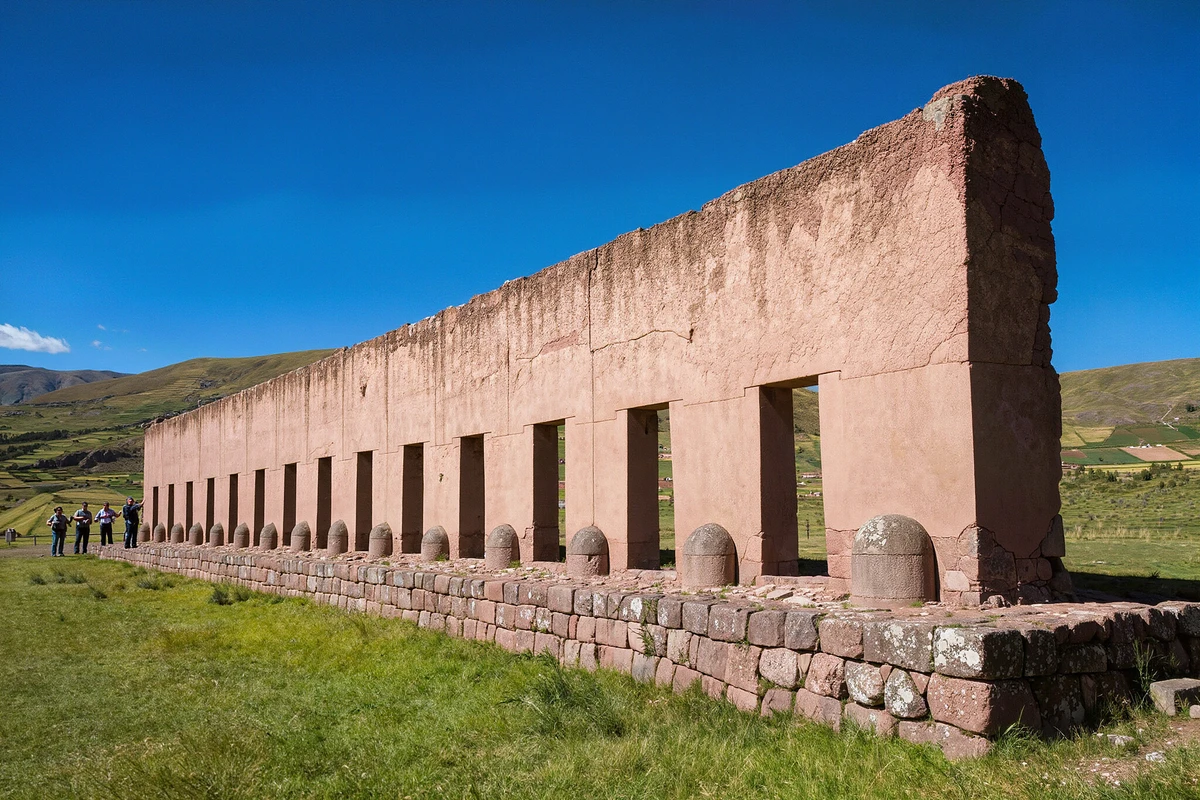
Rather than simply transferring to Cusco, travel the Route of the Sun, a full day across the high plains by tourist coach with a guide and a buffet lunch. Stops include the ancient site of Pukará, the La Raya pass above four thousand metres with its snowy peaks, the great Temple of Wiracocha at Raqchi and the painted colonial church of Andahuaylillas, arriving in Cusco by early evening.
The Towers of Sillustani
About forty-five minutes north of Puno, on a peninsula above Lake Umayo, stand the chullpas of Sillustani, tall stone burial towers built by the Colla people and later the Inca. The setting is wild and beautiful, especially in the late afternoon light, with the lake below and the altiplano stretching away. Our team arranges a half-day visit with a private car and guide.
Neighbourhoods and quarters to know in Puno
Plaza de Armas and Jirón Lima
The town centre around the Plaza de Armas and its stone cathedral is the most convenient base, with the pedestrian street of Jirón Lima lined with cafés, restaurants and craft shops. Everything is within a short walk, though the streets slope uphill and the altitude makes you slow down. It is lively in the evening and generally safe in the main streets.
The Lakeshore
North of the centre, several larger hotels sit right on the lakeshore or on Esteves Island, linked to the mainland by a short causeway, with wide views over the water and the reed beds. It is quiet and comfortable, ideal for watching sunrise over the lake, and about ten minutes by taxi from the Plaza de Armas and the port.
Chucuito
About twenty-five minutes south along the lakeshore, the old colonial village of Chucuito has two stone churches, a peaceful square and a few quiet lakeside lodges. It suits travellers who want calm, open views and a rural feel, while remaining a short drive from Puno's port for the island trips.
The Islands
On Amantani and Taquile there are no hotels in the usual sense; instead, island families host visitors in simple rooms within their own houses. Electricity and hot water are limited, nights are very cold and meals are shared with the family. It is a humble but unforgettable way to experience the lake, best arranged as part of our guided trips.
How long to stay in Puno and how to pair it
Recommended stay
We recommend two to three nights in Puno. One day for the Uros and Taquile, half a day for Sillustani and the town, and if possible a night with a family on Amantani. If you arrive directly from sea level, add a quiet first day to adjust to the altitude, or come via Arequipa or Cusco first.
How to pair it
Puno pairs naturally with Cusco, reached by the full-day Route of the Sun, a scenic tourist train or about six to seven hours on a direct road, and with Arequipa, about six hours by road. A seven-day route links Arequipa, Puno and Cusco. In ten days, add the Sacred Valley and Machu Picchu. A fourteen-day journey can begin in Lima and Paracas before climbing to the Andes.
Best time to visit Puno and the rhythm of the day
Best months
The best time to visit Puno is the dry season from May to October, with clear skies, brilliant sunshine and calm boat trips, though nights are bitterly cold and often below freezing in June and July. From November to April the rainy season brings afternoon showers, greener hills and milder nights. Early February is the Fiesta de la Candelaria, when the whole town fills with costumed dancers and music.
The daily rhythm
Puno's day follows the sun. Boats leave the port in the early morning, when the lake is calm and the light is clear, and return by mid-afternoon. The midday sun is strong, but the moment it sets the temperature drops sharply, so evenings are spent indoors over hot soup and herbal tea in the cafés of Jirón Lima. Nights are quiet, and early bedtimes help the body adjust.
On-the-ground logistics in Puno
Arrival
Puno's nearest airport is Inca Manco Cápac International Airport (JUL) in Juliaca, about forty-five minutes to an hour by road, with direct flights from Lima. Long-distance buses from Arequipa and Cusco arrive at the bus terminal near the lake, and a scenic tourist train links Cusco with Puno's station. Our private transfers meet you at Juliaca airport, the bus terminal or the train station and take you to your hotel.
Getting around
The centre is compact and walkable, but streets climb steeply and the altitude makes every step harder, so take it slowly. Taxis and pedal tricycle taxis are cheap and handy for short rides to the port. Boats from the port serve the islands, and for Sillustani or Chucuito a private car with driver arranged by our team is the most comfortable choice.
Local etiquette tip
Puno and its islands are deeply traditional. Greet people with a smile, dress warmly and modestly, and ask before taking photographs, as some islanders prefer not to be photographed. On family stays, bring practical gifts such as fruit, rice or school supplies rather than sweets. Halal restaurants are not found in Puno, but lake trout, quinoa dishes and vegetable soups are easy alternatives, and our team can advise.
Must-do things in Puno
- Step onto the springy reed ground of the Uros floating islands
- Ride a traditional totora reed boat on Lake Titicaca
- Watch the men of Taquile knitting in the island's main square
- Spend a night with a local family on Amantani Island
- Watch the sunset from the hilltop temple of Pachatata on Amantani
- See the stone burial towers of Sillustani above Lake Umayo
- Climb to the Kuntur Wasi viewpoint for a view over the town and lake
- Taste fresh lake trout with quinoa in a Puno restaurant
- Join the music and dance of the Candelaria festival in February
- Travel the Route of the Sun across the high plains to Cusco
Do’s and don’ts in Puno
Do
- Do rest on your first afternoon and walk slowly at this altitude
- Do drink plenty of water and warm herbal teas
- Do pack thermal layers, a hat and gloves for nights and boat rides
- Do wear strong sunscreen and sunglasses on the lake
- Do carry small change to buy crafts directly from island families
Don’t
- Don't rush, run or plan strenuous climbs on your first day
- Don't hand out sweets to children on the islands
- Don't photograph islanders without asking first
- Don't expect heating or constant hot water on the islands
- Don't drink tap water; use bottled or boiled water
Puno at a glance
Plan Puno with Haqqi Tours
Every option is confirmed by our team on WhatsApp before you pay, and delivered by our own people or by trusted local partners we work with in every city. Because we send travellers from all over the world, our partners give us special rates and priority, so you always receive the best. Prices are per person unless marked per vehicle.
About Haqqi Tours: About us Contact us Legal NoticePrivacy PolicyCookies & Marketing PreferencesTerms & ConditionsBooking, Payment & Refunds
More services in Puno
Where we operate in Peru
Good to know
Frequently Asked Questions
Straight answers to what travellers ask most about Puno.
Where should first-time visitors stay in Puno?
First-time visitors usually stay in the centre, near the Plaza de Armas and Jirón Lima, close to restaurants and a short ride from the port. For lake views and quiet, the lakeshore hotels north of town are lovely, and Chucuito suits those wanting a rural feel. Our team can suggest a hotel and arrange your private transfer from Juliaca airport.
Can Lake Titicaca be seen in a day from Puno, or does it need an overnight stay?
The Uros and Taquile can be visited in one full day from Puno by fast boat, and the Uros alone take only half a day. To really feel island life, a night with a family on Amantani is worth it. In any case, plan at least two nights in Puno to allow for the altitude. We arrange every option.
What is the dress code and etiquette in Puno?
Dress warmly in layers and modestly; Puno is traditional and cold. On the islands, follow your host family's lead, respect community rules and ask before photographing anyone. Gifts of food or school supplies are welcome on family stays, while handing out sweets is discouraged. Our guides explain local customs along the way.
Is Puno tourist friendly?
Yes. Puno has welcomed travellers to Lake Titicaca for generations, and boat crews, guides, hotels and island families are used to visitors from around the world. Facilities are simpler than in Cusco, especially on the islands, but people are warm and helpful. Exploring with our guided boat tours makes everything easier.
Is it safe to travel to Puno now?
Puno is generally considered safe for visitors, though the main health concern is altitude, so rest, drink water and go slowly. Use licensed taxis, keep valuables secure in markets and follow your guide's advice on the boats. Before departure, check your own government's official travel advice, and keep our WhatsApp line handy throughout your stay.
What are the must-do things in Puno?
The must-do things in Puno include the Uros floating islands, the textile island of Taquile, a night with a family on Amantani, the burial towers of Sillustani, the Kuntur Wasi viewpoint and, in February, the Candelaria festival. The Route of the Sun is the finest way to continue to Cusco. Our team combines these in the best order.
How many days do you need in Puno?
Two to three days is ideal for Puno: one for the Uros and Taquile, half a day for Sillustani and the town, and if possible a night on Amantani. One full day covers the floating islands at a quick rhythm, but extra time helps your body adjust to the altitude.
What can I book in Puno with Haqqi Tours?
Day tours, including Uros Floating Islands Half-Day Boat Tour from Puno, Uros, Amantani and Taquile Islands 2-Day Tour with Family Stay and Lake Titicaca Uros and Taquile Islands Speedboat Tour Puno. Each has its own page, and the WhatsApp desk combines any of them into one plan with one written price.
How do I get from the airport to my hotel in Puno?
With a private transfer: a driver at arrivals, flight tracking and a fixed price for the whole vehicle, door to door. Tell the desk the flight number and the hotel.
Is there public transport from the airport to Puno?
Public options vary by airport and end at a station rather than your hotel; the private transfer starts at the arrivals door and ends at your door.
Which tours are available in Puno?
Among them: Uros Floating Islands Half-Day Boat Tour from Puno, Uros, Amantani and Taquile Islands 2-Day Tour with Family Stay, Lake Titicaca Uros and Taquile Islands Speedboat Tour Puno and Route of the Sun Tour from Puno to Cusco with Lunch. Each page says whether the day is private or small-group, what it includes and how long it lasts.
Are the tours private or in a group?
Both exist, and each tour page says which. A private tour has a vehicle and guide for your party alone; the desk can make most group tours private on request.
How do I book?
Fill in the form on any page or message us on WhatsApp with the date, the number of travellers and the hotel. A member of our team confirms the price and the details in writing within minutes.
Are the prices fixed?
Yes - every price is agreed in writing on WhatsApp before you travel and does not change on the day.
Do the drivers and guides speak Arabic or English?
It depends on the city and the day, so we do not promise a particular language; tell us your preference and we do our best. The WhatsApp desk always works in Arabic and English.
Can I change or cancel a booking in Puno?
Yes, in the same WhatsApp conversation. The terms depend on the product and on how close to the date the change comes; the desk states them before you pay.