
Pula
Plan Pula with Haqqi Tours: day tours, private airport transfers, attraction tickets and packages, run by our own team and confirmed on WhatsApp in Arabic or English.
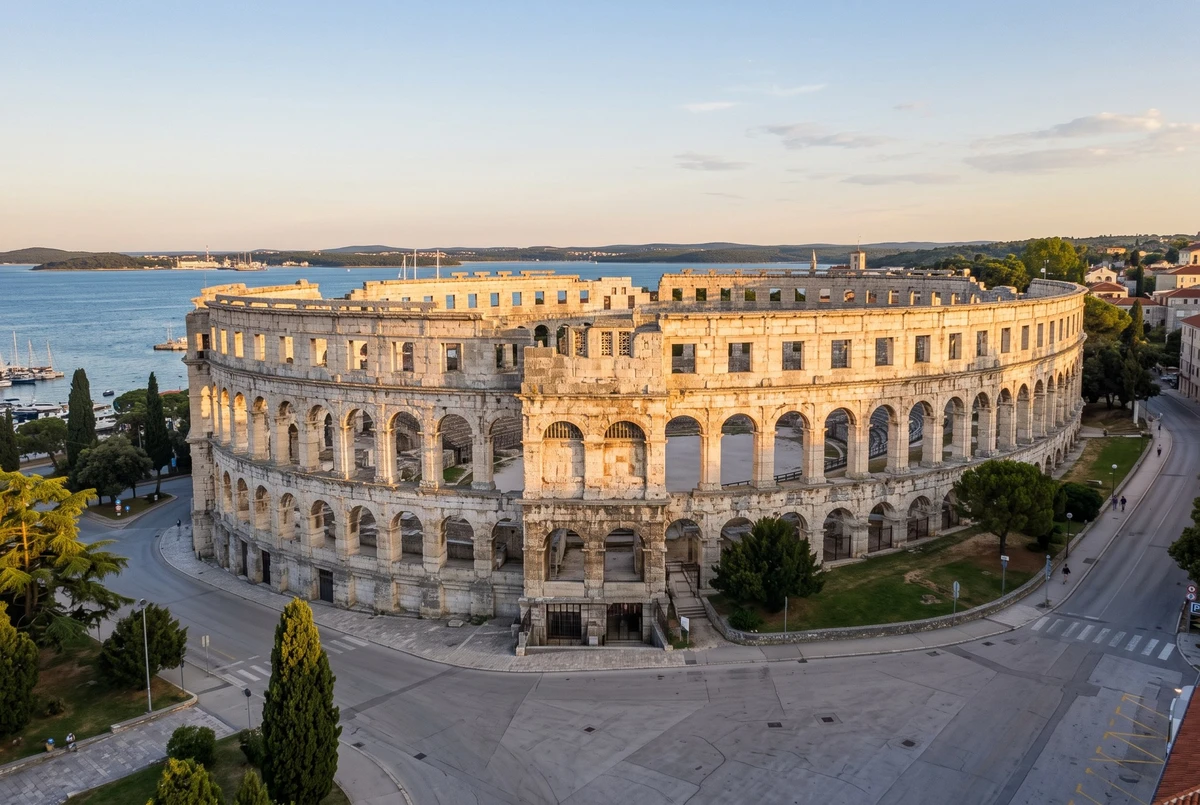
Step out of your hotel in Pula and a Roman amphitheatre fills the end of the street. Golden in the morning sun, its two tiers of limestone arches frame glimpses of the harbour cranes and the blue Adriatic beyond, while swallows dart through gaps that have stood open for two thousand years. The scent of grilled fish and fresh coffee drifts from the quayside cafés nearby. The whole scene feels wonderfully unhurried.
Nothing matches those filters yet. Widen your search or message us on WhatsApp.
Pula Day Tours
View all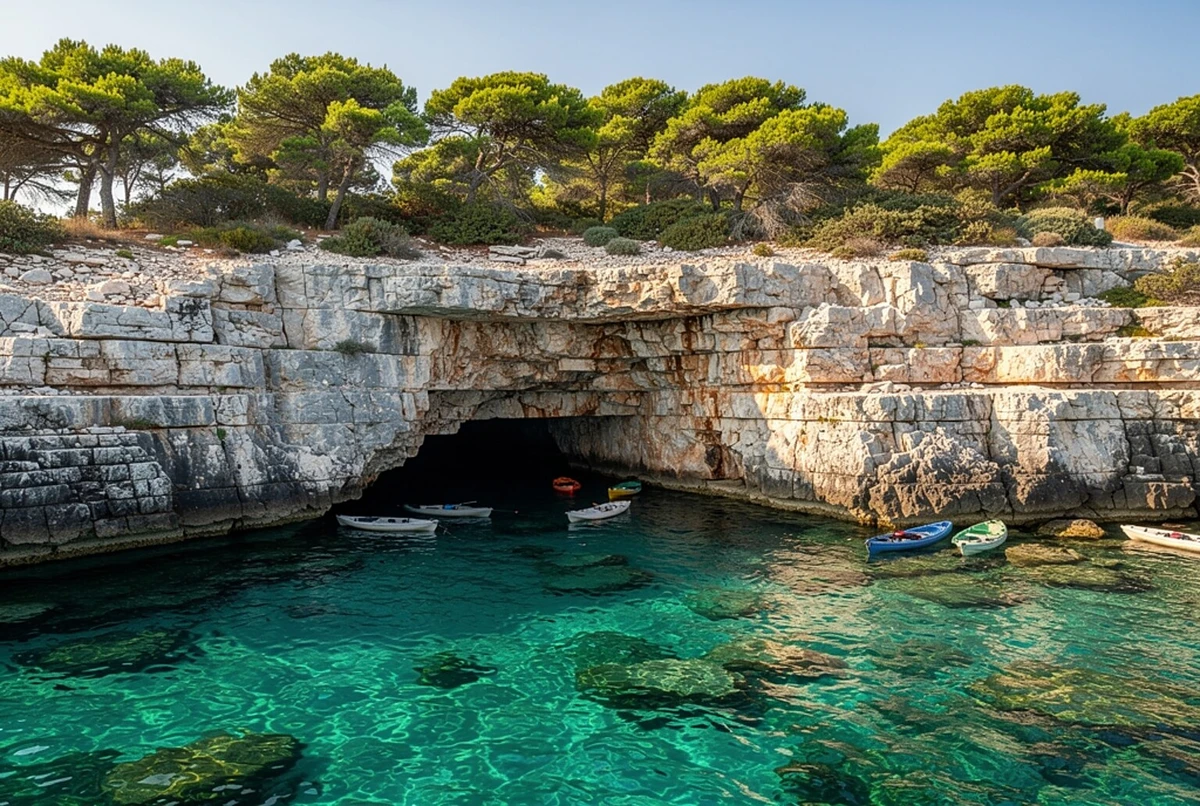
Pula Airport Transfers
View all



Pula Flight Tickets
View all
Pula Ferry Tickets
View all
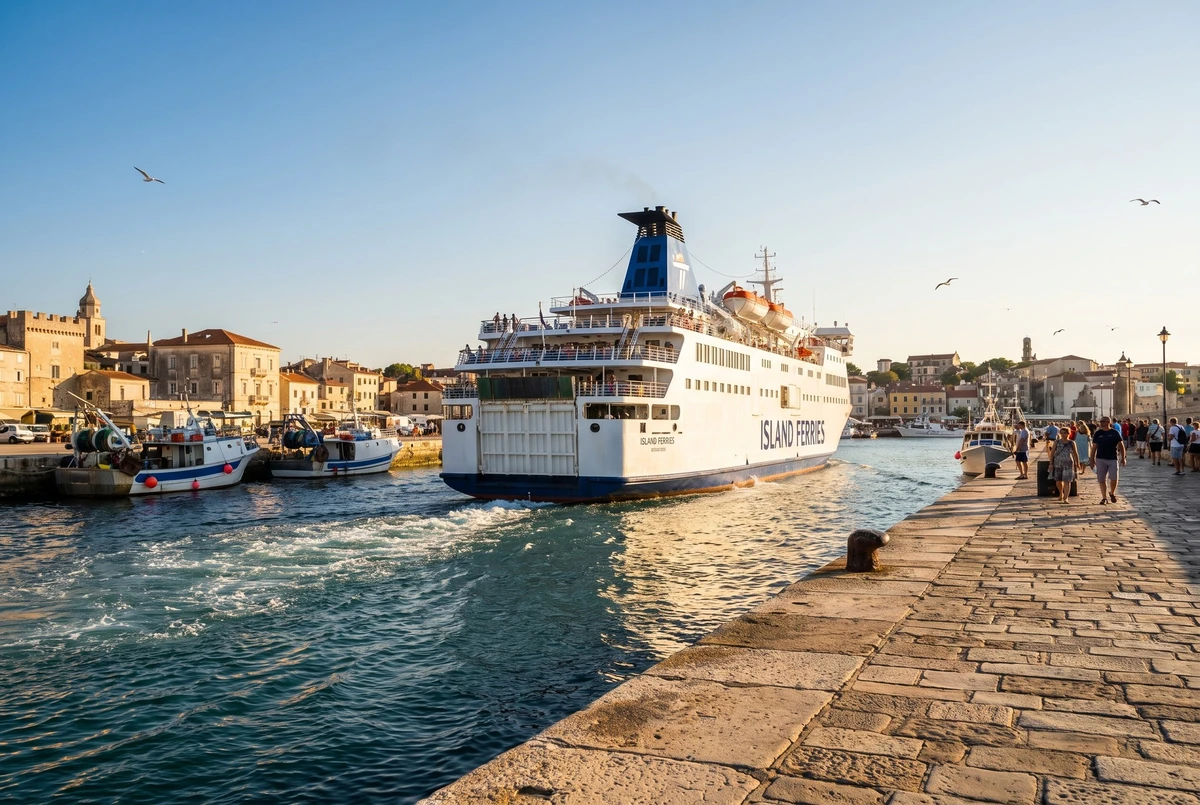
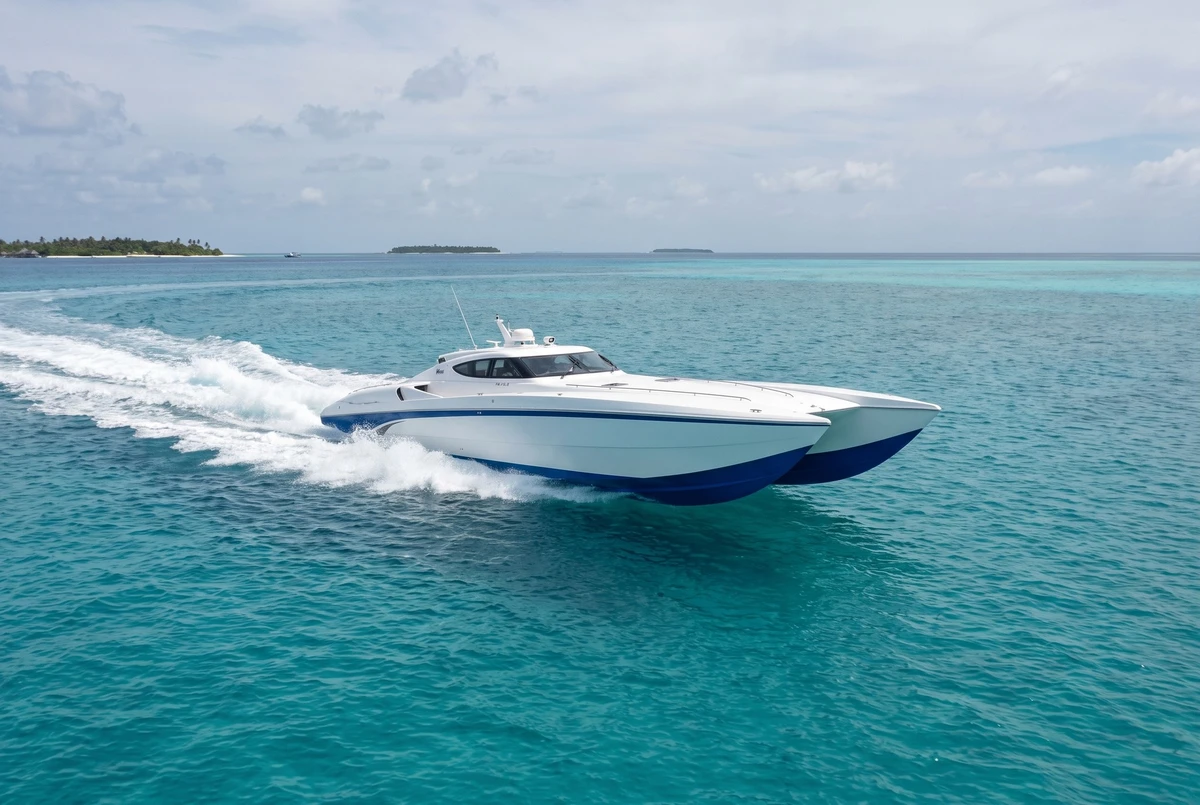
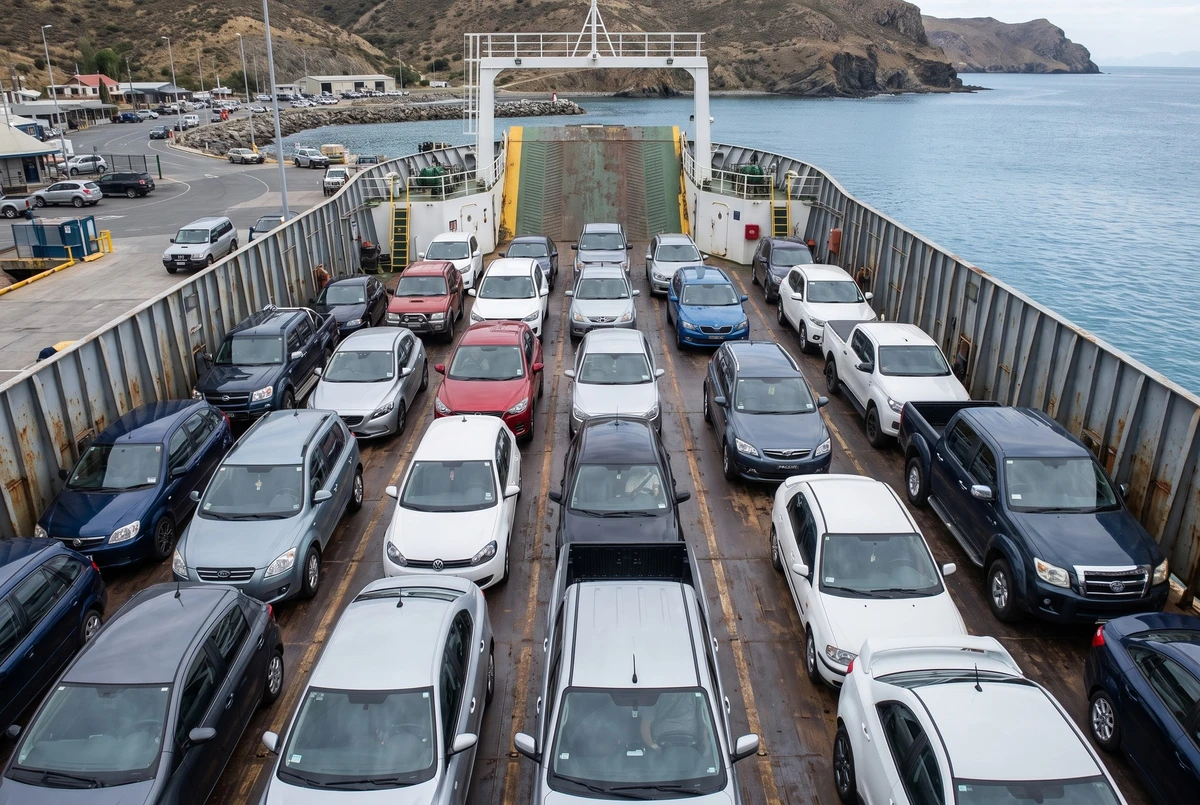
Pula at first sight
Pula sits at the tip of the Istrian peninsula, a port city of Romans, Venetians, Habsburgs and Italians, and each left a mark in stone and in the bilingual street names. It is a relaxed, sunny and unpretentious gateway to the olive groves, hill towns and sparkling bays of Istria.
Why include Pula in your itinerary?
- The Pula Arena is one of the best-preserved Roman amphitheatres in the world and still dominates the city. Around it stand a temple, triumphal arches and ancient gates, so a stroll through the centre is a walk through the Roman Empire.
- Istria is Croatia’s most gastronomic region, and Pula is its capital of flavour: fuži pasta, wild asparagus, truffles, fresh Adriatic fish and some of the finest olive oil in the Mediterranean.
- Pula is the perfect base for exploring the peninsula. Rovinj, Poreč, Motovun, Cape Kamenjak and the Brijuni islands lie close by, with clear water, small harbours and quiet roads between them.
Signature experiences in Pula
The Pula Arena
Built in the first century, the Arena is among the six largest surviving Roman amphitheatres and the only one with all four side towers still standing. Walk through the arches to the sandy floor, then descend to the underground passages where exhibits tell the story of gladiators and olive oil. We issue tickets in advance, and our guided day tour of Pula brings the stones to life.
Roman Pula: the Temple of Augustus and the Arch of the Sergii
Around the Forum square, the Temple of Augustus stands with its elegant columns, almost untouched since the first century. Nearby, the triumphal Arch of the Sergii and the Twin Gates lead into the old town streets. The Venetian-era Kastel fortress above adds city views. A guided approach shows how Roman Pula was laid out, and where to find its quieter corners.
Istrian Flavours and Hill Towns
Inland Istria is a patchwork of stone hill towns such as Motovun and Grožnjan, surrounded by oak forests and olive groves. Taste handmade fuži pasta, local truffles, cured prosciutto and sheep cheese at family tables. Our guided day tours and a private car with driver arranged by our team connect these villages with trusted local partners in a single, relaxed day.
Rovinj and Poreč on the Coast
Rovinj is one of the most romantic harbour towns in the Mediterranean, a pastel peninsula crowned by the church of Saint Euphemia, while Poreč is home to the sixth-century Euphrasian Basilica, a UNESCO site of shimmering Byzantine mosaics. Both are easy day excursions by road, and our team can arrange guided tours or a private driver for a flexible itinerary.
Brijuni Islands and Cape Kamenjak
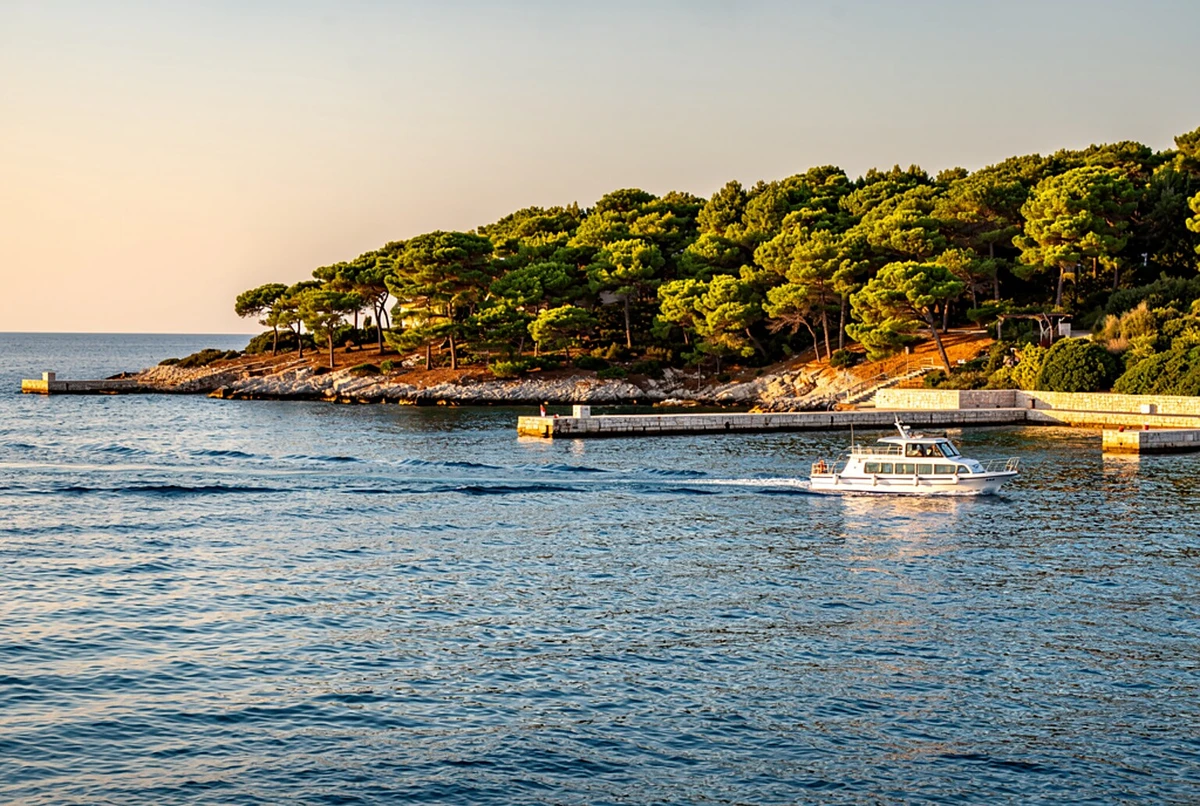
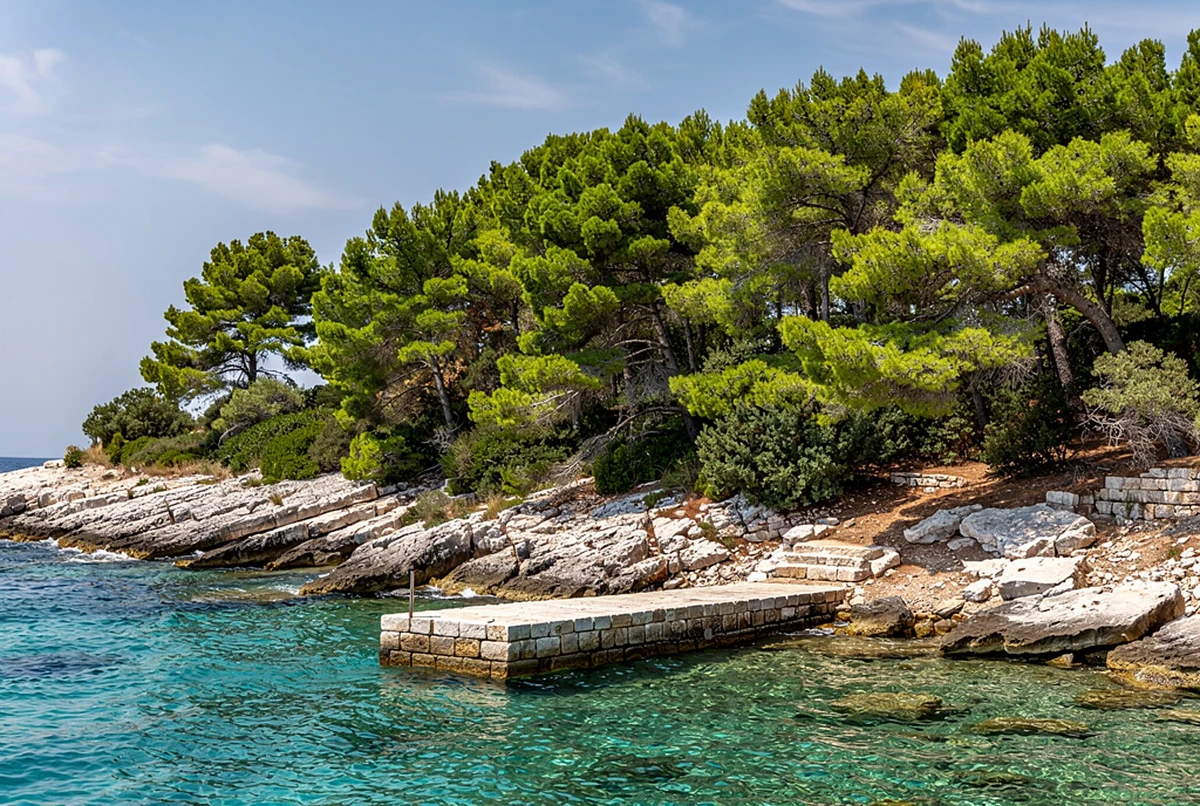
A short boat ride from Fažana, the Brijuni islands form a national park of pine woods, Roman villa ruins and fossilised dinosaur footprints. South of Pula, Cape Kamenjak is a wild peninsula of turquoise coves, rocky headlands and wildflowers. We issue ferry and boat tickets for the crossing and arrange private transfers from Pula. Both are best enjoyed without watching the clock.
Neighbourhoods and quarters to know in Pula
The Old Town
The old town is the heart of Pula, with the Forum, the Temple of Augustus, the Arch of the Sergii and a ring of cafés and shops. It is compact, safe and lively into the evening, and ideal for first-time visitors who want to walk everywhere and sleep within reach of the Roman monuments.
Near the Arena and the Harbour
The streets around the Arena and the waterfront promenade combine Roman views with practical services: the railway and bus stations, ferries, restaurants and a lively harbour. It is a convenient base for travellers who are arriving or leaving by public transport, and still only a few minutes from the old town.
Verudela and the Seaside Peninsula
South of the centre, Verudela is a green, pine-shaded peninsula with pebble beaches, resort hotels, a marina and Pula’s aquarium. It is quieter, family-friendly and ideal for travellers who want sea swimming and sightseeing in one place, with a short taxi or bus ride into the old town. Evenings are calm and breezy.
Stoja and Premantura
Stoja, a coastal district with a wooded park and rocky shoreline, leads to the quiet fishing village of Premantura and the gateway to Cape Kamenjak. These areas feel local and unhurried, with apartments and small guesthouses, and suit travellers staying longer who prefer nature and calm to the bustle of the centre.
How long to stay in Pula and how to pair it
Recommended stay
Two nights is the minimum for Pula, with one day for the Arena, the Roman sights and the old town, and another for Rovinj, Poreč or Istria’s hill towns. Three nights are better, adding Brijuni or Cape Kamenjak, and four suit travellers who want a slow, flavour-filled stay in Istria.
How to pair it
Pula pairs naturally with the rest of Croatia’s coast. A 7-day journey might run Zagreb, Pula, Zadar, travelling by road and ferry. With 10 days add Split and the Dalmatian islands, and over 14 days continue to Dubrovnik. Our team arranges flights, ferry tickets, train tickets where rail serves your route and private transfers so each connection runs smoothly. Each is a short hop.
Best time to visit Pula and the rhythm of the day
Best months
Pula is at its best from May to early October, with warm seas and golden evenings. June and September combine fine weather with fewer crowds, while July and August are hot and busy but ideal for beaches and boats. Spring brings wild asparagus, truffle season arrives in autumn, and winter is mild and very quiet.
The daily rhythm
Pula wakes gently. Mornings are for coffee beside the Arena and the market, midday for shade and a seafood lunch by the harbour, and afternoons for the beach or the hill towns. In the evening, the Arena glows in warm light, restaurants fill, and the old town settles into a slow, friendly pace.
On-the-ground logistics in Pula
Arrival
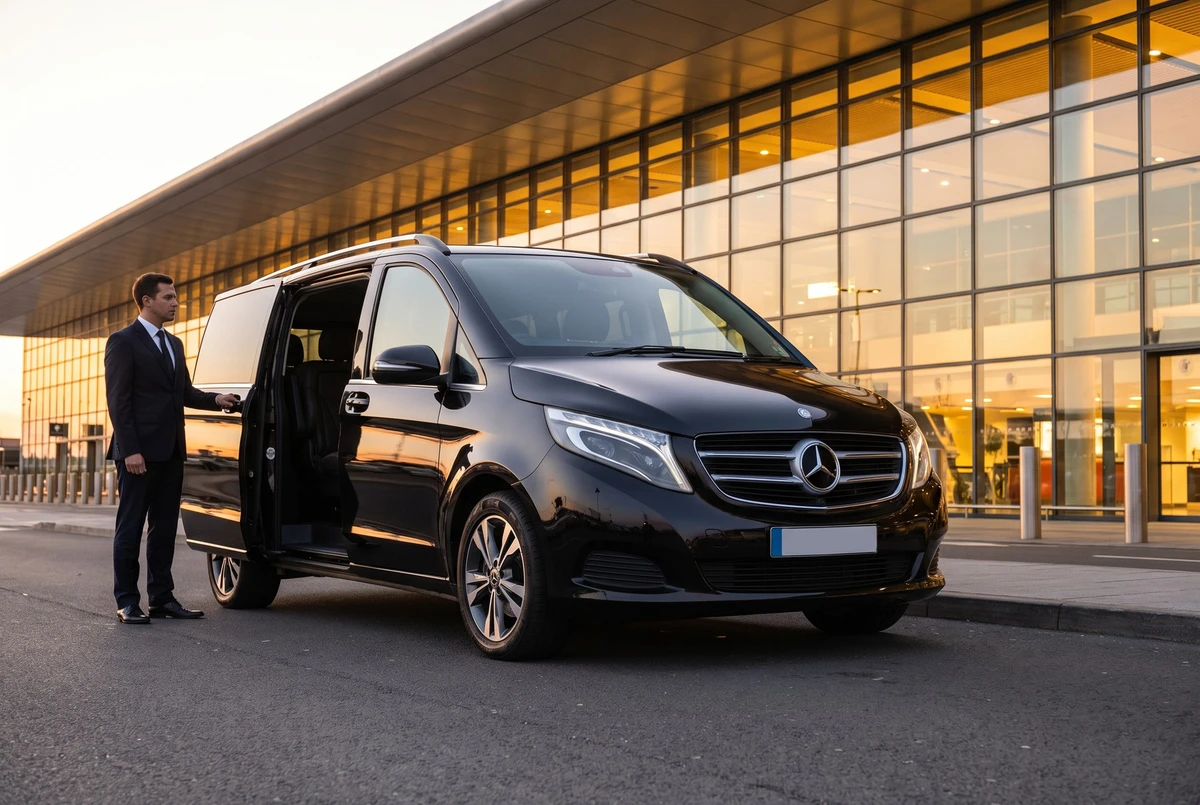
Pula Airport is about ten minutes from the city by road, with seasonal flights from across Europe. The railway and bus stations are close to the harbour and the old town. Our team can arrange a private airport transfer to meet your flight and take you directly to your hotel, or onward to Rovinj and Poreč.
Getting around
The old town and the Arena area are compact and easy to walk, and local buses reach Verudela, Stoja and the beaches. Licensed taxis and ride-hailing apps are available for longer trips. For Istria’s hill towns, the coast and Brijuni departures, a private car with driver arranged by our team is the most comfortable option.
Local etiquette tip
Istria has a strong Italian heritage, and you will see bilingual signs and hear Italian as well as Croatian. A friendly greeting in either language is appreciated. Treat the Arena and Roman monuments with respect, never climbing on the stones, and keep swimwear for the beach. Dress modestly when entering churches.
Must-do things in Pula
- Walk through the Pula Arena and its underground galleries.
- Admire the Temple of Augustus on the Forum square.
- Pass beneath the Arch of the Sergii and the Twin Gates.
- Climb to the Kastel for views over the harbour and the city.
- Taste fuži pasta, truffles and Istrian olive oil at a family table.
- Visit Rovinj’s pastel harbour and the church of Saint Euphemia.
- See the Byzantine mosaics of the Euphrasian Basilica in Poreč.
- Explore hill towns such as Motovun and Grožnjan.
- Take a boat to the Brijuni islands, a national park.
- Swim in the turquoise coves of Cape Kamenjak.
Do’s and don’ts in Pula
Do
- Book Arena tickets ahead in July and August.
- Carry water and sun protection for summer sightseeing.
- Visit the Arena early in the morning or at sunset.
- Try Istrian specialities such as fuži and truffle dishes.
- Greet people in Croatian or Italian, as both are appreciated.
Don’t
- Don’t climb on the Arena or other Roman monuments.
- Don’t walk through the old town in swimwear.
- Don’t plan Rovinj, Poreč and the hill towns for a single afternoon.
- Don’t forget water shoes for rocky beaches and coves.
- Don’t miss the Arena at sunset when the stone glows.
Pula at a glance
Plan Pula with Haqqi Tours
Every option is confirmed by our team on WhatsApp before you pay, and delivered by our own people or by trusted local partners we work with in every city. Because we send travellers from all over the world, our partners give us special rates and priority, so you always receive the best. Prices are per person unless marked per vehicle.
About Haqqi Tours: About us Contact us Legal NoticePrivacy PolicyCookies & Marketing PreferencesTerms & ConditionsBooking, Payment & Refunds
More services in Pula
Good to know
Frequently Asked Questions
Straight answers to what travellers ask most about Pula.
Where should first-time visitors stay in Pula?
Stay in or beside the old town, near the Arena and the Forum, where cafés, restaurants and the Roman monuments are within walking distance. Verudela suits beach lovers and families. Our team can recommend hotels and apartments and arrange your private transfer from the airport.
Can Pula be done as a day trip, or does it need an overnight stay?
Pula can be a day trip from Rovinj, Poreč or Opatija, enough for the Arena and the Roman sights. But an overnight stay allows you to see the monuments at sunset, enjoy the Istrian evenings and make time for the hill towns and the coast the next day.
What is the dress code and etiquette in Pula?
Pula is relaxed and casual, though swimwear belongs on the beach rather than the old town streets. Dress modestly for churches, wear comfortable shoes for stone pavements and bring a hat in summer. A friendly greeting in Croatian or Italian is always welcome.
Is Pula tourist friendly?
Very. Pula is compact, welcoming and used to international visitors, with clear signs in several languages and accessible transport. Most key sights are close together, and our team can arrange tickets, ferry crossings, transfers and guided day tours in advance.
Is it safe to travel to Pula now?
Pula is regarded as a calm and safe destination, with a well-used old town and waterfront day and evening. Keep an eye on belongings in crowded places, as anywhere. Check your own government’s official travel advice before departure, and keep our WhatsApp line handy for support.
What are the must-do things in Pula?
Walk through the Pula Arena, admire the Temple of Augustus and the Arch of the Sergii, and taste Istrian pasta and truffles. Add Rovinj, Poreč and the hill towns, plus a boat trip to Brijuni or Cape Kamenjak, easily combined on our guided day tours.
How many days do you need in Pula?
Two days cover the Arena, the old town and an excursion to Rovinj or Poreč. Three days are ideal, adding the hill towns, Brijuni or Cape Kamenjak with our guided day tours or a private driver. Allow four if you want to explore Istria slowly.
What can I book in Pula with Haqqi Tours?
Day tours, private airport transfers, flight tickets and ferry tickets, including Sea Cave Kayak Tour with Snorkelling and Islands Pula, Brijuni Sunset Dolphin Watching Cruise Pula and Brijuni National Park Boat Trip with Lunch and Dolphins Pula. Each has its own page, and the WhatsApp desk combines any of them into one plan with one written price.
How do I get from the airport to my hotel in Pula?
Pula Airport (PUY) lies about 6 km north-east of Pula and about 55 km south of Porec, around 45 minutes by the Istrian motorway. Our private transfer meets you at arrivals with a name board, tracks your flight and takes you door to door at a fixed price for the whole vehicle; the transfer pages list every route.
Is there public transport from the airport to Pula?
A shuttle bus runs from the airport to Pula bus station and to some resorts, and taxis queue outside arrivals; a private car is simpler for Medulin, Rovinj, Poreč, the hill towns or a late flight. With luggage, a family or a late flight, the private car is the simpler choice.
Which tours are available in Pula?
Among them: Sea Cave Kayak Tour with Snorkelling and Islands Pula, Brijuni Sunset Dolphin Watching Cruise Pula and Brijuni National Park Boat Trip with Lunch and Dolphins Pula. Each page says whether the day is private or small-group, what it includes and how long it lasts.
Are the tours private or in a group?
Both exist, and each tour page says which. A private tour has a vehicle and guide for your party alone; the desk can make most group tours private on request.
How do I book?
Fill in the form on any page or message us on WhatsApp with the date, the number of travellers and the hotel. A member of our team confirms the price and the details in writing within minutes.
Are the prices fixed?
Yes - every price is agreed in writing on WhatsApp before you travel and does not change on the day.
Do the drivers and guides speak Arabic or English?
It depends on the city and the day, so we do not promise a particular language; tell us your preference and we do our best. The WhatsApp desk always works in Arabic and English.
Can I change or cancel a booking in Pula?
Yes, in the same WhatsApp conversation. The terms depend on the product and on how close to the date the change comes; the desk states them before you pay.