
Split
Plan Split with Haqqi Tours: day tours, private airport transfers, attraction tickets and packages, run by our own team and confirmed on WhatsApp in Arabic or English.
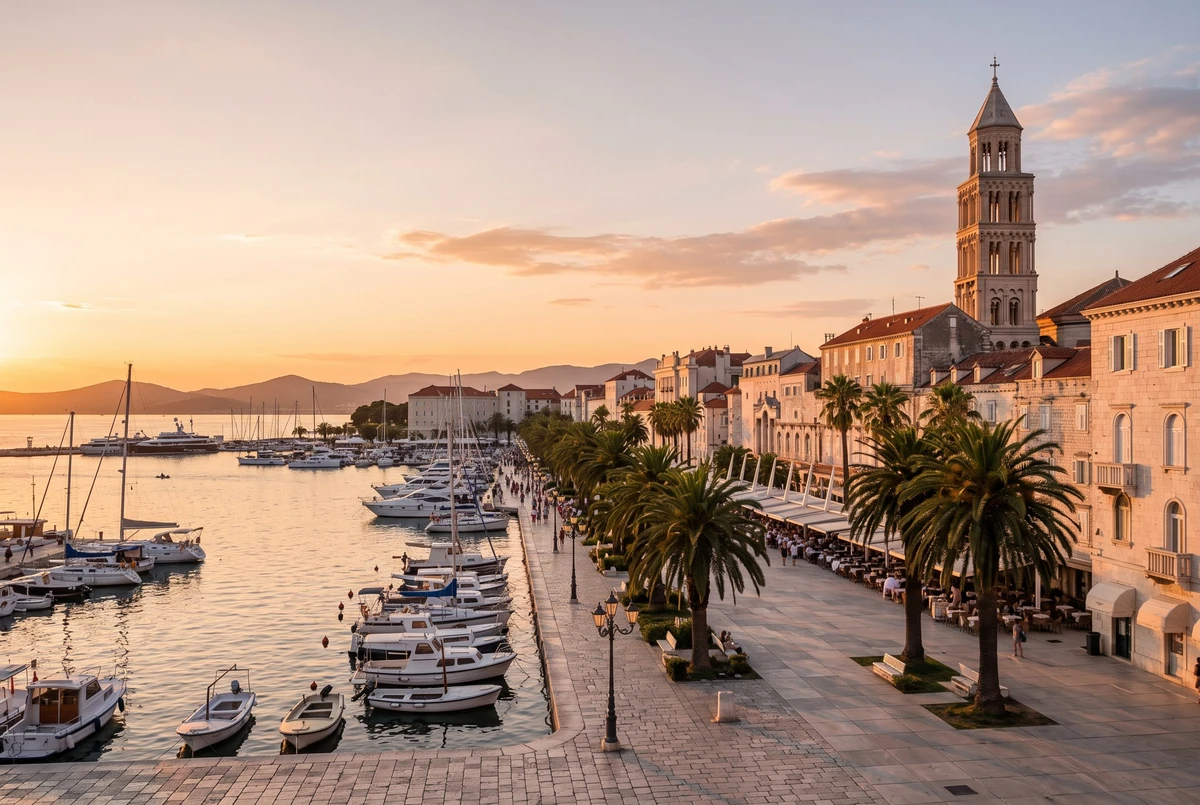
Step out of your hotel in Split and within minutes you are walking through a Roman emperor’s house. The lanes of the Old Town run along the lines of Diocletian’s Palace, and laundry hangs between columns that have stood for seventeen centuries. In the Peristyle, sunlight falls on red granite and a black Egyptian sphinx, while on the Riva the palm-lined promenade fills with locals lingering over a single coffee, ferries sliding past towards the islands.
Nothing matches those filters yet. Widen your search or message us on WhatsApp.
Split Day Tours
View all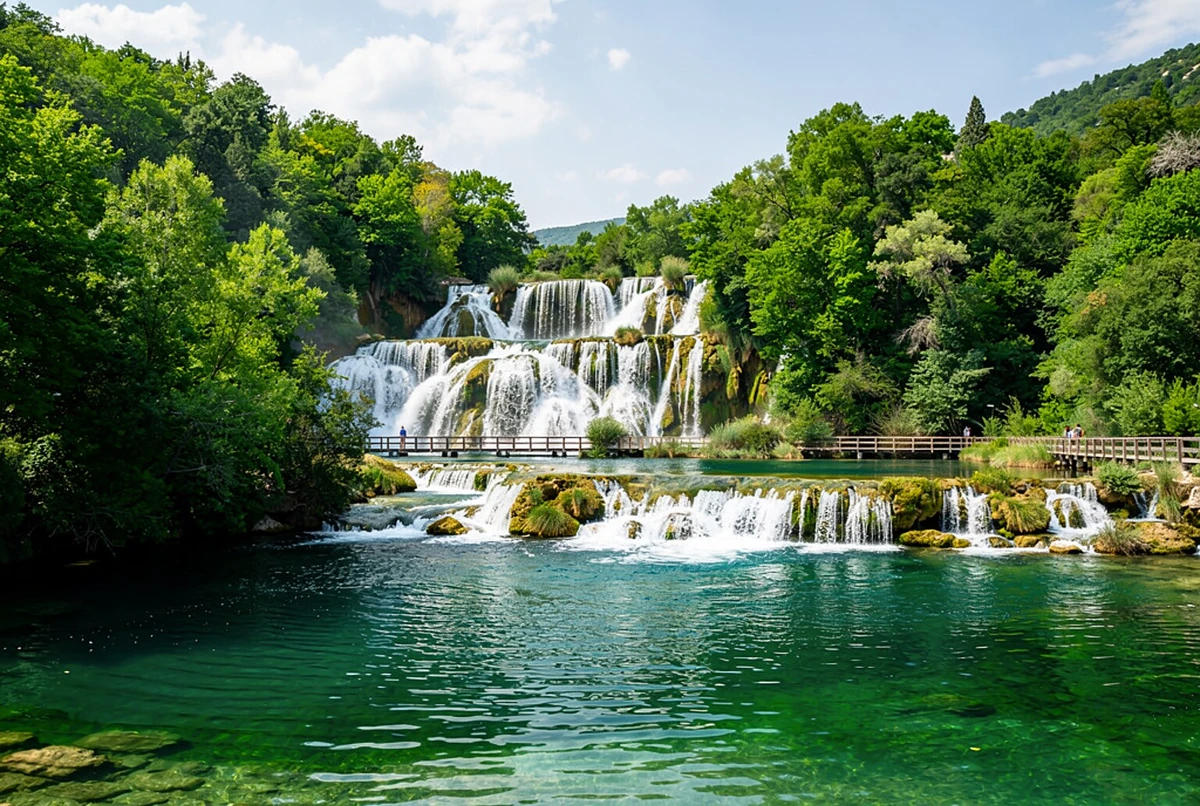
Split Attraction Tickets
View allSplit Airport Transfers
View all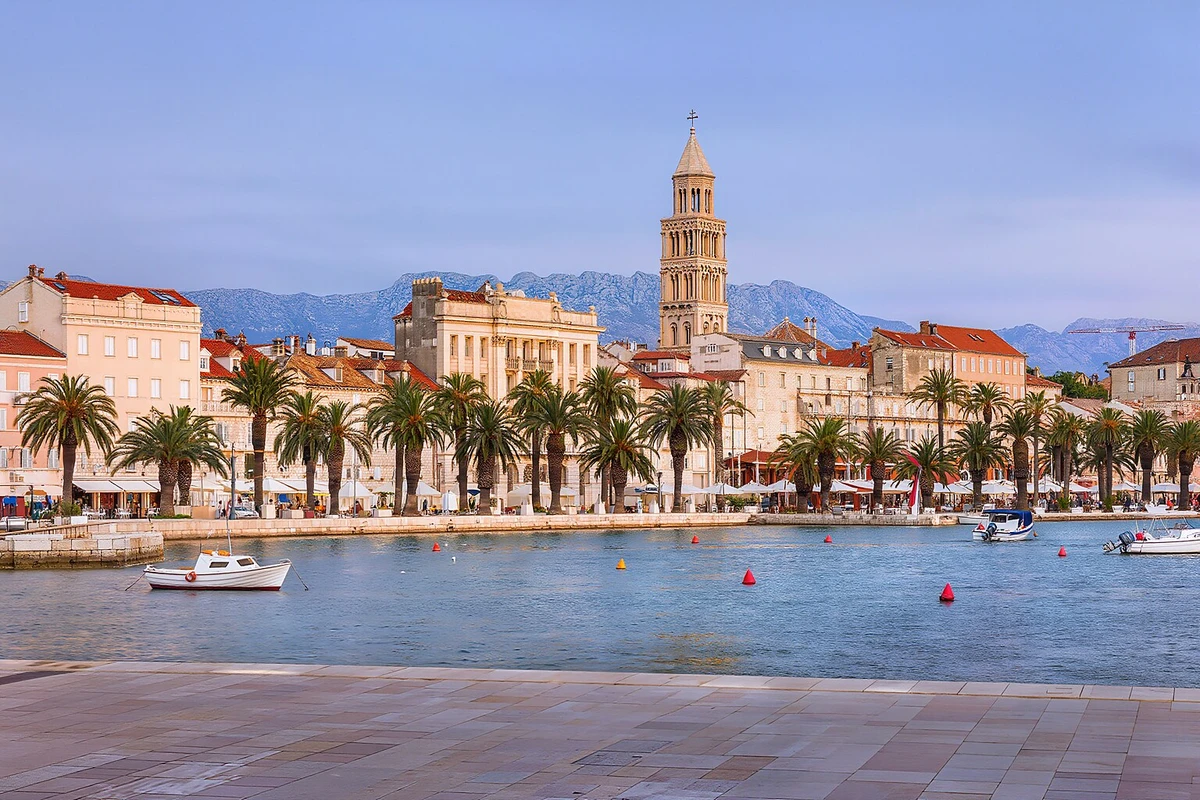
Split Flight Tickets
View all

Split Train Tickets
View all
Split Ferry Tickets
View all
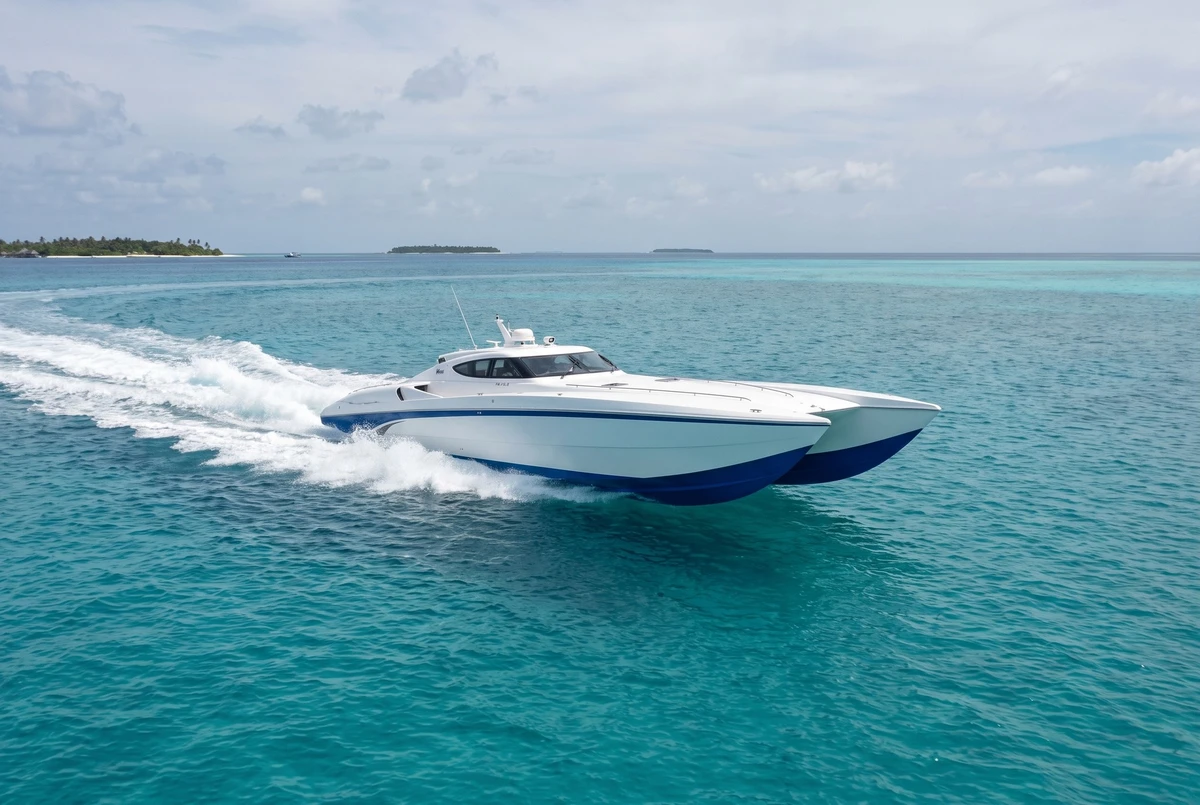

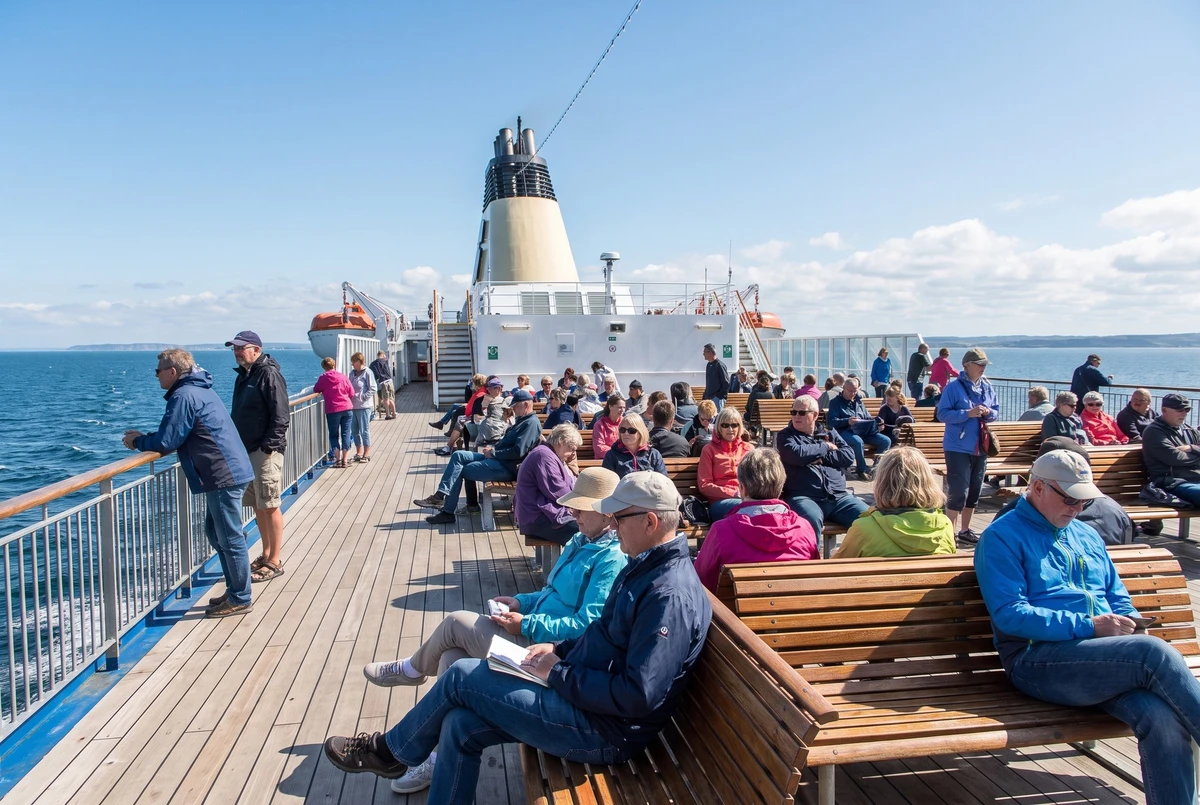
Split at first sight
Split is Dalmatia’s capital and Croatia’s second city, a living town that grew inside and around a fourth-century palace rather than beside its ruins. It is the hub of the Adriatic ferry network, the gateway to Hvar, Brač and Vis, and the natural midpoint between Zagreb in the north and Dubrovnik in the south.
Why include Split in your itinerary?
- Diocletian’s Palace is not a museum but a neighbourhood: thousands of people still live, shop and eat inside the UNESCO-listed walls built by a Roman emperor around the year three hundred, making Split one of the most remarkable living ancient sites anywhere.
- Split is the ferry capital of the Adriatic. From its harbour, ferries and catamarans fan out to Hvar, Brač, Vis, Šolta and Korčula, so you can sleep in one city and spend your days on very different islands.
- Within a short drive lie the waterfalls of Krka National Park, the medieval island town of Trogir, the clifftop Klis Fortress and the Cetina river canyon, giving Split one of the richest day-trip menus on the Croatian coast.
Signature experiences in Split
Diocletian’s Palace and the Peristyle
Enter through the Bronze Gate from the Riva and descend into the palace’s vast vaulted substructures, whose layout mirrors the imperial apartments that once stood above. Emerge into the Peristyle, where the emperor appeared to his subjects, then climb the bell tower of the Cathedral of Saint Domnius, originally Diocletian’s own mausoleum. Our guided day tour of Split decodes the Roman, medieval and Venetian layers that most visitors walk straight past.
Markets, Coffee and Dalmatian Cooking
Split’s day begins at the Green Market beside the palace walls, heaped with figs, cherries, lavender and Swiss chard, and at the Peskarija fish market, where the catch arrives at dawn. Try soparnik, the chard pie of the Poljica coast, pašticada beef stew with gnocchi, black cuttlefish risotto and warm fritule doughnuts. Then do as locals do: settle on the Riva for a slow coffee, a ritual that can last an hour.
Veli Varoš, Marjan Hill and Bačvice
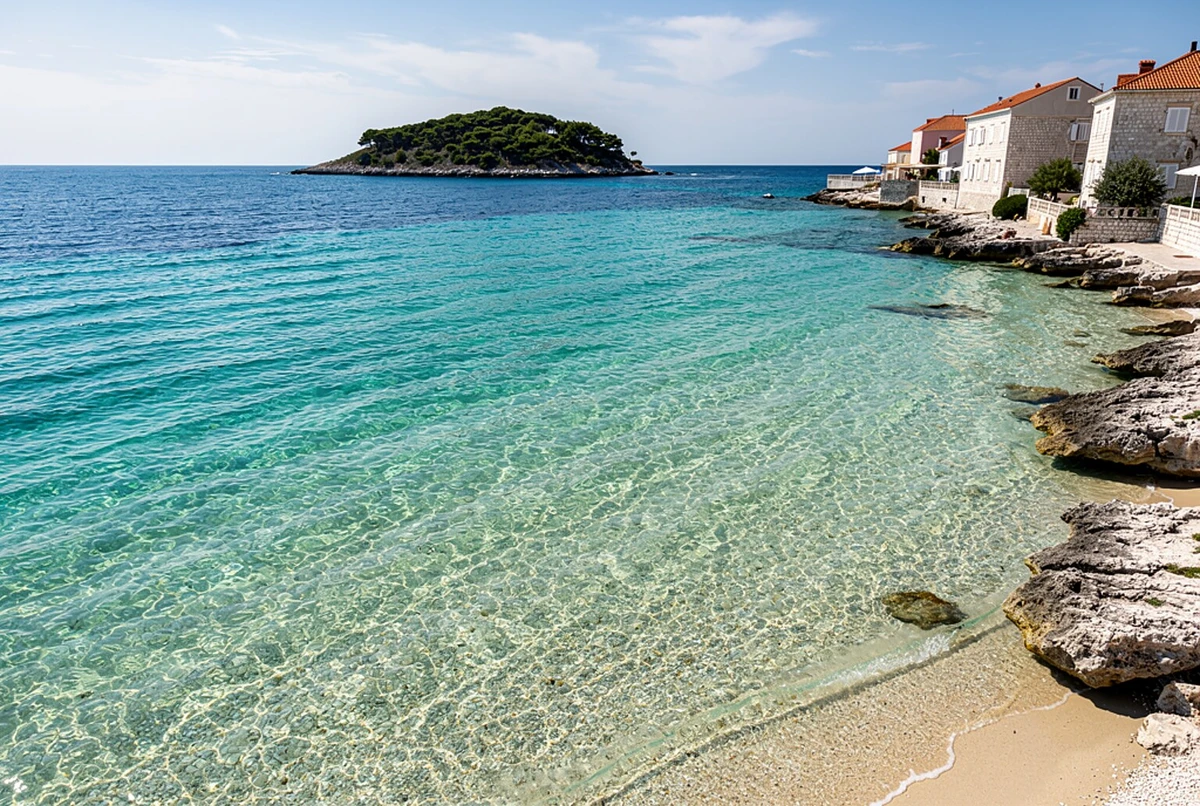
West of the palace, the old fishermen’s quarter of Veli Varoš climbs in stone lanes towards Marjan, the pine-covered hill that is Split’s green lung. Explore on foot up the steps to the Prokurative viewpoint for a panorama over the harbour and islands, then follow the coastal path to small chapels and swimming coves. In the evening, head to Bačvice beach to watch locals play picigin, the city’s splashing ball game.
Trogir, Krka Waterfalls and the Islands
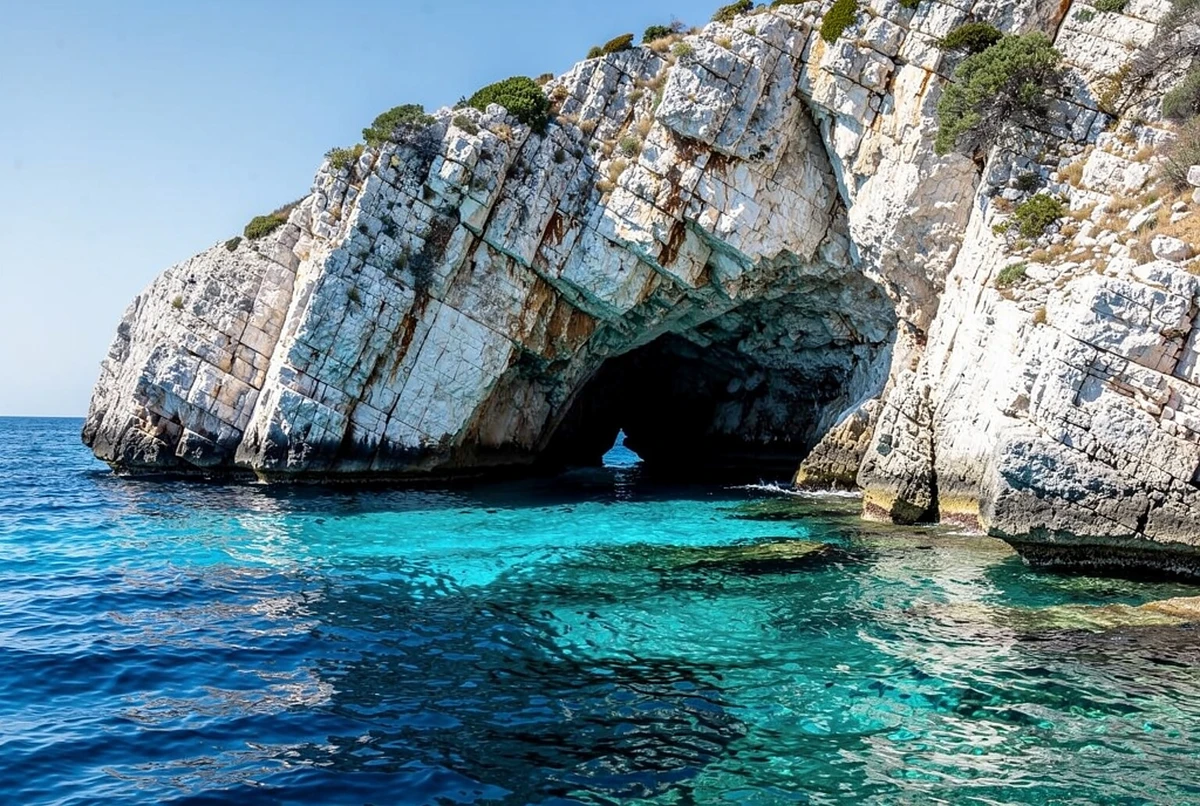
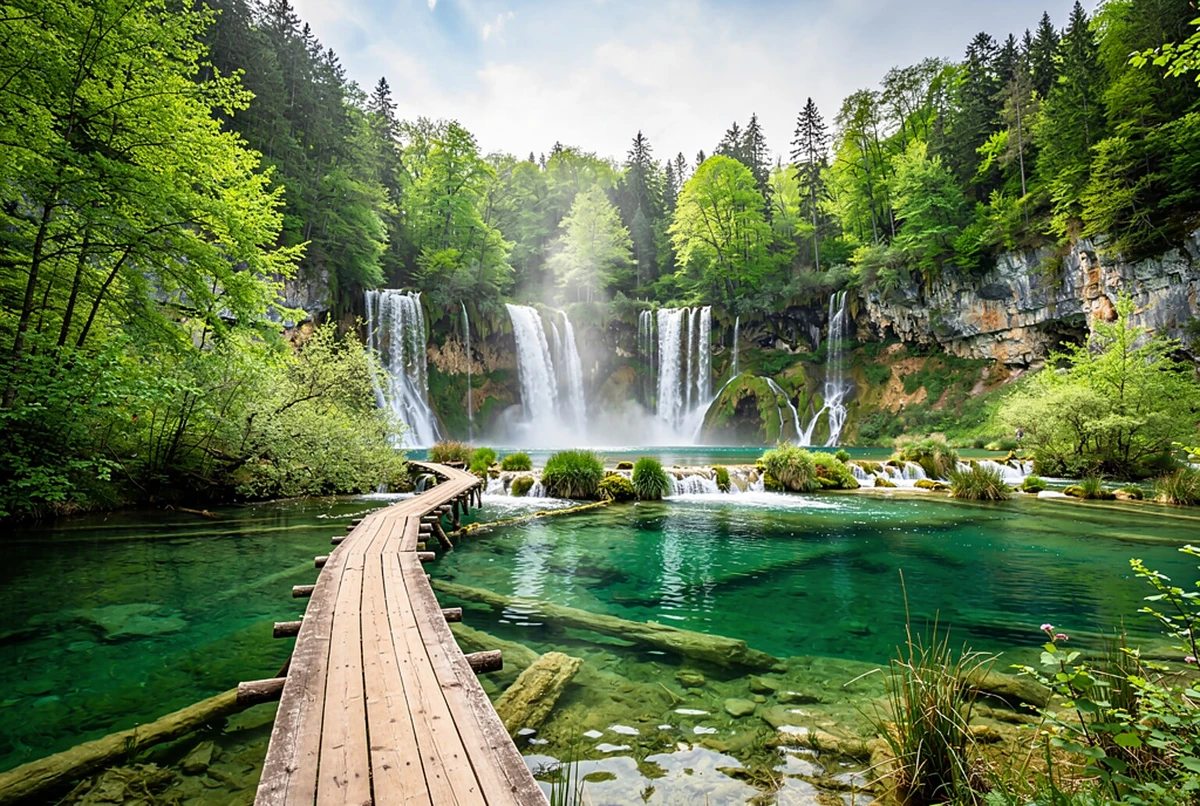
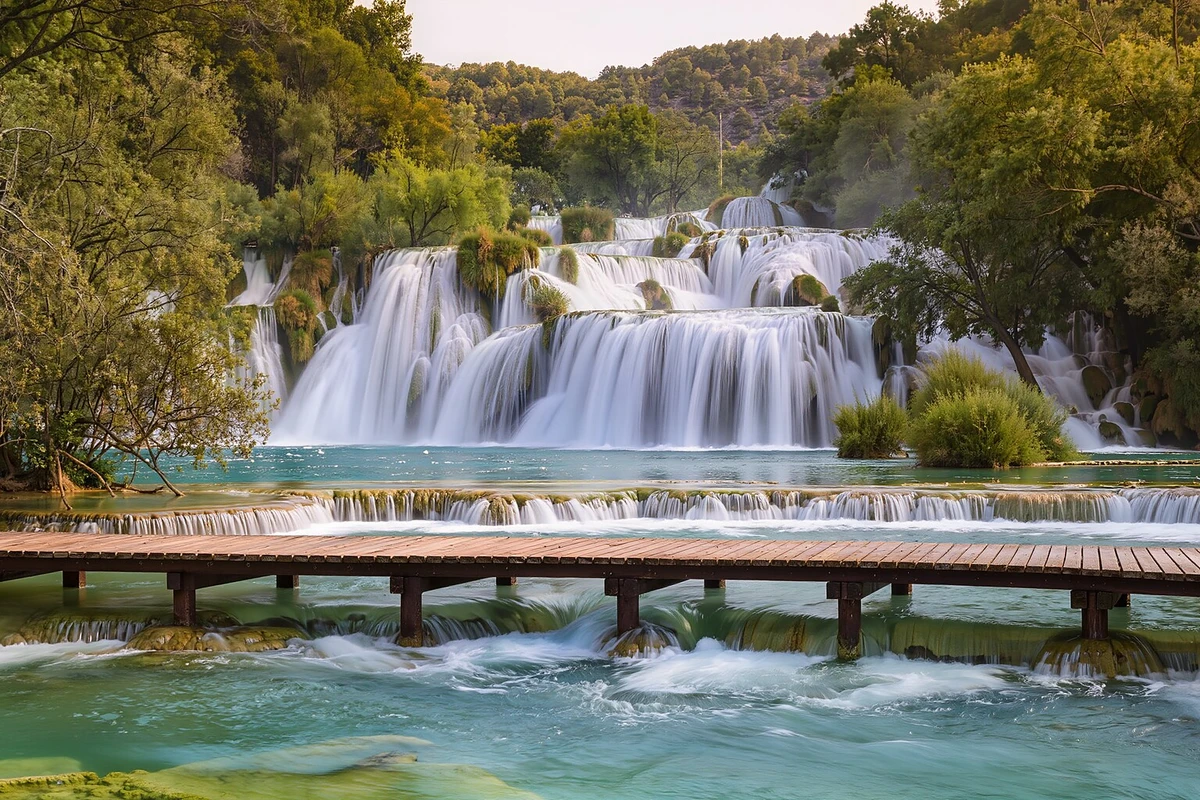
Half an hour from Split, Trogir is a UNESCO-listed island town of Romanesque churches and Venetian palaces. Further north, Krka National Park cascades over travertine terraces through emerald pools. By sea, Hvar, Brač’s Zlatni Rat beach and the Blue Cave of Biševo near Vis await. Our guided day tours cover Trogir, Krka and Klis, and we issue ferry tickets or arrange a private car with driver for everything else.
Neighbourhoods and quarters to know in Split
Old Town and Diocletian’s Palace
Sleeping within the palace walls puts Split’s Roman monuments, the Riva and the ferry port at your doorstep. Rooms are mostly boutique hotels and heritage apartments in stone buildings, some with exposed Roman masonry. The area is safe and atmospheric, busy and lively on summer evenings, and perfect for short stays or travellers catching early ferries to the islands.
Veli Varoš
This quiet hillside quarter just west of the centre feels like a Dalmatian village, with stone houses, tiny chapels, cats on the steps and fig trees over the walls. It is a few minutes on foot from the Riva yet far calmer at night, with easy access to Marjan Hill. Veli Varoš suits couples and travellers who want character without the crowds.
Bačvice and Firule
East of the ferry port, Bačvice and Firule are Split’s seaside neighbourhoods, with the city’s most famous sandy beach, shaded promenades and family-run seafood restaurants. They are about ten minutes on foot from the Old Town, safe and residential. This is a good base for families and anyone who wants to swim before breakfast and still be close to the sights.
Žnjan and Stobreč
Further east along the coast, Žnjan’s long pebble beach promenade and the village of Stobreč offer larger resort hotels, open sea views and more space. They are quieter and well suited to families and longer beach holidays, with buses to the centre in around twenty minutes. A private driver arranged by our team makes day trips from here effortless.
How long to stay in Split and how to pair it
Recommended stay
Plan three to four nights in Split. That gives one day for Diocletian’s Palace, the Riva and Marjan, one for a day trip to Trogir and Krka, and one or two for the islands, such as Hvar or Brač. Two nights covers the city; five or more suits those who want to use Split as a base for island hopping.
How to pair it
Split sits at the heart of any Croatian itinerary. In seven days, combine four nights in Split with three in Dubrovnik, linked by catamaran or a scenic private transfer along the coast. In ten days, start in Zagreb, reach Split by train or flight, and finish in Dubrovnik. Over fourteen days, add Plitvice Lakes between Zagreb and Split, island nights on Hvar or Korčula, and a day in Kotor or Mostar. We issue the train, ferry and flight tickets and arrange private transfers throughout.
Best time to visit Split and the rhythm of the day
Best months
The best time to visit Split is May to June and September to early October, when the sea is warm, the islands are easy to reach and the Old Town is lively without peak-season crowds. July and August are hot and busy, with the most ferry connections. Winter is mild and quiet, though island services run less frequently.
The daily rhythm
A Split day starts at the Green Market and with coffee on the Riva. Mornings are for the palace or a ferry to an island. Around midday, locals head to the beach or rest out of the heat. Late afternoons bring swims at Bačvice or the Marjan coves, and evenings unfold slowly with dinner in Veli Varoš and a stroll along the illuminated waterfront.
On-the-ground logistics in Split
Arrival
Split Airport lies near Kaštela, about twenty-five kilometres west of the city, roughly thirty to forty minutes by road to the Old Town and longer in summer traffic. Trains from Zagreb arrive at the station beside the ferry port, a short walk from the palace. Our private airport transfer meets you at arrivals and drives you directly to your hotel or to the harbour.
Getting around
Split’s Old Town, Riva, Veli Varoš and Bačvice are all within easy walking distance. Local buses serve the suburbs and beaches, and taxis and ride-hailing apps are easy to find. Ferries and catamarans leave from the central harbour. For day trips to Krka, Trogir or further afield, our guided day tours or a private car with driver arranged by our team are the most comfortable choice.
Local etiquette tip
The Dalmatian coffee ritual, known locally as going for a kava, is sacred in Split: one cup can occupy a table for an hour, and nobody will hurry you, so do not rush staff either. Also remember that walking around the Old Town in swimwear or shirtless is not accepted and can be fined. Cover up when you leave the beach.
Must-do things in Split
- Explore Diocletian’s Palace and the vaulted substructures beneath its imperial halls
- Stand in the Peristyle and climb the bell tower of Saint Domnius Cathedral
- Rub the toe of Grgur Ninski’s giant statue outside the Golden Gate for luck
- Linger over coffee on the palm-lined Riva as ferries come and go
- Climb Marjan Hill for sunset views over the harbour and islands
- Browse the Green Market and the Peskarija fish market in the early morning
- Watch locals play picigin in the shallows of Bačvice beach
- Join our guided day tour to the waterfalls of Krka National Park
- Spend a day in the UNESCO-listed island town of Trogir
- Take a ferry to Hvar or Brač for beaches, lavender and stone villages
Do’s and don’ts in Split
Do
- Visit the palace early in the morning or after sunset to avoid the crowds
- Book island ferry and catamaran tickets in advance in July and August
- Try soparnik and pašticada, two classics of Split and the Dalmatian coast
- Bring water shoes for pebble beaches and rocky coves
- Use Split as a base for day trips to Trogir, Krka and the islands
Don’t
- Don’t walk through the Old Town in swimwear or shirtless; fines apply
- Don’t expect to drive into the palace area; it is pedestrian only
- Don’t rush through Split on the way to the islands; give it at least a full day
- Don’t climb on ancient columns or monuments for photographs
- Don’t leave ferry connections to the last minute in high summer
Split at a glance
Plan Split with Haqqi Tours
Every option is confirmed by our team on WhatsApp before you pay, and delivered by our own people or by trusted local partners we work with in every city. Because we send travellers from all over the world, our partners give us special rates and priority, so you always receive the best. Prices are per person unless marked per vehicle.
About Haqqi Tours: About us Contact us Legal NoticePrivacy PolicyCookies & Marketing PreferencesTerms & ConditionsBooking, Payment & Refunds
More services in Split
Good to know
Frequently Asked Questions
Straight answers to what travellers ask most about Split.
Where should first-time visitors stay in Split?
First-time visitors to Split are best placed in the Old Town, inside or beside Diocletian’s Palace, close to the Riva and the ferry port. For a quieter atmosphere, Veli Varoš is charming, while families often prefer Bačvice or Žnjan near the beaches. Our team can recommend hotels and arrange your private transfer from the airport.
Can Split be done as a day trip, or does it need an overnight stay?
Split can be seen in a day from Trogir or a cruise ship, but the palace is at its best early and late, when day visitors are gone. Overnighting also lets you take ferries to the islands and day trips to Krka. We recommend at least two nights, ideally three or four.
What is the dress code and etiquette in Split?
Split is relaxed, but swimwear and bare chests are not accepted in the Old Town, and fines can apply. Cover shoulders and knees when entering the cathedral and churches. Embrace the slow local coffee culture, greet shopkeepers with a friendly dobar dan, and wear comfortable shoes for polished stone streets.
Is Split tourist friendly?
Split is very tourist friendly. English is widely spoken, the compact centre is easy to navigate, and the city is well organised for ferries, tours and transfers. Summer can be busy, so planning helps. Our guided day tours and private transfers make it easy to enjoy Split and its islands without stress.
Is it safe to travel to Split now?
Split is considered a safe city with low crime and a welcoming atmosphere. Take normal care with belongings in crowded areas and on ferries, and stay hydrated in summer heat. Before departure, check your own government’s official travel advice and keep our WhatsApp line handy for assistance throughout your stay.
What are the must-do things in Split?
The must-do things in Split include exploring Diocletian’s Palace and the Peristyle, climbing the cathedral bell tower, walking up Marjan Hill, relaxing on the Riva, swimming at Bačvice and taking day trips to Trogir, Krka National Park and the islands of Hvar and Brač with our guided day tours or ferry tickets.
How many days do you need in Split?
Three to four days is ideal for Split: one for the palace and Marjan Hill, one for Trogir and Krka, and one or two for the islands. Two days covers the city highlights. If you plan to island hop, use Split as a base for five days or more.
What can I book in Split with Haqqi Tours?
Day tours, attraction tickets, private airport transfers, flight tickets, train tickets and ferry tickets, including Split City Highlights Electric Tuk Tuk Tour, Cetina Canyon Zipline Adventure with Optional Transport Split and Krka National Park Day Trip with River Boat Ride and Swimming Split. Each has its own page, and the WhatsApp desk combines any of them into one plan with one written price.
How do I get from the airport to my hotel in Split?
Split Airport (SPU) lies at Kaštela on the coast between Split and Trogir, only about 6 km from Trogir's old town, 10 to 15 minutes by car; central Split is about 25 km away, 30 to 40 minutes depending on traffic. Our private transfer meets you at arrivals with a name board, tracks your flight and takes you door to door at a fixed price for the whole vehicle; the transfer pages list every route.
Is there public transport from the airport to Split?
The airport shuttle bus takes about 45 minutes to the main bus station near the port and suits a single traveller staying in the centre; a private car is faster and simpler for Trogir, Omiš, Makarska, island ferry connections or a family with luggage. With luggage, a family or a late flight, the private car is the simpler choice.
Which tours are available in Split?
Among them: Split City Highlights Electric Tuk Tuk Tour, Cetina Canyon Zipline Adventure with Optional Transport Split, Krka National Park Day Trip with River Boat Ride and Swimming Split, Mostar and Kravica Waterfalls Day Trip from Split and Diocletian's Palace 50-Minute Guided Walking Tour Split. Each page says whether the day is private or small-group, what it includes and how long it lasts.
Are the tours private or in a group?
Both exist, and each tour page says which. A private tour has a vehicle and guide for your party alone; the desk can make most group tours private on request.
How do I book?
Fill in the form on any page or message us on WhatsApp with the date, the number of travellers and the hotel. A member of our team confirms the price and the details in writing within minutes.
Are the prices fixed?
Yes - every price is agreed in writing on WhatsApp before you travel and does not change on the day.
Do the drivers and guides speak Arabic or English?
It depends on the city and the day, so we do not promise a particular language; tell us your preference and we do our best. The WhatsApp desk always works in Arabic and English.
Can I change or cancel a booking in Split?
Yes, in the same WhatsApp conversation. The terms depend on the product and on how close to the date the change comes; the desk states them before you pay.