Flanders Fields & Ypres WWI Battlefields Day Tour from Bruges
- Duration9 hours
- Daily
- Group
- Fair, honest prices
- Real people, not bots
- Confirm, then pay
- Secure payment

Overview
This full-day tour takes you from Bruges into the heart of the old Western Front, where the First World War left some of its deepest scars. Travelling by minibus in a small group with an English-speaking guide, you visit the rebuilt town of Ypres, the Menin Gate, the vast Tyne Cot Cemetery and quieter memorials across Flanders Fields. Lunch is included. It suits history lovers, families tracing relatives who served, and anyone who wants to understand the Great War beyond the textbooks.
Highlights
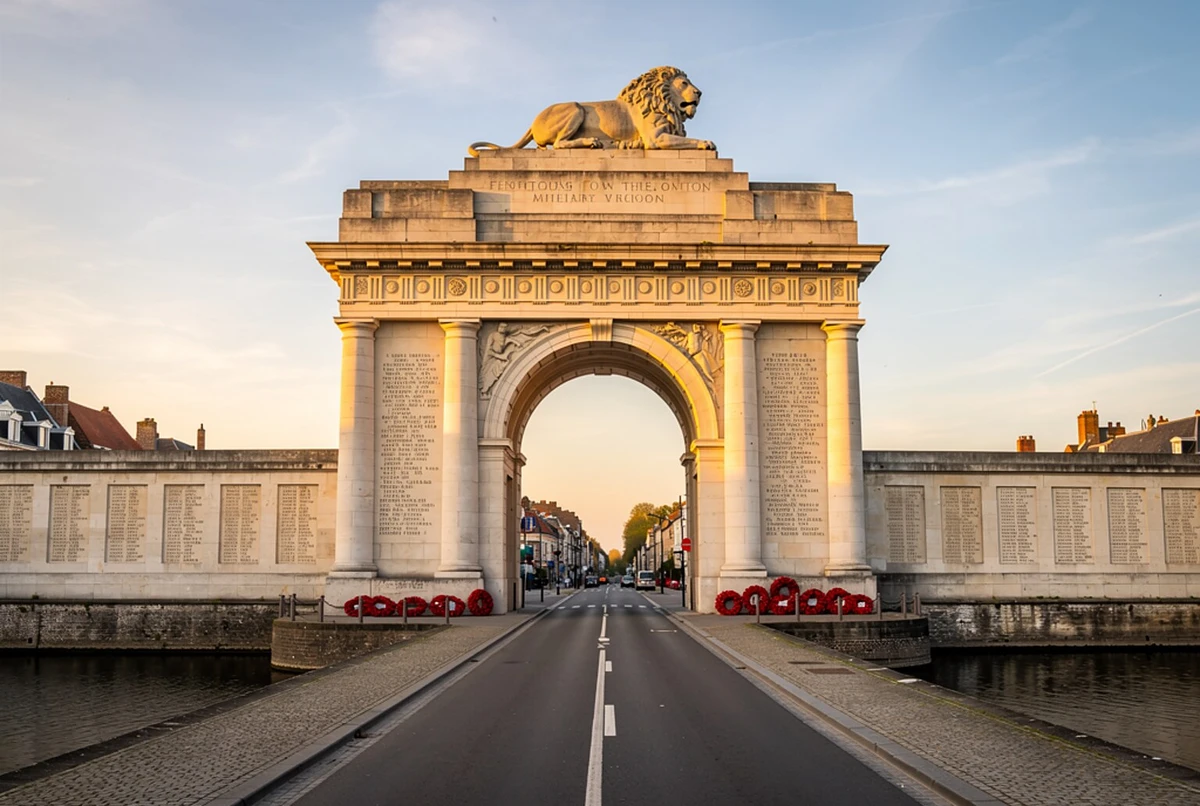
- Walk under the Menin Gate, engraved with more than 54,000 names of missing soldiers
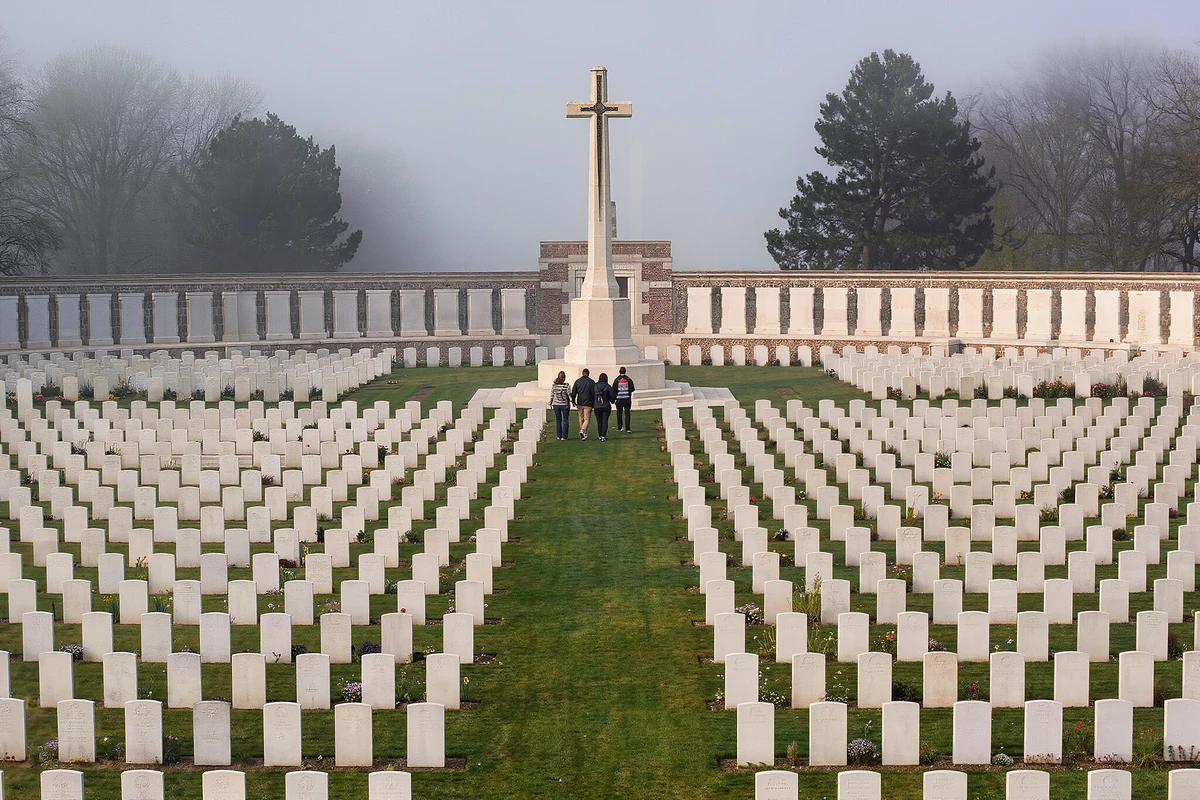
- Stand among the white headstones of Tyne Cot, the largest Commonwealth war cemetery in the world
- See the Essex Farm dressing station where the poem In Flanders Fields was written
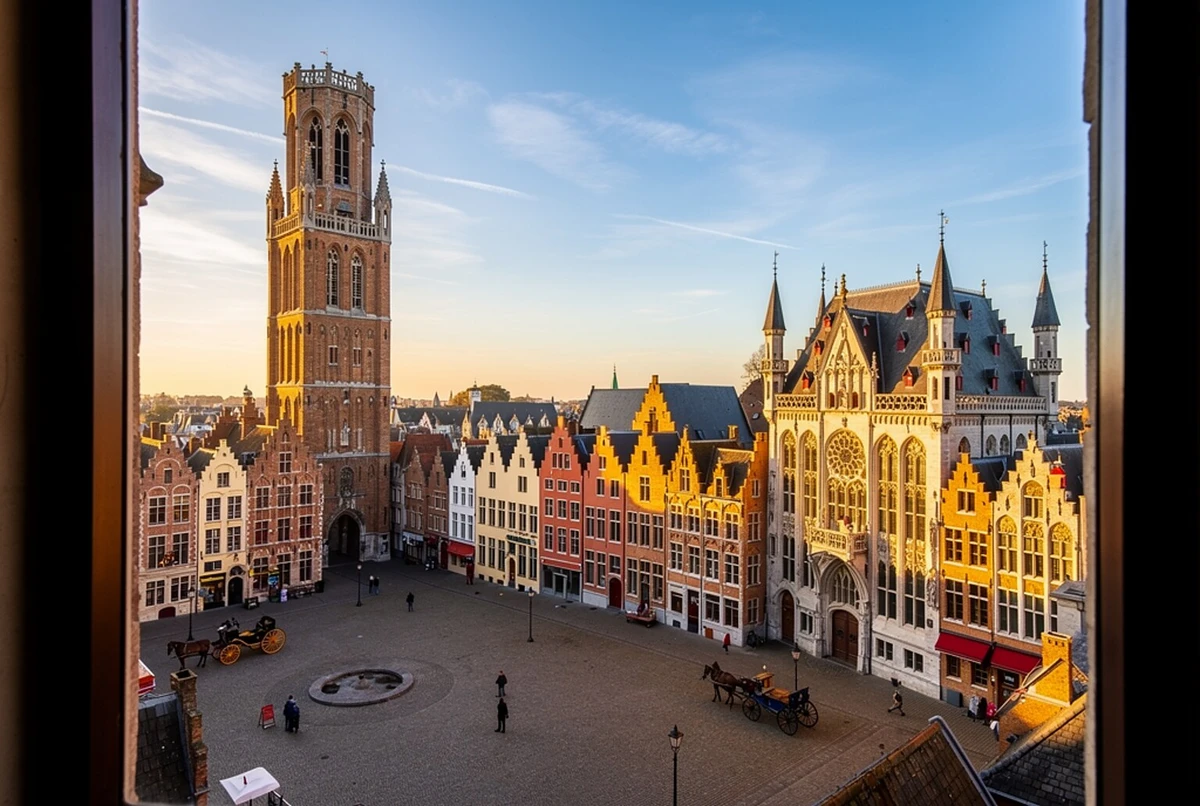
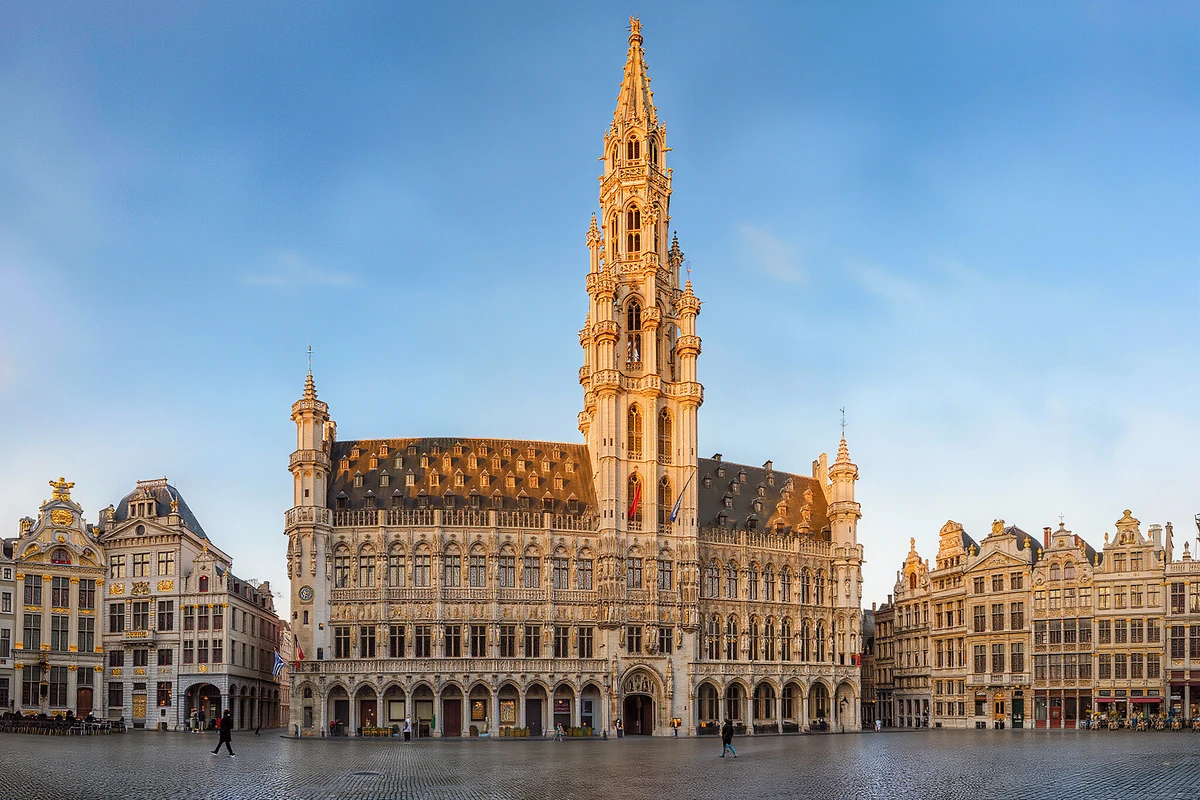
- Explore the Grote Markt of Ypres and its rebuilt medieval Cloth Hall
- Small minibus group with a live English-speaking guide all day
- Lunch included, with round-trip transport from central Bruges
Full Description
Ypres (Ieper) and the Menin Gate
Before 1914 Ypres was a proud medieval cloth town; four years of shelling left almost nothing standing. It was rebuilt after the war, and today the Grote Markt, the tall Cloth Hall and St Martin's Cathedral look much as they did centuries ago. The Cloth Hall holds the In Flanders Fields Museum, one of the best places to understand the war through personal stories.
A short walk from the square rises the Menin Gate Memorial, opened in 1927 on the road soldiers took towards the front. Its walls list more than 54,000 Commonwealth soldiers with no known grave. On this day trip to Ypres from Bruges our guide explains the story of the Ypres Salient and leaves you time to search the panels for a family name.
Tyne Cot Cemetery and Passchendaele
Tyne Cot, on the slopes near Zonnebeke, is the largest Commonwealth war cemetery anywhere, with close to 12,000 graves, most of them from the Battle of Passchendaele in 1917. Behind the graves, a long curved wall carries the names of around 35,000 more missing men. The German bunkers that once stood on this ridge are still visible inside the cemetery grounds.
Standing here, you can look across the gentle farmland towards the village of Passchendaele and understand how a few kilometres of mud cost hundreds of thousands of lives. A visit to Tyne Cot is the emotional centre of most Flanders Fields tours, and our guide gives you quiet time to walk the rows before explaining the battle that filled them.
Essex Farm and the poem In Flanders Fields
Just north of Ypres, beside the canal bank, lie the small concrete bunkers of the Essex Farm advanced dressing station. It was here, in May 1915, that the Canadian doctor John McCrae wrote In Flanders Fields after the death of a friend. The poem made the red poppy the lasting symbol of remembrance across the Commonwealth.
The cemetery beside the bunkers is small and intimate, and among its graves is that of a soldier who was only fifteen years old. For many visitors this is the most moving stop of the Flanders Fields battlefield tour, because it shows the war at human scale, through one doctor, one poem and the young men he tried to save.
Memorials across the Ypres Salient
Depending on the day, the route also includes some of the other memorials scattered around the salient. The German military cemetery at Langemark, with its dark oak trees and stone figures of mourning soldiers, offers a very different and sober view of the war. The Canadian memorial at Sint-Juliaan, known as the Brooding Soldier, marks the site of the first large gas attack in April 1915.
These stops help you see the whole front, not just one side of it. Our guide links each site to the timeline of the war, so by the end of the day the names you hear, from Hill 60 to Passchendaele, form a clear picture. The best time to visit Flanders Fields is spring or autumn, when the countryside is calm and green.
Itinerary
- Departure from BrugesMeet your guide in central Bruges in the morning and drive about an hour south into the Westhoek region.
- Memorials of the Ypres SalientShort stops at sites such as the Langemark cemetery or the Brooding Soldier, about 20–30 minutes each.
- Tyne Cot CemeteryAround 45 minutes among the graves and the Memorial to the Missing, with the story of Passchendaele.
- LunchA break for the included lunch in the area, roughly one hour.
- Ypres town centre and the Menin GateTime on the Grote Markt, by the Cloth Hall and under the Menin Gate, about 1.5–2 hours.
- Essex FarmA final 20-minute stop at the dressing station where In Flanders Fields was written.
- Return to BrugesDrive back to central Bruges, arriving in the early evening; the order of stops may vary.
What's included
- Round-trip minibus transport from Bruges
- Live guide in English
- Visits to First World War sites in Flanders Fields and Ypres
- Lunch
Not included
- Drinks
- Tips
- Hotel pickup and drop-off
Is this right for you?
Great for
- Food lovers
- Travellers who want a proven choice — rated 4.9/5 by past travellers
Think twice if
- You want a private tour — this one is shared with other travellers
Not suitable for
- Wheelchair users
- People with limited mobility who cannot walk on grass and uneven ground
Meeting point
The tour starts from a meeting point in central Bruges in the morning (departure around 8:55). The exact spot is sent with your booking confirmation. Hotel pickup is not included, so please plan to reach the meeting point on foot or by taxi 10–15 minutes before departure.
Important information
- Wear comfortable walking shoes; several stops involve grass paths and uneven ground
- Bring a jacket or umbrella, as Flanders weather changes quickly
- Lunch is included; drinks are not
- Cemeteries are places of remembrance, so please keep voices low and dress respectfully
- The order of the stops can change with traffic and the day of the week
- The tour is guided in English
- If you are looking for a relative's grave, send us the name and regiment when you book
Good to know
Frequently Asked Questions
Straight answers to what travellers ask us most, before they book.
How much does the Flanders Fields tour from Bruges cost?
The price depends on the date and the number of travellers. The booking panel on this page shows the current price for adults and children, with lunch already included.
Is hotel pickup included?
No. The tour starts from a meeting point in central Bruges, and the exact location is sent with your confirmation. Most hotels in the old town are within walking distance.
How long is the Flanders Fields and Ypres tour?
About 9 hours from departure in Bruges until you are back in the city in the early evening.
Is the WWI battlefields tour suitable for children?
Older children and teenagers who are studying the First World War often find it very meaningful. It is a long day with a serious theme, so it is less suited to very young children.
What should I wear and bring?
Comfortable shoes, weather-proof clothing and a small bag. Bring a camera, some money for drinks and souvenirs, and the name of any relative you would like to look for.
Can I book the tour for today or tomorrow?
Yes, if seats are still available. The booking panel shows open dates in real time; tomorrow's departures often have space, but spring and November fill up fast.
What is the difference between the options?
There is one option for this tour: a small-group minibus day trip with an English-speaking guide and lunch included.
Do we see the Last Post ceremony at the Menin Gate?
The ceremony takes place every evening at 8 pm, after the tour has returned to Bruges. If you wish to attend, you can travel back to Ypres by train on another evening.
Is lunch included on the tour?
Yes, lunch is included in the default and only option. Drinks with lunch are paid separately.
Is a day trip to Ypres from Bruges worth it?
Yes. Ypres and its surroundings are among the most important First World War sites in Europe, and with a guide you see far more in one day than you could by public transport.
More in Bruges