
Oswiecim
Plan Oswiecim with Haqqi Tours: day tours, private airport transfers, attraction tickets and packages, run by our own team and confirmed on WhatsApp in Arabic or English.
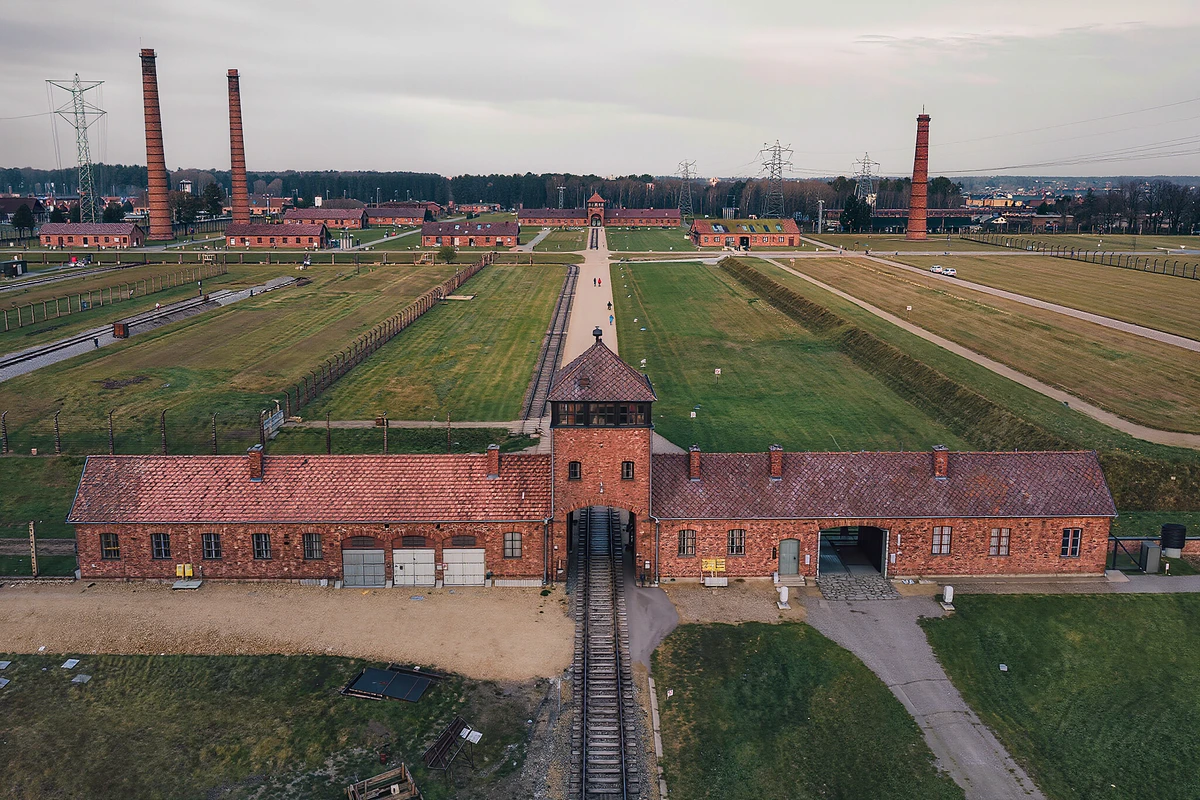
Early in the morning, Oświęcim is quiet. The Soła river flows slowly past the castle hill, church bells ring over the small Market Square, and residents walk to work beneath the trees. A few kilometres away, across flat fields, the long rows of barracks and the brick gatehouse of Birkenau stand under a wide, pale sky. Visitors arrive softly here, speaking little, and the silence of the place is something few of them ever forget.
Nothing matches those filters yet. Widen your search or message us on WhatsApp.
Oswiecim at first sight
Oświęcim is an old Polish town with a history of more than seven centuries, where Jewish and Christian communities lived side by side for generations. After the German invasion of Poland, the occupiers renamed it Auschwitz and in 1940 built the largest Nazi German concentration and extermination camp here. At least 1.1 million people were murdered at Auschwitz, the great majority of them Jews, together with Poles, Roma and Sinti, Soviet prisoners of war and others.
Why include Oswiecim in your itinerary?
- A place of remembrance. The Auschwitz-Birkenau State Museum and Memorial preserves the former camps as a place to honour the victims, and visitors come from every country to pay their respects in person.
- Education that matters. Original buildings, documents, personal belongings and the testimony of survivors help visitors understand how the Holocaust happened, and why remembering it remains so important today.
- A town with its own long story. Beyond the memorial, Oświęcim has a medieval castle, a Market Square and the Auschwitz Jewish Center, which recalls the vibrant Jewish life of the town before the war.
Signature experiences in Oswiecim
Auschwitz I: The Former Main Camp
The former main camp, set in brick barracks that once belonged to the Polish army, holds the core exhibitions of the Memorial and Museum. Visitors pass beneath the gate bearing the cynical words Arbeit macht frei and walk through blocks documenting deportation, daily life and death in the camp, including the Death Wall in the courtyard of Block 11. A visit guided by a trained museum educator gives the history its full context.
Auschwitz II-Birkenau
About three kilometres from the main camp, Birkenau was the largest part of the Auschwitz complex and the site where most victims were murdered. The gatehouse, the railway ramp where selections took place, the ruins of the gas chambers and crematoria, and the endless rows of barracks convey the scale of the crime. The International Monument to the Victims stands at the end of the tracks, a place for silent reflection.
Preparing for a Respectful Visit
Entry to the Memorial is by timed reservation, and visits with an educator are recommended and often required at busy times. A full visit to both parts takes at least three and a half hours, with a shuttle bus between them. Only small bags are allowed, and the site is not recommended for children under fourteen. We arrange reserved entry, a private vehicle from Kraków and quiet time for reflection.
Oświęcim Town and its Jewish Heritage
Before the war, Jews formed a large part of the town's population, which they called Oshpitzin. The Auschwitz Jewish Center, with its restored Chevra Lomdei Mishnayot synagogue and a small museum, tells the story of this community and its life before the Holocaust. Nearby, the Market Square, the castle on the hill above the Soła river and the town's churches show Oświęcim as a living Polish town.
Kraków and Kazimierz
Most visitors base themselves in Kraków, about an hour and a quarter away by car. Its UNESCO-listed old town, the Wawel Royal Castle and the historic Jewish quarter of Kazimierz, with its synagogues and old cemetery, give further perspective on Polish and Jewish history. Nearby, the Wieliczka Salt Mine reveals underground chapels carved in salt. We arrange private transfers and guided visits.
Neighbourhoods and quarters to know in Oswiecim
Kraków Old Town
Kraków's historic centre around the Main Market Square is the most popular base for visiting the Memorial, with a wide range of hotels, restaurants and shops within walking distance. It offers a calmer atmosphere to return to after a demanding day. The drive to Oświęcim takes around one hour and fifteen minutes, and our driver collects you from your hotel door.
Kazimierz, Kraków
The former Jewish quarter of Kazimierz, south of the old town, combines historic synagogues and quiet courtyards with small hotels, cafes and restaurants. Staying here allows time to explore its heritage and the stories of Kraków's Jewish community. It is a short walk from the old town and well placed for an early departure towards Oświęcim.
Oświęcim Town Centre
Staying in Oświęcim itself, near the Market Square and the castle, lets you visit the Memorial early in the morning or over two days without long drives. The town offers a few modest hotels and guesthouses, simple restaurants and pleasant walks along the Soła river. It suits educational groups and travellers who wish to spend more time in reflection.
Near the Memorial
A small number of hotels and the Centre for Dialogue and Prayer stand a few minutes from the former main camp, offering quiet accommodation for those taking part in study visits or wanting an early start. The area is calm and modest, with few services in the evening. Our team can advise whether this or a base in Kraków better suits your plans.
How long to stay in Oswiecim and how to pair it
Recommended stay
Most travellers visit Oświęcim as a full-day trip from Kraków, with around three and a half to four hours at the Memorial and time on the road to reflect. We recommend at least three nights in Kraków to combine the visit with the old town, Kazimierz and the Wieliczka Salt Mine. Those wishing to study the history more deeply may stay a night in Oświęcim and visit the Auschwitz Jewish Center the following day.
How to pair it
Oświęcim pairs naturally with Kraków, about one hour and fifteen minutes away, and the Wieliczka Salt Mine, around one hour. A seven-day trip combines Warsaw, Kraków and a visit to the Memorial. In ten days, add Zakopane and the Tatra Mountains. A fourteen-day journey can link Warsaw, Kraków, Oświęcim, Zakopane and Wrocław, or continue to Prague and Budapest, with private transfers arranged by our team.
Best time to visit Oswiecim and the rhythm of the day
Best months
The Memorial is open throughout the year, and every season carries its own weight. Spring and autumn offer mild weather and fewer crowds, which helps create a calmer atmosphere for reflection. Summer is the busiest period, so reserve entry well in advance. Winter is cold and often grey, and much of the visit is outdoors, so dress warmly. The anniversary of the liberation on 27 January is marked by commemorations.
The daily rhythm
A visit to the Memorial shapes the whole day. Most people set off from Kraków in the morning, spend the first hours in the former main camp and then continue to Birkenau. Many visitors need quiet time afterwards, and the drive back offers space to reflect. Evenings in Kraków are best kept calm and unhurried. Oświęcim itself follows the gentle routine of a small Polish town.
On-the-ground logistics in Oswiecim
Arrival
The nearest airport is Kraków Airport (KRK), about one hour by car from Oświęcim. Katowice Airport (KTW) is also around one hour away. Trains and buses link Kraków with Oświęcim in roughly an hour and a half. Our private airport transfers meet you in the arrivals hall and take you to your hotel in Kraków or Oświęcim, and we arrange private transport to the Memorial on the day of your visit.
Getting around
The former main camp and Birkenau are about three kilometres apart, linked by a shuttle bus, and both sites involve a lot of walking, often on gravel and uneven ground. In Oświęcim town, the centre is small and walkable. Public transport from Kraków is possible but time-consuming. A private car with driver arranged by our team allows a calm, flexible day with no worries about timings.
Local etiquette tip
The Memorial is a cemetery and a place of mourning. Dress modestly and soberly, speak quietly and switch phones to silent. Do not eat, smoke or chew gum on the grounds, and do not sit or climb on ruins and fences. Photography without flash is allowed in most outdoor areas, but never take smiling or posed pictures, and respect signs where photos are forbidden. Halal food is limited in Oświęcim, but Kraków has several options, and our team can advise.
Must-do things in Oswiecim
- Reserve your visit to the Memorial well in advance
- Walk the former main camp with a museum educator
- Stand in silence at the Death Wall beside Block 11
- Follow the railway tracks inside Birkenau
- Pause at the International Monument to the Victims
- Read the names of victims in the Book of Names
- Lay a candle or flowers at a memorial site
- Visit the synagogue of the Auschwitz Jewish Center
- Walk the Market Square and castle hill of Oświęcim
- Learn about Jewish heritage in Kraków's Kazimierz
Do’s and don’ts in Oswiecim
Do
- Do book timed entry passes well in advance
- Do dress modestly and wear comfortable shoes
- Do bring only a small bag to the Memorial
- Do allow at least three and a half hours
- Do take quiet time to reflect after the visit
Don’t
- Don't take smiling, posed or playful photographs
- Don't eat, smoke or speak loudly on the grounds
- Don't touch, sit on or climb ruins and fences
- Don't bring children under fourteen without careful thought
- Don't rush the visit or plan a busy evening afterwards
Oswiecim at a glance
Plan Oswiecim with Haqqi Tours
Every option is confirmed by our team on WhatsApp before you pay, and delivered by our own people or by trusted local partners we work with in every city. Because we send travellers from all over the world, our partners give us special rates and priority, so you always receive the best. Prices are per person unless marked per vehicle.
About Haqqi Tours: About us Contact us Legal NoticePrivacy PolicyCookies & Marketing PreferencesTerms & ConditionsBooking, Payment & Refunds
More services in Oswiecim
Good to know
Frequently Asked Questions
Straight answers to what travellers ask most about Oswiecim.
Where should visitors stay when visiting Auschwitz-Birkenau?
Most visitors stay in Kraków, in the old town or in Kazimierz, and travel to Oświęcim for the day. Kraków offers a wide choice of hotels and a calmer setting to return to afterwards. Those taking part in study visits, or wishing to spend two days at the Memorial, may stay in Oświęcim itself. Our team can suggest the right base and arrange private transfers.
Is a day trip from Kraków enough to visit the Memorial?
Yes. A full day from Kraków allows about three and a half to four hours at the former main camp and Birkenau, with travel of around an hour and a quarter each way. Those wishing to study the history more deeply, or to see the Auschwitz Jewish Center in town, may stay overnight. We arrange reserved entry, an educator and a private vehicle with driver.
What is the dress code and etiquette at the Memorial?
Dress modestly and soberly, with comfortable shoes and clothing suitable for the weather, as much of the visit is outdoors. Speak quietly, follow your educator and respect signs where photography is forbidden. Do not eat, smoke or take smiling or posed photos. Remember that the grounds are a place of mourning. Our team shares guidance before your visit.
Is the visit suitable for children, and is halal food available?
The Memorial does not recommend visits for children under fourteen, because of the nature of the exhibitions. Older children and teenagers should be prepared beforehand. Halal food is very limited in Oświęcim, though vegetarian options exist, and Kraków has several halal restaurants. We suggest bringing water and a light snack to enjoy outside the grounds.
Is it safe to travel to Oświęcim now?
Oświęcim and Kraków are generally considered very safe for visitors, including families and solo travellers. The visit itself is emotionally demanding, so allow time to rest. Dress for the weather, as summer can be hot and winter very cold. Review your own government's official travel advice before departure and keep our WhatsApp line handy throughout your stay.
What should not be missed during a visit to Oświęcim?
A visit should include the former main camp with its exhibitions and the Death Wall, Birkenau with the gatehouse, the railway ramp, the ruins of the gas chambers and the International Monument to the Victims, and, if time allows, the Auschwitz Jewish Center in town. Our private visits are arranged with educators and enough time for reflection.
How much time do you need for Auschwitz-Birkenau?
Allow at least three and a half hours for the guided visit to both the former main camp and Birkenau, plus travel from Kraków of about an hour and a quarter each way. A full day is best, without other plans in the evening. Those visiting for study may spend a second day at the Memorial or in the Auschwitz Jewish Center.
What can I book in Oswiecim with Haqqi Tours?
Day tours and private airport transfers, including Auschwitz-Birkenau Skip-the-Line Guided Tour Oswiecim. Each has its own page, and the WhatsApp desk combines any of them into one plan with one written price.
How do I get from the airport to my hotel in Oswiecim?
Kraków Airport (KRK) lies at Balice, about 15 km west of Kraków's old town; Oświęcim and the Auschwitz-Birkenau memorial are about 60 km to the west, around an hour by car on the A4 motorway and country roads. Our private transfer meets you at arrivals with a name board, tracks your flight and takes you door to door at a fixed price for the whole vehicle; the transfer pages list every route.
Is there public transport from the airport to Oswiecim?
Trains and buses run between Kraków and Oświęcim in about 1 h 30, but their times do not always suit a reserved entry slot, and the walk from the station takes time. A private car from the airport or from Kraków brings you straight to the entrance and can wait for the return. With luggage, a family or a late flight, the private car is the simpler choice.
Which tours are available in Oswiecim?
Among them: Auschwitz-Birkenau Skip-the-Line Guided Tour Oswiecim. Each page says whether the day is private or small-group, what it includes and how long it lasts.
Are the tours private or in a group?
Both exist, and each tour page says which. A private tour has a vehicle and guide for your party alone; the desk can make most group tours private on request.
How do I book?
Fill in the form on any page or message us on WhatsApp with the date, the number of travellers and the hotel. A member of our team confirms the price and the details in writing within minutes.
Are the prices fixed?
Yes - every price is agreed in writing on WhatsApp before you travel and does not change on the day.
Do the drivers and guides speak Arabic or English?
It depends on the city and the day, so we do not promise a particular language; tell us your preference and we do our best. The WhatsApp desk always works in Arabic and English.
Can I change or cancel a booking in Oswiecim?
Yes, in the same WhatsApp conversation. The terms depend on the product and on how close to the date the change comes; the desk states them before you pay.