
Phnom Penh
Plan Phnom Penh with Haqqi Tours: day tours, private airport transfers, attraction tickets and packages, run by our own team and confirmed on WhatsApp in Arabic or English.
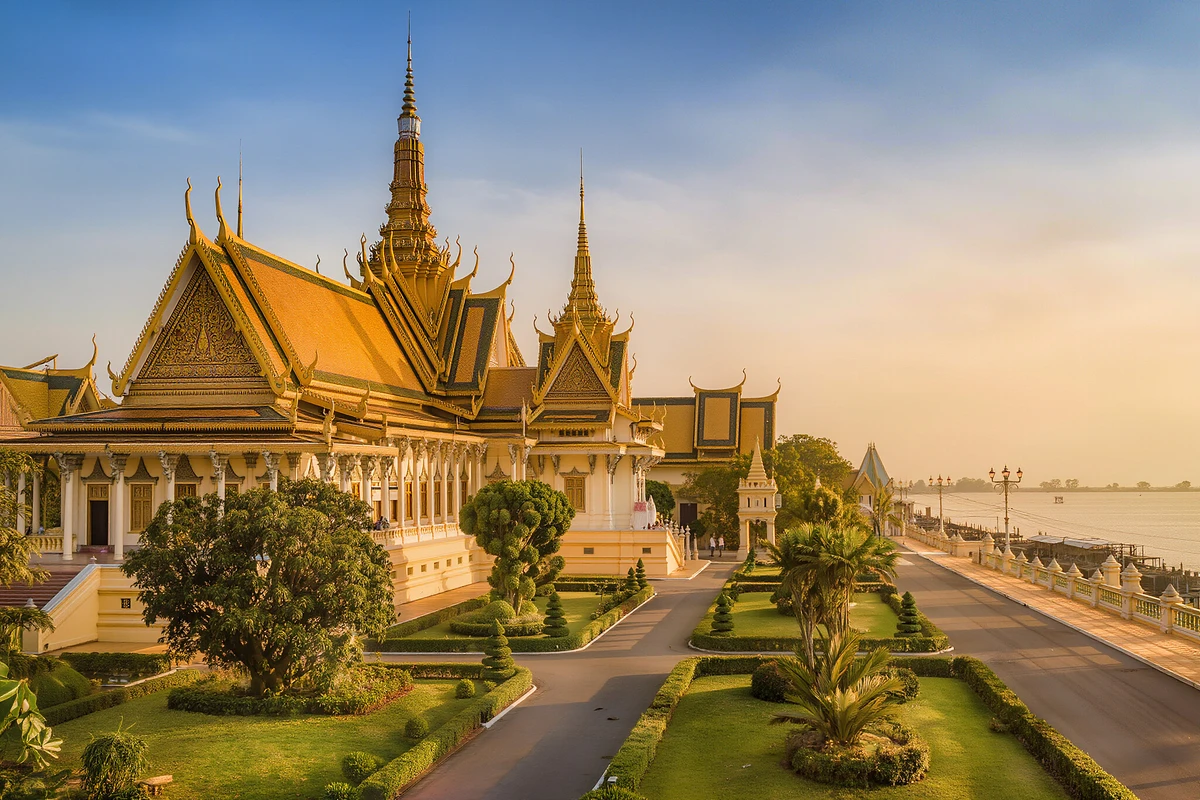
Wake early in Phnom Penh and walk to the riverfront, where the Tonle Sap meets the Mekong in a wide sheet of water turning pink with the dawn. Saffron-robed monks walk barefoot past shuttered shops collecting alms, tuk-tuks rattle along Sisowath Quay, and groups of neighbours stretch and dance to music under the trees. Above the treetops, the golden spires of the Royal Palace catch the first light while noodle stalls fill the air with the scent of broth and lemongrass.
Nothing matches those filters yet. Widen your search or message us on WhatsApp.
Phnom Penh Day Tours
View all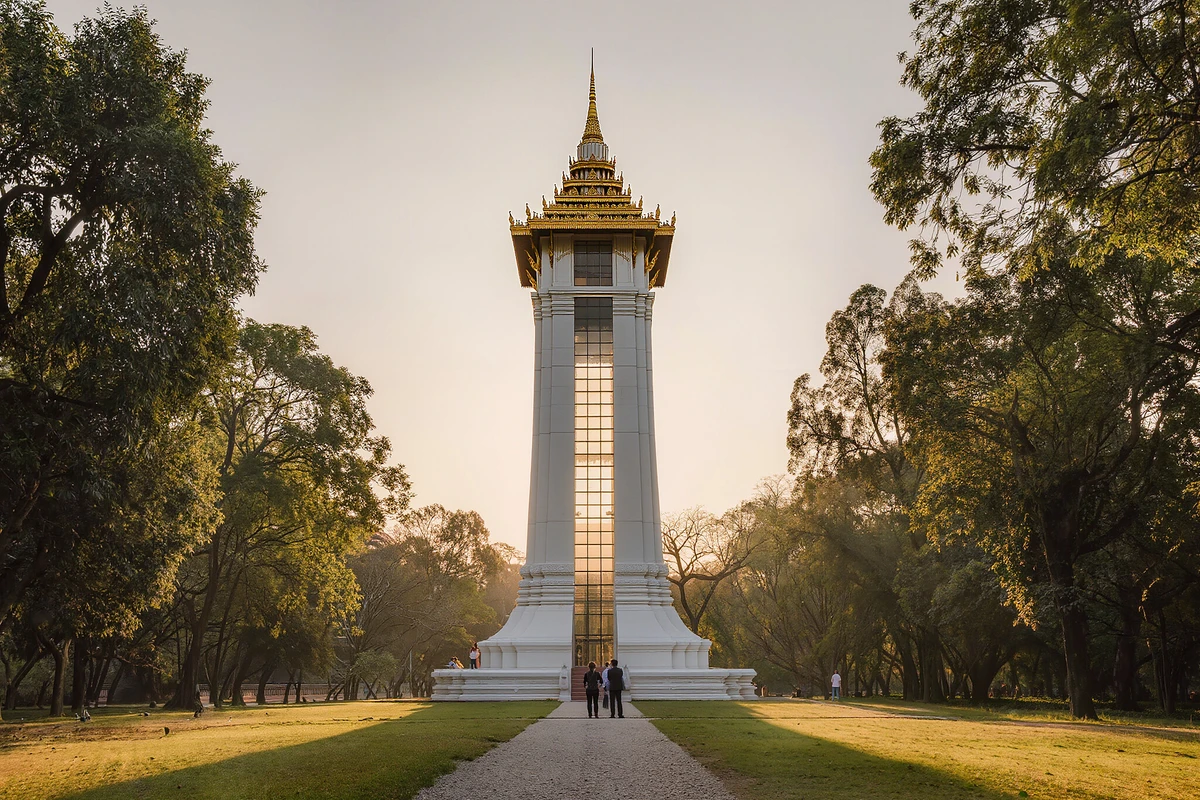
Phnom Penh Attraction Tickets
View allPhnom Penh Airport Transfers
View all




Phnom Penh at first sight
Phnom Penh has been Cambodia's capital since the eighteen-sixties, a city of French-era boulevards, ochre villas and gilded pagodas that has lived through war, forced emptying and rebirth. Today it is young, fast-changing and warm-hearted, a place where the dignity of the royal court, the hard memory of the Khmer Rouge years and the energy of a modern Asian capital sit side by side on the banks of three great rivers.
Why include Phnom Penh in your itinerary?
- A royal capital of gold and silver. The Royal Palace and the Silver Pagoda, the National Museum's Angkorian sculptures and the hilltop temple of Wat Phnom give Phnom Penh a grace found nowhere else in the country, and they all lie within a short ride of each other.
- History that must be understood. The Tuol Sleng Genocide Museum and the Choeung Ek Killing Fields tell the story of the Khmer Rouge years with quiet honesty. Visiting with a knowledgeable local guide is a moving experience that explains modern Cambodia better than any book.
- Life on three rivers. Phnom Penh sits where the Mekong, the Tonle Sap and the Bassac meet, and a sunset cruise on the open water, with the palace roofs glowing on the skyline, is one of the most beautiful moments in Southeast Asia.
Signature experiences in Phnom Penh
The Royal Palace and Silver Pagoda
Behind yellow walls on the riverfront, the Royal Palace is a vision of tiered golden roofs, throne halls and manicured gardens, still the official residence of the King. Next door, the Silver Pagoda shelters a small emerald-green Buddha and a life-size golden Buddha set with diamonds, its floor laid with solid silver tiles. Our guided day tours pair the palace with the National Museum's superb Khmer sculpture, timed for the cooler morning hours.
Tuol Sleng and the Killing Fields
A former high school turned into the S-21 prison, Tuol Sleng is now a museum of bare cells and portraits that honours the victims of the Khmer Rouge regime. About forty minutes south, the memorial stupa at Choeung Ek stands among quiet orchards where mass graves were found. Our guided tours handle this difficult history with care, with an audio guide or expert commentary, private transport and time for reflection.
A Sunset Cruise on Three Rivers
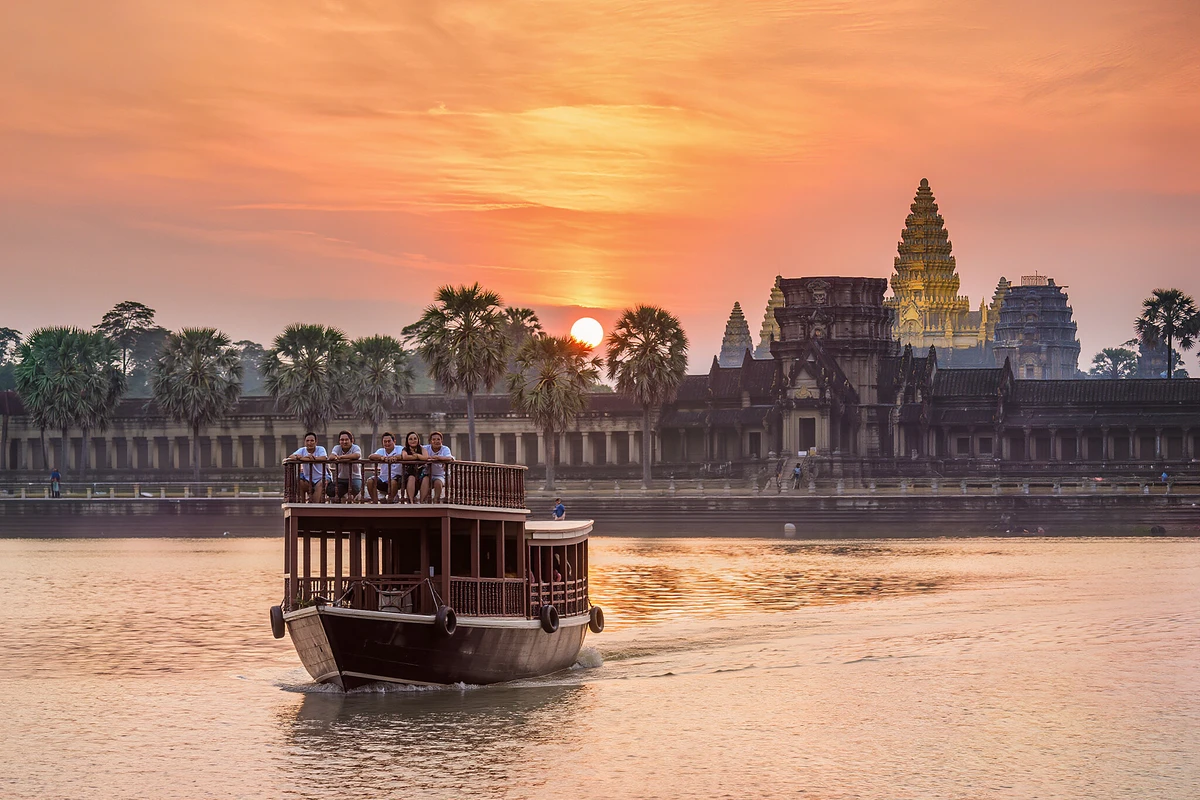
As the heat fades, board a riverboat on the Tonle Sap and sail out to the Chaktomuk confluence, where three rivers merge beneath a vast tropical sky. Watch the Royal Palace, Wat Ounalom and the riverfront skyline turn gold, pass fishing families living on the water, and see the lights of the city come on one by one. Our sunset cruises are a calm, unforgettable way to end a day of sightseeing.
City Highlights by Tuk-Tuk
The tuk-tuk is the true way to see Phnom Penh, open to the breeze and nimble in traffic. In a few hours you can climb to Wat Phnom, see the Art Deco dome of the Central Market, circle the Independence Monument, browse the Russian Market for silk and handicrafts and stop at the riverfront. Our tuk-tuk tours come with a local guide who shares stories, shortcuts and the best roadside fruit stalls.
Kun Khmer from Ringside
Kun Khmer, Cambodia's traditional kickboxing, is fast, rich in ritual and wildly popular. Before each bout the fighters perform a slow, graceful dance of respect as musicians play drums and the shrill traditional pipe, then the action explodes with elbows, knees and kicks. Our ringside seats put you close to the energy of a live fight night, with transport and a guide to explain the rules and traditions.
Neighbourhoods and quarters to know in Phnom Penh
The Riverside and Daun Penh
Sisowath Quay runs along the Tonle Sap from the Royal Palace towards the Night Market, lined with hotels, cafés and colonial shophouses. It is the most atmospheric base for first-time visitors, within walking distance of the palace, the National Museum and Wat Phnom. Evenings on the waterfront promenade are lively and family-friendly, though traffic is heavy, so cross the road carefully.
Boeung Keng Kang (BKK1)
Boeung Keng Kang is a leafy residential district south of the Independence Monument, full of embassies, boutique hotels, smart cafés and international restaurants. It is calm, central and popular with longer-stay travellers, a short tuk-tuk ride from the riverside and the palace, with good supermarkets and pharmacies close by.
The Russian Market Area
Named after the foreign residents who shopped here in the nineteen-eighties, the Russian Market area of Toul Tom Poung is a creative, down-to-earth quarter of covered market lanes, workshops, small guesthouses and independent cafés. It suits travellers who enjoy local character and shopping for silk, wood carvings and handicrafts, and it sits about fifteen minutes from the riverfront by tuk-tuk.
Koh Pich and Chroy Changvar
Across the water from the old centre, Koh Pich, or Diamond Island, is a new district of wide streets and modern towers, while the Chroy Changvar peninsula opposite the palace holds riverside resorts with pools and sunset views. Chroy Changvar is also where many of the city's Cham Muslim families live, with mosques and halal eateries close by. Both areas are quieter, greener and good for families.
How long to stay in Phnom Penh and how to pair it
Recommended stay
We recommend three nights in Phnom Penh. Spend one day on the Royal Palace, the Silver Pagoda and the National Museum, one on Tuol Sleng and the Killing Fields with a sunset cruise afterwards, and a third for the markets, Wat Phnom or Silk Island. With four nights, add a day trip to the old royal capital of Oudong or a Kun Khmer fight night.
How to pair it
Phnom Penh pairs naturally with Siem Reap and the temples of Angkor, reached by a short domestic flight or about five to six hours by road. A seven-day trip combines the capital with Angkor. In ten days, add the riverside town of Kampot and the seaside at Kep, about three hours south, known for pepper farms and crab markets. Two weeks can include the islands of Koh Rong off Sihanoukville, now about two and a half hours away by expressway.
Best time to visit Phnom Penh and the rhythm of the day
Best months
The best time to visit Phnom Penh is from November to February, when the dry season brings blue skies, lower humidity and comfortable evenings. March to May is very hot, with April the peak before the rains. From June to October the wet season brings short, heavy afternoon downpours and green landscapes, and in late October or November the Water Festival fills the riverfront with boat races.
The daily rhythm
Phnom Penh rises early. By sunrise the riverfront is busy with joggers, monks and breakfast stalls serving rice soup and noodles, and these are the best hours for the palace and temples. By midday the heat sends most people indoors for lunch and rest. Life returns in the late afternoon with a river cruise or market browsing, and evenings end on the waterfront as neighbours gather for open-air dance workouts under the lights.
On-the-ground logistics in Phnom Penh
Arrival
Phnom Penh is served by Techo International Airport (KTI), the new main gateway south of the city, usually about forty-five minutes to an hour from the riverfront depending on traffic. Buses arrive from Siem Reap, Kampot and the coast, seasonal boats sail in from Siem Reap, and a passenger train runs to Kampot and Sihanoukville. Our private airport transfers meet you on arrival and take you straight to your hotel.
Getting around
The riverfront and palace area are walkable in the cooler hours, but the city is spread out and pavements are often crowded with parked motorbikes. Tuk-tuks are everywhere and easy to book through ride-hailing apps, and they are the most enjoyable way to move between sights. For trips to Choeung Ek, Oudong or Silk Island, a private car with driver arranged by our team is the most comfortable choice.
Local etiquette tip
Cambodians are gentle, polite and proud of their culture. Cover shoulders and knees at the Royal Palace, where it is strictly required, and at pagodas, and remove your shoes before entering temple halls. Greet people with the sampeah, palms pressed together, never touch anyone's head, and women should not touch monks. At Tuol Sleng and Choeung Ek, speak softly and photograph respectfully.
Must-do things in Phnom Penh
- Admire the golden throne hall and gardens of the Royal Palace
- See the silver-tiled floor and jewelled Buddhas of the Silver Pagoda
- Pay your respects at the Tuol Sleng Genocide Museum
- Reflect at the memorial stupa of the Choeung Ek Killing Fields
- Sail to the meeting of three rivers on a sunset cruise
- Discover Angkorian sculpture at the National Museum
- Climb to Wat Phnom, the hilltop temple that gave the city its name
- Ride a tuk-tuk past the Independence Monument and the Central Market dome
- Shop for silk and handicrafts in the Russian Market
- Watch a Kun Khmer kickboxing night from ringside seats
Do’s and don’ts in Phnom Penh
Do
- Do dress modestly for the Royal Palace and pagodas
- Do start sightseeing early to avoid the midday heat
- Do carry water, sun protection and insect repellent
- Do keep phones and bags away from the roadside
- Do take off your shoes before entering temple halls
Don’t
- Don't touch anyone's head, including children's
- Don't take smiling selfies at the genocide memorials
- Don't point your feet at people or at Buddha images
- Don't hand anything directly to a monk if you are a woman
- Don't squeeze the palace, museums and Killing Fields into one rushed morning
Phnom Penh at a glance
Plan Phnom Penh with Haqqi Tours
Every option is confirmed by our team on WhatsApp before you pay, and delivered by our own people or by trusted local partners we work with in every city. Because we send travellers from all over the world, our partners give us special rates and priority, so you always receive the best. Prices are per person unless marked per vehicle.
About Haqqi Tours: About us Contact us Legal NoticePrivacy PolicyCookies & Marketing PreferencesTerms & ConditionsBooking, Payment & Refunds
More services in Phnom Penh
Where we operate in Cambodia
Good to know
Frequently Asked Questions
Straight answers to what travellers ask most about Phnom Penh.
Where should first-time visitors stay in Phnom Penh?
First-time visitors usually stay along the riverside near Sisowath Quay, within walking distance of the Royal Palace, the National Museum and Wat Phnom. For a calmer, residential feel, Boeung Keng Kang is leafy and central, while Chroy Changvar offers riverside resorts with pools. Our team can suggest a hotel in any area and arrange your private airport transfer.
Can Phnom Penh be done as a day trip, or does it need an overnight stay?
Phnom Penh is too far from Siem Reap or the coast for a comfortable day trip, and its sights need time and emotional space. Plan at least two nights, ideally three, to see the palace, the museums, Tuol Sleng and the Killing Fields without rushing. We arrange private transfers, guided tours and onward travel to fit your schedule.
What is the dress code and etiquette in Phnom Penh?
Dress modestly in Phnom Penh: light clothing covering shoulders and knees is required at the Royal Palace and respectful at pagodas and memorials. Remove your shoes in temple halls, greet with a slight bow and palms together, and avoid touching anyone's head. Speak quietly at the genocide sites. Our guides explain local customs along the way.
Is Phnom Penh tourist friendly?
Yes. Phnom Penh is relaxed and welcoming, and English is widely spoken in hotels, restaurants and shops in the centre. Halal food is easy to find thanks to the city's Cham Muslim community, with halal restaurants near the riverside and around the mosques of Chroy Changvar. Tuk-tuk drivers may offer rides constantly; a smile and a polite no is enough.
Is it safe to travel to Phnom Penh now?
Phnom Penh is generally safe for visitors, and violent crime against tourists is rare. The main concern is bag and phone snatching from passing motorbikes, so keep valuables on the side away from the road, especially in tuk-tuks. Use licensed transport or ride-hailing apps, check your own government's official travel advice before departure, and keep our WhatsApp line handy during your stay.
What are the must-do things in Phnom Penh?
The must-do things in Phnom Penh include the Royal Palace and Silver Pagoda, the National Museum, Tuol Sleng, the Choeung Ek Killing Fields, Wat Phnom, a sunset cruise on the three rivers and a tuk-tuk ride through the city's markets. Our guided tours combine these in the best order, with time to rest in the midday heat.
How many days do you need in Phnom Penh?
Three days is ideal for Phnom Penh: one for the palace and museum, one for Tuol Sleng, Choeung Ek and a sunset cruise, and one for the markets, Wat Phnom or Silk Island. Two days covers the essentials at a quicker pace, while four allows a trip to Oudong and a Kun Khmer fight night.
What can I book in Phnom Penh with Haqqi Tours?
Day tours, attraction tickets and private airport transfers, including Killing Fields & Tuol Sleng Genocide Museum Tour Phnom Penh, Phnom Penh Three-River Sunset Cruise and Private Phnom Penh Tuk-Tuk City Tour of 9 Highlights in 3 Hours. Each has its own page, and the WhatsApp desk combines any of them into one plan with one written price.
How do I get from the airport to my hotel in Phnom Penh?
Phnom Penh's new international airport (KTI), which replaced the old city airport in 2025, lies about 30 km south of the city centre, 45 to 60 minutes by car; Battambang is about 320 km away, five to six hours by road. Our private transfer meets you at arrivals with a name board, tracks your flight and takes you door to door at a fixed price for the whole vehicle; the transfer pages list every route.
Is there public transport from the airport to Phnom Penh?
Phnom Penh has no metro; city buses run on main routes, and tuk-tuks and ride-hailing cars are the usual way around town, while buses and minivans link the capital with Siem Reap, Battambang and the coast. The new airport is outside the city, so a private car is the easiest choice with luggage, for late flights or for travelling straight on to other provinces. With luggage, a family or a late flight, the private car is the simpler choice.
Which tours are available in Phnom Penh?
Among them: Killing Fields & Tuol Sleng Genocide Museum Tour Phnom Penh, Phnom Penh Three-River Sunset Cruise, Private Phnom Penh Tuk-Tuk City Tour of 9 Highlights in 3 Hours and Phnom Penh Royal Palace, S21 and Killing Fields Full-Day Tour. Each page says whether the day is private or small-group, what it includes and how long it lasts.
Are the tours private or in a group?
Both exist, and each tour page says which. A private tour has a vehicle and guide for your party alone; the desk can make most group tours private on request.
How do I book?
Fill in the form on any page or message us on WhatsApp with the date, the number of travellers and the hotel. A member of our team confirms the price and the details in writing within minutes.
Are the prices fixed?
Yes - every price is agreed in writing on WhatsApp before you travel and does not change on the day.
Do the drivers and guides speak Arabic or English?
It depends on the city and the day, so we do not promise a particular language; tell us your preference and we do our best. The WhatsApp desk always works in Arabic and English.
Can I change or cancel a booking in Phnom Penh?
Yes, in the same WhatsApp conversation. The terms depend on the product and on how close to the date the change comes; the desk states them before you pay.