
Charleston
Plan Charleston with Haqqi Tours: day tours, private airport transfers, attraction tickets and packages, run by our own team and confirmed on WhatsApp in Arabic or English.
Step out onto Meeting Street before nine and Charleston is already exhaling: salt air drifting up from the harbour, church bells counting the hour from steeples that earned the city its nickname, the Holy City, and pastel stucco glowing behind wrought-iron gates. The narrow houses turn their long porches sideways to catch the breeze, and magnolia leaves rustle overhead.
Nothing matches those filters yet. Widen your search or message us on WhatsApp.
Charleston Day Tours
View all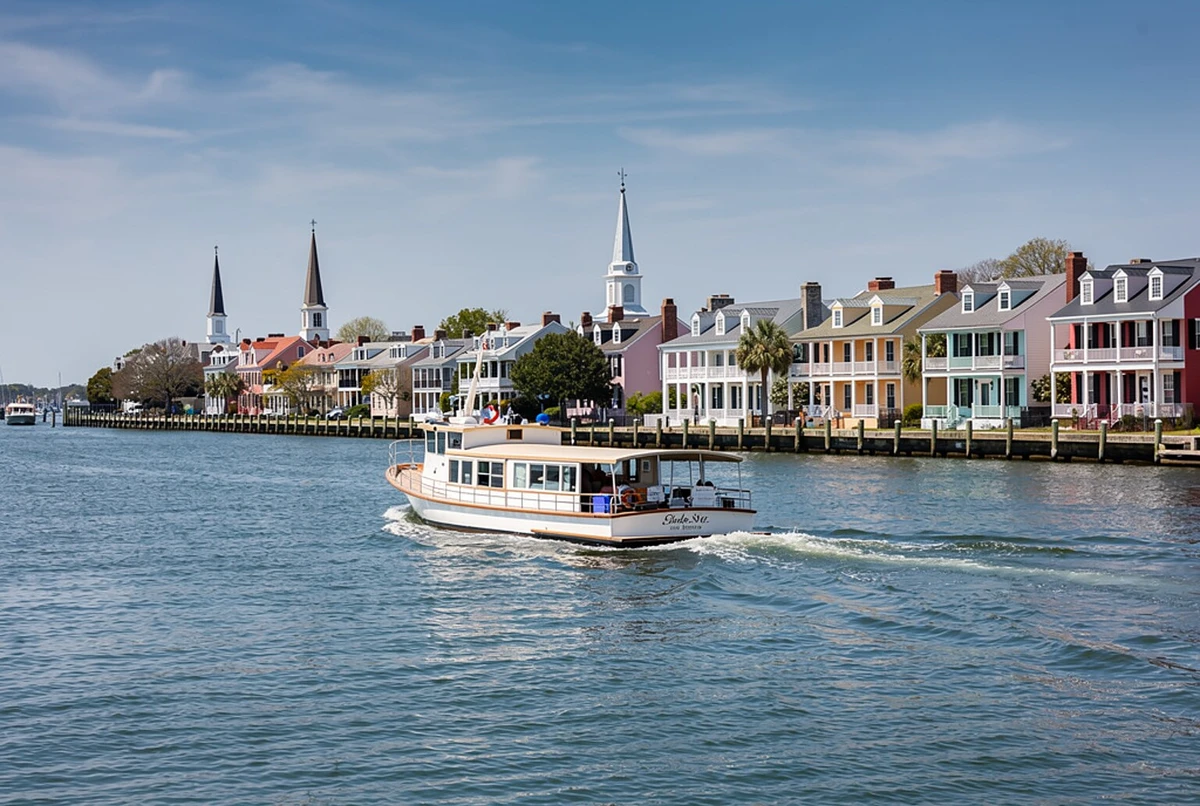
Charleston Attraction Tickets
View all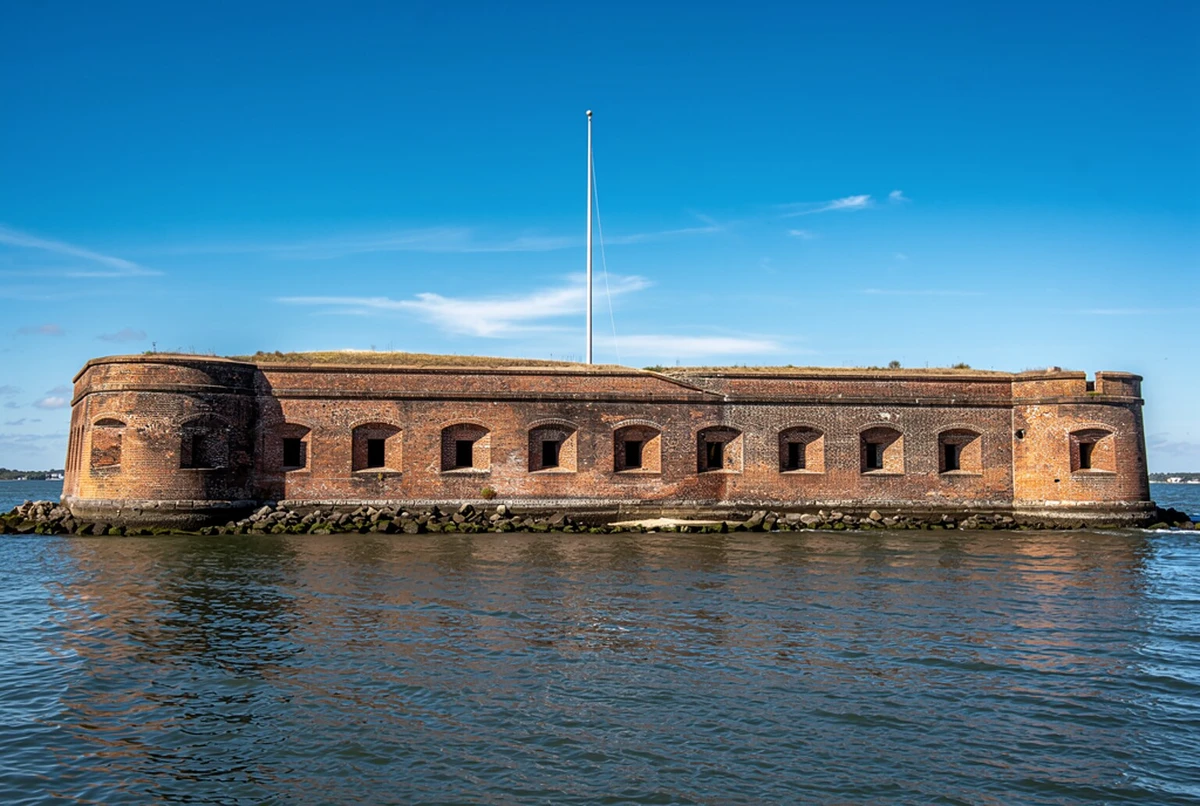
Charleston Airport Transfers
View all






Charleston Flight Tickets
View all



Charleston Train Tickets
View all
Charleston Ferry Tickets
View all

Charleston at first sight
This is where the American South first took shape. Founded in 1670, Charleston grew rich as a port, and the story it tells is both gracious and difficult: grand Georgian mansions, the Gullah Geechee heritage that shaped its food, music and basket-weaving, and the harbour fort where the Civil War began. Stay a while and the city explains itself slowly, one courtyard at a time.
Why include Charleston in your itinerary?
- Few American cities have kept so much of their original fabric. Charleston’s historic peninsula holds Georgian, Federal and Greek Revival architecture within a handful of walkable streets, so a single morning can cover three centuries of the country’s story.
- The food is a regional cuisine in its own right: shrimp and grits, she-crab soup, red rice and Lowcountry boils, rooted in Gullah Geechee kitchens and fresh Atlantic seafood. Eating well in Charleston is part of understanding the place, not a separate pleasure.
- Charleston is also a gateway. Barrier-island beaches, centuries-old plantation gardens, the harbour fort of Fort Sumter and the coastal town of Beaufort all sit within easy reach, so the city works as an elegant base for several unhurried days.
Signature experiences in Charleston
Rainbow Row and the Battery
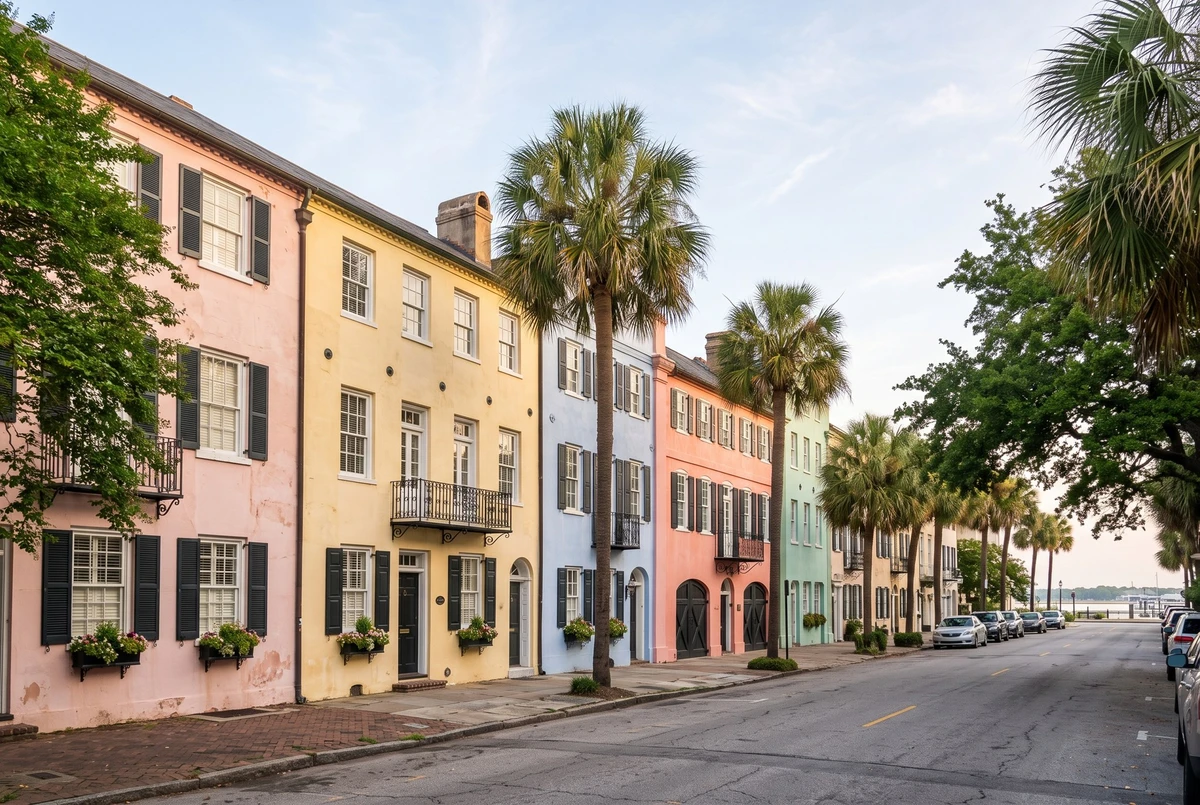
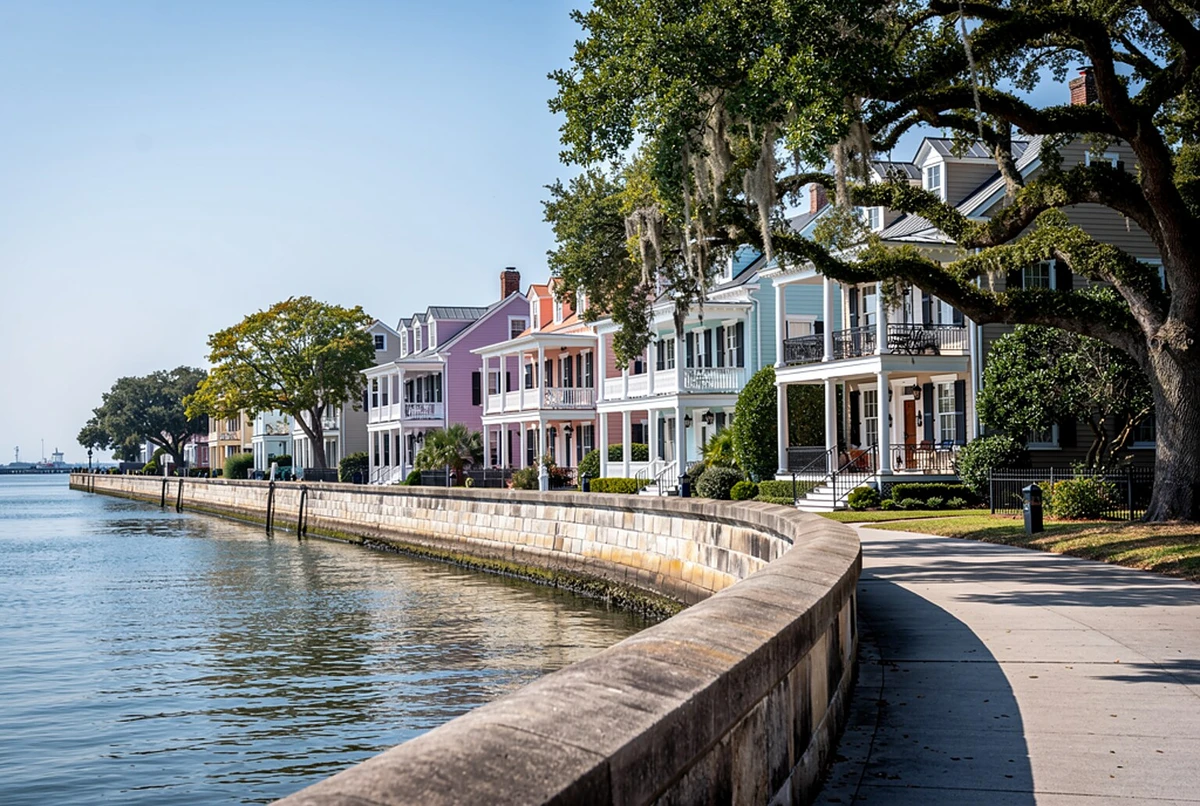
The iconic Charleston postcard is Rainbow Row, a run of thirteen pastel Georgian houses along East Bay Street, followed by the Battery, where a harbourside promenade and White Point Garden sit beneath wide live oaks. The light is best early or near sunset. A guided day tour of the historic district gives the names, dates and stories behind each façade, and our team can pair it with a private car for the beaches or gardens beyond.
Gullah Geechee Heritage and Lowcountry Tables
Charleston’s deepest cultural layer comes from the Gullah Geechee, descendants of enslaved West Africans whose language, music, cooking and craft still shape the Lowcountry. Watch sweetgrass baskets being woven near City Market, then taste rice dishes, okra, shrimp and grits at a traditional table. Our guided day tour places these traditions in context with a knowledgeable local guide, so every dish and craft carries its history.
The French Quarter and Church Street
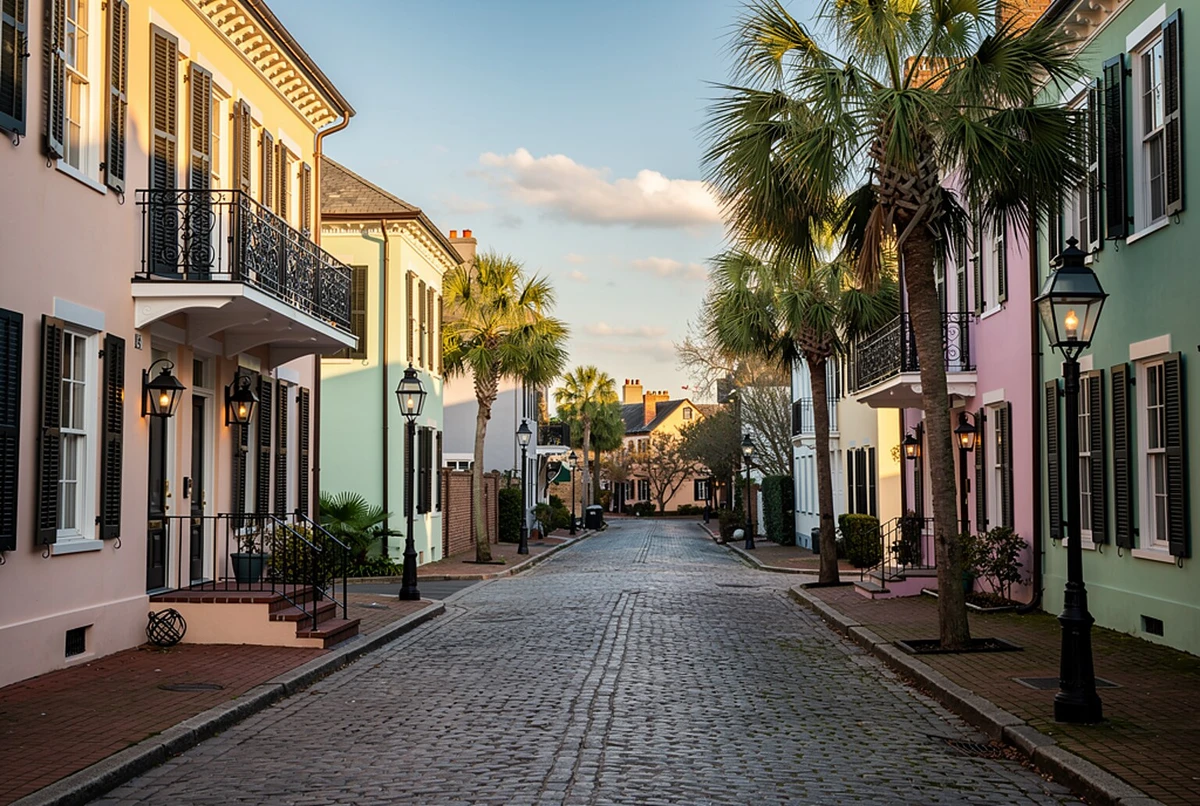
The quarter to wander is the old French Quarter around Church Street, where cobbled Chalmers Street, gas lanterns, small galleries and hidden courtyards sit close to the Dock Street Theatre and the Old Exchange. Walk it slowly in the morning, when shutters open and the lanes are quiet. A short stroll with a local guide on our day tour unlocks the doorways, ironwork and stories most visitors pass without noticing.
Fort Sumter and the Harbour
Fort Sumter, where the first shots of the Civil War were fired in April 1861, stands on an island that can only be reached by boat. The ferry crossing is a pleasure in itself, with the skyline receding behind you, and park rangers interpret the fort once you land. We arrange ferry tickets for harbour crossings such as this, so the timing and the transfer to the departure point are settled before you arrive.
Plantation Gardens on the Ashley River
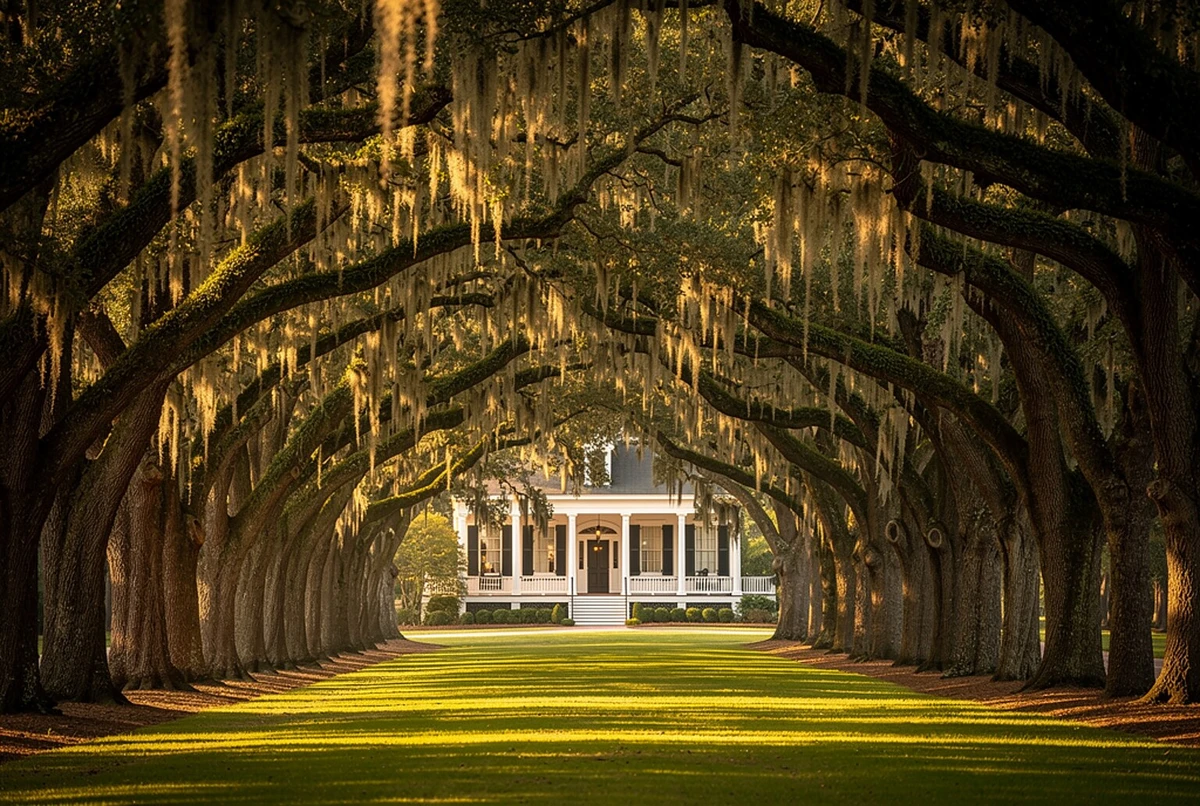
A short drive inland, the Ashley River corridor holds some of the oldest landscaped gardens in the country, with avenues of live oaks, camellias and reflecting ponds. These former plantations now interpret the history of the people who were enslaved there, and the best visits are guided and unhurried. A private car with driver arranged by our team or one of our day tours makes the loop easy, with attraction tickets issued in advance.
Neighbourhoods and quarters to know in Charleston
South of Broad
The most graceful corner of the historic peninsula, South of Broad is a quiet grid of mansions, church spires and garden walls running down to the Battery. It is calm, safe to stroll at most hours and close to Rainbow Row and the waterfront. Choose it for atmosphere, early-morning walks and a classic first look at Charleston.
The French Quarter and City Market
The heart of the visitor Charleston, this compact area gathers galleries, the covered City Market, cobbled lanes and the Waterfront Park promenade. It is lively by day, busy in the evening and easy on foot, with many ferry departures and tour meeting points nearby. Ideal for first-time visitors who want everything within a short walk.
Upper King Street
North of Broad Street, King Street shifts from antiques and boutiques to a lively stretch of restaurants, designer shops and music venues. The energy is relaxed rather than raucous, and the streets are well lit and well used into the evening. Choose it for dining, shopping and a modern take on Charleston, still within walking distance of the historic core.
Mount Pleasant and Shem Creek
Across the Ravenel Bridge, Mount Pleasant offers a quieter, more residential waterfront with seafood restaurants on Shem Creek and easy access to Sullivan’s Island and Patriots Point. It suits families and travellers who prefer a calmer base and have a car or private driver. The historic peninsula is only a short drive back across the harbour.
How long to stay in Charleston and how to pair it
Recommended stay
Three nights is the sweet spot for a first visit to Charleston: one day for the historic peninsula, one for Fort Sumter and the harbour, and one for the Ashley River gardens or the beaches. Add a fourth night if you want a slow Lowcountry pace, a long lunch on a porch, or a day trip to Savannah or Beaufort.
How to pair it
Charleston pairs naturally with the cities we cover across the American Southeast. A seven-day loop could begin in Washington DC for museums and monuments, continue to Charleston for three slow days, then end in Atlanta. Over ten days, add New Orleans for its music and Creole cooking, or Miami for beaches and Art Deco. Our team can link flights, transfers and day tours in one clear plan, working with trusted local partners in each city.
Best time to visit Charleston and the rhythm of the day
Best months
The best months in Charleston are March to May and October to November. Spring brings azaleas, wisteria and mild afternoons, while autumn offers clear light and warm sea breezes. Summer, from June to September, is hot and humid with afternoon thunderstorms, and hurricane season runs through November, peaking in late summer. Winter is gentle and quiet, ideal for garden visits and uncrowded streets.
The daily rhythm
Mornings in Charleston begin early, before the heat, with coffee on King Street and a stroll through the quiet historic streets. Lunch is unhurried and often taken on a shaded porch. Afternoons suit museums, house interiors or a harbour crossing, and the late light on Rainbow Row is worth waiting for. Evenings are for seafood, live music and a slow walk along the Battery.
On-the-ground logistics in Charleston
Arrival
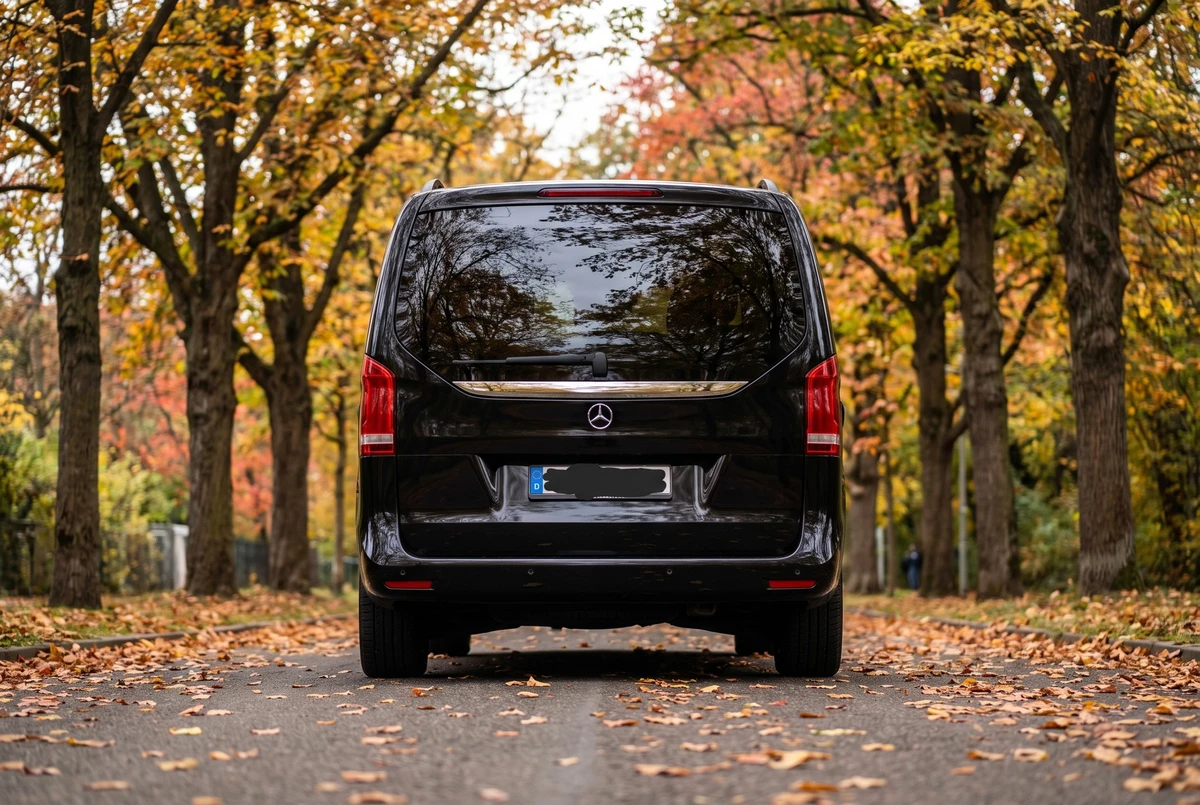
Charleston International Airport lies about twenty minutes by car from the historic district, while intercity trains arrive at a station in North Charleston, a little further inland. Our private airport transfers meet you on arrival and take you directly to your hotel on the peninsula, so you begin your stay without queuing for a taxi after a long journey.
Getting around
The historic peninsula is compact and best explored on foot, though summer heat and sudden showers make a lift welcome. Licensed taxis and ride-hailing apps operate across the city, and local buses exist but are infrequent. For the plantations, the beaches and Mount Pleasant, a private car with driver arranged by our team is far simpler than piecing together separate journeys.
Local etiquette tip
Southern courtesy matters in Charleston. Greet shopkeepers and strangers with a smile and a polite hello, and expect the same in return. At former plantation sites, treat the history of slavery with seriousness: listen to the interpretation, keep your voice low and avoid posing for light-hearted photographs. In churches and cemeteries, dress modestly and stay on the marked paths.
Must-do things in Charleston
- Stroll Rainbow Row at golden hour and admire the pastel Georgian houses along East Bay Street.
- Walk the Battery promenade and White Point Garden beneath the live oaks.
- Cross the harbour by ferry to Fort Sumter, where the Civil War began.
- Browse Charleston City Market and watch Gullah Geechee sweetgrass baskets being woven.
- Order shrimp and grits and she-crab soup at a traditional Lowcountry table.
- Visit a plantation garden on the Ashley River with a guide who tells the full history.
- Wander cobbled Chalmers Street and the lanes of the French Quarter.
- Watch the sunset from Waterfront Park beside the pineapple fountain.
- Spend an afternoon on the sand at Folly Beach or Sullivan’s Island.
- Drive out to Johns Island to stand beneath the centuries-old Angel Oak.
Do’s and don’ts in Charleston
Do
- Start sightseeing early in summer, before the heat and the afternoon storms arrive.
- Wear comfortable shoes for cobblestones, uneven brick pavements and long garden paths.
- Say good morning to the people you pass; Southern politeness is part of the welcome.
- Learn a little about the history before visiting plantations so the tour means more.
- Reserve ferry crossings and garden visits ahead in spring and autumn, when demand is highest.
Don’t
- Don’t wade or drive through flooded streets after heavy rain or at high tide.
- Don’t leave the marked paths in cemeteries, gardens or protected marshland.
- Don’t treat former plantation sites as a casual photo backdrop.
- Don’t plan long outdoor days in the middle of a summer afternoon.
- Don’t pick flowers, touch historic ironwork or climb on garden walls and monuments.
Charleston at a glance
Plan Charleston with Haqqi Tours
Every option is confirmed by our team on WhatsApp before you pay, and delivered by our own people or by trusted local partners we work with in every city. Because we send travellers from all over the world, our partners give us special rates and priority, so you always receive the best. Prices are per person unless marked per vehicle.
About Haqqi Tours: About us Contact us Legal NoticePrivacy PolicyCookies & Marketing PreferencesTerms & ConditionsBooking, Payment & Refunds
More services in Charleston
Where we operate in United States
- New York
- Denver
- Atlanta
- Los Angeles
- Seattle
- San Francisco
- Miami
- New Orleans
- Boston
- Orlando
- Las Vegas
- Chicago
- Washington DC
- San Diego
- Savannah
- Nashville
- Dallas
- Maui
- Big Island
- Honolulu
- Key West
- Kauai
- Houston
- Page
- Grand Canyon
- Monument Valley
- St. Augustine
- Branson
- Cincinnati
- Clearwater Beach
- Fort Lauderdale
- Gettysburg
- Lake Tahoe
- Moab
- Monterey
- Newport Beach
- Niagara Falls
- Palm Springs
- Philadelphia
- Tampa
Good to know
Frequently Asked Questions
Straight answers to what travellers ask most about Charleston.
Where should first-time visitors stay in Charleston?
For a first visit, stay on the historic peninsula, ideally between Broad Street and Upper King Street. You can walk to Rainbow Row, the Battery, City Market and the best restaurants, and a short ride reaches the harbour ferries. Mount Pleasant suits those who prefer quiet waterfront evenings and a car-based stay.
Can Charleston be done as a day trip, or does it need an overnight stay?
Charleston can be seen in one long day, but it rewards a night or more. A day trip covers Rainbow Row, the Battery and a harbour crossing, while staying overnight adds golden-hour light, unhurried dinners and the beaches. We can arrange day tours, ferry tickets and a private transfer for either plan.
What is the dress code and etiquette in Charleston?
Charleston is relaxed but polished. Light cotton and linen suit the heat, and comfortable shoes matter on cobblestones and uneven brick. Smart-casual is the norm for dinner. Dress modestly in churches and respectfully at historic sites, carry a light layer for air conditioning, and use friendly Southern greetings with staff and neighbours.
Is Charleston tourist friendly?
Yes. Tourism is central to Charleston’s economy, so signage, guides, ferries and visitor services are well developed, and locals are known for their courtesy. English is spoken everywhere, the historic core is compact, and our team can arrange day tours, tickets and transfers so you arrive to a clear plan.
Is it safe to travel to Charleston now?
Charleston is generally regarded as welcoming, and the main visitor areas are busy and well lit, but conditions change. Before departure, check the official travel advice of your own government, particularly during hurricane season, and use ordinary city sense at night. Keep our WhatsApp line handy and our team will help with any change of plan.
What are the must-do things in Charleston?
Walk Rainbow Row and the Battery, cross to Fort Sumter by ferry, visit City Market, eat Lowcountry dishes and tour a plantation garden on the Ashley River with a guide who tells the full history. Finish with sunset at Waterfront Park or a beach afternoon at Folly Beach. Our team can combine these into one smooth plan.
How many days do you need in Charleston?
Three days suits most first-time visitors: one for the historic peninsula, one for Fort Sumter and the harbour, and one for the plantation gardens or beaches. Two days works for a brisk visit, while four or five allow Savannah, Beaufort and slow Lowcountry meals. We can shape the schedule around your flight times.
What can I book in Charleston with Haqqi Tours?
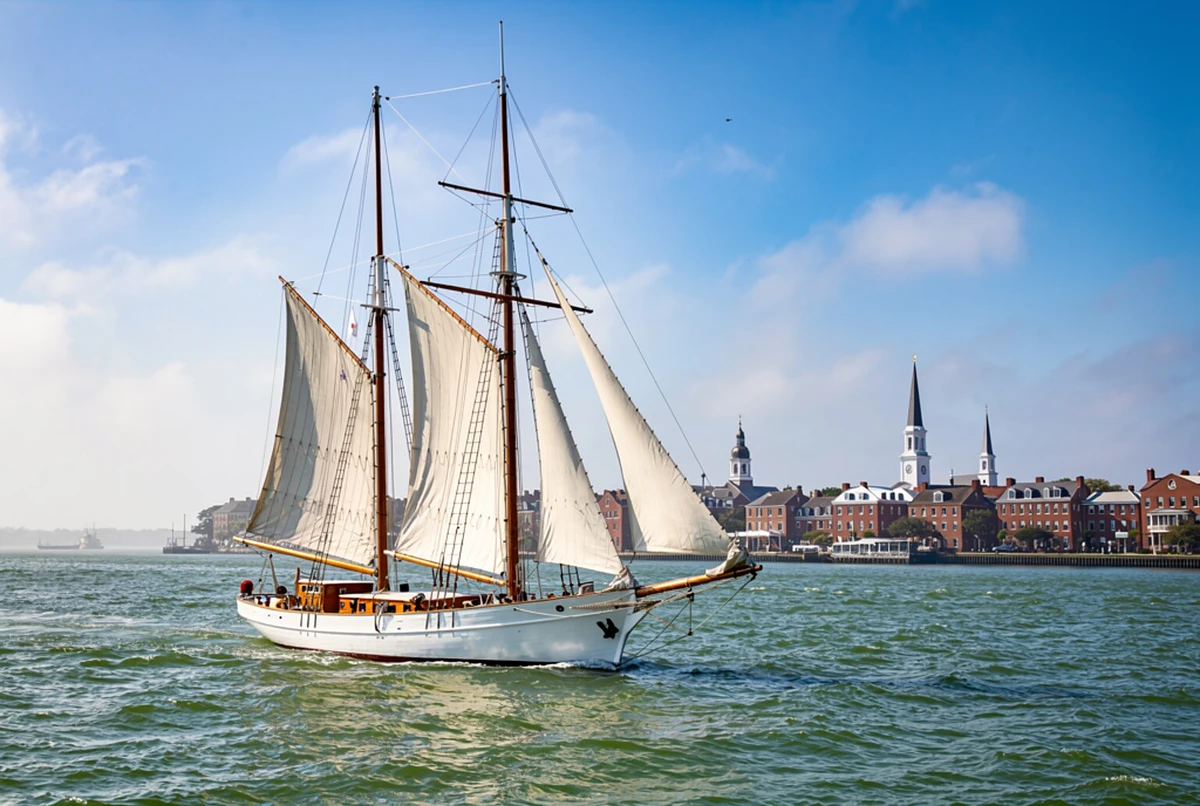
Day tours, attraction tickets, private airport transfers, flight tickets, train tickets and ferry tickets, including Magnolia Plantation Tour with Transport from Charleston, Charleston Harbor Schooner Sailing and Dolphin Watch and Charleston Historic Harbor Cruise Daytime or Sunset. Each has its own page, and the WhatsApp desk combines any of them into one plan with one written price.
How do I get from the airport to my hotel in Charleston?
Charleston International Airport (CHS) is in North Charleston about 19 km north-west of the Historic Peninsula, 31 km from Sullivan's Island, 32 km from Folly Beach and 55 km from Kiawah Island. Our private transfer meets you at arrivals with a name board, tracks your flight and takes you door to door at a fixed price for the whole vehicle; the transfer pages list every route.
Is there public transport from the airport to Charleston?
Public buses serve the airport area, but they are slow with luggage and do not reach the beaches or the plantations; taxis and ride-hailing run to downtown, and a private car is the practical choice for Kiawah, Seabrook, Folly Beach, Isle of Palms, the plantations and drives to Savannah, Hilton Head or Myrtle Beach. With luggage, a family or a late flight, the private car is the simpler choice.
Which tours are available in Charleston?
Among them: Magnolia Plantation Tour with Transport from Charleston, Charleston Harbor Schooner Sailing and Dolphin Watch, Charleston Historic Harbor Cruise Daytime or Sunset, Charleston Historic Downtown Horse-Drawn Carriage Tour and Charleston Historic Highlights Guided Bus Tour. Each page says whether the day is private or small-group, what it includes and how long it lasts.
Are the tours private or in a group?
Both exist, and each tour page says which. A private tour has a vehicle and guide for your party alone; the desk can make most group tours private on request.
How do I book?
Fill in the form on any page or message us on WhatsApp with the date, the number of travellers and the hotel. A member of our team confirms the price and the details in writing within minutes.
Are the prices fixed?
Yes - every price is agreed in writing on WhatsApp before you travel and does not change on the day.
Do the drivers and guides speak Arabic or English?
It depends on the city and the day, so we do not promise a particular language; tell us your preference and we do our best. The WhatsApp desk always works in Arabic and English.
Can I change or cancel a booking in Charleston?
Yes, in the same WhatsApp conversation. The terms depend on the product and on how close to the date the change comes; the desk states them before you pay.