Sylt Guided Mudflat Hike on the Island
- Duration1.5 to 2 hours
- Daily
- Group
- Fair, honest prices
- Real people, not bots
- Confirm, then pay
- Secure payment

Overview
This Sylt mudflat hike takes you out onto the Wadden Sea on the sheltered east side of the island with a certified national-park guide. Starting near Kampen, the small group walks across the tidal flats for 1.5 to 2 hours, barefoot in summer and in rubber boots in the cooler months, while the guide explains the tides and shows you shore crabs, mussel beds, lugworms and brown shrimp. You also learn about the migratory birds that make this UNESCO World Heritage Site so special. It is a shared nature experience that suits families, couples and anyone curious about the North Sea coast. The guide speaks German, there is no hotel pickup, and the start time follows the tide.
Highlights
- Walk out onto the Wadden Sea mudflats, a UNESCO World Heritage Site
- Led by a certified national-park mudflat guide born on Sylt
- See shore crabs, mussel beds, lugworms and brown shrimp up close
- Learn how the tides shape the island twice a day
- Barefoot in summer, in rubber boots in spring, autumn and winter
- Spot migratory birds and, with luck, seals on distant sandbanks
- Easy meeting point at the Vogelkoje near Kampen
- A relaxed 1.5 to 2 hours that suits children and adults
Full Description
Kampen, the Vogelkoje and Klappholttal
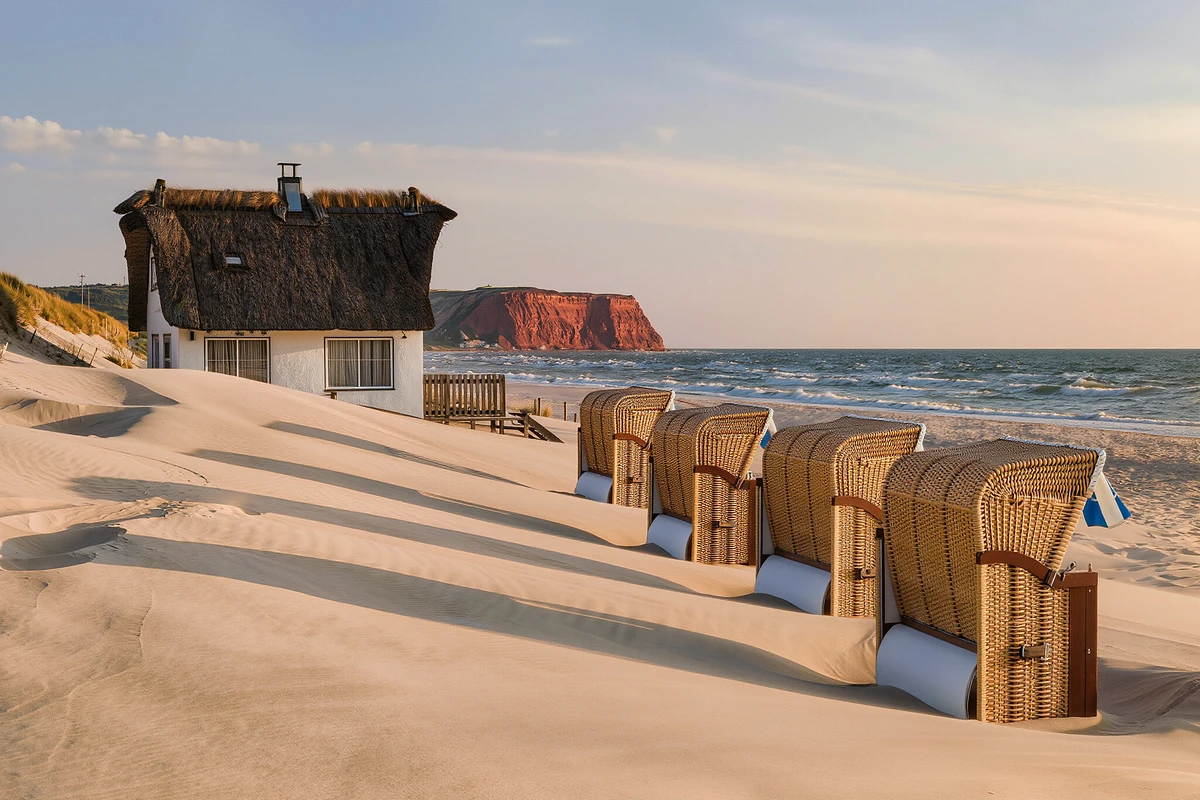
The hike begins on the quiet eastern side of Kampen, a village in the north of Sylt known for its thatched houses, its heath-covered dunes and the Red Cliff that drops to the North Sea on the western shore. The meeting point is at the Vogelkoje, a small wood planted in the eighteenth century around a pond where islanders once caught wild ducks, next to the valley of Klappholttal. Today the old decoy pond is a protected nature area, and its trees are a rare sight on this windswept island.
From here it is only a few minutes on foot to the edge of the Wadden Sea. Arrive about 15 minutes early, as the group sets off together once everyone has met the guide. Island buses running between Westerland and List stop near Kampen and Klappholttal, and there is parking close to the Vogelkoje if you are driving.
The Wadden Sea mudflats on the east side of Sylt
While the west coast of Sylt faces the open North Sea with surf and long sandy beaches, the east side looks onto the calm Wadden Sea. Twice a day the tide goes out and leaves behind a wide plain of sand and mud, cut by shallow channels that fill again as the water returns. This rhythm of ebb and flood shapes everything you see, and it is the reason the start time of each Sylt mudflat hike follows the tide table rather than a fixed clock.
Walking on the flats is a strange and pleasant feeling: firm ripples of sand in some places, soft cool mud in others. In summer the group usually goes barefoot; in spring, autumn and winter rubber boots are the rule. Your guide reads the water and the ground for you, which is exactly why nobody should venture far onto the mudflats alone.
Life in the mud: crabs, mussels, lugworms and shrimp
At first glance the mudflats look empty, yet they are among the richest natural areas in Europe. Your guide digs, lifts shells and scoops water to show what lives here: shore crabs hiding in the channels, mussel beds anchored to the sand, cockles, tiny mud snails and the brown shrimp that are a favourite North Sea catch. The coiled sand casts that cover the flats are left by lugworms, which live in U-shaped burrows and filter the sand for food.
This close look at the small creatures is the part that children and adults remember most, and the guide explains how each one survives the daily switch between water and air. With a bit of luck you may also see seals or grey seals resting on distant sandbanks, and on rare days a harbour porpoise in deeper water. Keep a phone in a waterproof pocket for close-up photos.
Wadden Sea National Park, a UNESCO World Heritage Site
Sylt lies inside the Schleswig-Holstein Wadden Sea National Park, the largest national park in Germany, which protects tidal flats, salt marshes, dunes and sandbanks along the North Sea coast. Together with the Wadden Sea areas of the Netherlands and Denmark it was inscribed as a UNESCO World Heritage Site in 2009, recognised as the largest unbroken system of intertidal sand and mud flats on the planet.
In spring and autumn huge flocks of migratory birds stop here to feed on their way between Arctic breeding grounds and southern winter quarters: oystercatchers, curlews, knots, brent geese and many more. Because your guide is a certified national-park guide and partner of the park, this Wadden Sea walk also explains why the area is protected and how visitors can enjoy it without disturbing the wildlife.
Visiting Sylt: how to get there and the best time to go
Sylt is the northernmost island of Germany and the largest of the North Frisian Islands. If you are wondering how to get to Sylt, most visitors cross the railway causeway from the mainland, either on a regional train from Hamburg to Westerland or with their car on a car-carrying train from Niebüll. There are also flights to Sylt airport and a ferry from the Danish island of Rømø to the harbour of List in the far north.
The best time to visit Sylt for a mudflat hike is from May to September, when the sand is warm enough to go barefoot and the evenings are long. Spring and autumn bring the great bird migrations and quieter beaches, and a rubber-boot walk in the cool months has its own calm charm. Combine the hike with the Red Cliff, the dunes of List or the village of Keitum for a full island day.
Itinerary
- Meet the guide at the Vogelkoje / Klappholttal, KampenThe group gathers at the meeting point near Kampen at the tide-based start time and the guide gives a short welcome and safety talk, about 10 minutes.
- Walk to the edge of the Wadden SeaA few minutes on foot bring you to the shore, where you take off your shoes in summer or check your rubber boots in the cooler months.
- Out on the mudflatsThe group walks across sand and mud while the guide explains the tides, the channels and the shape of the island, about 40 minutes.
- Discovering mudflat wildlifeThe guide shows you shore crabs, mussel beds, lugworms, snails and shrimp and explains how they live between land and sea, about 30 minutes.
- Birds and views over the national parkPause to look out over the flats for migratory birds and, with luck, seals on the sandbanks, about 15 minutes.
- Return to the meeting pointWalk back to the shore and the Vogelkoje, where the hike ends after 1.5 to 2 hours in total.
What's included
- Guided mudflat hike of 1.5 to 2 hours
- Certified national-park mudflat guide (German-speaking)
- Explanations on tides, marine life and migratory birds
- Visit to the Wadden Sea National Park, a UNESCO World Heritage Site
Not included
- Transfer to the meeting point
- Food and drinks
- Rubber boots
- Weather-appropriate clothing
Is this right for you?
Great for
- Families with children — a child price for ages 3–11
- A short visit — about 2 hours
- Travellers who want a proven choice — rated 4.9/5 by past travellers
Think twice if
- You want a private tour — this one is shared with other travellers
- Walking is difficult for you — expect active parts
Not suitable for
- Wheelchair users
- Travellers who have difficulty walking on soft, uneven ground
Meeting point
There is no hotel pickup on this hike. Meet your guide at the Vogelkoje / Klappholttal, 25999 Kampen, on the island of Sylt. Because the start time depends on the tides, it can change from day to day; the time shown in the booking panel applies to your date, and our team confirms it with you on WhatsApp before the hike. Please arrive about 15 minutes early.
Important information
- The guide explains in German; there is no English commentary on this hike.
- In summer the walk is usually barefoot; in spring, autumn and winter bring your own rubber boots, as they are not included.
- Wear weather-appropriate, windproof clothing that can get muddy; shorts or rolled-up trousers work best in summer.
- Bring water, sun protection and a small towel to clean your feet afterwards.
- The start time follows the tide table and may differ from one day to the next.
- Food, drinks and transport to the meeting point are not included.
- Never walk far onto the mudflats without a guide; the tide comes back quickly.
- Not suitable for wheelchair users.
Good to know
Frequently Asked Questions
Straight answers to what travellers ask us most, before they book.
Is this a shared or a private experience?
It is a shared small-group hike led by a certified national-park mudflat guide. You walk together with other travellers on the same date and time.
How long does the Sylt mudflat hike take?
The hike lasts 1.5 to 2 hours from the meeting point and back, depending on the tide and the pace of the group.
Is hotel pickup included?
No. You make your own way to the Vogelkoje / Klappholttal near Kampen. Island buses between Westerland and List stop nearby, and there is parking close to the meeting point.
What is included?
A guided mudflat hike of 1.5 to 2 hours with a certified German-speaking national-park guide, explanations on the tides, marine life and migratory birds, and your visit to the Wadden Sea National Park.
Is the price per person or per group?
The price is per person. The booking panel on this page shows the current price for your chosen date.
Is it suitable for children or travellers with reduced mobility?
Children usually love finding crabs and shells and are welcome when accompanied by an adult. The ground is soft and uneven, so the hike is not suitable for wheelchair users or people who find walking on sand and mud difficult.
Is the guide English-speaking?
No. The guide explains in German. Many visitors still enjoy the hike for the landscape and wildlife, but you should know this before you book.
What should I bring?
Weather-appropriate, windproof clothing, rubber boots outside summer, water, sun protection, a small towel and a waterproof pocket or bag for your phone.
What is the best time of year for a mudflat hike on Sylt?
May to September is best for barefoot walks in warm sand and water. Spring and autumn are ideal for watching migratory birds, and winter walks in rubber boots are calm and atmospheric.
What happens in bad weather?
The hike runs in wind and light rain, which are normal on the North Sea. If storms or thunder make the mudflats unsafe, the guide may cancel, and we contact you on WhatsApp to arrange a new date or a refund.
How do I book and confirm?
Choose your date in the booking panel and complete your booking. Our team confirms your place on WhatsApp within minutes and sends you the meeting details and tide-based start time.
Is Sylt worth visiting for a nature day?
Yes. Sylt combines North Sea surf, high dunes, the Red Cliff and the Wadden Sea in one island, and a guided mudflat hike is one of the best things to do in Sylt to understand its unique coast.
More in Sylt
Getting to & around Sylt
Popular across Germany
-

-

-

-

-

-