
Oslo
Plan Oslo with Haqqi Tours: day tours, private airport transfers, attraction tickets and packages, run by our own team and confirmed on WhatsApp in Arabic or English.
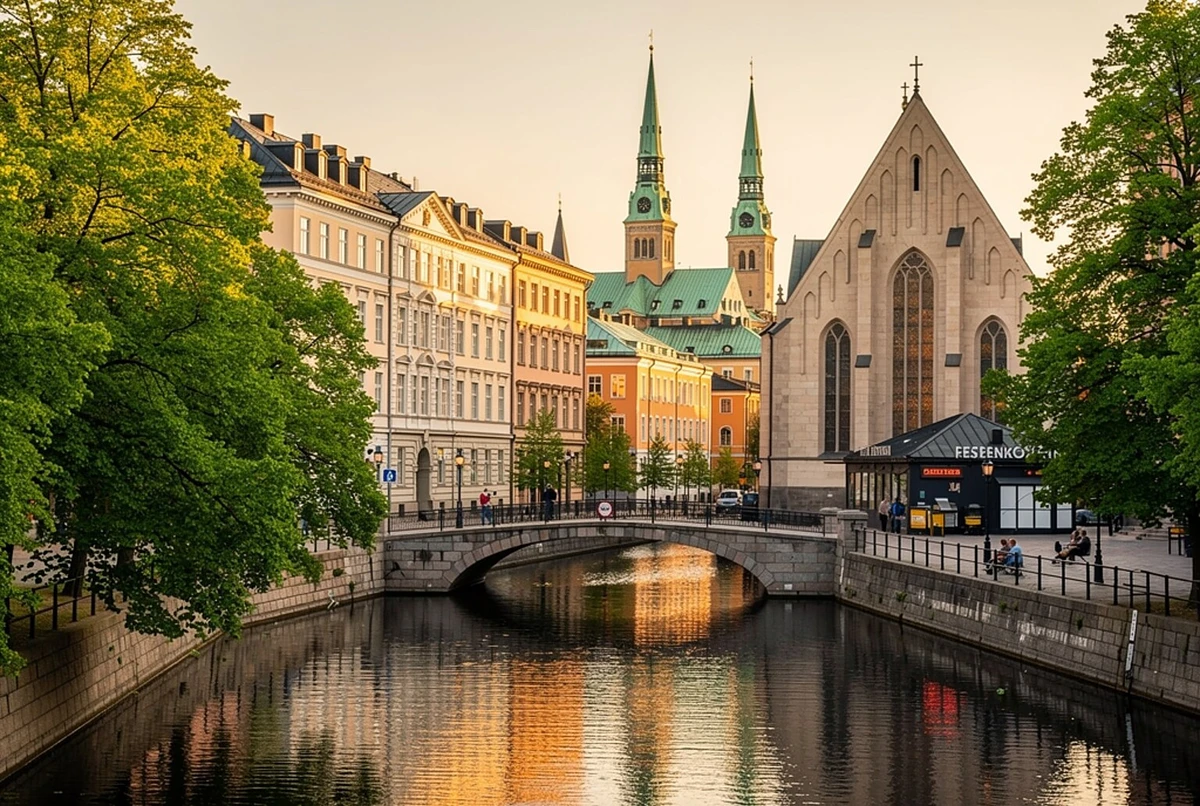
Step out of your hotel in Oslo on a bright June morning and the fjord is already glittering at the end of the street. Trams hum past in pale blue, ferries sound their horns at the City Hall pier, and the air carries the scent of cardamom from a bakery where cinnamon buns are cooling on the counter. Above the rooftops, forested hills rise so close that locals ski or hike there after work, reaching wilderness by metro in minutes.
Nothing matches those filters yet. Widen your search or message us on WhatsApp.
Oslo Day Tours
View all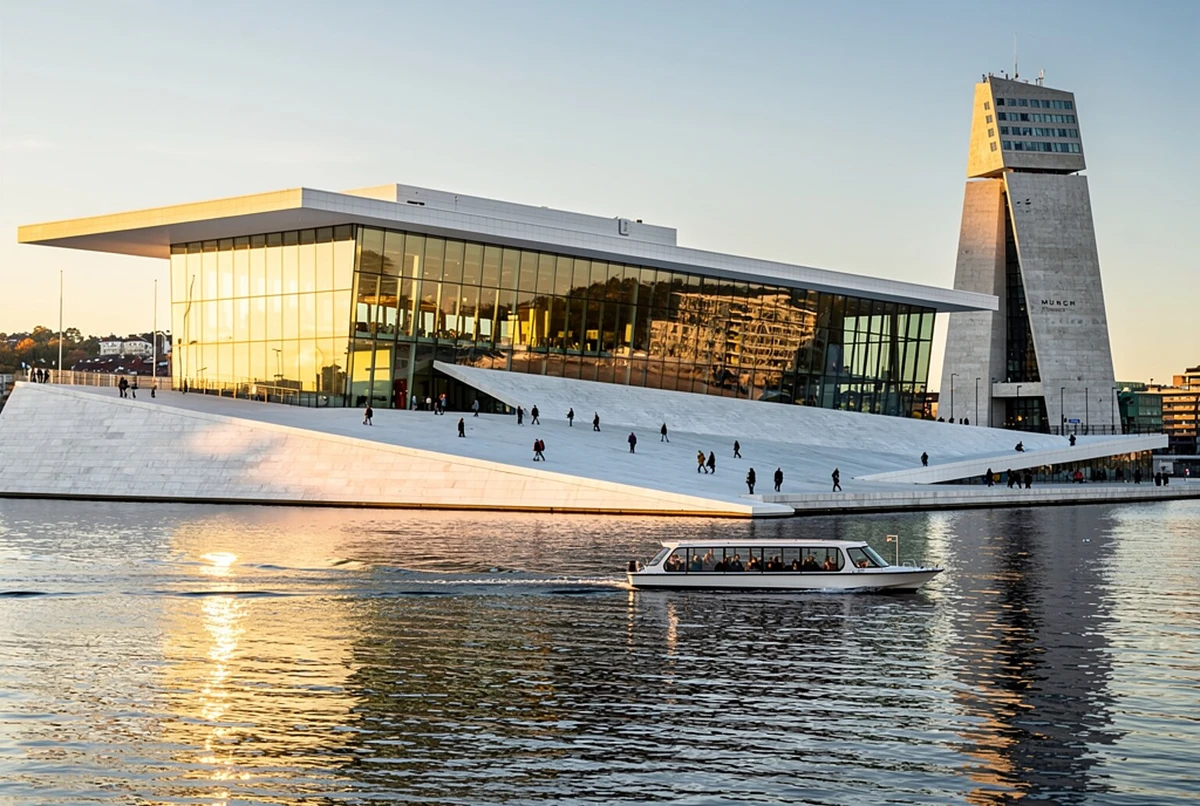
Oslo Attraction Tickets
View all
Oslo Airport Transfers
View all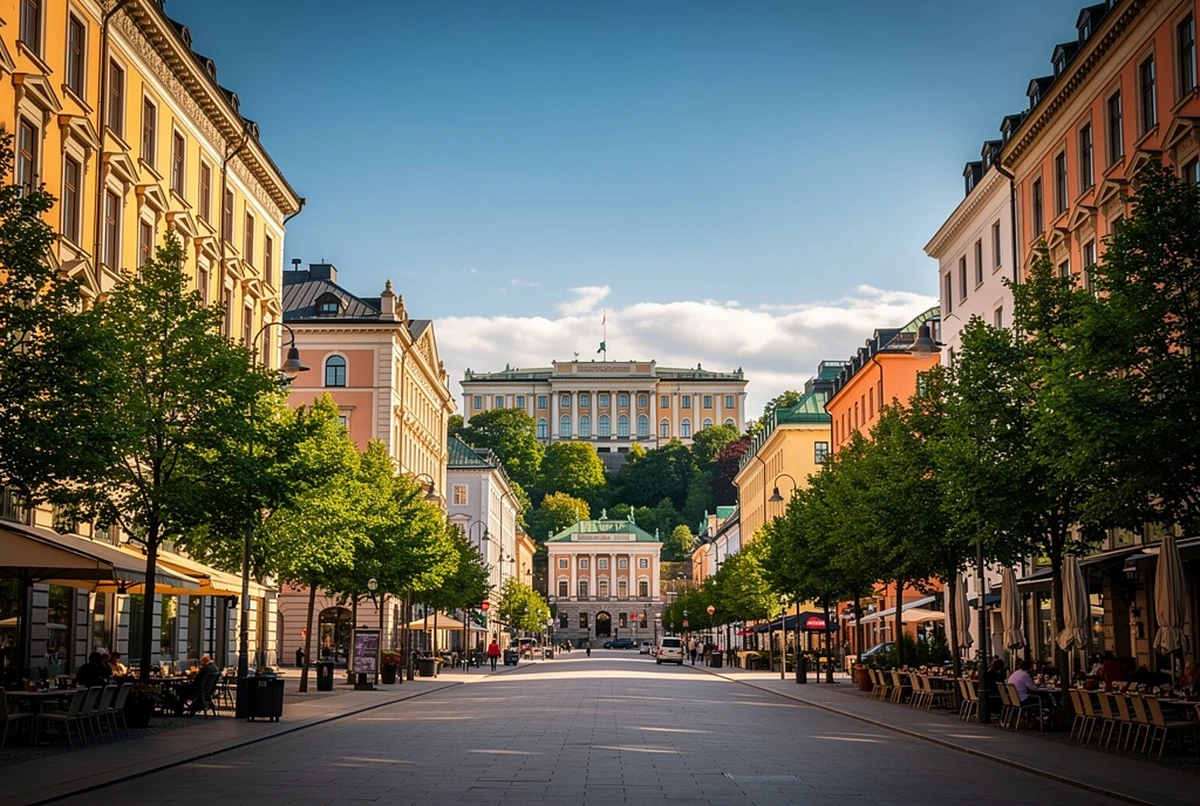
Oslo Flight Tickets
View all
Oslo Train Tickets
View all 
Oslo Ferry Tickets
View all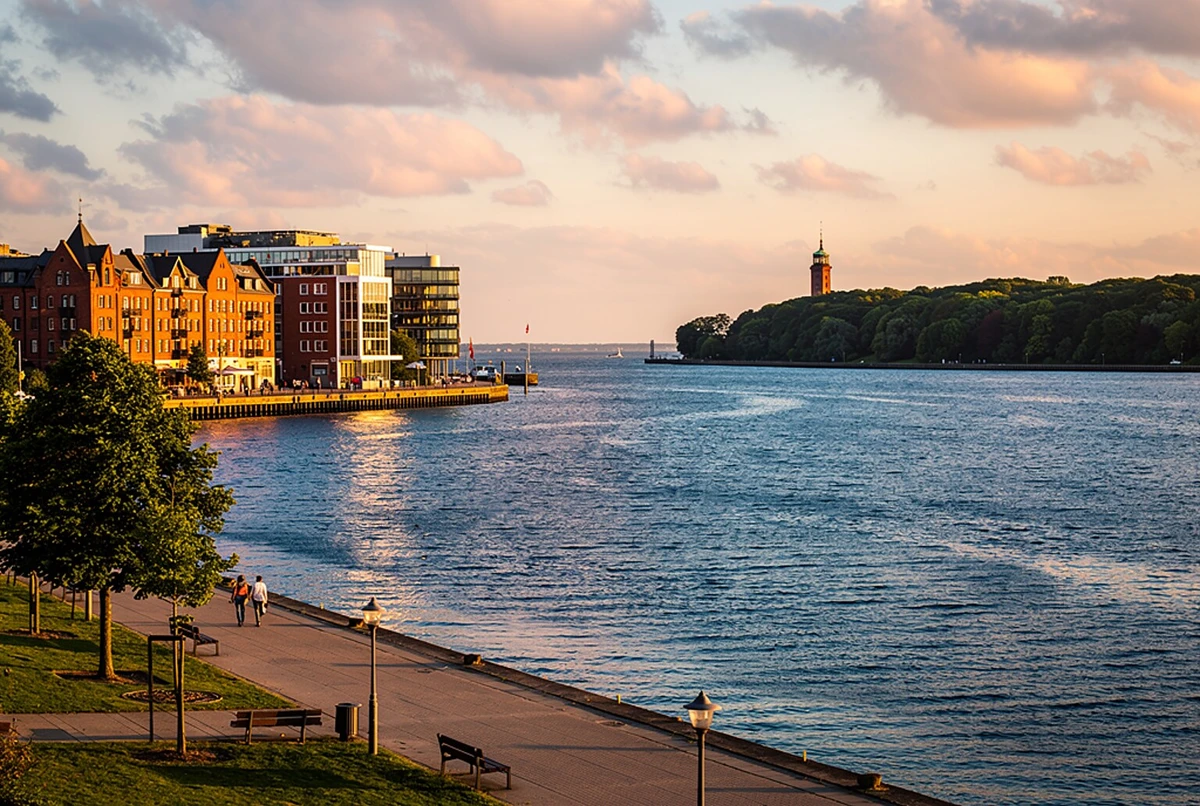
Oslo at first sight
Oslo is Norway's capital and its window on the world: a royal city founded a thousand years ago, rebuilt in stone after great fires, and now reinvented as a fjord-front showcase of bold architecture, art and sustainable design. It is the natural gateway to Norway, where most journeys to the western fjords and the Arctic north begin.
Why include Oslo in your itinerary?
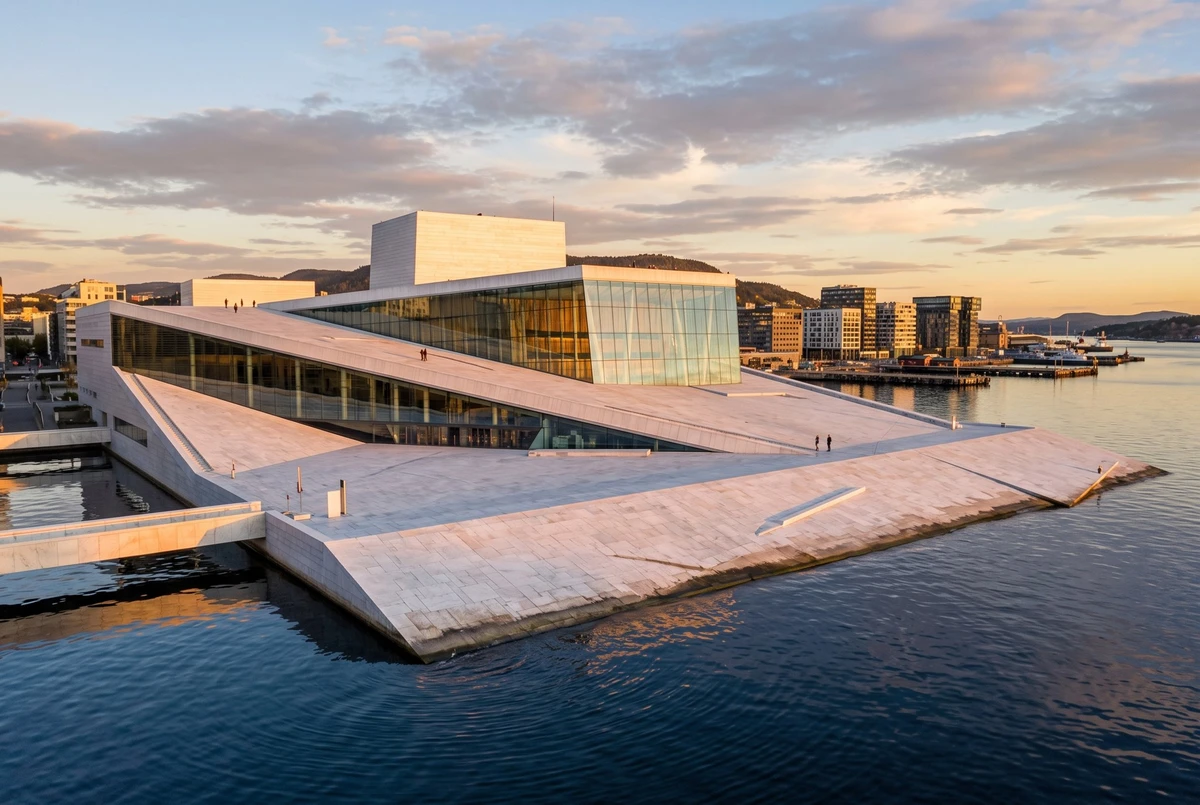
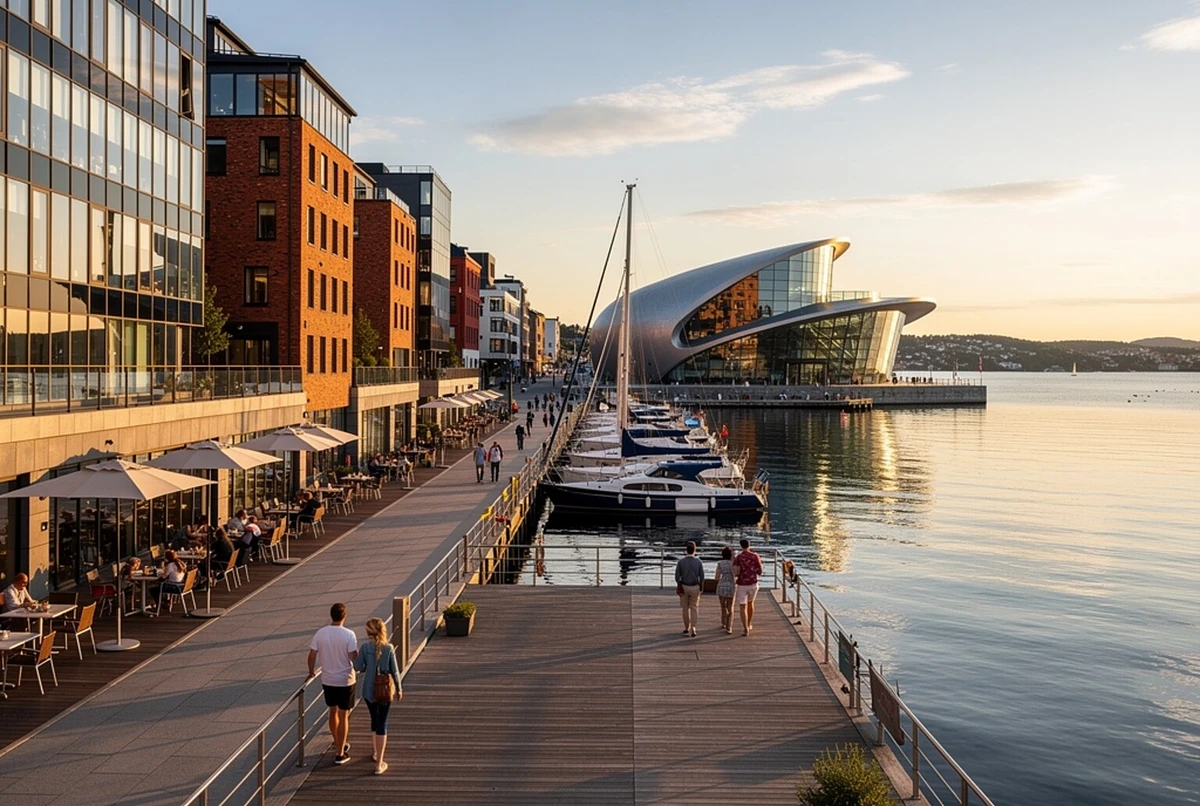
- Architecture you can walk on. The white marble Opera House slopes straight into the fjord so you can stroll up onto its roof, while the soaring MUNCH museum and the Deichman library around it make Bjørvika one of Europe's most exciting waterfronts.
- Polar ships and seafaring legends. On the Bygdøy peninsula, a short ferry ride across the harbour, the Fram Museum preserves the polar ship of Nansen and Amundsen, and the Kon-Tiki Museum tells the story of Heyerdahl's daring raft voyages across the Pacific.
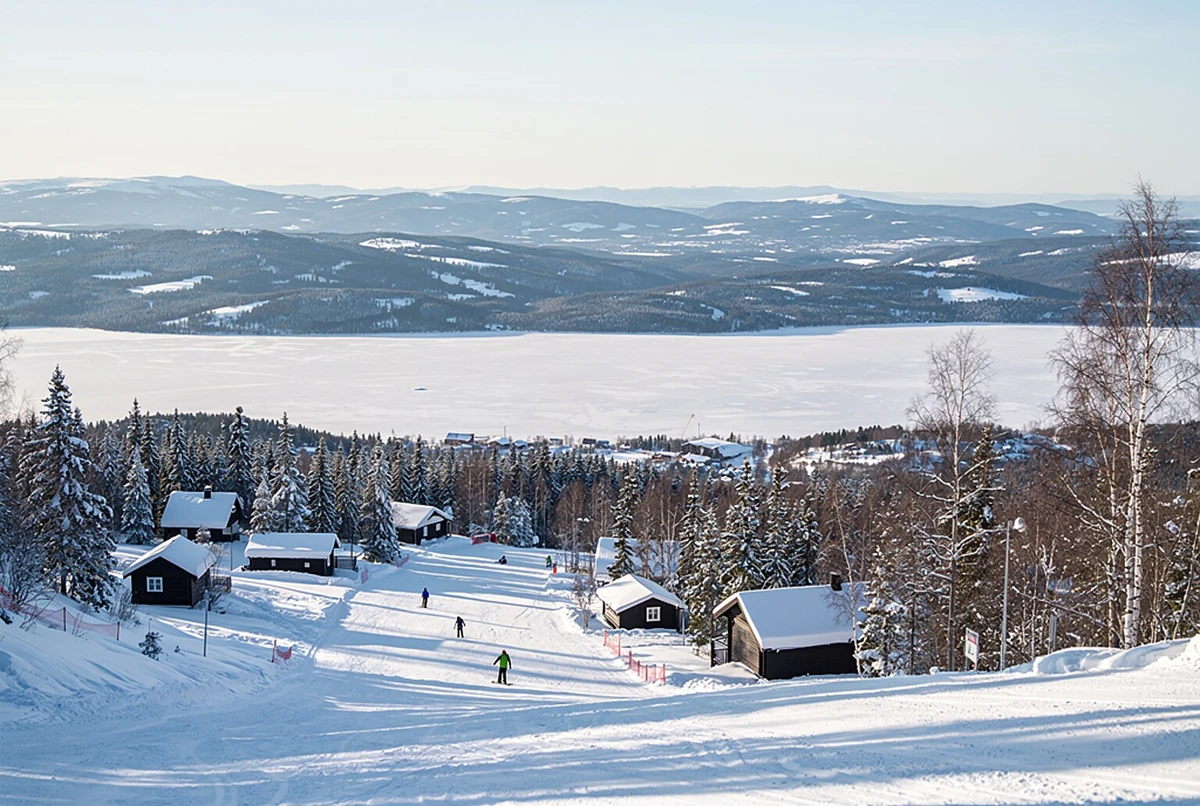
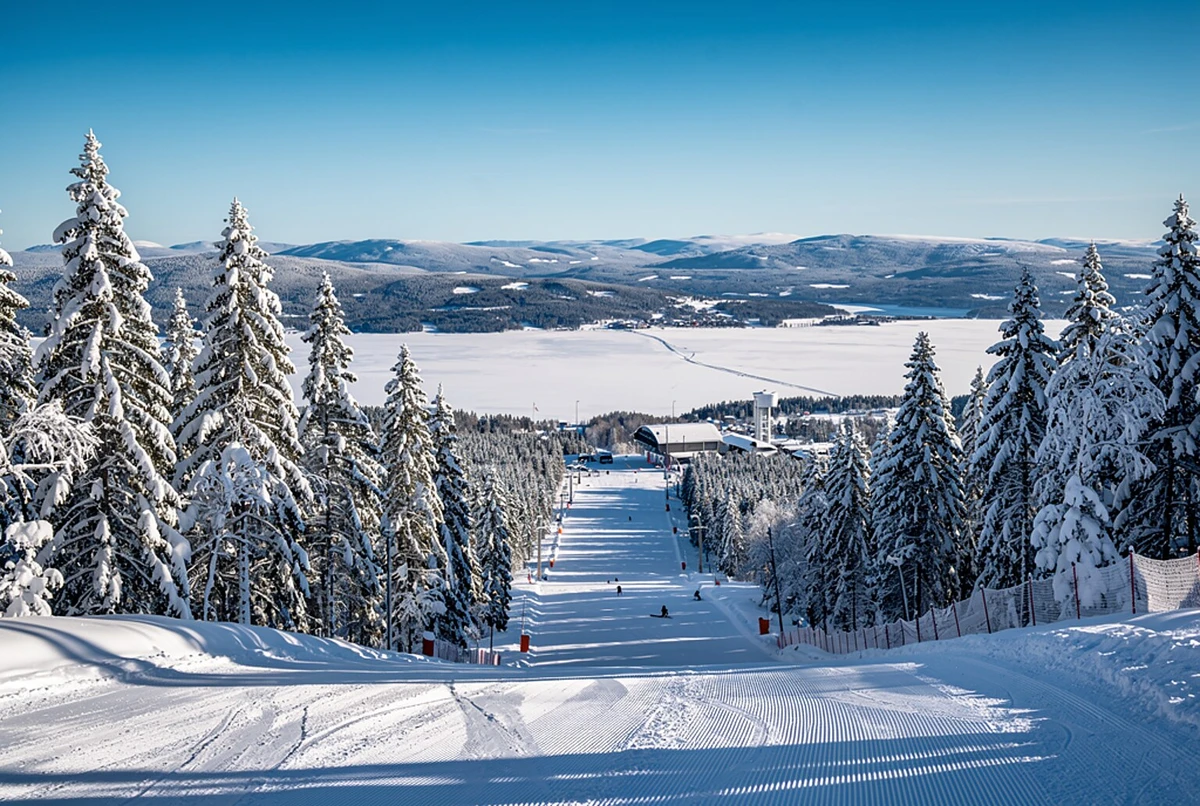
- Wilderness at the end of the metro line. Few capitals sit so close to nature: the Holmenkollen ski jump, the vast Nordmarka forest, lakes for swimming and the islands of the Oslofjord are all reachable on public transport within half an hour of the centre.
Signature experiences in Oslo
The Opera House, MUNCH and the Fjord City
Oslo's waterfront has been reborn as a promenade of landmark architecture. Walk up the gently sloping marble roof of the Opera House for views across the fjord, then step into MUNCH, the towering museum devoted to Edvard Munch, where versions of The Scream hang among his haunting landscapes and portraits. We issue attraction tickets in advance, and our guided day tours connect Bjørvika with the Royal Palace, City Hall and Akershus Fortress in one rich, well-paced morning.
Bygdøy: Museums of Polar Ships and Rafts
In summer, small ferries cross from the City Hall pier to the green Bygdøy peninsula, home to some of Norway's most fascinating museums. Board the polar ship Fram, which carried explorers deeper into the Arctic and Antarctic than any vessel of its age, see the balsa raft Kon-Tiki, and wander the open-air Norwegian Folk Museum among farmhouses and a medieval stave church. We issue museum and ferry tickets, and our guided day tours bring these epic stories vividly to life.
Grünerløkka, Mathallen and Norwegian Flavours
Follow the Akerselva river north from the centre, past waterfalls and old textile mills, into Grünerløkka, Oslo's creative quarter of vintage shops, design studios and leafy squares. At the Mathallen food hall, sample caramel-sweet brunost brown cheese, creamy fish soup, cured salmon and heart-shaped waffles with jam. Our guided food and neighbourhood day tour introduces producers and family bakeries, and explains how Norway's coast, forests and long winters shaped its honest, seasonal cooking.
Holmenkollen and the Nordmarka Forest
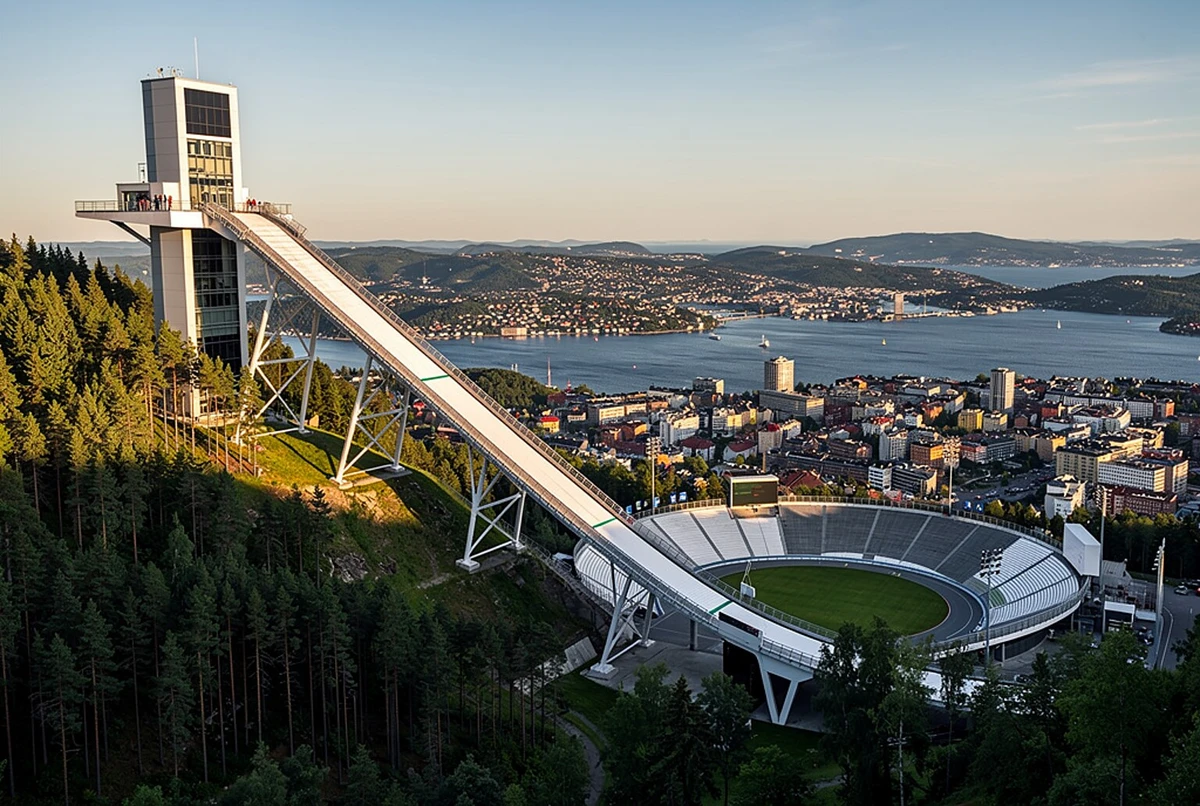
High above the city, the sweeping Holmenkollen ski jump is a national icon, with a ski museum at its base and a viewing platform at the top that looks over the entire Oslofjord. Beyond it, the Nordmarka forest stretches for miles of spruce, lakes and trails, snowy for cross-country skiing in winter and perfect for hiking in summer. A private car and driver arranged by our team lets you combine the jump, Frognerseteren's views and a forest walk at leisure.
Island-Hopping in the Oslofjord
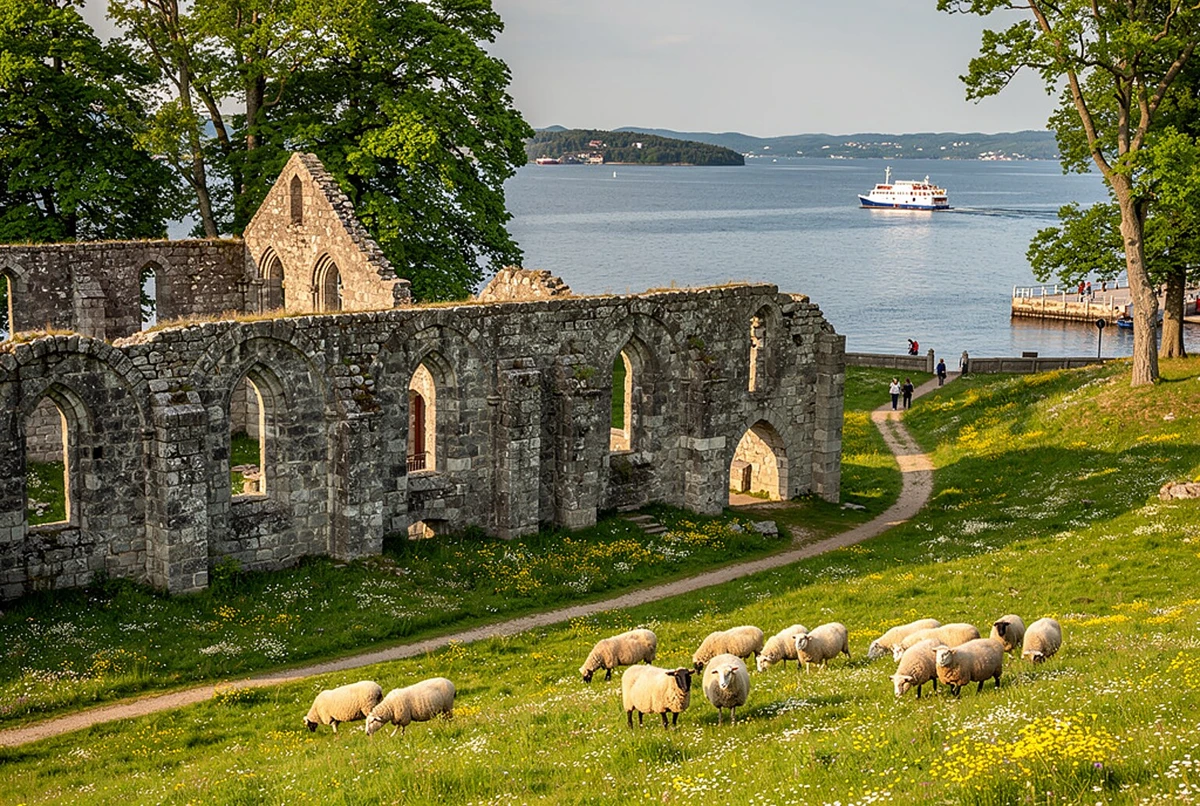
On a summer day, Oslo's islands are its best-kept pleasure. Local ferries hop from the Aker Brygge waterfront to Hovedøya, with the ruins of a Cistercian monastery, and to Gressholmen and Lindøya, dotted with painted summer cabins, rocky swimming spots and meadows for picnics. For a more relaxed view, a fjord sightseeing cruise glides past the islands and coastline. We issue ferry and cruise tickets and can tailor the day to your pace.
Neighbourhoods and quarters to know in Oslo
Sentrum and Aker Brygge
The compact heart of Oslo runs from the Royal Palace down Karl Johans gate to the harbour. Aker Brygge and Tjuvholmen add a waterfront of restaurants, galleries and the Astrup Fearnley Museum. It is central, very safe and convenient for first-time visitors, with trams, ferries and the main sights all within easy walking distance.
Bjørvika and Sørenga
Oslo's newest district rises around the Opera House, MUNCH and Deichman library, with contemporary hotels beside the central station. Sørenga has a seawater harbour pool and a boardwalk perfect for summer evenings. It is modern, safe and ideal for travellers arriving by airport train or planning early departures to Bergen by rail.
Grünerløkka
Once a working-class mill district, Grünerløkka is now Oslo's most characterful neighbourhood, with independent boutiques, coffee roasters, Sunday flea markets and parks full of locals on sunny days. It is relaxed, creative and safe, with tram links to the centre. Choose it if you prefer a local, lived-in feel to a hotel-district atmosphere.
Frogner and Majorstuen
Elegant and residential, Frogner is a district of embassies, grand apartment blocks and quiet streets around Frogner Park, home of the Vigeland sculpture installation. Majorstuen offers shopping on Bogstadveien and a metro hub for Holmenkollen. It is one of the safest, most refined parts of Oslo, well suited to families and longer stays.
How long to stay in Oslo and how to pair it
Recommended stay
Plan three nights in Oslo for a first visit. That gives a day for the waterfront, Opera House and MUNCH, a day for the Bygdøy museums and Vigeland Park, and a day for Holmenkollen, Grünerløkka or the fjord islands. Add a fourth night in winter, when daylight is short and the pace slower.
How to pair it
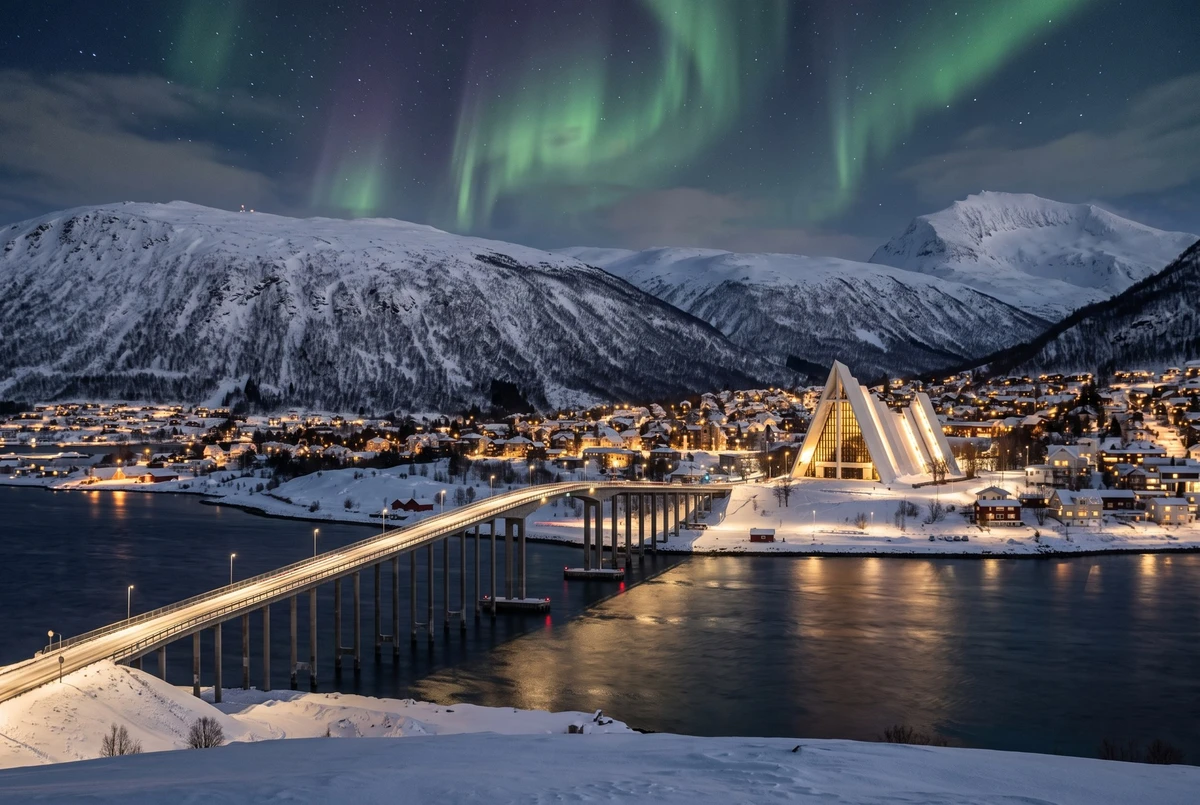
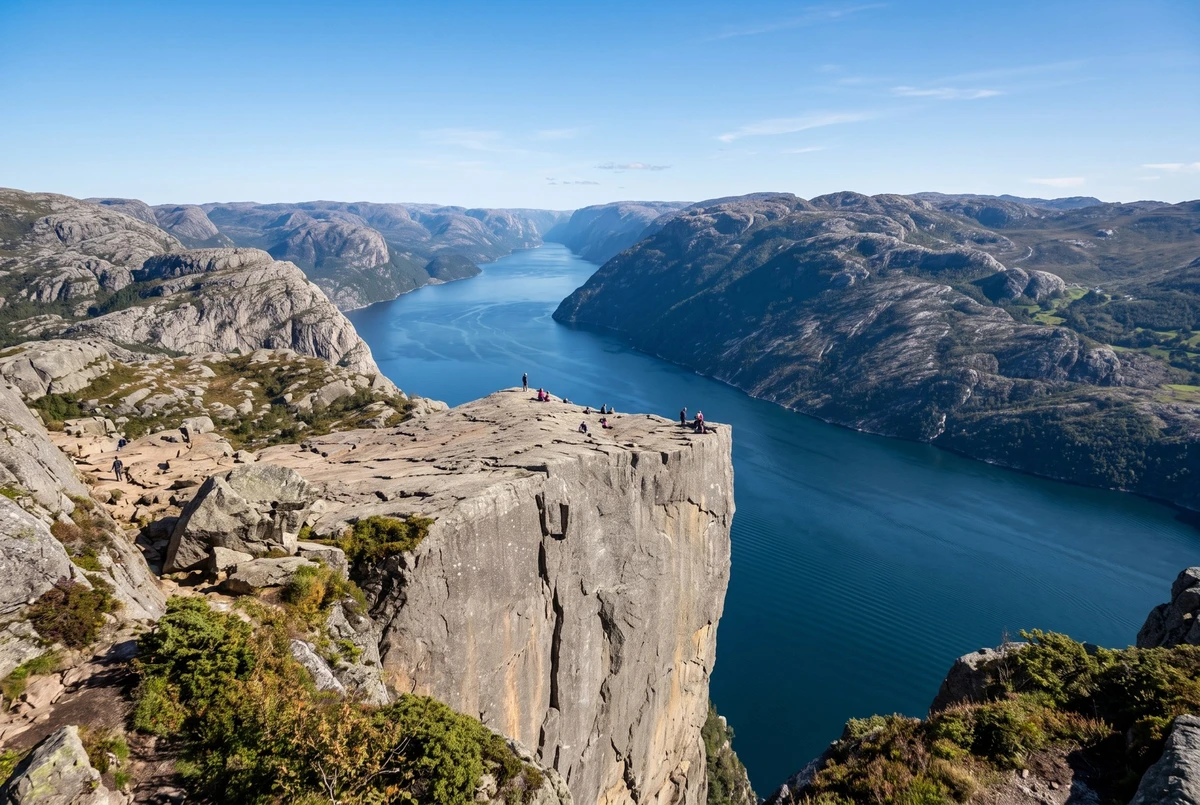
Oslo is the start of Norway's classic loop. In seven days, spend three nights here, then ride the spectacular Bergen Railway across the Hardangervidda plateau to Bergen for the fjords. Over ten days, continue down the coast to Stavanger for Lysefjord and Preikestolen. In fourteen days, add a flight north to Tromsø for the northern lights in winter or the midnight sun in summer. We issue the train, ferry and flight tickets connecting each stage.
Best time to visit Oslo and the rhythm of the day
Best months
The best time to visit Oslo is from late May to early September, when days are long, the fjord islands open up and cafés spill onto the pavements. Midsummer brings almost endless light. December offers Christmas markets and cosy candlelit interiors, while January to March suits travellers who want snow, cross-country skiing and crisp winter sunshine.
The daily rhythm
Oslo runs on an early, orderly rhythm. Offices fill by eight, and lunch is often a light open sandwich eaten quickly. Many locals leave work by four to head for the forest, the fjord or the ski trails. Dinner starts relatively early, shops close by evening, and on summer nights the light lingers so long that parks stay busy until late.
On-the-ground logistics in Oslo
Arrival
Oslo Airport Gardermoen lies about fifty kilometres north of the city, roughly forty to fifty minutes by road to the central hotel district, depending on traffic. Oslo Central Station is the hub for the airport express train and long-distance rail to Bergen and beyond. Our private airport transfer meets you in arrivals and drives you straight to your hotel.
Getting around
Central Oslo is compact and pleasantly walkable, and one integrated ticket covers trams, buses, the metro and the city's harbour ferries. Licensed taxis and ride-hailing apps operate, though they are not cheap. For day trips to Holmenkollen, the coast or the countryside, or simply for comfort in winter weather, a private car with driver arranged by our team is ideal.
Local etiquette tip
Norwegians value personal space, modesty and quiet. On trams and the metro people rarely chat loudly or sit beside strangers when other seats are free, and small talk with strangers is limited, which is reserve rather than coldness. In homes, always remove your shoes at the door. Punctuality matters, so arrive on time for guided tours and dinner reservations.
Must-do things in Oslo
- Walk up the sloping marble roof of the Oslo Opera House
- See Edvard Munch's masterpieces in the towering MUNCH museum at Bjørvika
- Take the ferry to Bygdøy for the Fram and Kon-Tiki museums
- Stroll among the granite and bronze figures of Vigeland Park in Frogner
- Ride the metro up to the Holmenkollen ski jump and its viewing platform
- Explore Akershus Fortress and its ramparts above the harbour
- Walk the Akerselva river path to the cafés and boutiques of Grünerløkka
- Taste brunost, fish soup and waffles at the Mathallen food hall
- Island-hop by local ferry to Hovedøya and Gressholmen in summer
- Board the scenic Bergen Railway across mountains and plateau to the west
Do’s and don’ts in Oslo
Do
- Buy a single public transport ticket that covers trams, metro, buses and ferries
- Dress in layers and bring waterproof clothing, even in summer
- Pay by card almost everywhere; Oslo is nearly cashless
- Respect the right to roam by leaving nature exactly as you found it
- Book museum and attraction tickets ahead in the busy summer months
Don’t
- Do not jump queues; Norwegians take orderly waiting seriously
- Do not walk in the cycle lanes, which are busy and fast
- Do not speak loudly on public transport or in quiet carriages
- Do not underestimate the winter cold or darkness when planning outdoor days
- Do not keep your shoes on when invited into a Norwegian home
Oslo at a glance
Plan Oslo with Haqqi Tours
Every option is confirmed by our team on WhatsApp before you pay, and delivered by our own people or by trusted local partners we work with in every city. Because we send travellers from all over the world, our partners give us special rates and priority, so you always receive the best. Prices are per person unless marked per vehicle.
About Haqqi Tours: About us Contact us Legal NoticePrivacy PolicyCookies & Marketing PreferencesTerms & ConditionsBooking, Payment & Refunds
More services in Oslo
Good to know
Frequently Asked Questions
Straight answers to what travellers ask most about Oslo.
Where should first-time visitors stay in Oslo?
First-time visitors are happiest in Sentrum or around Aker Brygge, where the Royal Palace, City Hall, the harbour and the main museums are a short walk away. Bjørvika is ideal for modern hotels beside the central station. Our team can suggest hotels in each area and arrange a private transfer from Gardermoen.
Can Oslo be done as a day trip, or does it need an overnight stay?
A single day in Oslo covers the waterfront, Opera House and one museum, but the city deserves at least two or three nights to include Bygdøy, Vigeland Park and Holmenkollen. If you are only passing through, our guided day tour or a private car with driver can link the key sights efficiently.
What is the dress code and etiquette in Oslo?
Oslo is casual and practical: layers, waterproof jackets and comfortable shoes are worn even in smart restaurants. In winter, warm boots, hats and gloves are essential. Locals value quiet, punctuality and personal space. Tipping is not obligatory, though rounding up or adding around ten percent for good service is appreciated.
Is Oslo tourist friendly?
Very. Almost everyone in Oslo speaks excellent English, signage is clear, public transport is efficient and integrated, and museums are well designed for international visitors. Card payment is accepted nearly everywhere. Our private transfers, guided day tours and attraction tickets make planning even easier, from arrival to your train west.
Is it safe to travel to Oslo now?
Oslo is regarded as one of the safest capitals in Europe, with low crime and a calm, orderly atmosphere. Take normal care with belongings in busy areas and dress properly for the weather. As always, check the official travel advice of your own government before departure and keep our WhatsApp line handy.
What are the must-do things in Oslo?
Essentials include the Opera House roof, the MUNCH museum, the Fram and Kon-Tiki museums on Bygdøy, Vigeland Park, Akershus Fortress and the Holmenkollen ski jump. Add Grünerløkka and a summer island-hop in the Oslofjord. We can combine these into guided days and issue the ferry and attraction tickets.
How many days do you need in Oslo?
Three days is ideal for a first visit to Oslo, enough for the waterfront, the Bygdøy museums, Vigeland Park and Holmenkollen at a comfortable pace. With four days you can add the fjord islands or a forest hike. Most travellers then continue by train to Bergen and the fjords.
What can I book in Oslo with Haqqi Tours?
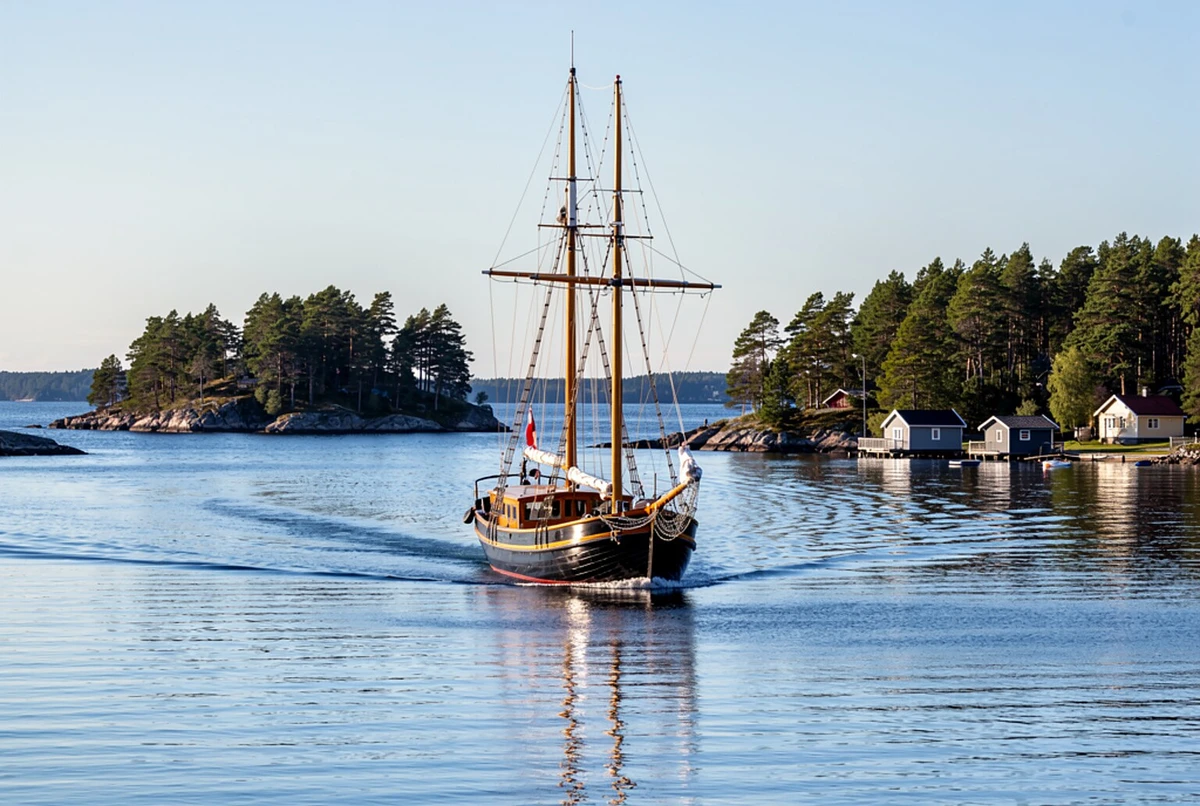
Day tours, attraction tickets, private airport transfers, flight tickets, train tickets and ferry tickets, including Oslo Fjord Sightseeing Cruise on an Electric Boat, Oslofjord Cruise on a Traditional Wooden Sailing Boat Oslo and Oslofjord Island-Hopping Nature Walk by Ferry Tour Oslo. Each has its own page, and the WhatsApp desk combines any of them into one plan with one written price.
How do I get from the airport to my hotel in Oslo?
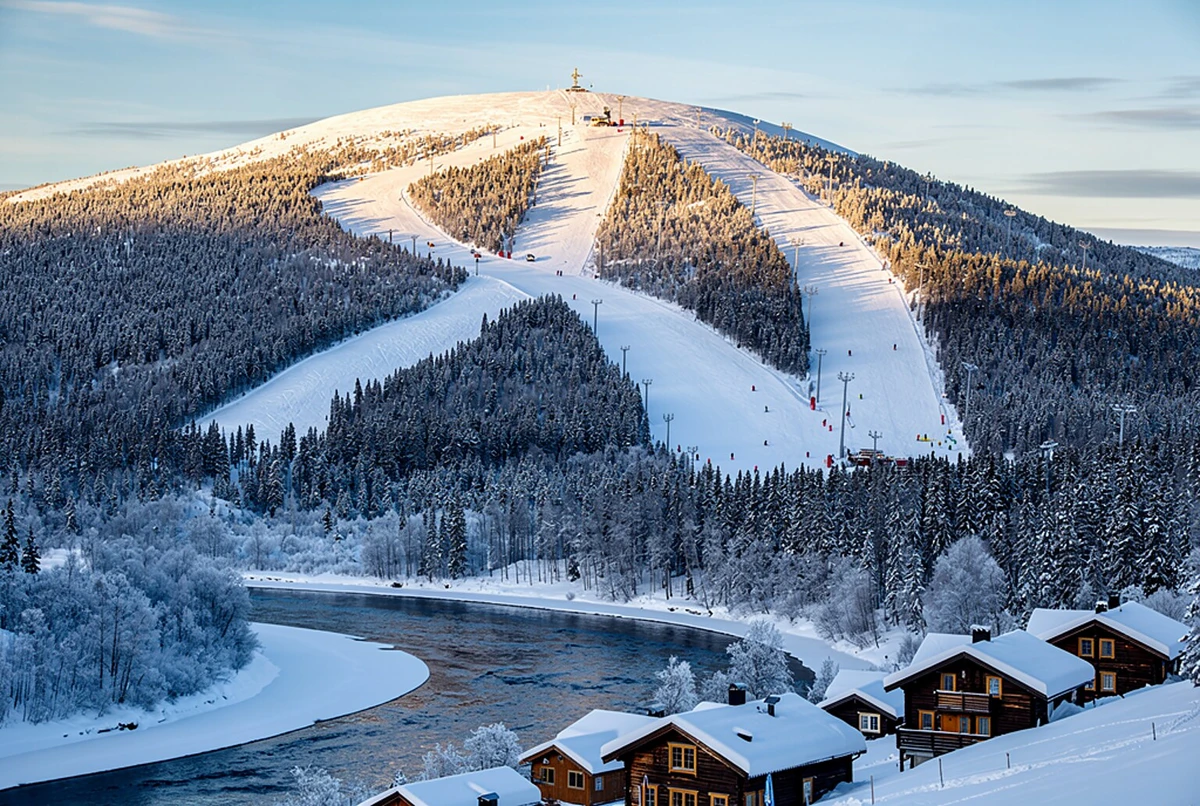
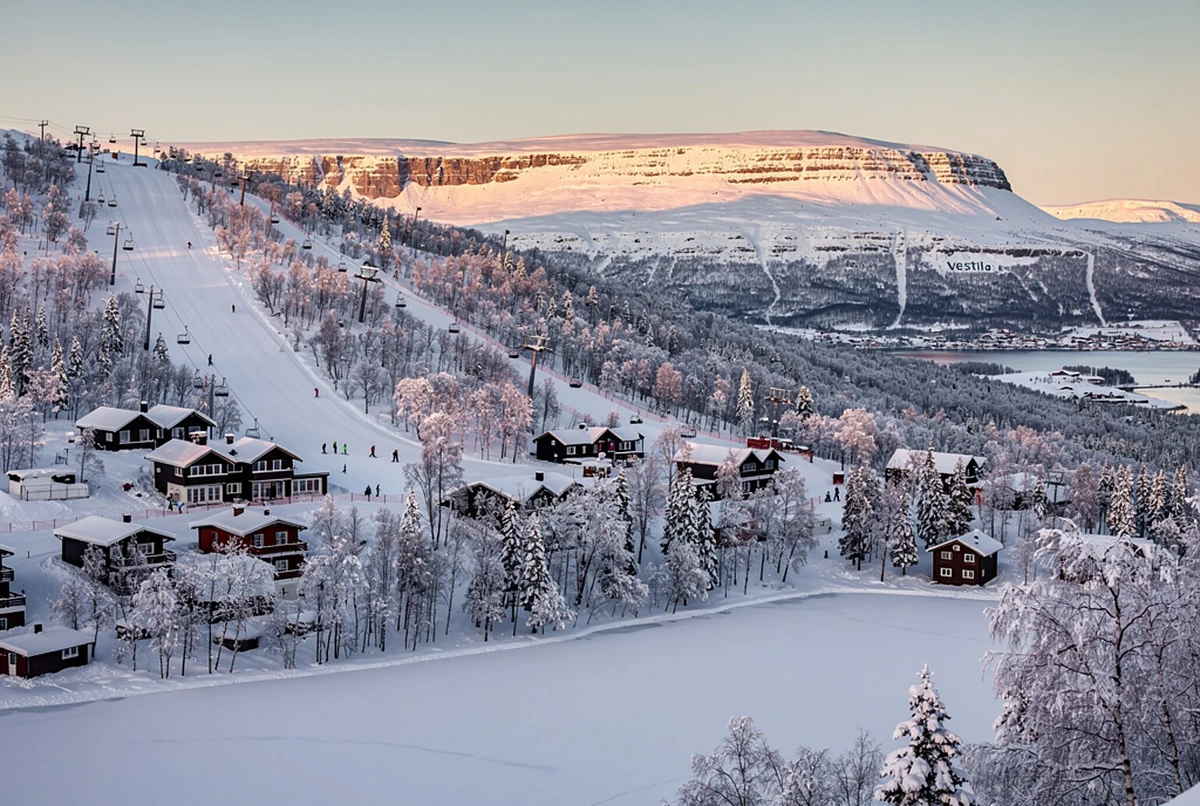
Oslo Gardermoen (OSL) is about 50 km north of the city, one terminal with the Flytoget express train beneath it; the ski resorts of Hafjell, Trysil, Hemsedal, Geilo and Norefjell are two to four hours away by road. Our private transfer meets you at arrivals with a name board, tracks your flight and takes you door to door at a fixed price for the whole vehicle; the transfer pages list every route.
Is there public transport from the airport to Oslo?
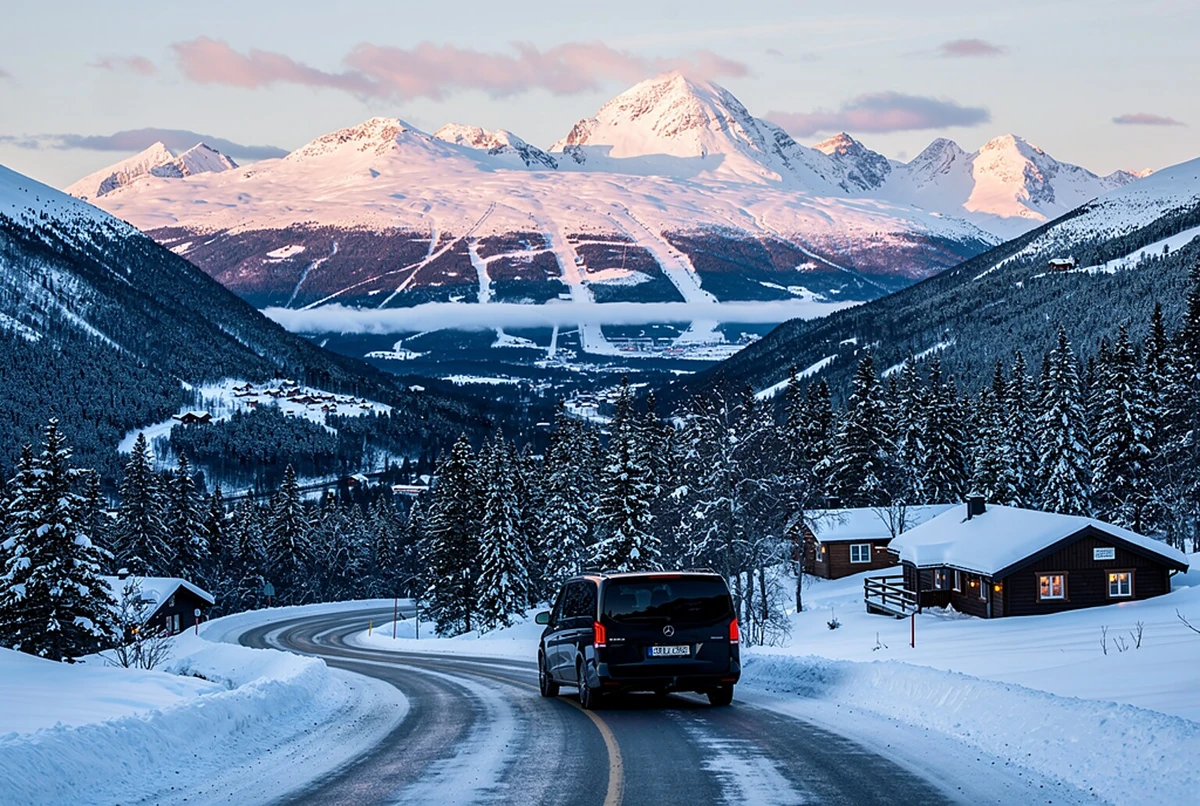
The Flytoget airport express reaches Oslo Central in about 20 minutes and is excellent for a city hotel; the ski resorts have bus links on fixed timetables from the airport, and a family with skis almost always books a Sprinter or minivan direct to the chalet. With luggage, a family or a late flight, the private car is the simpler choice.
Which tours are available in Oslo?
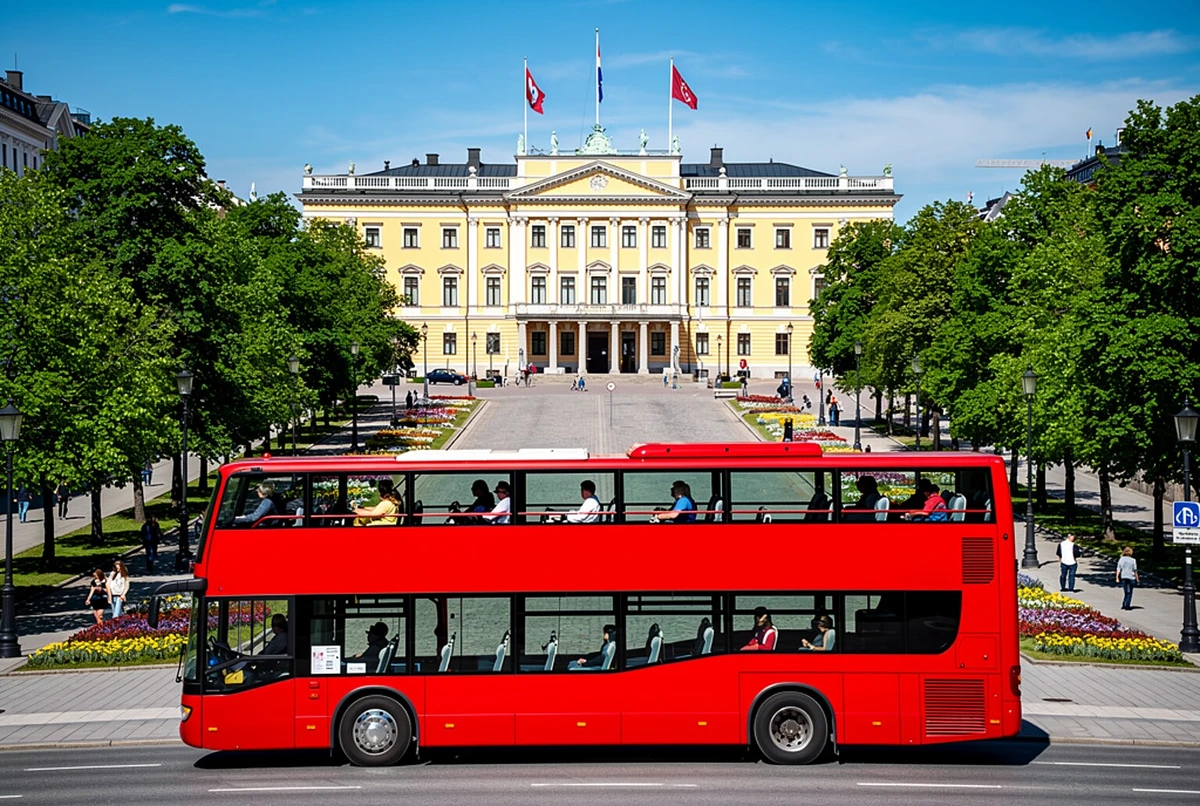
Among them: Oslo Fjord Sightseeing Cruise on an Electric Boat, Oslofjord Cruise on a Traditional Wooden Sailing Boat Oslo, Oslofjord Island-Hopping Nature Walk by Ferry Tour Oslo, Oslo Hop-On Hop-Off Sightseeing Bus Tour and Central Oslo Highlights Guided Walking Tour. Each page says whether the day is private or small-group, what it includes and how long it lasts.
Are the tours private or in a group?
Both exist, and each tour page says which. A private tour has a vehicle and guide for your party alone; the desk can make most group tours private on request.
How do I book?
Fill in the form on any page or message us on WhatsApp with the date, the number of travellers and the hotel. A member of our team confirms the price and the details in writing within minutes.
Are the prices fixed?
Yes - every price is agreed in writing on WhatsApp before you travel and does not change on the day.
Do the drivers and guides speak Arabic or English?
It depends on the city and the day, so we do not promise a particular language; tell us your preference and we do our best. The WhatsApp desk always works in Arabic and English.
Can I change or cancel a booking in Oslo?
Yes, in the same WhatsApp conversation. The terms depend on the product and on how close to the date the change comes; the desk states them before you pay.