Oslo Fjord Sightseeing Cruise on an Electric Boat
- Duration1.5 hours
- Daily
- Group
- Fair, honest prices
- Real people, not bots
- Confirm, then pay
- Secure payment

Overview
This 1.5-hour sightseeing cruise glides almost silently through the inner Oslo Fjord on an electric boat. From central Oslo you pass the Opera House, the Munch museum and Akershus Fortress, then sail out among small islands with summer cabins, bathing rocks and monastery ruins before turning past the Bygdøy peninsula. Commentary comes through an audio guide in several languages on your phone. It suits first-time visitors, families and anyone who wants to see Oslo from the water in a relaxed way.
Highlights
- A quiet, emission-free cruise on an electric boat
- The Oslo Opera House, the Munch museum and the Barcode skyline from the water
- Medieval Akershus Fortress on its rocky point above the harbour
- Island-hopping views of Hovedøya, Lindøya, Nakholmen and Gressholmen
- The Bygdøy peninsula with its museums and villas
- Audio guide in several languages, including English, plus Wi-Fi on board
Full Description
The Inner Oslo Fjord and Its Islands
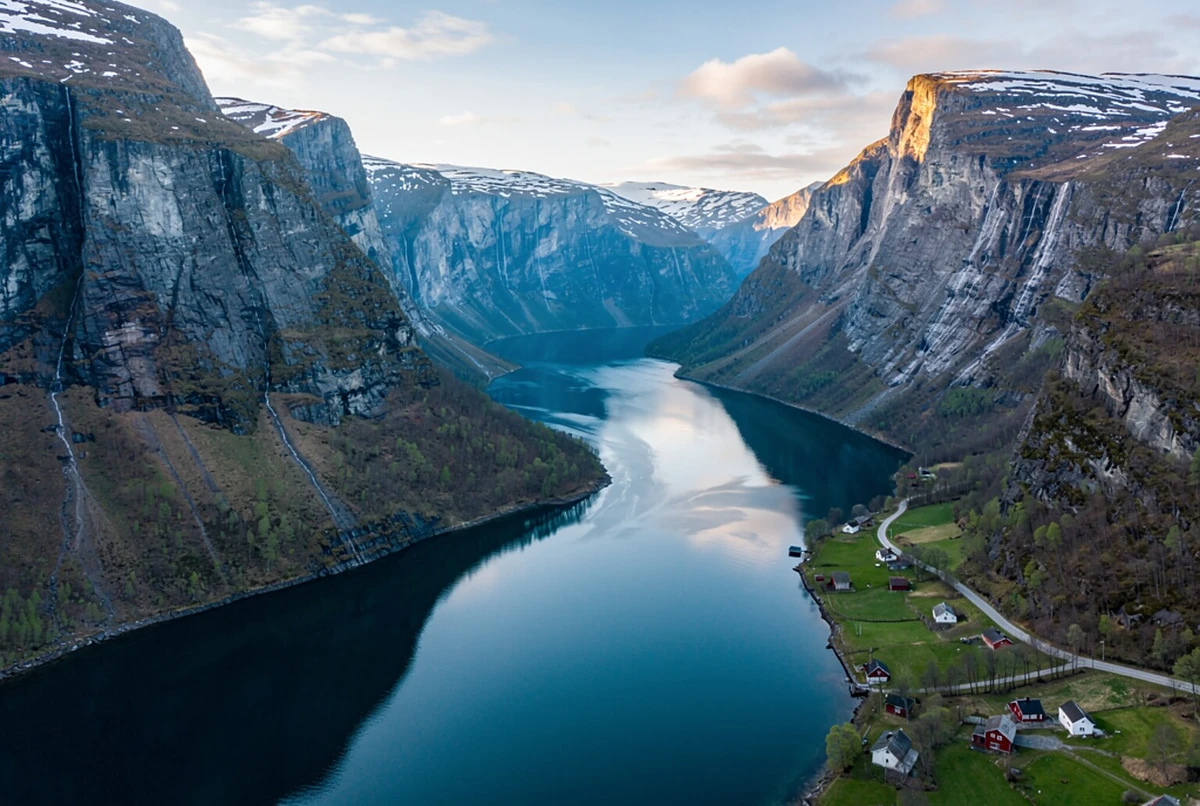
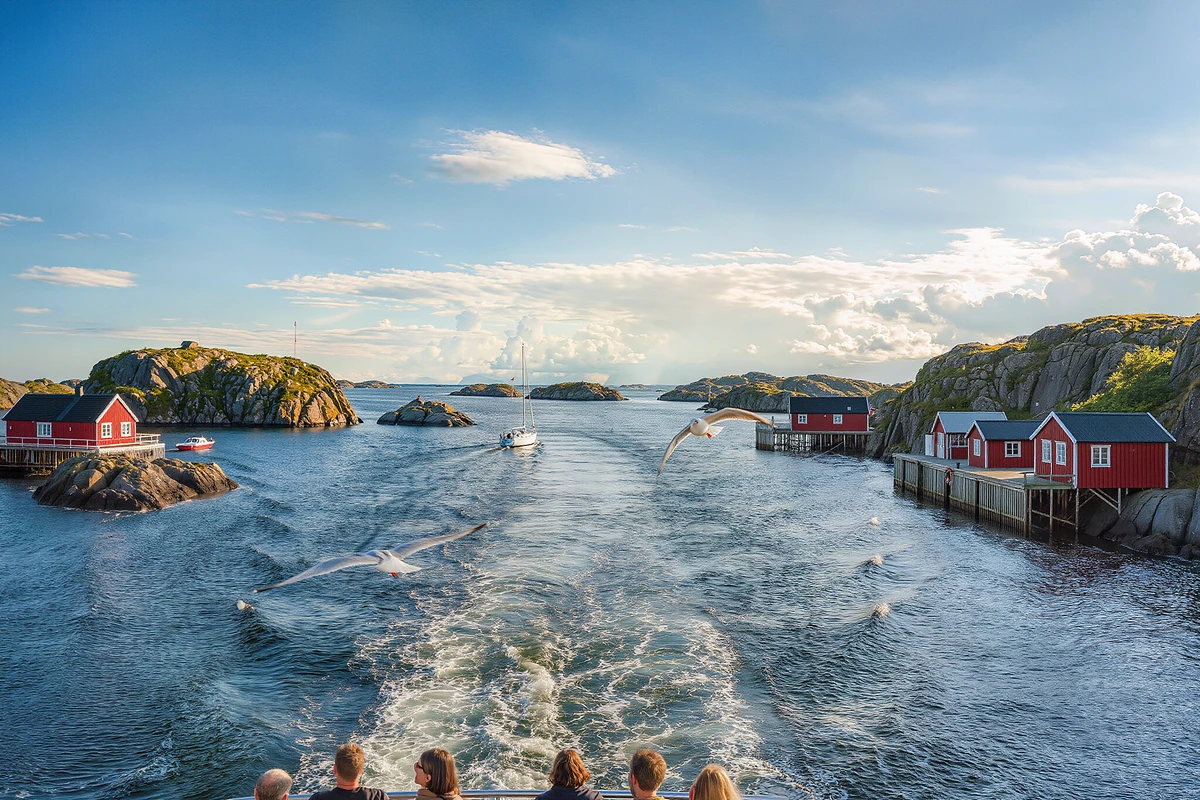
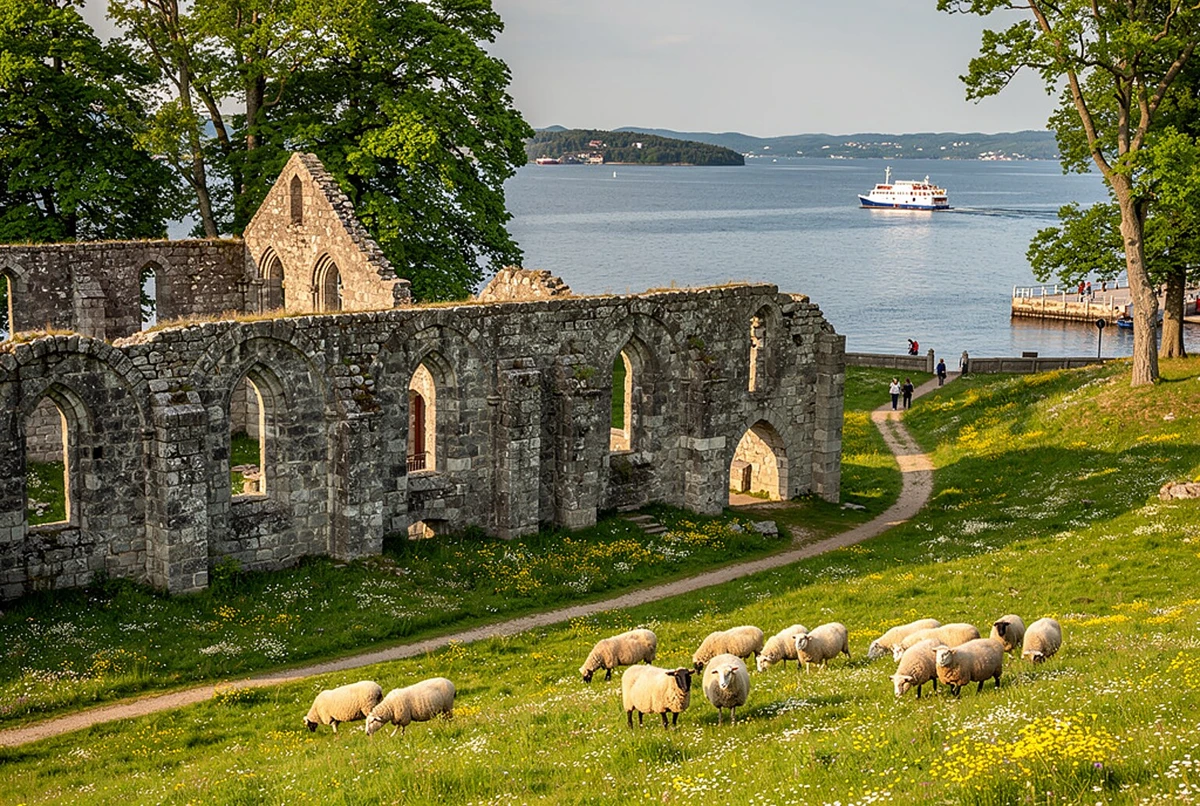
The Oslo Fjord runs about 100 kilometres from the Skagerrak up to the Norwegian capital, and its inner basin is scattered with small, green islands that locals treat as their summer playground. Hovedøya holds the ruins of a Cistercian monastery founded in 1147, while Lindøya and Nakholmen are covered in tiny painted cabins, many in the same families for generations.
An Oslo Fjord cruise is the easiest way to see these islands without planning ferries, and the electric boat lets you hear the water and the gulls instead of an engine. Is an Oslo Fjord cruise worth it? On a clear day, yes: the mix of rocky shores, pine trees and city views in one short trip is what makes Oslo unlike other capitals.
The Oslo Waterfront: Opera House, Munch and Barcode
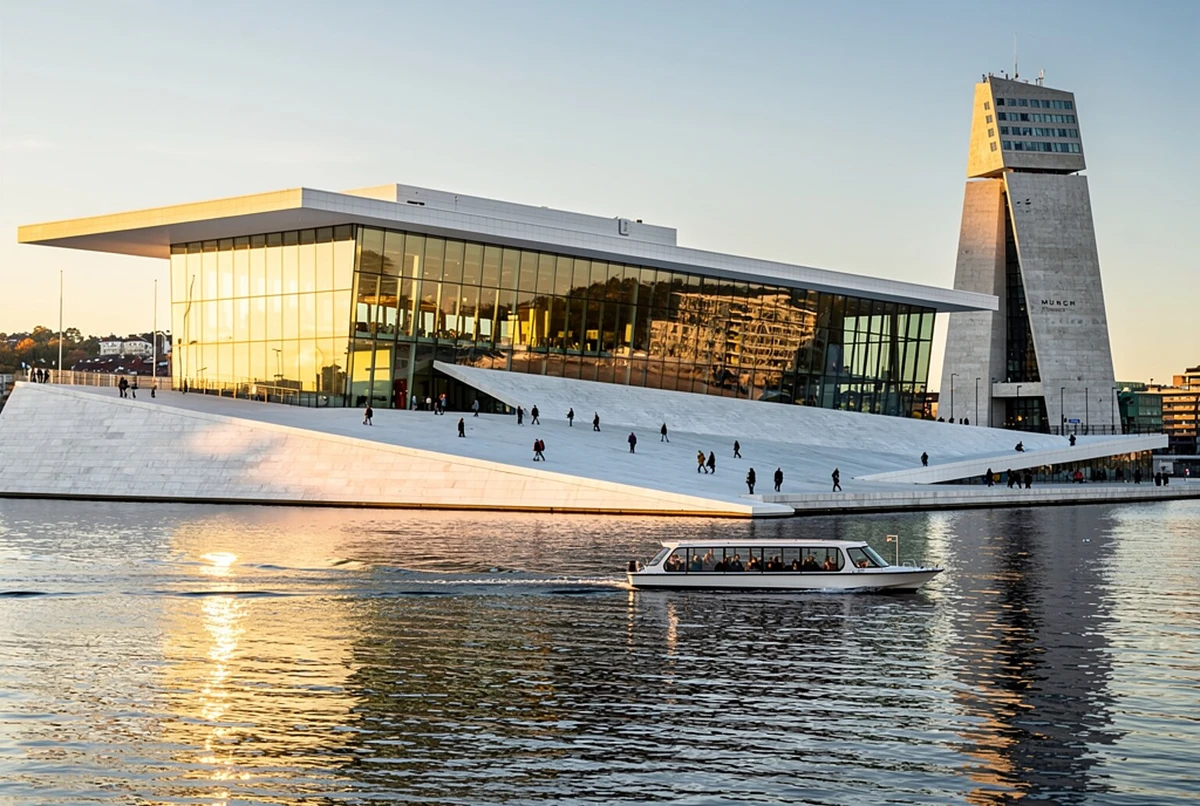
Oslo has turned its old docks into one of Europe's most striking waterfronts. The white marble Opera House, opened in 2008, slopes into the fjord so that people can walk up onto its roof, and next to it stands the tall, tilted Munch museum, which opened in 2021 and holds the largest collection of works by Edvard Munch.
Behind them rises the Barcode, a row of slim modern towers, and the new Bjørvika district. From the deck you see how these buildings frame the harbour, a view you cannot get from the streets. If you plan to visit the Oslo Opera House or the Munch museum later, the cruise gives you a helpful overview of how to get to them on foot along the promenade.
Akershus Fortress above the Harbour
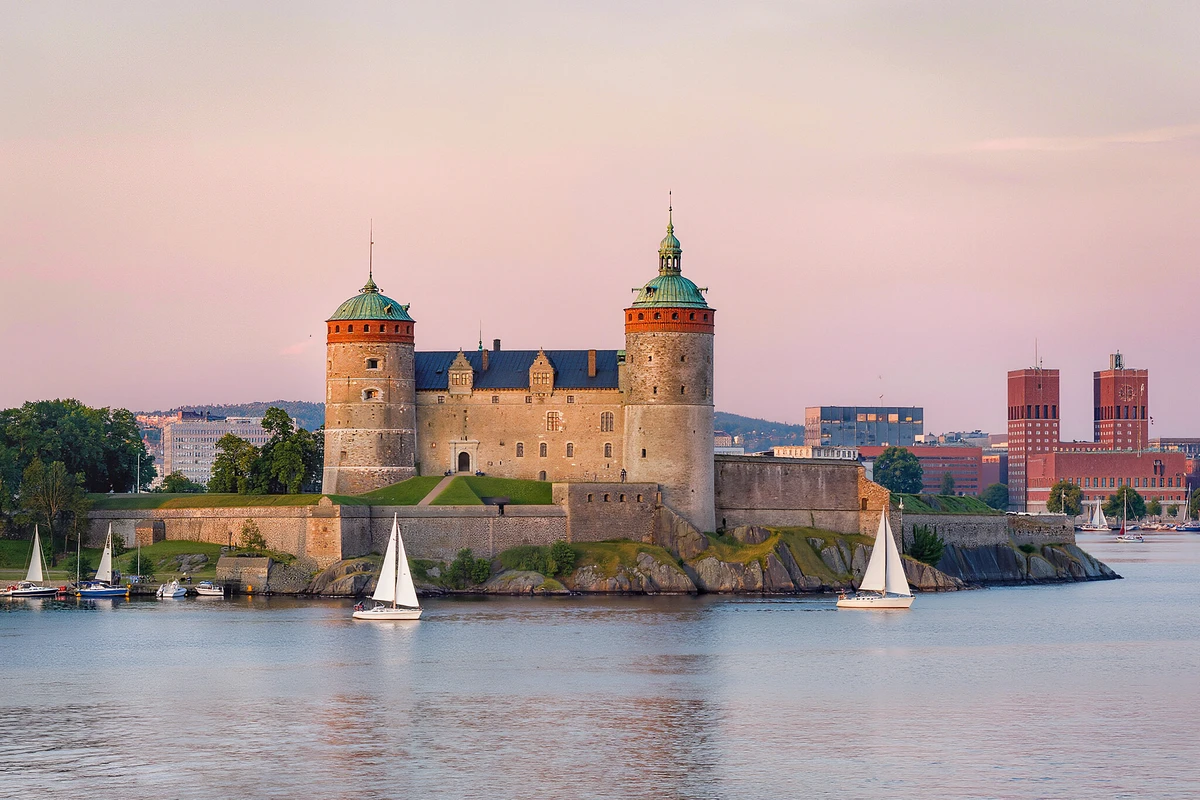
Akershus Fortress has guarded the harbour since around 1300, when King Haakon V began building a castle on this rocky headland. Later rebuilt as a Renaissance royal residence and then a star-shaped fortress, it withstood several sieges and still houses military buildings, a royal mausoleum and museums about Norway's resistance during the Second World War.
From the water you see its thick walls rising straight from the rock, the angle that sailors and invaders once had. Akershus Fortress is free to enter and easy to reach from City Hall, so many guests walk up to its ramparts after the cruise for a view back over the fjord. The best time to visit is in the late afternoon light.
Bygdøy Peninsula and Aker Brygge
On the western side of the harbour, the leafy Bygdøy peninsula brings together several of Oslo's best museums, including the Fram Museum with the polar ship used by Nansen and Amundsen, the Kon-Tiki Museum and the Norwegian Museum of Cultural History, along with royal farmland, beaches and elegant villas.
The cruise passes close to its shore before heading back towards Aker Brygge and Tjuvholmen, a former shipyard turned into a lively district of promenades, restaurants and modern art, with Oslo City Hall and its twin towers behind. Getting to Bygdøy afterwards is simple by local ferry or bus, so the cruise works well as a first look before a museum day.
Itinerary
- Boarding in central OsloBoard the electric boat at the departure pier in central Oslo and connect to the audio guide on your phone.
- Harbour and waterfrontCruise past City Hall, Akershus Fortress, the Opera House, the Munch museum and the Barcode towers.
- Inner fjord islandsSail among Hovedøya, Lindøya, Nakholmen and Gressholmen with their cabins, beaches and monastery ruins.
- Bygdøy peninsulaPass along the shore of Bygdøy with its museums, villas and beaches.
- Return to the pierHead back past Aker Brygge and Tjuvholmen, arriving about 1.5 hours after departure.
What's included
- Fjord sightseeing cruise
- Audio guide in several languages including English
- Wi-Fi on board
Not included
- Food and drinks (can be bought on board)
- Headphones for the audio guide
- Hotel pickup
Is this right for you?
Great for
- Families with children — a child price for ages 4–15
- Anyone who wants to see it from the water
- First-time visitors who want the highlights
- A short visit — about 1.5 hours
Think twice if
- You want a private tour — this one is shared with other travellers
- You get seasick easily
Not suitable for
- Travellers who need a live guide on board (commentary is by audio guide)
- Guests who become seasick easily in windy weather
Meeting point
The cruise leaves from a departure pier on the waterfront in central Oslo, near City Hall and Aker Brygge; the exact pier and boarding time are shown on your booking confirmation. Hotel pickup is not included. Please arrive about 15 minutes before departure so you have time to board and set up the audio guide on your phone.
Important information
- Bring your own headphones to listen to the audio guide on your phone; headphones are not included.
- Download the audio guide app before boarding and make sure your phone is charged.
- Food and drinks can be bought on board and are not included.
- Dress in layers and bring a windproof jacket, as it is cooler on the water, even in summer.
- The boat is wheelchair accessible.
- Children aged 3 and under travel on an infant ticket; the booking panel shows the ticket types.
Good to know
Frequently Asked Questions
Straight answers to what travellers ask us most, before they book.
How much does the Oslo Fjord cruise cost?
The price depends on the date and ticket type. The booking panel on this page shows the current price for adults, children and infants.
Is hotel pickup included?
No. The cruise starts and ends at a pier in central Oslo, within easy walking distance of the city centre and the main tram stops.
How long is the Oslo Fjord cruise?
The cruise lasts about 1.5 hours from departure to return.
Is the fjord cruise suitable for children?
Yes, it is a relaxed cruise for all ages. There are separate child and infant tickets, and the boat is wheelchair and pushchair friendly.
Is there a guide on board?
Commentary is provided through an audio guide on your own phone in several languages, including English. Bring headphones to listen comfortably.
What should I bring?
A charged phone with the audio guide app, your own headphones, a windproof jacket and sunglasses on bright days.
Why is the boat electric?
Electric boats run almost silently and without exhaust fumes, so you hear the water and the birds and enjoy cleaner air on deck.
Which islands will I see on the cruise?
The route passes several islands of the inner fjord, such as Hovedøya, Lindøya, Nakholmen and Gressholmen, plus the Bygdøy peninsula.
Can I book for today or tomorrow?
Usually yes, if seats are still available. The booking panel shows the dates and departure times you can still book.
More in Oslo

Getting to & around Oslo
Popular across Norway
-
-
-
-

-