Whale Watching Trip from Lajes do Pico Pico Island Azores
- DurationAbout 3 hours
- Daily
- Group

Some images are AI-generated for illustration. While we confirm your booking, just ask and we will send you the original photos.
- Fair, honest prices
- Real people, not bots
- Confirm, then pay
- Secure payment

Overview
This whale watching trip leaves from Lajes do Pico, the old whaling village on the south coast of Pico Island in the Azores, and takes you into the open Atlantic to look for sperm whales, dolphins and other sea life. It is a shared boat trip in a rigid inflatable boat, guided by marine biologists who speak English and Portuguese. After check-in at the harbour and a briefing on the species and how to respect them, you spend about 2.75 hours at sea along the dramatic volcanic coast. Life jackets and rain gear are provided. Hotel pickup is not included: you meet the team at the harbour. The trip suits nature lovers, couples and families with children aged 8 and over who are comfortable on a fast, bouncy boat.
Highlights
- Search for sperm whales, which live in Azores waters all year round
- Spot common, bottlenose and Risso's dolphins in the open Atlantic
- Marine biologist guides who explain behaviour, species and conservation
- Fast rigid inflatable boat that reaches the best areas quickly
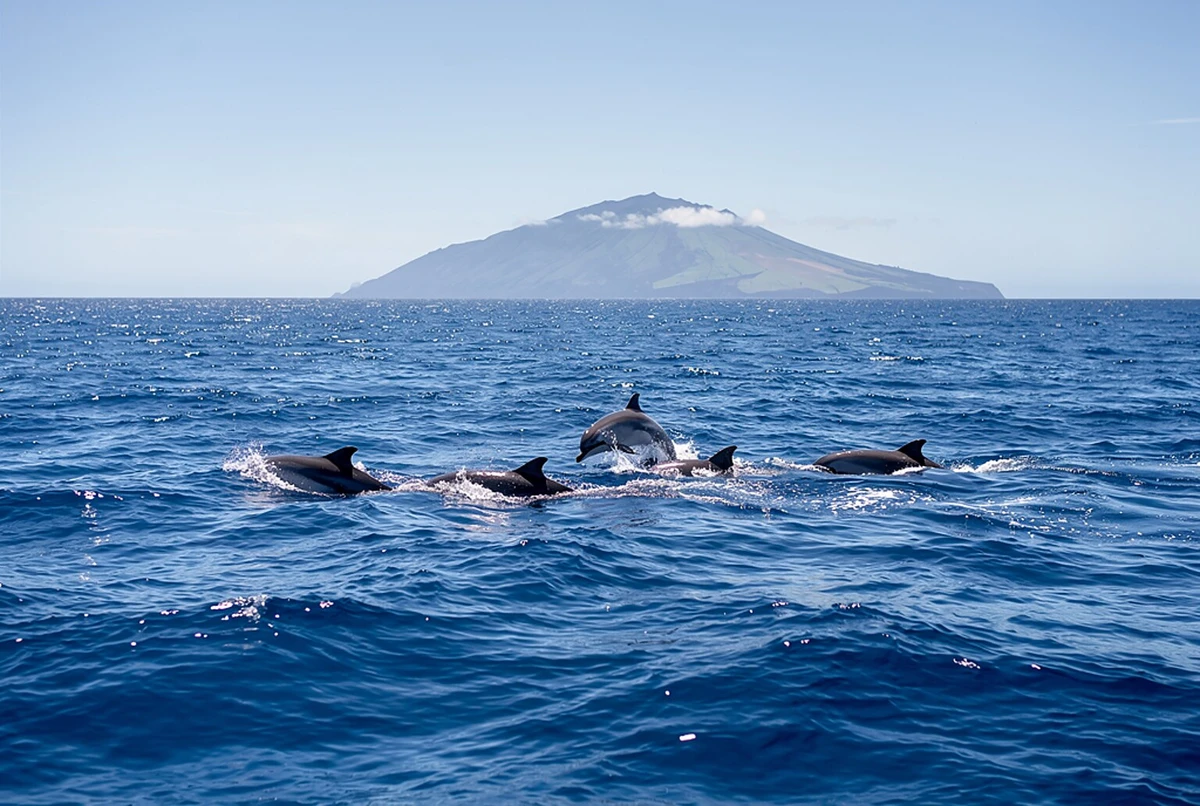
- Views of Mount Pico, the highest peak in Portugal, from the sea
- Start in Lajes do Pico, the historic heart of Azorean whaling
- Life jacket, raincoat and waterproof trousers provided when needed
- Two departures a day, morning or early afternoon
Full Description
Lajes do Pico, the whaling village of Pico Island
Lajes do Pico is a small harbour town on the southern shore of Pico Island and the place where Azorean whaling began in the 19th century. For generations, local men rowed open wooden boats out to sea with hand-held harpoons, guided by lookouts on the cliffs who fired rockets when they saw a whale blow. Commercial whaling in the Azores ended in the 1980s, and the same knowledge of the sea now powers one of the best whale-watching scenes in Europe.
The town keeps this story alive in the Whalers' Museum, set in the old boat houses by the water, and in the white chapel and stone streets around the harbour. Arrive a little early to walk along the seafront before check-in. If you are wondering how to get to Lajes do Pico, it is about 45 minutes by car from Madalena, where ferries arrive from Faial, and about 15 minutes from Pico Airport by taxi or rental car.
Sperm whales of the Azores
The sperm whale is the star of any Pico whale watching trip. The deep waters just off the south coast drop to well over 1,000 metres, and female sperm whales with their calves live here all year, diving for squid and surfacing to breathe for several minutes at a time. Watching one lift its broad tail before a long dive is the moment most travellers remember.
Your marine biologist guides explain how to read the blows on the horizon, why the whales stay close to Pico and how the boat keeps a respectful distance. Sightings are never guaranteed because these are wild animals, but the area is known as one of the most reliable places in the world for sperm whales. The best time to visit Pico Island for whale watching is April to October, when the sea is calmer and the light is long.
Dolphins and migrating whales
Dolphins are seen on most outings. Common and bottlenose dolphins often ride the bow wave of the boat, while Risso's dolphins, grey and scarred, stay in family groups close to the island. In summer, Atlantic spotted dolphins arrive with the warmer water, and loggerhead turtles and seabirds such as Cory's shearwaters add to the day.
In spring, from about March to June, large baleen whales pass the Azores on their migration north: blue, fin and sei whales can appear, feeding on krill before continuing their journey. This makes spring an exciting season for whale watching in the Azores, although the sea can be rougher. Whatever you see, the guides share photos and facts on board, so even a quiet day at sea becomes a lesson about the ocean.
The south coast of Pico and Mount Pico
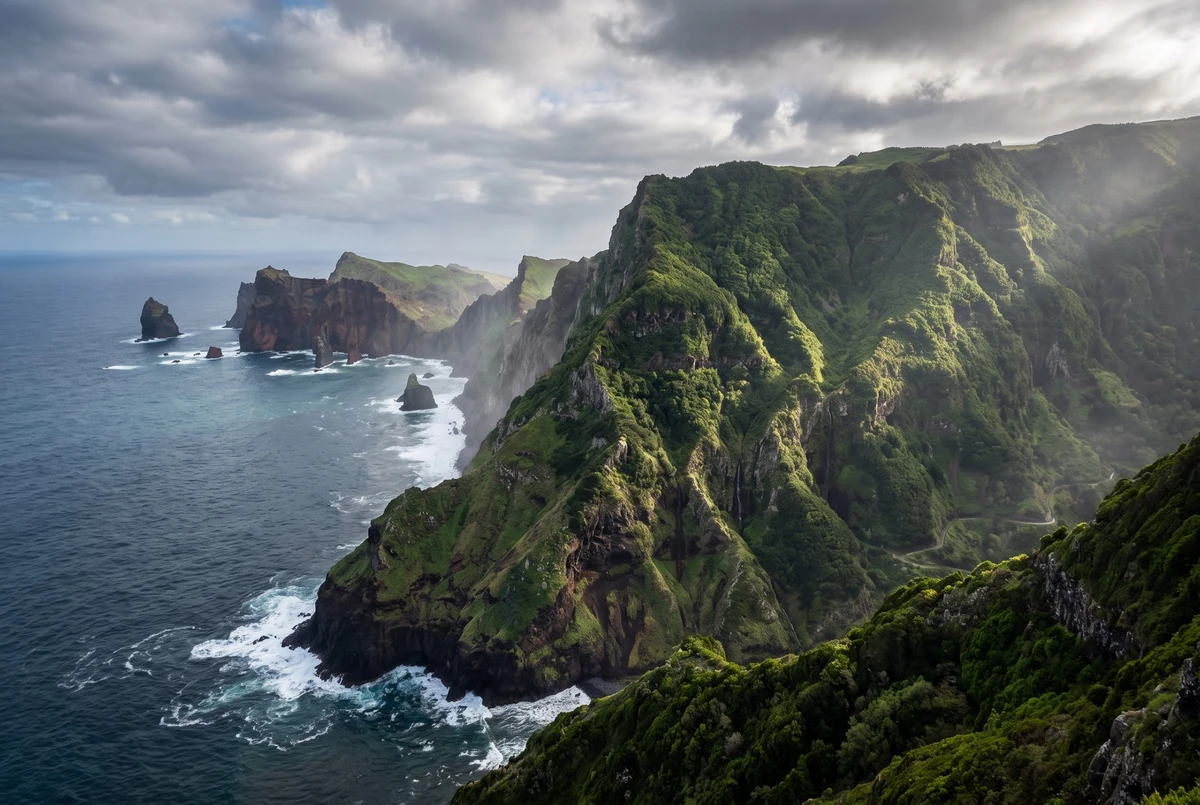
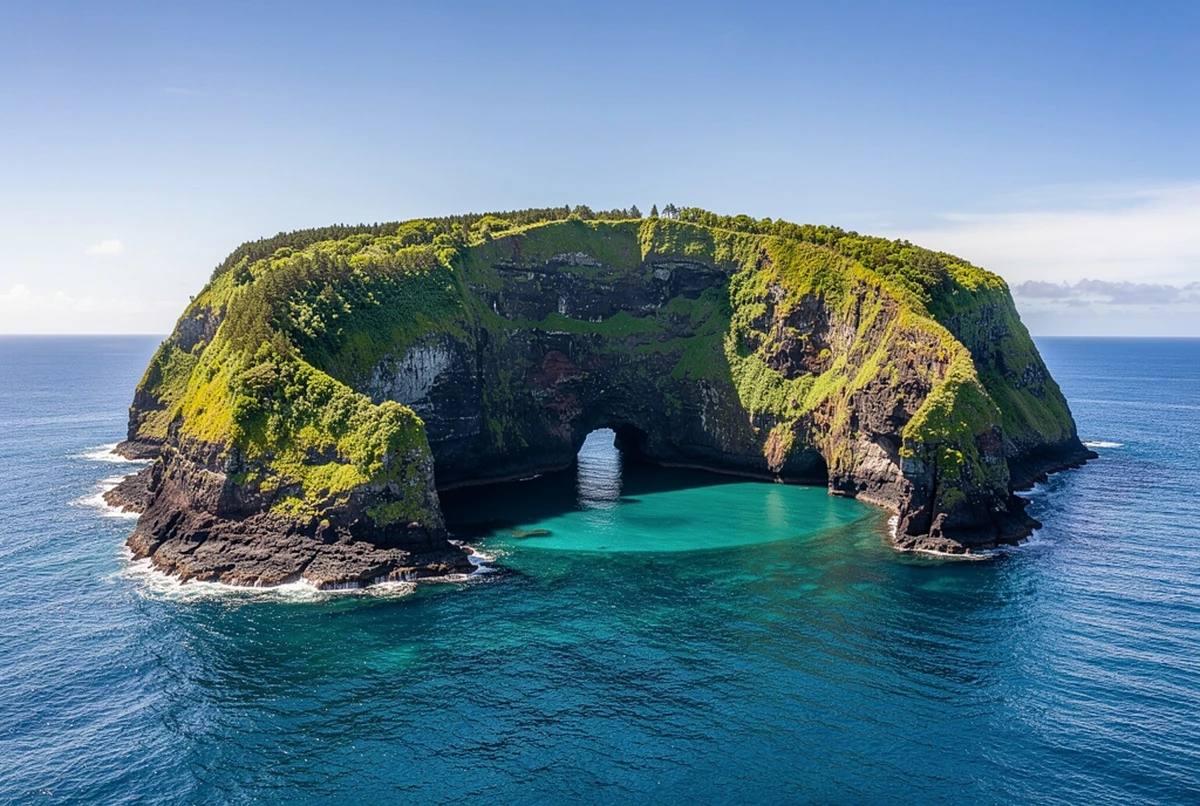
The boat route follows the black basalt coast of Pico, where lava flows met the sea and froze into arches, caves and pools. Behind the shoreline rises Mount Pico, a volcano of 2,351 metres and the highest mountain in Portugal. On clear mornings its summit stands above a ring of cloud, and seeing it from the water is one of the special views of the trip.
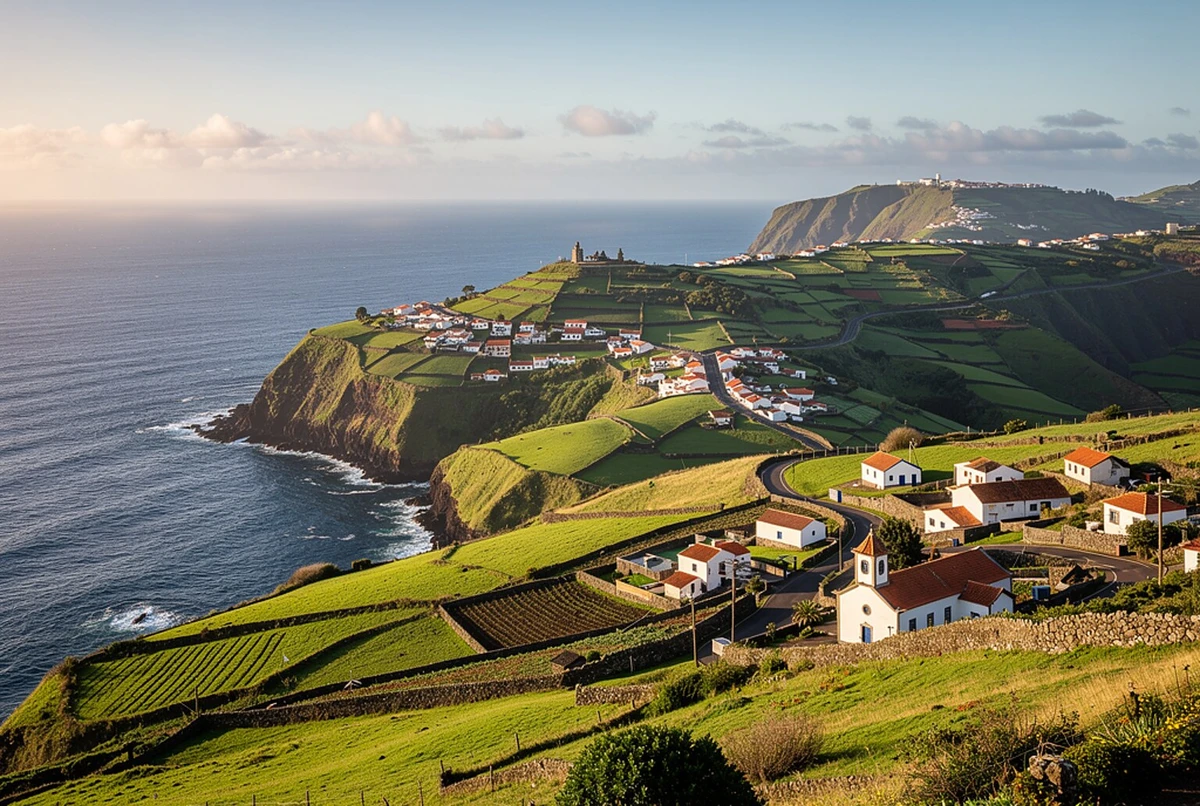
Pico is also one of the quieter islands of the Azores, with small villages, stone walls and green pastures, so the trip fits well with a day of driving along the coast roads or visiting the lava caves of Gruta das Torres. Many travellers combine this tour with a stay on Faial across the channel. For things to do in Pico Island, a morning at sea followed by an afternoon exploring the coast is a perfect plan.
Itinerary
- Check-in at Lajes do Pico harbourMeet the team at the check-in point on Rua dos Baleeiros by the harbour, collect your life jacket and rain gear if needed.
- Briefing by marine biologistsA briefing of about 15 minutes on the species you may meet, the history of whaling and how to watch them respectfully.
- Boat trip along the south coastBoard the rigid inflatable boat and head along the volcanic coast of Pico towards the open ocean.
- Search for whales and dolphinsAbout 2.75 hours at sea in total, following sightings of sperm whales, dolphins and other wildlife with live explanations from the guides.
- Return to Lajes do PicoThe boat returns to the harbour, where the trip ends about 3 hours after check-in.
What's included
- Pre-trip briefing on the species and how to respect them
- Rigid inflatable boat trip of about 2.75 hours
- Marine biologist guides
- Life jacket
- Raincoat and waterproof trousers when needed
Not included
- Hotel pickup and drop-off
- Food and drinks
- Personal expenses
Is this right for you?
Great for
- Nature and wildlife lovers
- Anyone who wants to see it from the water
- Travellers who want a proven choice — rated 4.9/5 by past travellers
Think twice if
- You want a private tour — this one is shared with other travellers
- You get seasick easily
Not suitable for
- Children under 8 years
- Pregnant women
- People with back problems
- People with heart problems
- People with mobility impairments or wheelchair users
- People who have had recent surgery
Meeting point
The trip starts at the check-in point on Rua dos Baleeiros 5, by the harbour of Lajes do Pico on Pico Island. Please arrive 15 minutes before your departure (08:30 or 13:30, as booked). Hotel pickup is not included; Lajes do Pico is about 45 minutes by car from Madalena and has parking near the harbour.
Important information
- Wear comfortable clothes in layers and bring a windbreaker, as it is cool and windy at sea
- Bring sunglasses, a sun hat and sunscreen even on cloudy days
- A waterproof bag protects your phone and camera from spray
- High-heeled shoes, pets, strollers and drones are not allowed on board
- The trip depends on weather and sea conditions and may be rescheduled or cancelled if the sea is unsafe
- The rigid inflatable boat is fast and bouncy; take seasickness tablets beforehand if you are sensitive
- Recommended for ages 8 and up
- Whales and dolphins are wild animals, so sightings cannot be guaranteed
Good to know
Frequently Asked Questions
Straight answers to what travellers ask us most, before they book.
Is this a shared or a private experience?
It is a shared boat trip: you join other travellers on a rigid inflatable boat led by marine biologist guides.
How long does it take?
About 3 hours in total: a briefing of around 15 minutes, then about 2.75 hours at sea.
Is hotel pickup included?
No. You meet the team at the check-in point by Lajes do Pico harbour. Our team can help you plan a taxi or car if needed.
What is included?
The boat trip, the pre-trip briefing, marine biologist guides, a life jacket, and a raincoat and waterproof trousers when needed. Food and drinks are not included.
Is the price per person or per group?
The price is per person, with a lower child rate for ages 6 to 12. The booking panel on this page shows the current price of each option.
Is it suitable for children or people with reduced mobility?
It is recommended for children aged 8 and over. Because the boat is fast and bouncy, it is not suitable for pregnant women, wheelchair users or people with back, heart or mobility problems.
What should I bring?
A windbreaker, warm layers, comfortable shoes, sunglasses, a sun hat, sunscreen and a waterproof bag for your phone or camera.
What is the best time of day and season for whale watching in the Azores?
Both departures give good chances. Sperm whales and dolphins are seen all year; April to October brings calmer seas, and spring is the season of migrating blue, fin and sei whales.
What happens in bad weather?
Safety comes first. If the sea is too rough, the trip is rescheduled or cancelled, and our team helps you choose another date.
Are whale sightings guaranteed?
No wild-animal trip can guarantee sightings, but the waters off Pico are among the most reliable in the world for sperm whales, and dolphins are seen on most outings.
How do I get to Lajes do Pico?
Lajes do Pico is about 45 minutes by car from Madalena, where ferries from Faial arrive, and about 15 minutes from Pico Airport. Taxis and rental cars are the easiest way.
How do I book and confirm?
Choose your date and departure time in the booking panel and send your request. Our team confirms your booking on WhatsApp within minutes.
More in Azores

Getting to & around Azores
Popular across Portugal
-
-

-

-

-

-