Strasbourg Old Town & Petite France Walking Tour with Local Guide
- Duration2 hours
- Daily
- Group
Some images are AI-generated for illustration. While we confirm your booking, just ask and we will send you the original photos.
- Fair, honest prices
- Real people, not bots
- Confirm, then pay
- Secure payment

Overview
This Strasbourg walking tour is a shared, two-hour guided walk through the Grande Île, the historic island at the heart of Strasbourg and a UNESCO World Heritage Site. A local guide meets you on Place Gutenberg, takes you to the sandstone facade of Strasbourg Cathedral, then leads you along the canals, bridges and half-timbered houses of Petite France and the old Tanners' Quarter before finishing on Place Kléber, the main square of the city. It suits first-time visitors, families and anyone who wants the stories behind the streets rather than a map. The route is flat and wheelchair accessible, there is no hotel pickup, and a second option adds a ticket for a river cruise on the canals that you take at your own pace afterwards.
Highlights
- Two-hour guided walk through the Grande Île, the UNESCO-listed old town of Strasbourg
- Close look at the Gothic facade and sculpted portals of Strasbourg Cathedral
- Canals, covered bridges and half-timbered houses of Petite France
- The Tanners' Quarter with its steep roofs and lanes of traditional restaurants
- Place Gutenberg and Place Kléber, the two squares that frame city life
- Photo tips from your guide at the best viewpoints on the route
- Recommendations on where to eat and what to explore after the walk
- Flat, wheelchair-accessible route in English and German
Full Description
Place Gutenberg and the Grande Île
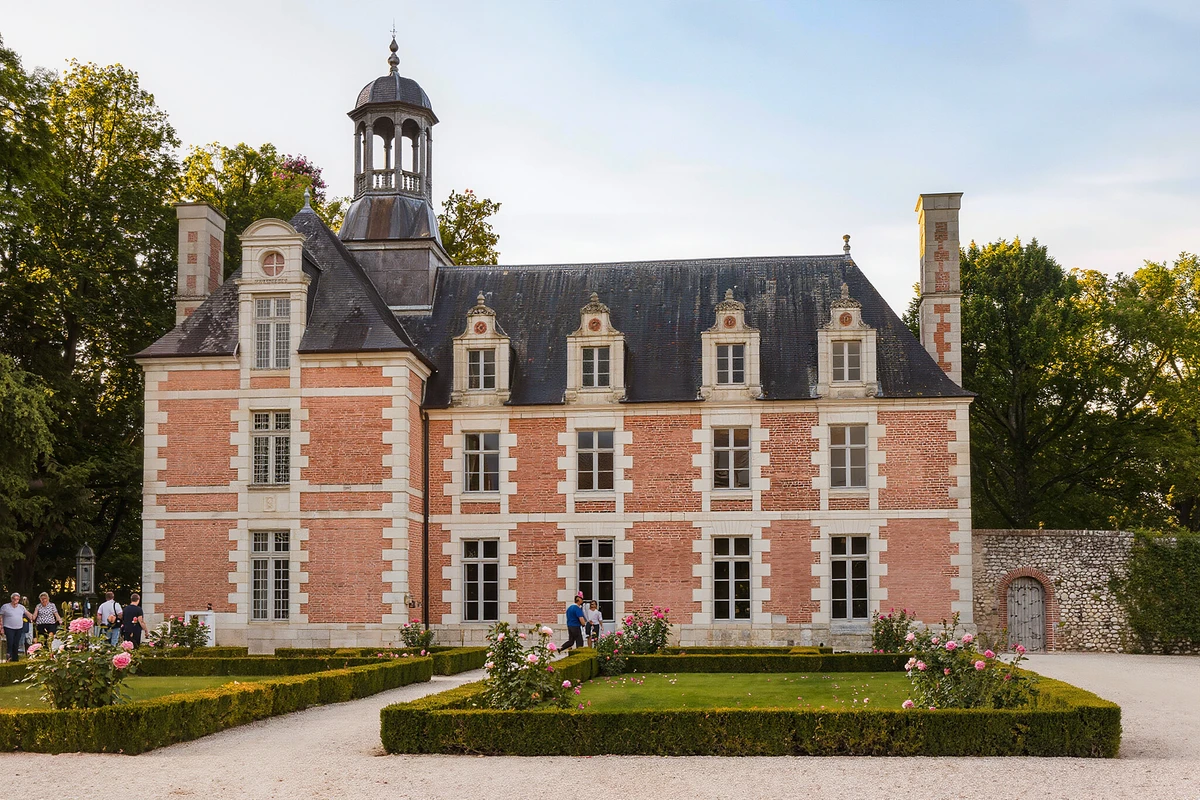
The walk begins on Place Gutenberg, a small square a few steps from the cathedral on the Grande Île, the island formed by two arms of the River Ill that holds the historic centre of Strasbourg. The whole island was listed by UNESCO in 1988, and the square shows why: on one side stands the former town hall of the sixteenth century, now the chamber of commerce, with a Renaissance facade of arcades and carved windows, and in the centre is the statue of the inventor of the printing press, who lived in Strasbourg in the 1430s while developing his invention.
Your guide uses the first fifteen minutes here to explain how the island became a free imperial city, a French royal city and finally the seat of European institutions. From Place Gutenberg every stop of this Strasbourg old town tour is a short walk away: the cathedral one street off, Petite France ten minutes to the west, Place Kléber five minutes to the north.
Strasbourg Cathedral from the outside
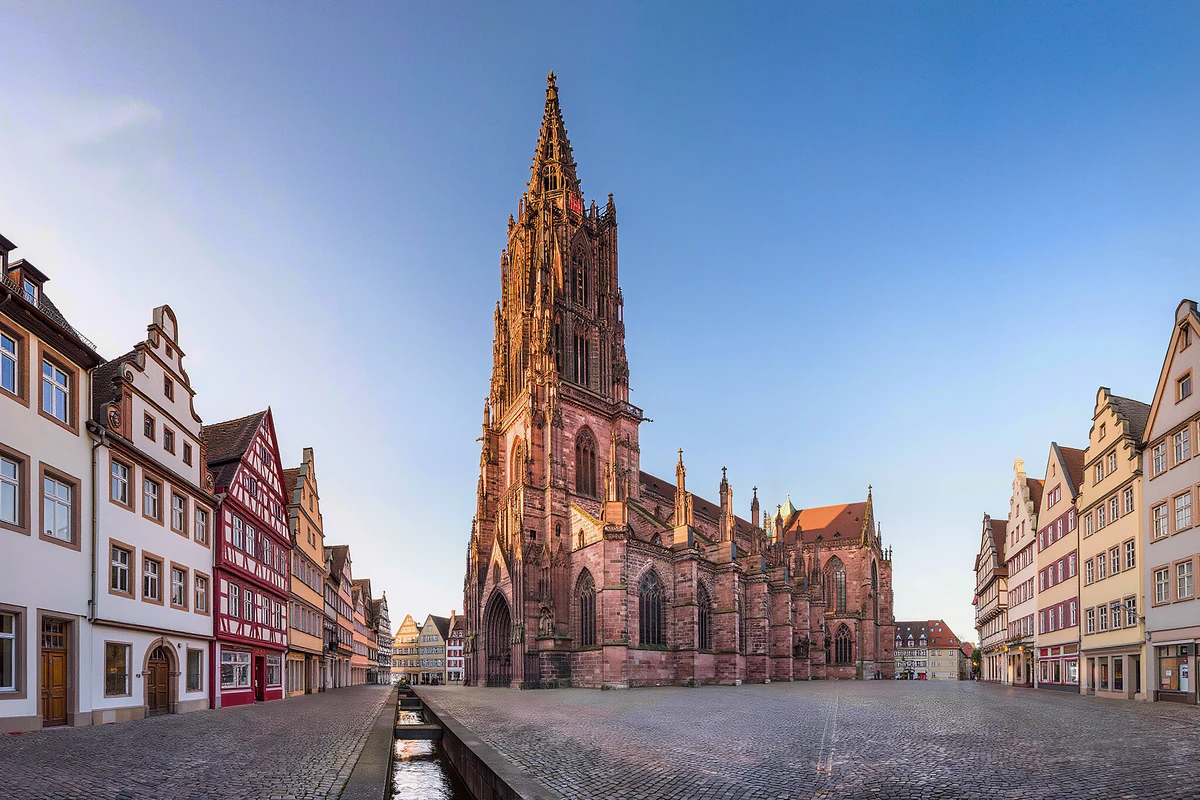
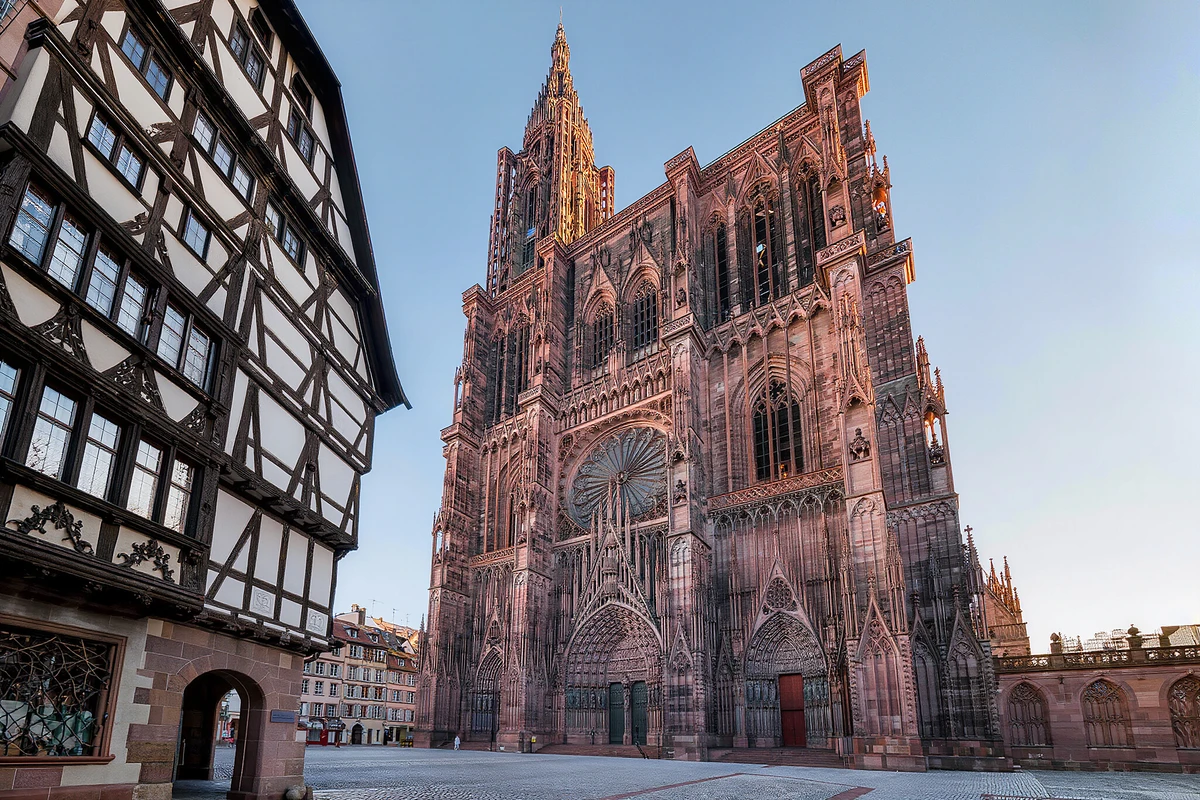
Strasbourg Cathedral dominates the city from every approach. Built mainly between the twelfth and fifteenth centuries from pink sandstone of the Vosges mountains, it has a single spire of 142 metres that was the tallest building in the Christian world for more than four centuries. The west front is a wall of sculpture: three portals crowded with prophets, virtues and vices, a rose window almost fourteen metres across and a lace-like screen of stonework that changes colour with the light. Your guide stops here for about a quarter of an hour and points out the details most visitors miss.
This tour visits the cathedral exterior only, which is also where the best photo angles are, from the narrow Rue Mercière. If you want to go inside to see the astronomical clock or climb the platform, the Strasbourg Cathedral opening hours allow a visit after the walk, and our guide will tell you the best time to avoid the queue.
Petite France
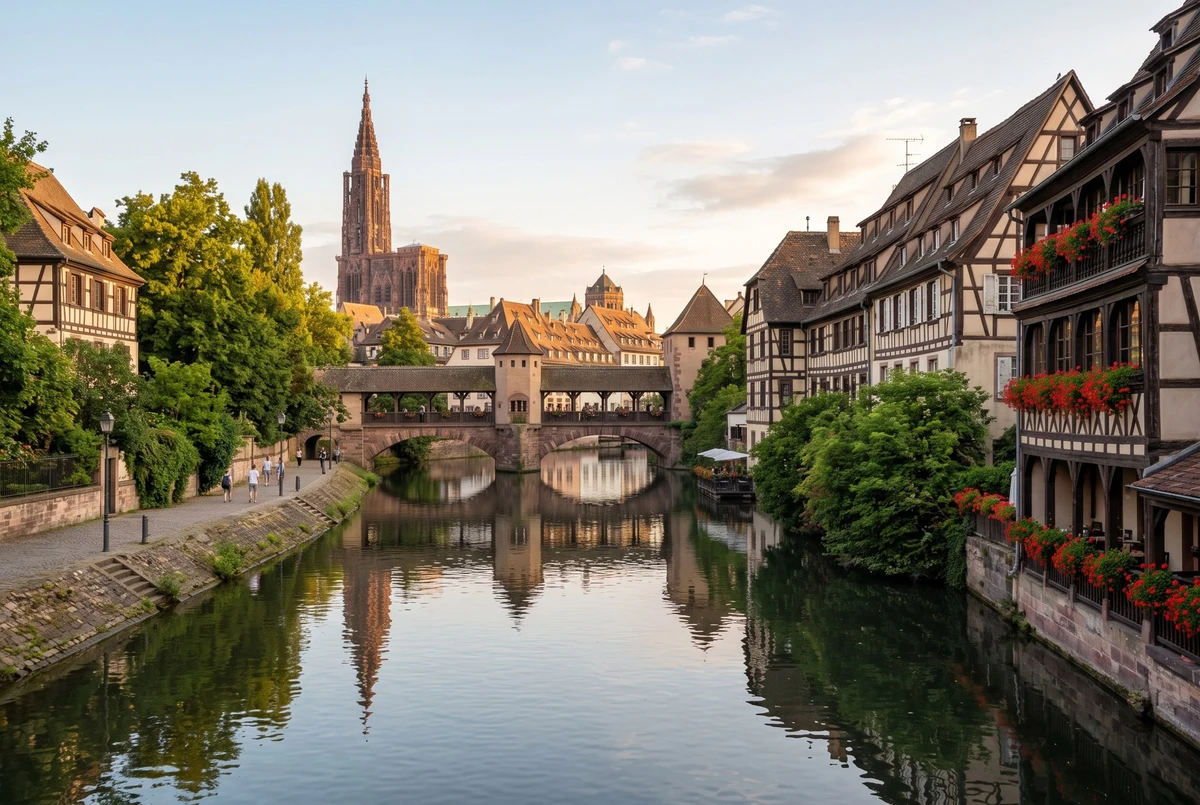
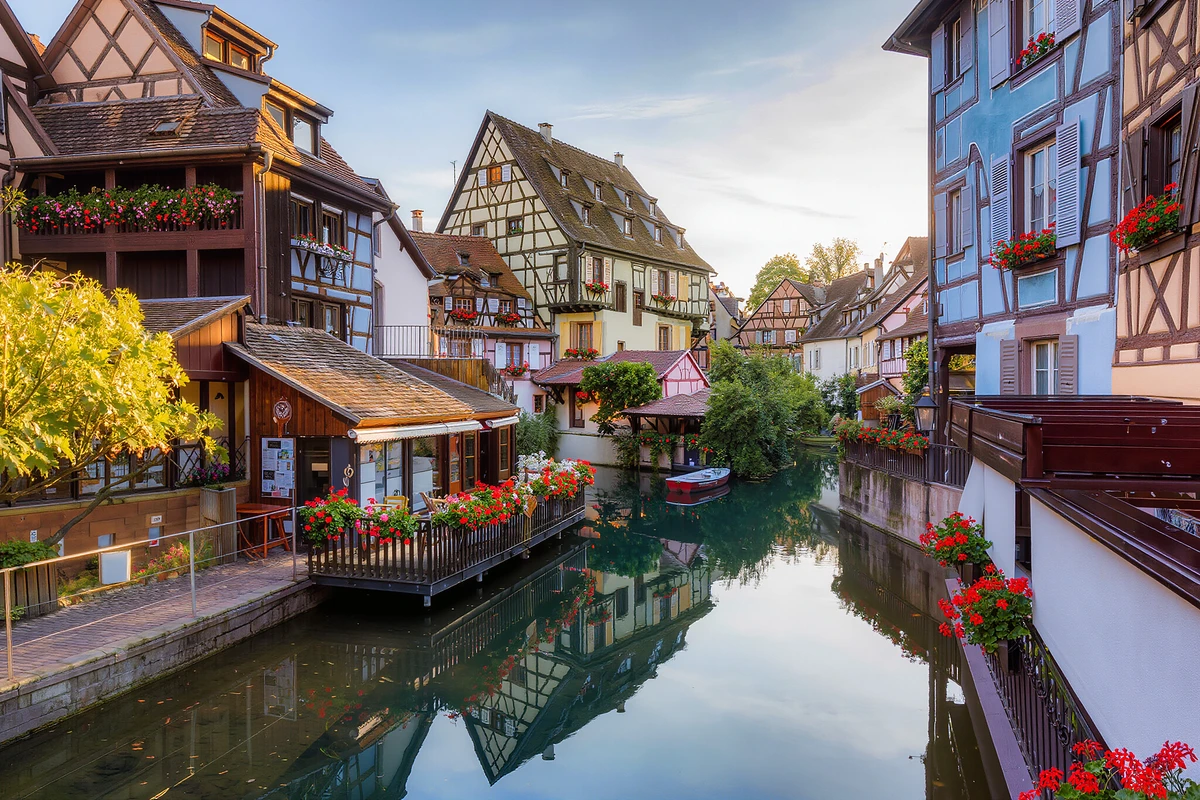
Petite France is the district at the western tip of the Grande Île where the River Ill splits into several channels. From the Middle Ages this was the quarter of tanners, millers and fishermen, who needed running water for their trades, and their houses still line the canals: timber-framed facades in cream, ochre and brown, steep roofs with open lofts where hides dried, and balconies of flowers above the water. Petite France is worth visiting at any hour, but the guide times this hour-long section so you see the canals before the crowds build up.
Beyond the houses rise the Ponts Couverts, three bridges guarded by four towers of the thirteenth-century city wall, and behind them the Barrage Vauban, a dam of the 1680s whose roof terrace gives the classic view of Petite France with the cathedral spire behind. Many people ask how to get to Petite France: it is a ten-minute walk from the cathedral, and this walk takes the prettiest way.
The Tanners' Quarter and its lanes
Leaving the canals, the walk threads through the Tanners' Quarter, the streets around Rue du Bain-aux-Plantes and Rue des Dentelles where the leather trade once filled the air with the smell of hides. Today the same houses hold small taverns and family-run restaurants serving the dishes of Alsace: tarte flambée baked thin and crisp, baeckeoffe cooked slowly in a pot, spaetzle and the sweet kougelhopf cake. Your guide explains how the quarter was cleaned up and restored in the twentieth century, how the tanners' lofts were turned into apartments, and which lanes keep their medieval shape.
This is also the part of the walk where you get the practical advice people really want from a Strasbourg city tour with a local guide: which restaurants are good value, where the Alsatian specialities are made properly, and which streets are worth returning to in the evening when the lanterns come on. Expect about twenty minutes here before the route turns north towards the main square.
Place Kléber
Place Kléber is the largest square in Strasbourg and the point where the old town meets the shopping streets. It was laid out as a parade ground in the eighteenth century and is lined on its north side by the Aubette, a long classical building of the 1760s that once housed the guard. The statue in the centre honours the Alsatian general of the Revolutionary era after whom the square is named; he lies buried beneath the monument. In winter the square holds the great Christmas tree of the Strasbourg market, and in summer it is a place of fountains, cafe terraces and tram lines.
Your guide spends the last half hour of the walk here and in the surrounding streets, closing the story of the city from the Roman camp to the European Parliament. Place Kléber is also the easiest place to continue your day: tram lines A, B, C, D and F stop beside it, and the covered-market lanes and the Neustadt district are within walking distance.
Itinerary
- Meeting on Place GutenbergMeet your guide near the statue in the centre of the square; the walk starts with the history of the Grande Île, about 15 minutes.
- Strasbourg Cathedral exteriorStop in front of the west facade to study the portals, the rose window and the spire, with photo tips from the guide; about 15 minutes.
- Petite FranceWalk along the canals, locks and half-timbered houses, past the Maison des Tanneurs to the Ponts Couverts; about 1 hour at an easy pace.
- Tanners' QuarterPass through the lanes of traditional restaurants and hear where to eat Alsatian dishes after the tour; about 20 minutes.
- Place KléberFinish on the main square of Strasbourg with the final stories and recommendations for the rest of your stay; about 30 minutes.
What's included
- 2-hour guided walking tour with a local guide
- Strasbourg Cathedral exterior visit with stories and photo tips
- Walk through Petite France, the Tanners' Quarter, Place Gutenberg and Place Kléber
- Recommendations on where to eat and what to explore after the walk
- Wheelchair-accessible route
Not included
- Entry tickets to Strasbourg Cathedral
- Food and drinks
Is this right for you?
Great for
- Families with children — a child price for ages 3–11
- History and culture lovers
- Anyone who wants to see it from the water
- First-time visitors who want the highlights
Think twice if
- You want a private tour — this one is shared with other travellers
- Walking is difficult for you — expect active parts
- You get seasick easily
Meeting point
The walk starts on Place Gutenberg in the centre of Strasbourg, one street from the cathedral. Meet your guide in the square near the statue about ten minutes before the start time; the guide carries a blue badge so you can recognise them easily. The square is a short walk from the Langstross Grand'Rue tram stop and about fifteen minutes on foot from the central station. There is no hotel pickup for this tour, and the walk ends on Place Kléber, five minutes from where it began.
Important information
- Bring comfortable shoes, water, a hat and sunscreen in summer and a camera; the route is on cobbled streets
- The tour is given in English and German and may be multilingual on some departures
- Entry tickets to the inside of Strasbourg Cathedral are not included; the visit covers the exterior
- Food and drinks are not included, but your guide recommends good places for after the walk
- The route is flat and suitable for wheelchairs and pushchairs
- Please arrive ten minutes early; the group leaves Place Gutenberg punctually
- If you choose the option with the river cruise, the boat ticket is used at your own pace after the walk
- Children from three to eleven pay the child rate; younger children join free
Good to know
Frequently Asked Questions
Straight answers to what travellers ask us most, before they book.
Is this a shared or a private experience?
It is a shared guided walking tour with a local guide and a small group of other travellers. Contact us if you would like to ask about a private walk for your own party.
How long does the Strasbourg walking tour take?
About two hours on foot, from Place Gutenberg to Place Kléber, covering the cathedral, Petite France and the Tanners' Quarter at an easy pace.
Is hotel pickup included?
No. The tour starts and ends in the centre of the old town, which is easy to reach on foot or by tram from any hotel in Strasbourg.
What is included?
The two-hour guided walk with a local guide, the exterior visit of the cathedral with stories and photo tips, the walk through Petite France, the Tanners' Quarter, Place Gutenberg and Place Kléber, and the guide's recommendations. The second option adds a ticket for a river cruise.
Is the price per person or per group?
The price is per person, with a reduced rate for children aged three to eleven. The booking panel on this page shows the current price of each option.
Does the tour go inside Strasbourg Cathedral?
No, the guide shows you the facade and portals from outside and explains what to see inside. You can visit the interior and the astronomical clock on your own after the walk.
Is the walk suitable for children and for reduced mobility?
Yes. The route is flat, two hours at a relaxed pace, and accessible for wheelchairs and pushchairs. Children enjoy the canals and the stories of Petite France.
What is the difference between the two options?
The first is the guided walk only. The second adds a ticket for a scenic river cruise on the canals of Strasbourg, which you take at a time that suits you after the walk.
What should I bring?
Comfortable shoes, a bottle of water, sun protection in summer, a light rain jacket in spring and autumn, and a camera or phone for the photo stops.
What is the best time to visit Strasbourg for this tour?
Spring and early summer give long days and flowers along the canals; late November and December bring the famous Christmas market, when the old town is at its most atmospheric. A morning departure sees Petite France before the crowds.
What happens in bad weather?
The walk runs in light rain; bring an umbrella or jacket. In severe weather we contact you to move the start time or offer an alternative.
How do I book and confirm?
Choose your option and date on this page and send the booking; our team confirms it on WhatsApp within minutes with the meeting instructions.
More in Strasbourg
Popular across France
-
-

-

-
-
-