
Muscat
Plan Muscat with Haqqi Tours: day tours, private airport transfers, attraction tickets and packages, run by our own team and confirmed on WhatsApp in Arabic or English.
Step out of your hotel in Muscat early in the morning and the Sea of Oman glitters beneath bare, jagged mountains. Along the Mutrah Corniche, fishermen unload their catch, the scent of frankincense drifts from the souq, and white houses and old watchtowers line the curve of the shore as the call to prayer echoes off the rocky hills. Wooden dhows rock gently in the harbour, and the day begins at an unhurried, gracious pace.
Nothing matches those filters yet. Widen your search or message us on WhatsApp.
Muscat Day Tours
View all Muscat at first sight
Muscat is the capital of the Sultanate of Oman, a city stretched along the coast between the mountains and the sea, where low white buildings, forts and gardens take the place of skyscrapers. It is calm, clean and deeply rooted in tradition, yet it opens onto some of the most beautiful landscapes in Arabia: coral islands, emerald wadis, golden dunes and mountain villages, all within a day's reach.
Why include Muscat in your itinerary?
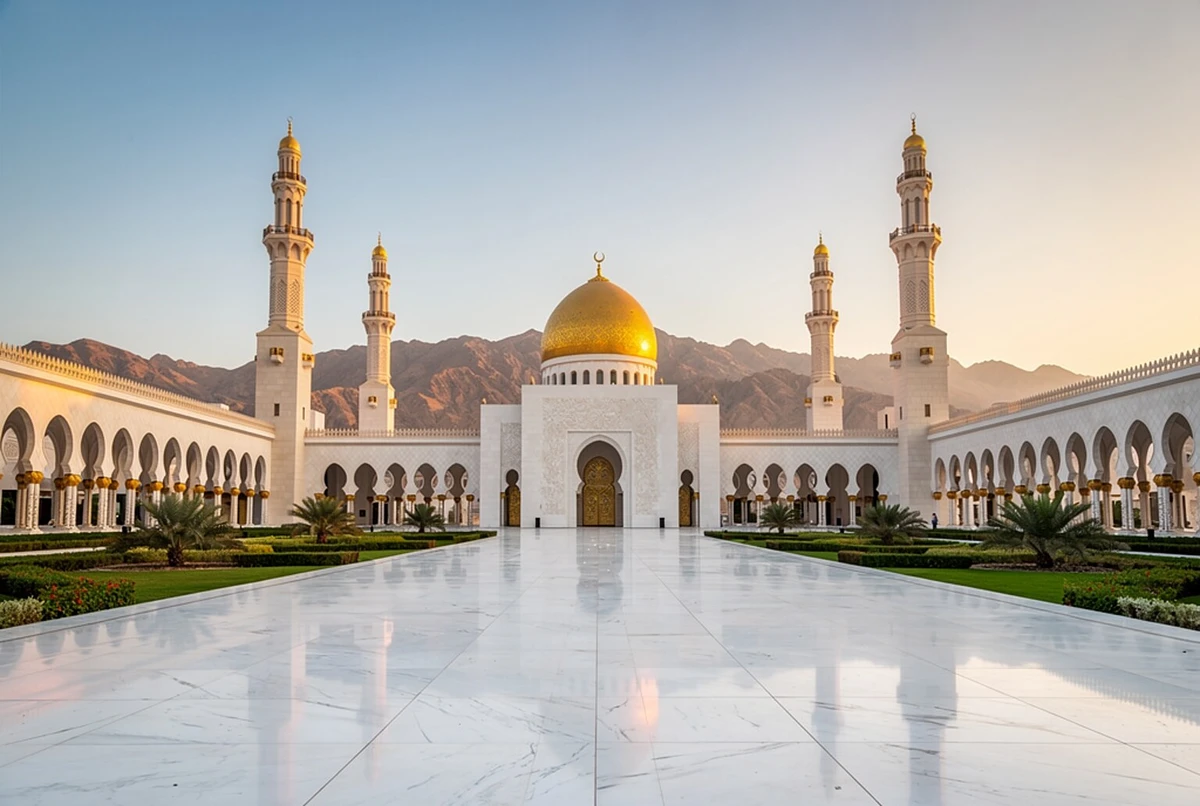
- Authentic Arabian heritage. Muscat keeps its traditional character, with the magnificent Sultan Qaboos Grand Mosque, the Mutrah Souq, Portuguese-era forts guarding the old harbour and museums that tell Oman's long maritime story.
- Sea, islands and marine life. Spinner dolphins play off the coast, turtles and reef fish thrive around the protected Daymaniat Islands, and quiet beaches and rocky coves line the shore south of the city.
- Wadis, desert and mountains within reach. From Muscat, day trips lead to the turquoise pools of Wadi Shab, the Bimmah Sinkhole, the golden dunes of the Wahiba Sands, the palm-lined Wadi Bani Khalid and the terraced villages of Jebel Akhdar.
Signature experiences in Muscat
Snorkelling at the Daymaniat Islands
Off the coast north-west of Muscat, the Daymaniat Islands form a protected nature reserve of coral reefs, clear water and white-sand shores. Snorkellers drift above reef fish and rays, often alongside sea turtles, while seabirds nest on the rocks. Our boat trips include equipment and a relaxed brunch on board, and run mainly in the cooler months, as parts of the reserve close in summer to protect nesting birds.
Wadi Shab and the Bimmah Sinkhole
About two hours south along the coast, Wadi Shab is a deep canyon that you enter by small boat, then follow on foot past palms and falaj water channels to emerald pools; strong swimmers can reach a waterfall hidden inside a cave. On the way, the Bimmah Sinkhole shines turquoise inside a limestone crater. Our full-day tours handle the drive and timing for the best light and fewer crowds.
Wahiba Sands and Wadi Bani Khalid
Head inland to Wadi Bani Khalid, a green oasis where clear water flows between smooth rocks and palm trees, perfect for a swim. Continue to the Wahiba Sands, a sea of orange dunes where Bedouin families raise camels and welcome visitors with Omani coffee and dates. Our four-wheel-drive day tours include dune driving and a sunset moment on the sand before the drive back.
Jebel Akhdar and Nizwa
The Green Mountain rises to cool plateaus where terraced villages grow pomegranates, walnuts and, in spring, the fragrant roses used to make rose water. Below lies Nizwa, an ancient capital with a great round-towered fort and a lively souq of silver, pottery and dates. Four-wheel-drive vehicles are required on the steep mountain road, and our day tours combine both in one rewarding day.
Dolphins and the Muscat Coast
Early morning boat trips leave from the marinas south of Mutrah to find pods of spinner and bottlenose dolphins leaping off the rugged coast. Afterwards, swim and snorkel in a sheltered cove, passing sea caves, fishing villages and the forts of Old Muscat from the water. It is an easy half-day outing, ideal for families and first-time snorkellers.
Neighbourhoods and quarters to know in Muscat
Mutrah
Mutrah curves around the harbour with its long Corniche, the famous Mutrah Souq, the fish market and an old fort on the hill. It is the most atmospheric area for first-time visitors, full of traditional life, with small hotels and sea views. Evenings along the waterfront are pleasant and lively, especially when the cooler sea breeze arrives.
Old Muscat
Enclosed by rocky hills and old city walls, Old Muscat holds the ceremonial Al Alam Palace, the twin forts of Al Jalali and Al Mirani, the National Museum and the Bait Al Zubair museum. It is quiet, elegant and very photogenic, more a place to visit than to stay, but only a short drive from Mutrah and the coastal resorts.
Qurum and Shatti Al Qurum
Qurum is a green, upscale district with a long sandy beach, a large natural park, shopping centres and the Royal Opera House. Many international hotels stand along the shore, making it a convenient, central base close to the airport and the city's attractions, with plenty of restaurants and cafés nearby.
Al Bustan and the Southern Coast
South of Old Muscat, the coast road winds past dramatic coves to resort hotels set beneath the mountains at Al Bustan, Bandar Jissah and beyond. It suits families and couples who want beaches, pools and calm after days of exploring, and it is the closest area to the marinas for dolphin and snorkelling trips.
How long to stay in Muscat and how to pair it
Recommended stay
We recommend four nights in Muscat. One day for the Grand Mosque, Mutrah and Old Muscat, one for the Daymaniat Islands or the dolphins, one for Wadi Shab and the Bimmah Sinkhole, and one for Jebel Akhdar and Nizwa. With five or six nights, add an overnight stay in the Wahiba Sands to see the desert at sunrise.
How to pair it
Muscat pairs naturally with Nizwa and the mountain villages of the interior, a short drive inland, and with the Wahiba Sands for a night under the desert stars. Continue along the coast to Sur, a historic dhow-building town near the turtle beaches of Ras al Jinz. In the summer monsoon season, Salalah in the far south turns green, and the Musandam peninsula in the north offers fjord-like inlets by short flight.
Best time to visit Muscat and the rhythm of the day
Best months
The best time to visit Muscat is from October to April, when days are warm and sunny, the sea is calm and evenings are pleasant for walking along the Corniche. December to February are the most comfortable and busiest months. From May to September the heat is intense, so outdoor activities must start very early, though hotels are quieter and the heights of Jebel Akhdar stay cooler.
The daily rhythm
Muscat's day starts early and moves gently. Mornings are for the Grand Mosque, boat trips and outdoor sightseeing before the heat. In the early afternoon many shops close and the city rests, then it wakes again as the sun drops. Evenings are the liveliest time, with strolls on the Corniche, the souq busy with shoppers and dinners of grilled fish by the sea.
On-the-ground logistics in Muscat
Arrival
Muscat International Airport (MCT) lies in the Seeb area, west of the centre, usually about twenty minutes from Qurum and about forty minutes from Mutrah and Old Muscat. Cruise ships dock at the port in Mutrah, right beside the Corniche. Our private airport transfers meet you on arrival and take you straight to your hotel anywhere along the coast.
Getting around
Muscat stretches a long way along the coast, so walking is pleasant only within districts such as Mutrah or Qurum. Taxis and ride-hailing apps are available, but there is no metro and buses are limited. A private car with driver arranged by our team is the most comfortable way to combine the city sights, and four-wheel-drive vehicles are essential for the mountains and the desert.
Local etiquette tip
Oman is welcoming but conservative. Dress modestly, covering shoulders and knees; at the Grand Mosque women cover their hair, arms and legs, and men wear long trousers. Avoid public displays of affection, ask before photographing people, especially women, and respect fasting hours during Ramadan. Halal food is the norm everywhere, from simple grills to fine Omani restaurants, and a greeting of peace is warmly received.
Must-do things in Muscat
- Admire the Sultan Qaboos Grand Mosque and its vast prayer hall
- Wander the frankincense and silver stalls of the Mutrah Souq
- Stroll the Mutrah Corniche at sunset as the dhows come in
- Photograph Al Alam Palace between the forts of Old Muscat
- Snorkel with turtles and reef fish at the Daymaniat Islands
- Watch dolphins leap off the rugged coast in the early morning
- Swim in the emerald pools of Wadi Shab
- See the turquoise water of the Bimmah Sinkhole
- Feel the silence of the Wahiba Sands at sunset
- Explore Nizwa Fort and the terraced villages of Jebel Akhdar
Do’s and don’ts in Muscat
Do
- Do dress modestly in the city and at religious sites
- Do visit the Grand Mosque in the morning, avoiding Fridays
- Do carry plenty of water and sun protection on day trips
- Do try Omani coffee with dates and fresh Omani halwa
- Do start outdoor excursions early to avoid the heat
Don’t
- Don't photograph people, especially women, without permission
- Don't wear swimwear away from beaches and hotel pools
- Don't eat or drink in public during Ramadan daylight hours
- Don't drive into the desert or mountains without a proper four-wheel drive
- Don't swim in wadis after heavy rain, when flash floods are possible
Muscat at a glance
Plan Muscat with Haqqi Tours
Every option is confirmed by our team on WhatsApp before you pay, and delivered by our own people or by trusted local partners we work with in every city. Because we send travellers from all over the world, our partners give us special rates and priority, so you always receive the best. Prices are per person unless marked per vehicle.
About Haqqi Tours: About us Contact us Legal NoticePrivacy PolicyCookies & Marketing PreferencesTerms & ConditionsBooking, Payment & Refunds
More services in Muscat
Good to know
Frequently Asked Questions
Straight answers to what travellers ask most about Muscat.
Where should first-time visitors stay in Muscat?
First-time visitors usually stay in Qurum, close to the beach, restaurants and the airport, or in Mutrah for the atmosphere of the souq and Corniche. For beaches and calm, the resorts of Al Bustan and the southern coast are lovely. Our team can suggest a hotel in the right area and arrange your private airport transfer.
Can Muscat be done as a day trip, or does it need an overnight stay?
Muscat deserves far more than a day. A single day can cover the Grand Mosque, Mutrah and Old Muscat, but the islands, wadis, desert and mountains around the city need at least three or four nights. We arrange private transfers and guided day tours to fit your schedule.
What is the dress code and etiquette in Muscat?
Dress modestly in Muscat: light, loose clothing covering shoulders and knees is respectful and comfortable. At the Grand Mosque, women need a headscarf and long sleeves, and everyone should wear ankle-length clothing. Ask before photographing people, avoid public displays of affection and respect Ramadan customs. Our guides explain local etiquette on the way.
Is Muscat tourist friendly?
Yes. Omanis are known for their hospitality, and Muscat welcomes visitors from around the world with courtesy and calm. Signs are in Arabic and English, English is widely spoken in hotels and shops, and roads and services are well organised. Exploring with our guided day tours makes everything easier.
Is it safe to travel to Muscat now?
Muscat is generally considered one of the safest capitals in the region, with low crime and a calm atmosphere. The main risks are natural: strong sun, heat and flash floods in the wadis after rain. Use licensed transport, follow your guide's advice and check your own government's official travel advice before departure. Keep our WhatsApp line handy.
What are the must-do things in Muscat?
The must-do things in Muscat include the Sultan Qaboos Grand Mosque, the Mutrah Souq and Corniche, Old Muscat and Al Alam Palace, snorkelling at the Daymaniat Islands, dolphin watching, Wadi Shab, the Wahiba Sands and a day in Jebel Akhdar and Nizwa. Our tours combine these in the best order and timing.
How many days do you need in Muscat?
Four days is ideal for Muscat: one for the city, one at sea, one for Wadi Shab and one for the mountains or the desert. Three days covers the highlights at a quicker pace, while five or six allow a night in the Wahiba Sands and slower days by the sea.
What can I book in Muscat with Haqqi Tours?
Day tours, including Wadi Shab and Bimmah Sinkhole Full-Day Tour from Muscat, Wahiba Sands Desert and Wadi Bani Khalid Day Tour from Muscat and Jebel Akhdar and Nizwa 4x4 Day Tour from Muscat. Each has its own page, and the WhatsApp desk combines any of them into one plan with one written price.
How do I get from the airport to my hotel in Muscat?
With a private transfer: a driver at arrivals, flight tracking and a fixed price for the whole vehicle, door to door. Tell the desk the flight number and the hotel.
Is there public transport from the airport to Muscat?
Public options vary by airport and end at a station rather than your hotel; the private transfer starts at the arrivals door and ends at your door.
Which tours are available in Muscat?
Among them: Wadi Shab and Bimmah Sinkhole Full-Day Tour from Muscat, Wahiba Sands Desert and Wadi Bani Khalid Day Tour from Muscat, Jebel Akhdar and Nizwa 4x4 Day Tour from Muscat, Muscat Dolphin Watching and Snorkelling Boat Trip and Daymaniat Islands Snorkelling Trip with Brunch Muscat. Each page says whether the day is private or small-group, what it includes and how long it lasts.
Are the tours private or in a group?
Both exist, and each tour page says which. A private tour has a vehicle and guide for your party alone; the desk can make most group tours private on request.
How do I book?
Fill in the form on any page or message us on WhatsApp with the date, the number of travellers and the hotel. A member of our team confirms the price and the details in writing within minutes.
Are the prices fixed?
Yes - every price is agreed in writing on WhatsApp before you travel and does not change on the day.
Do the drivers and guides speak Arabic or English?
It depends on the city and the day, so we do not promise a particular language; tell us your preference and we do our best. The WhatsApp desk always works in Arabic and English.
Can I change or cancel a booking in Muscat?
Yes, in the same WhatsApp conversation. The terms depend on the product and on how close to the date the change comes; the desk states them before you pay.