Gangnam Walking Tour on Korean Youth & Society Seoul
- DurationAbout 2.5 hours
- Daily
- Group
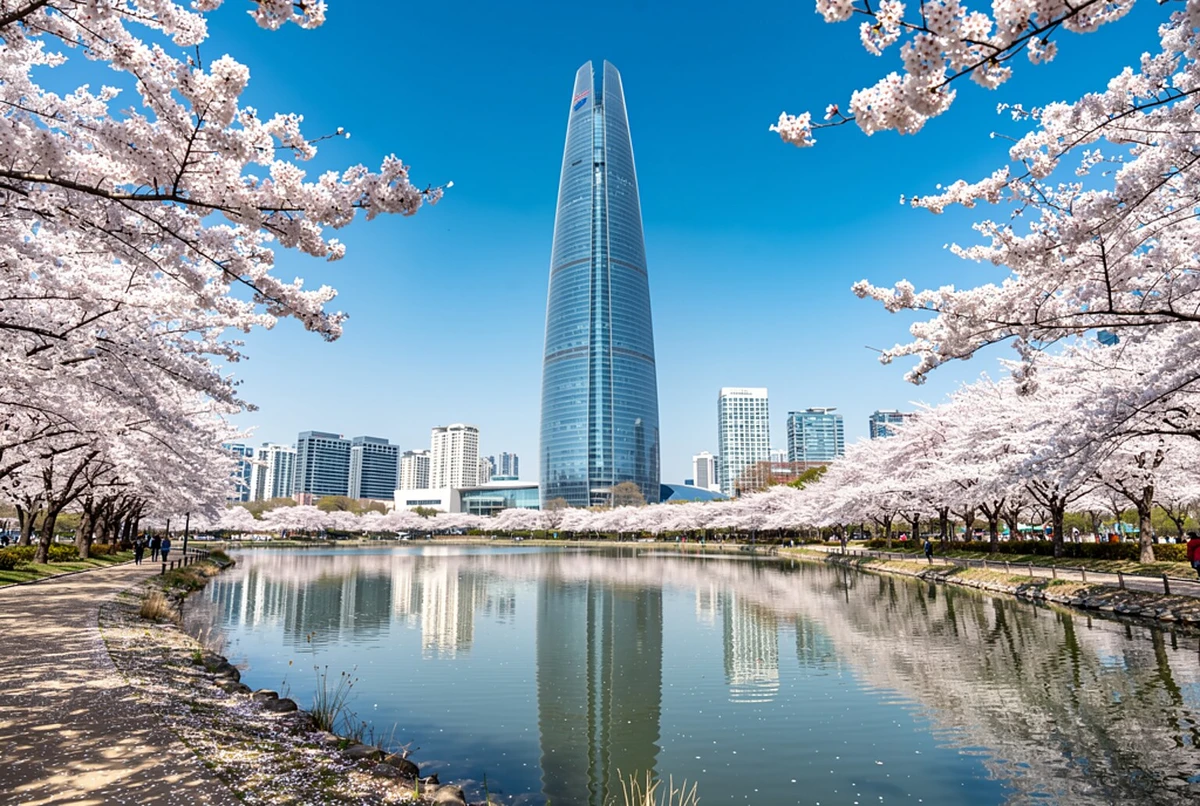
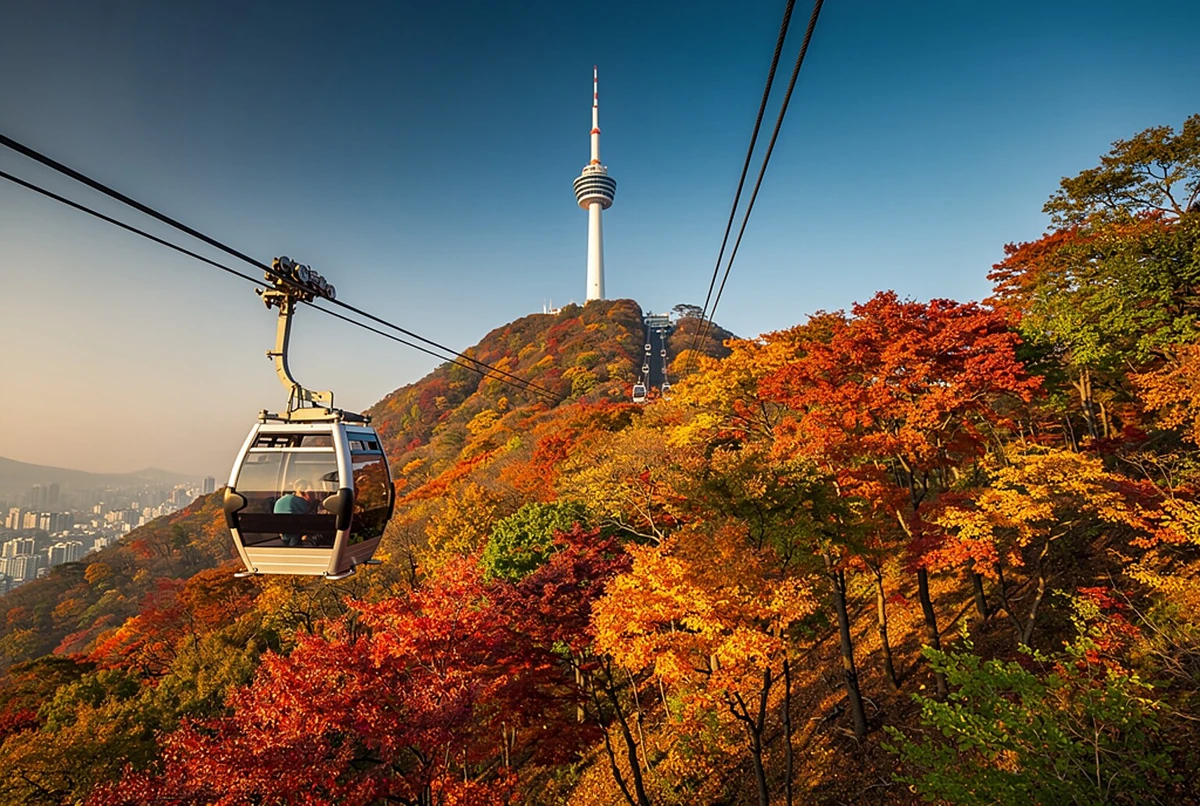
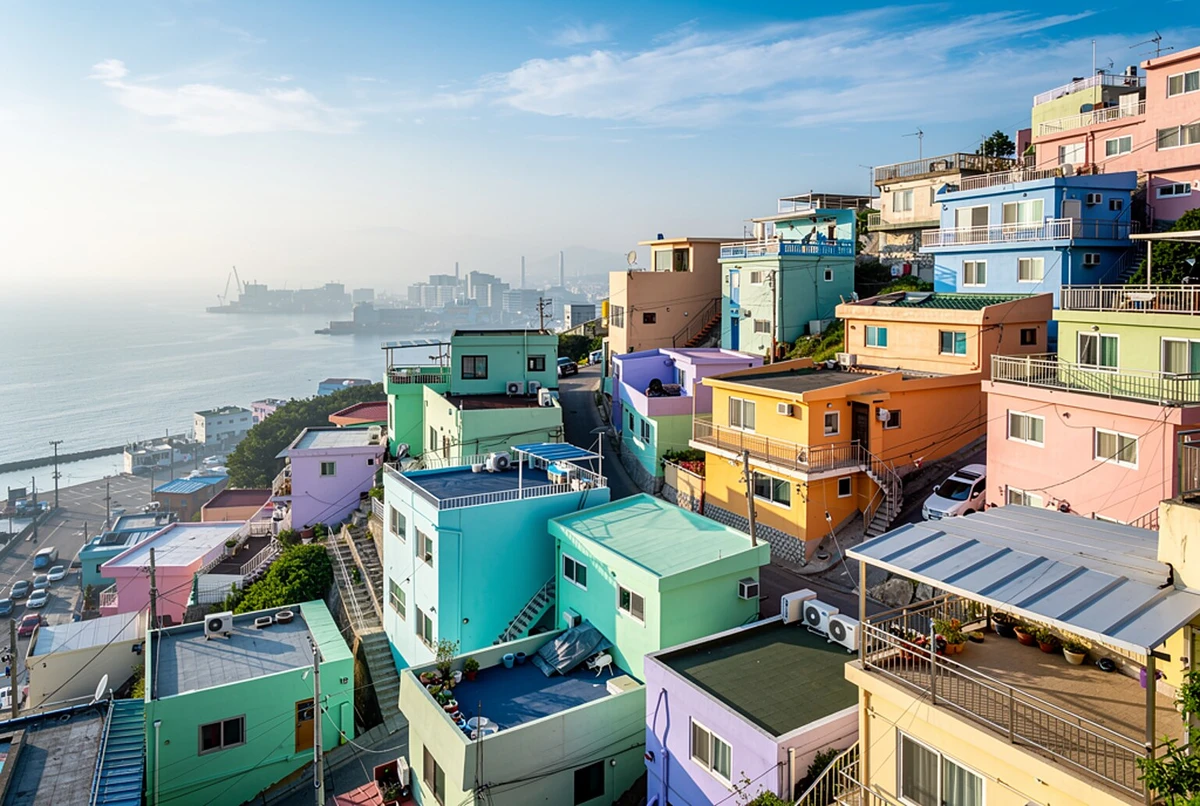
Some images are AI-generated for illustration. While we confirm your booking, just ask and we will send you the original photos.
- Fair, honest prices
- Real people, not bots
- Confirm, then pay
- Secure payment

Overview
This Gangnam walking tour looks beyond the glass towers and bright screens of Seoul's most famous district to explain how young Koreans really live. With a local historian as your English-speaking guide, you meet at Gangnam Station and walk through busy streets of offices, study academies, clinics and shops, learning how South Korea transformed from one of the poorest countries in the world into a wealthy, high-tech society in a few decades, and what that speed means for its people. Topics include intense competition in education, long working hours, beauty standards, the falling birth rate and mental health. It is a shared 2.5-hour walk with a short public-transport ride, ending on the banks of the Han River, ideal for curious travellers who want context, not just sights.
Highlights
- Walk through Gangnam with a local historian as your guide
- Understand South Korea's rapid rise from poverty to prosperity
- Learn why education and exams put such pressure on families
- Discover the story behind Korean beauty standards and clinics
- Talk openly about work culture, the birth rate and modern society
- Finish on the banks of the Han River
- Hands-free fan in summer, hot packs in winter
Full Description
Gangnam Station and its streets
Gangnam Station is one of the busiest subway stations in Seoul, sitting where the broad Gangnam-daero meets Teheran-ro, the corridor of office towers often called Korea's business valley. Around it, side streets are packed with cafés, restaurants, study academies, beauty clinics and shops, and giant advertising screens light up the crossings. It is the natural place to start a Gangnam tour, because the whole story of modern Korea is visible on its pavements.
Your guide meets you at Exit 11 and leads you into the streets behind the main road, stopping to point out what an ordinary visitor walks past: the floors of tutoring schools above shopfronts, the clinics advertising cosmetic procedures, and the crowds of students and office workers. These details become the starting point for the conversation.
From farmland to the richest district of Seoul
Until the 1970s, the land south of the Han River was mostly fields and small villages. Government planning then pushed offices, schools and apartments across the river, and within a generation Gangnam became the most expensive and sought-after address in the country, a symbol of success that many Koreans aspire to.
Your guide connects this story to the wider history of South Korea, from the devastation of the Korean War to one of the fastest economic rises the world has seen. Understanding that speed helps explain why traditions, family expectations and modern pressures sometimes collide in daily life, and why a Gangnam address still matters so much to many Koreans.
Education, work and beauty pressures
Education is central to Korean family life. Children often study late into the evening at private academies called hagwon, which line the upper floors of many Gangnam buildings, and the national university entrance exam in November is so important that flights are rescheduled during the listening test. Your guide explains how this competition shapes childhood, careers and family budgets.
The walk also looks at long working hours, the importance of appearance in job hunting and social life, and the beauty industry that is so visible in Gangnam. These are honest, thoughtful conversations rather than sensational ones, and you are encouraged to ask questions and compare with your own country as you walk.
Modern Korean society today
South Korea now has one of the lowest birth rates in the world, rising housing costs and an ageing population, while its films, music and food have become global. The tour discusses how young people are responding: delaying marriage, changing careers and finding new ways to balance success and wellbeing.
Sensitive topics such as mental health and loneliness are handled with care and respect, and your guide shares the efforts Koreans themselves are making to change things, from shorter working weeks to new attitudes towards family life. For many travellers it is an eye-opening experience, because it gives meaning to everything they see on the streets of Seoul afterwards.
Finishing at the Han River
The last part of the tour takes you by a short public-transport ride to the Han River, the wide river that divides Seoul into north and south. Its banks are lined with parks, cycle paths and open lawns where locals come to relax after work and at weekends, a fitting place to end a conversation about pressure and balance.
The tour ends by the river, from where you can stay to enjoy the views of the bridges and skyline or continue your day by subway. The transport fare is a small amount paid in cash or with a transport card, and the guide shows you how to use it before you board.
Itinerary
- Meet at Gangnam Station Exit 11Meet your guide at 10:30 and get an introduction to the district.
- Streets around Gangnam StationWalk through the busy streets of offices, academies and clinics, with stops for stories, about 1 hour.
- History and society talksLearn about Korea's rapid development, education, work and beauty pressures along the way.
- Public-transport rideShort ride towards the river (fare not included).
- Han RiverFinish on the banks of the Han River about 2.5 hours after the start.
What's included
- Guided walk through Gangnam
- Local historian as your English-speaking guide
- Portable hands-free fan in summer
- Hot packs in winter
Not included
- Public transport fare on the route (small amount in cash)
- Optional Korean food session
- Food and drinks
Is this right for you?
Great for
- First-time visitors who want the highlights
- Travellers who want a proven choice — rated 4.9/5 by past travellers
Think twice if
- You need hotel pickup — you meet at the meeting point
- You want a private tour — this one is shared with other travellers
- Walking is difficult for you — expect active parts
Not suitable for
- People over 70 years
- People with mobility impairments
Meeting point
Meet your guide at Gangnam Station, Exit 11 (820-10 Yeoksam-dong, Gangnam-gu, Seoul), at 10:30. Take Line 2 or the Sinbundang Line to Gangnam Station and follow the signs to Exit 11; please arrive 5–10 minutes early. The tour ends on the banks of the Han River, from where it is easy to continue by subway.
Important information
- Bring some cash or a transport card for the short public-transport ride
- Wear comfortable walking shoes
- Audio recording of the tour is not allowed
- Hands-free fans are provided in summer and hot packs in winter
- The tour discusses sensitive social topics in a respectful way
- An optional Korean food session is not included
Good to know
Frequently Asked Questions
Straight answers to what travellers ask us most, before they book.
Is this a shared or a private experience?
It is a shared walking tour with a local historian and other travellers.
How long does the Gangnam walking tour take?
About 2.5 hours, starting at 10:30 at Gangnam Station.
Is hotel pickup included?
No. You meet the guide at Gangnam Station Exit 11, easy to reach by subway.
What is included?
The guided walk with a local historian, plus a hands-free fan in summer or hot packs in winter.
Is the price per person or per group?
The price is per person. The booking panel on this page shows the current price.
Is this a typical sightseeing tour?
No. It focuses on understanding Korean society, youth and history through the streets of Gangnam rather than on monuments.
Is it suitable for children and people with reduced mobility?
It is best for teenagers and adults interested in society; it is not suitable for people with mobility impairments or over 70.
How much walking is there?
Most of the 2.5 hours is on foot at an easy pace, with one short public-transport ride.
What should I bring?
Comfortable shoes, a little cash or a transport card for the fare, water and weather-appropriate clothing.
What happens in bad weather?
The tour runs in light rain; bring an umbrella. Fans or hot packs are provided depending on the season.
What is the best time to visit Gangnam?
Late morning, when this tour starts, shows Gangnam at its busiest; spring and autumn are the most comfortable seasons for walking.
How do I book and confirm?
Choose your date on this page and book; our team confirms on WhatsApp within minutes.
More in Seoul