Korean Cooking Class with Bibimbap & Side Dishes Seoul
- DurationAbout 2.5 hours
- Daily (morning, midday and late-afternoon classes)
- Group
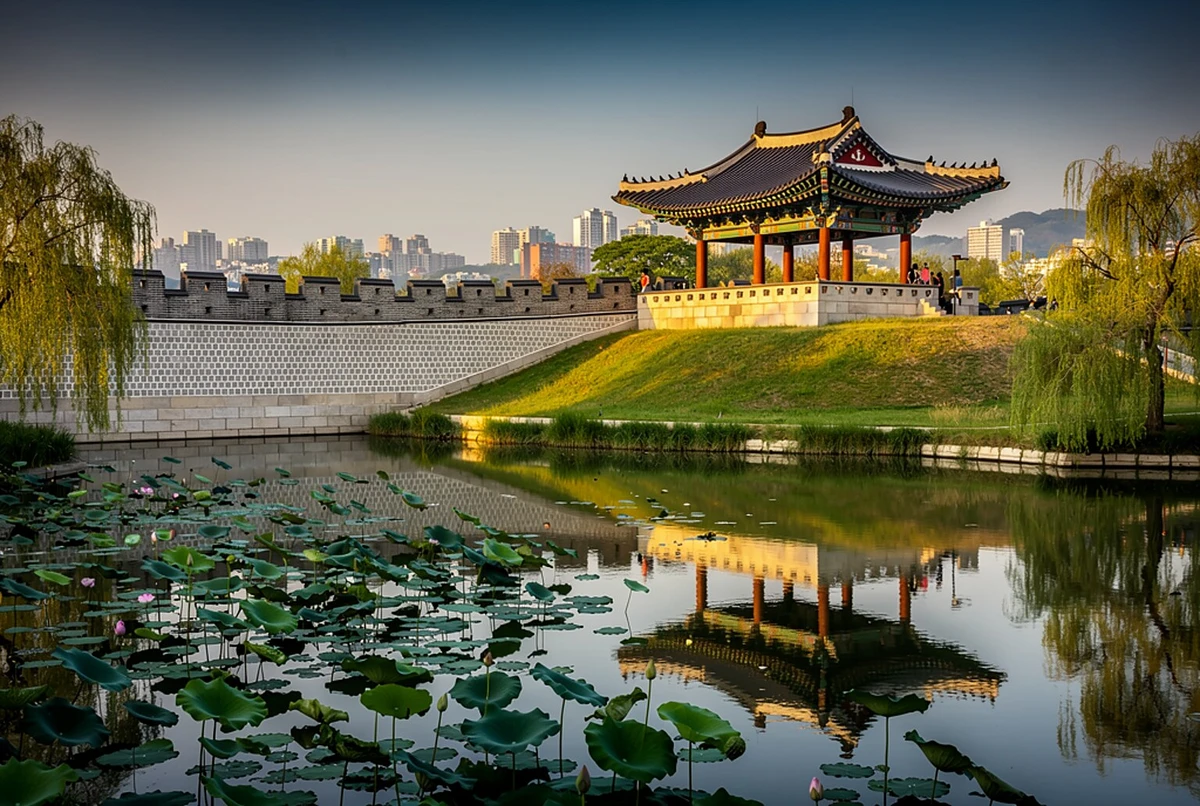
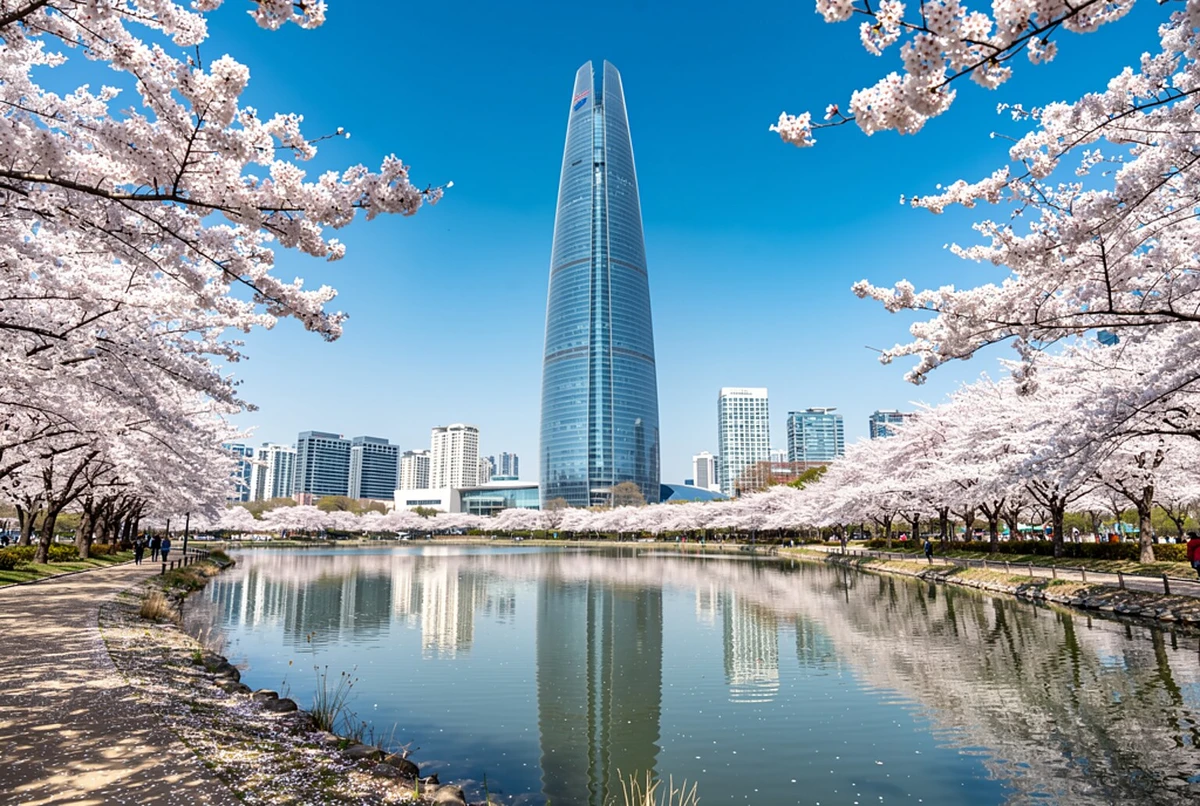
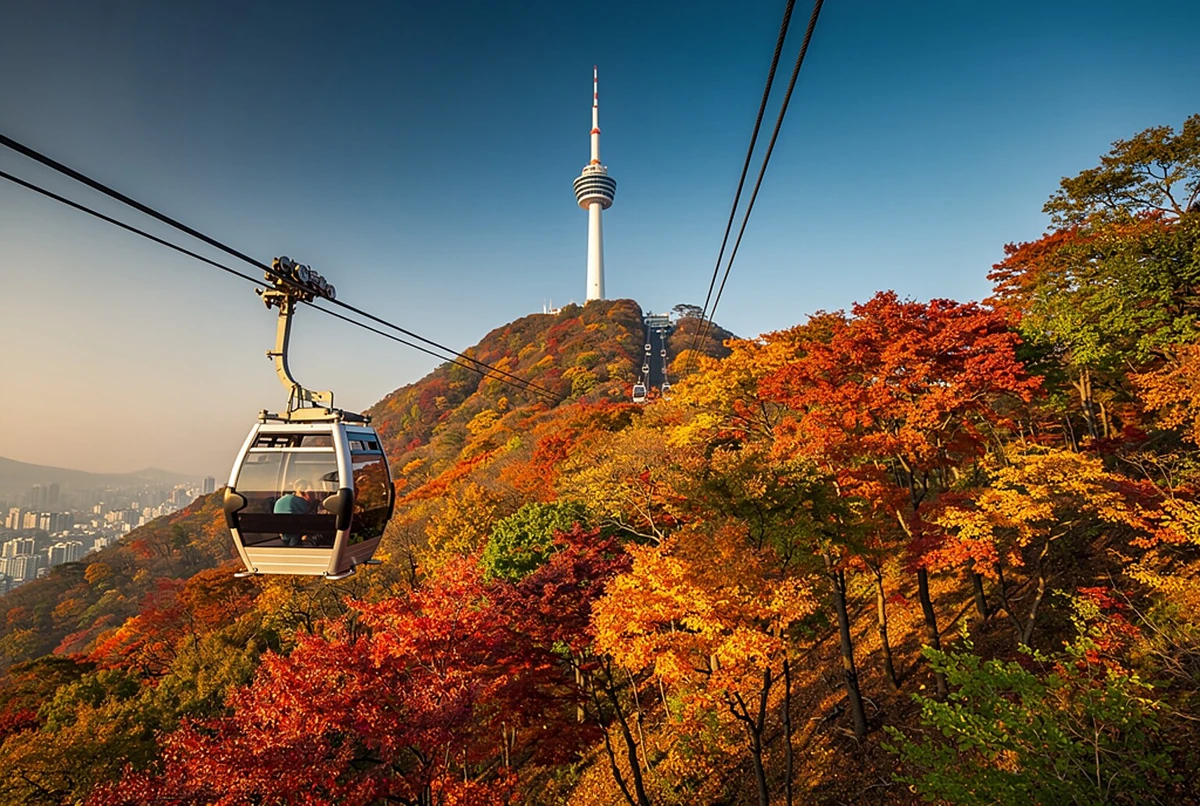
Some images are AI-generated for illustration. While we confirm your booking, just ask and we will send you the original photos.
- Fair, honest prices
- Real people, not bots
- Confirm, then pay
- Secure payment

Overview
This is a hands-on Korean cooking class in a seventh-floor studio in Jongno, one minute from Jonggak Station in central Seoul. An English-speaking Korean chef guides a small group through a full three-course menu: crisp jeon pancakes to start, then japchae glass noodles, soy-marinated bulgogi and the famous Jeonju-style bibimbap. You then sit down to eat everything you made with about ten banchan side dishes, including kimchi, and finish with a Korean dessert such as bingsu, with water, sikhye rice drink and Korean tea. Classes run every day as brunch, lunch or early-dinner sessions, and vegetarian, vegan, pescatarian and gluten-free versions are available on request. It is a shared class for food lovers aged 16 and over; there is no hotel pickup.
Highlights
- Cook a three-course Korean meal with an English-speaking chef
- Make jeon pancakes, japchae, bulgogi and Jeonju bibimbap
- About ten banchan side dishes, including kimchi, with your meal
- Korean dessert such as bingsu, with sikhye and Korean tea
- Brunch, lunch or early-dinner sessions every day
- Vegetarian, vegan, pescatarian and gluten-free on request
- Studio one minute from Jonggak Station, close to Insadong
Full Description
A Korean cooking class in Jongno, central Seoul
Jongno is the historic core of Seoul, the district of royal palaces, old markets and narrow hanok lanes, and it is a fitting place to learn everyday Korean cooking. The cooking studio sits on the seventh floor of a building fifteen metres from Jonggak Station, with individual stations, all ingredients prepared and a chef who teaches in fluent English while sharing stories about where each dish comes from.
Classes run three times a day, every day of the week, so you can choose a brunch, lunch or early-dinner session to fit your Seoul plans. The pace is relaxed and suited to beginners: you chop, season, fry and assemble with your own hands, then sit down together to eat. If you are searching for the best Korean cooking class in Seoul in English, this two-and-a-half-hour session gives you a complete meal and recipes to repeat.
Jeon: Korean savoury pancakes to start
Every class opens with jeon, the pan-fried savoury pancakes Koreans make for festivals and rainy days. You prepare three or four kinds from a selection that includes donggeurangttaeng meatball patties, pollack fillets dipped in egg, pajeon with spring onion and seafood, beef pancakes, tofu pancakes and fragrant sesame-leaf pancakes, depending on the day and on any dietary needs in the group.
The chef shows you how to make a light batter, how hot the pan should be and how to flip each piece so it turns golden without breaking. Jeon is served with a soy and vinegar dipping sauce you mix yourself. It is the dish most guests say they will cook again, because it uses simple ingredients you can find in any supermarket at the end of your trip.
Japchae, bulgogi and Jeonju bibimbap
The main course brings together three of the best-known Korean dishes. Japchae is a festive stir-fry of sweet-potato glass noodles with vegetables, sesame oil and soy. Bulgogi, thinly sliced beef marinated in soy, garlic and pear, is cooked until caramelised. Then comes Jeonju bibimbap, the version from the southern city of Jeonju famous for its many neatly arranged toppings over warm rice.
Working as a group, you prepare the vegetables, cook the beef and noodles and learn the classic way to arrange bibimbap before mixing it with gochujang chilli paste. The chef explains the balance of colours and flavours behind each dish and adapts the recipes for vegetarian, vegan, pescatarian or gluten-free guests when told in advance. A bibimbap cooking class in Seoul rarely covers this much in one session.
Banchan, kimchi and Korean dessert
No Korean meal is complete without banchan, the small side dishes that fill the table. With your meal you try about ten of them, which may include napa cabbage kimchi, radish kimchi, rolled egg omelette, stir-fried anchovies, seasoned soybean sprouts, seasoned spinach and spicy cucumber. The chef explains how kimchi is fermented and why every Korean family has its own recipe.
The meal ends with a Korean dessert that changes daily, often bingsu, the shaved-ice treat topped with sweet red beans, fruit or condensed milk that Koreans love in every season. Throughout the class you can drink water, sikhye, a traditional sweet rice drink, and Korean tea. By the end you will have cooked and eaten a meal far richer than a typical restaurant lunch in Seoul.
Around Jonggak: Insadong, Ikseondong and Gwangjang Market
The studio's location makes it easy to plan the rest of your day. Insadong, with its tea houses, craft shops and galleries, is a minute away, and the small hanok cafés and restaurants of Ikseondong are just beyond it. Gwangjang Market, the best place in Seoul for street-food stalls selling bindaetteok mung bean pancakes and gimbap, is a short walk east along Jongno.
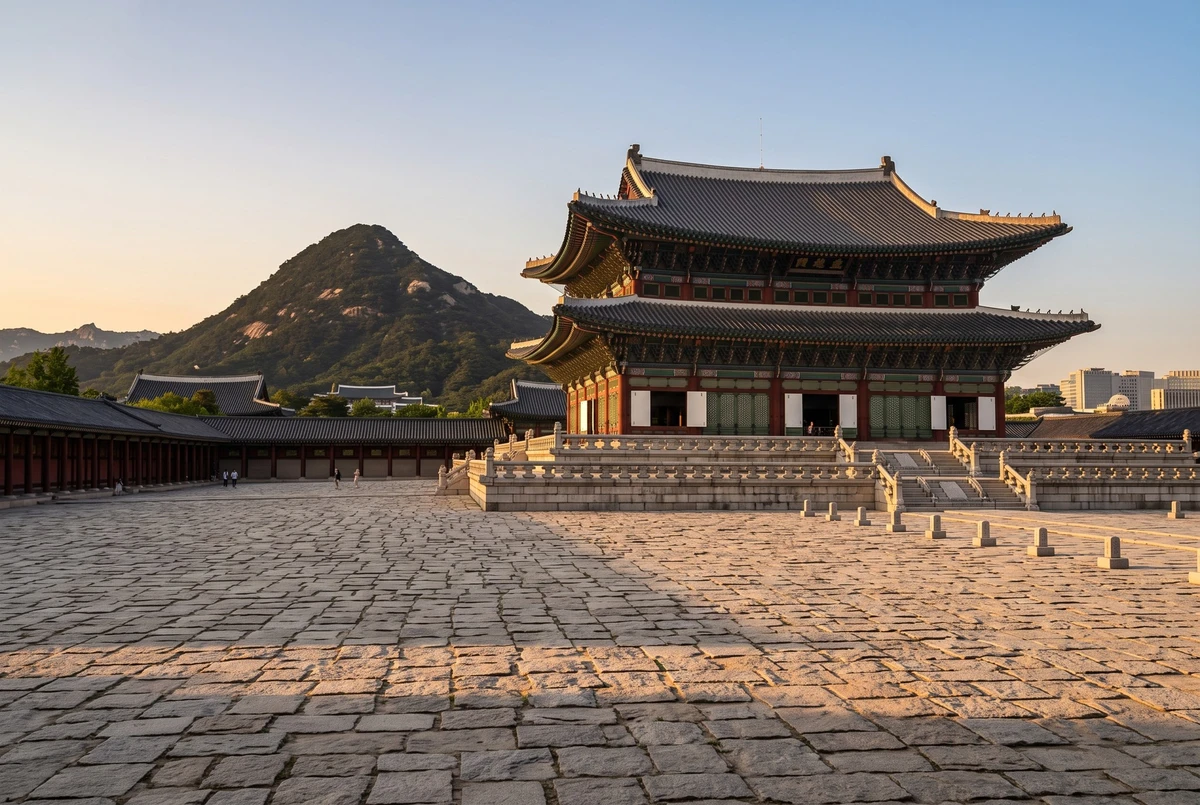
Gyeongbokgung Palace, Myeongdong and the Cheonggyecheon stream are all within about ten minutes on foot. How to get to the class: take subway Line 1 to Jonggak Station, leave by Exit 12, walk straight ahead and take the first right around the corner café; the entrance is next to an orange-fronted game arcade in the same building. A morning session followed by an afternoon in Insadong makes a perfect Seoul day.
Itinerary
- Welcome at the studio in JongnoMeet the chef on the seventh floor near Jonggak Station, wash up and get an introduction to Korean ingredients and the menu.
- Cook the jeon startersPrepare and pan-fry three or four kinds of Korean pancakes and mix the dipping sauce, about 30 minutes.
- Cook the main dishesMake japchae, marinate and cook bulgogi and assemble Jeonju bibimbap together, about one hour.
- Sit down to eatEnjoy everything you cooked with about ten banchan side dishes, water, sikhye and Korean tea.
- Korean dessert and recipesFinish with the dessert of the day, often bingsu, and chat with the chef about Korean food before the class ends after about 2.5 hours.
What's included
- Hands-on class with an English-speaking Korean chef
- 3 to 4 kinds of jeon (Korean pancakes) as starters
- Japchae, bulgogi and Jeonju bibimbap as main dishes
- About ten banchan side dishes including kimchi
- Korean dessert such as bingsu
- Water, sikhye (sweet rice drink) and Korean tea
- Vegetarian, vegan, pescatarian and gluten-free versions on request
Not included
- Hotel pickup and drop-off
- Personal expenses
Is this right for you?
Great for
- Food lovers
- Travellers who want a proven choice — rated 4.9/5 by past travellers
Think twice if
- You want a private tour — this one is shared with other travellers
Not suitable for
- Children under 16 years
Meeting point
The class takes place in a studio on the seventh floor of a building about 15 metres from Jonggak Station (subway Line 1), Exit 12, in Jongno, central Seoul. Walk straight ahead from the exit, take the first right around the corner café, and look for the entrance next to the orange-fronted game arcade in the same building. There is no hotel pickup.
Important information
- Wear closed-toe shoes for safety in the kitchen
- The class is not suitable for children under 16
- Tell us about vegetarian, vegan, pescatarian, gluten-free or other diets when booking
- Mention any food allergies in advance
- Choose a brunch, lunch or early-dinner session; arrive 10 minutes early
- Come hungry: you eat a full three-course meal
- The studio is wheelchair accessible
Good to know
Frequently Asked Questions
Straight answers to what travellers ask us most, before they book.
Is this a shared or a private experience?
It is a shared cooking class: you cook alongside other travellers in a small group, each with a hands-on role, led by one chef.
How long does it take?
About two and a half hours, including cooking and eating the full meal.
Is hotel pickup included?
No. The studio is about 15 metres from Jonggak Station Exit 12 on subway Line 1, easy to reach from anywhere in central Seoul.
What is included?
The English-speaking chef, all ingredients, three or four jeon starters, japchae, bulgogi and Jeonju bibimbap, about ten banchan side dishes, a Korean dessert and water, sikhye and Korean tea.
Is the price per person or per group?
The class is priced per person. The booking panel on this page shows the current price.
Can you cater for vegetarian, vegan or gluten-free diets?
Yes. Vegetarian, vegan, pescatarian and gluten-free versions are prepared on request; tell us your diet when you book.
Is it suitable for children or wheelchair users?
The class is for guests aged 16 and over. The studio is wheelchair accessible.
What should I bring?
Closed-toe shoes are required in the kitchen. Aprons, utensils and ingredients are provided.
Which session is best: brunch, lunch or early dinner?
All three cook the same menu. Brunch leaves the afternoon free for Insadong or Gyeongbokgung; the early-dinner class is ideal after a day of sightseeing.
Do I need any cooking experience?
No. The chef explains every step clearly and the class suits complete beginners as well as keen cooks.
What is Jeonju bibimbap?
It is the style of bibimbap from the city of Jeonju, known for its many carefully arranged toppings over rice, mixed with gochujang chilli paste just before eating.
How do I book and confirm?
Choose your date and session time in the booking panel. Our team confirms your booking on WhatsApp within minutes and sends directions to the studio.
More in Seoul