Coffee and Tropical Fruit Farm Guided Tour La Herradura
- DurationAbout 70 minutes
- Daily
- Group
Some images are AI-generated for illustration. While we confirm your booking, just ask and we will send you the original photos.
- Fair, honest prices
- Real people, not bots
- Confirm, then pay
- Secure payment

Overview
Coffee is not supposed to grow in Europe, yet on the sunny hills above La Herradura it does. This guided walk of about 70 minutes takes you around a working farm on the Costa Tropical, where coffee plants share the terraces with mangoes, avocados, cherimoyas, lychees, dragon fruit, sugar cane and many other tropical and subtropical crops. A live guide speaking English explains how the plants are grown, watered and harvested in a Mediterranean climate, and why the farm follows organic methods. The visit is in two parts, with a short drive between plots, and ends at a small farm shop. It is a shared experience with no hotel pickup: you arrive at the farm by car or taxi, a short drive from Nerja and Almuñécar.
Highlights
- Walk among productive coffee plants on one of the very few coffee farms in continental Europe
- See what is said to be Spain's oldest mango tree and century-old cherimoya trees
- Discover dozens of tropical fruits: avocados, lychees, longans, papayas, dragon fruit, finger limes and more
- Learn the full coffee cycle, from flowering and ripe cherries to harvesting and processing
- Hear how organic farming, water saving and soil care work on a Mediterranean hillside
- Sea and mountain views over the Costa Tropical between Nerja and Almuñécar
- Small farm shop at the end with seasonal fruit, honey, olive oil and roasted coffee
Full Description
A coffee farm in Europe: how it grows above La Herradura
Coffee normally grows in the tropics, between roughly the Tropic of Cancer and the Tropic of Capricorn, so a coffee farm in southern Spain surprises most visitors. The secret is the Costa Tropical, the stretch of Granada's coastline around Almuñécar, La Herradura and Motril. Here the high Sierra Nevada and the coastal mountains shelter the shore from cold northern winds, frosts are almost unknown and the sea keeps winters mild. The result is a subtropical microclimate in which coffee shrubs can flower and set fruit.
On this La Herradura coffee farm tour you see real, productive plants and learn the whole process: planting, flowering, the slow ripening of the red coffee cherries, harvesting by hand and how the beans are processed before roasting. Your guide also explains the challenges of growing coffee at the edge of its range, from irrigation to shade and wind. Is the La Herradura coffee farm worth visiting? For anyone who drinks coffee every day, seeing where it starts is a memorable hour.
Tropical fruit of the Costa Tropical
The Costa Tropical is Europe's main area for growing cherimoya, also called custard apple, and the local cherimoya carries its own protected designation of origin. Mangoes and avocados have spread across the terraced hillsides of Almuñécar since the late twentieth century, and today the valleys are a patchwork of green orchards between the mountains and the sea.
On the farm you walk past what is described as Spain's oldest mango tree, cherimoya trees around a century old, dragon fruit cacti, sugar cane, lychees, longans, papayas, bananas, finger limes, yuzu and an avocado plantation. Up to about thirty kinds of tropical and subtropical fruit thrive here. Because this is a working farm, what you see changes with the seasons: flowering in spring, fruit forming in summer, and harvests of mangoes, avocados and cherimoyas through late summer, autumn and winter.
Organic farming, water and soil on a Mediterranean hillside
Growing thirsty tropical crops in a dry Mediterranean landscape is not simple, and a large part of the visit is about how the farm does it responsibly. Your guide explains the drip irrigation systems, how water is saved and reused, how the soil is regenerated with organic matter and how biodiversity is encouraged so that insects and birds help keep pests in balance.
You also hear about permaculture ideas, pruning and harvesting techniques and the daily tasks of the farmers, which you may see in action depending on the season. This part of the tour appeals to gardeners, food lovers and families curious about where their fruit comes from. It gives a different picture of Andalusia from beaches and monuments: a hard-working agricultural coast where farmers adapt to heat, slopes and limited water.
La Herradura, Nerja and how to get to the farm
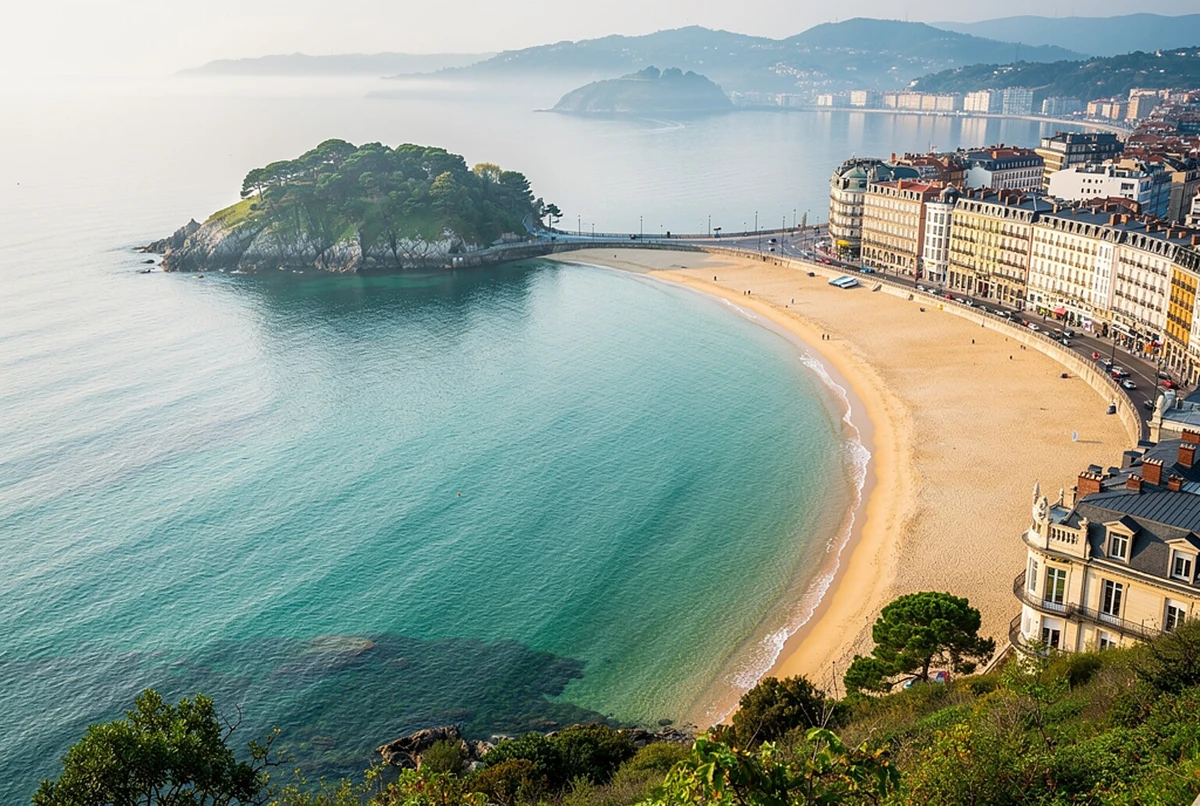
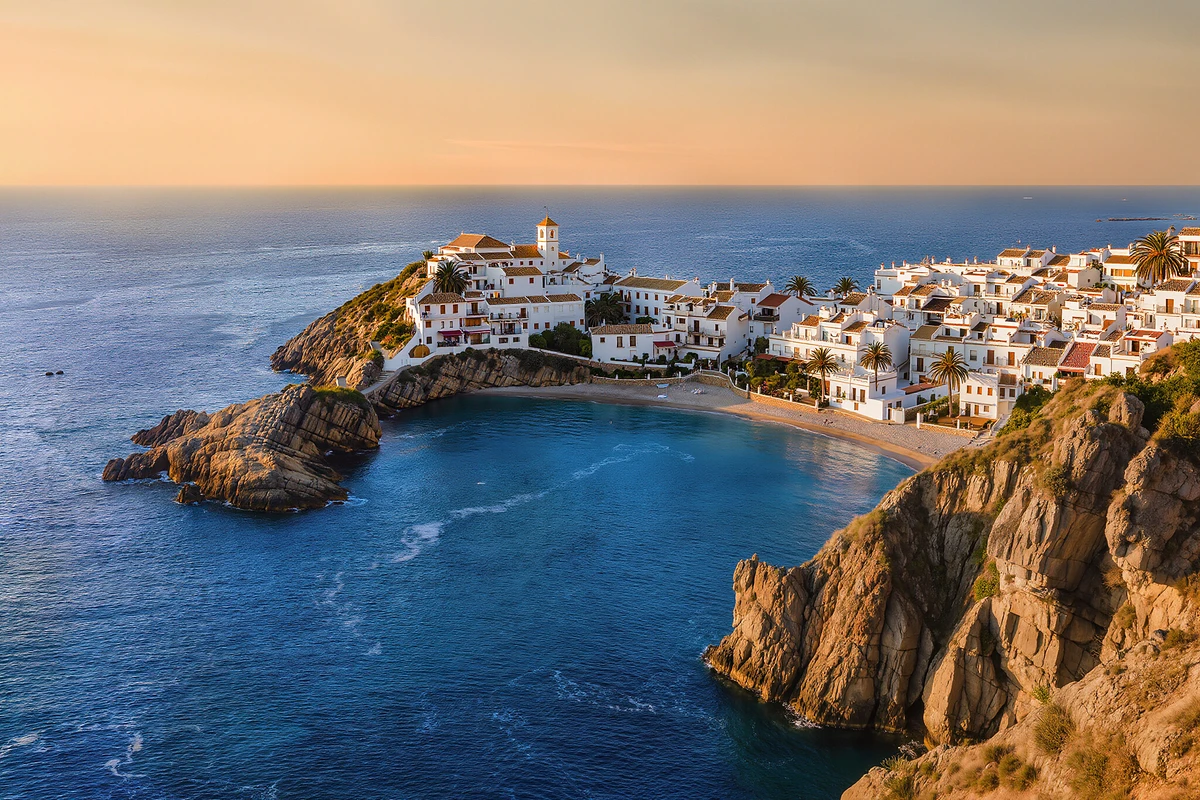
La Herradura is a seaside village in the municipality of Almuñécar, named after its horseshoe-shaped bay framed by the headlands of Cerro Gordo and Punta de la Mona. It is known for clear water, diving and kayaking, and for its relaxed atmosphere compared with larger resorts. Nerja, with its famous Balcony of Europe viewpoint, lies about ten minutes away by car to the west.
How to get to the La Herradura coffee farm? The farm is best reached by car or taxi, as there is no hotel pickup. The meeting point is on a curve of the access road, with limited parking for a handful of cars, so arrive a little early and park neatly in line. After the first walk of about 40 minutes you drive for about four minutes to the second plot, where there is parking for around ten vehicles. A morning start at 09:30 is the best time to visit, before the strongest heat of the day.
The farm shop and the end of the visit
The tour ends at a small farm shop where you can buy what the land produces, depending on the season: fresh tropical fruit, locally roasted coffee, honey, olive oil and other local products. Stock is limited and changes through the year, so it is a good idea to bring some cash.
Many visitors combine the farm with a morning on the beach at La Herradura, a walk in Almuñécar's old town or a visit to Nerja in the afternoon. Since the whole visit lasts only about 70 minutes, it fits easily into a day on the coast between Málaga and Granada. It is also a good moment to ask your guide any last questions about the crops or the farm's seasonal calendar.
Itinerary
- Meet at the farm above La HerraduraArrive by car or taxi and park on the curve at the meeting point; your guide welcomes the group at 09:30.
- Circular walk through the first plotA guided walk of about 40 minutes among coffee plants, mango, cherimoya and avocado trees, with explanations of the coffee cycle and the microclimate.
- Short drive to the second plotReturn to your vehicles and follow the guide for about four minutes to the second part of the farm.
- Guided visit of the second plotMore tropical crops such as lychees, dragon fruit and sugar cane, and a talk on organic farming, irrigation and soil care.
- Farm shopThe tour ends at the small farm shop, where you can buy seasonal fruit, roasted coffee and other local products.
What's included
- Guided tour of a working coffee and tropical fruit farm
- Live guide speaking English
- Coffee plants and the full coffee-growing cycle explained
- Spain's oldest mango tree, century-old cherimoya trees, dragon fruit, sugar cane, lychees and avocados
- Talk on organic farming, water saving and soil regeneration
- Visit ends at the small farm shop
Not included
- Hotel pickup and drop-off
- Food and drinks
- Purchases at the farm shop
Is this right for you?
Great for
- Food lovers
- Travellers who want a proven choice — rated 4.8/5 by past travellers
Think twice if
- You want a private tour — this one is shared with other travellers
Not suitable for
- People with mobility impairments
- Wheelchair users
- People with a low level of fitness
- People with insect allergies
- People with heart problems
Meeting point
The tour starts at the coffee farm in the hills above La Herradura, a short drive from Nerja and Almuñécar; the exact map pin is in your confirmation. Park on the curve at the meeting point and do not drive further up the track. There is no hotel pickup, so plan to arrive by car or taxi about ten minutes before the 09:30 start.
Important information
- Wear comfortable closed shoes: the route follows natural, uneven paths with some uphill sections
- Bring water, a hat and sun protection; most of the visit is outdoors with limited shade
- You need your own car or a taxi; there is no public transport to the farm
- Parking at the meeting point is limited, so park neatly in line on the curve
- Bring cash if you want to buy fruit, coffee, honey or olive oil at the farm shop
- The visit is in two parts with a short drive of about four minutes between plots
- Smoking, making fires and littering are not allowed on the farm
Good to know
Frequently Asked Questions
Straight answers to what travellers ask us most, before they book.
Is this a shared or a private experience?
It is a shared guided walk on a working farm, led in English by a member of the farm team for a small group of visitors.
How long does the coffee farm tour take?
About 70 minutes in total: a circular walk of about 40 minutes, a short drive to the second plot and a final visit that ends at the farm shop.
Is hotel pickup included?
No. You reach the farm by car or taxi from La Herradura, Almuñécar or Nerja and meet the guide at the parking curve shown in your confirmation.
What is included?
The guided tour of the coffee plants and tropical fruit plots with a live guide speaking English. Food, drinks and purchases at the shop are not included.
Is the price per person or per group?
It is per person. The booking panel on this page shows the current price for the date you choose.
Is it suitable for children or people with reduced mobility?
Teenagers and active families enjoy it, but the paths are uneven with uphill sections, so it is not suitable for wheelchair users, people with limited mobility or low fitness.
Does coffee really grow in Spain?
Yes. The sheltered, frost-free microclimate of the Costa Tropical allows coffee plants to flower and fruit here, which makes this one of the very few coffee farms in continental Europe.
What should I bring?
Comfortable shoes, water, a hat, sunscreen and some cash for the farm shop.
What is the best time of year to visit?
The farm can be visited all year. Spring brings flowering, while late summer to winter is the season for mangoes, avocados and cherimoyas. In summer the 09:30 start avoids the worst heat.
How far is the farm from Nerja?
About ten minutes by car. It is also close to Almuñécar and La Herradura, so it is easy to add to a day on the coast.
What happens in bad weather?
The tour is outdoors. In case of heavy rain or unsafe conditions, the farm may change the time or cancel, and we help you rebook or arrange a refund.
How do I book and confirm?
Choose your date in the booking panel and send your request; our team confirms your booking on WhatsApp within minutes and sends the exact meeting point.
More in La Herradura
Popular across Spain
-
-
-
-
-
-