Finisterre, Muxia and Costa da Morte Day Trip from Santiago
- DurationAbout 9.5 hours
- Daily
- Group
- Pickup available
- Fair, honest prices
- Real people, not bots
- Confirm, then pay
- Secure payment

Overview
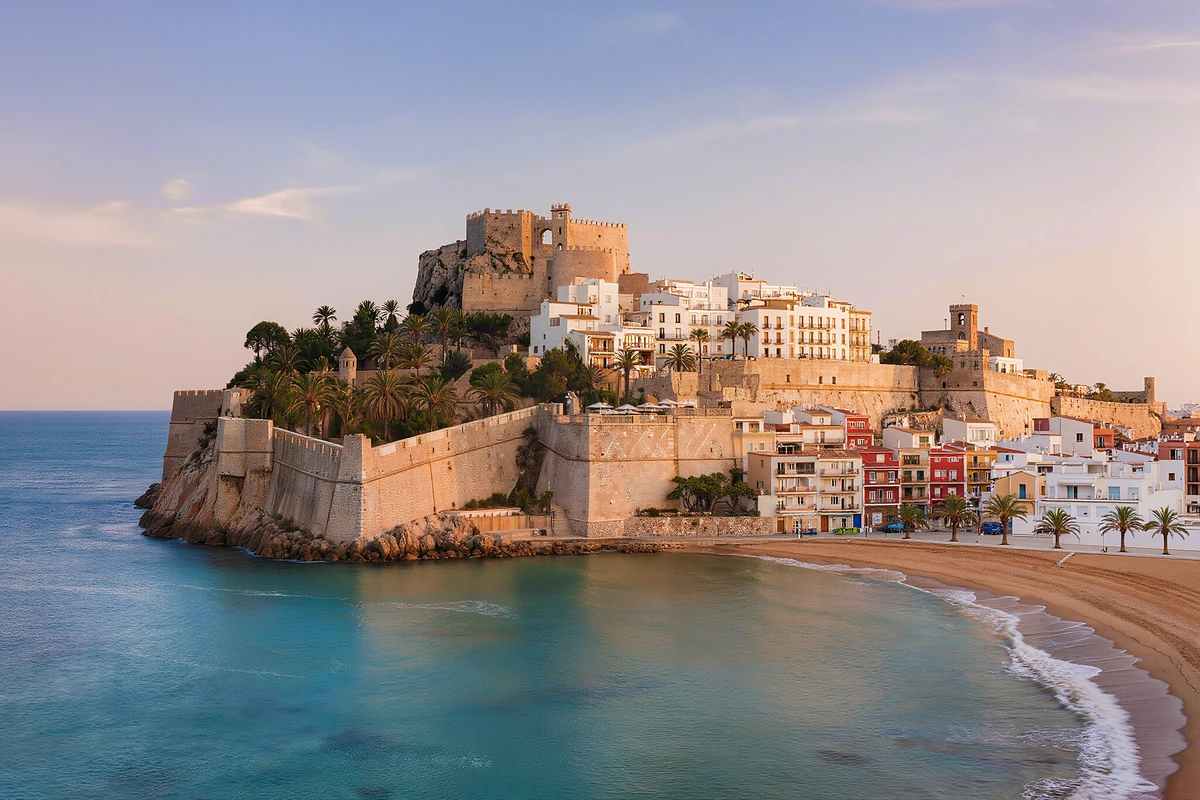
This full-day coach tour leaves Santiago de Compostela for the Costa da Morte, the wild Atlantic coast of Galicia where the Romans believed the world ended. You visit the granite fishing town of Muros, see the Ézaro waterfall plunging from the slopes of Monte Pindo towards the sea, stand at the Cape Finisterre lighthouse beside the zero-kilometre waymark of the Camino, and end in Muxía, with its sanctuary on the rocks facing the ocean. Along the way, panoramic stops reveal cliffs, long beaches and historic villages. It is a shared tour in an air-conditioned coach with an English and Spanish-speaking guide, audio guides in other languages on request and pickup from central points in Santiago. Lunch is at your own expense. The trip lasts about nine and a half hours.
Highlights
- Cape Finisterre lighthouse, the end of the world for the Romans
- The zero-kilometre waymark stone of the Camino de Santiago
- Ézaro waterfall, falling from Monte Pindo into the estuary
- Muxía and its sanctuary on the rocks above the Atlantic
- Muros, a granite fishing town with arcaded streets
- Panoramic stops over the cliffs and beaches of the Costa da Morte
- English and Spanish-speaking guide, audio guides in other languages
- Pickup from central points in Santiago de Compostela
Full Description
Muros, a granite fishing town on the estuary
The first stop is Muros, a fishing town on the northern shore of the Muros–Noia estuary, one of the Rías Baixas inlets of Galicia. Its old quarter is a maze of granite streets, stone arcades and small squares that has kept its seafaring character for centuries, and it is protected as a historic ensemble. Along the waterfront, fishing boats unload their catch and the market sells octopus, mussels and shellfish fresh from the estuary.
Your guide leads you through the arcades, past the Gothic church and the old tide mill that once ground grain using the force of the sea. There is time for a coffee by the harbour before the coach continues along the coast road, which runs past the long white beach of Carnota and its dunes, one of the most beautiful stretches of the Galician coast.
The Ézaro waterfall and Monte Pindo
The Ézaro waterfall is one of the natural wonders of Galicia. Here the river Xallas reaches the end of its journey and drops about 40 metres over a wall of pink granite straight into the estuary, making it one of very few rivers in Europe that end as a waterfall into the sea. Above it rises Monte Pindo, a granite massif with strange, rounded rock shapes, known locally as the Celtic Olympus for the legends attached to it.
A short path from the car park leads to a viewing platform at the foot of the falls. The flow depends on the release of water from the dam upstream and is strongest in winter and spring and at weekends, but even on quieter days the setting is spectacular. Many visitors searching for things to see on the Costa da Morte rank the Ézaro waterfall near the top of the list.
Cape Finisterre and the zero-kilometre waymark
Cape Finisterre, Fisterra in Galician, is a rocky headland that pushes out into the Atlantic. The Romans believed it was the westernmost point of the known world, finis terrae, the end of the earth, where the sun sank into an endless sea. Today the 19th-century lighthouse stands at the tip of the cape, and next to the road is the stone waymark showing 0.000 kilometres, the symbolic end of the Camino de Santiago for many pilgrims who walk on from Santiago.
From the cliffs you look out over an immense ocean horizon, with the fishing village of Fisterra and the sweeping beach of Langosteira behind you. A Finisterre day trip from Santiago is the easiest way to reach this remote corner without a car. Lunch is usually in Fisterra, where the harbour restaurants serve fresh fish and seafood; it is at your own expense.
Muxía and the sanctuary on the rocks
The last stop is Muxía, a small fishing town on a peninsula battered by the Atlantic. Its stone sanctuary of A Barca stands right on the shore among huge, smooth granite boulders, and according to local legend some of these rocks are the remains of a stone boat. One of them, the rocking stone, was said to move under the feet of the faithful. Waves often explode against the rocks, an unforgettable sight on windy days.
Near the sanctuary a large split monolith called A Ferida, the wound, remembers the oil spill that hit this coast in 2002 and the volunteers who cleaned it. Muxía is also an alternative end point of the Camino, with its own waymark. The best time to visit the Costa da Morte is from May to October, though its dramatic winter seas also attract many travellers.
The Costa da Morte: cliffs, beaches and villages
The Costa da Morte, the coast of death, owes its name to the many ships wrecked on its reefs and headlands over the centuries. Today it is one of the wildest and least developed coastlines in Spain, with granite cliffs, lighthouses, long empty beaches and villages where hórreos, the traditional raised granaries of Galicia, still stand beside the houses.
The tour includes panoramic stops on cliffs and viewpoints between the main visits, and your guide shares stories of shipwrecks, fishing traditions and Celtic legends along the way. Seeing all of this in one day on your own would mean long hours of driving on winding roads, so a guided Costa da Morte tour from Santiago de Compostela is the simplest way to discover it.
Itinerary
- Pickup in Santiago de CompostelaBoard the air-conditioned coach at one of three central pickup points between 08:45 and 09:05.
- MurosDrive to the Muros–Noia estuary and explore the granite old town and harbour of Muros, about 45 minutes.
- Ézaro waterfallStop at the foot of the Ézaro waterfall under Monte Pindo, about 30 minutes.
- Cape Finisterre and FisterraVisit the lighthouse and the zero-kilometre waymark, followed by free time for lunch in Fisterra, about two hours in total.
- MuxíaVisit Muxía, its seaside sanctuary and the rocks of the shore, about one hour.
- Return to Santiago de CompostelaDrive back to Santiago, arriving about nine and a half hours after departure.
What's included
- Pickup and drop-off at central points in Santiago de Compostela
- Air-conditioned coach
- English and Spanish-speaking guide
- Audio guides in other languages on request
- Stops at Muros, Ézaro waterfall, Cape Finisterre and Muxía
- Insurance
Not included
- Food and drinks
- Personal expenses
Is this right for you?
Great for
- Travellers without a car — hotel pickup is included
- Travellers who want a proven choice — rated 4.8/5 by past travellers
Think twice if
- You want a private tour — this one is shared with other travellers
Meeting point
Pickup is included from three central points in Santiago de Compostela: Rúa das Casas Reais 31 in the old town at 08:45, the Capilla del Pilar stop at 09:00 or a hotel stop south of the centre at 09:05. Choose your point when booking; the exact location is confirmed by message one or two days before the tour.
Important information
- Wear comfortable shoes with good grip; paths at the cape and in Muxía are rocky
- Bring a windproof jacket, as the Atlantic coast is often windy and cool
- Food and drinks are not included; lunch is at your own expense in Fisterra
- Bring sun cream and a hat in summer
- Audio guides in other languages are available on request when booking
- The flow of the Ézaro waterfall varies with the dam release
- Be at your pickup point at least 10 minutes early
Good to know
Frequently Asked Questions
Straight answers to what travellers ask us most, before they book.
Is this a shared or a private experience?
It is a shared full-day coach tour with an English and Spanish-speaking guide.
How long does the tour take?
About nine and a half hours, from the morning pickup in Santiago to the return in the early evening.
Is hotel pickup included?
Pickup is from three central points in Santiago de Compostela; choose the one closest to your hotel when booking.
What is included?
Pickup and drop-off at central points, an air-conditioned coach, an English and Spanish-speaking guide, audio guides in other languages on request, the stops at Muros, Ézaro, Cape Finisterre and Muxía, and insurance.
Is the price per person or per group?
The price is per person. The booking panel on this page shows the current price for adults and children.
Is it suitable for children or people with reduced mobility?
Children are welcome. The coach and main viewpoints are accessible, but some paths at the cape and in Muxía are uneven.
Is lunch included?
No, lunch is at your own expense, usually in the fishing village of Fisterra, where there are several seafood restaurants.
Why is it called the Costa da Morte?
The name, coast of death, comes from the many shipwrecks on its reefs and headlands over the centuries.
What should I bring?
Comfortable shoes, a windproof jacket, sun cream, water and some money for lunch.
When is the best time to visit Finisterre?
May to October offers the best weather, while winter brings dramatic seas; the light at the cape is beautiful in any season.
What happens in bad weather?
The tour runs in rain and wind, which are part of the Atlantic experience; only in extreme conditions may stops be adapted for safety.
How do I book and confirm?
Choose your date and pickup point in the booking panel; our team confirms on WhatsApp within minutes.
More in Santiago de Compostela
Popular across Spain
-
-
-
-
-
-