
Dar es Salaam
Plan Dar es Salaam with Haqqi Tours: day tours, private airport transfers, attraction tickets and packages, run by our own team and confirmed on WhatsApp in Arabic or English.
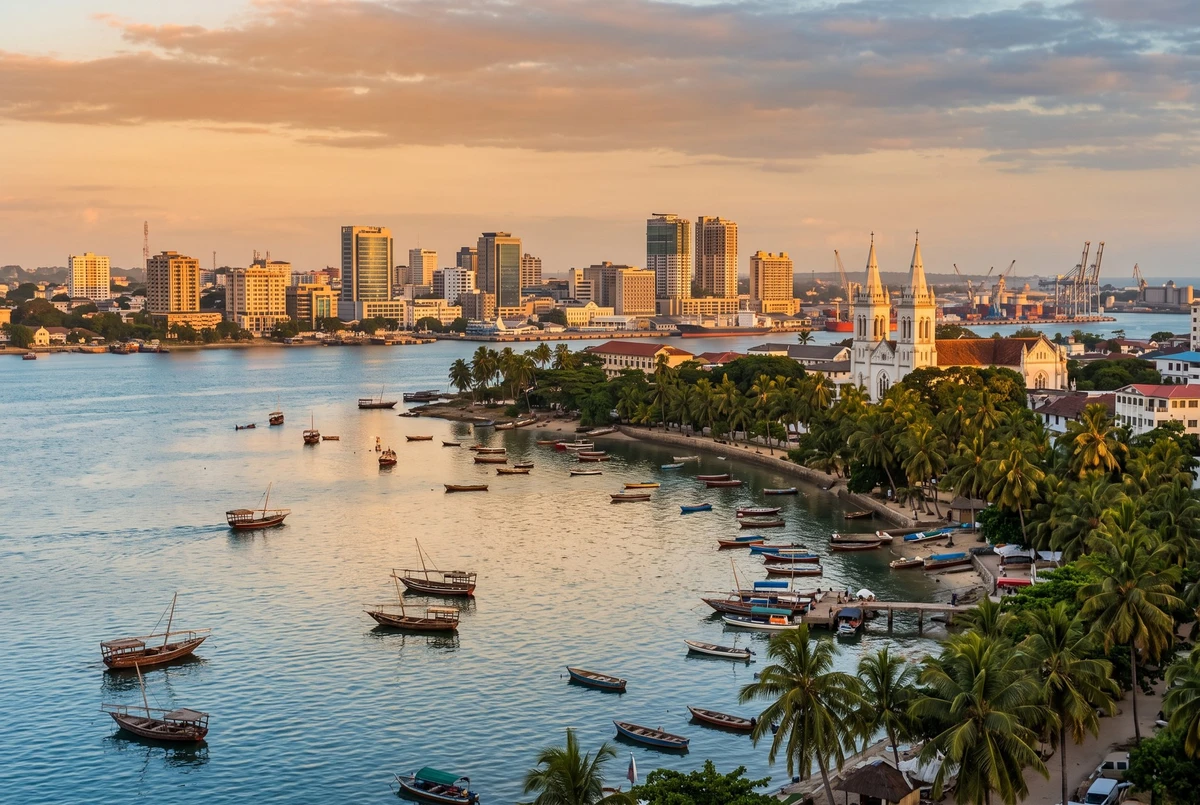
Dar es Salaam begins at the water. At the Kivukoni fish market, before the sun is fully up, dhows and outboard boats unload the night's catch onto the sand while auctioneers shout over the gulls, and across the harbour mouth the ferries to Zanzibar sound their horns. Behind the waterfront the old German-era church spires and the colonial facades give way to glass towers, and the streets fill with bajaji tuk-tuks, cloth sellers and the smell of chapati frying on street corners.
Nothing matches those filters yet. Widen your search or message us on WhatsApp.
Dar es Salaam Day Tours
View all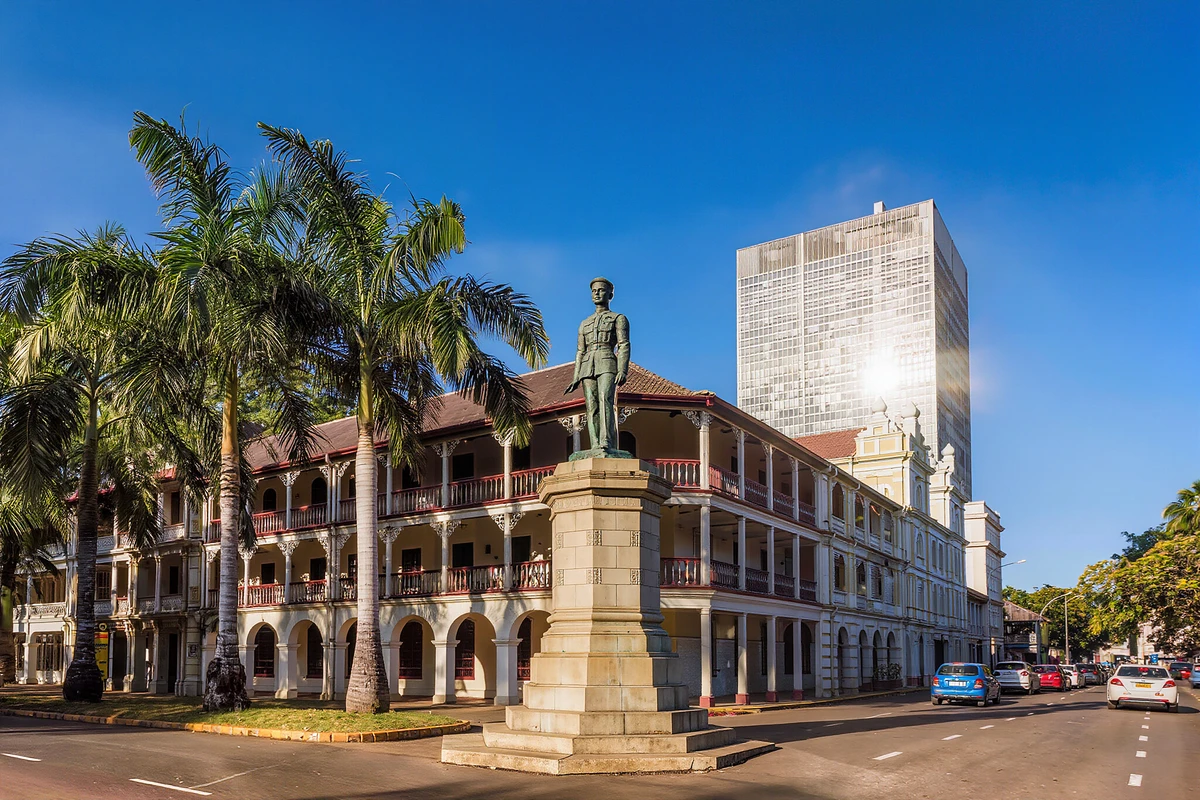
Dar es Salaam Airport Transfers
View all


Dar es Salaam Flight Tickets
View all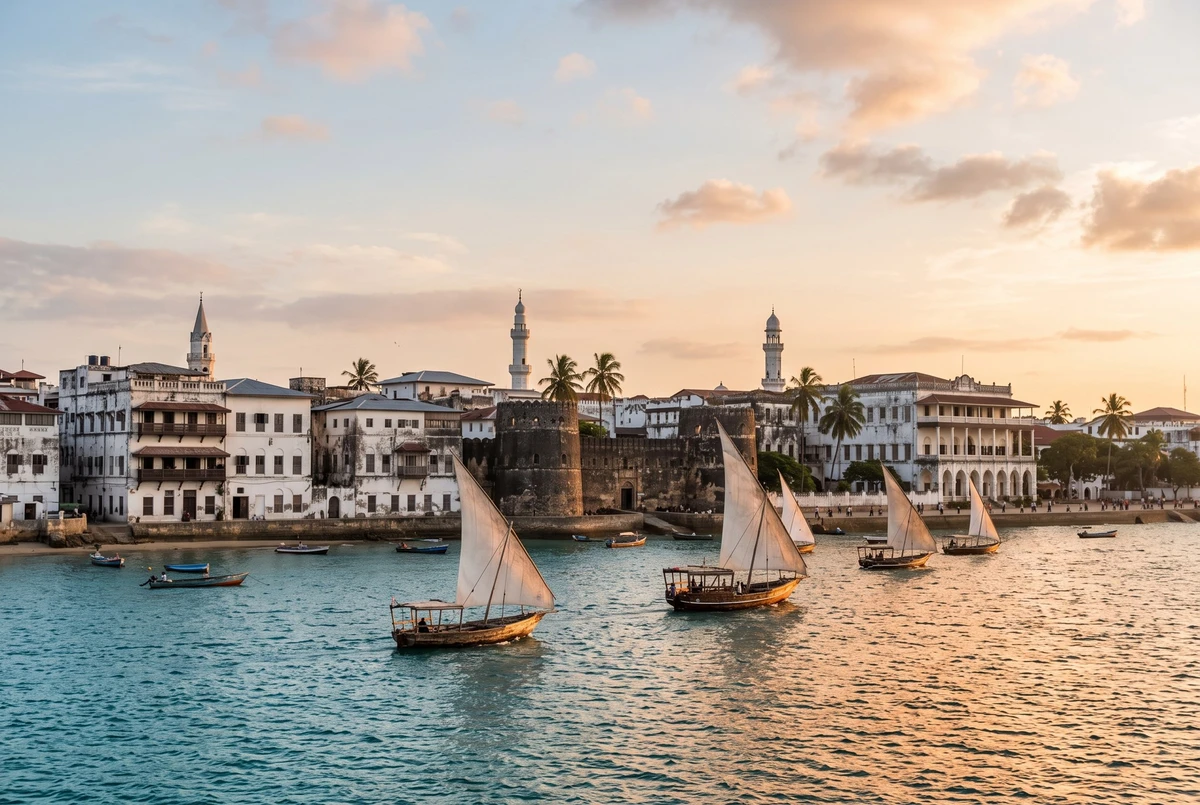
Dar es Salaam Ferry Tickets
View allDar es Salaam at first sight
Dar es Salaam, the haven of peace, is Tanzania's largest city and its commercial heart, a sprawling, humid, good-natured port on the Indian Ocean where Swahili, Arab, Indian and African worlds have mixed for generations. Most travellers pass through on the way to Zanzibar or the southern safari parks, but a day or two reveals markets, museums, islands and beaches, and the old caravan town of Bagamoyo lies just up the coast.
Why include Dar es Salaam in your itinerary?
- The gateway to Zanzibar and the south. Fast ferries cross to Stone Town in about two hours, flights take twenty minutes, and the southern parks of Mikumi and Nyerere, far less crowded than the northern circuit, are reached by road or light aircraft from the city.
- Swahili coast culture in a living city. The National Museum, the Village Museum of traditional homes, the Kariakoo market, the Makonde carvers at Mwenge and the harbourfront churches and mosques tell the story of the coast, while the food blends Indian, Arab and African kitchens.
- Islands and beaches within reach. Bongoyo and Mbudya islands, a short boat ride from the northern suburbs, have white sand and snorkelling reefs, and the beaches of Kigamboni across the harbour and Bagamoyo up the coast offer an easy escape from the traffic.
Signature experiences in Dar es Salaam
The City, the Museums and the Fish Market
A morning in the centre takes in the Kivukoni fish market at its busiest, the harbourfront with its old Lutheran church and Catholic cathedral, the National Museum and House of Culture with its fossils and coastal history, and the Askari roundabout at the heart of the old town. Continue to the Village Museum on the Bagamoyo road, where traditional houses from Tanzania's regions stand in a garden with drumming and dance. Our guided day tours include a driver, which matters in Dar traffic.
Kariakoo and the Mwenge Carvers
Kariakoo is the city's great market district, a grid of streets where everything from spices and kitenge cloth to electronics and dried fish is traded under a huge covered hall. It is crowded and intense, best explored with a guide and empty pockets. In the northern suburb of Mwenge, Makonde carvers work ebony into intricate figures in open workshops, and the market behind them sells paintings, baskets and beadwork from across the country.
Bongoyo and Mbudya Islands
Half an hour by boat from the Msasani peninsula, Bongoyo Island is an uninhabited marine reserve with a white beach, shaded bandas, a snorkelling reef and grilled fish cooked to order. Mbudya, reached from the Kunduchi beaches further north, is similar and often quieter. Both make a simple, delightful day away from the city heat. We arrange the boat, the reserve fees and a hotel pickup for a full island day.
Bagamoyo and the Kaole Ruins
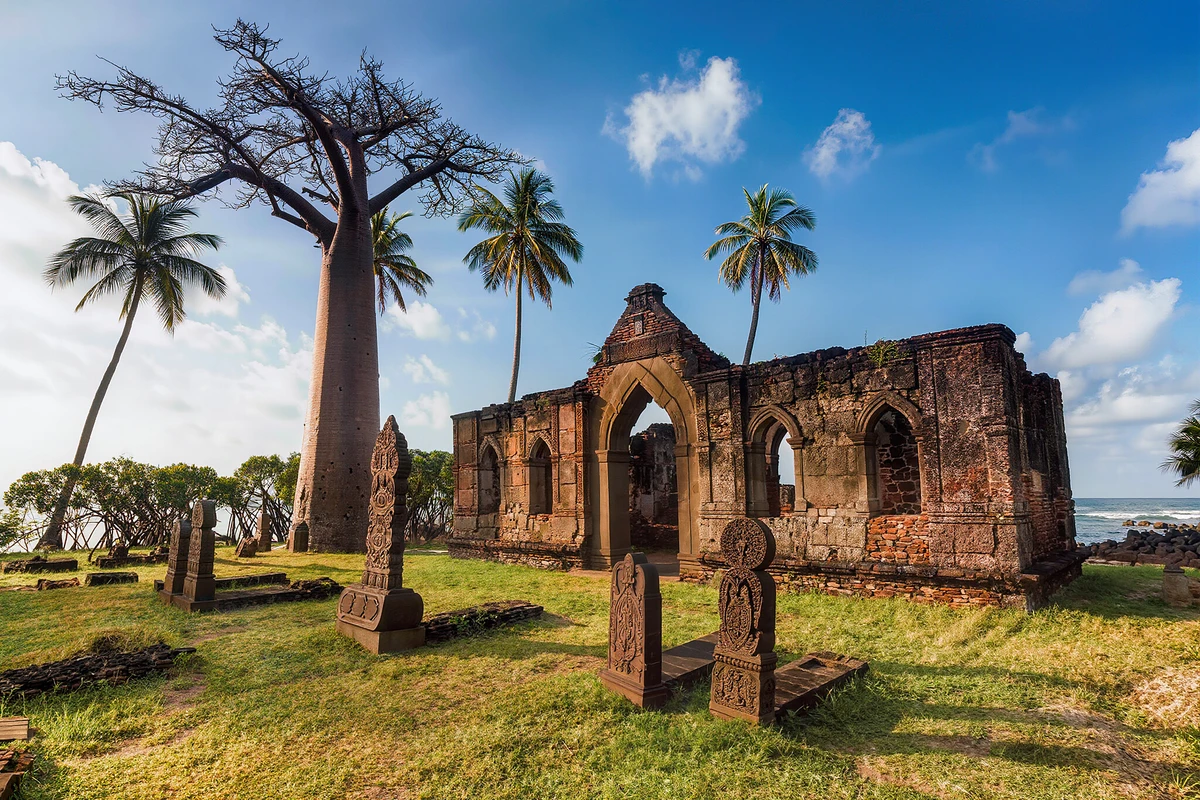
About an hour and a half to two hours up the coast, Bagamoyo was the end of the caravan routes from the interior and briefly the capital of German East Africa. Its old town keeps a fort, carved doors, a customs house and the old mission, and a few kilometres south the Kaole ruins hold the remains of mosques and tombs from the thirteenth century beside the mangroves. Today it is a quiet fishing town with a long beach and an arts college. Our guided day tours include a local historian.
Safaris to Mikumi and Nyerere
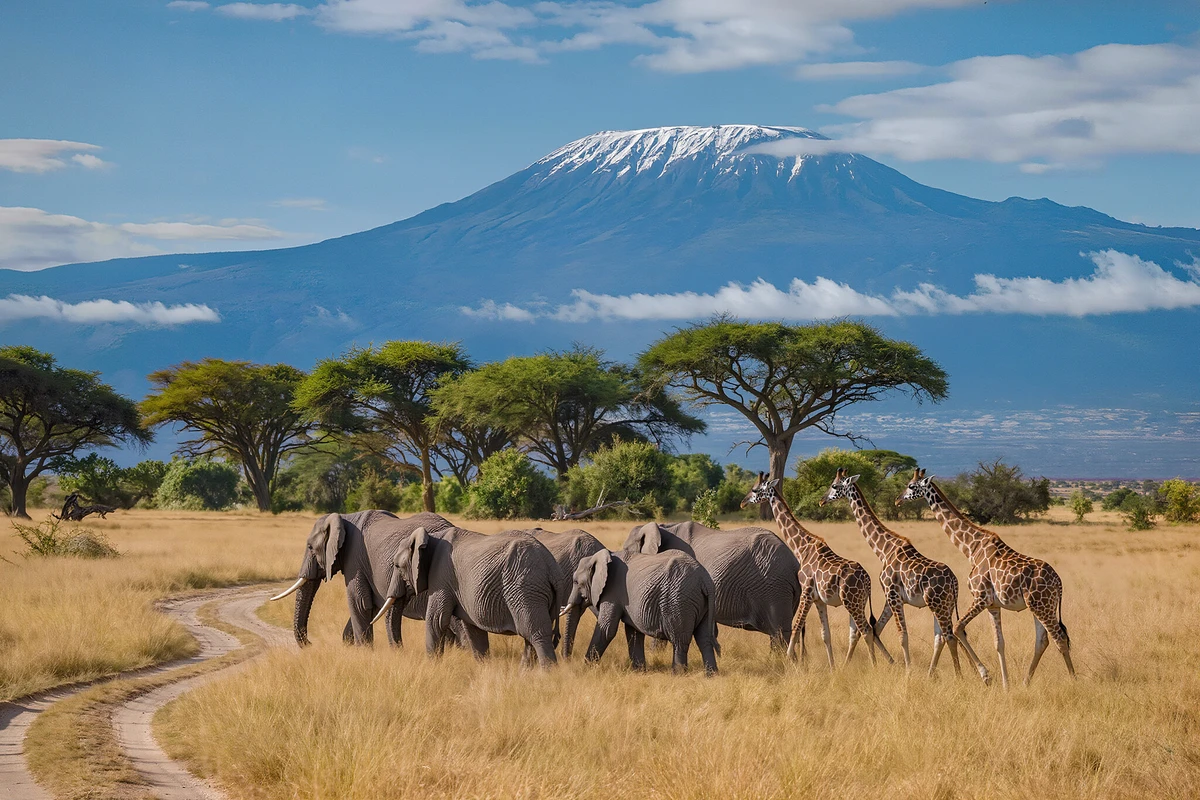
Mikumi National Park, about four to five hours west by road, has open plains with elephants, giraffe, zebra, buffalo and lions along a main road that cuts through the park; it is possible as a very long day but far better as an overnight. Nyerere National Park, the former Selous, is one of the largest protected areas in Africa, reached by a short flight to its airstrips or a long drive, with boat safaris on the Rufiji river among hippos and crocodiles. Sightings are never guaranteed, and we arrange lodges, flights and driver-guides.
Neighbourhoods and quarters to know in Dar es Salaam
The City Centre and Kivukoni
The business district between the harbour and the Askari roundabout holds the museums, the ferry terminal, the fish market, the grand hotels and the old colonial streets of Kisutu with their Indian restaurants. It is the most convenient base for a short stay before the Zanzibar ferry, busy by day and quiet at night; use taxis after dark.
Msasani Peninsula and Oyster Bay
North of the centre, the peninsula is the leafy diplomatic and residential quarter with sea views, Coco Beach for evening strolls, the best restaurants, shopping centres and the boats to Bongoyo. It is where most longer-stay visitors and families prefer to be, calmer and cooler than downtown, about twenty to forty minutes from the centre depending on traffic.
Upanga and Kariakoo
Between the centre and the peninsula, Upanga is a quiet residential area of apartments, mosques and temples with good mid-range hotels and easy access to both the markets and the waterfront. Kariakoo to the west is the market heart of the city, lively and crowded, with simple hotels for travellers who want to be in the thick of local life.
Kigamboni and the South Beaches
Across the harbour by the Kigamboni bridge, the south side is a different city: quiet roads, palm-lined beaches and resort hotels along the coast towards Ras Kutani. It suits travellers who want sea and sand with the city a bridge away, and it is the natural stop before a road journey to Nyerere National Park.
How long to stay in Dar es Salaam and how to pair it
Recommended stay
We recommend one or two nights in Dar es Salaam. One day for the fish market, the museums, Kariakoo and the Mwenge carvers, and a second for Bongoyo Island or Bagamoyo. Travellers heading to the southern parks add two or three nights in Mikumi or Nyerere, and almost everyone continues to Zanzibar by ferry or flight for the island.
How to pair it
Dar es Salaam pairs naturally with Zanzibar, about two hours by fast ferry or twenty minutes by air, for Stone Town and the beaches of Nungwi and Paje. Flights of about an hour and twenty minutes reach Kilimanjaro for safaris from Arusha and the Kilimanjaro foothills at Moshi, so a classic two-week Tanzania journey runs from the northern parks to the city and on to the island. Kenya's Nairobi and Mombasa connect by air for a longer East African loop that combines the Mara, the Serengeti and both coasts.
Best time to visit Dar es Salaam and the rhythm of the day
Best months
The best time to visit Dar es Salaam is from June to October, the cooler dry season with lower humidity, sunny days and a sea breeze, ideal for islands and the drive to Bagamoyo or Mikumi. January and February are hot but mostly dry. The long rains from March to May bring heavy downpours and flooded streets, and short rains fall in November and December. The city is hot and humid all year, so plan outdoor time for mornings and late afternoons.
The daily rhythm
Dar wakes early, with the fish market busiest around sunrise and the traffic building by seven. Mornings are for markets and museums before the heat, and midday is for shade, a long lunch and a rest. Late afternoon brings families to Coco Beach and the waterfront, the traffic thickens again, and evenings are relaxed dinners of grilled fish, pilau and Indian dishes in Kisutu or on the peninsula. Friday afternoons are quieter around the mosques, and the ferries run to their timetable whatever the hour.
On-the-ground logistics in Dar es Salaam
Arrival
Julius Nyerere International Airport (DAR) lies south-west of the centre, about thirty to forty-five minutes from the city hotels and longer in rush hour, with the Msasani peninsula a little further. Fast ferries to Zanzibar leave from the terminal on the harbourfront several times a day and take about two hours; flights to Zanzibar take twenty minutes. We arrange private airport transfers, ferry tickets with a drop at the terminal, and domestic flights to Zanzibar, Kilimanjaro and the southern parks.
Getting around
Dar es Salaam is large and its traffic is heavy, so allow time for every journey. Taxis, ride-hailing cars and three-wheeled bajaji cover short trips, and the rapid bus line runs from the centre along the main roads. The centre and the peninsula are walkable in parts, but for the markets, the Village Museum, Mwenge and the beaches a private car with driver arranged by our team is the most comfortable way to see the city.
Local etiquette tip
Dar es Salaam is a relaxed city with a large Muslim community, and modest dress is appreciated in the markets, the old town and near mosques; swimwear is for the beach and islands only. Ask before photographing people and avoid photographing government buildings, the port and the airport. Keep valuables out of sight in crowded markets, bargain politely, and be discreet about eating and drinking in the street by day during Ramadan. A greeting of jambo or habari is always welcome.
Must-do things in Dar es Salaam
- Watch the dawn auction at the Kivukoni fish market
- Visit the National Museum and the Village Museum
- Explore the Kariakoo market with a guide
- Watch Makonde carvers at work in Mwenge
- Spend a day on the white beach of Bongoyo Island
- Walk the old streets and the Kaole ruins at Bagamoyo
- Take the fast ferry across to Zanzibar
- See elephants on the plains of Mikumi
- Go on a boat safari on the Rufiji in Nyerere National Park
- Stroll Coco Beach on the peninsula at sunset
Do’s and don’ts in Dar es Salaam
Do
- Do allow extra time for traffic to the airport and the ferry
- Do carry small change for bajaji rides and the markets
- Do drink bottled water and use sun protection
- Do dress modestly in the markets and old town
- Do book ferry tickets in advance in high season
Don’t
- Don't walk alone in the centre or on the beaches after dark
- Don't photograph the port, military or government buildings
- Don't display phones and cameras in crowded markets
- Don't buy ferry tickets from touts outside the terminal
- Don't try to combine the city and a safari in a single day
Dar es Salaam at a glance
Plan Dar es Salaam with Haqqi Tours
Every option is confirmed by our team on WhatsApp before you pay, and delivered by our own people or by trusted local partners we work with in every city. Because we send travellers from all over the world, our partners give us special rates and priority, so you always receive the best. Prices are per person unless marked per vehicle.
About Haqqi Tours: About us Contact us Legal NoticePrivacy PolicyCookies & Marketing PreferencesTerms & ConditionsBooking, Payment & Refunds
More services in Dar es Salaam
Good to know
Frequently Asked Questions
Straight answers to what travellers ask most about Dar es Salaam.
Where should first-time visitors stay in Dar es Salaam?
For a single night before the Zanzibar ferry, the city centre near the harbour is most convenient. For a longer stay or with family, the Msasani peninsula and Oyster Bay offer sea air, restaurants and quiet streets. Beach seekers choose Kigamboni across the bridge. Our team can suggest a hotel to suit your plan and arrange your private airport transfer.
Is Dar es Salaam worth a stop, or should I go straight to Zanzibar?
Most travellers go straight on, and we arrange the connection, but a day or two in Dar adds the fish market, the museums, Kariakoo, the Mwenge carvers and an island day on Bongoyo, plus Bagamoyo or a southern safari for longer stays. It also breaks the journey comfortably after a long flight. We arrange guided day tours and ferry tickets either way.
What is the dress code in Dar es Salaam?
Light, modest clothing is best: shoulders and knees covered in the markets, the old town and near mosques, with swimwear kept for the beach and islands. Business dress is common in the centre. During Ramadan, be discreet about eating and drinking in public during daylight. Our guides explain local customs as you go.
Is Dar es Salaam tourist friendly?
Yes. Dar is a busy working city rather than a resort, but its people are warm and used to visitors from around the world, English is widely spoken, halal food is easy to find and the museums, markets and islands are rewarding with a guide. The main challenges are heat and traffic, which our drivers and timing take care of.
Is Dar es Salaam safe?
Dar es Salaam is generally safe for visitors who take sensible care: use taxis and the transfers we arrange after dark, keep phones and cameras out of sight in crowded areas, and avoid empty beaches at night. Check your own government's travel advice before departure, and keep our WhatsApp line handy throughout your stay.
What are the must-do things in Dar es Salaam?
The must-do things are the Kivukoni fish market, the National Museum and Village Museum, Kariakoo and the Mwenge carvers, a day on Bongoyo Island, the old town and ruins at Bagamoyo and, with more time, a safari to Mikumi or Nyerere, before the ferry to Zanzibar. Our guided day tours combine these in the best order.
How many days do you need in Dar es Salaam?
One or two nights cover the city: a day for the markets and museums and a day for Bongoyo or Bagamoyo. Add two or three nights for a southern safari in Mikumi or Nyerere. Most travellers then continue to Zanzibar for a week, or fly north to Arusha and Moshi.
What can I book in Dar es Salaam with Haqqi Tours?
Day tours, private airport transfers, flight tickets and ferry tickets, including Private Mikumi Safari Day Trip by Train from Dar es Salaam, Bagamoyo Historical Day Trip from Dar es Salaam and Dar es Salaam City Tour. Each has its own page, and the WhatsApp desk combines any of them into one plan with one written price.
How do I get from the airport to my hotel in Dar es Salaam?
Julius Nyerere International Airport (DAR) is about 12 km south-west of central Dar es Salaam on Nyerere Road, 30 minutes to 1 hour by car depending on traffic, with the Zanzibar ferry terminal on the harbour front about 13 km away and Bagamoyo about 80 km north, roughly 1 hour 45 minutes to 2 hours. Our private transfer meets you at arrivals with a name board, tracks your flight and takes you door to door at a fixed price for the whole vehicle; the transfer pages list every route.
Is there public transport from the airport to Dar es Salaam?
The rapid bus system runs on dedicated lanes along the main corridors, dala-dala minibuses and taxis cover the rest, and the new standard-gauge railway links the city with Morogoro and Dodoma. Fast ferries cross to Zanzibar in about two hours. A private car is the simplest way to beat the long queues at the airport, to meet a ferry on time or to make the two-hour drive north to Bagamoyo. With luggage, a family or a late flight, the private car is the simpler choice.
Which tours are available in Dar es Salaam?
Among them: Private Mikumi Safari Day Trip by Train from Dar es Salaam, Bagamoyo Historical Day Trip from Dar es Salaam and Dar es Salaam City Tour. Each page says whether the day is private or small-group, what it includes and how long it lasts.
Are the tours private or in a group?
Both exist, and each tour page says which. A private tour has a vehicle and guide for your party alone; the desk can make most group tours private on request.
How do I book?
Fill in the form on any page or message us on WhatsApp with the date, the number of travellers and the hotel. A member of our team confirms the price and the details in writing within minutes.
Are the prices fixed?
Yes - every price is agreed in writing on WhatsApp before you travel and does not change on the day.
Do the drivers and guides speak Arabic or English?
It depends on the city and the day, so we do not promise a particular language; tell us your preference and we do our best. The WhatsApp desk always works in Arabic and English.
Can I change or cancel a booking in Dar es Salaam?
Yes, in the same WhatsApp conversation. The terms depend on the product and on how close to the date the change comes; the desk states them before you pay.