
Arusha
Plan Arusha with Haqqi Tours: day tours, private airport transfers, attraction tickets and packages, run by our own team and confirmed on WhatsApp in Arabic or English.
Wake in Arusha and the first thing you look for is Mount Meru, its ragged summit catching the early sun above the jacaranda trees and the morning haze. The city is already moving: safari vehicles with roof hatches queue at the fuel stations, Maasai herders in red shukas walk their cattle along the verges, and the central market fills with avocados, bananas and sacks of coffee beans from the slopes. By seven the convoys are rolling west towards Manyara and the Ngorongoro highlands.
Nothing matches those filters yet. Widen your search or message us on WhatsApp.
Arusha Day Tours
View all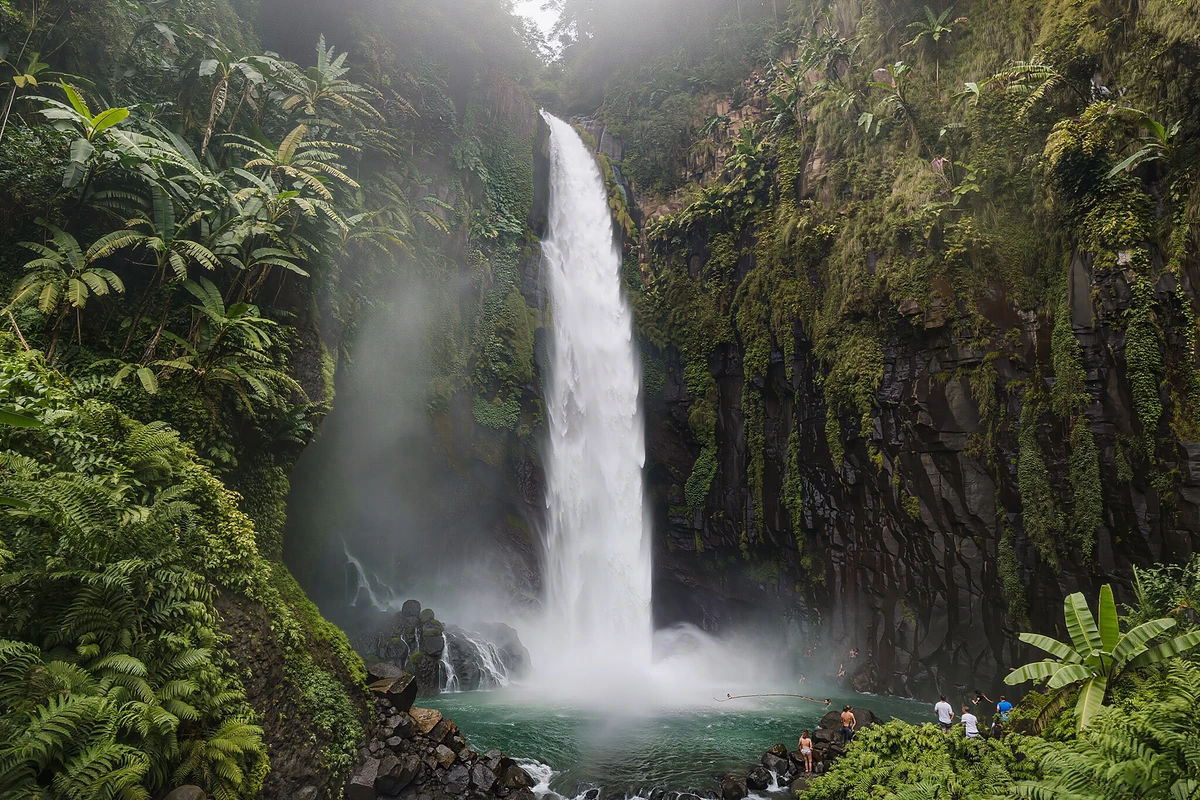
Arusha Airport Transfers
View all

Arusha Flight Tickets
View all
Arusha at first sight
Arusha is the safari capital of Tanzania, the city at the gateway to the northern circuit: Tarangire, Lake Manyara, the Ngorongoro Crater and the Serengeti. At around fourteen hundred metres on the southern flank of Meru, it is green, mild and busy, a trading town of coffee, tanzanite and tour vehicles where every journey into the wild begins and ends. Its own national park, with giraffe, flamingos and forest, lies just outside the city.
Why include Arusha in your itinerary?
- The gateway to the greatest safari country on earth. Tarangire and Lake Manyara are about two hours away, the Ngorongoro Crater about three, and the Serengeti a long day's drive or a short flight from Arusha's airstrip, which makes the city the natural start of every northern Tanzania safari.
- A national park on the doorstep. Arusha National Park, less than an hour from the centre, has giraffe, buffalo, zebra and colobus monkeys around the Momella lakes, flamingos on the water, the forested Ngurdoto Crater and Mount Meru rising above it all, perfect for a first day of wildlife.
- Cool air, coffee and culture. Arusha's altitude keeps it mild all year, coffee grows on the slopes above the city, Maasai and Meru villages welcome visitors, and the markets trade in tanzanite, the blue gemstone mined only in the hills nearby.
Signature experiences in Arusha
Tarangire and Lake Manyara
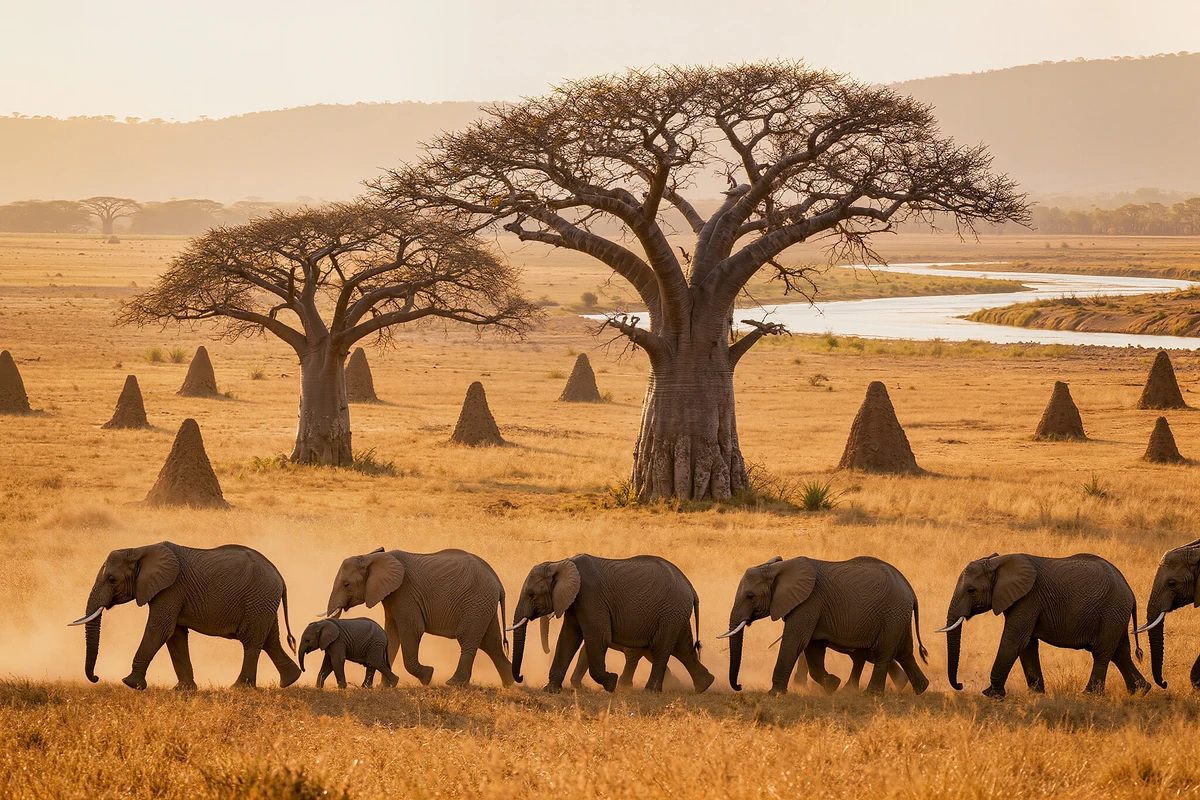
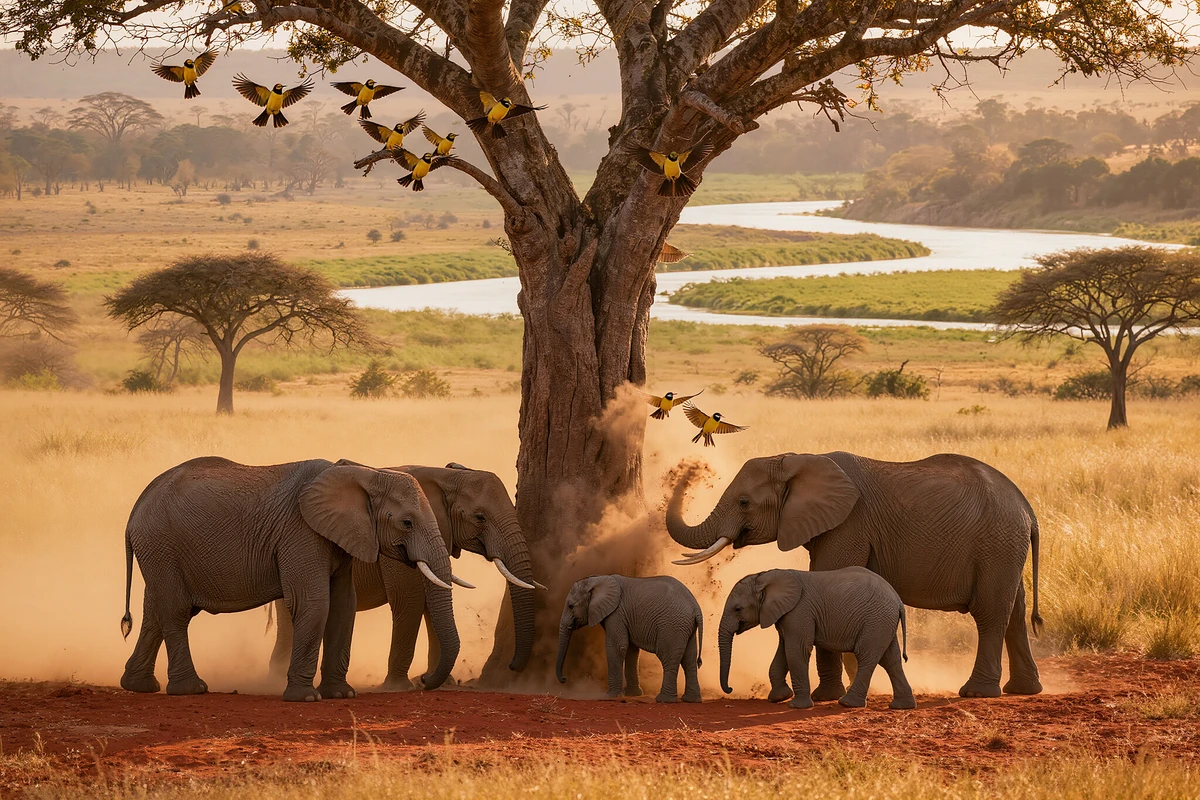
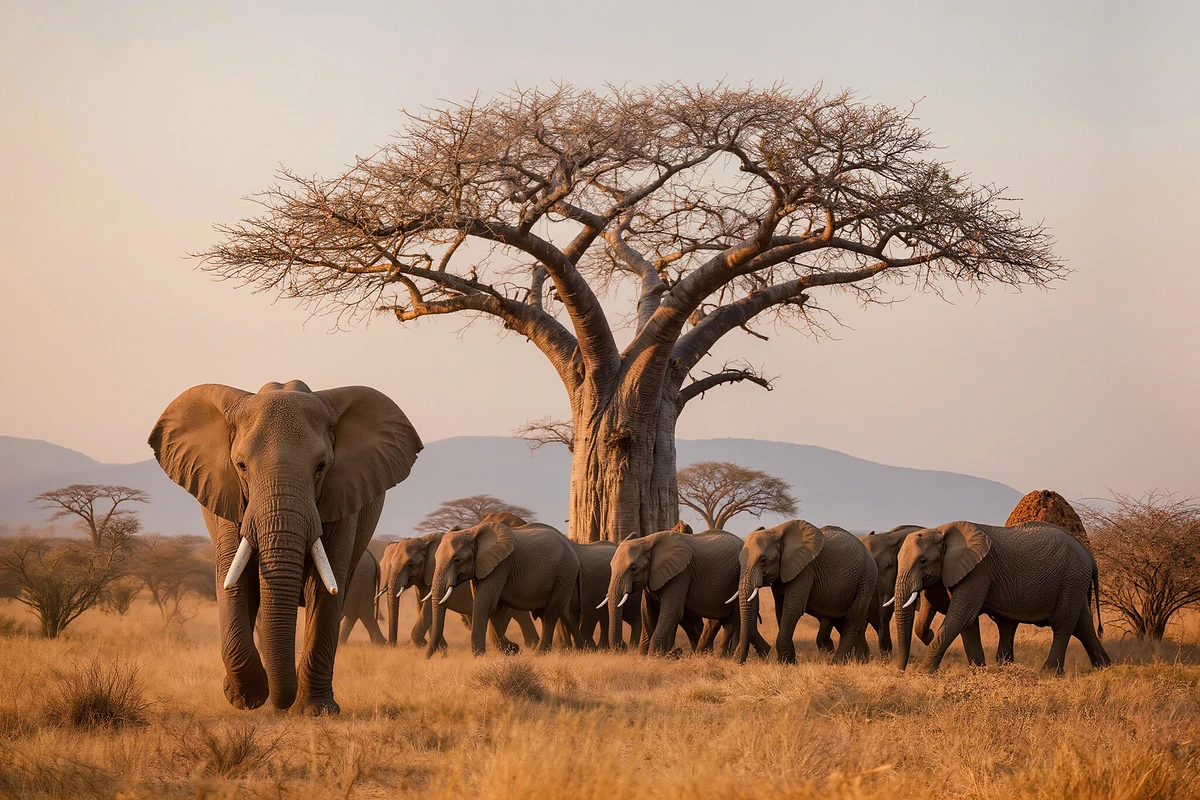
Tarangire is the park of elephants and baobabs, where large herds gather along the river in the dry season under ancient trees. Lake Manyara, about the same distance from Arusha, is a thin strip of groundwater forest, hot springs and shoreline where flamingos, hippos and buffalo gather and lions are sometimes seen resting in the trees. Each works as a full day from the city, and together they make a classic two-day start to a safari. We run both as guided day tours and as part of longer safaris.
The Ngorongoro Crater
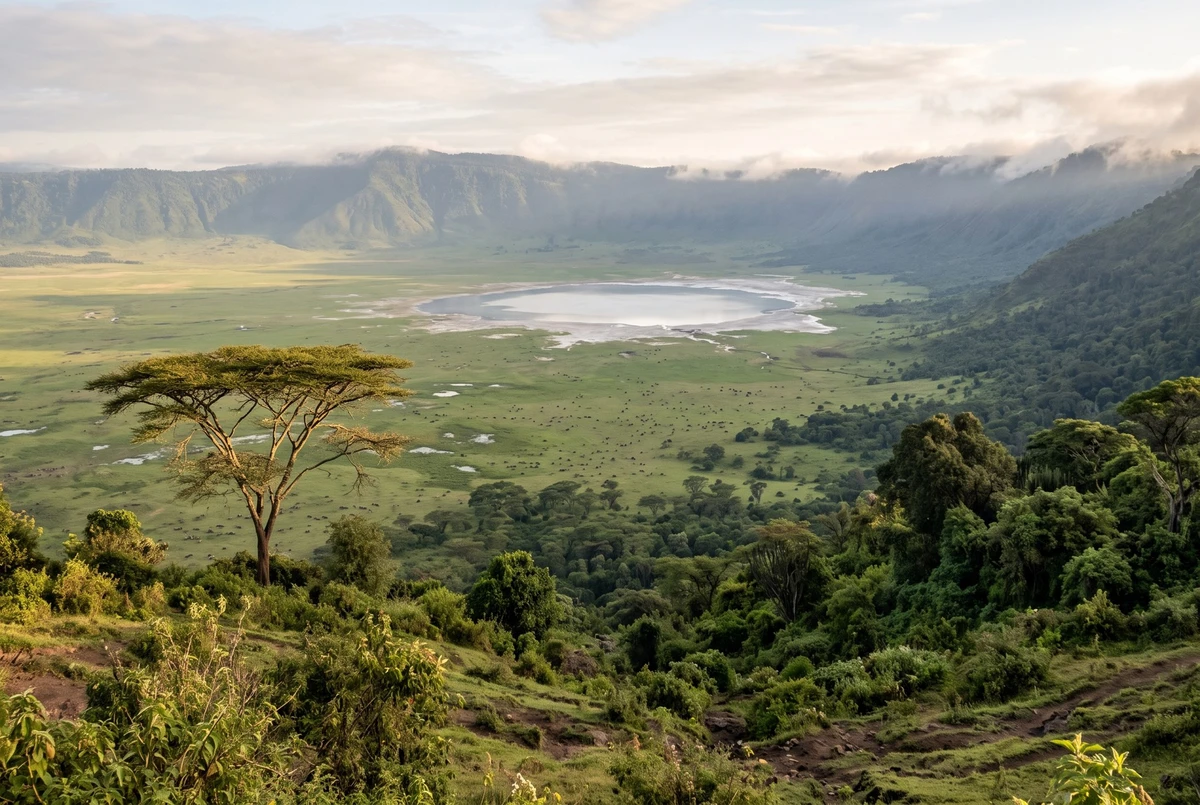
The largest intact volcanic caldera in the world holds a self-contained landscape of grassland, lakes and forest on its floor, with lions, elephants, hyenas, wildebeest, zebra and a small population of black rhino, though sightings are never guaranteed. The descent from the rim at dawn, with mist in the crater and the sun rising over the far wall, is one of Africa's great moments. It is a long day trip from Arusha, about three hours each way, or an overnight on the rim.
The Serengeti
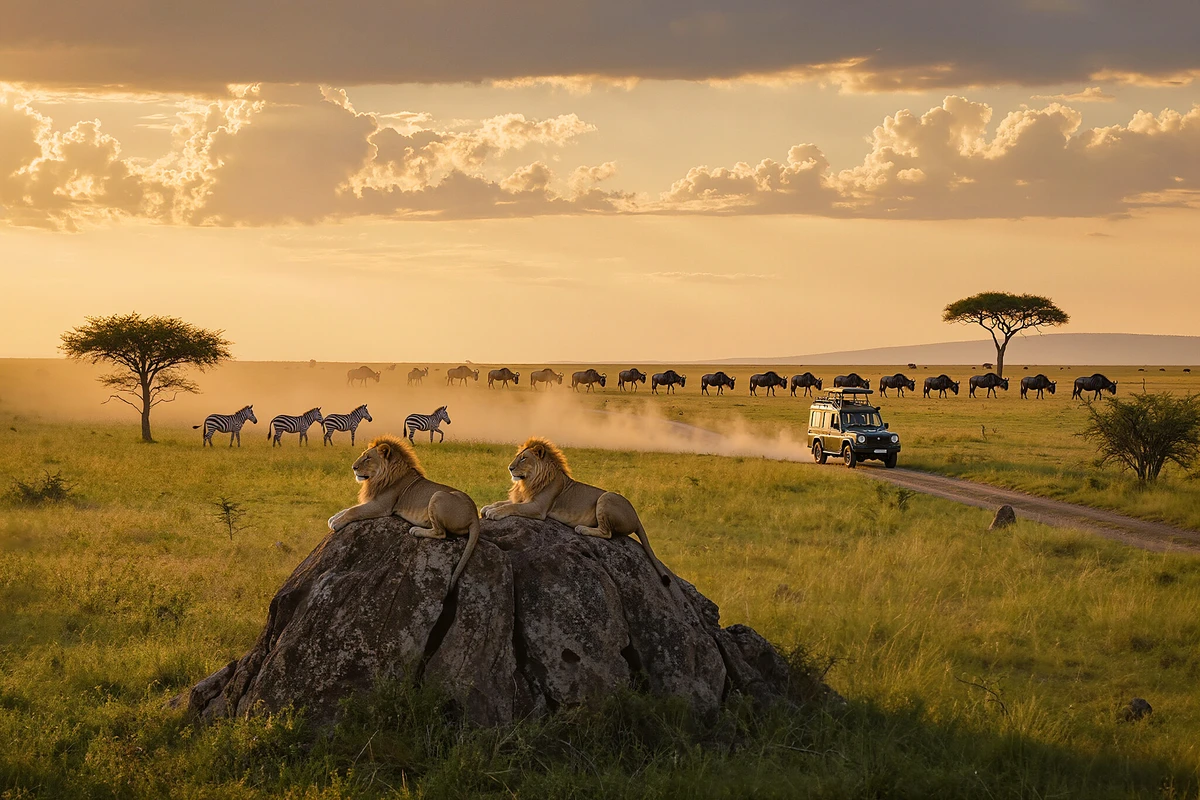
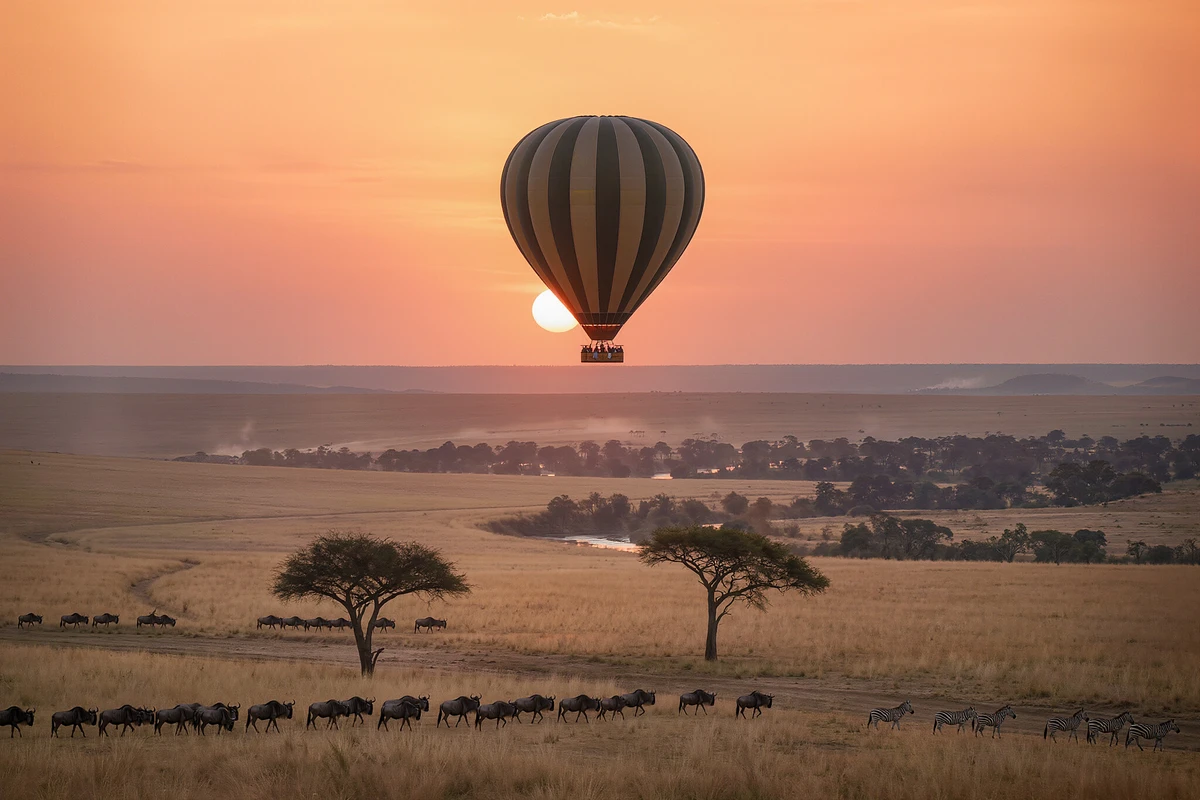
The Serengeti is the endless plain of the great migration, where wildebeest and zebra move in their millions through the year, calving in the south from January to March and crossing the Mara River in the north from around July to October. From Arusha, the park is reached by road through Ngorongoro in a long day or by a short flight to an airstrip in the park. Our safaris of three to five days combine the Serengeti with the crater and Tarangire or Manyara, with lodges or tented camps to suit.
Arusha National Park and Lake Duluti
Less than an hour from the centre, Arusha National Park packs forest, crater and lakes into a small area: giraffe browse by the road, colobus monkeys leap through the canopy, flamingos feed on the Momella lakes and canoes glide across the water with Mount Meru above. Nearby, Lake Duluti is a quiet crater lake ringed by forest, ideal for a canoe or a lakeside lunch. We arrange both as easy day trips, often the first day of a safari.
Materuni Waterfall and the Coffee Villages
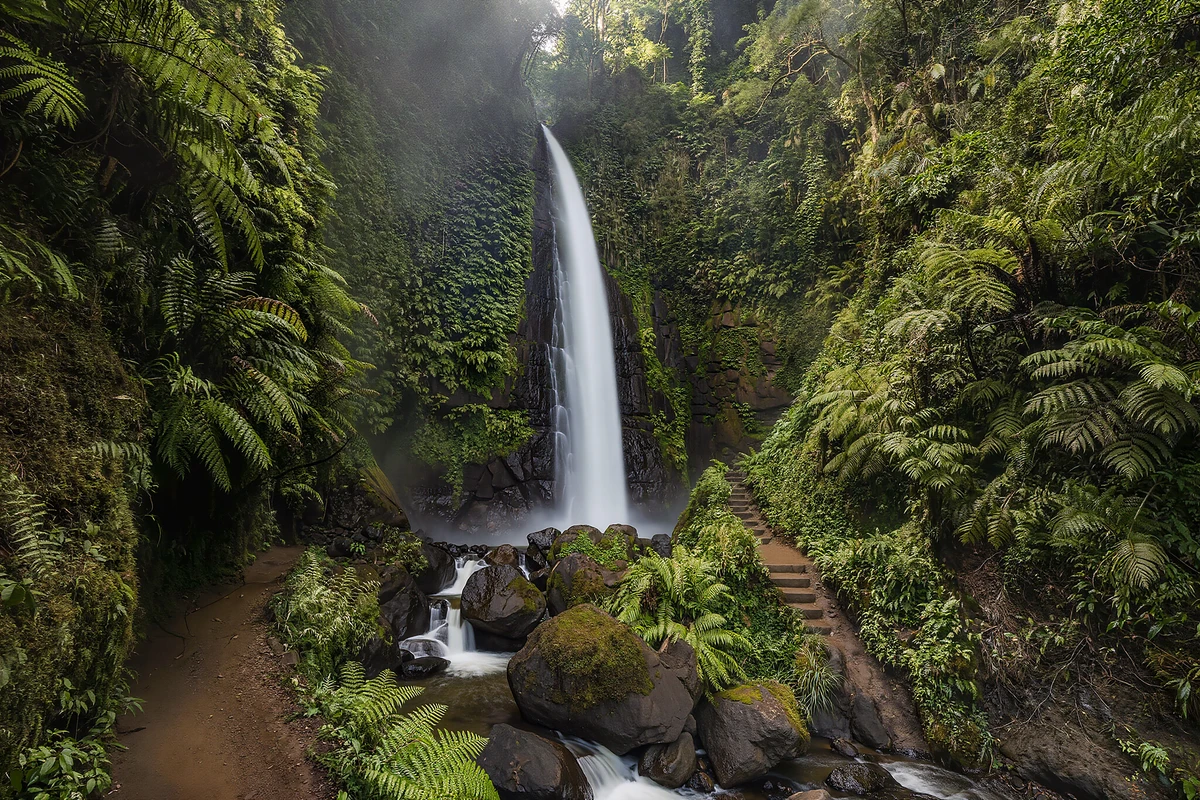
About an hour and a half east of Arusha, the Chagga village of Materuni on the slopes of Kilimanjaro is the starting point for a walk through banana and coffee gardens to a tall waterfall in a green gorge, followed by a traditional coffee preparation with the villagers, roasting and grinding the beans by hand. It is a refreshing day away from the safari vehicle. We run it as a guided day tour from Arusha or on the way to Moshi.
Neighbourhoods and quarters to know in Arusha
The Centre and the Clock Tower
Arusha's compact centre around the clock tower roundabout holds the central market, the craft stalls, banks, the natural history museum in the old German fort and most of the city's restaurants. Hotels here suit travellers who want to walk to shops and cafés and feel the city's energy. It is busy and noisy by day and quiet at night; use taxis after dark.
Njiro and Themi
South-east and north of the centre, Njiro and Themi are leafy residential areas of gardens, guesthouses and small lodges, with views of Meru and a calmer atmosphere than downtown. They are a short drive from the centre and convenient for early safari departures. Ideal for families and for travellers who want comfort and quiet between the parks.
Usa River and Tengeru
East of the city on the road to Kilimanjaro airport, Usa River and Tengeru are coffee country, where lodges sit in old plantation gardens with Meru above and Arusha National Park a few minutes away. The airport is about thirty-five minutes, the city twenty. This is the classic place to start or end a safari in comfort and greenery.
Kisongo and the Western Road
West of Arusha on the road to Manyara and Ngorongoro, the land opens into Maasai grazing country with wide skies and a weekly cattle market at Kisongo. Lodges here are set in open gardens with sunrise views of Meru and the morning convoy already heading west. A good choice for travellers whose safari starts at dawn the next day.
How long to stay in Arusha and how to pair it
Recommended stay
We recommend two nights in Arusha around a safari: one on arrival to rest after the flight, see the city and visit Arusha National Park or Lake Duluti, and one at the end before flying on. A classic northern safari from Arusha takes four or five days, covering Tarangire, Lake Manyara, Ngorongoro and the Serengeti. With a longer stay, add Materuni and the coffee villages or a cultural day in a Maasai village.
How to pair it
Arusha pairs naturally with Moshi, about an hour and a half east on the road to Kilimanjaro airport, for the Kilimanjaro foothills, Materuni and the Chagga coffee villages. After a safari, most travellers fly from Kilimanjaro or the Arusha airstrip to Zanzibar in about an hour and a quarter for Stone Town, Nungwi or Paje. Dar es Salaam is about an hour and twenty minutes by air. Across the border, Nairobi is a day's drive via Namanga or a short flight, making a two-week journey of Kenya's Masai Mara and Tanzania's Serengeti, with Mombasa or Zanzibar to finish on the coast.
Best time to visit Arusha and the rhythm of the day
Best months
The best time for safaris from Arusha is the dry season from June to October, when grass is short, animals gather at water and the roads are good; the migration crosses the northern Serengeti in these months. January and February are also fine, with the calving season in the southern Serengeti and warm, mostly dry weather. The long rains from March to May bring green landscapes, fewer visitors and some muddy roads. Arusha itself is mild all year, cool at night and chilly on the Ngorongoro rim.
The daily rhythm
Arusha's rhythm is set by the safari day. Departures are early, often by six or seven, with a packed breakfast and the cool morning air. In the city, the market is busiest in the morning, the heat of midday is mild at this altitude, and late afternoon brings clear views of Meru as the clouds lift. Evenings are relaxed dinners of nyama choma, grilled meat, and plantain or rice, and early nights before another dawn start.
On-the-ground logistics in Arusha
Arrival
Kilimanjaro International Airport (JRO) lies between Arusha and Moshi, about fifty minutes from the city by road. Arusha's own airstrip, in town, serves light aircraft to the Serengeti, Zanzibar and other domestic routes. Shuttle buses also connect Arusha with Nairobi across the Namanga border in about five to six hours. We arrange private airport transfers from Kilimanjaro, domestic flights to the parks and the coast, and the cross-border road journey with our own drivers.
Getting around
The centre of Arusha is walkable by day, and taxis are plentiful for short hops to Njiro, Usa River or the airstrip. For the parks, Materuni and the airport, a private car or safari vehicle with driver arranged by our team is the only comfortable option, and on safari the vehicle with its roof hatch and experienced driver-guide is your home for the day.
Local etiquette tip
Arusha is a relaxed, mixed city, but modest dress is appreciated in the markets and villages, and a scarf is useful for women visiting Maasai homesteads. Always ask before photographing people, especially the Maasai, and expect a small payment to be requested. In the parks, stay inside the vehicle except at designated points, keep voices low near animals, never feed wildlife and never ask your guide to drive off the tracks. Bargain politely in the craft markets, and greet with jambo or habari.
Must-do things in Arusha
- Descend into the Ngorongoro Crater at dawn
- Watch elephant herds among the baobabs of Tarangire
- Follow the migration across the Serengeti plains
- Spot flamingos and hippos at Lake Manyara
- Canoe the Momella lakes beneath Mount Meru
- Meet the giraffe and colobus monkeys of Arusha National Park
- Visit a Maasai village on the slopes of Meru
- Browse the craft stalls and central market in town
- Walk to the Materuni waterfall through coffee gardens
- Photograph the sunrise over Mount Meru
Do’s and don’ts in Arusha
Do
- Do pack layers; crater mornings are cold
- Do bring binoculars and a camera with a long lens
- Do wear neutral colours on safari
- Do listen to your driver-guide inside the parks
- Do carry small change for tips and village visits
Don’t
- Don't leave the vehicle in the parks outside designated areas
- Don't feed or approach wild animals
- Don't photograph people without permission
- Don't expect guaranteed sightings of any animal
- Don't walk alone in the city after dark
Arusha at a glance
Plan Arusha with Haqqi Tours
Every option is confirmed by our team on WhatsApp before you pay, and delivered by our own people or by trusted local partners we work with in every city. Because we send travellers from all over the world, our partners give us special rates and priority, so you always receive the best. Prices are per person unless marked per vehicle.
About Haqqi Tours: About us Contact us Legal NoticePrivacy PolicyCookies & Marketing PreferencesTerms & ConditionsBooking, Payment & Refunds
More services in Arusha
Where we operate in Tanzania
Good to know
Frequently Asked Questions
Straight answers to what travellers ask most about Arusha.
Where should first-time visitors stay in Arusha?
First-time visitors often choose a lodge in the gardens of Usa River or Tengeru, close to Kilimanjaro airport and Arusha National Park, or a quiet guesthouse in Njiro or Themi near the centre. Hotels in the centre suit short stays and city exploring. Our team can suggest a hotel to suit your safari plan and arrange your private airport transfer.
Can you visit the Serengeti as a day trip from Arusha?
Not comfortably. The Serengeti is a long day's drive each way through Ngorongoro, so it needs at least two nights, and three to five days for the full northern circuit. Tarangire, Lake Manyara and Arusha National Park work well as day trips, and the Ngorongoro Crater is possible as a long day. We arrange guided day tours and multi-day safaris with lodges or tented camps.
What should I wear on safari from Arusha?
Light, neutral-coloured clothing in khaki, green or brown, long sleeves and trousers for the early morning and evening, a warm fleece or jacket for the Ngorongoro rim, a hat, sunglasses and closed shoes. In Arusha and the villages, modest dress is appreciated. Laundry is available at most lodges, so pack light.
Is Arusha tourist friendly?
Yes. Arusha has welcomed safari travellers for generations and is used to visitors from around the world. English is widely spoken, drivers and guides are experienced, and halal food is available in the city. Vendors can be persistent around the centre; a calm, polite reply works well, and our guides help you navigate.
Is Arusha safe?
Arusha is generally considered safe for visitors who take sensible care: use taxis after dark, keep valuables out of sight in the centre, and follow your guide's instructions in the parks. Check your own government's travel advice before departure, and keep our WhatsApp line handy throughout your stay.
What are the must-do things in Arusha?
The must-do things are the Ngorongoro Crater, Tarangire, Lake Manyara and the Serengeti on safari, Arusha National Park and Lake Duluti near the city, a Maasai or Meru village visit, the central market and craft stalls, and the Materuni waterfall and coffee villages towards Moshi. Our guided day tours and safaris combine these in the best order.
How many days do you need in Arusha?
Allow two nights in Arusha itself, at the start and end of your safari, plus four or five days for the northern circuit of Tarangire, Manyara, Ngorongoro and the Serengeti. A shorter three-day safari covers Tarangire or Manyara and the crater. Many travellers then add Moshi or a week in Zanzibar.
What can I book in Arusha with Haqqi Tours?
Day tours, private airport transfers and flight tickets, including 3-Day Serengeti and Ngorongoro Group Safari from Arusha, 4-Day Tarangire, Serengeti and Ngorongoro Group Safari and Tarangire National Park Day Safari from Arusha. Each has its own page, and the WhatsApp desk combines any of them into one plan with one written price.
How do I get from the airport to my hotel in Arusha?
Kilimanjaro International Airport (JRO) lies on the plains between Arusha and Moshi, about 50 km east of Arusha and 40 km west of Moshi on the Arusha-Moshi highway, roughly 1 hour and 45 minutes by car respectively; Marangu on the slopes of Kilimanjaro is about 75 km and 1 hour 30 minutes to 1 hour 45 minutes. Our private transfer meets you at arrivals with a name board, tracks your flight and takes you door to door at a fixed price for the whole vehicle; the transfer pages list every route.
Is there public transport from the airport to Arusha?
There is no passenger train to Arusha; dala-dala minibuses and taxis cover the city, long-distance coaches run to Moshi, Nairobi and Dar es Salaam, and light aircraft from Arusha Airport fly to the Serengeti airstrips and to Zanzibar. A private car is the easy way to cover the hour from Kilimanjaro Airport with luggage, to reach a lodge outside town or to link a bush flight with a city hotel. With luggage, a family or a late flight, the private car is the simpler choice.
Which tours are available in Arusha?
Among them: 3-Day Serengeti and Ngorongoro Group Safari from Arusha, 4-Day Tarangire, Serengeti and Ngorongoro Group Safari, Tarangire National Park Day Safari from Arusha, Private 2-Day Tarangire and Ngorongoro Crater Safari from Arusha and Serengeti Hot-Air Balloon Flight with Bush Breakfast. Each page says whether the day is private or small-group, what it includes and how long it lasts.
Are the tours private or in a group?
Both exist, and each tour page says which. A private tour has a vehicle and guide for your party alone; the desk can make most group tours private on request.
How do I book?
Fill in the form on any page or message us on WhatsApp with the date, the number of travellers and the hotel. A member of our team confirms the price and the details in writing within minutes.
Are the prices fixed?
Yes - every price is agreed in writing on WhatsApp before you travel and does not change on the day.
Do the drivers and guides speak Arabic or English?
It depends on the city and the day, so we do not promise a particular language; tell us your preference and we do our best. The WhatsApp desk always works in Arabic and English.
Can I change or cancel a booking in Arusha?
Yes, in the same WhatsApp conversation. The terms depend on the product and on how close to the date the change comes; the desk states them before you pay.