
Moshi
Plan Moshi with Haqqi Tours: day tours, private airport transfers, attraction tickets and packages, run by our own team and confirmed on WhatsApp in Arabic or English.
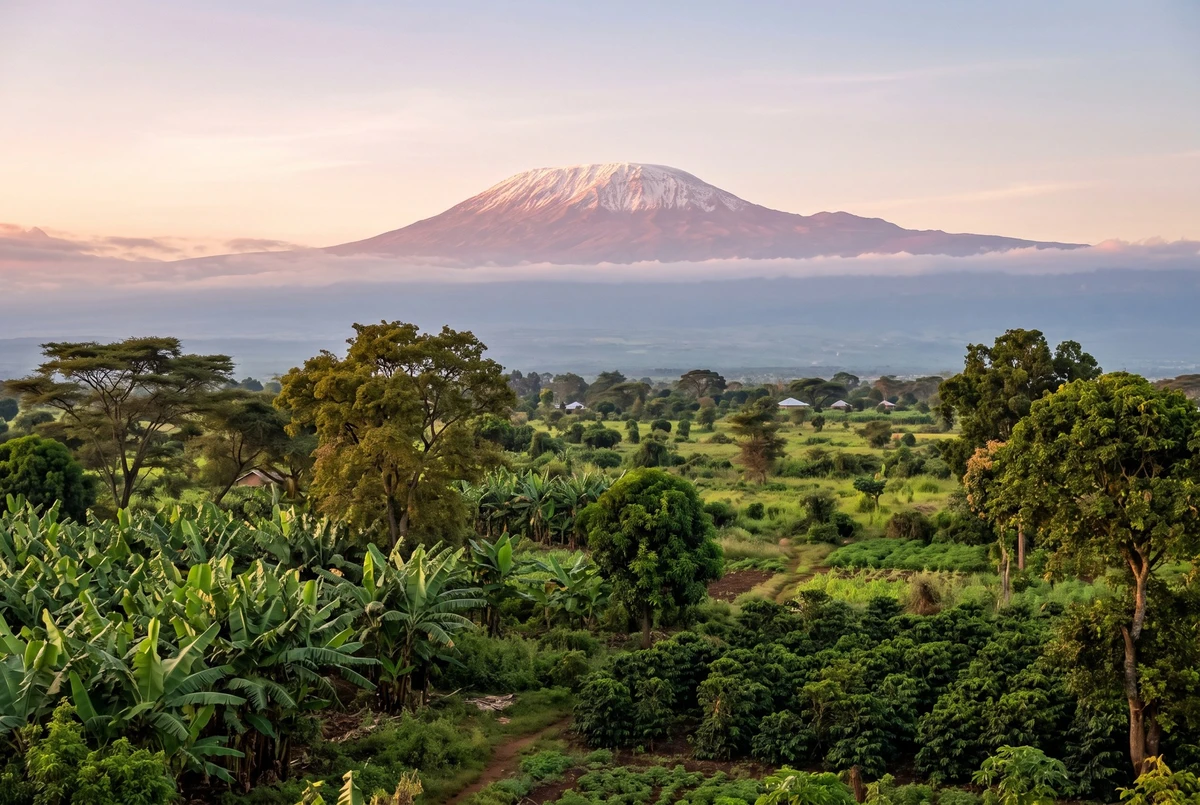
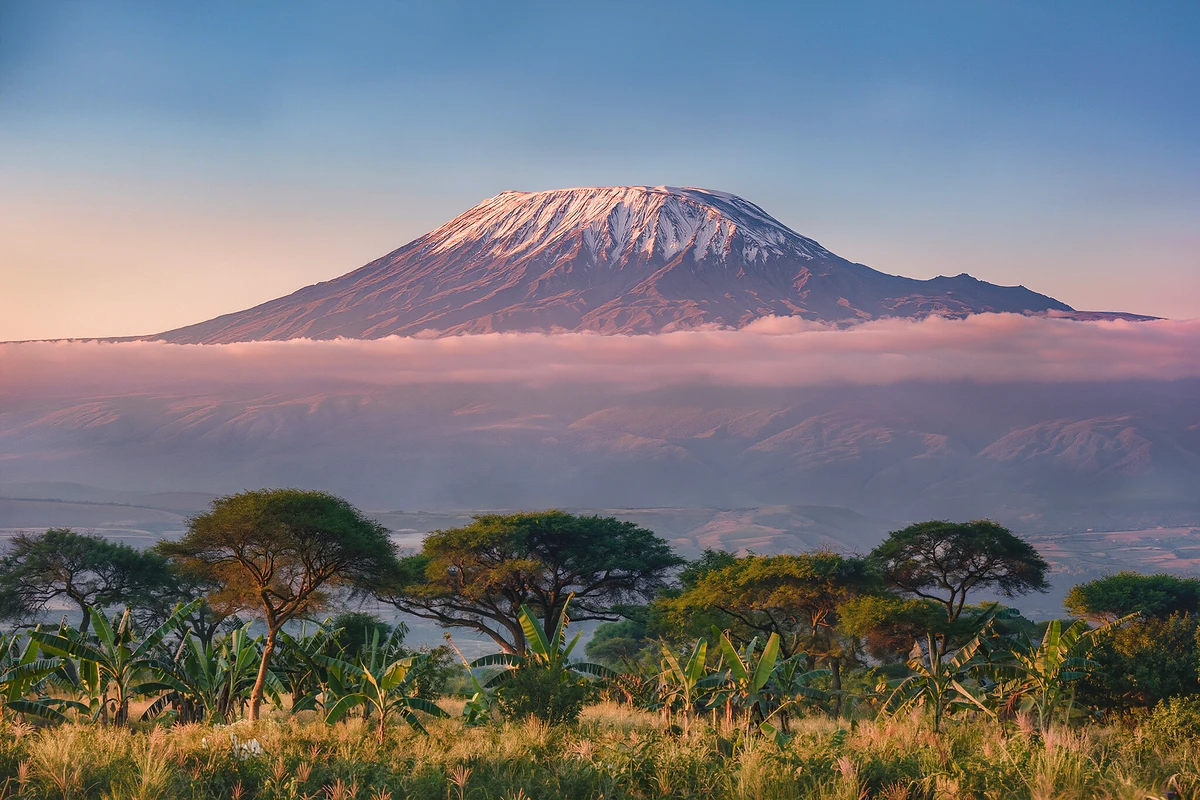
Walk out before breakfast in Moshi and look north. On a clear morning the clouds have not yet gathered, and Kilimanjaro stands over the town with its snow-capped summit of Kibo floating above a band of forest and coffee farms, so high that it seems to belong to the sky rather than the land. The streets below are already awake: motorbikes weave past the clock tower, women carry bananas from the market, and the air smells of roasting coffee and wet earth from the night's rain on the slopes.
Nothing matches those filters yet. Widen your search or message us on WhatsApp.


Moshi at first sight
Moshi is the town at the foot of Africa's highest mountain, the base for every climb to the roof of the continent and for the gentler pleasures of the Chagga foothills: waterfalls hidden in banana gardens, coffee roasted by hand in village kitchens, hot springs in the dry plains and a crater lake on the Kenyan border. Lower and warmer than Arusha, it is a friendly, unhurried place that rewards a few days of exploring.
Why include Moshi in your itinerary?
- Kilimanjaro at the end of every street. Moshi lives in the shadow of the mountain, and whether you climb to the summit or walk a single day through the rainforest to the first huts, the presence of Kibo above the town makes every morning memorable.
- The Chagga foothills. The villages of Materuni, Marangu and Machame on the mountain's slopes are green, cool and welcoming, with waterfalls, coffee gardens, traditional round houses and underground tunnels from the old days, a gentle counterpoint to the safari parks.
- Water in every form. Kikuletwa hot springs are a blue oasis of clear warm water under fig trees in the dry plains, Lake Chala is a deep crater lake of brilliant turquoise on the border with Kenya, and the Materuni and Marangu waterfalls fall through forest gorges.
Signature experiences in Moshi
Materuni Waterfall and Coffee
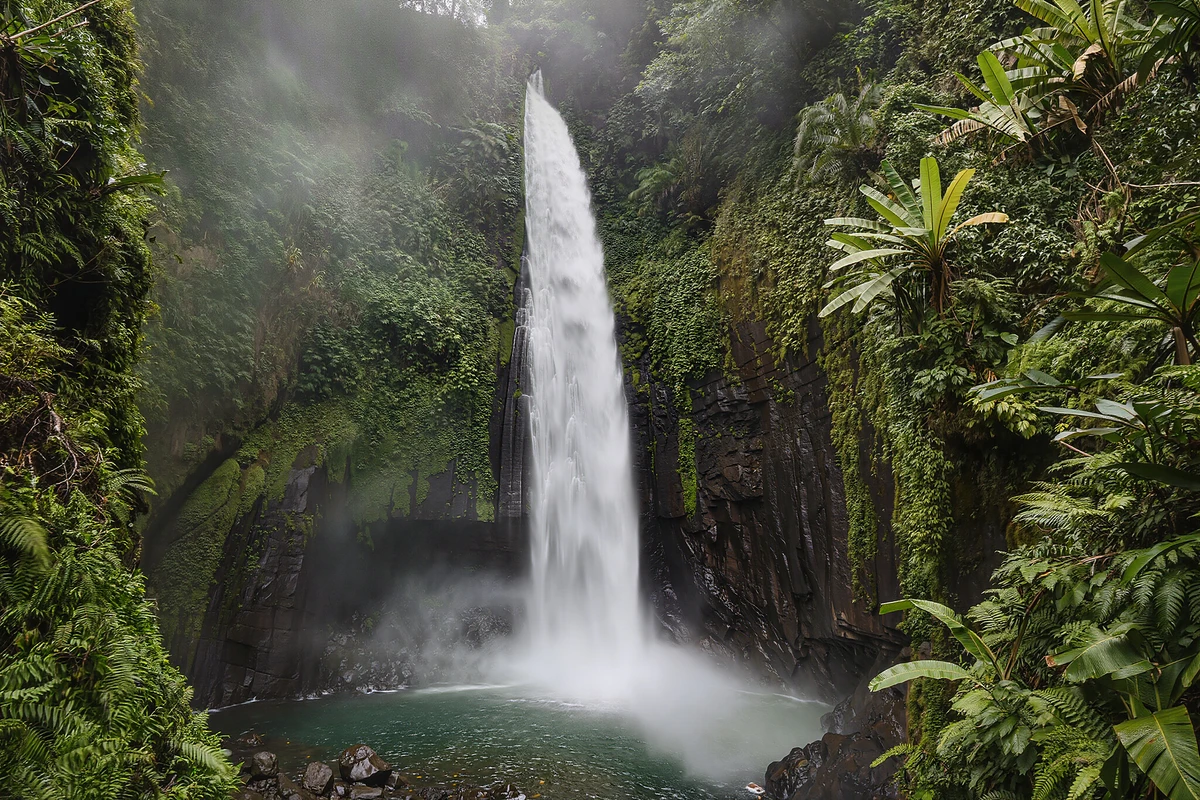
A short drive above Moshi, the Chagga village of Materuni sits among banana groves and coffee bushes on the lower slopes of Kilimanjaro. A walk of under an hour through the gardens leads to a tall waterfall pouring into a cold green pool where you can swim. Back in the village, families show the whole coffee process from picking the cherries to roasting and grinding by hand, with singing, before brewing a cup. It is our most popular guided day tour from Moshi.
Kikuletwa Hot Springs
About an hour west of town, in the dry country below the mountain, the Kikuletwa springs, also called Chemka, are a natural pool of astonishingly clear warm water fed from underground, shaded by fig trees with roots trailing into the blue. Small fish nibble at your feet, a rope swing hangs from a branch and the afternoon passes easily with a picnic. We combine the springs with Materuni for a full day, or run them as a half-day trip.
Marangu Village and Waterfalls
Marangu, about forty minutes from Moshi, is the village at the gate of Kilimanjaro's oldest climbing route and a place to meet Chagga culture: traditional banana-leaf round houses, the caves and tunnels where people once hid from raids, a blacksmith, a coffee farm and the Ndoro and Kinukamori waterfalls in their green gorges. Our guided day tours bring a local host who explains the stories behind each place.
Lake Chala
East of Moshi, about an hour's drive towards the Kenyan border, Lake Chala fills a volcanic crater with deep, clear turquoise water fed by underground streams from Kilimanjaro. The rim path gives wide views across the plains to the mountain, kayaks can be paddled on the calm surface, and the silence is remarkable. It is an easy day trip from Moshi, often paired with a lunch stop in the small town of Taveta or a picnic on the rim.
A Day Hike on Kilimanjaro
You do not need a week to set foot on Kilimanjaro. From the Marangu gate, a day hike climbs through dense rainforest with colobus monkeys and tree ferns to the Mandara huts at around two thousand seven hundred metres and the small Maundi Crater viewpoint, returning by afternoon. From the western side, a day on the Shira plateau offers moorland and giant groundsels at higher altitude. We arrange permits, a licensed mountain guide and transport, and advise on full climbs for those who want the summit.
Neighbourhoods and quarters to know in Moshi
The Town Centre
Moshi's centre around the clock tower is compact and lively, with the market, the bus stand, cafés serving local coffee, craft shops and a range of hotels from simple to comfortable. It is the easiest base for short stays, walkable by day, and the mountain shows between the buildings on clear mornings. Evenings are quiet and taxis are easy to find.
Shanty Town
Despite its name, Shanty Town is Moshi's leafy residential quarter north of the centre, with wide streets, gardens, guesthouses and small lodges where many travellers stay before and after a climb. It is calm, safe and a short drive or a long walk from the centre, with good views of Kilimanjaro from upper floors and gardens.
Marangu and the Eastern Slopes
Up the mountain to the east, Marangu and the villages around it are cooler and greener, with lodges in old gardens near the park gate and waterfalls a short walk away. Staying here places you among the Chagga farms and gives an early start for day hikes. It suits travellers who want mountain air and village life over town convenience.
Machame and the Western Slopes
On the western side of the mountain, Machame and the villages near the Machame gate are coffee and banana country with a handful of small lodges and homestays. It is the starting point of a popular climbing route and a quiet place to spend a night in the forest edge, about forty minutes from Moshi. Good for climbers and for travellers seeking a rural base.
How long to stay in Moshi and how to pair it
Recommended stay
We recommend three nights in Moshi. One day for Materuni waterfall and coffee with Kikuletwa hot springs, one for Marangu's culture and waterfalls or a day hike on Kilimanjaro, and one for Lake Chala or a slow morning in town watching the mountain. Climbers should add a rest night before and after the ascent. Many travellers combine Moshi with a safari from Arusha or a flight to Zanzibar.
How to pair it
Moshi pairs naturally with Arusha, about an hour and a half west on the same road that passes Kilimanjaro airport, for safaris to Tarangire, Lake Manyara, the Ngorongoro Crater and the Serengeti. From Kilimanjaro airport, flights of about an hour and a quarter reach Zanzibar for Stone Town, Nungwi or Paje, and about an hour and twenty minutes reach Dar es Salaam. Across the border, Kenya's Nairobi is a day's drive or a short flight, and Mombasa lies beyond Taveta on the coast, so a two-week journey can run from the mountain to the Mara and finish by the Indian Ocean.
Best time to visit Moshi and the rhythm of the day
Best months
The best time to visit Moshi is from June to October and from late December to February, the dry seasons, when the mountain is clearest in the early morning and the village trails are firm. January and February are warm and good for climbing; June to September is cooler. The long rains from March to May bring daily showers, muddy paths and cloud on the mountain, and short rains fall in November. Kilimanjaro is usually visible at dawn and again in the late afternoon regardless of season, before and after the clouds build.
The daily rhythm
Moshi rises early to see the mountain before the clouds, and the best trips start by eight. The late morning is for walking through coffee gardens or lazing at the hot springs; the heat of midday is gentle at this altitude but the sun is strong. Afternoons bring the clouds down and the town returns to its market, its cafés and its coffee. Evenings are calm, with dinner at a garden restaurant, and the mountain often reappears in silhouette at dusk.
On-the-ground logistics in Moshi
Arrival
Kilimanjaro International Airport (JRO) lies on the plain west of Moshi, about fifty minutes from the town by road, with Arusha about an hour and a half beyond. Buses and shuttles run from Arusha, Nairobi and Dar es Salaam to the bus stand in the centre. We arrange private airport transfers from Kilimanjaro to any hotel in Moshi, Marangu or Machame, domestic flights to Zanzibar and Dar es Salaam, and road transfers to Arusha and across the Kenyan border.
Getting around
The centre of Moshi is easily walked, and taxis and motorbike taxis, known as boda-boda, are everywhere for short hops; we recommend cars for comfort and safety. The villages, the springs, Lake Chala and the mountain gates are spread around the slopes and the plain, so a private car with driver arranged by our team is the most practical way to see them, with a local guide at each place.
Local etiquette tip
Moshi is a friendly, mixed town of Christians and Muslims, and modest dress is appreciated in the villages, at the market and in places of worship. Always ask before photographing people, and greet elders first when you enter a Chagga homestead. On the mountain, follow your licensed guide, carry out all rubbish and never pick plants in the national park. Small tips for village hosts, porters and guides are customary and much appreciated. A greeting of jambo or habari opens every door.
Must-do things in Moshi
- See Kilimanjaro's snowy summit at dawn from the town
- Swim beneath the Materuni waterfall
- Roast and grind coffee with a Chagga family
- Float in the clear warm water of Kikuletwa hot springs
- Kayak on the turquoise crater lake of Chala
- Explore the Chagga caves and round houses of Marangu
- Walk to the Ndoro and Kinukamori waterfalls
- Hike through the rainforest to the Mandara huts on Kilimanjaro
- Browse the market and drink local coffee in town
- Take a day trip to Arusha National Park on the way west
Do’s and don’ts in Moshi
Do
- Do look for the mountain early in the morning and at dusk
- Do wear good shoes for muddy village and forest trails
- Do carry swimwear for the waterfall, the springs and the lake
- Do use a licensed guide for any walk inside the national park
- Do carry small change for village hosts and tips
Don’t
- Don't attempt the summit without a proper multi-day climb and acclimatisation
- Don't photograph people without asking
- Don't leave rubbish on the trails or at the springs
- Don't ride motorbike taxis without a helmet
- Don't expect to see the summit at midday when clouds cover it
Moshi at a glance
Plan Moshi with Haqqi Tours
Every option is confirmed by our team on WhatsApp before you pay, and delivered by our own people or by trusted local partners we work with in every city. Because we send travellers from all over the world, our partners give us special rates and priority, so you always receive the best. Prices are per person unless marked per vehicle.
About Haqqi Tours: About us Contact us Legal NoticePrivacy PolicyCookies & Marketing PreferencesTerms & ConditionsBooking, Payment & Refunds
More services in Moshi
Where we operate in Tanzania
Good to know
Frequently Asked Questions
Straight answers to what travellers ask most about Moshi.
Where should first-time visitors stay in Moshi?
First-time visitors usually stay in the town centre for convenience or in Shanty Town for quiet gardens and mountain views, both close to the start of our day tours. Travellers who want village life and an early start on the mountain choose lodges in Marangu or Machame. Our team can suggest a hotel to suit you and arrange your private airport transfer.
Can I see Kilimanjaro without climbing it?
Yes. On clear mornings the summit is visible from Moshi itself, from the Materuni and Marangu slopes and from the rim of Lake Chala. A day hike from the Marangu gate takes you through the rainforest to the Mandara huts and back without altitude problems. We arrange the permit, guide and transport for a single day on the mountain or a full climb.
What should I wear and pack for Moshi?
Light clothes for the town and the plains, a fleece or jacket for the cool slopes and early mornings, sturdy shoes for muddy trails, swimwear for the waterfalls and hot springs, a hat and sun protection. Modest dress is appreciated in the villages and at places of worship. For a day hike on the mountain, add a rain layer and a daypack.
Is Moshi tourist friendly?
Very. Moshi has hosted climbers and travellers for generations, English is widely spoken, local hosts in the villages are warm and proud of their culture, and both halal and vegetarian food are easy to find in town. The pace is unhurried and people are happy to help; our guides accompany you on every outing.
Is Moshi safe?
Moshi is generally considered safe and relaxed. Take the usual care with valuables in the market and at night, use cars rather than motorbike taxis, and follow your guide on mountain and village trails. Check your own government's travel advice before departure, and keep our WhatsApp line handy throughout your stay.
What are the must-do things in Moshi?
The must-do things are the Materuni waterfall and coffee experience, Kikuletwa hot springs, Marangu's caves and waterfalls, Lake Chala, a day hike through the rainforest on Kilimanjaro and a dawn view of the summit from town. Our guided day tours combine these in the best order and can add a safari from Arusha.
How many days do you need in Moshi?
Three nights are ideal: one day for Materuni and the hot springs, one for Marangu or a day hike on the mountain, and one for Lake Chala or a slow morning in town. Two nights cover the highlights at a quicker pace. Climbers should add a rest night on each side of the ascent, and most travellers continue to Arusha for safari or fly to Zanzibar.
What can I book in Moshi with Haqqi Tours?
Day tours and private airport transfers, including Kilimanjaro Day Hike on the Machame Route from Moshi and Materuni Waterfalls, Coffee Village and Hot Springs from Moshi. Each has its own page, and the WhatsApp desk combines any of them into one plan with one written price.
How do I get from the airport to my hotel in Moshi?
Kilimanjaro International Airport (JRO) lies on the plains between Arusha and Moshi, about 50 km east of Arusha and 40 km west of Moshi on the Arusha-Moshi highway, roughly 1 hour and 45 minutes by car respectively; Marangu on the slopes of Kilimanjaro is about 75 km and 1 hour 30 minutes to 1 hour 45 minutes. Our private transfer meets you at arrivals with a name board, tracks your flight and takes you door to door at a fixed price for the whole vehicle; the transfer pages list every route.
Is there public transport from the airport to Moshi?
Moshi has a station on the old railway but no passenger service; dala-dala minibuses and taxis cover the town and the slopes, and coaches run to Arusha, Dar es Salaam and the Kenyan border. A private car covers the 45 minutes from Kilimanjaro Airport with trekking bags and is the easiest way up the winding roads to Marangu, Materuni or the hot springs. With luggage, a family or a late flight, the private car is the simpler choice.
Which tours are available in Moshi?
Among them: Kilimanjaro Day Hike on the Machame Route from Moshi and Materuni Waterfalls, Coffee Village and Hot Springs from Moshi. Each page says whether the day is private or small-group, what it includes and how long it lasts.
Are the tours private or in a group?
Both exist, and each tour page says which. A private tour has a vehicle and guide for your party alone; the desk can make most group tours private on request.
How do I book?
Fill in the form on any page or message us on WhatsApp with the date, the number of travellers and the hotel. A member of our team confirms the price and the details in writing within minutes.
Are the prices fixed?
Yes - every price is agreed in writing on WhatsApp before you travel and does not change on the day.
Do the drivers and guides speak Arabic or English?
It depends on the city and the day, so we do not promise a particular language; tell us your preference and we do our best. The WhatsApp desk always works in Arabic and English.
Can I change or cancel a booking in Moshi?
Yes, in the same WhatsApp conversation. The terms depend on the product and on how close to the date the change comes; the desk states them before you pay.