
4-Day Tarangire, Serengeti and Ngorongoro Group Safari
4.7 (52 reviews) from travellers who booked this experience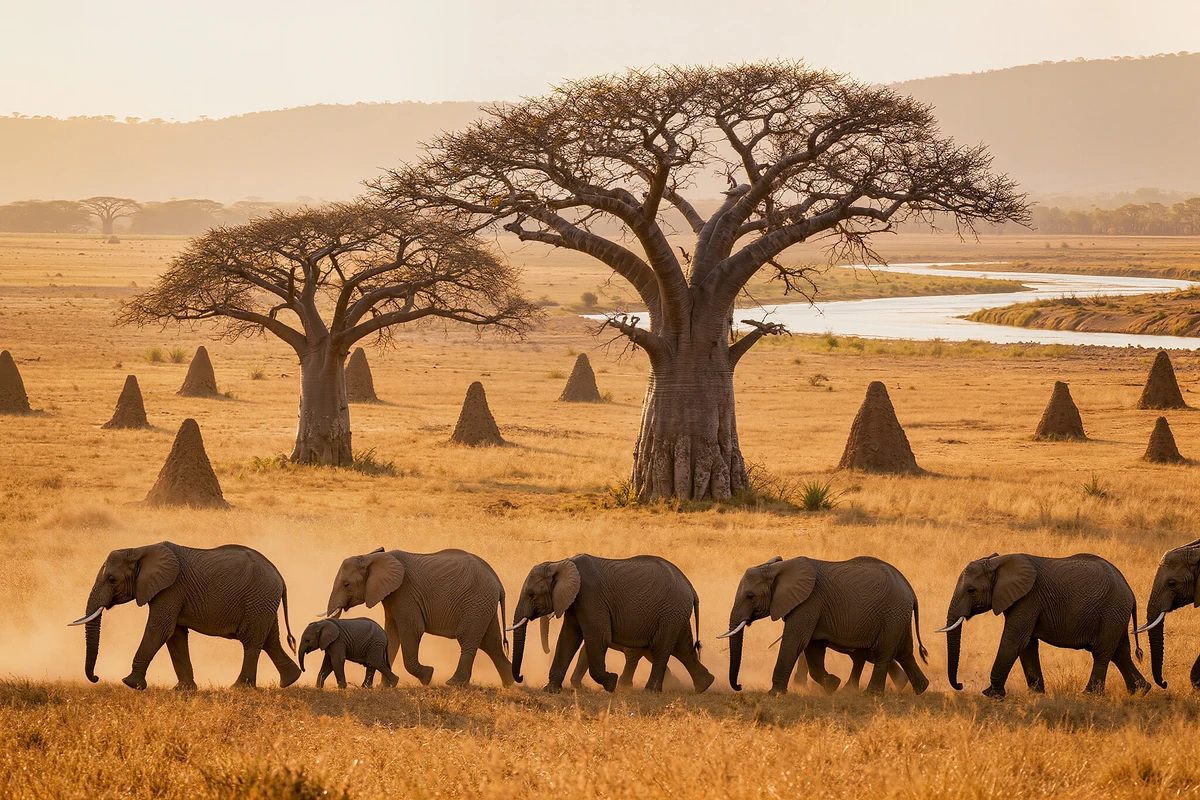
Overview
This 4-day Tarangire, Serengeti and Ngorongoro group safari is a fine short route through Tanzania's northern circuit, adding Tarangire's elephants and baobabs to the two famous parks. You join a small group of up to seven travellers in a 4x4 safari vehicle with a professional English-speaking guide, camping three nights at campsites inside or beside the parks while a chef prepares all meals. We collect you at your hotel in Arusha on the first morning, spend a day in Tarangire, cross to the Serengeti for an afternoon and a sunrise game drive, then descend into the Ngorongoro Crater on the last day before returning to Arusha. It suits travellers who want three different ecosystems in four days at a sensible cost.
Highlights
- Elephant herds and ancient baobabs in Tarangire National Park
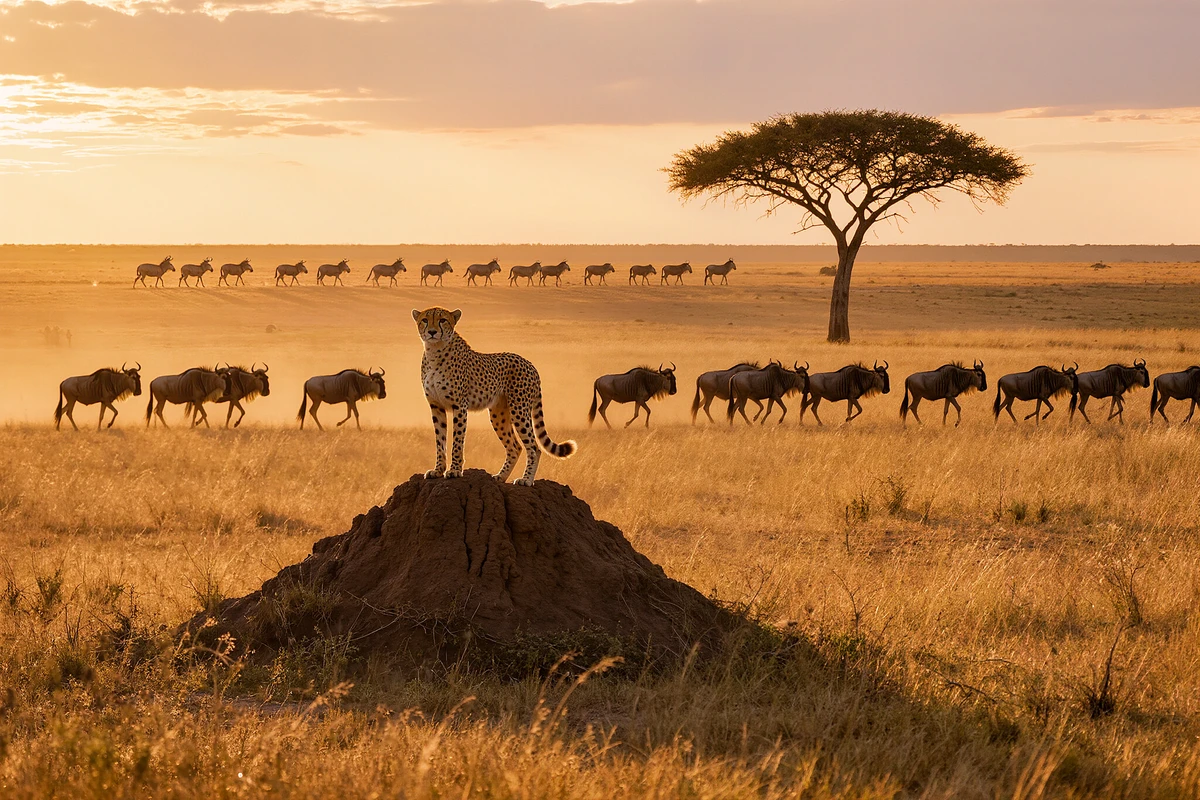
- Afternoon and sunrise game drives on the Serengeti plains
- A morning on the floor of the Ngorongoro Crater, a UNESCO World Heritage Site
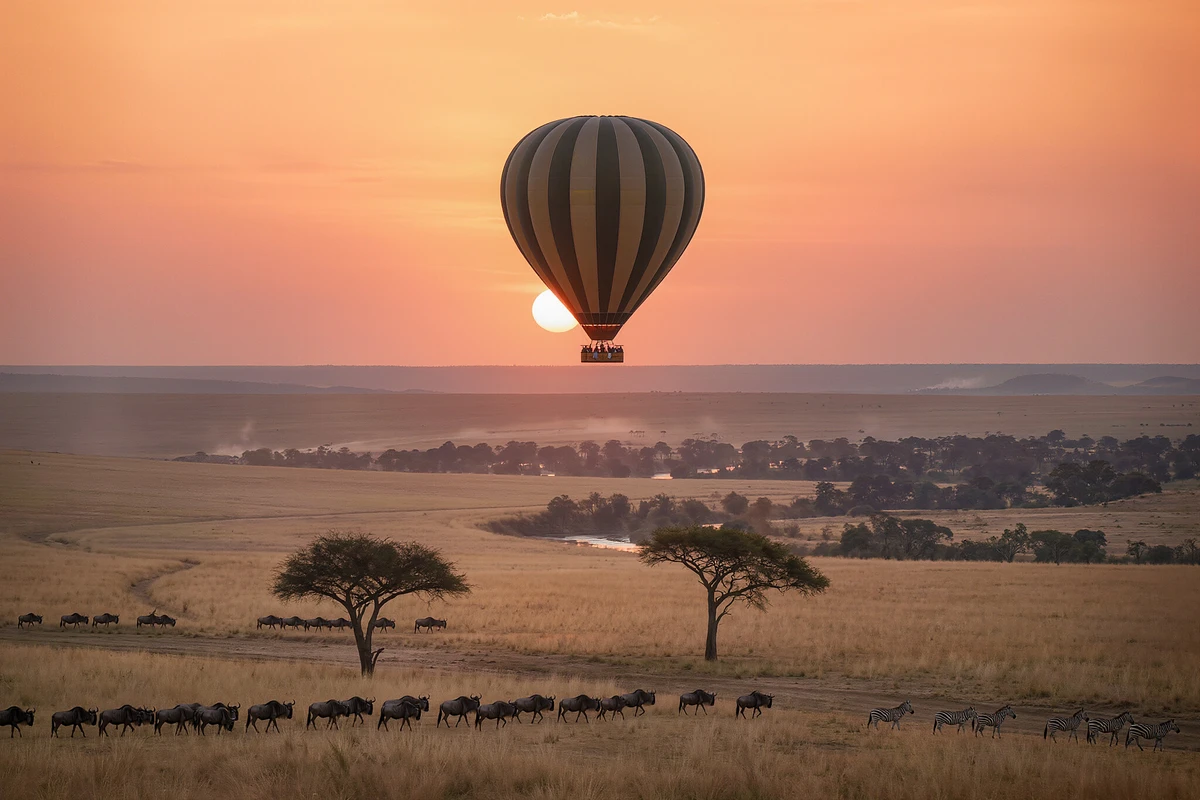
- Chances to see lions, cheetahs, leopards, rhinos and the migrating herds
- Three nights camping under the stars with all meals cooked for you
- Small group of at most seven travellers with an expert local guide
- All park entrance fees and mineral water included
- Hotel pickup and drop-off in Arusha
Full Description
Tarangire National Park: elephants and baobabs
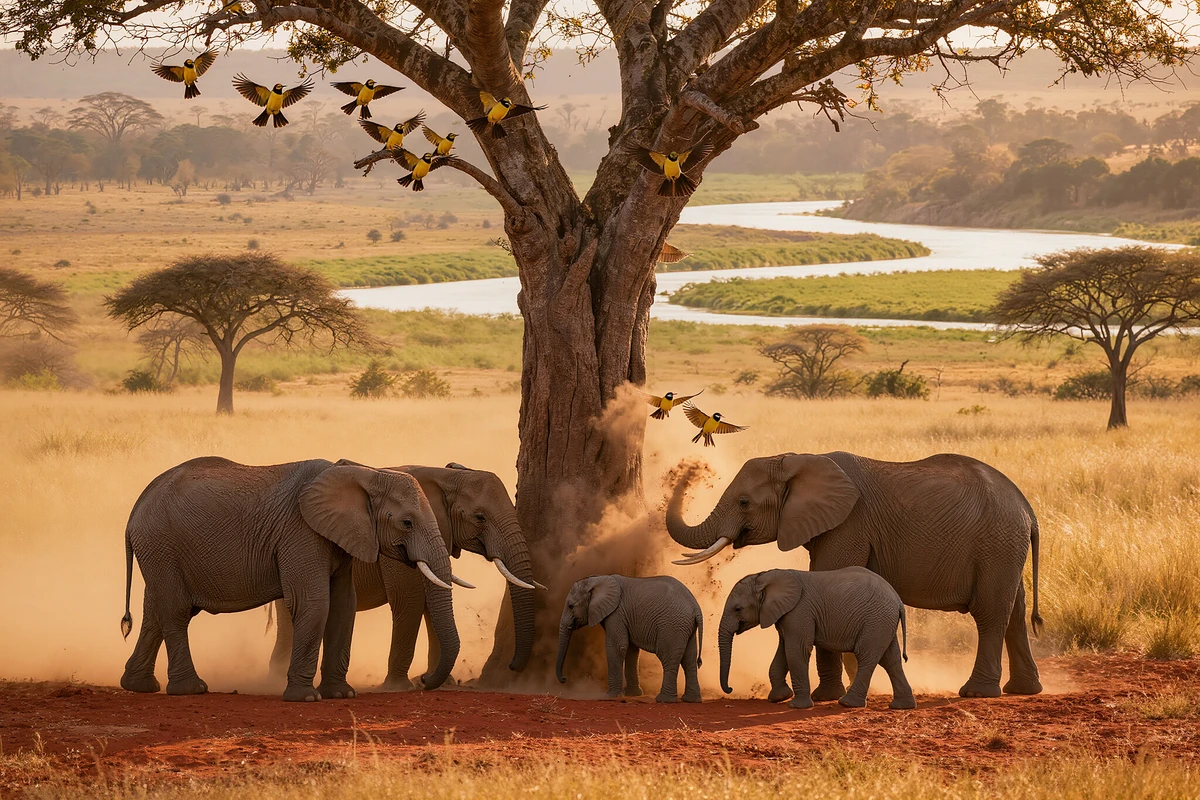
Tarangire lies about 120 kilometres south-west of Arusha, two to two and a half hours by road, and covers roughly 2,850 square kilometres along the Tarangire River. The river is the only permanent water for a huge area, so in the dry season from June to October it pulls in some of the largest elephant herds in East Africa, along with zebra, wildebeest, buffalo, giraffe and the lions that follow them. The landscape is unlike the Serengeti: rolling hills studded with giant baobab trees, some many centuries old, and swamps alive with birds.
Day one is a full day here, with a morning game drive after arrival, lunch at a picnic site in the park and an afternoon drive before camp. A Tarangire day safari from Arusha is often skipped by short itineraries, which is why adding it makes this four-day route so good: you see elephants close up on day one and have the Serengeti still ahead of you. Sightings vary with the season and are never guaranteed.
Serengeti National Park and its great plains
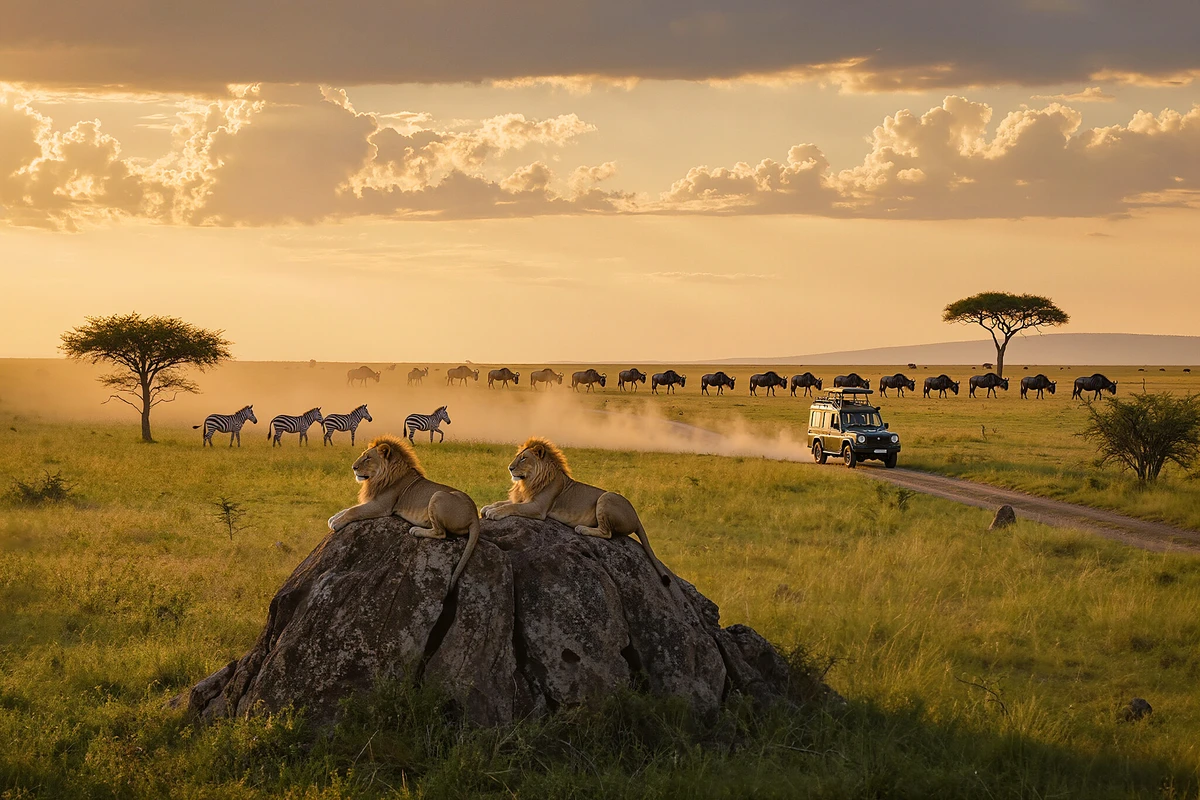
On day two you drive from Tarangire through Karatu and across the Ngorongoro highlands, stopping at the crater rim viewpoint, then down past Olduvai Gorge to the Naabi Hill gate of the Serengeti. The park is about 14,750 square kilometres of grassland and acacia savannah, listed by UNESCO in 1981 and famous for the Great Migration of wildebeest and zebra that circles it through the year. You arrive in time for an afternoon game drive in the central Seronera area, where lions, cheetahs and leopards are seen most often.
Day three begins before sunrise, the best hour of any Serengeti safari from Arusha, when predators are still hunting and the light on the plains is golden. After the morning drive you return to camp for lunch and then set off towards Ngorongoro. The best time to visit the Serengeti depends on what you want: June to October for dry-season concentrations at the rivers, December to March for the calving season on the southern plains.
Ngorongoro Crater: the last morning
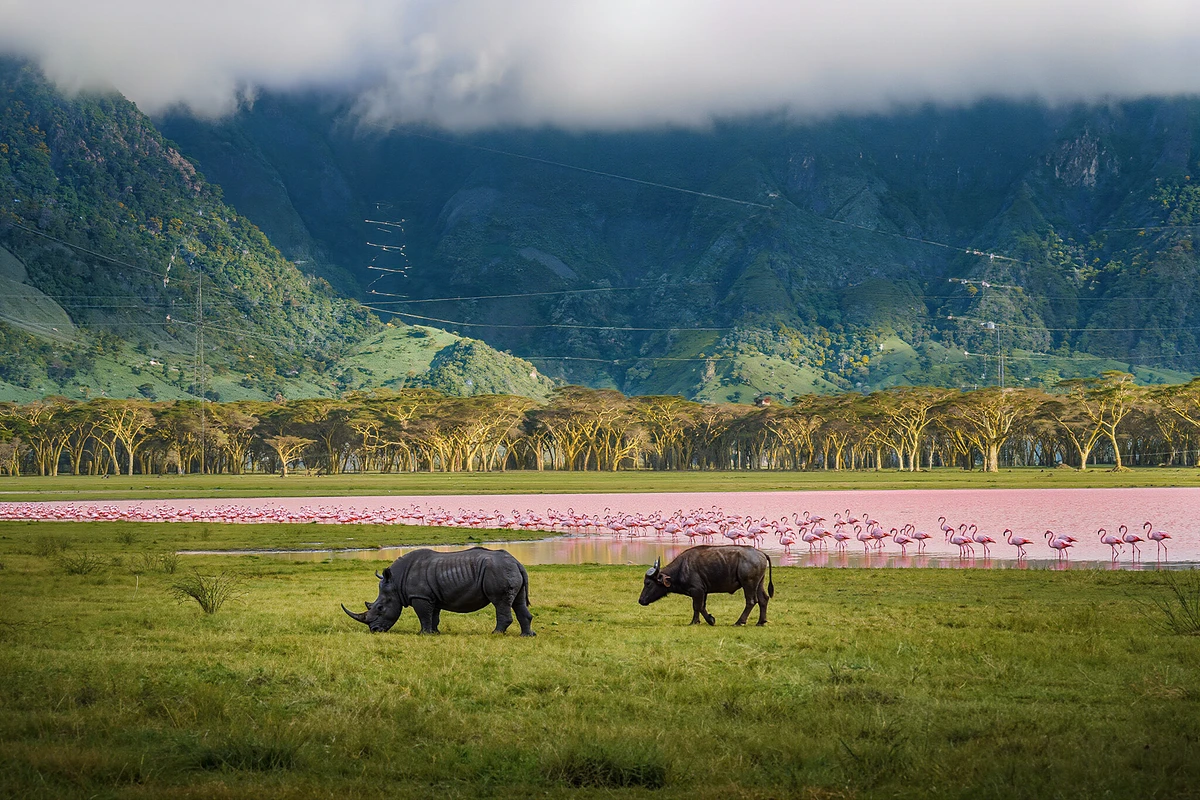
The Ngorongoro Crater is a collapsed volcano about 19 kilometres across, with a 260-square-kilometre floor some 600 metres below the rim. It sits inside the Ngorongoro Conservation Area, a UNESCO World Heritage Site since 1979 where Maasai herders share the land with wildlife. On day four you descend the rim road early for a game drive across open grassland, the Lerai forest, the Gorigor swamp and the shores of Lake Magadi, where flamingos gather in season.
The crater holds a dense, resident population: lions, elephants, buffalo, hyenas, hippos and one of Tanzania's few remaining groups of black rhino, so it is one of the best places on the continent to complete the Big Five. Vehicles may stay about six hours on the floor; after a picnic lunch you climb out and drive about three and a half hours back to Arusha, arriving in the afternoon. Is the Ngorongoro Crater worth visiting at the end of a safari? For most guests it is the grand finale.
Camping on safari: tents, campsites and meals
This is a camping safari, so you sleep in dome tents with sleeping mattresses at campsites near Tarangire, inside the Serengeti and near the crater rim. The campsites have shared toilets and showers, and the safari chef cooks breakfast, lunch (often a packed lunch on game-drive days) and a hot dinner, with mineral water throughout. Halal, vegetarian and other dietary needs are arranged if you tell us at booking. The group is limited to seven travellers, so the vehicle is never crowded.
Nights near the crater rim can fall to about 5°C, so a warm jumper, socks and a jacket are essential; luggage is limited to about 10 kg per person in a soft bag, and your Arusha hotel can store the rest. Safari camping is simple but memorable: the sounds of hyenas and lions at night, a sky full of stars and a hot breakfast before dawn.
Arusha, the gateway and the road between the parks
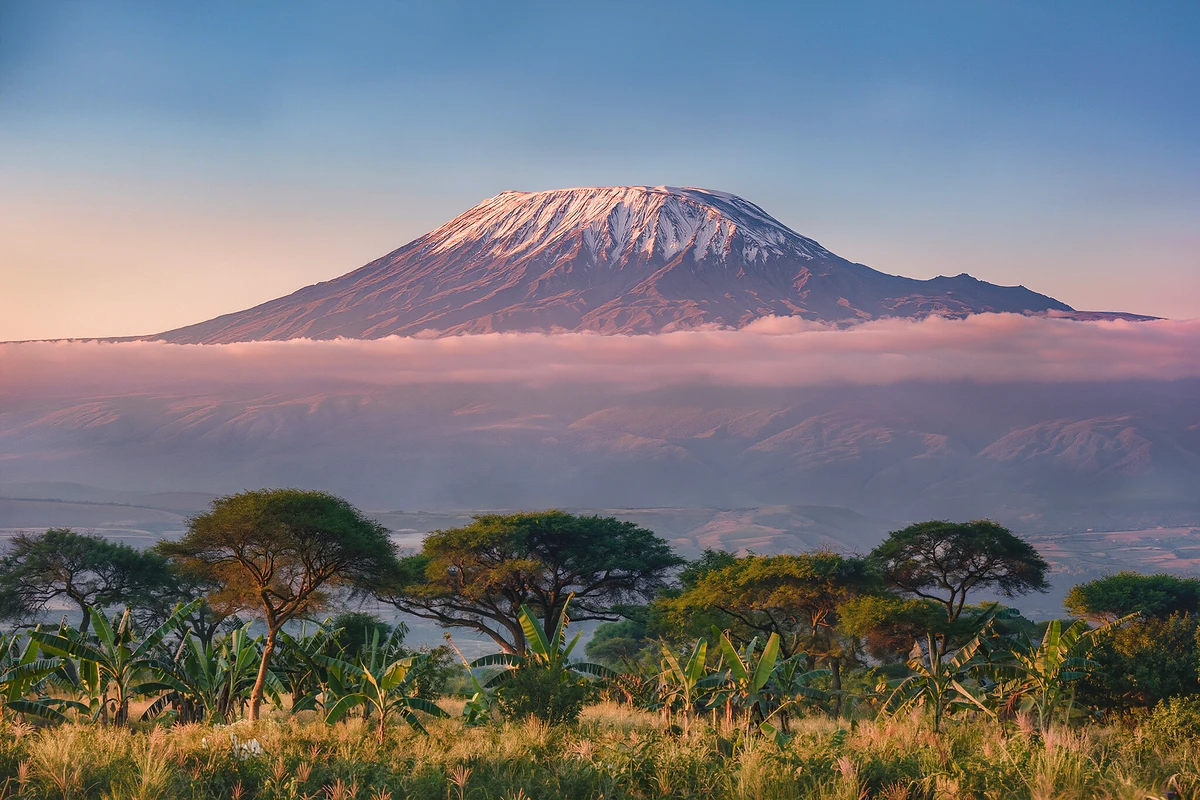
Arusha is the starting point of the northern safari circuit and sits between Mount Meru and the plains, about 50 kilometres from Kilimanjaro International Airport. We pick you up from your hotel at about 07:00 on day one and you are back in town on the afternoon of day four, which leaves time for an evening flight or a transfer to Zanzibar the next day. If you arrive the night before, tell us your hotel and we will confirm it is within the pickup area.
The road network between the parks is part of the experience: tarmac to Karatu, then rough park roads where the pop-up roof stays open. Distances are long, roughly 330 kilometres from Arusha to the central Serengeti, so the days include several hours of driving, broken by game viewing. Guests often ask how to get from Arusha to the Serengeti; on this safari the journey is simply the first two days of wildlife watching.
Itinerary
- Day 1: Arusha to Tarangire National ParkPickup at about 07:00 from your hotel in Arusha, drive about two and a half hours to Tarangire, morning game drive among elephants and baobabs, picnic lunch, afternoon game drive and night at camp.
- Day 2: Tarangire to the SerengetiAfter breakfast drive through the Ngorongoro highlands with a stop at the crater viewpoint, enter the Serengeti via Naabi Hill and enjoy an afternoon game drive before camp in the central Serengeti.
- Day 3: Serengeti to NgorongoroSunrise game drive across the plains, return to camp for lunch, then drive to the campsite near the crater rim for the evening.
- Day 4: Ngorongoro Crater and return to ArushaEarly descent into the crater for about five to six hours of game viewing with a picnic lunch, then the drive back to Arusha, arriving in the afternoon.
What's included
- Pickup and drop-off at hotels in Arusha
- 4x4 safari vehicle
- Professional English-speaking guide
- All park entrance fees
- Camping accommodation and all meals during the safari
- Mineral water throughout
- Game drives in Tarangire, the Serengeti and the Ngorongoro Crater
Not included
- Visa
- International and domestic flights
- Tips for the guide, driver and chef
- Travel insurance
Not suitable for
- People with back problems
- Wheelchair users
- Babies under one year
- People aged 95 and above
Meeting point
We pick you up at your hotel in Arusha on day one, up to an hour before the 07:00 start; our representative waits at the reception with a sign bearing your name. Two pickup points in town are offered at checkout and we confirm which suits your hotel on WhatsApp. Drop-off on day four is at the same place in the afternoon.
Important information
- Luggage limit about 10 kg per person in a soft duffel bag; store the rest at your Arusha hotel
- Pack neutral colours (beige, khaki, green); bright colours are not allowed in the parks
- Bring a warm jumper, socks and a jacket; nights near the crater can drop to about 5°C
- Mosquito repellent, sun cream, a hat, sunglasses, a torch and a power bank
- Binoculars improve every game drive; the guide has one pair to share in the vehicle
- Feeding or touching animals is strictly forbidden
- Wildlife sightings are never guaranteed
- Visa, flights, travel insurance and tips for the guide and chef are not included
- Tell us about dietary needs (halal, vegetarian, allergies) when booking
Good to know
Frequently Asked Questions
Straight answers to what travellers ask us most, before they book.
Is this a shared or a private tour?
It is a shared small-group camping safari of up to seven travellers in one 4x4 vehicle. If you prefer a private vehicle and guide for your own party, message our team on WhatsApp and we will arrange a private version.
Can we change the itinerary or the pace?
On a group departure the route and overnight stops are fixed, but the guide adapts each game drive to the sightings. Private safaris can be tailored freely.
How many people are in the vehicle?
At most seven travellers plus the guide, so everyone has a window seat and space under the pop-up roof.
Is the price per person or per group?
Per person, with a child rate for ages 13 and under. The booking panel on this page shows the current price.
Is hotel pickup included?
Yes, pickup and drop-off at hotels in Arusha are included; two pickup points in town are offered at checkout.
What is included?
4x4 safari vehicle transport, a professional English-speaking guide, all park entrance fees, camping accommodation and all meals during the safari and mineral water. Visa, flights, insurance and tips are not included.
How long is the safari?
Four days and three nights, leaving Arusha at about 07:00 on day one and returning on the afternoon of day four.
Where do we sleep and what are the facilities like?
In dome tents with sleeping mattresses at campsites near each park, with shared toilets and showers. It is simple, clean and close to nature; bring a sleeping bag or ask us if one can be provided.
Is it suitable for children and people with reduced mobility?
Children from about six years who enjoy long drives do well; babies under one year cannot join. The safari is not suitable for wheelchair users or people with back problems because of the rough roads.
What should I bring?
A soft bag of about 10 kg with neutral clothes, a warm layer, closed shoes, sun protection, insect repellent, a torch, a power bank, binoculars and a camera.
When is the best time for this 4-day safari?
June to October is the dry season with the biggest elephant herds in Tarangire and easy game viewing everywhere; December to March brings the wildebeest calving season to the southern Serengeti. The crater is good all year.
How do I book and confirm?
Choose your departure date in the booking panel and send the request; our team confirms on WhatsApp within minutes and asks for your hotel and any dietary needs.
You might also like
Tours
View all
Airport Transfers
View allExplore more in Arusha
More tours in Arusha
See all tours in Arusha 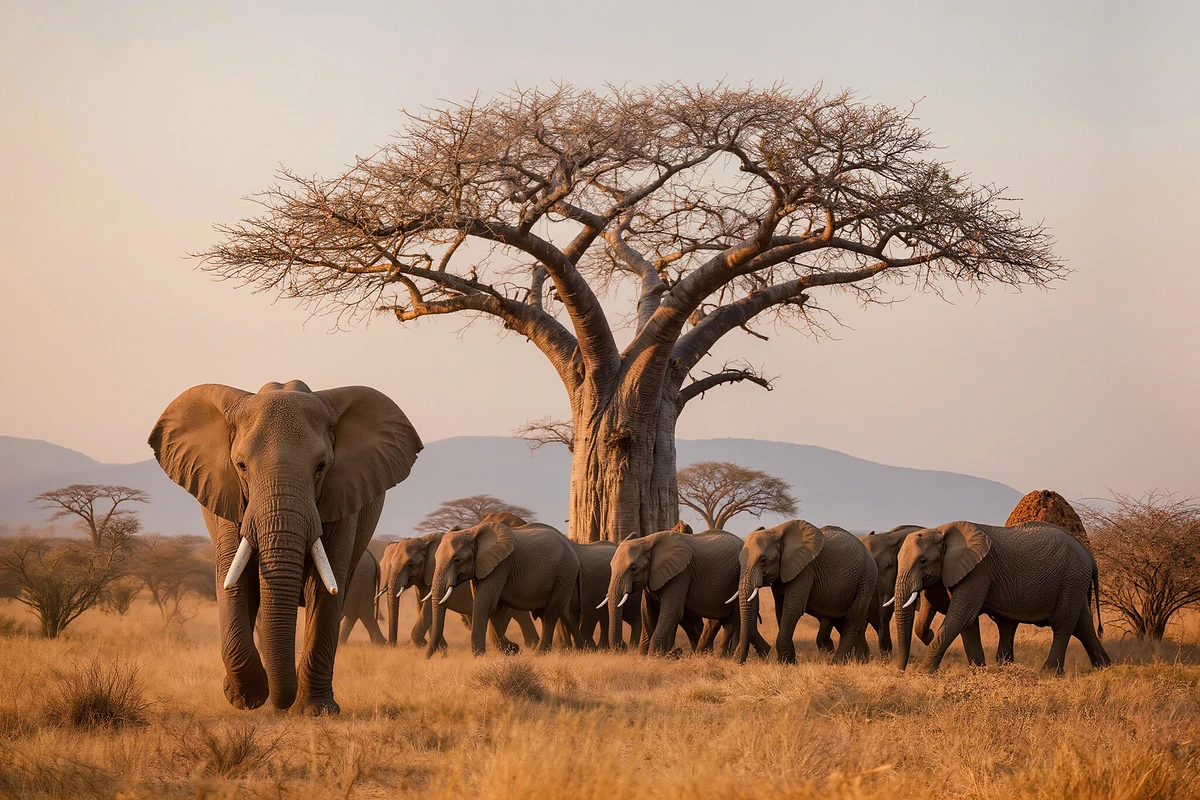
Other things to do in Arusha


More tours across Tanzania
-

-
-
-
-
-