Private Traboules Guided Walking Tour in Old Lyon
- Duration3 hours
- Daily
- Private
Some images are AI-generated for illustration. While we confirm your booking, just ask and we will send you the original photos.
- Fair, honest prices
- Real people, not bots
- Confirm, then pay
- Secure payment

Overview
This traboules Lyon tour is a private three-hour walk through Vieux Lyon for your group only, up to ten people, led by an English-speaking guide who has lived here for over twenty-five years. From the old fountain on the cathedral square you move through the largest Renaissance district in France by way of its traboules, the hidden corridors, courtyards and stairwells that link one street to the next behind closed doors, concentrating on the lesser-known passageways. The guide tells the story of the silk trade that built these houses and of the Resistance meetings held here during the Second World War. It suits travellers who want depth and a guide to themselves; stairs make it unsuitable for children under ten and wheelchair users. There is no hotel pickup.
Highlights
- Private walking tour of Vieux Lyon for your group only, up to ten people
- Three hours with a local English-speaking guide who has lived in the district for over twenty-five years
- Lesser-known traboules: hidden corridors, inner courtyards and stairwells open to the public
- The Renaissance merchants' houses of rue Saint-Jean, rue du Bœuf and rue Juiverie
- Stories of the silk trade that shaped the passageways
- The Resistance meetings held in the traboules during the Second World War
- Flexible pace, your own questions and no other group to wait for
- Start at the old fountain on the cathedral square, in the heart of the UNESCO-listed old town
Full Description
Place Saint-Jean and the cathedral square
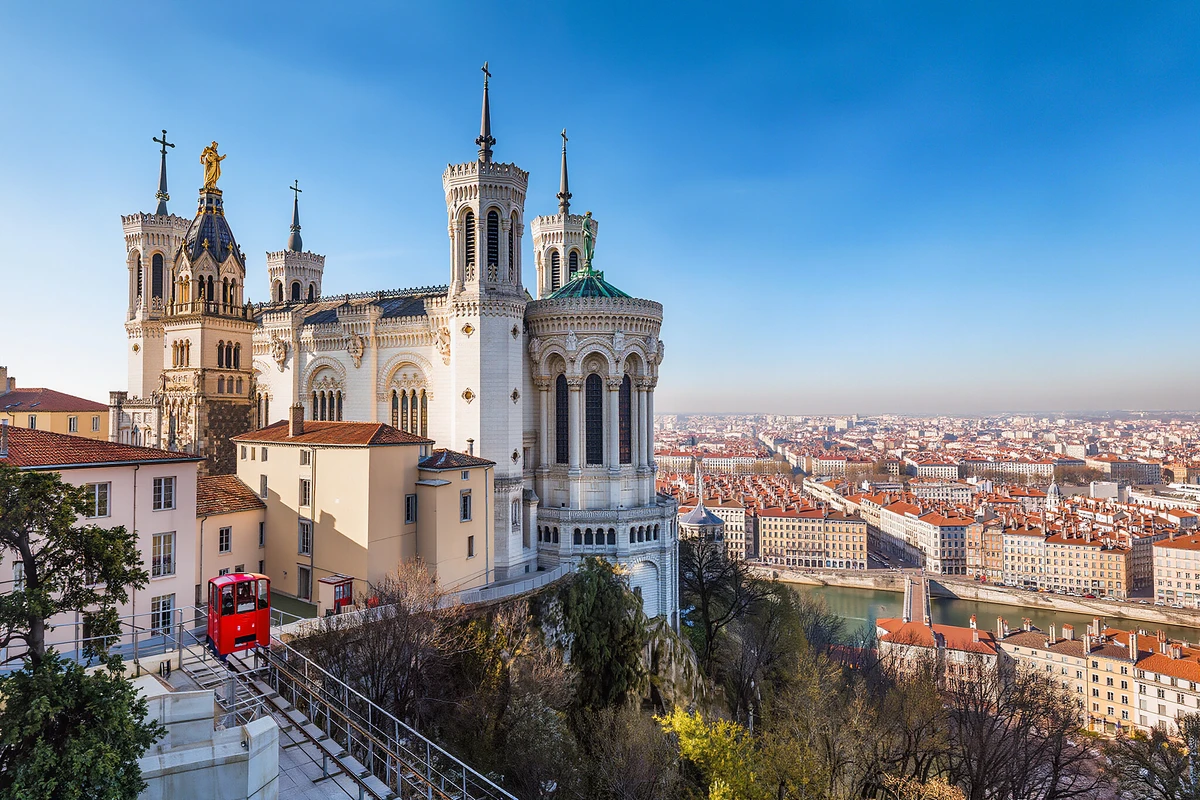
The tour begins at the old fountain in the middle of Place Saint-Jean, the square in front of the Cathedral of Saint-Jean-Baptiste, which was built between the 12th and 15th centuries and holds a 14th-century astronomical clock that still performs several times a day. The square is the hinge of Vieux Lyon: north of it lies the Saint-Jean quarter of merchants and bankers, beyond that Saint-Paul, and south of it Saint-Georges, the quarter of the first silk weavers. The hill of Fourvière rises directly behind, which explains why the streets here run parallel to the river and why the traboules were needed to cross between them.
Our guide uses the first fifteen minutes here to explain what a traboule is, how to recognise the doors that hide one, and the etiquette of passing through buildings where people still live. From this moment the walk is yours: a private tour means the route and pace adjust to your interests.
Rue Saint-Jean and the Renaissance houses
Rue Saint-Jean is the spine of the old town, a long cobbled street of 15th- and 16th-century houses in the pink and ochre stone of the region, built by Italian bankers and merchants who made Lyon the great trade fair city of the Renaissance. Behind the shopfronts the houses keep their galleried courtyards, mullioned windows and octagonal staircase towers, and many of them hide a traboule leading through to rue du Bœuf on the hill side. Vieux Lyon was listed by UNESCO in 1998 precisely because so much of this fabric survived intact.
The guide walks the street for around thirty minutes, opening doors that most visitors pass without noticing, and explains how a Vieux Lyon traboules guided tour differs from the one or two famous passages everyone photographs: dozens of these corridors are open to the public during the day under an agreement between the city and the owners, and the quieter ones are where the architecture is best preserved.
Rue du Bœuf and the lesser-known traboules
Rue du Bœuf, one street up the slope, is narrower, quieter and richer in detail: carved signs above doorways, the famous Rose Tower in its courtyard, and entrances that lead into chains of courtyards, vaulted corridors and spiral stairs climbing four or five floors. This is the heart of the tour, where the guide takes you into the lesser-known traboules and the inner courtyards that give the best idea of how a Renaissance house functioned, with workshops below, living quarters above and the staircase tower serving every floor.
Expect about an hour in this part of the district, moving slowly, with stops to look up at the galleries and to hear the stories of the families who lived here. The passages are narrow and some involve steep stairs, which is why the walk is private and small: a group of ten can pass through quietly without disturbing the residents, and silence inside the courtyards is part of the deal.
The silk trade and the weavers of Lyon
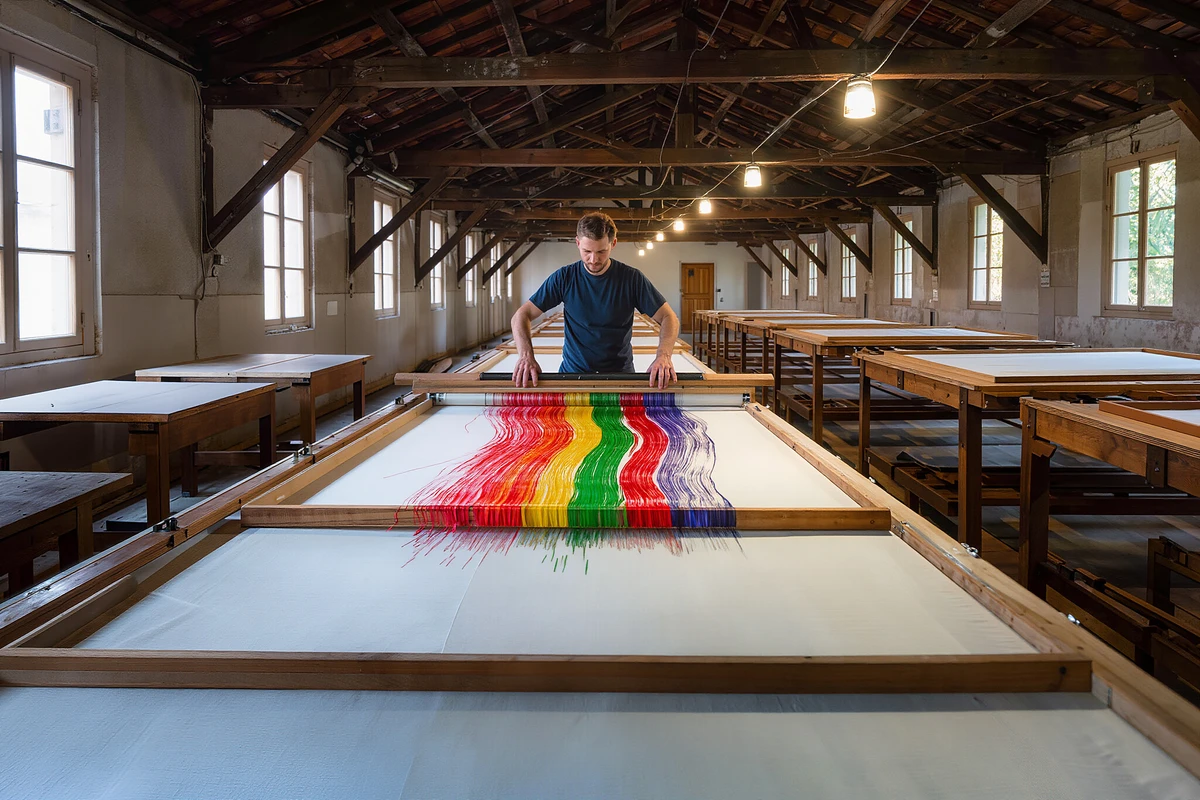
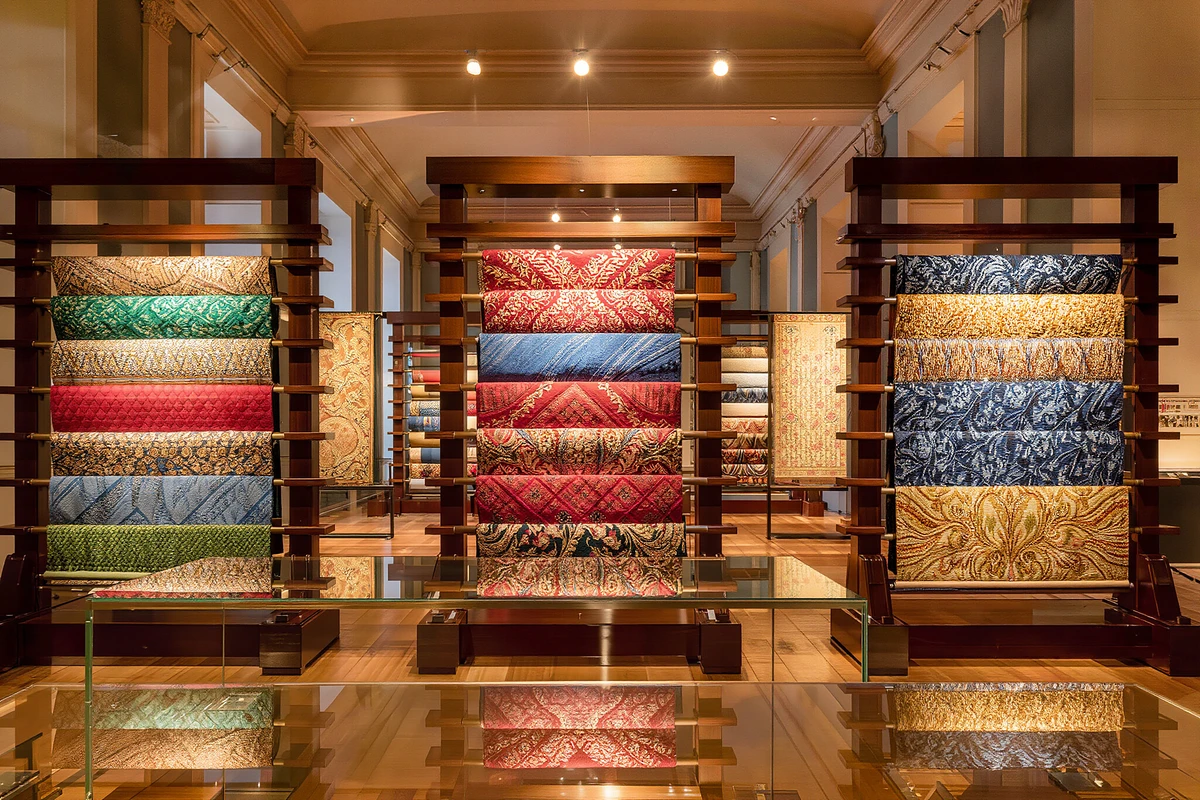
Lyon became the silk capital of Europe in the 16th century, when the king granted the city a monopoly on silk imports and the first weavers settled in Saint-Georges, at the southern end of Vieux Lyon. The traboules were their logistics network: bolts of cloth could be carried from the workshops to the riverbank or to the merchants' houses by the shortest route and under cover, protected from rain. Later the industry moved across the river to the Croix-Rousse hill, where the weavers known as canuts built taller houses for the new looms, but the habit of cutting through buildings stayed.
The guide ties this history to the stones in front of you, from the merchants' coats of arms to the hooks and pulleys still visible in some courtyards, over about twenty-five minutes spread along the route. It is the context that makes a traboules Vieux Lyon walk more than a sequence of pretty courtyards.
The Resistance and the hidden city
During the Second World War Lyon was the capital of the French Resistance, and the traboules became its escape routes and meeting places: a courier could enter a building on one street and leave on another, out of sight of patrols, and the passages were used for clandestine meetings and the distribution of underground newspapers. Some of the courtyards you pass through on this tour were used in exactly that way, and the guide, who grew up with the stories, shows you where and how.
The final half hour of the tour brings these threads together as you come back towards the cathedral square, with time for your own questions and for the guide's recommendations for the rest of your day in the old town. Allow about three hours in total, and keep a free afternoon or morning on either side: things to do in Lyon after the walk include the Fourvière hill above you and the museums across the river.
Itinerary
- Meeting at the old fountain on Place Saint-JeanMeet your private guide in front of the fountain in the middle of the cathedral square a few minutes before the 09:30 or 13:30 start; about fifteen minutes of introduction.
- Rue Saint-JeanAround thirty minutes along the main street of Vieux Lyon and its first hidden passageways.
- Rue du Bœuf and the inner courtyardsAbout an hour in the lesser-known traboules, courtyards and stairwells of the Renaissance district.
- Silk trade storiesRoughly twenty-five minutes spread along the route on the weavers and merchants who built the passages.
- The Resistance in the traboulesAbout thirty minutes on the wartime use of the passages, returning towards the cathedral square.
- Finish in Vieux LyonThe walk ends near the starting point after about three hours, with tips for the rest of your day.
What's included
- Private walking tour for your group only
- English-speaking local guide
- Lesser-known traboules, inner courtyards and stairwells of Vieux Lyon
- Stories of Lyon's history from the Renaissance silk trade to the Second World War
Not included
- Food and drinks
- Hotel pickup and drop-off
- Tips
Is this right for you?
Great for
- Families with children — a child price for ages 10–11
- Couples, families and friends who want a private tour, just your group
- First-time visitors who want the highlights
- A half-day plan — about 3 hours
Think twice if
- Walking is difficult for you — expect active parts
Not suitable for
- Children under 10 years
- People with mobility impairments
- Wheelchair users
Meeting point
Meet your private guide in front of the old fountain in the middle of the cathedral square, Place Saint-Jean, in Vieux Lyon, a few minutes before the 09:30 or 13:30 start. The square is two minutes from the Vieux Lyon-Cathédrale Saint-Jean metro station on line D. There is no hotel pickup, and the walk ends in the same district.
Important information
- Wear comfortable shoes with good grip; the traboules involve cobblestones and steep stone stairs
- Keep quiet inside the passages and courtyards: they belong to inhabited buildings, and noise is not allowed
- Strollers are hard to manage inside the traboules because of the stairs; the tour is not suitable for children under ten
- The walk is not suitable for wheelchair users or anyone with mobility difficulties
- No entrance tickets are needed; the traboules visited are passageways open to the public
- The tour runs in all weather and the passages offer shelter from rain; bring a jacket in the cooler months
- Photography is welcome, but please avoid photographing residents or their windows
- The tour is in English; a French-language guide can be requested when booking
Good to know
Frequently Asked Questions
Straight answers to what travellers ask us most, before they book.
Is this a shared or a private experience?
It is private: the guide walks only with your group, up to ten people, so the pace and the questions are yours.
How long does the traboules tour take?
About three hours on foot within Vieux Lyon, starting and finishing near the cathedral square.
Is hotel pickup included?
No. You meet the guide at the old fountain on Place Saint-Jean, next to the Vieux Lyon metro station, which is easy to reach from any hotel in the city.
What is included?
A private three-hour walking tour with a local English-speaking guide, visits to lesser-known traboules, inner courtyards and stairwells open to the public, and the history of Lyon from the silk trade to the Second World War. Food, drinks and museum entries are not included.
Is the price per person or per group?
The tour is private, so the booking panel on this page shows the current price for your group size; select the number of participants to see it.
What exactly is a traboule?
A passage that cuts through a building or a chain of courtyards from one street to the next; Vieux Lyon has dozens, built in the Renaissance so that merchants and weavers could move goods quickly and under cover.
Which traboules do we visit?
The guide avoids the crowded famous ones and chooses lesser-known passages and courtyards that are open to the public on the day, adapting the route to your group.
Is it suitable for children or for people with reduced mobility?
Children from ten upwards who can climb stairs and stay quiet enjoy it; it is not suitable for younger children, strollers, wheelchair users or anyone with mobility difficulties.
What should I bring?
Comfortable shoes, water, a camera and a light jacket; nothing else is needed, as no tickets are required.
When is the best time to visit the traboules?
Mornings are quietest and the courtyards are open from early in the day; the 09:30 departure avoids the lunchtime crowds on rue Saint-Jean. The tour runs year-round.
Can I combine this with a visit to Fourvière?
Yes; the funicular to the basilica and the Roman theatres leaves from the metro station beside the meeting point, so an afternoon on the hill follows the morning tour naturally.
How do I book and confirm?
Choose your date, start time and number of participants in the booking panel on this page; our team confirms your private booking on WhatsApp within minutes.
More in Lyon



Popular across France
-
-
-
-
-

-