Istanbul City Tour
Overview
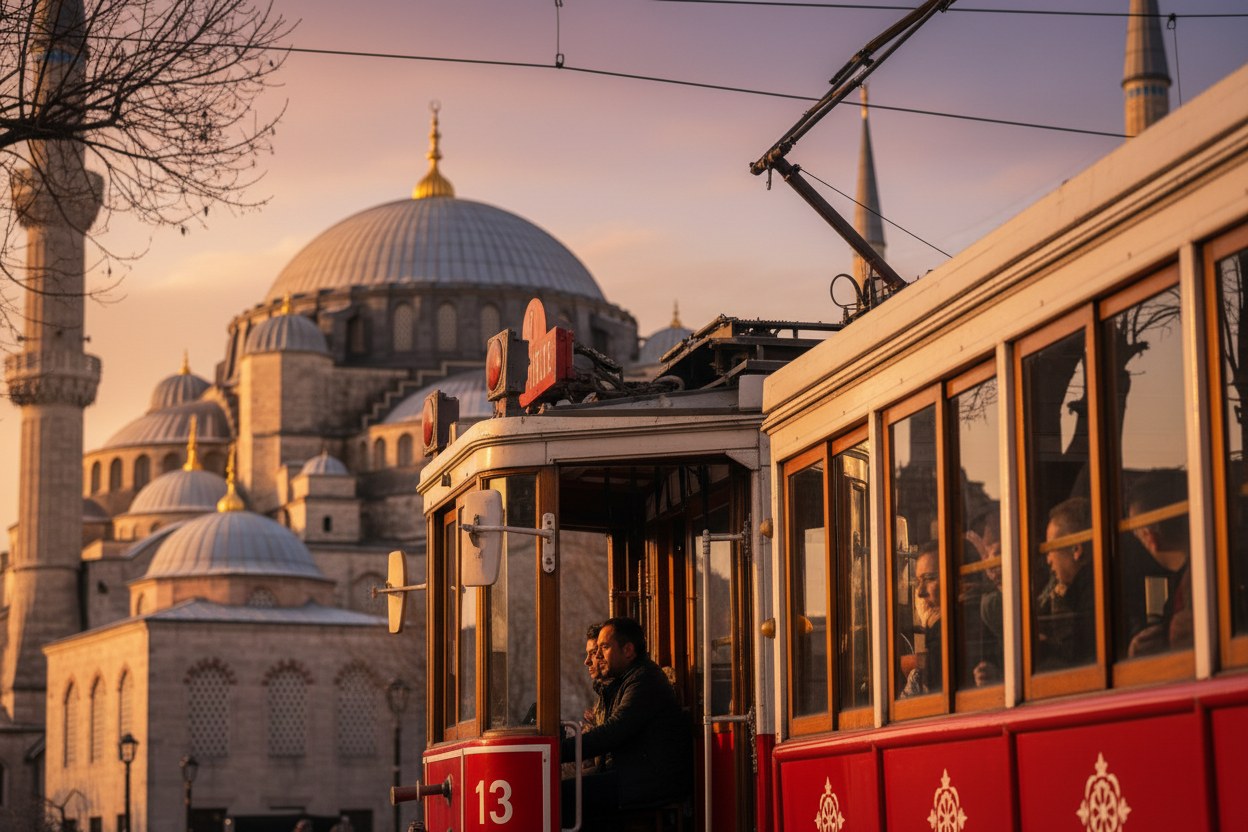
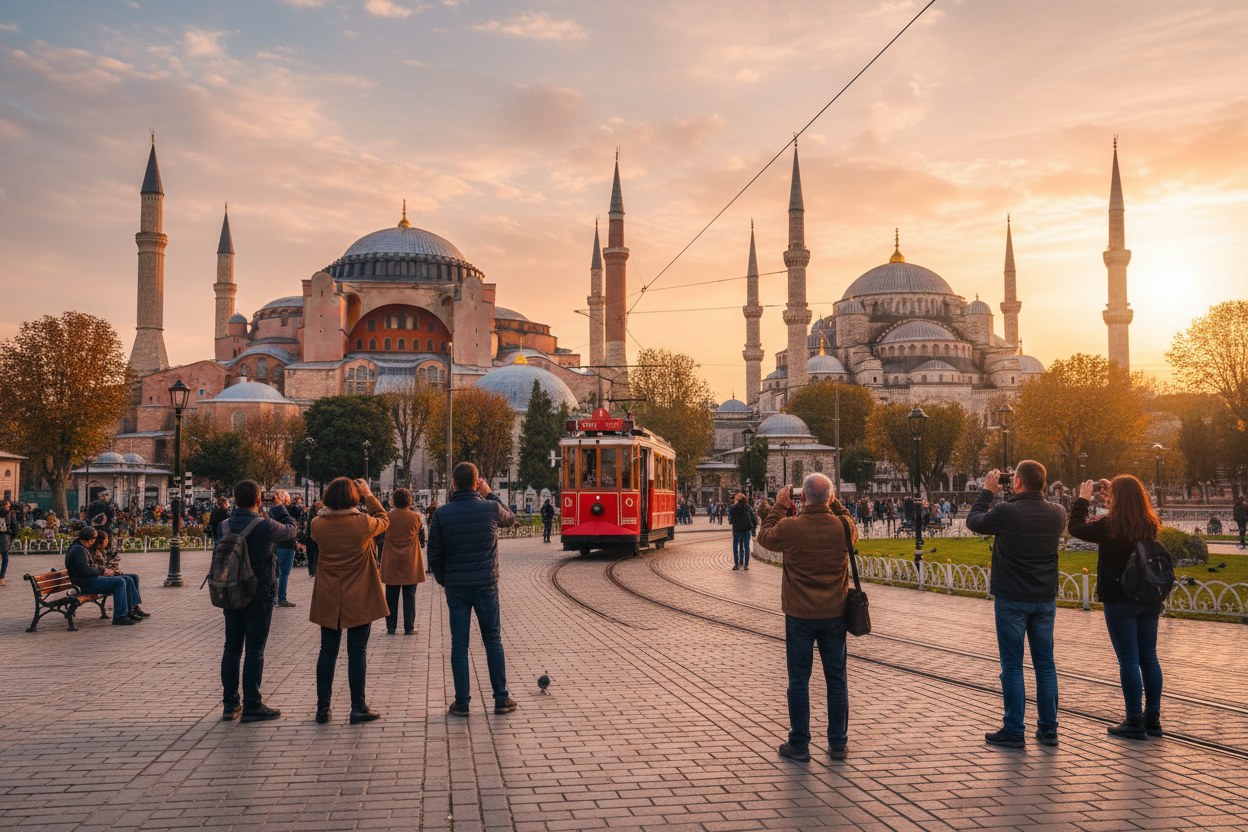
The Istanbul City Tour is the classic introduction to Sultanahmet, the historic heart of the city, bringing together its best known monuments in a single guided day. Travelling as part of a shared group with a Haqqi Tours guide, visitors walk between the Blue Mosque, Hagia Sophia, the Hippodrome and the courtyards of Topkapi Palace, before continuing to the covered lanes of the Grand Bazaar. It suits first-time visitors who want to understand Istanbul's Byzantine and Ottoman layers in context, with a guide explaining what each building meant to the city that built it. The route is planned around walking distances within the old city, and the day's stops are agreed with the desk before booking, so the group knows exactly what the tour covers.
Highlights
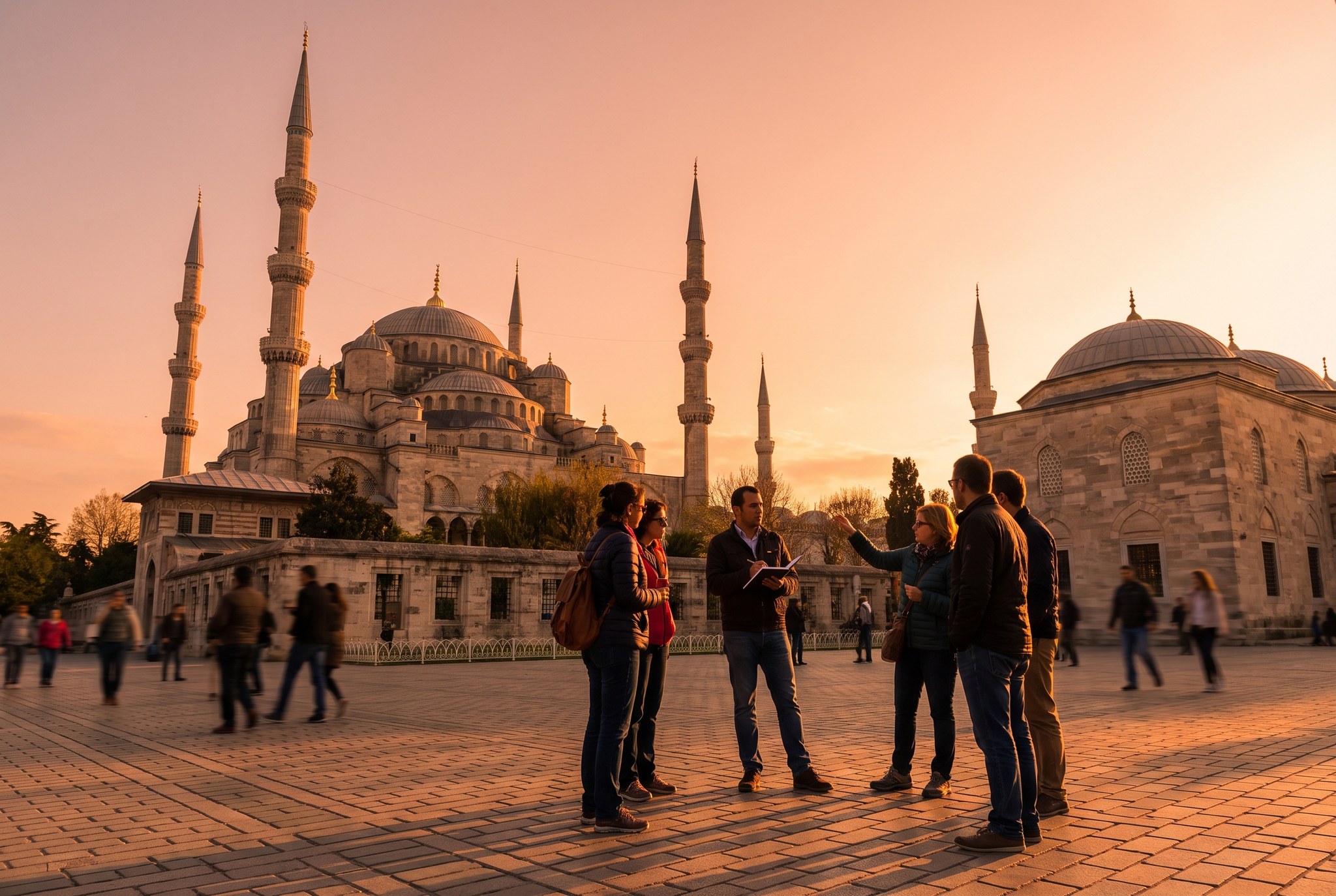
- Enter the Blue Mosque courtyard and admire its six minarets
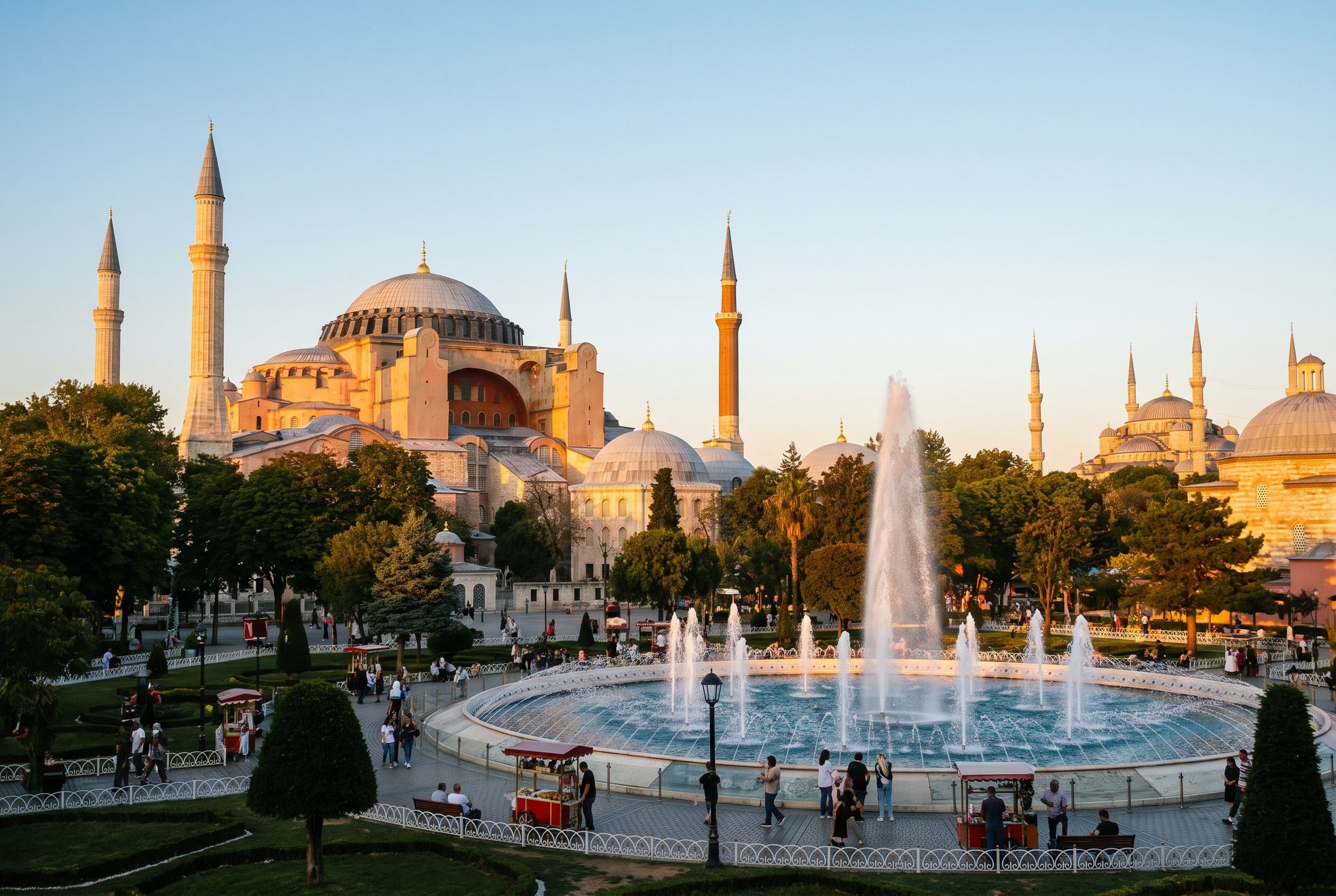
- See the domed interior of Hagia Sophia
- Walk the ancient Hippodrome and its obelisks
- Pass the outer courtyards of Topkapi Palace
- Browse the covered lanes of the Grand Bazaar
- Guide explains Byzantine and Ottoman history throughout
- Walking tour led by a group guide
- Group transfer between old city sites
Full Description
The Heart of Historic Istanbul
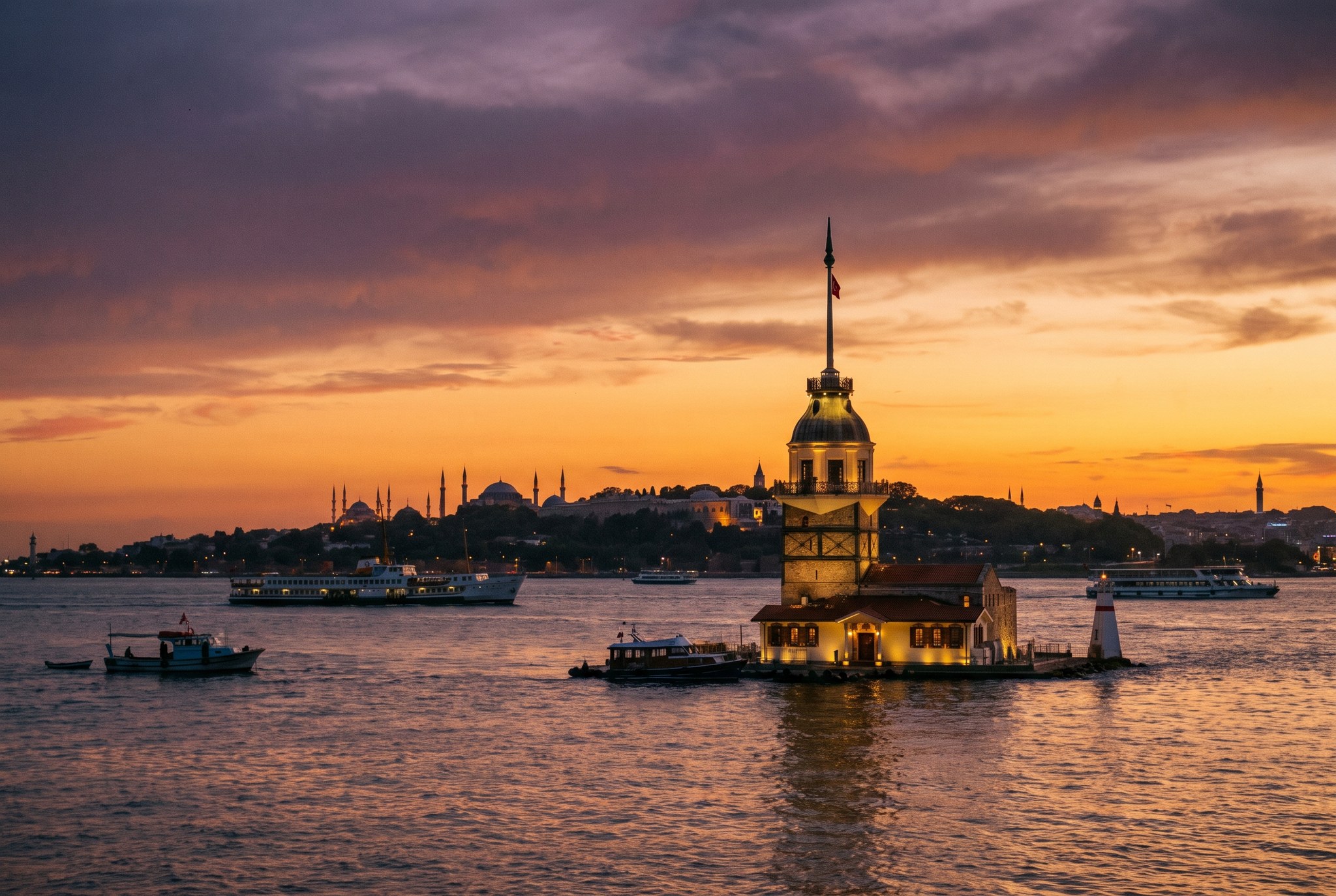
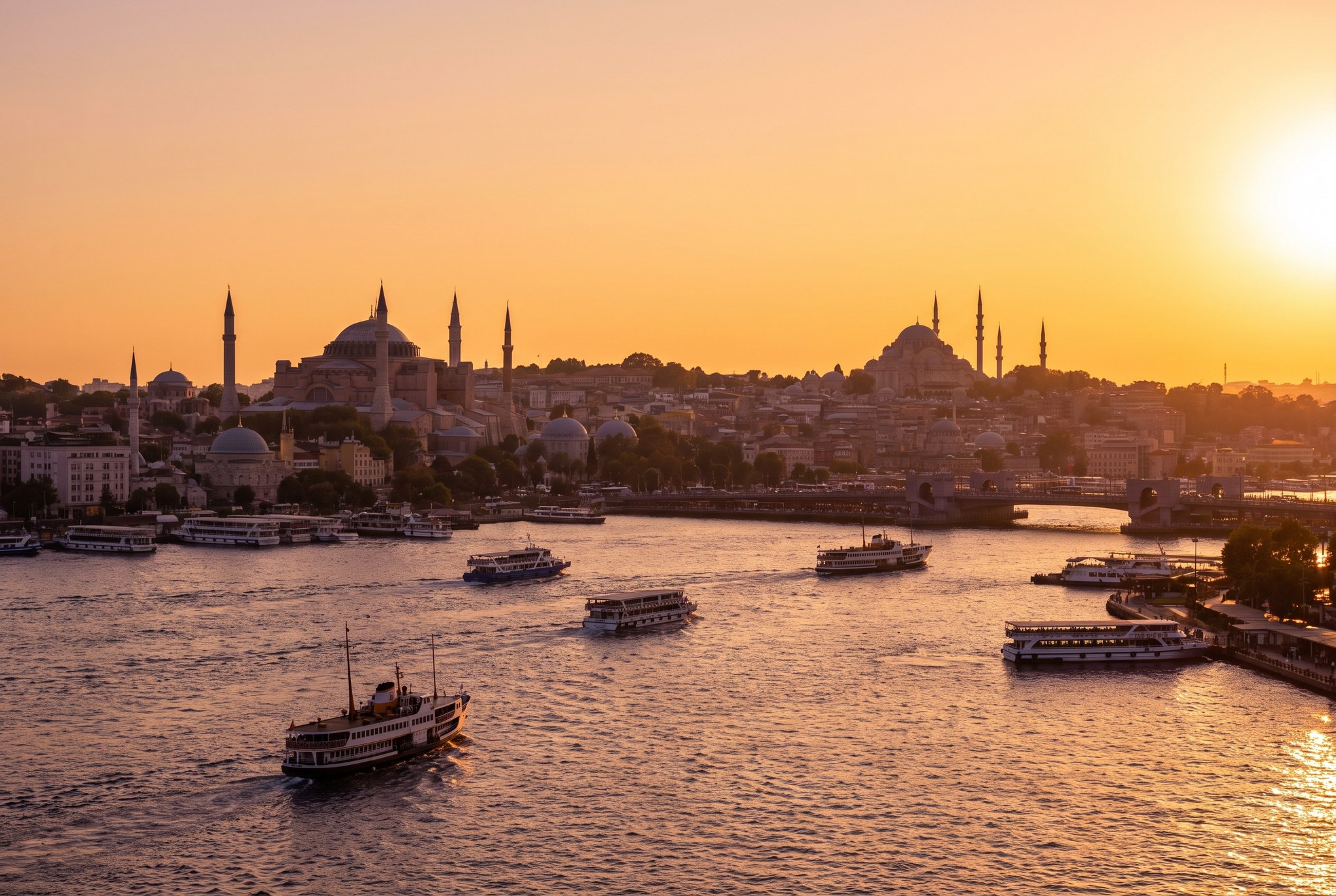
The Istanbul City Tour focuses entirely on Sultanahmet, the peninsula where the Byzantine and Ottoman empires each built their most important monuments within walking distance of one another. Rather than covering the whole city, this tour goes into depth on the handful of sites that define Istanbul's historic identity, from imperial mosques to a former palace and an ancient chariot racing ground. A Haqqi Tours guide leads the group on foot between these sites, explaining the history behind each one rather than simply pointing them out from a distance. It is the tour most visitors picture when they imagine a first day in Istanbul.
The Blue Mosque and Its Six Minarets
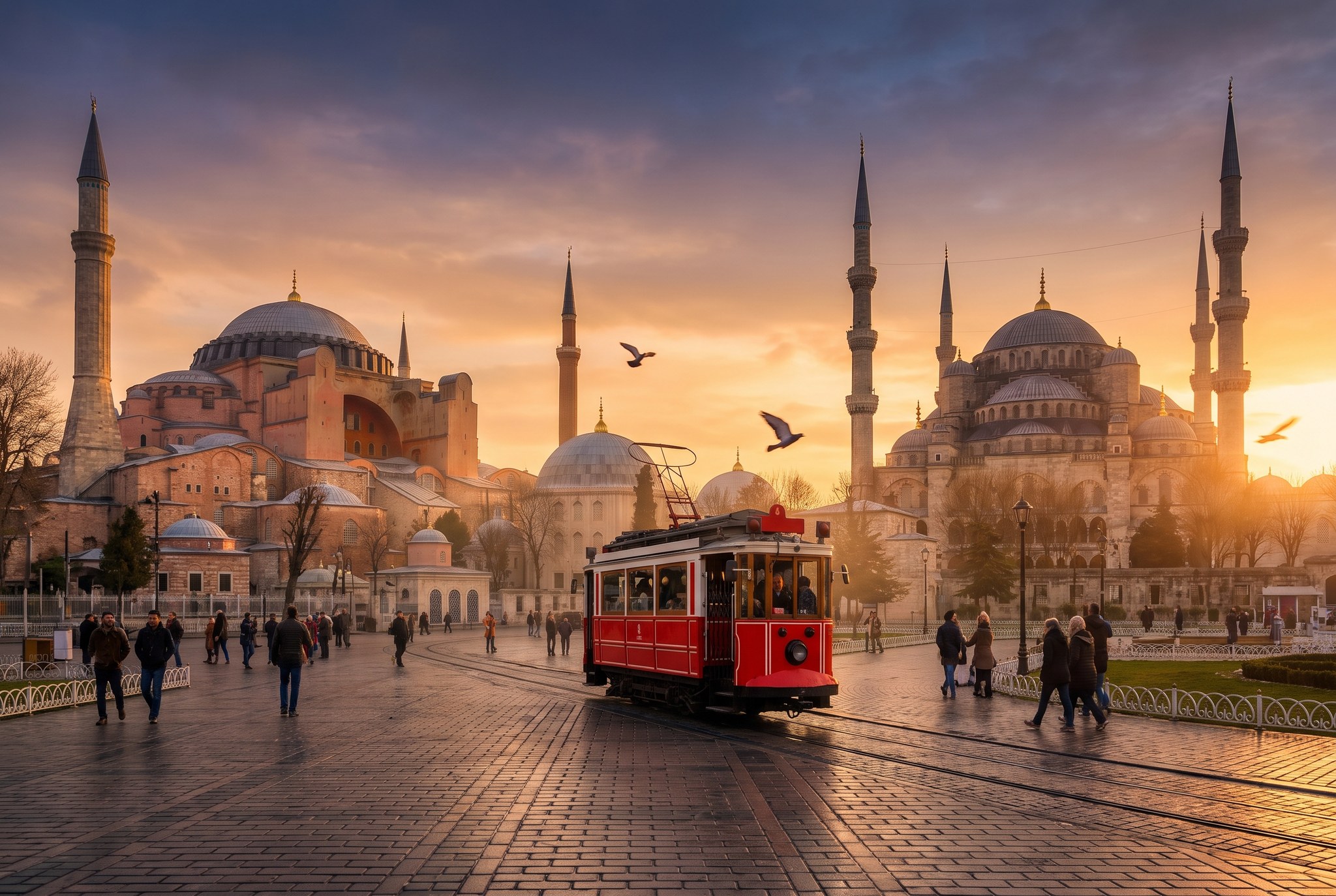
The day usually opens at the Blue Mosque, recognisable for its six minarets and the cascading domes that dominate the Sultanahmet skyline. Guests enter the mosque courtyard as part of the group, with the guide explaining the building's Ottoman architecture and its continued use as a place of worship today. Modest dress is required inside, and the guide advises the group on what this means in practice before entering. The visit gives a first sense of the scale and detail that define the religious architecture the old city is known for.
Hagia Sophia, Byzantium's Great Church
Across the square stands Hagia Sophia, built as a Byzantine cathedral, later converted into a mosque, and now one of the most recognisable buildings in the world for the sheer size of its central dome. The guide explains how the building has changed use and appearance over close to fifteen centuries, pointing out features from each period of its history inside the main hall. Seeing Hagia Sophia and the Blue Mosque within minutes of each other, facing one another across the same square, is one of the moments that best sums up Istanbul's layered past.
The Hippodrome and Its Ancient Monuments
Between the two great buildings runs the Hippodrome, once the site of chariot races and public life in Byzantine Constantinople, now an open square lined with ancient monuments including obelisks brought from Egypt. The guide walks the group along its length, explaining what the space was originally used for and how little of the original structure survives above ground today. It is a quieter stretch of the tour, giving context to the grandeur of the buildings on either side before the group continues toward the palace. Guests can also see the bronze Serpentine Column and the ornate German Fountain standing toward either end of the square, two very different additions to the same open space.
Topkapi Palace and the Ottoman Court
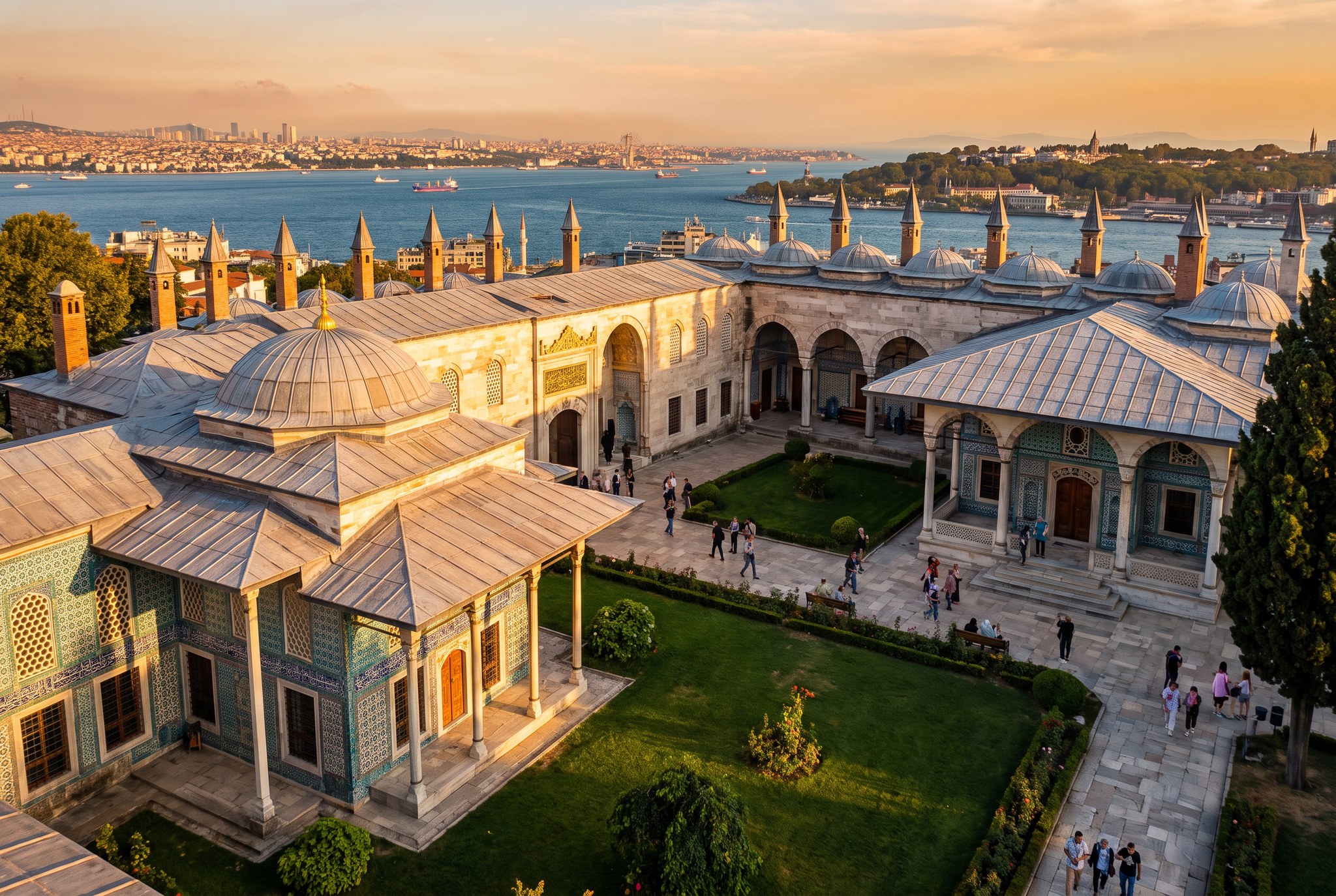
The tour continues to Topkapi Palace, the residence from which Ottoman sultans ruled the empire for centuries before the court moved to Dolmabahçe on the Bosphorus. Guests walk through the palace's outer courtyards, taking in the scale of the complex and its views over the water where the Bosphorus, the Golden Horn and the Sea of Marmara all meet. The guide explains how the palace functioned as both a royal residence and the administrative centre of the empire, giving structure to a site that can otherwise feel like a maze of courtyards and gates.
The Grand Bazaar's Covered Lanes
From the palace, the group makes its way to the Grand Bazaar, one of the oldest and largest covered markets in the world, with lanes of shops selling everything from textiles to jewellery under a series of vaulted stone ceilings. The guide leads the group through the main routes, pointing out the bazaar's layout and history, with time built in for guests to browse or shop independently before regrouping. It is a livelier, more commercial contrast to the mosques and monuments seen earlier in the day. Traders here have worked the same lines of business for generations, and the mix of carpets, ceramics, spices and metalwork reflects Istanbul's long history as a trading crossroads between continents.
Who This Walking Tour Suits
This tour suits first-time visitors to Istanbul who want to understand the historic old city properly rather than see it in passing, as well as travellers with a genuine interest in Byzantine and Ottoman history. Because the sites are close together and connected mostly on foot, it works well for groups who are comfortable walking for a full day rather than staying in a vehicle. Families with older children often find the mix of grand buildings, market shopping and open squares easy to follow, while history-minded travellers appreciate the depth the guide brings to each stop.
How the Day Is Organised
Guests are collected from their hotel and join the rest of the group before walking between the Sultanahmet sites in the order that makes the most sense for opening times and crowd levels on the day. Because several of the stops are religious sites still in active use, the guide adjusts the order or pace if prayer times or particularly large crowds affect a specific building. The Haqqi Tours desk confirms the meeting arrangements in advance and can answer any questions about the day by WhatsApp, including requests to spend longer at a particular site.
What to Wear for the Old City
Modest clothing is required to enter the Blue Mosque, meaning covered shoulders and knees for all guests, and a headscarf for women, which the tour can provide if needed. Comfortable walking shoes matter more here than on some other tours, since the day involves a reasonable amount of walking between sites and standing while the guide explains each location. Shoes come off before entering the mosque, so shoes that slip on and off easily are worth choosing over ones with complicated laces. A small bag for carrying shoes briefly inside the mosque can also be useful, along with sun protection for the open stretches around the Hippodrome between stops.
Booking the Istanbul City Tour
Booking the Istanbul City Tour with Haqqi Tours means the order of stops, the guide and the group size are confirmed before the day begins, so there is no uncertainty about what the tour will cover. For this particular walk through Sultanahmet, the WhatsApp desk can talk through pacing for a family with young children or a larger party, and point toward other Istanbul tours worth adding to the same visit. As a licensed Turkish operator, Haqqi Tours runs this route regularly and knows how to manage the old city's busiest sites without losing the group's pace.
Good to know
- Wear slip-on shoes since footwear comes off before entering the Blue Mosque.
- Bring a scarf for covering shoulders or hair if you are not already dressed modestly.
- Start the day early to see Hagia Sophia and the Blue Mosque before the largest crowds arrive.
- Carry small cash for the Grand Bazaar if you plan to shop during free time.
- Wear breathable clothing in summer, since much of the day is spent walking outdoors.
- Keep tickets or confirmation details handy in case any site asks to see them.
- Bring a bottle of water, as the walking route between sites can take a while in warm weather.