Abu Simbel Temple Day Trip from Aswan
- DurationFull day, early start
- Daily
- Group
- Pickup available
- Fair, honest prices
- Real people, not bots
- Confirmed before you pay
- Secure payment

Overview
This Abu Simbel day trip from Aswan takes you across the Nubian desert to the two great rock temples of Ramses II beside Lake Nasser, one of the most famous monuments in Egypt and a UNESCO World Heritage Site. It is a shared group tour: you are collected from your hotel in Aswan in the early hours in an air-conditioned vehicle, travel with other guests and have time at the temples before the return drive. The default option adds an English-speaking guide and the entry ticket; simpler options with transport only, or with a guide or ticket separately, are also on this page. It suits first-time visitors, history lovers and independent travellers who want the long desert journey handled for them.
Highlights
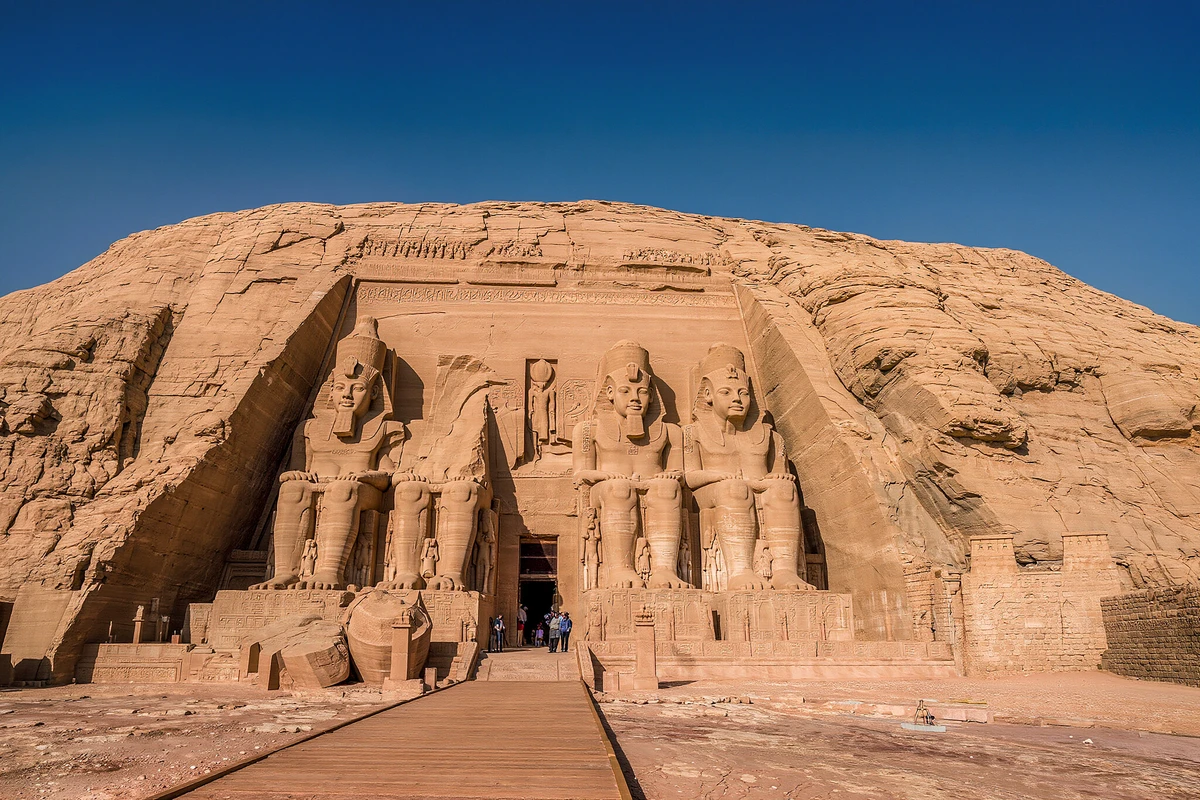
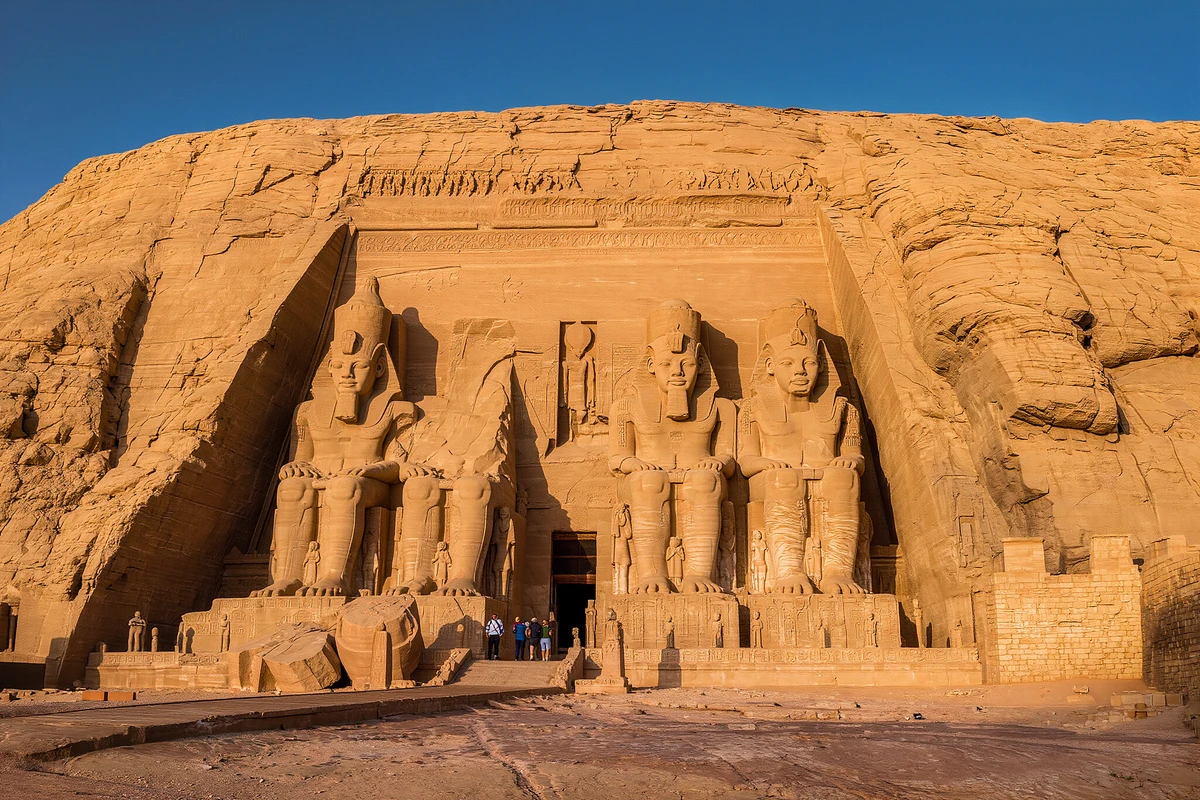
- The Great Temple of Ramses II with its four colossal seated statues
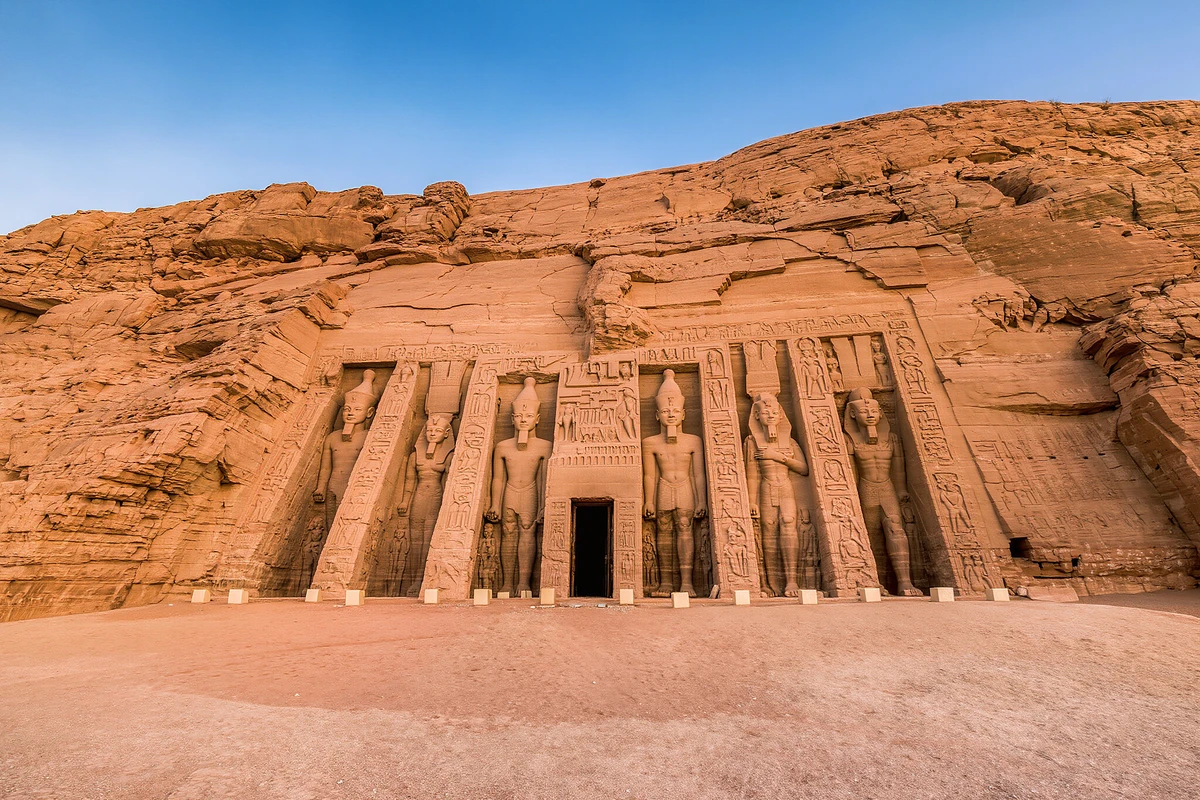
- The smaller Temple of Hathor and Queen Nefertari with its tall standing figures
- The story of the 1960s rescue that moved both temples to higher ground
- Views over Lake Nasser and the Nubian desert on the drive
- Early start to reach the site before the midday heat
- Hotel pickup and drop-off anywhere in Aswan
- Air-conditioned vehicle for the full return journey
- Choice of transport only, guide, entry ticket or all-inclusive shared tour
Full Description
The Great Temple of Ramses II at Abu Simbel
The Great Temple is why most people book an Abu Simbel day trip from Aswan. Carved straight into the sandstone cliff in the thirteenth century BC, it is guarded on the facade by four seated statues of Ramses II, each about twenty metres high, with smaller figures of his family at their feet. It was built to announce Egyptian power to Nubia and to honour Amun-Ra, Ra-Horakhty, Ptah and the king himself.
Inside, the first hall is lined with eight Osiris-style pillars and walls covered in scenes of the Battle of Kadesh. The corridor runs about sixty metres into the rock to the sanctuary, where four seated gods wait in the dark. A guide helps you read the reliefs, and the visit usually takes around an hour and a half.
The Temple of Hathor and Queen Nefertari
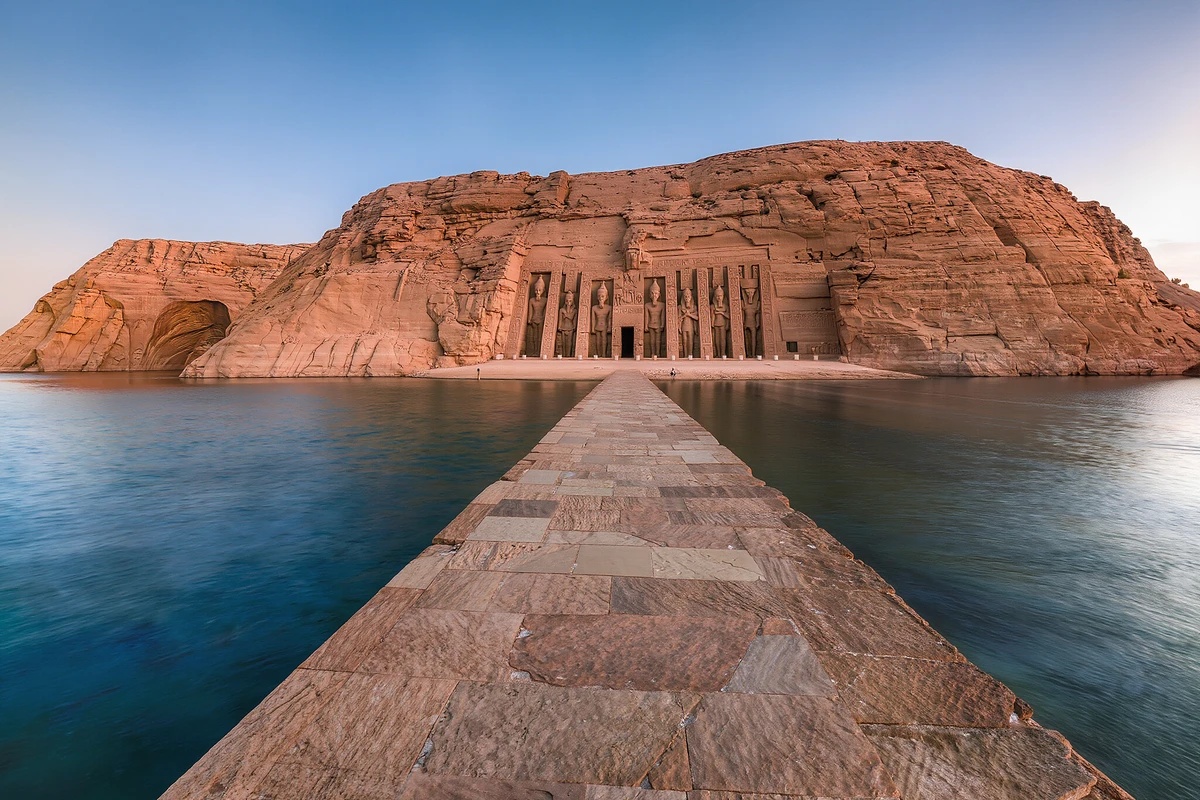
Beside the great facade stands a second, smaller temple, built by Ramses II for his chief wife Nefertari and for the goddess Hathor. It is unusual because the statues of the queen stand at the same height as the king's, each about ten metres tall, which was a rare honour in ancient Egypt.
Inside, columns topped with the face of Hathor lead to a sanctuary where the goddess appears as a cow emerging from the rock. The colours of the wall scenes are well preserved, and you can see how Nefertari is shown with the gods. It is quieter than the main temple and usually takes about thirty minutes.
The UNESCO rescue and Lake Nasser
Abu Simbel is as famous for its rescue as for its age. When the High Dam created Lake Nasser, the temples were threatened by rising water. Between 1964 and 1968 an international team cut both temples into huge blocks and rebuilt them about sixty-five metres higher and two hundred metres back from the original cliff, inside an artificial mountain.
On site you can see the dome that supports the rock and learn how the engineers matched the original alignment. The temples are part of the UNESCO site of Nubian Monuments from Abu Simbel to Philae. The lake shore beside the car park gives wide views, and your guide can point out the lost Nubian villages the water covered.
The desert road from Aswan to Abu Simbel
Abu Simbel lies about 280 kilometres south of Aswan, close to the Sudanese border, and the drive takes roughly three hours each way across open desert. People who ask how to get to Abu Simbel will find that a tour is the simplest answer: our vehicle collects you at the hotel, so you do not need to organise a driver or a convoy yourself.
The early start, around four in the morning, is what lets you reach the site before the biggest crowds and the strongest heat. Sleep on the way, enjoy the sunrise over the dunes, and keep water and a light jacket handy, as the desert is cold before dawn. Returning to Aswan takes the afternoon.
Opening hours and the best time to visit Abu Simbel
Abu Simbel opening hours generally run from early morning until late afternoon, and the temples are open every day, but the first hours after arrival are the quietest and coolest. Winter, from October to April, is the most comfortable season, while summer afternoons can pass forty degrees.
Twice a year, around 22 February and 22 October, the sun reaches the innermost sanctuary and lights three of the four statues. Those dates are busy, so book early if you want to be there. On an ordinary day the morning light on the facade is already worth the trip and gives the best photographs. Bring a hat for the open ground in front of the facade.
Itinerary
- Early hotel pickup in AswanOur vehicle collects you at about 04:00 from your hotel for the drive south through the desert.
- Desert drive to Abu SimbelAbout three hours with a comfort stop, sunrise over the sand and views of Lake Nasser as you arrive.
- Great Temple of Ramses IITime at the colossal facade, the pillared hall and the inner sanctuary, with your guide if you chose that option.
- Temple of Hathor and NefertariA visit to the smaller temple and free time for photographs on the lake shore.
- Return drive to AswanAbout three hours back, arriving in the afternoon, with drop-off at your hotel.
What's included
- Shared return transport from Aswan
- Hotel pickup and drop-off in Aswan
- Air-conditioned vehicle
Not included
- Guide
- Entrance tickets
- Meals
- Tips
Not suitable for
- Wheelchair users
- Travellers who cannot manage a long early-morning road journey
- Pregnant women or anyone with back problems may find the long drive tiring
Meeting point
We collect you from your hotel anywhere in Aswan, with a pickup around 04:00. Our team confirms your exact pickup time on WhatsApp the evening before. If your hotel is on the island, in Gharb Soheil or New Aswan, tell us when you book so we can arrange the meeting point.
Important information
- This is an early departure: be ready in the lobby at the time we confirm.
- Wear comfortable shoes, light clothing and a hat; bring sunglasses, sunscreen and a light jacket for the cold desert dawn.
- Carry water, snacks or a packed breakfast; meals are not included.
- Bring your passport or a copy, as there are police checkpoints on the desert road.
- Dress modestly out of respect for the temple; shoulders and knees covered is a good rule.
- Photography rules apply inside the temple; ask your guide before using a camera in the sanctuary.
- On the transport-only and ticket options there is no guide, so read a little about the temples beforehand.
- Entrance tickets are included only in the options that say so; otherwise they are bought at the site.
Good to know
Frequently Asked Questions
Straight answers to what travellers ask us most, before they book.
Is this a shared or a private tour?
It is a shared group tour with other travellers in an air-conditioned vehicle. If you would like a tour for your own party only, see our private Abu Simbel trip with a guide from Aswan.
Can we change the itinerary or the pace?
On a shared tour the schedule is fixed by the group, so the time at the temples is set. For a flexible pace choose a private trip.
How many people can join, and how many fit in the vehicle?
Group size depends on the day and on how many guests are booked. Our team can tell you the vehicle type when your booking is confirmed.
Is the price per person or per group?
Prices are per person. The booking panel on this page shows the current price of each option.
Is hotel pickup included?
Yes. Every option includes pickup and drop-off at your hotel in Aswan.
What is included?
The default all-inclusive shared option includes shared return transport, hotel pickup and drop-off, an English-speaking guide, the entry ticket to Abu Simbel and an air-conditioned vehicle. Meals and tips are not included.
How long is the tour?
It is a full day: about three hours each way by road and roughly two hours at the temples, with an early start and an afternoon return to Aswan.
Is it suitable for children and reduced mobility?
Children can join and the temples are an easy visit on foot, but the road trip is long. The site has steps and uneven ground, so it is not suitable for wheelchair users.
What should we bring?
Passport or a copy, sun protection, a hat, comfortable shoes, water, snacks and a light jacket for the early drive.
What is the best time of day and season to visit?
The early morning arrival is best for cooler air and softer light. October to April is the most comfortable season, and the sun-festival dates in February and October are special but busy.
Is Abu Simbel worth visiting from Aswan in one day?
Yes. It is one of the most impressive monuments in Egypt, and the day trip lets you see it and return to Aswan the same evening.
How do I book and confirm?
Choose your option and date on this page and send your request. Our team confirms your booking and pickup time on WhatsApp within minutes.
More in Aswan
Getting to & around Aswan
Popular across Egypt
-
-

-
-
-
-