Sumo Morning Practice Tour at a Real Sumo Stable Tokyo
- Duration1.5 hours
- Daily
- Group
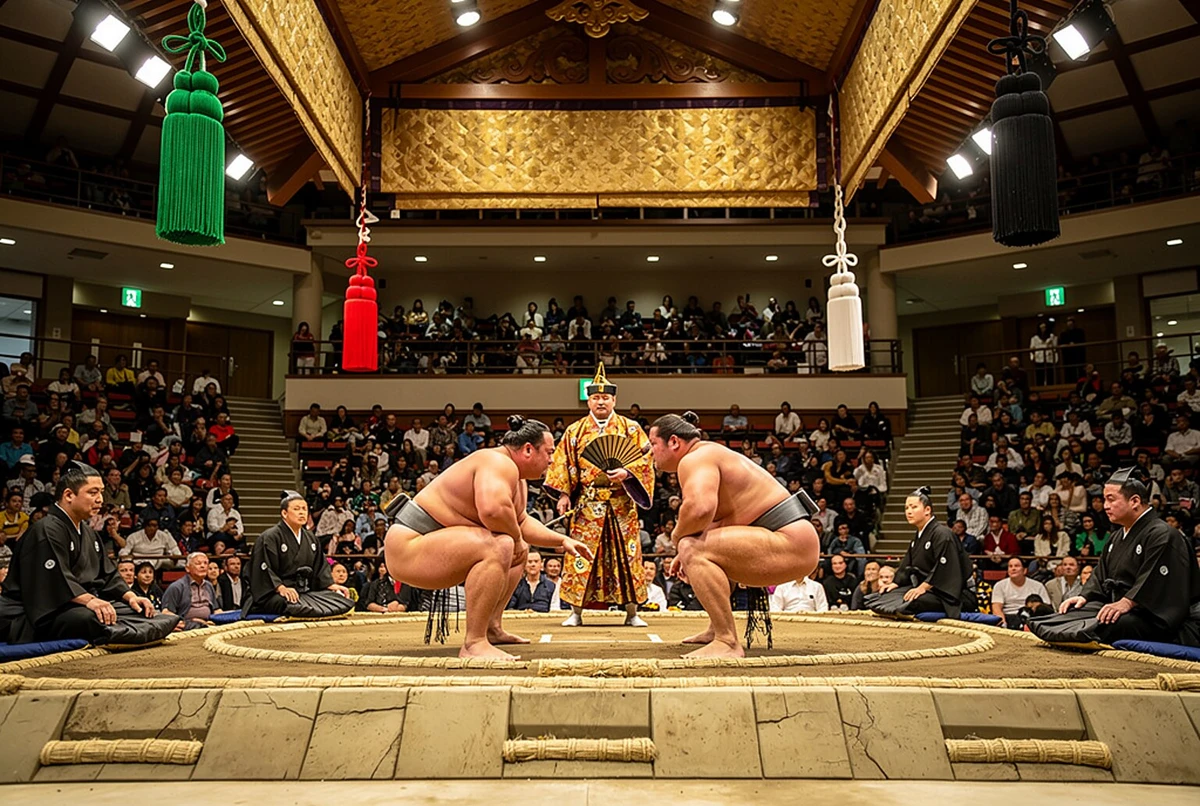
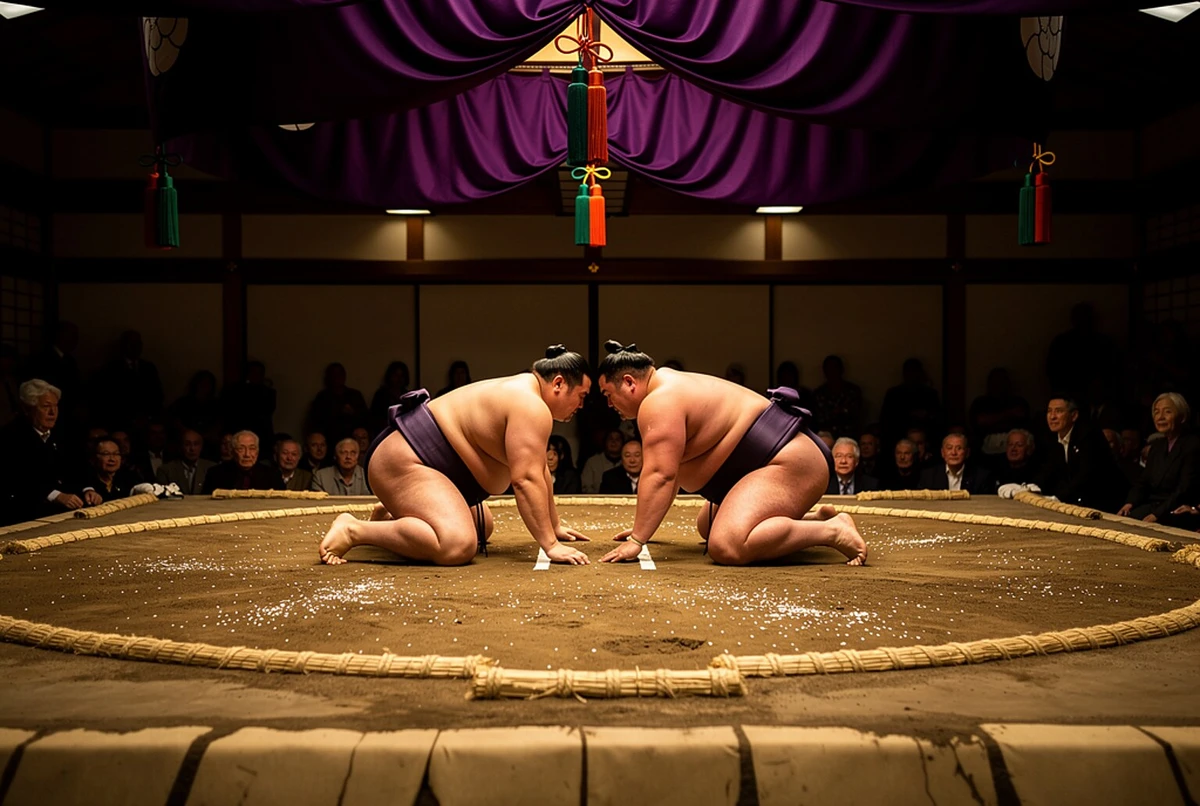
Some images are AI-generated for illustration. While we confirm your booking, just ask and we will send you the original photos.
- Fair, honest prices
- Real people, not bots
- Confirm, then pay
- Secure payment

Overview
This morning tour takes you inside a real sumo stable in Tokyo, where wrestlers live and train together, to watch a full practice session up close. A licensed English-speaking guide explains the Shinto roots of the sport, the ranks, the six yearly tournaments and the etiquette expected in a working stable. Practice usually runs for 60 to 90 minutes, and the whole outing lasts about one and a half to two hours. It suits fans of Japanese culture and families with children aged 11 and over.
Highlights
- Watch sumo wrestlers train inside a real sumo stable
- Licensed English-speaking guide who explains the rules, ranks and rituals
- Rare access, since many stables are closed to casual visitors
- Photograph with wrestlers when the day allows
- About one and a half to two hours, ideal for a morning before other plans
- Set in eastern Tokyo, close to Ryogoku, the traditional centre of sumo
Full Description
A real sumo stable, or heya
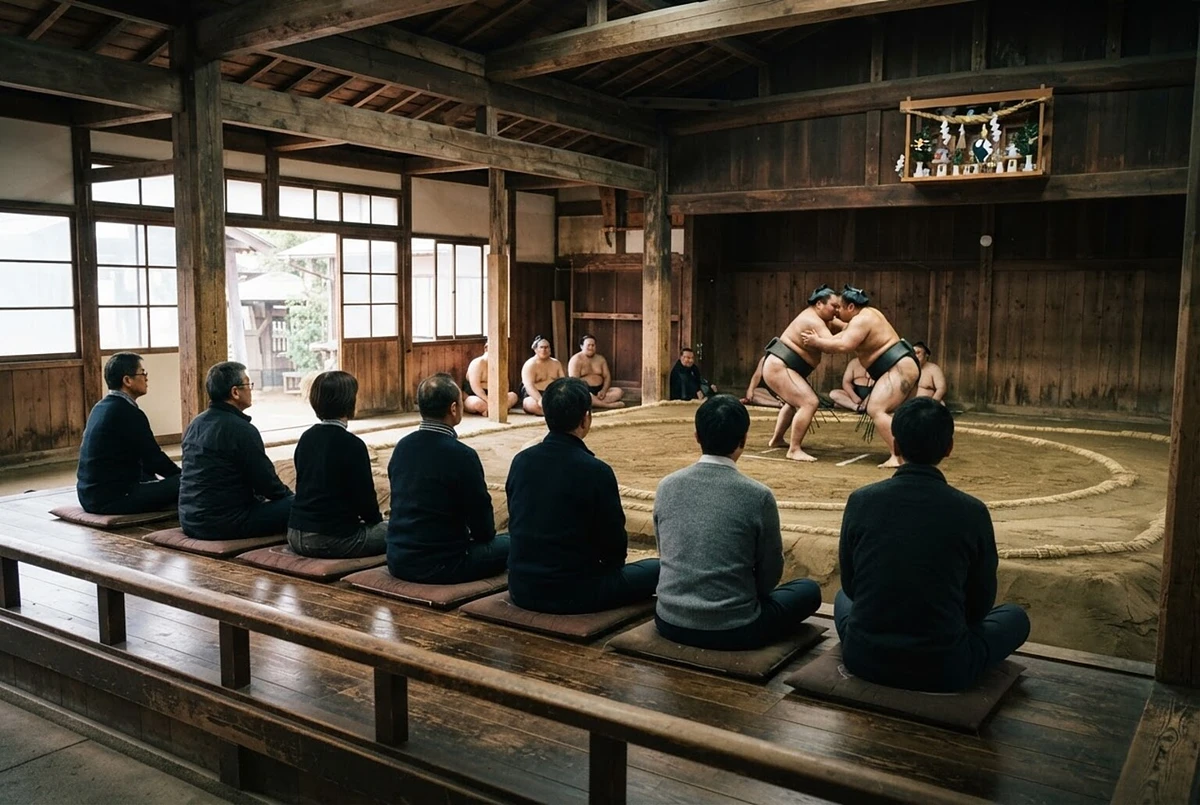
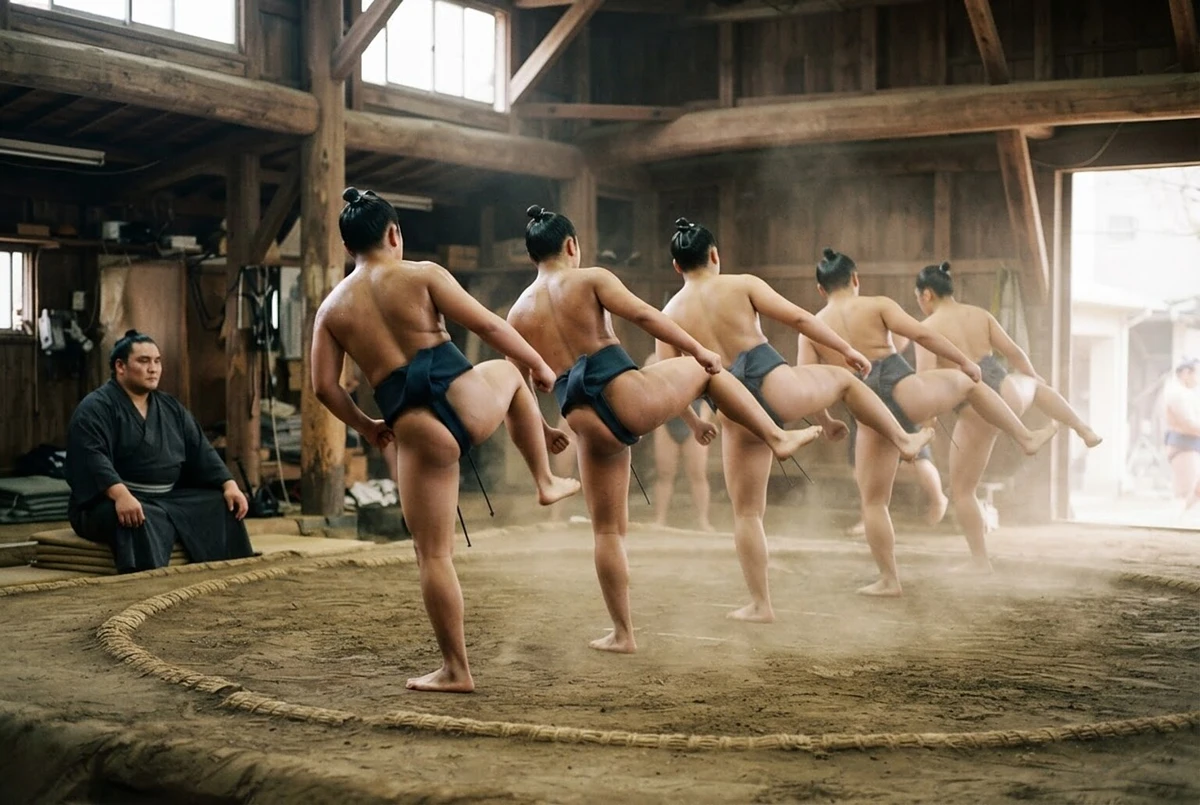
In sumo, every wrestler, called a rikishi, belongs to a stable, or heya, which is at once a residence, a school and a training ground. Wrestlers live together under the stablemaster, follow a strict daily routine and share communal meals. Morning practice starts early, with junior wrestlers first and senior ranks joining later, and visitors sit quietly along the wall to watch.
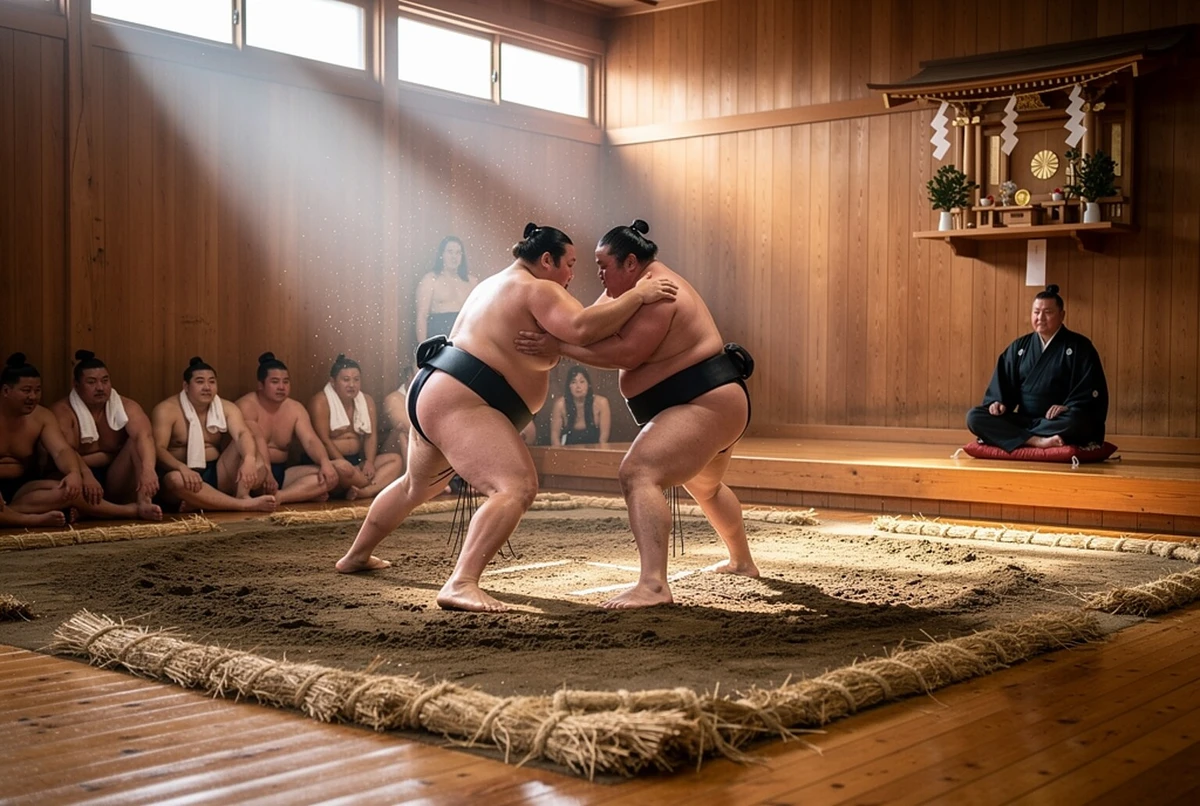
What you see is real work rather than a show: stamping exercises, sliding steps, pushing drills and bouts in the clay ring called the dohyo. A sumo stable visit gives a rare view of how these athletes train, and the guide whispers explanations so you understand each drill without disturbing the practice.
Sumo basics: Shinto rituals, ranks and tournaments
Sumo is a traditional Japanese sport rooted in Shinto belief, and you can see it in the details: salt thrown to purify the ring, a roof above the ring modelled on a shrine, and formal bows. Two wrestlers try to push each other out of the ring or make any part of the opponent's body other than the soles touch the ground. Ranks run from beginners up to yokozuna, the grand champion.
Six grand tournaments are held each year, three in Tokyo in January, May and September, and one each in Osaka, Nagoya and Fukuoka, each lasting 15 days. Your guide explains how to follow the rankings and what to look for if you decide to attend a tournament later.
Ryogoku, Tokyo's sumo district
Ryogoku, on the east bank of the Sumida River, is the heart of the sumo world. It holds the Ryogoku Kokugikan, the national sumo hall where the Tokyo tournaments take place, and to many stables and restaurants serving chanko, the hearty stew that wrestlers eat. The stable you visit is in eastern Tokyo, and the exact address is on your voucher.
After the practice you can easily walk to nearby streets and cafes in the area, or visit the sumo museum inside the Kokugikan when it is open. If you ask how to get to a sumo stable in Tokyo, the guide meets you and often takes the group there by train, so you do not have to find the entrance alone.
Etiquette and practical visit
A stable is a place of work, so the rules are strict: modest clothing, no hats or sunglasses, no food or drink, no flash and no video, phones on silent, and no standing or moving around during practice. You must stay until the end, and once you leave you cannot re-enter. The guide will tell you where to sit and when photographs are possible.
Photographs with wrestlers may be possible depending on the day. The tour is not suitable for children under 11 or for people with mobility impairments. Practice may run a little shorter or longer than planned, so tell us in advance if you have a commitment afterwards.
Itinerary
- Meet your guideGather at the meeting point on your voucher and hear the introduction to sumo and etiquette.
- Travel to the stableHead to the stable, about 15 minutes, sometimes by a short train ride.
- Watch morning practiceSit quietly and watch the wrestlers train for about 60 to 90 minutes, depending on the day.
- FinishThe tour ends after practice; the ending location may differ from the meeting place.
What's included
- Morning practice viewing at a real sumo stable
- Licensed English-speaking guide
- Photos with wrestlers (when available)
Not included
- Hotel pickup and drop-off
- Food and drinks
- Tips
Is this right for you?
Great for
- A short visit — about 1.5 hours
- Travellers who want a proven choice — rated 4.8/5 by past travellers
Think twice if
- You want a private tour — this one is shared with other travellers
Not suitable for
- Children under 11 years
- People with mobility impairments
Meeting point
The meeting details depend on the stable used for your date and are shown on your voucher. After meeting your guide, the group may take a train to the sumo stable, so please arrive on time. The ending location may differ from the meeting place. Hotel pickup is not included.
Important information
- You must stay until the end of practice, and there is no re-entry once you leave
- Hats, sunglasses, food and drinks, flash photography and video recording are not allowed
- Wear modest clothing; do not stand or move around during practice, and keep your phone on silent
- The tour is not suitable for children under 11 years
- The practice and tour may run a little shorter or longer than planned; let us know if you have a commitment afterwards
- Photographs with wrestlers depend on the day
- After the tour, you can easily reach restaurants and cafes nearby
- Age bands for children and infants are shown in the booking panel
Good to know
Frequently Asked Questions
Straight answers to what travellers ask us most, before they book.
How much does the sumo morning practice tour cost?
The price depends on the date and on the age of each traveller. The booking panel on this page shows the current adult and child price, so choose your date to see the total before you book.
How long is the tour?
The outing lasts about one and a half to two hours, with practice itself lasting roughly 60 to 90 minutes depending on the day.
Is hotel pickup included?
No. You meet your guide at the meeting point shown on your voucher, and the group may travel to the stable by train together.
Is the sumo practice tour suitable for children?
The tour is not suitable for children under 11 years, because visitors must sit quietly and stay until the end of practice.
What should I wear?
Wear modest, comfortable clothing and take off hats and sunglasses. The stable is a workplace, so quiet, respectful behaviour is expected.
Can I take photographs or videos?
Photographs without flash are usually allowed, but flash and video are not. Photographs with wrestlers depend on the day and the guide will tell you when it is possible.
Can I book for today or tomorrow?
Yes, if a departure is available. Choose the date in the booking panel and check the live availability.
What is the difference between the options?
This page has one option: the morning sumo practice at a real stable with a licensed English-speaking guide.
Do the wrestlers speak English?
The guide explains everything in English, and on some days you can ask questions that the guide translates for the wrestlers.
When can I see a sumo tournament?
Six tournaments take place each year: Tokyo in January, May and September, Osaka in March, Nagoya in July and Fukuoka in November.
More in Tokyo

Popular across Japan
-
-
-
-
-
-