Tastes and Traditions Guided Food Tour Lisbon
- Duration3 hours
- Daily
- Group

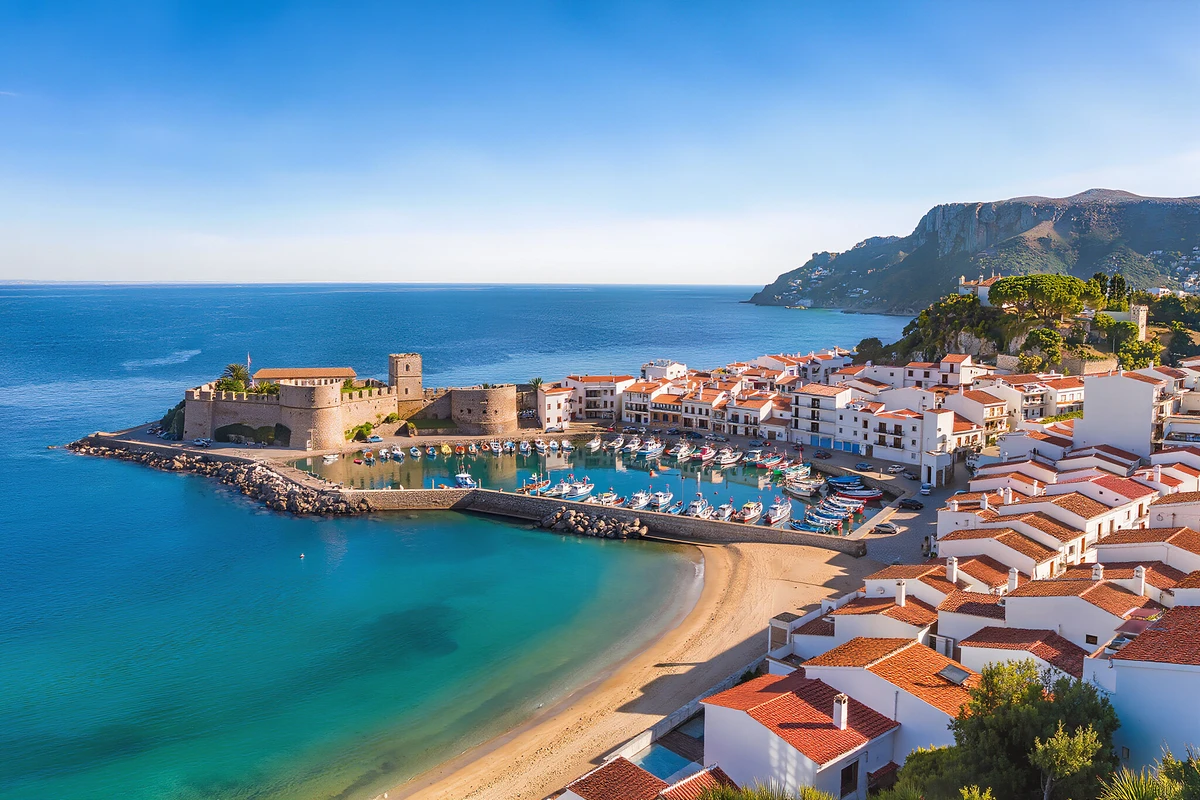
Some images are AI-generated for illustration. While we confirm your booking, just ask and we will send you the original photos.
- Fair, honest prices
- Real people, not bots
- Confirm, then pay
- Secure payment

Overview
This guided food tour is a three-hour morning walk through downtown Lisbon in a small shared group, tasting what locals eat. Starting at Praça da Figueira, you begin with pastries and espresso at the city's oldest pastry shop, learn the story of salt cod at a traditional grocery, try acorn-fed Iberian ham and a bifana pork sandwich, then sit down for lunch at a family-run tasca. The walk continues to the historic Ribeira market by the river, where you hear about Portugal's tinned fish, and ends with a freshly baked pastel de nata. Seven stops with eight tastes and three drinks make it breakfast and lunch in one. It suits curious eaters, couples and families with older children. A private option is also available; there is no hotel pickup.
Highlights
- Pastries and espresso at Lisbon's oldest pastry shop
- Salt cod stories and acorn-fed Iberian ham at a traditional grocery
- The bifana, Lisbon's favourite marinated pork sandwich
- Sit-down lunch of classic Portuguese dishes at a family-run tasca
- Historic Ribeira market and the story of Portuguese tinned fish
- Warm pastel de nata, watched being made
- Walking route through Baixa, Rossio and Cais do Sodré
- Small group with a local English-speaking guide
Full Description
Praça da Figueira and Lisbon's oldest pastry shop
The walk starts in Praça da Figueira, one of the great squares of the Baixa, beside its bronze equestrian statue. Before the 1755 earthquake this was the site of the Royal All Saints Hospital; later it held Lisbon's main covered market, and today it opens onto Rossio and the hills of the Castle and Graça. It is the perfect place to see the city wake up.
Your first stop is the oldest pastry shop in Lisbon, trading on the square since the early nineteenth century, with its painted ceilings and long wooden counter. Here you taste sweet pastries baked on the premises and sip a bica, the short, strong espresso that Lisboetas drink standing at the counter. It is the classic start to any Lisbon food tour, and your guide explains the convent origins of so many Portuguese sweets.
A traditional Baixa grocery: salt cod and Iberian ham
A few steps away, you enter one of the last traditional Portuguese grocery shops of the Baixa, its shelves stacked with dried goods and its counters piled with stiff, white sheets of bacalhau. Portugal has eaten salt cod since the sixteenth century, when its fishermen sailed to the far North Atlantic, and the country is said to have a recipe for every day of the year.
Your guide explains how bacalhau is chosen, soaked and cooked, and why it remains the centrepiece of the Christmas table. You then taste acorn-fed Iberian ham, cured from black pigs that roam the oak woodlands of the Alentejo and Spain, sliced thin so it melts on the tongue. This stop is where many guests start to understand what to eat in Lisbon beyond the famous custard tart.
The bifana counter and the Baixa grid
The Baixa is a grid of straight streets rebuilt after the 1755 earthquake with some of the first earthquake-resistant buildings in Europe. Many still bear the names of the trades that once filled them, such as goldsmiths, silversmiths and shoemakers, and among the shops are simple counters where workers stop for a quick bite.
One of these is your next stop, a no-frills spot always packed with regulars and famous for its bifana. Thin slices of pork are marinated with garlic, bay leaf and paprika, simmered in their juices and tucked into a soft bread roll, with a dash of mustard if you like. It is cheap, fast and deeply local, the kind of Lisbon street food that never appears on hotel menus, and the place where you eat shoulder to shoulder with Lisboetas.
Lunch at a family-run tasca
A tasca is a small neighbourhood eatery with paper tablecloths, a short menu written on a board and recipes handed down within the family. For generations these places have fed Lisbon's workers at lunchtime, and they remain the best way to taste everyday Portuguese cooking without tourist trimmings.
Here you sit down with your small group for a proper lunch of traditional dishes, the longest stop of the walk at about thirty minutes. Expect generous plates of slow-cooked, seasonal food, olive oil, bread and the stories behind each recipe from your guide, with soft drinks available. If you are wondering where locals eat in Lisbon, this is the answer, and the tasca is often the stop guests remember most.
Ribeira market and Portuguese tinned fish
The route then heads down to the river at Cais do Sodré and the Mercado da Ribeira, Lisbon's historic market, which has sold fish, fruit and flowers since the late nineteenth century beneath its domed hall. In the morning the fresh market is still busy with traders, while the other side of the building is a food hall where you sample another taste.
On the way your guide introduces one of the hidden gems of Portuguese food: tinned fish. Canning factories spread along the Portuguese coast from the late nineteenth century, packing sardines, mackerel, tuna and octopus in olive oil, and colourful tins are now collected as gifts. Outside a traditional shop you learn how to choose good conserves and why they are a pantry staple across the country.
The pastel de nata, Portugal's famous custard tart
The walk ends on a sweet note with the pastel de nata, a crisp, flaky pastry filled with egg custard and baked at very high heat until the top blisters. The recipe was created by monks at the Jerónimos Monastery in Belém, who used leftover egg yolks after the whites had starched their habits, and was sold off when the religious orders were dissolved in 1834.
At a bakery where the tarts are made in front of you, you watch the dough being pressed into tins and the trays coming out of the oven, then bite into one still warm, with cinnamon or icing sugar on top. The tour finishes near Cais do Sodré and the Ribeira market, well placed for the river, Chiado or a tram back across the city.
Itinerary
- Meet at Praça da FigueiraMeet your guide by the equestrian statue in the square and begin the walk.
- Lisbon's oldest pastry shopSweet pastries and a Portuguese espresso, about fifteen minutes.
- Traditional grocerySalt cod stories and acorn-fed Iberian ham, about fifteen minutes.
- Bifana counterTaste the marinated pork sandwich among regulars, about fifteen minutes.
- Lunch at a family-run tascaSit-down lunch of traditional Portuguese dishes, about thirty minutes.
- Mercado da Ribeira and tinned fishAnother tasting at the historic market and the story of Portuguese conserves, about twenty minutes.
- Pastel de nata bakeryWatch the tarts being made and eat one warm, about ten minutes, then finish near Cais do Sodré.
What's included
- Guided food walk through downtown Lisbon with a local English-speaking guide
- Seven tasting stops with eight tastes and three drinks (non-alcoholic choices on request)
- Sweet pastries and Portuguese espresso at Lisbon's oldest pastry shop
- Acorn-fed Iberian ham and the story of salt cod at a traditional grocery
- Bifana marinated pork sandwich
- Lunch of traditional Portuguese dishes at a family-run tasca
- Freshly baked pastel de nata custard tart
Not included
- Hotel pickup and drop-off
- Tips
- Not suitable for vegans, guests with gluten intolerance or wheelchair users
Is this right for you?
Great for
- Families with children — a child price for ages 2–14
- Groups who want privacy — a private option is available
- Food lovers
- A half-day plan — about 3 hours
Not suitable for
- Wheelchair users and people with mobility impairments
- Strollers
- Vegans
- People with gluten intolerance or coeliac disease
Meeting point
There is no hotel pickup. Meet your guide at Praça da Figueira in downtown Lisbon, next to the large bronze equestrian statue in the centre of the square. The square is next to Rossio metro station and several tram and bus stops. Please arrive ten minutes early; your guide holds a sign, and we send the exact details on WhatsApp when we confirm. The tour ends near Cais do Sodré and the Ribeira market.
Important information
- This is a walking tour of about three hours; you should be able to walk at a moderate pace on hills and cobbles.
- Wear comfortable shoes and come hungry: the tastings replace breakfast and lunch.
- Several stops serve pork (ham, bifana) and fish; tell us your dietary needs when booking.
- Vegetarian, pescatarian, dairy-free and pregnancy-friendly versions are possible, though not every stop has a substitute.
- The tour cannot cater for vegans or people with gluten intolerance or coeliac disease.
- Guests with serious food allergies sign an allergy form at the start of the tour.
- Tips for the guide are not included.
- A private version of this food walk is also available in the booking panel.
Good to know
Frequently Asked Questions
Straight answers to what travellers ask us most, before they book.
Is this a shared or a private experience?
The default option is a shared small-group food walk. A private food walk with a guide for your group only is also available in the booking panel.
How long does the food tour take?
About three hours, usually in the morning, with seven stops along a walking route from Praça da Figueira to Cais do Sodré.
Is hotel pickup included?
No. You meet the guide at Praça da Figueira, next to Rossio metro station, and the tour ends near Cais do Sodré.
What is included?
A guided walk with a local English-speaking guide and seven tasting stops with eight tastes and three drinks, including pastries and espresso, Iberian ham, a bifana, a tasca lunch, a market tasting and a pastel de nata.
Is the price per person or per group?
The shared tour is priced per person; the private option is shown separately. The booking panel on this page shows the current price of each option.
Is it suitable for children or people with reduced mobility?
Children who enjoy trying new food are welcome. Because of hills, cobbles and narrow shops, the route is not suitable for wheelchairs, strollers or guests with limited mobility.
Is there enough food for a meal?
Yes. With pastries, ham, a sandwich, a sit-down lunch and dessert, most guests skip both breakfast and lunch.
Can vegetarians or guests who do not eat pork join?
Yes, with notice. Tell us when booking and the team arranges alternatives where possible, though not every stop can offer a substitute.
What should I bring?
Comfortable shoes, a light layer and a good appetite. In summer bring sun protection and water for the walk between stops.
What is the best time of year for a Lisbon food tour?
It runs all year. Spring and autumn are the most pleasant for walking, while winter mornings bring warm pastries and hearty tasca food.
What should I eat in Lisbon if I only have one day?
The essentials covered on this walk: a pastel de nata, salt cod, a bifana, Iberian ham and a traditional tasca lunch.
How do I book and confirm?
Choose your date and option in the booking panel and send your request. Our team confirms on WhatsApp within minutes with the meeting details.
More in Lisbon

Getting to & around Lisbon
Popular across Portugal
-
-

-
-
-

-