Seoul Highlights Full-Day Tour with War Memorial & Jogyesa Temple
- DurationAbout 8.5 hours
- Daily
- Group
- Pickup available
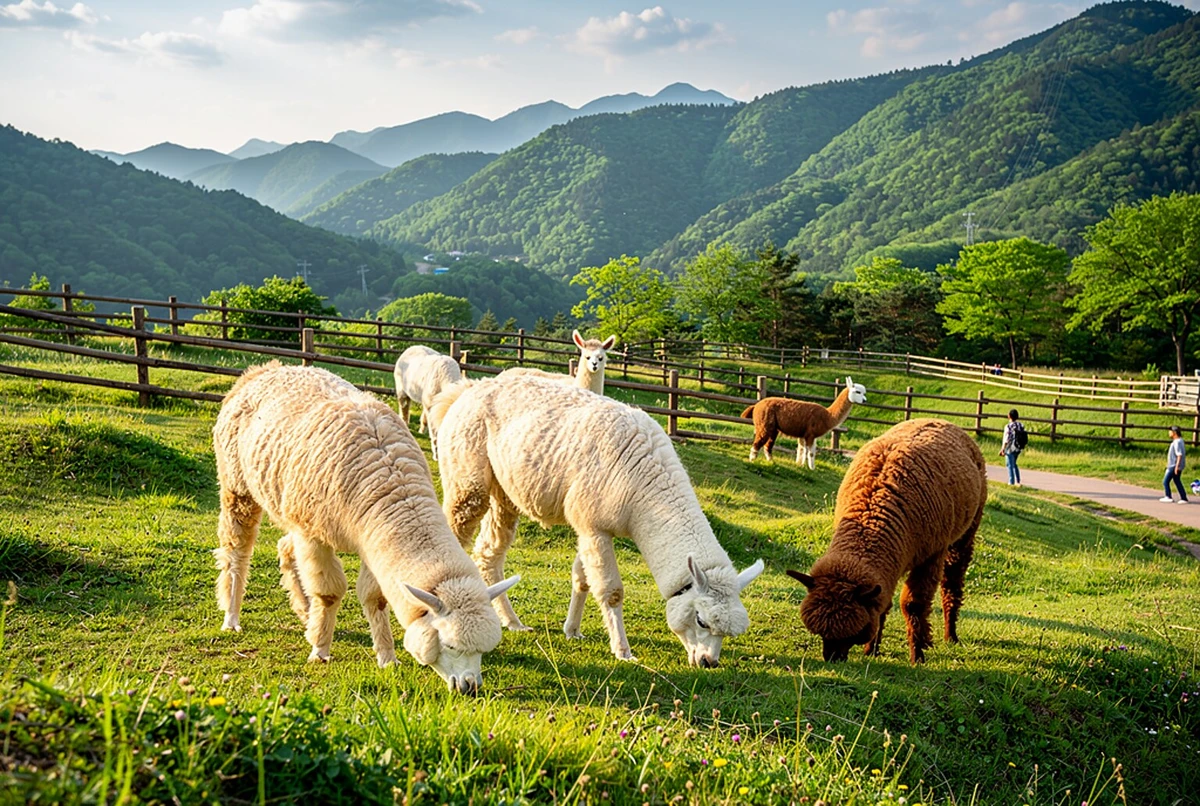
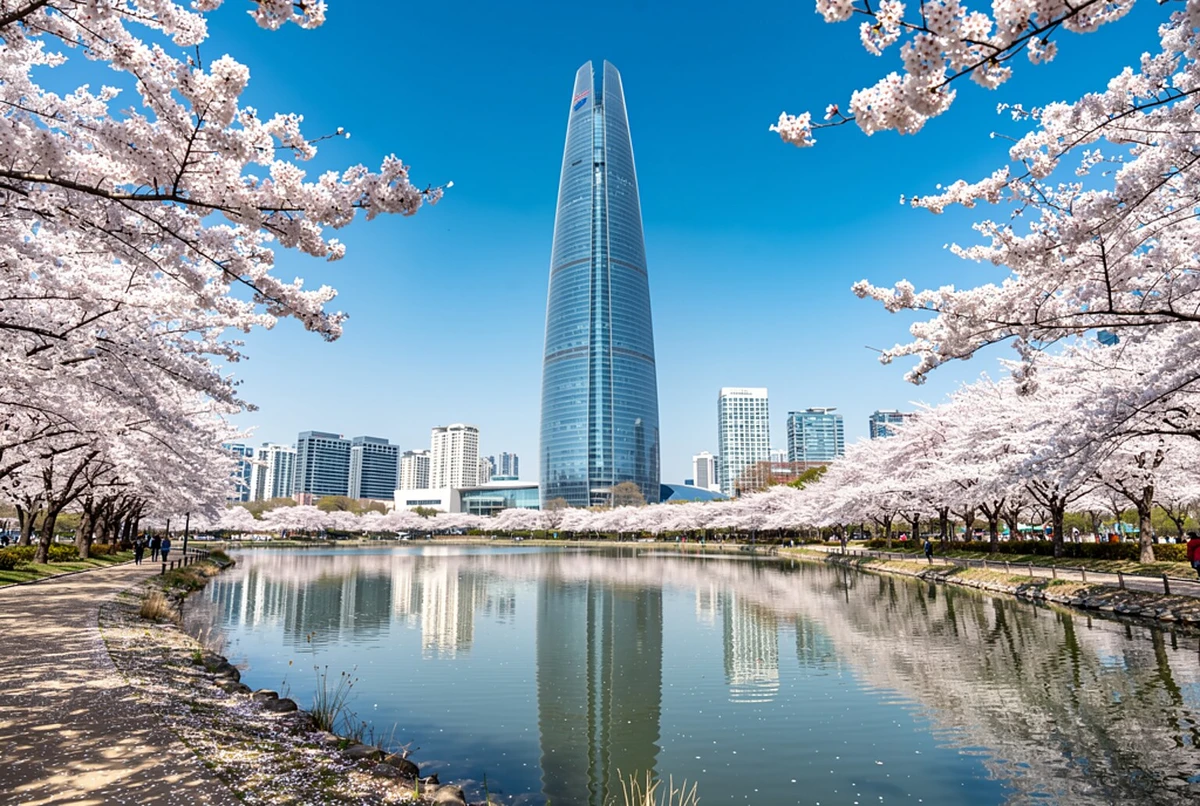
Some images are AI-generated for illustration. While we confirm your booking, just ask and we will send you the original photos.
- Fair, honest prices
- Real people, not bots
- Confirm, then pay
- Secure payment

Overview
This Seoul full-day tour covers the city's essential sights in one well-organised day with a professional English-speaking guide. You start at Gyeongbokgung Palace, the grandest of the Joseon royal palaces, and watch the colourful royal guard changing ceremony. Then you wander the hanok lanes of Bukchon Hanok Village, enjoy panoramic views of Seoul from the Bugak Palgakjeong pavilion and learn about Korean ginseng. After a lunch break in historic Gwangjang Market, the afternoon brings the War Memorial of Korea, Jogyesa Temple, the chief temple of Korean Buddhism, and Tapgol Park, before the tour ends at Myeongdong Cathedral. The default option is a small-group tour from a central meeting point; options with Namsangol Hanok Village or with hotel pickup are also available.
Highlights
- Gyeongbokgung Palace and the royal guard changing ceremony
- Traditional hanok lanes of Bukchon Hanok Village
- Panoramic city views from the Bugak Palgakjeong pavilion
- Lunch break in Gwangjang Market, one of Seoul's oldest markets
- War Memorial of Korea and its outdoor exhibits
- Jogyesa Temple and historic Tapgol Park
- Entrance fees and air-conditioned transport included
- Options with Namsangol Hanok Village or hotel pickup
Full Description
Gyeongbokgung Palace and the royal guard ceremony
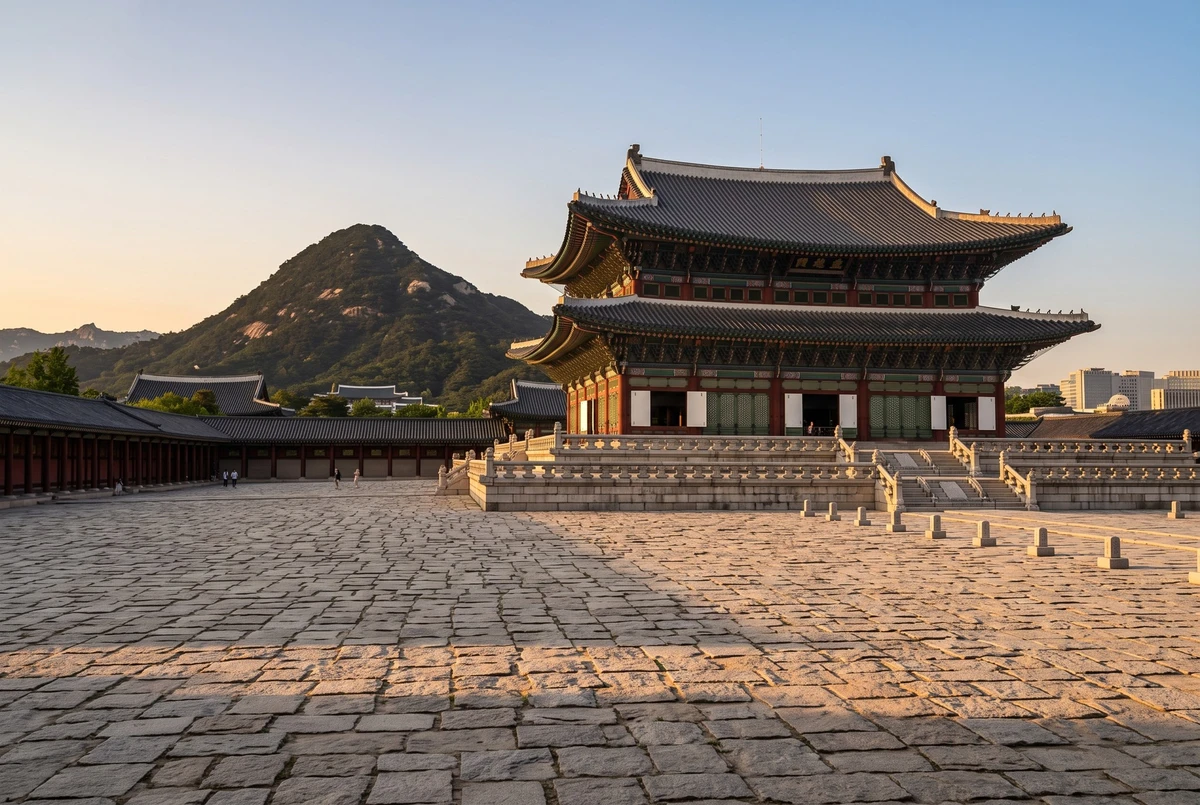
Gyeongbokgung was built in 1395 as the main royal palace of the Joseon dynasty and is the largest of Seoul's five grand palaces. Burned in the 16th century and rebuilt in the 1860s, it spreads across a vast compound of gates, courtyards and halls set against the rocky peak of Bugaksan. Highlights include the Geunjeongjeon throne hall and the Gyeonghoeru pavilion standing over a lotus pond.
Your visit begins with the royal guard changing ceremony at Gwanghwamun gate, where guards in bright Joseon-era uniforms parade with flags and drums. Then your guide leads you through the main courtyards and explains palace life and architecture. Many travellers ask about Gyeongbokgung opening hours: the palace opens daily except Tuesday, so check your confirmation if you travel on a Tuesday.
Bukchon Hanok Village or Namsangol Hanok Village
On the default small-group option you walk through Bukchon Hanok Village, a hillside neighbourhood between Gyeongbokgung and Changdeokgung palaces where hundreds of traditional hanok houses still stand. Built with wood, stone and clay and warmed by the underfloor ondol heating system, they line narrow lanes with views of the modern city beyond. Residents still live here, so visits are quiet and limited to daytime hours.
The other group option visits Namsangol Hanok Village at the foot of Namsan instead, where five restored Joseon-era houses, a pavilion and a pond make an open-air museum of traditional life. It also holds a time capsule buried in 1994 to mark Seoul's 600th anniversary. Both are excellent places to understand traditional Korean houses and to take photos.
Bugak Palgakjeong pavilion and Korean ginseng
Bugak Palgakjeong is an octagonal pavilion high on the slopes of Bugaksan, reached by a winding scenic road north of the palace. From its terraces you look over the rooftops of Seoul, the ridges of Bukhansan and Namsan with its tower, one of the best free viewpoints in the city. It is a quiet place, especially in autumn when the slopes turn red and gold.
The tour also includes a stop to learn about Korean ginseng, a root valued for centuries in East Asian medicine and among the best-known products of Korea. You see how it is grown and processed, and products are available for those interested; buying is entirely up to you.
Gwangjang Market
Lunch is at your own expense in Gwangjang Market, which opened in 1905 and is one of the oldest and largest traditional markets in Korea. Its central food alley is famous for crispy mung bean pancakes called bindaetteok, bite-sized rice rolls known as mayak gimbap, hand-cut noodle soup and countless other Korean street dishes cooked in front of you.
Upstairs and in the side halls, traders sell silk, bedding and fabrics for hanbok, a reminder that this was first a textile market. Your guide suggests what to try and how to order, then you have free time to eat at the busy counters. Gwangjang Market is one of the best places in Seoul to taste everyday Korean food.
War Memorial of Korea
The War Memorial of Korea in Yongsan opened in 1994 and is one of the largest museums of its kind in the world. Its galleries tell the story of conflict on the Korean peninsula from ancient times to the Korean War of 1950–1953, with models, documents and personal stories that bring the history to life, alongside a message of peace and hope for reunification.
Outside, a large open-air exhibition displays aircraft, tanks, artillery and ships from the 20th century, and the Statue of Brothers depicts two soldiers from the two sides embracing. Your guide gives context to the exhibits during around an hour of visiting, one of the most moving stops of the day.
Jogyesa Temple, Tapgol Park and Myeongdong Cathedral
Jogyesa is the chief temple of the Jogye Order, the largest school of Korean Buddhism, set in the heart of the city near Insadong. Its grand main hall, built in 1938, is surrounded by colourful lanterns, and two venerable trees, a lacebark pine and a scholar tree around five centuries old, shade the courtyard. In spring the lantern displays for Buddha's Birthday fill the grounds.
Nearby Tapgol Park is where the Korean declaration of independence was read aloud on 1 March 1919, and it keeps a ten-storey marble pagoda from the 15th century under a glass shelter. The tour ends at Myeongdong Cathedral, a Gothic brick church completed in 1898, close to the shops and street food of Myeong-dong.
Itinerary
- Meeting in central SeoulMeet the group at 08:30 at a central meeting point (08:20 for the Namsangol option, pickup from 07:20 with the hotel pickup option).
- Gyeongbokgung PalaceRoyal guard changing ceremony and guided palace visit, about 1.5 hours.
- Bukchon Hanok VillageWalk through the traditional hanok lanes (Namsangol Hanok Village on that option), about 40 minutes.
- Bugak Palgakjeong pavilionPanoramic viewpoint over Seoul, about 30 minutes.
- Korean ginseng stopLearn about Korean ginseng; buying is optional.
- Gwangjang MarketLunch break at your own expense, about 1 hour.
- War Memorial of KoreaGuided visit of the galleries and outdoor exhibits, about 1 hour.
- Jogyesa Temple and Tapgol ParkVisit the chief temple of Korean Buddhism and the historic park, about 45 minutes.
- Myeongdong CathedralThe tour ends here, close to Myeong-dong Station, after about 8 to 8.5 hours.
What's included
- Entrance fees
- Professional English-speaking local guide
- Transport by air-conditioned minivan or coach
- Gyeongbokgung Palace with the royal guard changing ceremony
- Bugak Palgakjeong pavilion viewpoint
- Gwangjang Market lunch break
- War Memorial of Korea, Jogyesa Temple and Tapgol Park
- Walk through Namsangol Hanok Village
Not included
- Food and drinks
- Hotel drop-off (the tour ends at Myeongdong Cathedral)
- Hanbok rental
- Personal expenses and travel insurance
Is this right for you?
Great for
- Travellers without a car — hotel pickup is included
- History and culture lovers
- First-time visitors who want the highlights
- Travellers who want a proven choice — rated 4.9/5 by past travellers
Think twice if
- You want a private tour — this one is shared with other travellers
Not suitable for
- Wheelchair users
Meeting point
On the small-group and Namsangol options you meet the group at a central Seoul meeting point near a subway station, sent with your booking confirmation; please arrive 10 minutes early, as late arrivals cannot join. With the hotel pickup option we collect you from your hotel in central Seoul, including Gangnam, Myeongdong, Gwanghwamun, Itaewon and Dongdaemun, between 07:20 and 08:40. All options end at Myeongdong Cathedral near Myeong-dong Station; hotel drop-off is not included.
Important information
- Arrive 10 minutes early; late arrivals and joining mid-tour are not possible
- Gyeongbokgung Palace is closed on Tuesdays; check your confirmation if you travel that day
- Food, drinks and hanbok rental are not included
- Baby strollers and pets are not allowed
- Wear comfortable shoes for a full day of walking
- Traffic, events or demonstrations in Seoul can cause delays
- Taking the subway to the meeting point is the easiest option
Good to know
Frequently Asked Questions
Straight answers to what travellers ask us most, before they book.
Is this a shared or a private experience?
It is a shared group tour; the default option is a small group, with a larger group option and a shared option with hotel pickup.
How long does the Seoul full-day tour take?
About 8 to 8.5 hours, ending at Myeongdong Cathedral in the late afternoon.
Is hotel pickup included?
Only with the hotel pickup option, which collects you in central Seoul; the other options meet at a central point. Hotel drop-off is not included.
What is included?
Entrance fees, a professional English-speaking guide and transport by air-conditioned minivan or coach.
Is the price per person or per group?
The price is per person and the same for all ages from 3. The booking panel on this page shows the current price of each option.
Which hanok village does the tour visit?
The default small-group option visits Bukchon Hanok Village; the group option visits Namsangol Hanok Village.
Is it suitable for children and people with reduced mobility?
Children from age 3 can join, but strollers are not allowed. The tour is not suitable for wheelchair users.
What time is the Gyeongbokgung guard changing ceremony?
It usually takes place at 10:00 and 14:00 at Gwanghwamun gate; the tour is timed to see the morning ceremony.
What should I bring?
Comfortable shoes, cash or a card for lunch at Gwangjang Market, water, and an umbrella or sun hat depending on the season.
When is the best time to visit Seoul?
Spring (April–May) and autumn (September–November) are the most pleasant, with blossoms or autumn leaves; summer is hot and winter cold but clear.
What happens in bad weather?
The tour runs in rain and snow; bring suitable clothing, as many stops are outdoors.
How do I book and confirm?
Choose your option and date on this page; our team confirms on WhatsApp within minutes and sends the meeting details.
More in Seoul