
Dubai City Tour
Overview
Dubai City Tour introduces first-time visitors to how a trading port on the creek grew into a skyline of glass towers. Travelling with the group by shared coach and a Haqqi Tours guide, the itinerary moves between the old quarter of wind-tower houses and narrow lanes and the newer districts built along the coast, with commentary offered in Arabic and English throughout the day. It suits families and small groups who want a broad first look at the emirate before deciding what to return to on their own. The Haqqi Tours desk confirms the pickup point, group size and the exact price on WhatsApp before the outing is booked, so nothing is left to chance once the coach sets off.
Highlights
- Al Fahidi historic quarter with its wind-tower houses
- Crossing Dubai Creek aboard a traditional abra boat
- Gold and spice souks of Deira
- Jumeirah Mosque seen from its courtyard surroundings
- Palm Jumeirah coastline with the Atlantis skyline
- Dubai Marina promenade and its waterfront towers
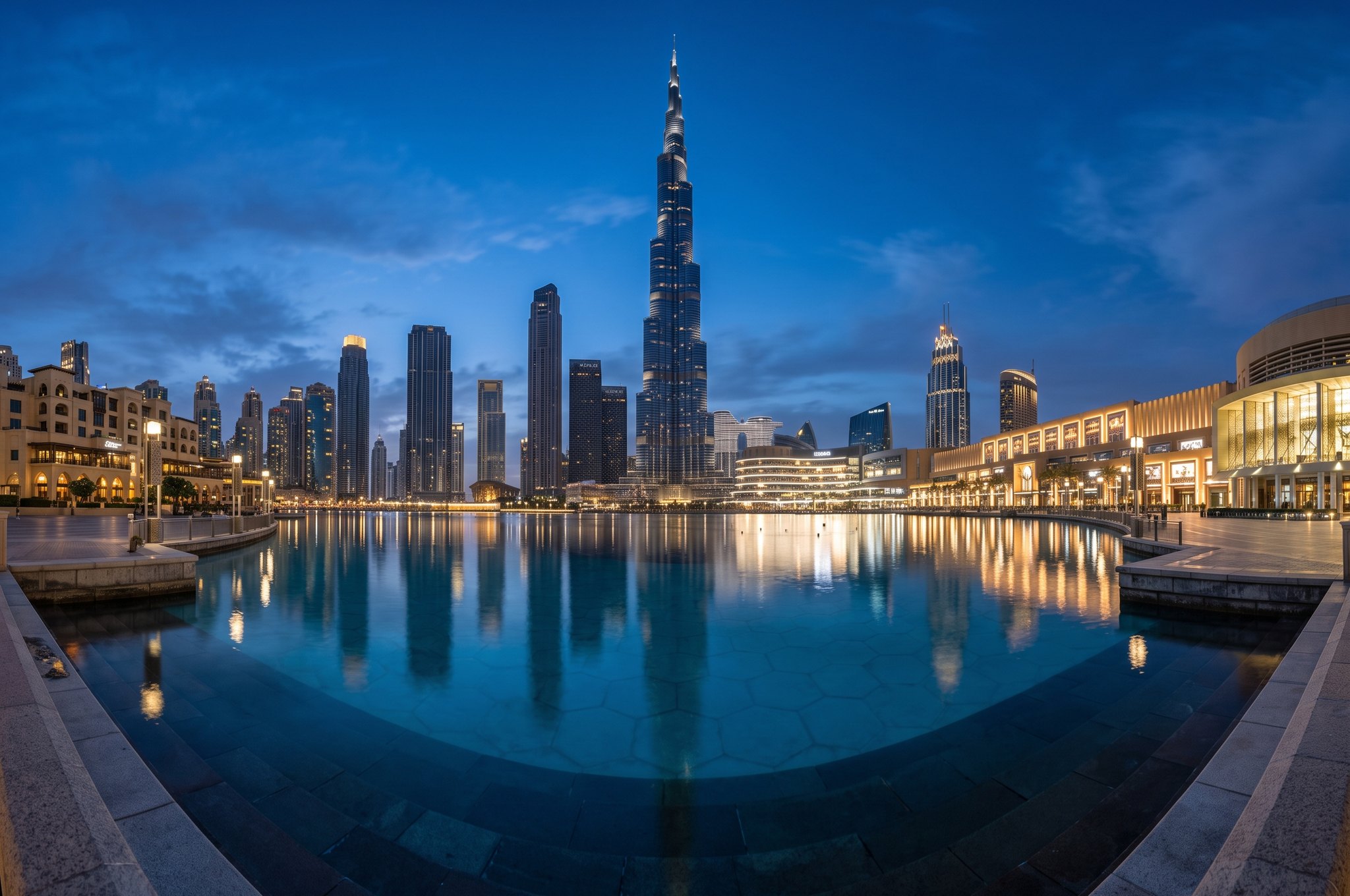
- Downtown Dubai with the Burj Khalifa in view
- Arabic and English speaking guide throughout the group tour
Full Description
A first look at old and new Dubai
Dubai City Tour is built for travellers who have a limited window to understand a city that grew from a small port into a global hub within a few decades. Rather than lingering at one attraction, the route strings together the creek-side old town, the working souks and the coastal skyline in a single outing, so that visitors leave with a mental map of the emirate. A Haqqi Tours guide narrates the transition between eras as the coach moves, pointing out how each district reflects a different stage of the city's growth, which makes the tour a natural starting point before a longer stay.
Al Fahidi and its wind-tower lanes
The tour begins in Al Fahidi, where restored coral-stone houses with wind-tower cooling systems still line narrow, shaded lanes near the creek. Walking through this quarter gives a sense of how Emirati families lived before air conditioning and land reclamation reshaped the coastline, and the contrast with the glass towers seen later in the day is part of what makes the route memorable. Guides point out original architectural details and explain how the district has been preserved as a cultural area rather than redeveloped, which is a question many first-time visitors ask once they see it.
Crossing the creek by abra
From Al Fahidi, the group crosses Dubai Creek aboard a traditional abra, the wooden boat that has carried passengers between the two banks for generations and still does so today. The short crossing offers views of dhows loaded with cargo and of the skyline rising behind the older buildings, a contrast that photographs well and that guests often mention afterwards. It is also the most direct way to reach the souks on the Deira side without doubling back through traffic, so it fits naturally into the flow of a group tour with a fixed itinerary.
The gold and spice souks of Deira
On the Deira side, the tour passes through the covered lanes of the gold souk and the spice souk, where shopfronts display jewellery and sacks of saffron, cardamom and dried fruit much as they have for decades. The guide explains how these markets built Dubai's reputation as a trading centre long before tourism became a major industry, linking the souks back to the story told earlier at Al Fahidi. There is time to browse, though the group tour keeps a shared pace, so shopping tends to be quick rather than leisurely.
Jumeirah Mosque and the coastal drive
The route then heads along the coast towards Jumeirah Mosque, one of the most recognisable examples of Islamic architecture in the city and a familiar image of Dubai even for people who have never visited. The coach stops outside for photographs and a short explanation of the building's design, since entry for a group tour of this kind is not part of the standard route. The drive itself takes in stretches of beachfront and residential districts that show a different, quieter side of the city compared with the souks, giving the group a sense of how much space Dubai's newer neighbourhoods allow compared with the older, denser lanes visited earlier.
Palm Jumeirah and the Dubai Marina skyline
Continuing along the coast, the tour passes Palm Jumeirah, the palm-shaped island lined with resorts, before reaching Dubai Marina, where a dense wall of residential towers rises directly along the waterfront promenade. This stretch of the route is where the scale of modern Dubai becomes obvious, especially in contrast with the low-rise old town seen earlier in the day. The coach slows through the marina area so that guests can take in the yachts moored along the canal and the towers reflected in the water, and the guide points out how quickly this part of the coastline was built up compared with the older districts.
Downtown Dubai and the Burj Khalifa
The final stop before the return leg is Downtown Dubai, where the Burj Khalifa dominates the skyline above the Dubai Mall complex and the Dubai Fountain. The tour views the tower from outside as part of the wider city panorama rather than including entry, which keeps the group moving through the full route within the time available. Many guests use this stop to plan a separate visit to the tower's observation deck later in their trip, which the Haqqi Tours desk can also help arrange, along with suggestions for returning to the area in the evening when the fountain and the lit-up tower look different again.
Who the Dubai City Tour suits
This tour is designed for first-time visitors, families with children old enough to enjoy a full day out, and small groups who want an efficient overview rather than a deep dive into one neighbourhood. Because it runs as a group tour, guests share the coach and guide with other travellers on the same departure, which keeps it sociable and generally more affordable than arranging a private itinerary covering the same ground. Couples and solo travellers on a short stopover also use it as a practical way to see several landmarks in one outing, and many treat it as a scouting trip before choosing where to spend more time later in their stay.
Meeting point, dress code and what to bring
Pickup is arranged from the guest's accommodation area, with the exact time and meeting point confirmed once the booking is finalised. Modest dress is expected for the stop at Jumeirah Mosque, and comfortable shoes make the souk lanes and creek-side walking easier. Because the itinerary moves between the creek, the souks and the marina in the open air, pack water and something for the sun, and keep only a light day bag on the coach since a full suitcase makes more sense left behind at the hotel. Guests travelling with young children may also want a light change of clothes on hand for the abra crossing.
Booking the Dubai City Tour with Haqqi Tours
With its own guides running the tour, Haqqi Tours settles the pickup point, the size of the group and the exact route over WhatsApp in Arabic or English ahead of the day, putting both the price and the plan in writing before payment. The operations desk answers questions about accessibility, timing around prayer or meal breaks, and any special requests well ahead of the outing. Because the itinerary is fixed for the group, booking a little in advance helps secure a place on a convenient departure rather than adjusting plans at short notice, and the same desk can also help arrange onward tours once the city tour has given a first overview of Dubai.
Good to know
- Carry a lightweight scarf for women visiting Jumeirah Mosque
- Wear comfortable shoes suited to walking through souk lanes
- Bring water and sun protection for the creek crossing
- Keep a small day bag rather than a full suitcase
- Charge your phone before the day for marina and skyline photos
- Save the Haqqi Tours WhatsApp number so pickup details reach you quickly on the day
- Stay close to children near the abra boarding point