Kongo River Mangrove Sunset Canoe Tour, Diani
4.8 (99 reviews) from travellers who booked this experience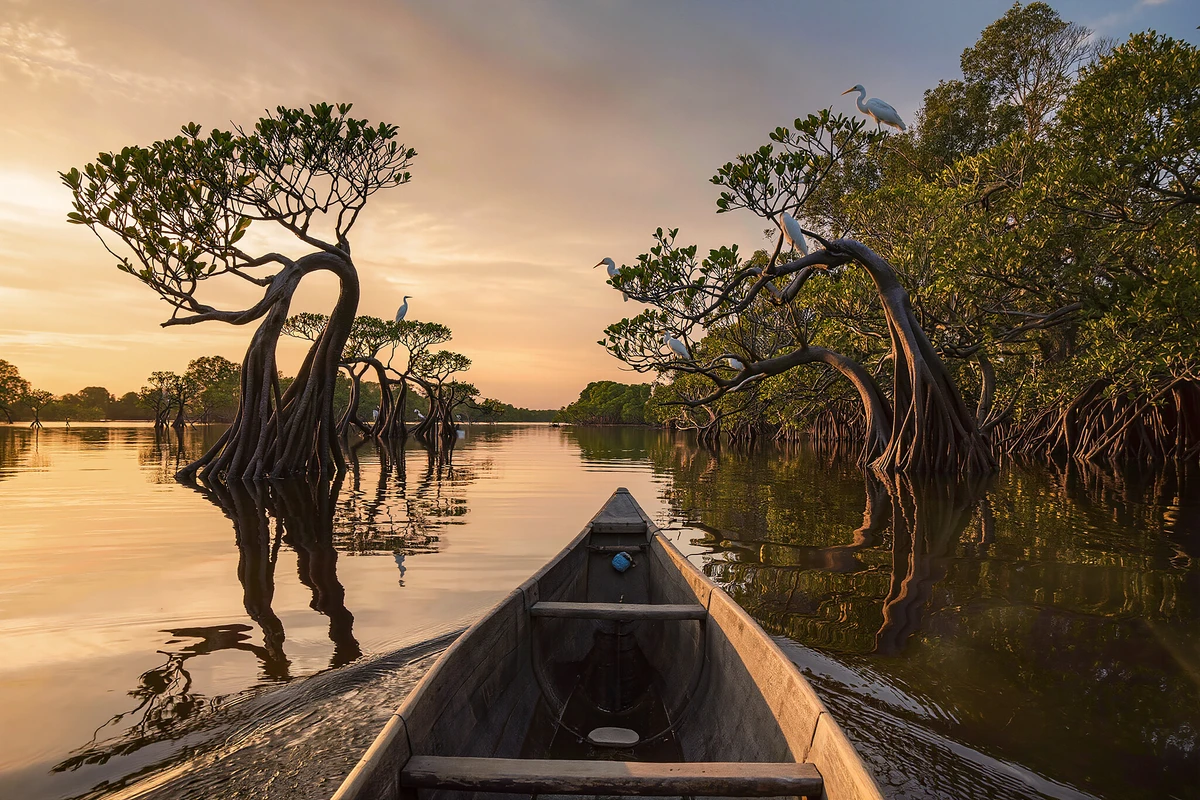
Overview
The Kongo River sunset canoe tour is a gentle two-hour escape at the northern end of Diani Beach, where a tidal river slides out of the mangroves and meets the Indian Ocean beside a centuries-old coral mosque. You board a traditional wooden canoe with a local captain who grew up on this water, drift into the shaded channels of the mangrove forest, learn how the ecosystem protects the coast, plant a mangrove seedling of your own and return to the open estuary just as the sun drops behind the palms. It is a shared trip in small canoes, unhurried and quiet, suited to couples, families with older children and anyone who wants to see the real Diani away from the beach loungers.
Highlights
- Paddle a traditional wooden canoe on the Kongo River with a local captain and guide
- Glide through mangrove tunnels where the river meets the Indian Ocean
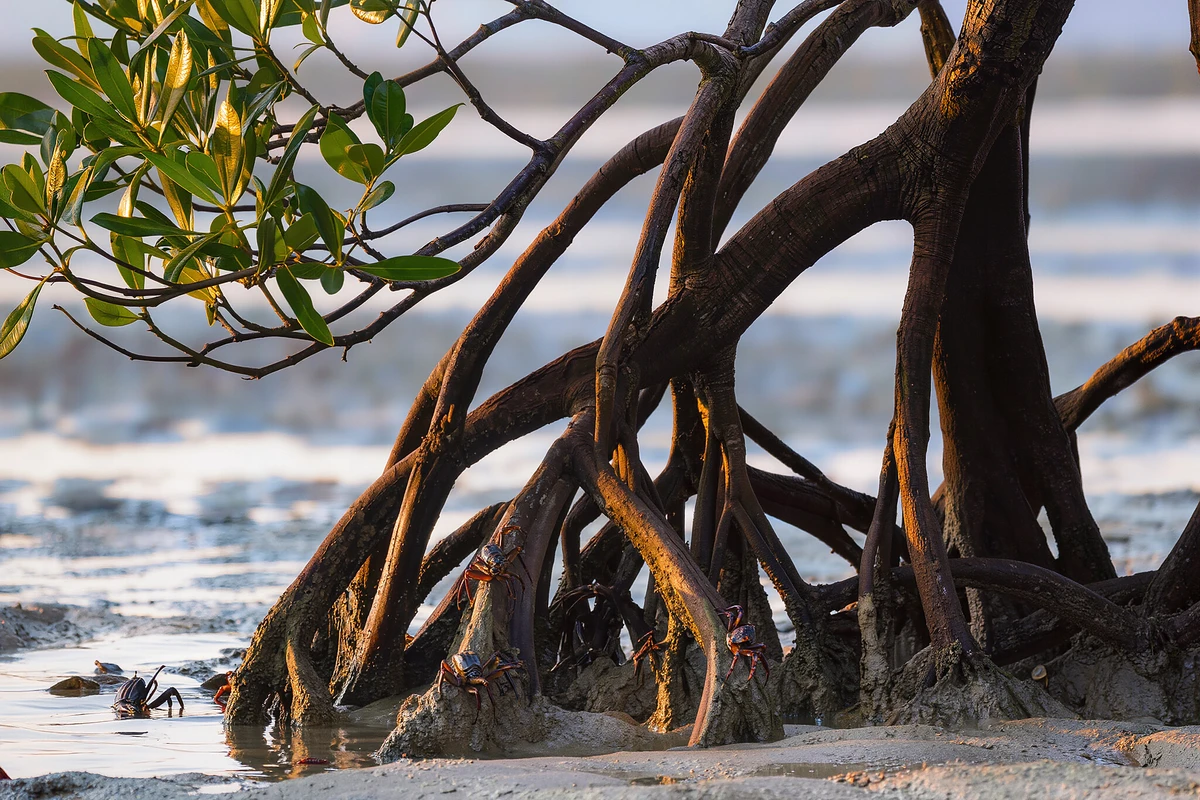
- Spot kingfishers, herons, egrets, fiddler crabs and mudskippers along the banks
- Plant your own mangrove seedling as part of a community restoration effort
- Hear the history of the estuary, the old coral mosque and the Digo villages around it
- Watch the sunset from the water as the tide turns in the estuary
- A calm, shaded trip that starts in the late afternoon when the heat has eased
Full Description
The Kongo River estuary at the north end of Diani Beach
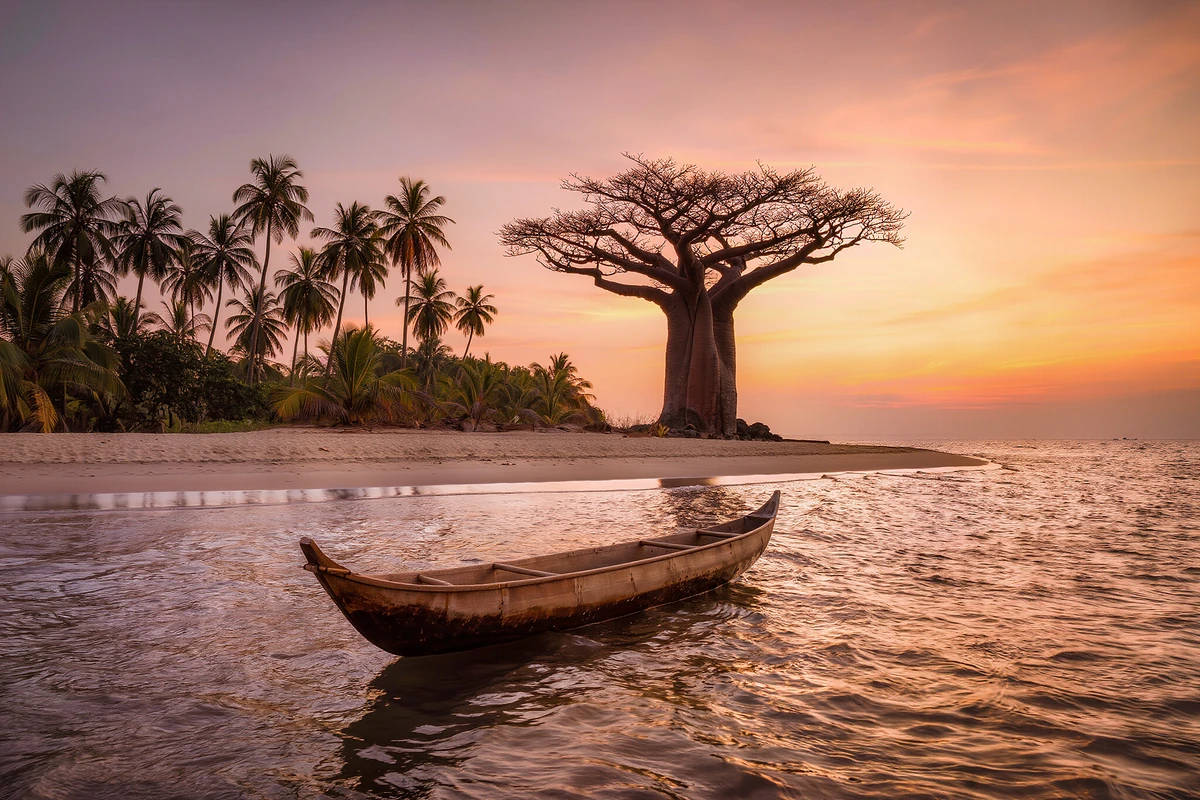
The Kongo River is a short tidal river that drains the coastal forest behind Diani and Tiwi and opens into the sea at the northern tip of Diani Beach. Its mouth is a wide, shallow lagoon fringed by baobabs and coconut palms, and at low tide local fishermen wade across it with nets. Because the sea pushes in twice a day, the water here is brackish, which is exactly what mangroves need to grow.
Our guide meets you on the sand beside the estuary in the late afternoon and walks you to the canoes. The Kongo River sunset canoe trip in Diani starts here because the light is best in the last two hours of the day and the birds come back to roost. The canoes are traditional wooden craft paddled by the captain, so you can simply sit, watch and photograph as the banks slide past.
Inside the mangrove forest
Upstream from the estuary the river narrows into a maze of channels through red, white and black mangroves, their arched roots standing in the water like stilts. Mangroves are the nursery of the Kenyan coast: young reef fish, prawns and crabs shelter among the roots before moving out to sea, and the trees trap sediment, buffer storm surges and store more carbon per hectare than most forests on land.
Your captain explains how to tell the species apart by their leaves and roots, and points out fiddler crabs waving on the mud, mudskippers skipping over the surface and the holes of mangrove snails. In the quieter channels you may hear only dripping paddles and birdsong. This mangrove canoe tour near Diani Beach lasts about an hour inside the forest before you turn back towards the open water.
Birdlife of the Kongo River
The estuary and mangroves attract a surprising range of birds for such a small river. Malachite and pied kingfishers perch on the roots, grey herons and little egrets stalk the shallows, and at dusk flocks of weavers and swallows cross the water on their way to roost. Fish eagles are sometimes seen on the tall trees near the mouth, and in the northern winter migrant waders feed on the mudflats.
Bring binoculars if you have them; the canoe is a silent platform and birds let you come close. Our guide knows the local names as well as the English ones and will tell you which species nest in the mangroves and which only visit. Birds are wild and sightings vary with the tide and season, but the evening light makes even the common species look spectacular against the dark water.
The old coral mosque and the history of the estuary
On a rise beside the river mouth, among giant baobabs, stands the Kongo Mosque, a small coral-rag mosque with a thick wooden door that is thought to date from the sixteenth century, making it one of the oldest places of worship still in use on the Kenyan coast. It is linked to the Swahili trading settlements that once lined this shore and to the arrival of the Digo people, who still farm and fish around Diani today.
The mosque is viewed from outside and the guide tells its story from the water or the sand; it remains an active place of prayer, so modest dress and quiet behaviour are appreciated if you walk up to it. Hearing how traders, farmers and fishermen have used this estuary for hundreds of years gives the canoe trip a depth that a beach afternoon cannot, and it is the reason many guests say the Kongo River is worth visiting.
Mangrove planting and the sunset return
Halfway through the trip the canoes pull into a shallow bank where the community is replanting mangroves lost to cutting and erosion. Each guest receives a propagule, the long seed pod of the red mangrove, and pushes it into the mud at the right depth. It is a small act, but hundreds of visitors doing the same have rebuilt whole stretches of bank over recent years, and the guide shows you seedlings planted a season or two ago.
You then paddle back downstream as the sky turns orange over the palms, reaching the estuary mouth for the last light. Sunset on the Diani coast is around half past six all year, so the trip is timed to finish just after it. From here it is a short walk back to the road; transport to and from the meeting point is not included, so we can arrange a transfer from your hotel on request.
Itinerary
- Meet at the Kongo River mouth, Diani BeachMeet our guide and captain at the meeting point at 16:45, receive a short briefing and board the canoes.
- Paddle into the estuaryCross the open lagoon towards the mangroves while the guide introduces the river and its history; about 15 minutes.
- Explore the mangrove channelsDrift through the narrow channels of the forest looking for crabs, mudskippers and birds; about 45 minutes.
- Plant a mangroveStop at the restoration bank to plant your own seedling with the community team; about 15 minutes.
- Sunset on the waterReturn towards the river mouth to watch the sun set over the palms from the canoe; about 30 minutes.
- Back on shoreLand at the meeting point around 18:45 as dusk settles over Diani Beach.
What's included
- Guided canoe trip on the Kongo River
- Local English-speaking guide and captain
- Mangrove planting
- Sunset sailing on the estuary
- Introduction to the mangrove ecosystem, birdlife and local history
Not included
- Hotel pickup and drop-off
- Tips
- Food and drinks
Not suitable for
- Children under 5 years, as the canoes are small and have no fixed seating for toddlers
- People who cannot step in and out of a low boat from sand or shallow water
- Those unable to sit on a low bench for up to two hours
Meeting point
The tour starts at 16:45 at a meeting point on the beach at the northern end of Diani, beside the Kongo River mouth; the exact location and a map pin are sent with your booking confirmation. Transport is not included, but most Diani hotels are a short taxi or tuk-tuk ride away, and we can arrange a transfer from your hotel on request.
Important information
- Wear light clothes you do not mind getting splashed, and sandals or shoes that can get wet
- Bring insect repellent: mosquitoes and sandflies are active in the mangroves at dusk, and the coast is a malaria area, so ask your doctor about precautions before travelling
- A hat, sunglasses and sunscreen are still useful for the first hour; a light long-sleeved shirt is good for the last
- Keep phones and cameras in a dry bag or zipped pocket; the canoes are stable but low in the water
- Life jackets are provided and non-swimmers are welcome; the water in the channels is shallow
- The route and the time spent in the channels depend on the tide and may be adjusted by the captain on the day
- Binoculars make the birdwatching far better if you have a pair
- Dress modestly if you walk up to the old mosque, which is an active place of prayer
Good to know
Frequently Asked Questions
Straight answers to what travellers ask us most, before they book.
Is this a shared or a private tour?
It is a shared tour: several small canoes go out together, each with its own captain, and the guide moves between them. If you would like a canoe or the whole departure just for your party, ask us and we will check what private arrangements are possible on your date.
Can we change the itinerary or the pace?
The route follows the tide and the sunset, so the start time is fixed, but the captain adapts the pace to the group and spends longer wherever the birds or the light are best.
How many people fit in a canoe?
The traditional canoes carry two to three guests plus the captain. Larger parties are spread across several canoes that travel together.
Is the price per person or per group?
The sunset canoe tour is priced per person, with a separate child rate. The booking panel on this page shows the current price of each option.
Is hotel pickup included?
No. You make your own way to the meeting point at the north end of Diani Beach, which is a short ride from most hotels. If you prefer, we can arrange a private transfer from your hotel; just ask when booking.
What is included?
The guided canoe trip, a local captain and guide, life jackets, the mangrove planting, the sunset sail and an introduction to the ecosystem, birdlife and history of the river. Tips and transport are not included.
How long is the tour?
About two hours, from 16:45 to roughly 18:45, timed so you are on the water at sunset.
Is it suitable for children and people with reduced mobility?
Children from about five years old enjoy it, and teenagers usually love the crab spotting and the planting. Getting into the canoe means stepping from sand or shallow water into a low boat, so it is not suitable for wheelchair users; please contact us if you have specific needs.
Do I need to paddle?
No. The captain paddles and steers; you can take a turn if you like, but most guests prefer to sit back and watch.
What should I bring?
Insect repellent, a hat, sunscreen, water, a light long-sleeved layer, shoes that can get wet and, if you have them, binoculars and a dry bag for your phone or camera.
When is the best time of year for the Kongo River canoe tour?
It runs all year. The dry months from December to March and July to October give the clearest skies for sunset; after the April and May rains the mangroves are at their greenest and the birds most active.
How do I book and confirm?
Choose your date in the booking panel and send your request; our team confirms availability on WhatsApp within minutes and sends the meeting point map with your confirmation.
You might also like
Tours
View all
Airport Transfers
View allExplore more in Diani
More tours in Diani
See all tours in Diani Other things to do in Diani


More tours across Kenya
-
-
-
-
-
-