DMZ Day Trip with Defector Story & Suspension Bridge from Seoul
- Duration8 hours
- Daily
- Group
- Pickup available
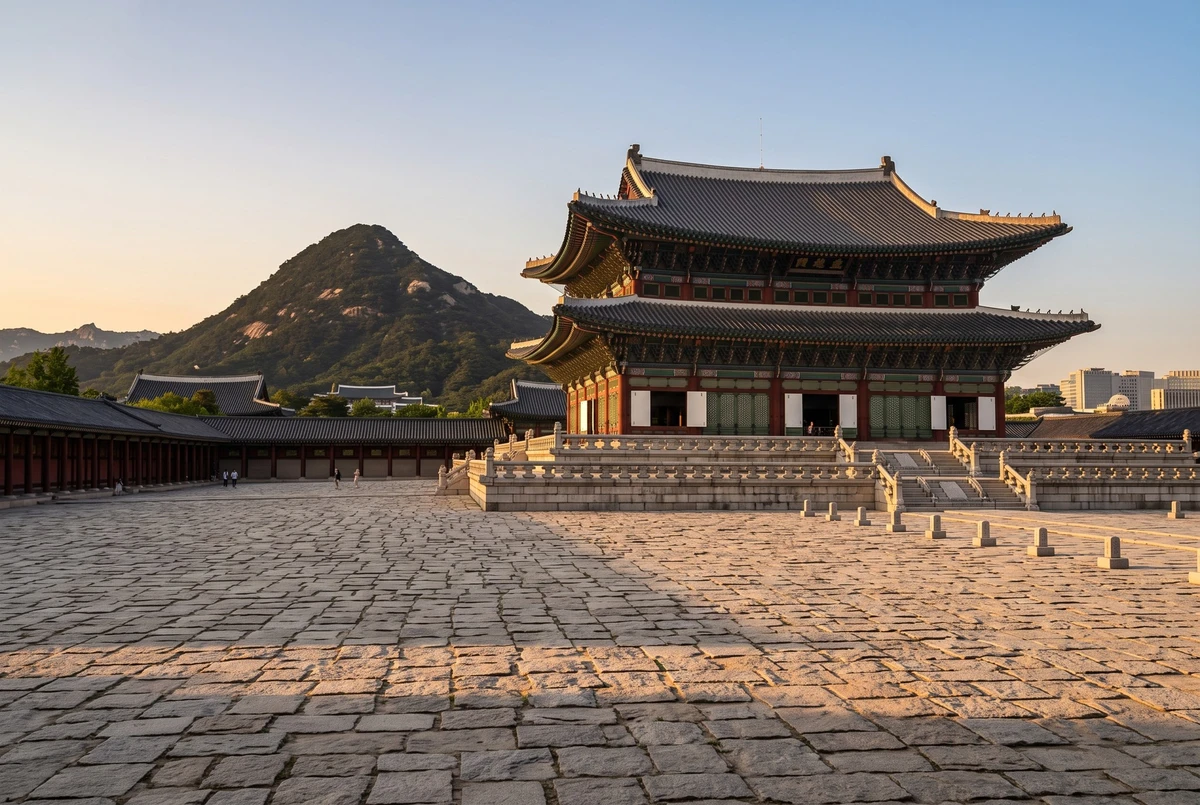
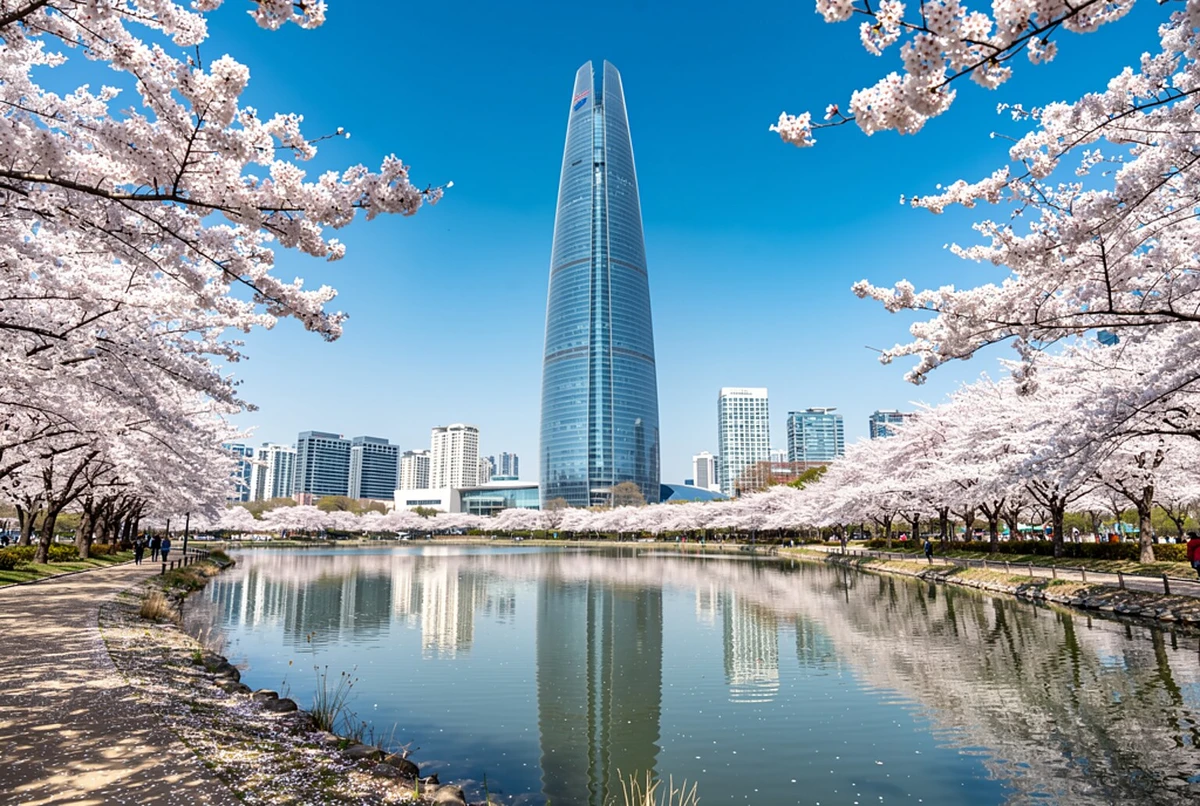
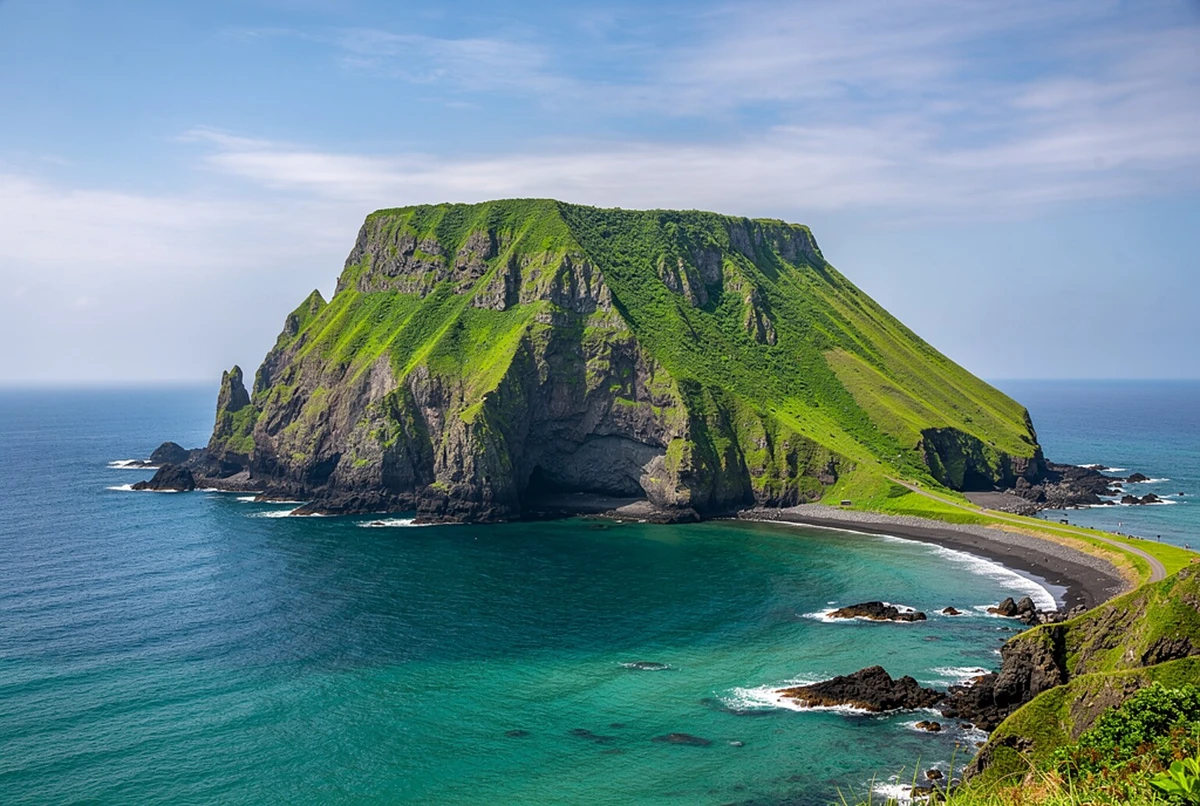
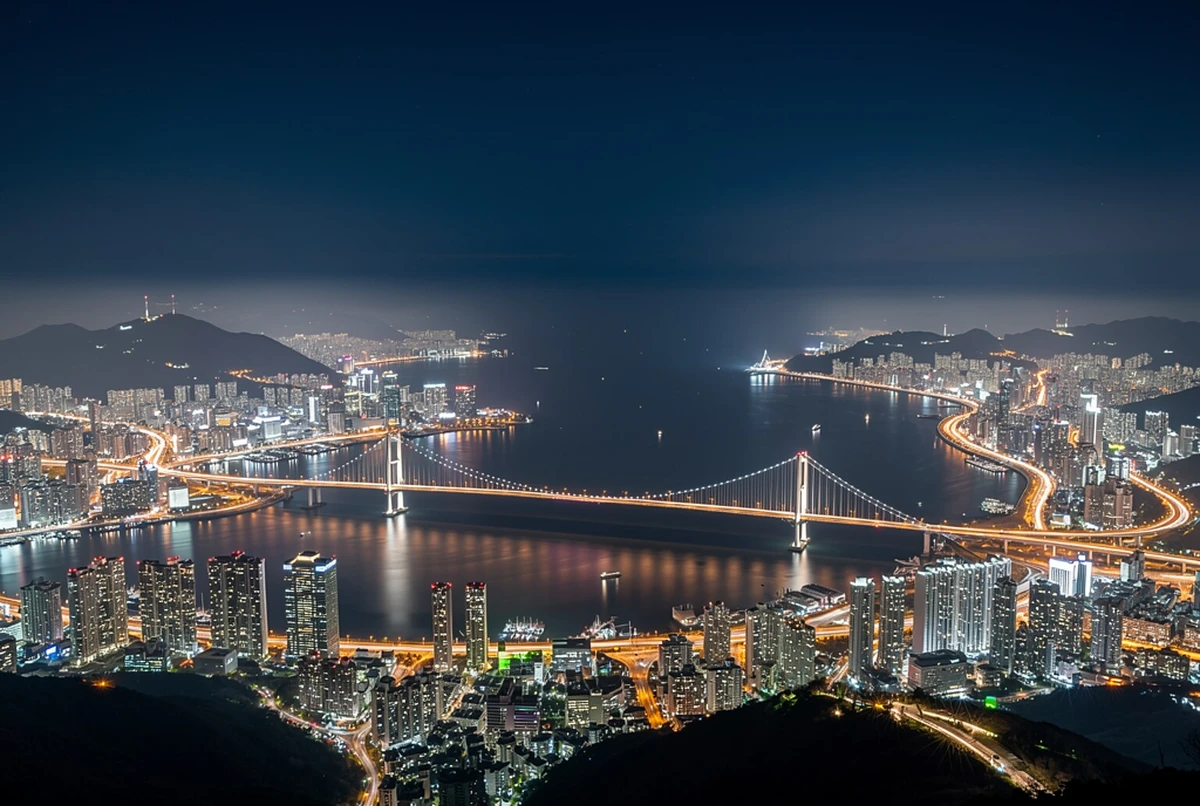
Some images are AI-generated for illustration. While we confirm your booking, just ask and we will send you the original photos.
- Fair, honest prices
- Real people, not bots
- Confirm, then pay
- Secure payment

Overview
This DMZ day trip from Seoul combines the essential sites of the Korean border with two things that make the day stand out: a face-to-face interview with a North Korean defector, who shares a personal story of life in the North and escape, and a walk across the red Gamaksan Suspension Bridge in the hills of Paju. With a professional English-speaking guide you visit Imjingak Pyeonghwa-Nuri Park, the Bridge of Freedom and Mangbaedan Altar, walk down into the Third Infiltration Tunnel and look into North Korea from Dora Observatory. The default option is a shared group tour in an air-conditioned vehicle from City Hall Station at 07:30, with all entrance fees included. Other options add hotel pickup, Gyeongbokgung Palace or a private tour.
Highlights
- Face-to-face interview with a North Korean defector, with time for your questions
- Walk down into the Third Infiltration Tunnel, dug toward Seoul and found in 1978
- Views across the border into North Korea from Dora Observatory
- Imjingak Pyeonghwa-Nuri Park, the Bridge of Freedom and the bullet-scarred locomotive
- Mangbaedan Altar, where divided families honour ancestors they cannot visit
- Cross the swaying Gamaksan Suspension Bridge high above a forested valley
- Professional English-speaking guide and all entrance fees included
- Air-conditioned vehicle from City Hall Station in central Seoul
Full Description
Imjingak Pyeonghwa-Nuri Park and the Bridge of Freedom
Imjingak stands on the south bank of the Imjin River in Paju, about an hour's drive north of Seoul and only a few kilometres from the line that divides the peninsula. Opened in 1972, it is the one part of the border area anyone can visit without a military pass, and it is the first stop of almost every DMZ tour from Seoul. Beside it, Pyeonghwa-Nuri Park, opened in 2005, is a broad grassy hill dotted with colourful pinwheels turning in the wind, with open lawns used for peace concerts.
The Bridge of Freedom is the old railway bridge that prisoners of war crossed on foot when they returned south after the 1953 armistice; its end is now closed by a barrier hung with ribbons. Nearby rests a steam locomotive riddled with bullet holes, derailed at Jangdan Station in 1950 and left in the DMZ for over half a century. Your guide uses these sites to explain how the war began and why it never formally ended.
Mangbaedan Altar and the Divided Families
Mangbaedan Altar was built at Imjingak in 1985 for Koreans who fled south during the war and could never return to their native villages. On Lunar New Year and Chuseok, the harvest festival, families gather in front of the stone altar to bow toward the North and perform ancestral rites for parents and grandparents whose graves lie on the other side of the border.
Standing here gives the division a human face. Your guide explains the history of the family reunion meetings held between the two Koreas, the long waiting lists and the growing number of elderly people who will never see their relatives again. The fences around the site are covered with messages and ribbons written in many languages, and the half hour spent here is quiet and moving, a good preparation for the defector interview later in the day.
Face-to-Face with a North Korean Defector
The interview with a North Korean defector is the heart of this tour. In a small, seated setting, a person who grew up in the North speaks about daily life there, from school and work to food shortages and the constant watch of the state, and then describes the decision to escape and the long, dangerous journey that followed. Hearing it face to face turns the headlines about North Korea into the story of one real life.
After the account there is time for your questions about life before and after the escape, adapting to the South and the families left behind. Our guide translates where needed and helps keep the conversation respectful; some details may be left out to protect relatives still in the North, so let the speaker set the limits. Many travellers say this conversation is what they remember most from the whole day.
The Third Infiltration Tunnel
The Third Infiltration Tunnel was discovered in October 1978 after a tip from a North Korean defector. Dug through solid granite about 73 metres below ground, it runs for about 1.6 kilometres, crossing the Military Demarcation Line, and was wide enough to move large numbers of soldiers toward Seoul in a short time. Drill holes still mark the rock, and the walls were painted black to support the claim that it was a coal mine.
Visitors wear a hard hat and walk down a steep, sloping access passage to reach the original tunnel, then follow it to a concrete barrier sealed close to the border. The climb back up is the most demanding part of the day, so take your time. Bags, phones and cameras go into lockers before you enter, as photos are not allowed underground. An exhibition hall and a short film at the entrance explain how the tunnel was found.
Dora Observatory
Dora Observatory sits on Dorasan, a hill on the southern edge of the DMZ, and is the closest point in South Korea from which visitors can look straight into the North. Opened in 1986 and rebuilt in 2018 with a modern viewing hall, it offers views of Kijong-dong, the village across the line known for its giant flagpole, of the closed Kaesong Industrial Region and, on clear days, of the city of Kaesong itself.
Binoculars on the terrace bring the fields, hills and guard posts of the North into focus, while your guide points out the line of the DMZ and tells the stories behind what you see. Allow about 50 minutes. The best views come on clear autumn and winter days, when haze is low. Photos are permitted only in the marked areas, and soldiers may give extra instructions on the day.
Gamaksan Suspension Bridge
After the border sites, the tour heads east into the hills of Paju to Mt. Gamaksan, a 675-metre peak counted among the five sacred mountains of Gyeonggi Province. Its red suspension bridge, opened in 2016, spans a deep forested valley and sways gently underfoot, which is part of the fun. From the middle you look along the valley and across the slopes of the mountain, in fresh green in summer, red and gold in autumn and white after winter snow.
Is the Gamaksan Suspension Bridge worth visiting? After hours of history and tension at the border, this walk offers a welcome change of mood and some of the best nature views of the day. Reaching it by public transport is slow, so including it in a DMZ day trip is the easiest way to see it. The approach path has slopes and steps; allow about an hour for the walk and photos.
Itinerary
- Meet at City Hall Station Exit 7Meet your guide at 07:30 outside Exit 7 of City Hall Station and board the air-conditioned vehicle.
- Drive to PajuAbout one hour north, with an introduction to the Korean War and the division.
- Imjingak Pyeonghwa-Nuri ParkAround an hour and a half at the park, the Bridge of Freedom and the steam locomotive, with time for a snack.
- Mangbaedan AltarAbout 30 minutes at the altar of the divided families.
- Third Infiltration TunnelAfter the passport check at the military checkpoint, walk down into the tunnel and back up the steep passage.
- Dora ObservatoryAbout 50 minutes looking across the DMZ into North Korea.
- North Korean defector interviewA face-to-face conversation with a defector, followed by your questions.
- Gamaksan Suspension BridgeAbout an hour for the walk to and across the bridge, with mountain views.
- Return to SeoulAbout one hour's drive back, with drop-off in central Seoul.
What's included
- Professional English-speaking guide
- Round-trip transport in an air-conditioned vehicle
- All entrance fees for the selected itinerary
- Imjingak Pyeonghwa-Nuri Park and the Bridge of Freedom
- Mangbaedan Altar
- Third Infiltration Tunnel
- Dora Observatory with views into North Korea
- Face-to-face interview with a North Korean defector
Not included
- Hotel pickup and drop-off
- Meals and drinks
- Personal expenses and snacks
- Travel insurance
- Tips (optional)
Is this right for you?
Great for
- Families with children — a child price for ages 4–11
- Travellers without a car — hotel pickup is included
- Groups who want privacy — a private option is available
- History and culture lovers
Not suitable for
- Wheelchair users
- Travellers with limited mobility, because of the steep, uneven tunnel passage
- Travellers without their original passport
Meeting point
The default option meets at 07:30 outside City Hall Station Exit 7 (subway Lines 1 and 2), 92 Sejong-daero, in central Seoul. Please arrive 10 minutes early with your passport so your guide can check names before departure. Hotel pickup is not part of this option; if you prefer to be collected from your hotel in central Seoul, choose one of the hotel pickup options in the booking panel. The tour ends with drop-off in central Seoul.
Important information
- Bring your original, valid passport; it is checked at the military checkpoint
- Sneakers or sturdy walking shoes are required for safety in the tunnel and on the bridge path
- The tunnel passage is steep and uneven; consider this if walking is difficult for you
- No photos inside the Third Infiltration Tunnel; bags and phones go into lockers
- There is no set meal break: buy a light meal at the cafeterias at Imjingak or Dora Observatory, or bring food without a strong smell
- Children must be accompanied by an adult
- Sites inside the Civilian Control Zone close on Mondays and can close at short notice for military reasons; we tell you straight away about any change
Good to know
Frequently Asked Questions
Straight answers to what travellers ask us most, before they book.
Is this a shared or a private experience?
The default option is a shared group tour in an air-conditioned vehicle with a professional guide. A private option for your group, with hotel pickup, is also available in the booking panel.
How long does it take?
About 8 hours from City Hall Station and back. Other options run from about 7 to 9 hours, depending on pickup and the sites included.
Is hotel pickup included?
Not in the default option, which meets at City Hall Station Exit 7. Options with hotel pickup in central Seoul and the private option collect you from your hotel.
What is included?
A professional English-speaking guide, round-trip transport in an air-conditioned vehicle, all entrance fees, Imjingak Pyeonghwa-Nuri Park and the Bridge of Freedom, Mangbaedan Altar, the Third Infiltration Tunnel, Dora Observatory, the defector interview and the Gamaksan Suspension Bridge. Meals and insurance are not included.
Is the price per person or per group?
The shared options are priced per person, with a child rate for ages 4 to 11, and the private option per group. The booking panel on this page shows the current price of each option.
Is it suitable for children or travellers with reduced mobility?
Children are welcome with an adult and need their own passport. The tour is not wheelchair accessible, and the steep tunnel passage is hard for anyone with limited mobility.
What should I bring?
Your passport, sneakers, a light jacket for the cool tunnel, water and a snack, as there is no set lunch stop.
What can I ask the North Korean defector?
You can ask about daily life in the North, the escape and adapting to life in the South. Some personal details may be kept private to protect family members, and our guide helps keep the conversation respectful.
What is the best time of year for this tour?
Autumn is outstanding, with clear views from Dora Observatory and red and gold leaves at Gamaksan. Spring is mild, and crisp winter days give sharp views across the border.
What happens in bad weather?
The tour runs in rain, so bring an umbrella and shoes with grip for the bridge path. If weather or military orders close a site on the day, we adjust the route and let you know at once.
Is lunch included on the DMZ tour?
No. There is no set meal break, but you can buy a light meal at the cafeterias at Imjingak or Dora Observatory during free time, or bring your own food without a strong smell.
How do I book and confirm?
Choose your option and date in the booking panel and send your request. Our team confirms your booking on WhatsApp within minutes.
More in Seoul