DMZ Guided Tour with Defector, Gondola & Suspension Bridge Seoul
- Duration9 hours
- Daily
- Group
- Pickup available
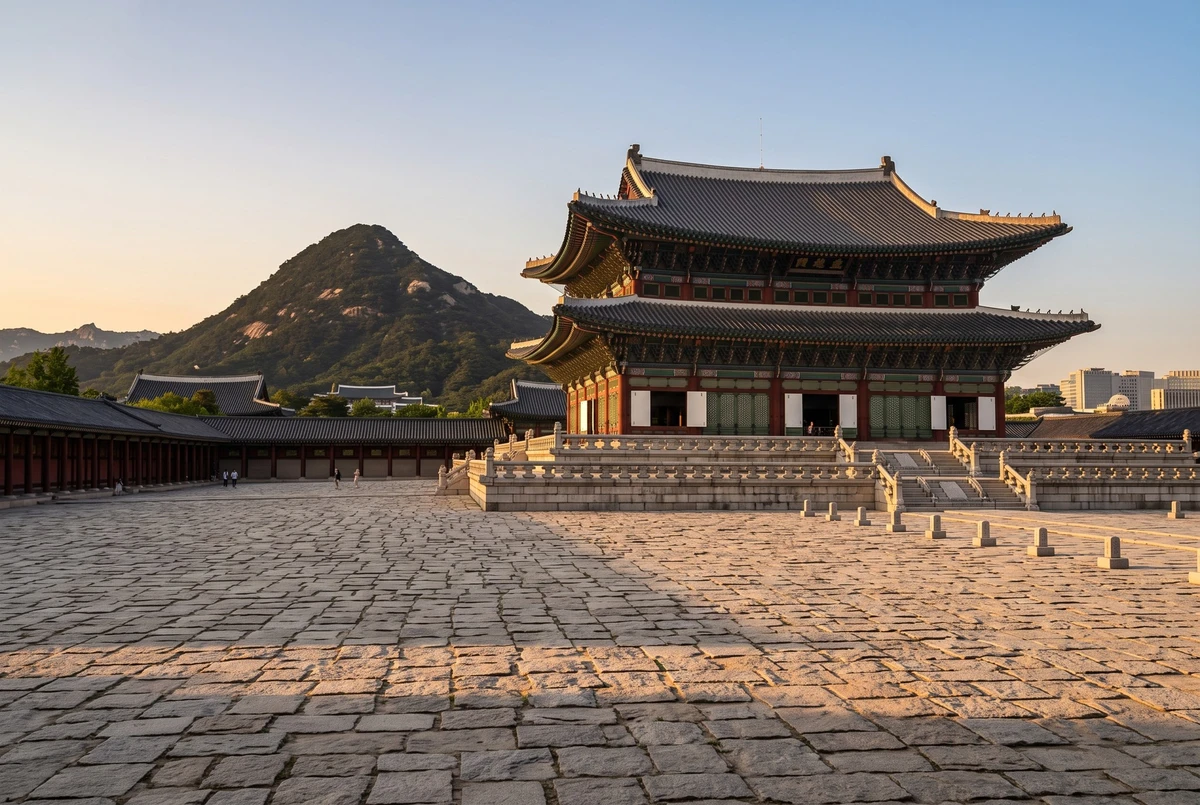
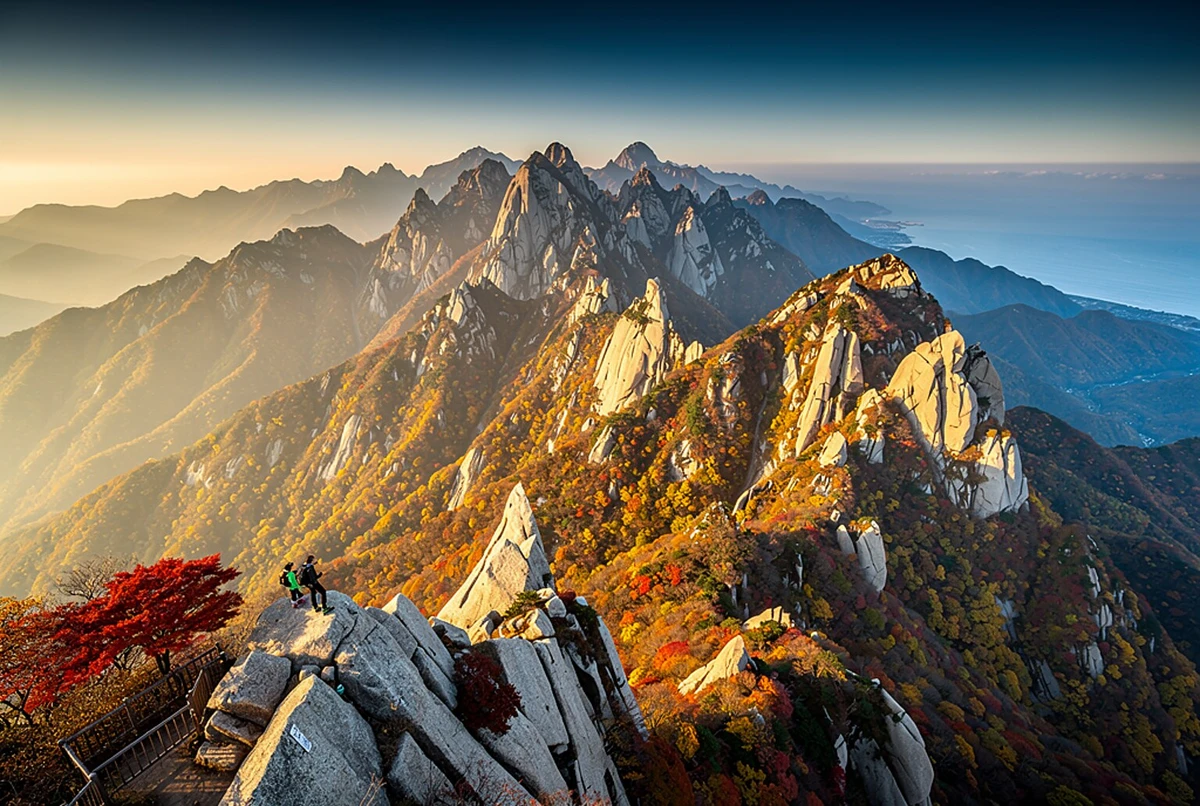
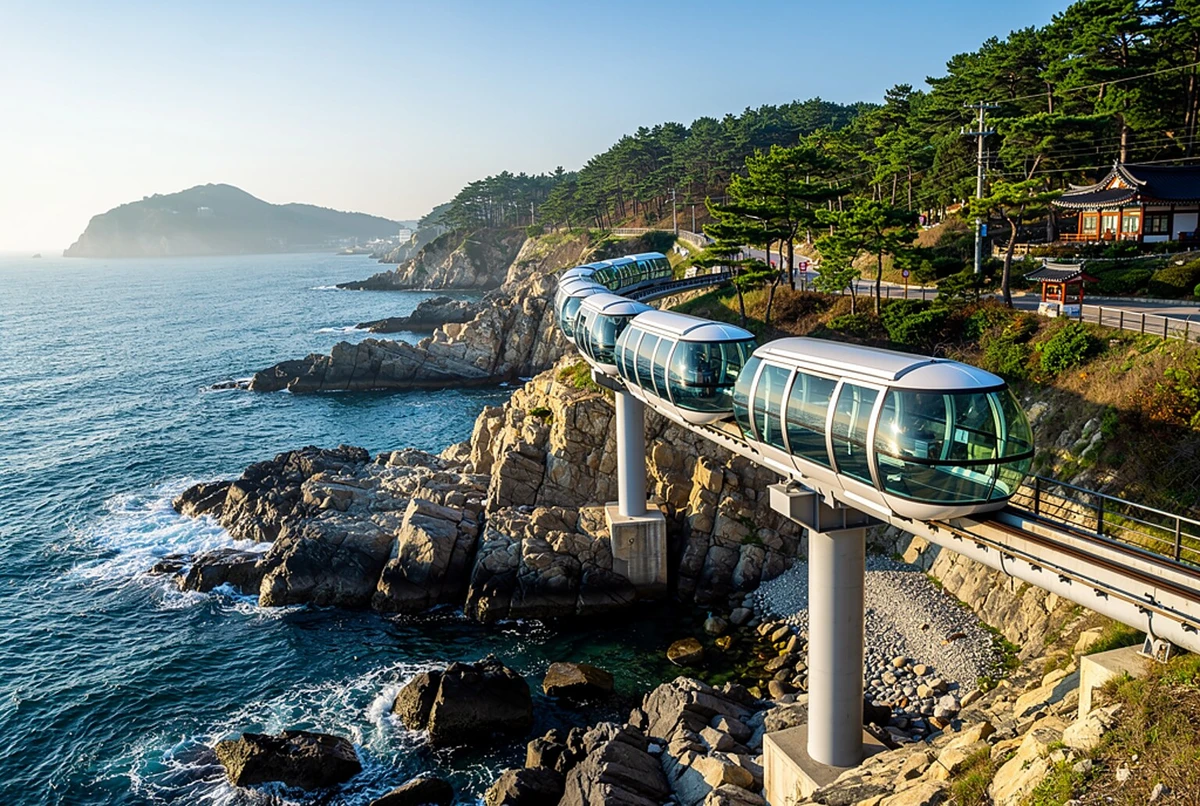
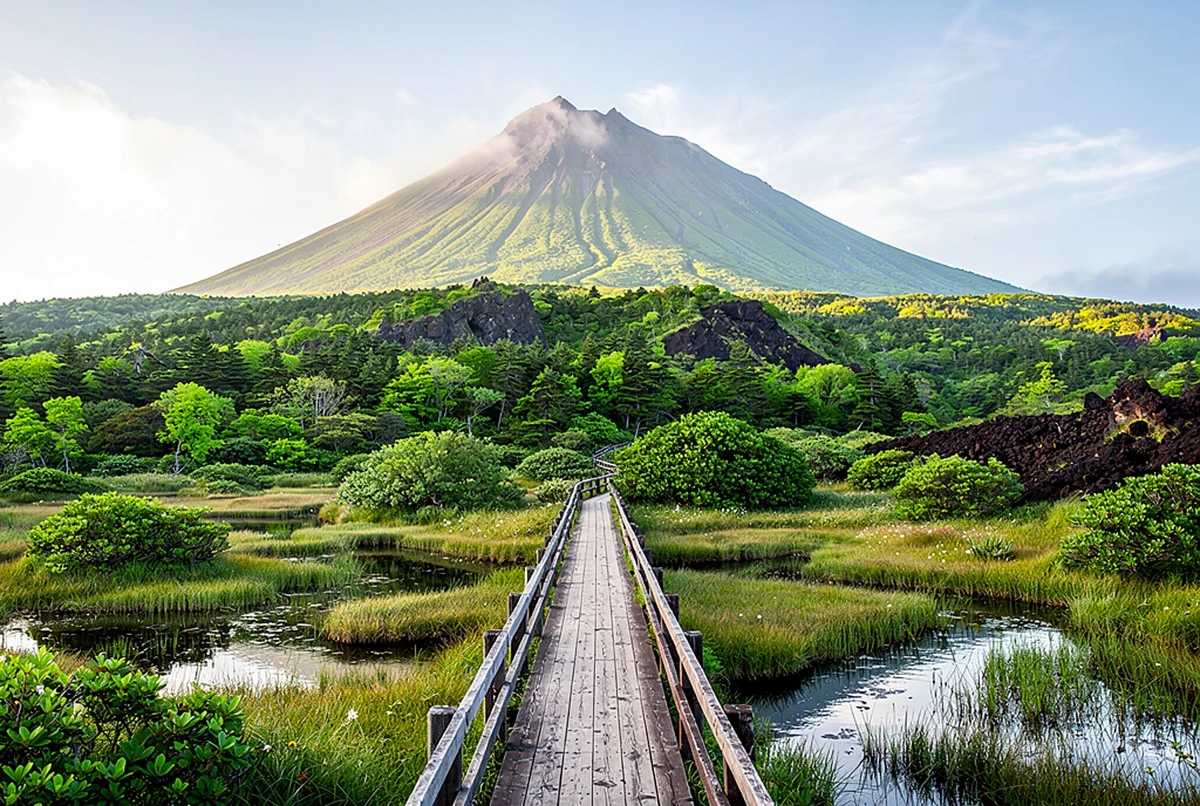
Some images are AI-generated for illustration. While we confirm your booking, just ask and we will send you the original photos.
- Fair, honest prices
- Real people, not bots
- Confirm, then pay
- Secure payment

Overview
This guided DMZ day trip from Seoul takes you to the edge of the most heavily guarded border on earth, the strip of land that has divided the Korean Peninsula since the 1953 armistice. The default option is a shared coach tour leaving Myeongdong Station at 07:20 with an English-speaking guide. You walk the swaying Gamaksan Suspension Bridge, explore Imjingak Park, go underground in the Third Tunnel of Aggression, look into North Korea from Dora Observatory and stop at Unification Village. A session with a North Korean defector, who shares first-hand stories of life in the North and escape, gives the day real depth. Other options add the Peace Gondola, a Monday route or a private tour with hotel pickup.
Highlights
- Hear a North Korean defector describe daily life in the North and the journey south
- Walk down into the Third Tunnel of Aggression, dug under the border towards Seoul
- Look across the frontier to North Korean villages from Dora Observatory
- Cross the Gamaksan Suspension Bridge high above a forested mountain valley
- See the Freedom Bridge, the old steam locomotive and the peace memorials at Imjingak
- Free time in Unification Village, a farming community inside the Civilian Control Zone
- DMZ entry tickets and a professional English-speaking guide included
- Round-trip coach from central Seoul with a fixed meeting point at Myeongdong Station
Full Description
Gamaksan Suspension Bridge in Paju
The day opens about an hour north of Seoul at Gamaksan, a rugged granite mountain in Paju whose summit rises to roughly 675 metres. Its suspension bridge, opened in 2016, stretches about 150 metres across a deep wooded valley, and it moves gently under your feet as you walk, which is exactly why Koreans call this kind of crossing a "swinging bridge". From the middle you look down on the stream bed and across ridges that turn bright red and gold in autumn.
The crossing itself takes only a few minutes, but the stop leaves time for photos at both ends and a short stroll on the forest path. It is a calm, scenic start before the heavier history of the border, and many travellers say it is the best photo spot of the whole day at the border. Wear shoes with good grip, as the approach paths include steps.
Imjingak Park and the Freedom Bridge
Imjingak, built in 1972 on the banks of the Imjin River, is the most visited place on the southern edge of the border area and the gateway to the Demilitarized Zone. Here you see the Freedom Bridge, where prisoners of war were exchanged after the armistice, a rusted steam locomotive riddled with bullet holes that stood abandoned in the zone for decades, and the Mangbaedan altar, where families separated by the division bow towards the North during traditional holidays.
Fences along the river are covered in ribbons left by visitors with messages of hope for reunification, and the Peace Bell and the visitor centre explain the story of the war. You spend about an hour at Imjingak with your guide, and this is also where the DMZ checkpoint formalities take place, so keep your passport with you.
The Third Tunnel of Aggression
Discovered in 1978 after a defector's tip-off, the Third Tunnel was dug by the North under the Military Demarcation Line and reaches about 1.6 kilometres in length, around 73 metres below ground, only about 52 kilometres from Seoul. Military planners estimated that thousands of troops an hour could have passed through it. Today visitors walk down a steep inclined access passage, wearing a safety helmet, until they reach the original rock tunnel and the concrete barricades that seal it.
The walk down and back takes around 30 to 45 minutes and feels like a moderate hike, especially on the way up. The ceiling is low in places, so tall travellers will stoop. Photography is not allowed inside. Before entering, a short film and exhibition hall set the scene. Anyone who prefers not to go underground can wait at the entrance area while the group visits.
Dora Observatory: Looking into North Korea
Dora Observatory sits on Dorasan, the northernmost hill on the southern side, and it is the closest most visitors ever come to seeing North Korea with their own eyes. On a clear day the viewing deck and binoculars show the North Korean flag village of Kijong-dong with its giant flagpole, the farm fields of the frontier and, further away, the outskirts of the city of Kaesong. The building was rebuilt and reopened in 2018 with a larger, more modern viewing hall.
Your guide explains what you see, from guard posts to the line of the border itself, during a stop of about 50 minutes. Mornings and crisp autumn or winter days give the clearest views, while summer haze can soften the horizon. Photography rules here can change and are set by the military, so follow the guide's instructions at the deck.
Unification Village and the Defector Session
Unification Village, or Tongilchon, is one of the few civilian communities allowed inside the Civilian Control Zone, the restricted belt just south of the DMZ. Residents farm rice and the region's well-known Jangdan soybeans, and the small local market sells beans, grains and other farm produce. Your group has about 30 minutes of free time here, a rare chance to see everyday rural life just a few kilometres from the border.
The North Korean defector session is what sets this option apart. A defector now living in South Korea talks about schooling, food, work and family life in the North, and about the long, dangerous route to freedom, then answers questions from the group. It turns the fences and observation decks into human stories, and for many guests it is the moment they remember most from the day.
The Demilitarized Zone: What It Is and How to Visit
The Demilitarized Zone is a buffer strip about 4 kilometres wide and roughly 250 kilometres long, set up under the 1953 Armistice Agreement and running 2 kilometres on each side of the Military Demarcation Line. Because no peace treaty was ever signed, it remains guarded on both sides, and independent travellers cannot simply drive in. That is the main answer to how to get to the DMZ: access is by organised tour with passport checks, which is exactly what this day provides.
Is the DMZ tour worth it? For anyone curious about modern Korea, it is one of the most meaningful days you can spend outside Seoul. The best time to visit the DMZ is spring or autumn, when skies are clear and the hills are green or red, but tours run all year. Sites can close at short notice for military or political reasons; when that happens we contact you to arrange an alternative.
Itinerary
- Myeongdong Station, SeoulMeet your guide outside Exit 7 of Myeongdong subway station and board the air-conditioned coach at 07:20 for the drive north.
- Gamaksan Suspension BridgeAbout an hour's drive brings you to Paju for the walk across the swinging bridge and photo time in the mountain valley.
- Imjingak ParkA 30-minute transfer, then around an hour at the Freedom Bridge, peace memorials and visitor centre, including the checkpoint formalities.
- Third Tunnel of AggressionGuided visit of about an hour with the exhibition, short film and the helmet walk down into the tunnel.
- Dora ObservatoryAround 50 minutes on the viewing deck looking across the border with your guide's explanations.
- Unification VillageAbout 30 minutes of free time at the village market inside the Civilian Control Zone.
- North Korean defector sessionA talk and question time with a defector during the day, scheduled by the guide around the site visits.
- Return to central SeoulDrive back to the city of about an hour, with drop-off at central stops; the whole day lasts about 9 hours.
What's included
- Round-trip coach transfer from central Seoul
- Professional English-speaking guide
- DMZ entry tickets
- Imjingak Park and visitor centre
- Third Tunnel of Aggression (guided)
- Dora Observatory (guided)
- Free time at Unification Village
Not included
- Food and drinks
- Tips (optional)
- Hotel pickup (shared options depart from Myeongdong Station)
- Gondola, suspension bridge and defector session
Is this right for you?
Great for
- Travellers without a car — hotel pickup is included
- Groups who want privacy — a private option is available
- Travellers who want a proven choice — rated 4.9/5 by past travellers
Not suitable for
- Travellers without a valid passport on the day
- Guests with serious heart or breathing conditions who plan to enter the Third Tunnel
- People with strong claustrophobia (they can wait outside the tunnel)
- Wheelchair users for the tunnel walk and the suspension bridge paths
Meeting point
Meet at Myeongdong Station (subway Line 4) in central Seoul, outside Exit 7, and be there 10 to 15 minutes before the 07:20 departure, as the coach leaves on time. The shared options do not include hotel pickup; if you prefer pickup and drop-off at your Seoul hotel, choose the private option in the booking panel, and we confirm the time in advance.
Important information
- Bring a valid passport for every traveller, including infants; you will not be admitted to the DMZ without it
- Wear comfortable shoes with good grip for the steep Third Tunnel passage and the bridge paths
- Each option has different inclusions; this default option includes the defector session and suspension bridge but not the Peace Gondola
- The Peace Gondola and the defector session cannot run on the same day, and both are unavailable on Mondays
- Sites can change or close at short notice for military or political reasons; we will contact you with alternatives
- Photography is not allowed inside the Third Tunnel and is restricted at some viewpoints
- Food is not included; bring snacks and water or buy lunch at stops when time allows
- Dress modestly and calmly; this is an active military area
Good to know
Frequently Asked Questions
Straight answers to what travellers ask us most, before they book.
Is this a shared or a private experience?
The default option is a shared group tour by coach with an English-speaking guide. A private DMZ tour with your own vehicle and hotel pickup is available as a separate option in the booking panel.
How long does the DMZ tour take?
About 9 hours from the 07:20 departure at Myeongdong Station until you are back in central Seoul.
Is hotel pickup included?
Not on the shared options: everyone meets at Myeongdong Station Exit 7. Hotel pickup and drop-off are included only on the private option.
What is included?
Round-trip coach from central Seoul, a professional English-speaking guide, DMZ entry tickets, the guided visits to Imjingak, the Third Tunnel and Dora Observatory, free time at Unification Village, the North Korean defector session and the Gamaksan Suspension Bridge.
Is the price per person or per group?
The shared options are priced per person and the private option is priced per group. The booking panel on this page shows the current price of each option.
Do I need my passport for the DMZ?
Yes. Every traveller, including children and infants, must carry a valid passport, as it is checked at the military checkpoint. Copies or photos are not accepted.
Is it suitable for children or people with reduced mobility?
Children are welcome, but the Third Tunnel involves a steep walk down and back up, and the bridge has steps and uneven paths. Guests with limited mobility can skip the tunnel and wait outside.
Can I see North Korea on this tour?
Yes. From Dora Observatory you look across the border to North Korean fields, the flag village of Kijong-dong and, on clear days, the outskirts of Kaesong.
What should I bring?
Your passport, comfortable shoes, a light jacket for the tunnel, water and snacks, and a camera for the bridge and the observatory.
When is the best time of day and season for the DMZ?
Departures are in the morning, which suits clear views. Spring and autumn offer the best visibility and scenery, while winter days are cold but often very clear.
What happens if a site is closed?
The DMZ is an active military area and sites can close at short notice. If that happens we contact you to offer a different date, another tour or a refund.
How do I book and confirm?
Choose your option and date in the booking panel and complete your booking; our team confirms everything with you on WhatsApp within minutes.
More in Seoul