Gion Shirakawa to Hanamikoji Geisha Culture Walking Tour Kyoto
- Duration2 hours
- Daily
- Group
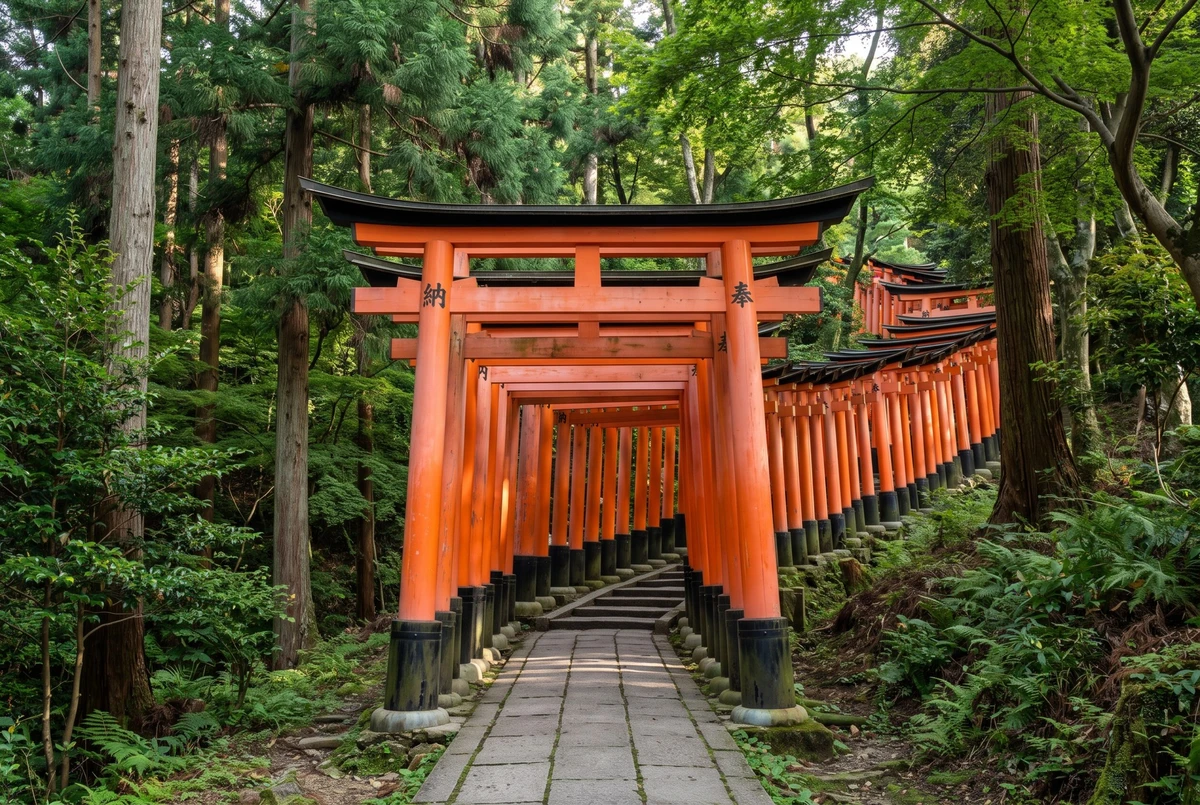
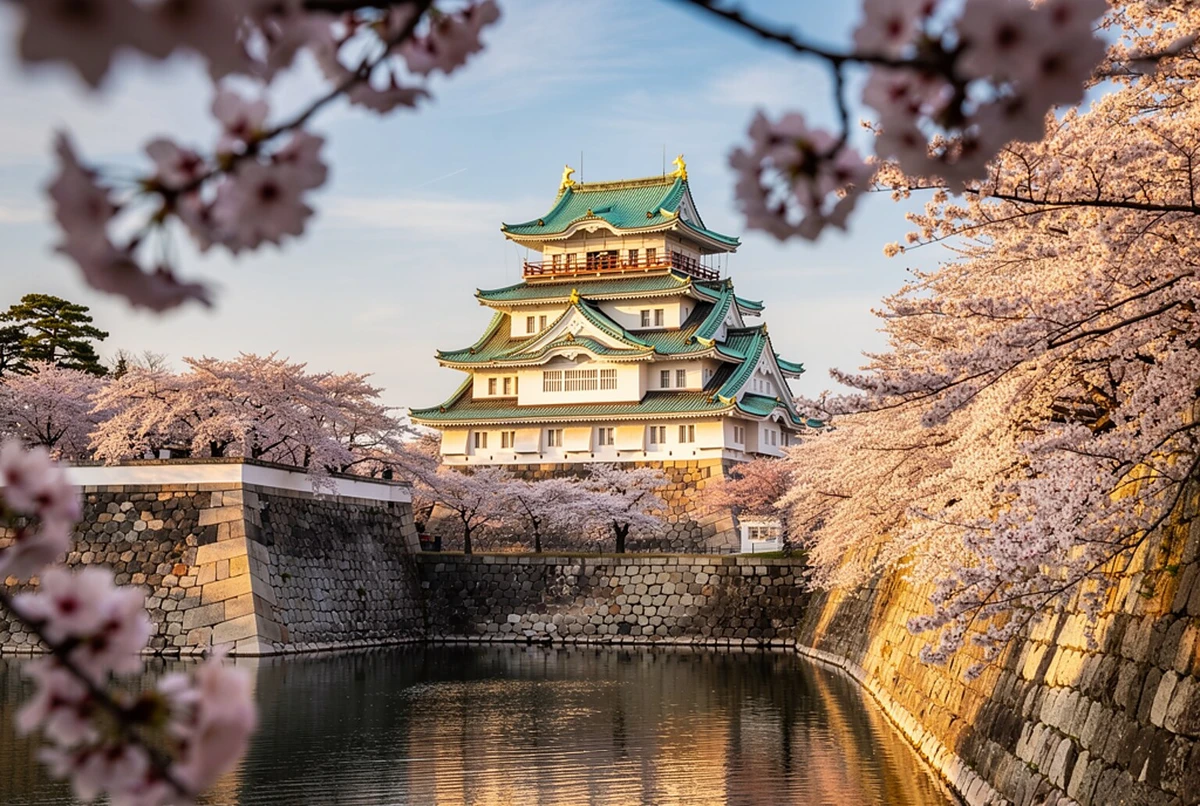
Some images are AI-generated for illustration. While we confirm your booking, just ask and we will send you the original photos.
- Fair, honest prices
- Real people, not bots
- Confirm, then pay
- Secure payment

Overview
This geisha culture tour in Kyoto follows a two-hour route on foot from the willow-lined Shirakawa Canal to Hanamikoji Street, the heart of the Gion geisha district. With an experienced local guide speaking English, you visit the little Tatsumi-jinja Shrine, Yasaka Shrine, the stone slope of Ninenzaka, the Yasaka Pagoda of Hokan-ji Temple and the wish stone of Yasui Kompira-gu, walking quiet backstreets and Edo-period wooden townhouses along the way. Your guide explains the training, dances, kimono and hairstyles of geisha, and shares tips for the rest of your stay. The default option is a shared group walk with many start times from morning to evening; a private version for your own group is also available. No pickup is included.
Highlights
- Begin at the willow-lined Shirakawa Canal, one of the prettiest corners of Kyoto
- See Tatsumi-jinja, the small shrine where maiko pray for their arts
- Visit Yasaka Shrine, guardian of Gion for more than a thousand years
- Climb Ninenzaka and see the Yasaka Pagoda rise above the rooftops
- Try the wish stone ritual at Yasui Kompira-gu Shrine
- Finish on Hanamikoji Street with a chance to spot a geisha
- Start times from 08:00 to 21:00 to suit your plans
- Local tips and recommendations from your guide
Full Description
Gion Shirakawa and Tatsumi-jinja Shrine
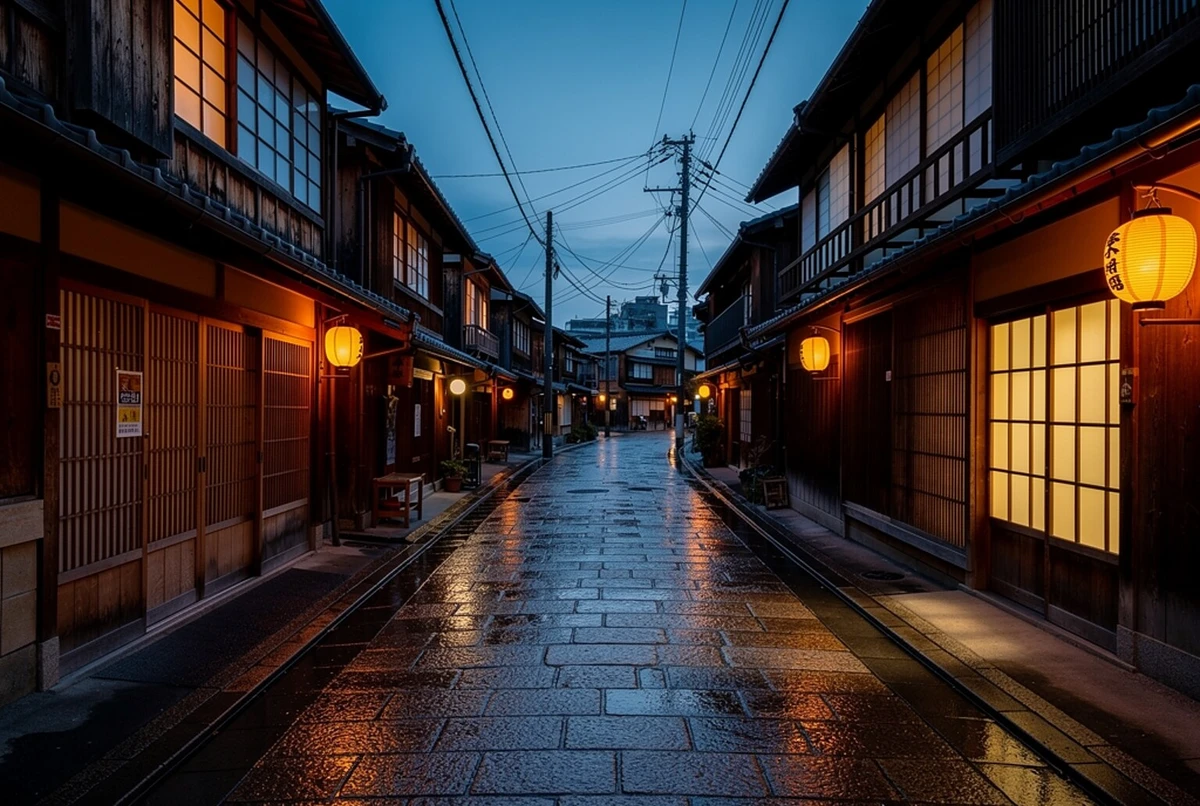
Gion Shirakawa is the stretch where the small Shirakawa stream flows through Gion past teahouses whose upper rooms lean over the water behind bamboo blinds. Weeping willows and cherry trees line the stone-paved Shirakawa-minami-dori and Shinbashi-dori, a protected historic district since 1976, and in early April the blossoms are illuminated at night. Stepping-stone paths and small bridges make this the most photogenic start to a Gion Shirakawa walk.
At the Tatsumi Bridge stands Tatsumi-jinja, a tiny shrine with a red fence, dedicated to the guardian of the south-east. Maiko and geiko stop here to pray for progress in dance and music, and you may see their names on the paper lanterns. Your guide explains the district's role in teahouse culture and the etiquette of photographing here, before you head east towards the hills.
Yasaka Shrine
Yasaka Shrine has protected Gion for more than a thousand years, and the district grew up at its gates. Its two-storey vermilion Romon gate, rebuilt in 1497, faces Shijo-dori, while the main hall, built in 1654, unusually places the worship hall and inner sanctuary under one great roof and was declared a National Treasure in 2020. Every July the shrine hosts the Gion Matsuri, with its parade of giant festival floats.
Inside the grounds, look for the Utsukushi-gozen shrine with its spring of beauty water, where maiko and visitors dab a few drops on their skin. The guide explains Shinto customs such as the purification ritual, offerings and fortune slips. The shrine is open day and night and has no entrance fee, so it is easy to come back later for the lanterns.
Ninenzaka and the Yasaka Pagoda of Hokan-ji
South of the shrine, the route enters Higashiyama, where Ninenzaka, the second-year slope, takes its name from the year 807 in which it is said to have been laid. Its stone steps are lined with restored wooden shops selling crafts, sweets and green tea, and together with neighbouring Sannenzaka it forms one of the best-preserved streetscapes of old Kyoto, a must for anyone looking for a Ninenzaka walk.
From the lanes nearby, the five-storey Yasaka Pagoda of Hokan-ji Temple appears between the rooftops, a view that has come to symbolise Kyoto. The pagoda stands about 46 metres high and was rebuilt in 1440 on a temple site founded, by tradition, in the 6th century. The guide leads you to the classic photo spots and explains the meaning of the five storeys, representing earth, water, fire, wind and sky.
Yasui Kompira-gu Shrine
Back towards Gion, Yasui Kompira-gu Shrine is visited by people hoping to end bad relationships, habits or illnesses and to begin good ones. Its centrepiece is a large stone covered in white paper charms with an opening through the middle: you write your wish, crawl through the hole one way to cut bad ties and the other way to form good ones, then stick your paper on the stone.
The walls of the shrine are hung with wooden votive plaques written in many languages, a fascinating glimpse of what visitors wish for. The guide explains the ritual step by step and how locals use it, and you can watch or take part. It is a short stop, yet often the one guests remember most.
Hanamikoji Street: the heart of the geisha district
The tour ends on Hanamikoji Street, the main street of Gion Kobu, the most prestigious geisha community in Kyoto. Its wooden teahouses with latticed windows, bamboo fences and lanterns look much as they did in the 19th century, and in the evening this is where you might glimpse a geisha on her way to an engagement. This Hanamikoji Street tour stop is the place to hear about their strict training.
Your guide explains how a maiko learns dance, music and conversation over several years, the craftsmanship behind kimono and hair ornaments, and the difference in dress between maiko and geiko. You also learn the rules of the district: private side lanes are closed to photography and geisha should never be stopped. Is Gion worth visiting? With this context, every lane comes alive.
Itinerary
- Meeting point at Shijo Ohashi BridgeMeet the guide at the west end of the bridge and walk across the Kamo River into Gion, about 5 minutes.
- Shirakawa CanalWalk along the willow-lined canal and its teahouses with photo stops, about 15 minutes.
- Tatsumi-jinja ShrineVisit the small shrine where maiko pray for their arts, about 10 minutes.
- Yasaka ShrineGuided visit of the shrine grounds, the main hall and the beauty water spring, about 20 minutes.
- NinenzakaStroll the preserved stone slope of Higashiyama with scenic views on the way, about 20 minutes.
- Hokan-ji Temple (Yasaka Pagoda)Photo stop at the five-storey pagoda, about 10 minutes.
- Yasui Kompira-gu ShrineSee the wish stone and learn the ritual, about 15 minutes.
- Hanamikoji StreetFinish in the heart of the geisha district with stories of geisha life, about 20 minutes; the tour ends here.
What's included
- Local guide speaking English
- Shirakawa Canal in Gion Shirakawa
- Tatsumi-jinja Shrine
- Yasaka Shrine
- Ninenzaka and Hokan-ji Temple (Yasaka Pagoda)
- Yasui Kompira-gu Shrine
- Hanamikoji Street in the heart of the geisha district
- Local tips and recommendations
Not included
- Food and drinks
- Transport to the meeting point
Is this right for you?
Great for
- Families with children — a child price for ages 3–11
- Groups who want privacy — a private option is available
- First-time visitors who want the highlights
- A short visit — about 2 hours
Think twice if
- Walking is difficult for you — expect active parts
Not suitable for
- People with mobility impairments
- Wheelchair users
Meeting point
Meet beside the fast-food restaurant at the west end of the Shijo Ohashi Bridge, 105-1 Hashimoto-cho, Shimogyo-ku, Kyoto, a short walk from Gion-Shijo and Kyoto-Kawaramachi stations. As the front of the restaurant gets very busy, your guide waits holding a sign at the side of the building. Please arrive 10 minutes early. There is no hotel pickup; the tour ends on Hanamikoji Street.
Important information
- Wear comfortable walking shoes for slopes and stone steps
- Bring water and sunscreen, especially in summer
- The tour takes place in the rain; bring an umbrella or raincoat
- Flash photography is not allowed inside temples
- Never block, touch or chase geisha and maiko for photos
- Seeing a geisha is possible, especially in the evening, but never guaranteed
- Food, drinks and transport to the meeting point are not included
Good to know
Frequently Asked Questions
Straight answers to what travellers ask us most, before they book.
Is this a shared or a private experience?
The default option is a shared group walk with an English-speaking local guide. A private tour for your group only, in English or Spanish, is also available in the booking panel.
How long does the walking tour take?
About two hours from the Shijo Ohashi Bridge to Hanamikoji Street.
Is hotel pickup included?
No. You meet the guide at the west end of the Shijo Ohashi Bridge in central Kyoto.
What is included?
A guided walk with a local guide through the Shirakawa Canal, Tatsumi-jinja Shrine, Yasaka Shrine, Ninenzaka, the Yasaka Pagoda, Yasui Kompira-gu Shrine and Hanamikoji Street, plus local tips and recommendations.
Is the price per person or per group?
The shared walk is priced per person, and the private tour is priced for the whole group. The booking panel on this page shows the current price of each option.
Is it suitable for children or reduced mobility?
Children who enjoy walking are welcome. The route includes slopes and stone steps, so it is not suitable for wheelchair users or guests with mobility impairments.
When is the best time to visit Gion?
Early morning is calm and ideal for photos, while evening starts give the best chance of seeing a geisha. Cherry blossom season in early April and autumn colours in November are especially beautiful.
Will I see a geisha?
Many guests do, mostly in the evening on Hanamikoji Street, but sightings depend on the geisha's schedule and cannot be guaranteed.
What should I bring?
Comfortable shoes, water, sunscreen and an umbrella or raincoat if rain is forecast.
What happens in bad weather?
The tour runs in the rain. If severe weather forces a cancellation, we help you change the date or arrange a refund.
How is this tour different from a Gion night walk?
It starts at the Shirakawa Canal and Tatsumi-jinja, includes Yasaka Shrine, Ninenzaka and the pagoda, and offers start times all day, so you can choose daylight or evening.
How do I book and confirm?
Choose your option, date and start time in the booking panel. Our team confirms your booking on WhatsApp within minutes.
More in Kyoto
Popular across Japan
-

-
-
-
-
-