Tea Ceremony with Optional Kimono in a Machiya Townhouse Kyoto
- Duration50 minutes
- Daily
- Group
Some images are AI-generated for illustration. While we confirm your booking, just ask and we will send you the original photos.
- Fair, honest prices
- Real people, not bots
- Confirm, then pay
- Secure payment

Overview
This Kyoto tea ceremony takes place in a wooden machiya townhouse about a hundred years old, in the historic quarter near the Kyoto Imperial Palace. In the default option you first choose a casual kimono at a shop near Gojo Station, then travel on your own to the townhouse, where a tea master and an interpreter explain the Way of Tea, serve the first bowl and guide you as you whisk your own matcha with seasonal Japanese sweets. After the 50-minute ceremony you can stroll Kyoto in kimono until 5:30 pm. It is a group session of up to 20 guests, and two tea-only options, at midday, evening or early morning, are also available. No hotel pickup is included.
Highlights
- Tea ceremony in a wooden machiya townhouse about a hundred years old
- Tea master with an English interpreter explaining every step
- Whisk your own bowl of matcha under the master's guidance
- Seasonal traditional Japanese sweets
- Casual kimono rental with free time to stroll Kyoto in the default option
- Small chairs available if you prefer not to sit on the floor
- Quiet historic setting near the Kyoto Imperial Palace
- Tea-only sessions at 8:30, 12:30 and 19:30 also available
Full Description
A century-old Kyoto machiya
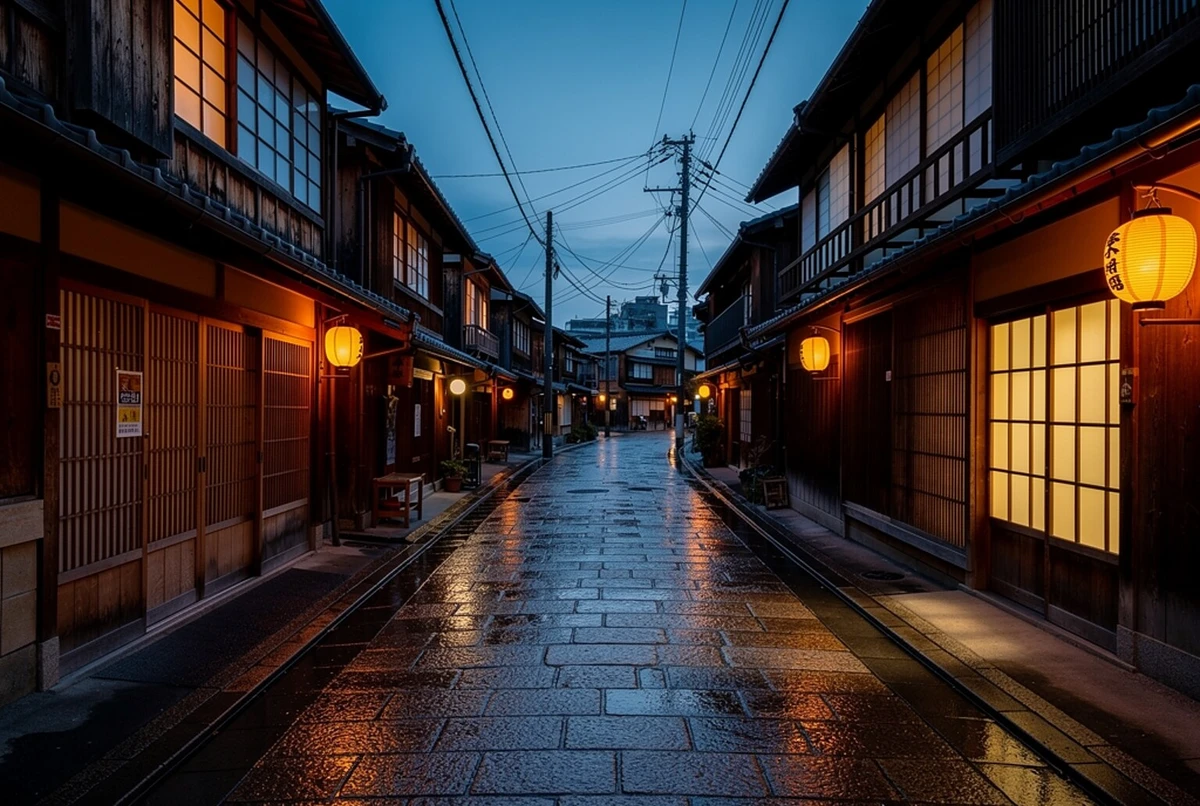
Machiya are the traditional wooden townhouses of Kyoto merchants, narrow at the street and deep inside, a shape locals nickname the eel's bed because houses were once taxed by the width of their frontage. This one has stood for about a hundred years, with latticed windows, tatami rooms, sliding paper doors and a small inner garden that brings light and seasons into the house.
Holding a tea ceremony in a real machiya rather than a modern studio is what gives this experience its character: you sit in rooms where Kyoto families lived and received guests for generations. The room used depends on the size of the group, which can reach twenty guests. Please bring socks, as you walk on tatami inside, and keep voices low to protect the calm atmosphere.
The tea ceremony with a tea master
The session opens with the story of tea in Japan, from powdered green tea brought from China by Zen monks to the refined ritual known today as the Way of Tea. You learn how to bow, the greeting words, how to eat the sweet, how to hold and turn the bowl, and how to admire the tea bowl itself, a key part of the etiquette.
The master then brings the utensils into the room and prepares the first bowl for a guest, every movement slow and precise. Next it is your turn: with a bamboo whisk you prepare your own frothy matcha under the master's supervision, then taste it with a seasonal Japanese sweet. The ceremony lasts about fifty minutes and ends with time for questions. Small chairs are available if kneeling is uncomfortable.
Kimono rental and a stroll through Kyoto
In the default option the day begins at a kimono shop near Gojo Station, where you choose from a wide range of colours, patterns and sizes. Optional extras on the spot include hair styling and makeup for women, a haori jacket or an upgrade to a formal visiting kimono. Fitting takes about an hour to an hour and a half.
You then travel on your own by subway or taxi to the townhouse, about twenty to thirty minutes, and the tea ceremony begins two hours after your chosen start time. Afterwards you are free to walk around Kyoto in kimono and take photos, returning it to the shop by 5:30 pm. Wearing a kimono in a Kyoto tea house is one of the most memorable things to do in Kyoto.
The Imperial Palace quarter
The tea house sits close to the Kyoto Imperial Palace, the residence of Japan's emperors until the capital moved to Tokyo in 1869. For centuries this quarter was the cultural centre of the court and nobility, where tea gatherings, poetry readings and artistic discussions took place, so the setting carries real history.
Before or after your tea ceremony in Kyoto, the wide gravel paths and gardens of Kyoto Gyoen National Garden around the palace are perfect for a walk, especially at plum and cherry blossom time in late winter and spring. The palace grounds are open to visitors on most days except Mondays. Karasuma Oike and Marutamachi subway stations are the easiest way to reach the area.
Itinerary
- Kimono shop near Gojo StationDefault option: arrive at your start time, choose and put on your kimono; about an hour to an hour and a half.
- Travel to the machiyaGo on your own by subway or taxi to the tea house near the Imperial Palace; about twenty to thirty minutes.
- Introduction to the Way of TeaThe tea master and interpreter explain the history and etiquette of the tea ceremony.
- Master's demonstrationWatch the master prepare and serve the first bowl of matcha to a guest.
- Whisk your own matchaPrepare your own bowl under supervision and enjoy it with a seasonal sweet; the ceremony lasts about fifty minutes.
- Free time in kimonoStroll and take photos around Kyoto, then return the kimono to the shop by 5:30 pm.
What's included
- Tea ceremony with a tea master and interpreter in a century-old machiya townhouse
- Introduction to the history and etiquette of the Way of Tea
- Matcha you prepare yourself under the master's guidance
- Seasonal traditional Japanese sweets
- Leaflet explaining the tea ceremony
- Chair seating available if you prefer not to sit on the floor
Not included
- Kimono rental
- Transport to the tea house
- Professional photos
- Hotel pickup
Is this right for you?
Great for
- Food lovers
- A short visit — about 1 hour
- Travellers who want a proven choice — rated 4.8/5 by past travellers
Think twice if
- You want a private tour — this one is shared with other travellers
Not suitable for
- Children under 10 years
- Pregnant women
- Wheelchair users
- Visually impaired people
- People over 200 cm (6 ft 6 in) tall
- People over 95 kg (209 lbs)
Meeting point
In the default option, go to the kimono shop near Gojo Station at the start time on your booking; after dressing, make your own way by subway or taxi to the machiya tea house near the Kyoto Imperial Palace, where the ceremony begins two hours after your start time. For the tea-only options, go directly to the machiya tea house and arrive 5 to 10 minutes early. Exact addresses are sent with your booking confirmation.
Important information
- Bring socks: you walk on tatami inside the townhouse
- Sandals and flip-flops are not allowed
- Suitable for guests aged 10 and over; a quiet atmosphere is required
- Transport between the kimono shop and the tea house is at your own cost
- Return the kimono to the shop by 5:30 pm on the same day
- Latecomers may join, but the session cannot be extended
- No flash photography, food, drinks or pets inside
- Chairs are available if you prefer not to sit on the floor
Good to know
Frequently Asked Questions
Straight answers to what travellers ask us most, before they book.
Is this a shared or a private experience?
It is a shared group session of up to 20 guests, led by a tea master with an English interpreter.
How long does it take?
The tea ceremony lasts about 50 minutes. With kimono rental and travel, allow about three hours, plus free time in kimono until 5:30 pm.
Is hotel pickup included?
No. You go to the kimono shop or the tea house on your own; Kyoto's subway makes both easy to reach.
What is included?
The tea ceremony with a master and interpreter, matcha, seasonal sweets and a leaflet; the default option also includes a casual kimono rental.
Is the price per person or per group?
The kimono option is priced per person, while the tea-only sessions are priced by group size. The booking panel on this page shows the current price of each option.
Do I have to sit on the floor?
No. Small chairs are available for anyone who prefers not to kneel on the tatami.
Is it suitable for children or people with reduced mobility?
It suits guests aged 10 and over. It is not suitable for wheelchair users, but chair seating helps those who find kneeling difficult.
What should I bring?
A pair of socks, comfortable clothes and a small bag for your belongings if you change into kimono.
Can I keep the kimono on after the ceremony?
Yes, in the default option you can walk around Kyoto in kimono and return it to the shop by 5:30 pm.
Which session time is best?
The 8:30 early-morning session is the quietest, the 12:30 session fits a day of sightseeing and the 19:30 session is calm after the crowds have left; the kimono option starts at 10:30.
Can I add hair styling or a formal kimono?
Yes, women can add hair styling and makeup, and anyone can upgrade to a formal kimono or add a haori jacket at the shop.
How do I book and confirm?
Choose your date and option in the booking panel; our team confirms on WhatsApp within minutes and sends the addresses.
More in Kyoto

Popular across Japan
-

-
-

-
-
-