Gion Geisha District Walking Tour with Pontocho & Yasaka Shrine Kyoto
- Duration2 hours
- Daily
- Group
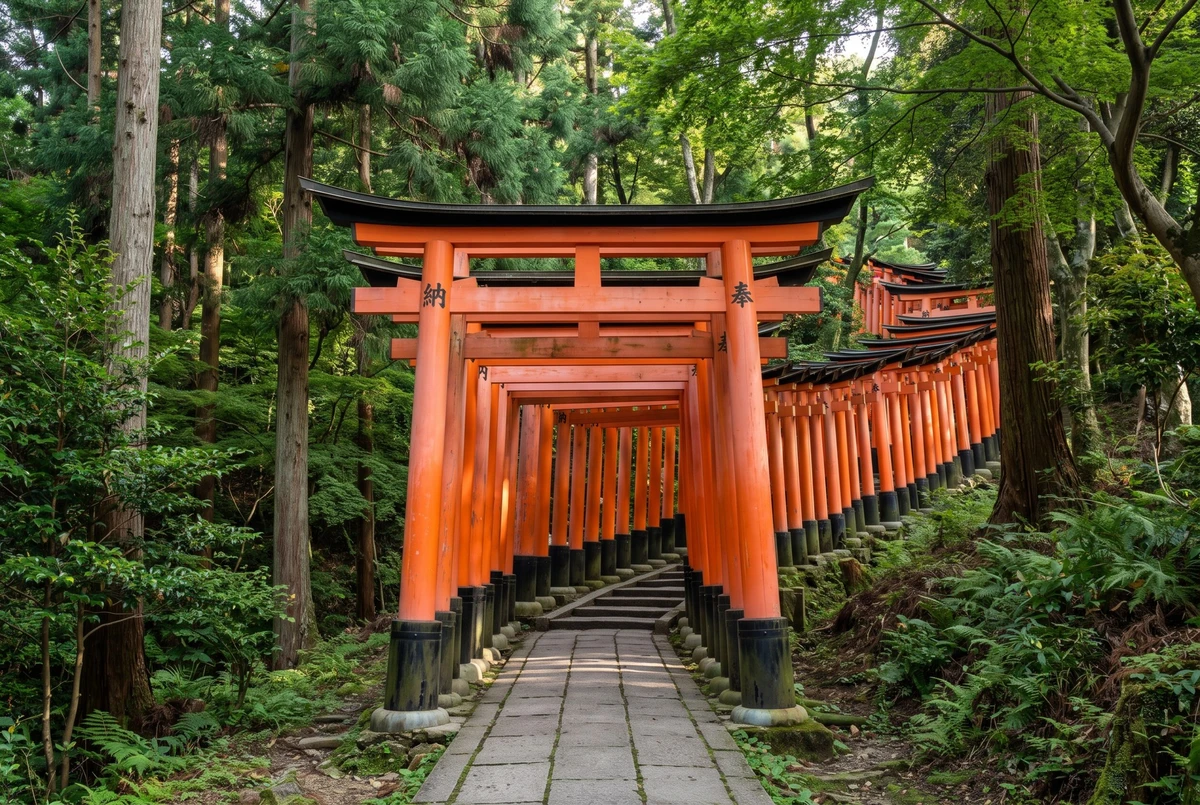
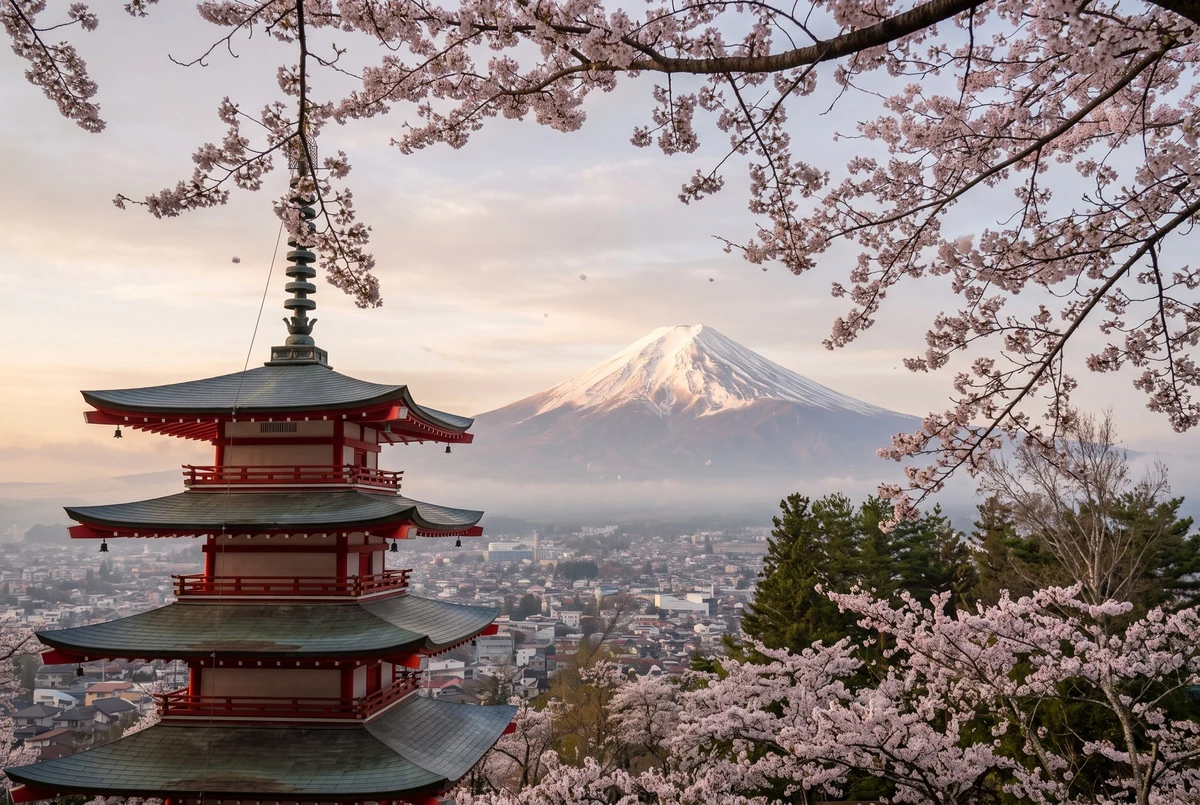
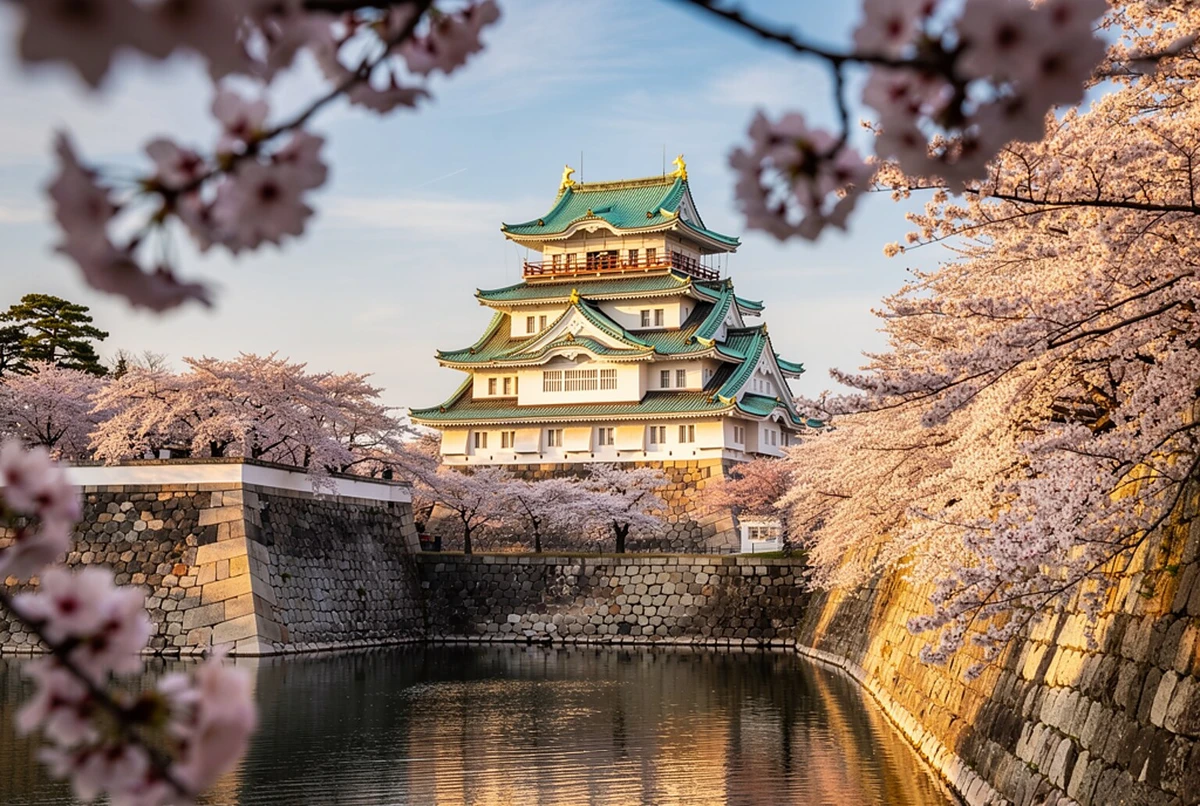
Some images are AI-generated for illustration. While we confirm your booking, just ask and we will send you the original photos.
- Fair, honest prices
- Real people, not bots
- Confirm, then pay
- Secure payment

Overview
This Gion walking tour is a two-hour guided stroll through the two most famous geisha districts of Kyoto, led by a live local guide speaking English. You start on Shijo-dori in central Kyoto, slip into the lantern-hung lane of Pontocho, cross the Kamo River to the statue that marks the birth of kabuki, then walk the wooden teahouse streets of Gion and Hanamikoji before ending at the vermilion gate of Yasaka Shrine. Along the way your guide explains how maiko train, what the hairstyles and kimono mean, and how to behave respectfully in the district. It is a shared group walk with afternoon and evening starts, no pickup and no tickets needed, ideal for first-time visitors, couples and curious families.
Highlights
- Walk the narrow stone lane of Pontocho with its old wooden teahouses
- Stand by the Kamo River at the statue honouring the founder of kabuki
- Stroll Hanamikoji Street, the heart of the Gion geisha district
- Pass Gion Corner, the stage for traditional Kyoto arts
- Finish at Yasaka Shrine, beautiful when its lanterns are lit
- Learn how maiko train and become geiko, with real stories from a local guide
- Evening starts give the best chance of seeing a maiko on her way to work
- Easy two-hour route on flat streets in central Kyoto
Full Description
Pontocho Alley: Kyoto's lantern-lit lane
Pontocho is a single paved lane, barely two people wide, running from Shijo-dori up towards Sanjo between the Kamo River and the Kiyamachi canal. It has been an entertainment quarter since the early Edo period, and today its wooden facades hide exclusive teahouses and small Kyoto restaurants. Look for the plover emblem on the paper lanterns: it is the symbol of the Pontocho geisha community, which stages its own spring dances in the theatre at the north end of the lane.
On this Pontocho Alley tour your guide shows you how to read the narrow doorways and bamboo blinds, and explains the strict rule that guests can enter a teahouse only by introduction. In summer, from May to September, the river-side restaurants build raised wooden platforms over the water, one of the classic views of Kyoto. About fifteen minutes here is enough to soak up the mood before heading to the river.
Kamo River and the statue of Izumo-no-Okuni
Crossing the Shijo Ohashi bridge, you reach the east bank of the Kamo River, where a bronze statue shows a performer in costume holding a fan. It recalls the woman credited with creating kabuki around 1603, when she danced on the dry riverbed here and drew huge crowds. Just behind stands the Minamiza theatre, built on the site of one of the earliest kabuki stages and still used for performances today.
Your guide uses this stop to tell the story of how kabuki, geisha music and the teahouse world grew up side by side on the river banks. It is also one of the best photo spots on the route, with the river, the hills of Higashiyama and the bridge lights behind you. The stop takes about fifteen minutes, and the river path is a pleasant place to return to after the tour.
Gion and Hanamikoji Street: the geisha district
Gion grew up in the Edo period to serve pilgrims visiting Yasaka Shrine, and it became the largest and most refined geisha district in Japan. Hanamikoji Street runs south from Shijo-dori, lined with latticed wooden teahouses, curved bamboo fences called inuyarai and discreet name plates showing which maiko and geiko belong to each house. The famous red-walled teahouse on the corner of Shijo has received guests for more than three centuries.
This is the heart of any Gion geisha tour: the guide explains the five years of training a maiko goes through, the difference between her long dangling sash and the simpler style of a geiko, and why you should never block or touch them. Many side lanes off Hanamikoji are private roads where photography is banned, and the guide shows you where to stop. Expect about thirty to forty minutes in Gion, including Hanamikoji.
Gion Corner and the Kaburenjo theatre
At the southern part of Hanamikoji stands Yasaka Hall, known to visitors as Gion Corner, next to the Gion Kobu Kaburenjo, the theatre where the geiko and maiko of Gion present their spring dances each April. Gion Corner hosts short evening shows that introduce traditional arts such as the tea ceremony, flower arrangement, court music, comic theatre, puppet theatre and Kyoto-style dance.
On this tour you visit the exterior and the garden area for about ten minutes, while your guide explains how the dances are rehearsed and why the theatre matters to the community. If you would like to see a performance, the guide can suggest the best way to fit it in after the walk. The surrounding streets are quiet and very photogenic, especially in the early evening when lanterns start to glow.
Yasaka Shrine: the guardian of Gion
Yasaka Shrine stands at the eastern end of Shijo-dori, its bright vermilion gate facing the busy street. Founded according to tradition in the 7th century, it is the shrine that gave Gion its name and its festival: the Gion Matsuri, held throughout July, is one of the most celebrated festivals in Japan. Inside the grounds, the dance stage is hung with hundreds of paper lanterns bearing the names of local businesses, and they are lit every evening.
The shrine is open around the clock and there is no entrance fee, so Yasaka Shrine opening hours are never a worry, and the evening is the most atmospheric time to come. Your guide explains how to purify your hands at the water basin and how to pray, then leaves you at the shrine after about fifteen minutes. Maruyama Park, famous for its weeping cherry tree, lies just behind if you want to keep exploring.
Itinerary
- Meeting point on Shijo-doriMeet your guide in central Kyoto near Kyoto-Kawaramachi Station; introductions and a short briefing take about 10 minutes.
- Pontocho AlleyWalk the narrow lane of old wooden teahouses and restaurants by the river, about 15 minutes.
- Statue of Izumo-no-OkuniCross the Kamo River and hear the story of the birth of kabuki beside the statue, about 15 minutes.
- Gion districtExplore the traditional streets of Gion and learn about maiko and geiko life, about 30 minutes.
- Gion CornerStop outside the hall and theatre of traditional performing arts, about 10 minutes.
- Hanamikoji StreetStroll the main teahouse street, keeping an eye out for maiko heading to appointments, about 25 minutes.
- Yasaka ShrineEnd at the vermilion gate and lantern-hung dance stage of the shrine, about 15 minutes; the tour finishes here.
What's included
- Guided walking tour of Gion and Pontocho
- Live local guide speaking English
- Walk along Pontocho Alley and its old wooden teahouses
- Stop at the Statue of Izumo-no-Okuni, founder of kabuki
- Stroll along Hanamikoji Street and past Gion Corner
- Visit to Yasaka Shrine
Not included
- Tips
- Food and drinks
- Transport to the meeting point
Is this right for you?
Great for
- Families with children — a child price for ages 3–11
- First-time visitors who want the highlights
- A short visit — about 2 hours
- Travellers who want a proven choice — rated 4.7/5 by past travellers
Think twice if
- You want a private tour — this one is shared with other travellers
- Walking is difficult for you — expect active parts
Not suitable for
- Wheelchair users (some lanes are narrow and uneven)
- Travellers looking for a tour with entry into a teahouse or a performance
Meeting point
Meet your guide in front of the cookie shop on Shijo-dori, a short walk from Kyoto-Kawaramachi Station in central Kyoto; the guide holds a sign board. Please arrive 10 minutes before your chosen start time. There is no hotel pickup, and the tour ends at Yasaka Shrine, a short walk from Gion-Shijo Station.
Important information
- Wear comfortable walking shoes; the route is about two kilometres on flat streets
- Bring water, especially on summer afternoons
- Maiko and geiko are working: never block their way, touch them or ask for photos
- Photography is banned in the private side lanes of Gion; your guide shows where it is allowed
- Seeing a maiko is likely in the evening but can never be guaranteed
- The tour runs in light rain, so bring an umbrella if the forecast is wet
- Food, drinks, tips and transport to the meeting point are not included
Good to know
Frequently Asked Questions
Straight answers to what travellers ask us most, before they book.
Is this a shared or a private experience?
It is a shared group walking tour with a live local guide speaking English. You join other travellers on the same route and start time.
How long does the Gion walking tour take?
About two hours from the meeting point on Shijo-dori to the finish at Yasaka Shrine.
Is hotel pickup included?
No. You meet the guide in central Kyoto near Kyoto-Kawaramachi Station, which is easy to reach by train, bus or taxi.
What is included?
The guided walk through Pontocho, the Kamo River, Gion, Hanamikoji Street, Gion Corner and Yasaka Shrine with an English-speaking local guide. No entrance tickets are needed.
Is the price per person or per group?
The price is per person. The booking panel on this page shows the current price for each start time and date.
Is it suitable for children or travellers with reduced mobility?
Children who enjoy walking are welcome and usually love the lanterns and stories. The route is flat but includes narrow, crowded lanes, so it is not ideal for wheelchairs.
Will we see a real geisha in Gion?
Many guests see a maiko or geiko heading to an appointment, especially on the evening walks, but sightings depend on their schedule and cannot be guaranteed.
What is the difference between a geisha, a geiko and a maiko?
Geiko is the Kyoto word for geisha, a professional entertainer trained in dance and music. A maiko is an apprentice, recognisable by her long dangling sash, tall wooden sandals and elaborate natural hairstyle.
What should I bring?
Comfortable shoes, water, a charged phone or camera, and an umbrella or light jacket depending on the season.
What is the best time of day for a Gion geisha tour?
Early evening is the most atmospheric, when lanterns light up and maiko head to appointments. Spring and autumn are the most pleasant seasons; summer evenings are warm and humid.
What happens in bad weather?
The walk goes ahead in light rain. If severe weather stops the tour, we help you change the date or arrange a refund.
How do I book and confirm?
Choose your date and start time in the booking panel and send your request. Our team confirms your booking on WhatsApp within minutes and shares the meeting details.
More in Kyoto
Popular across Japan
-
-
-

-
-
-